
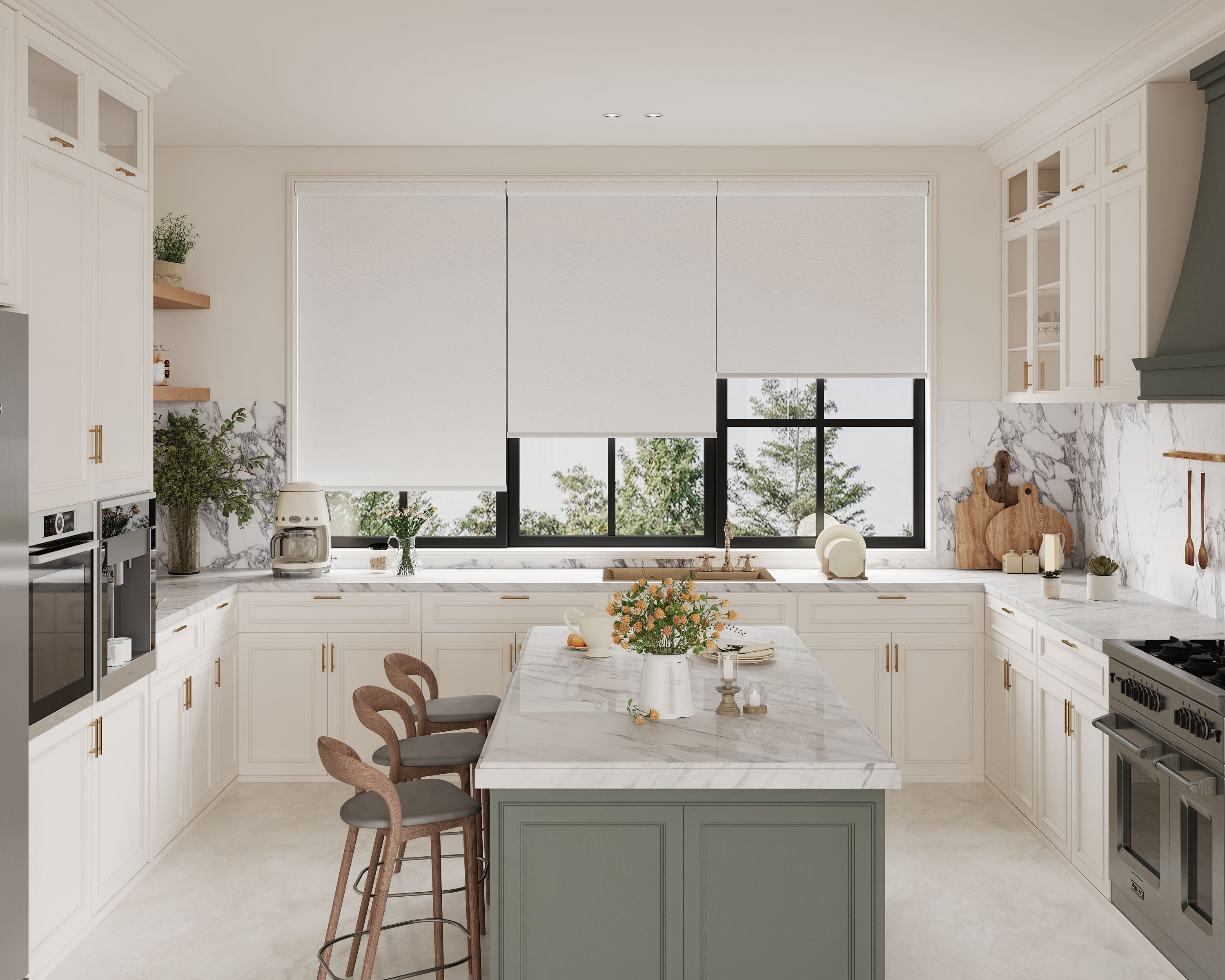
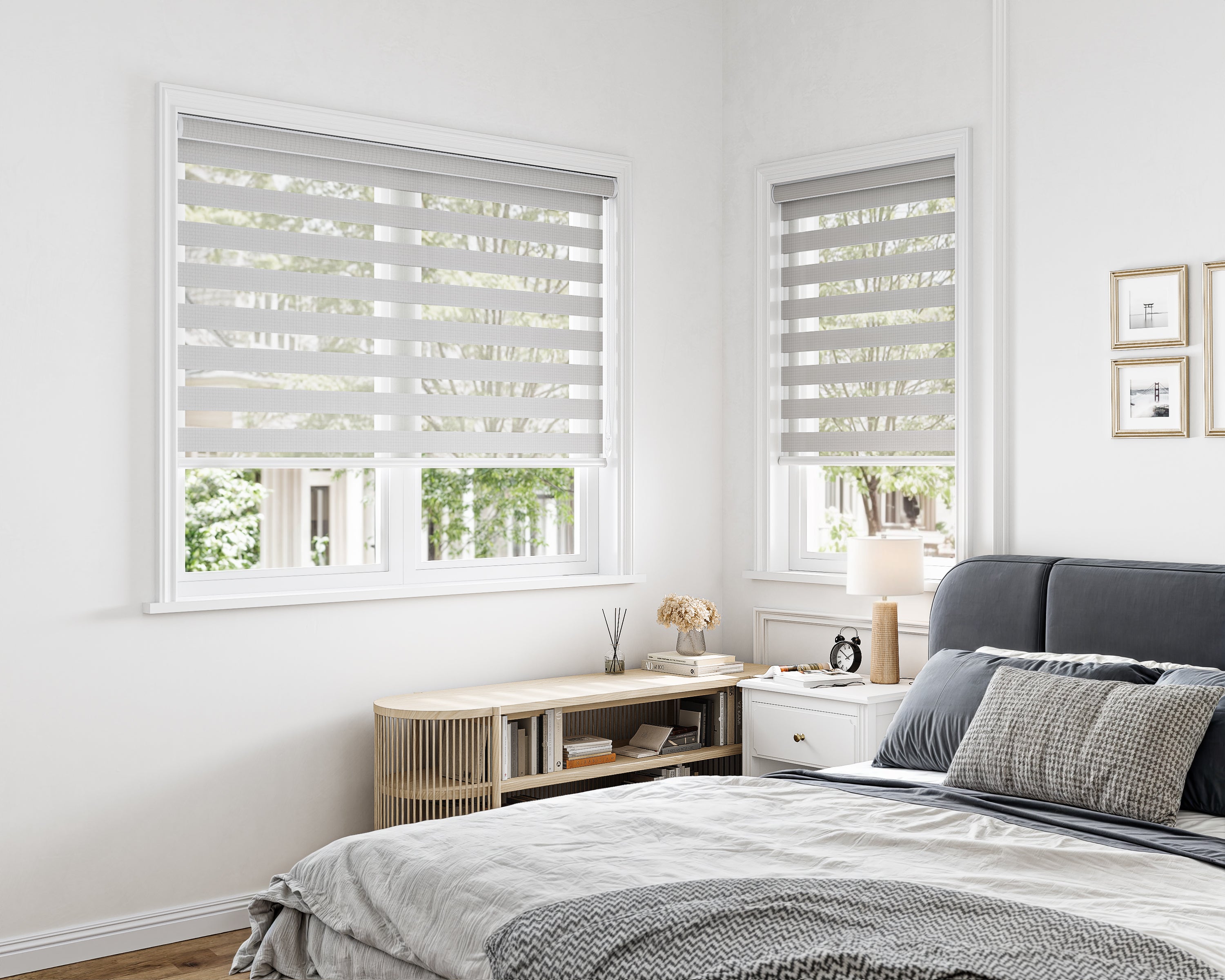
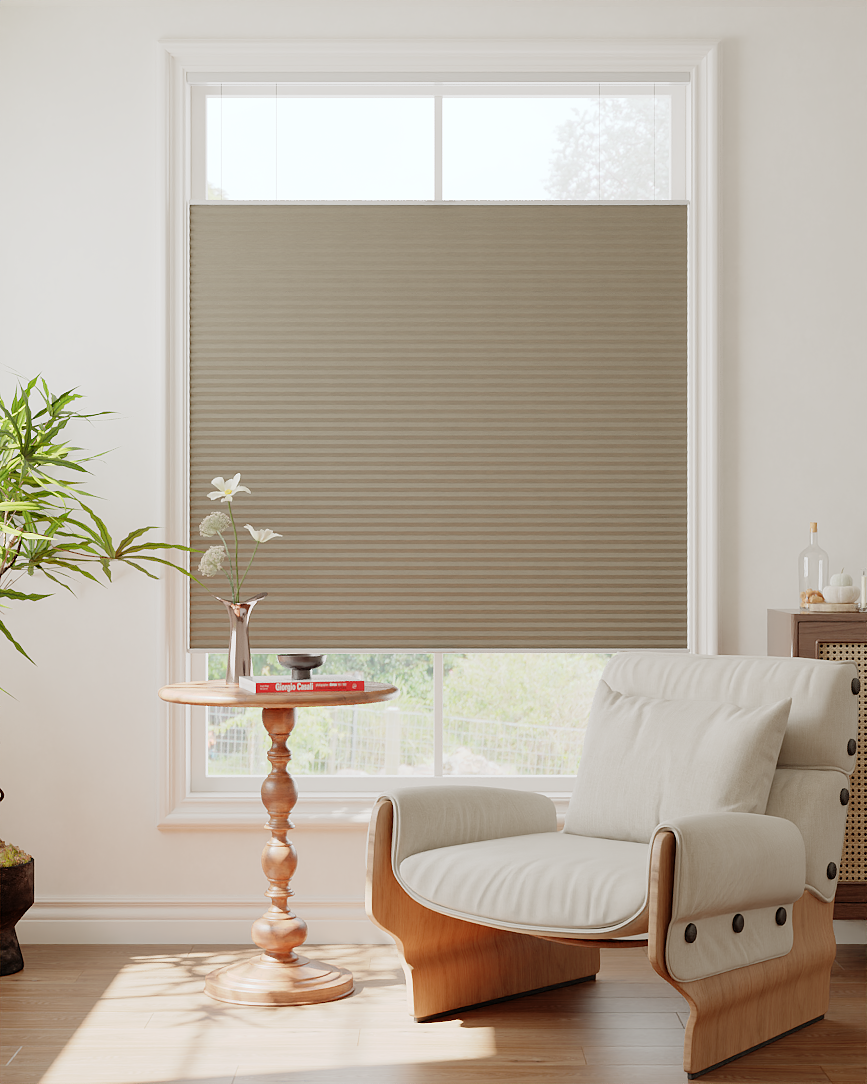
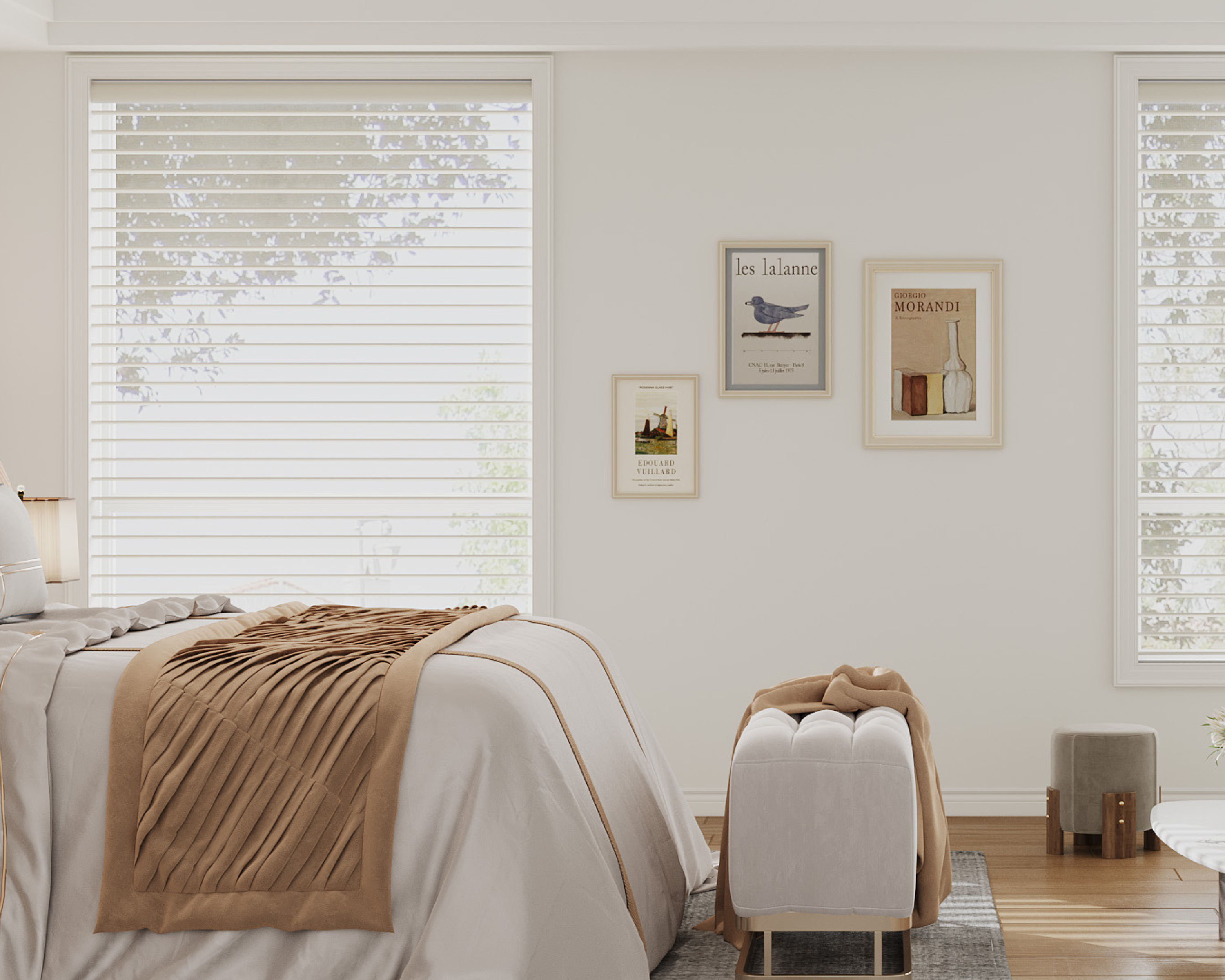
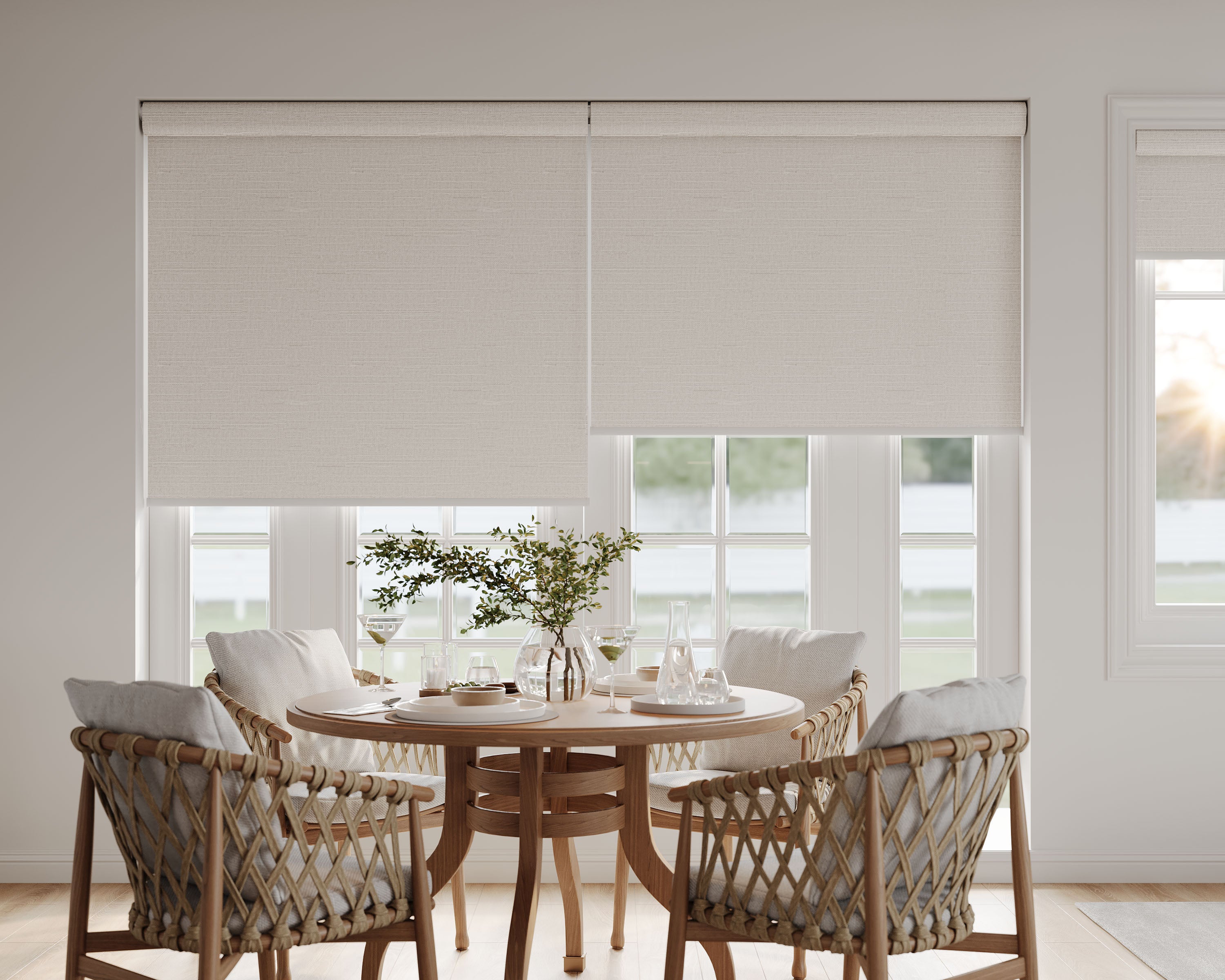


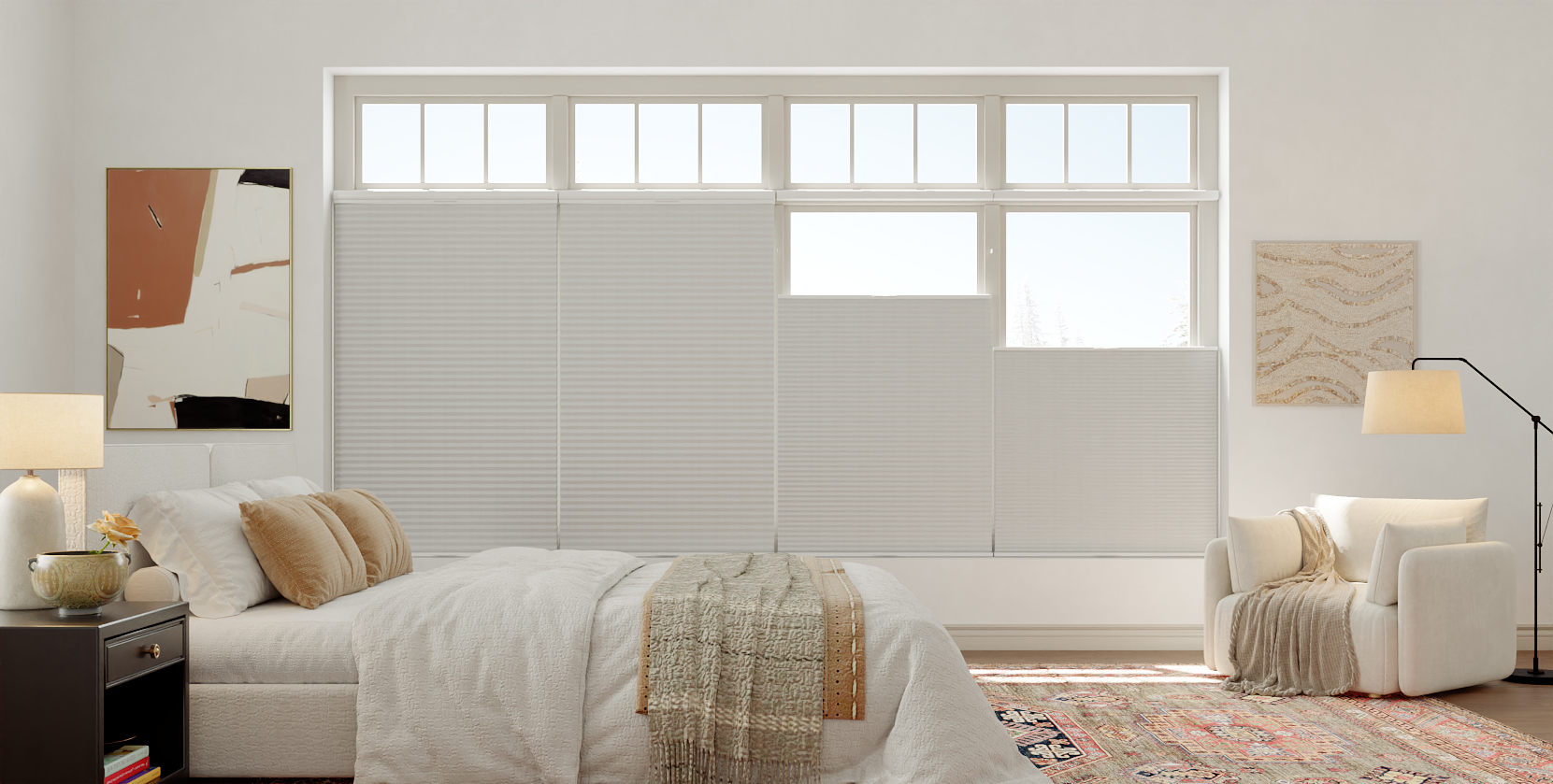


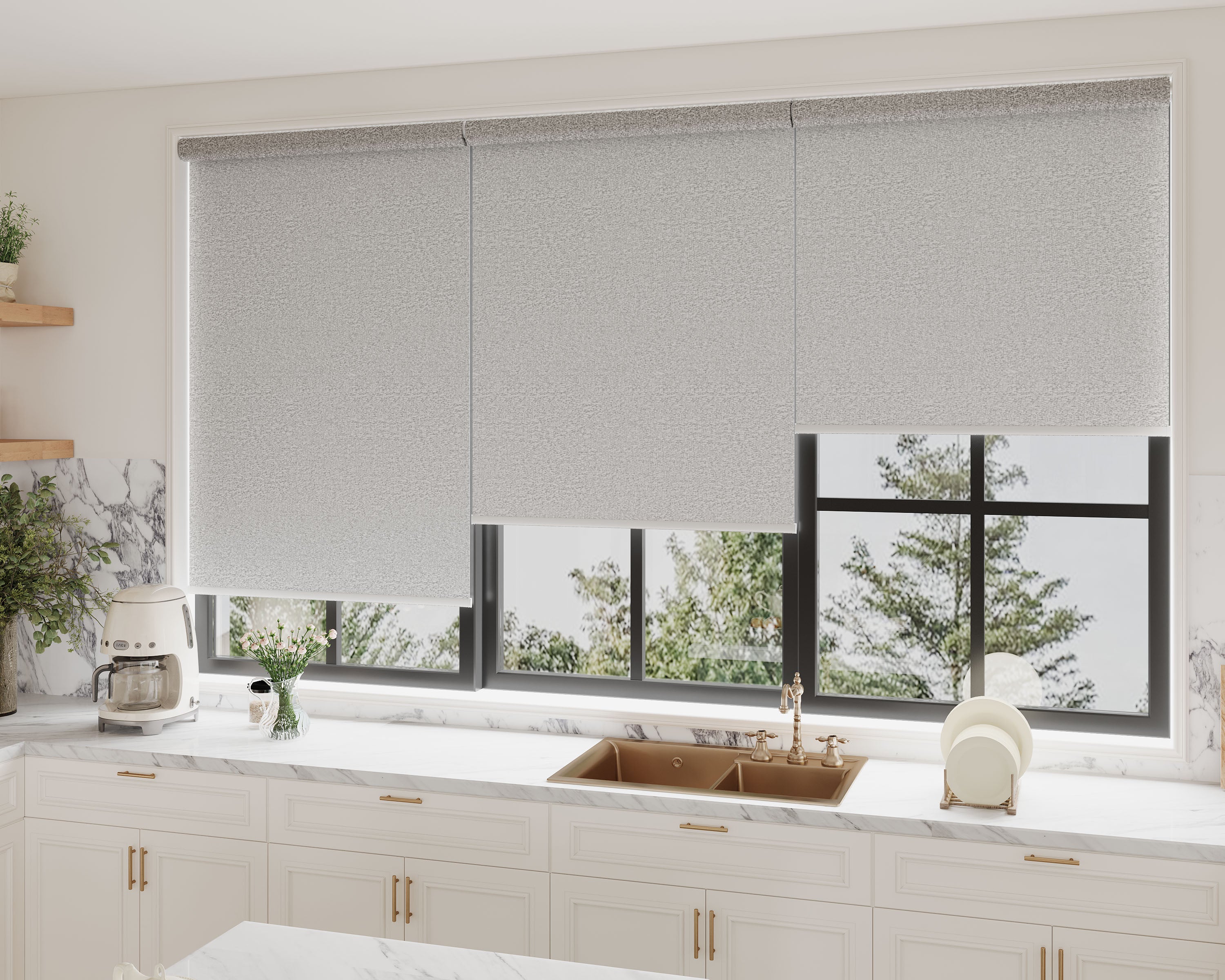

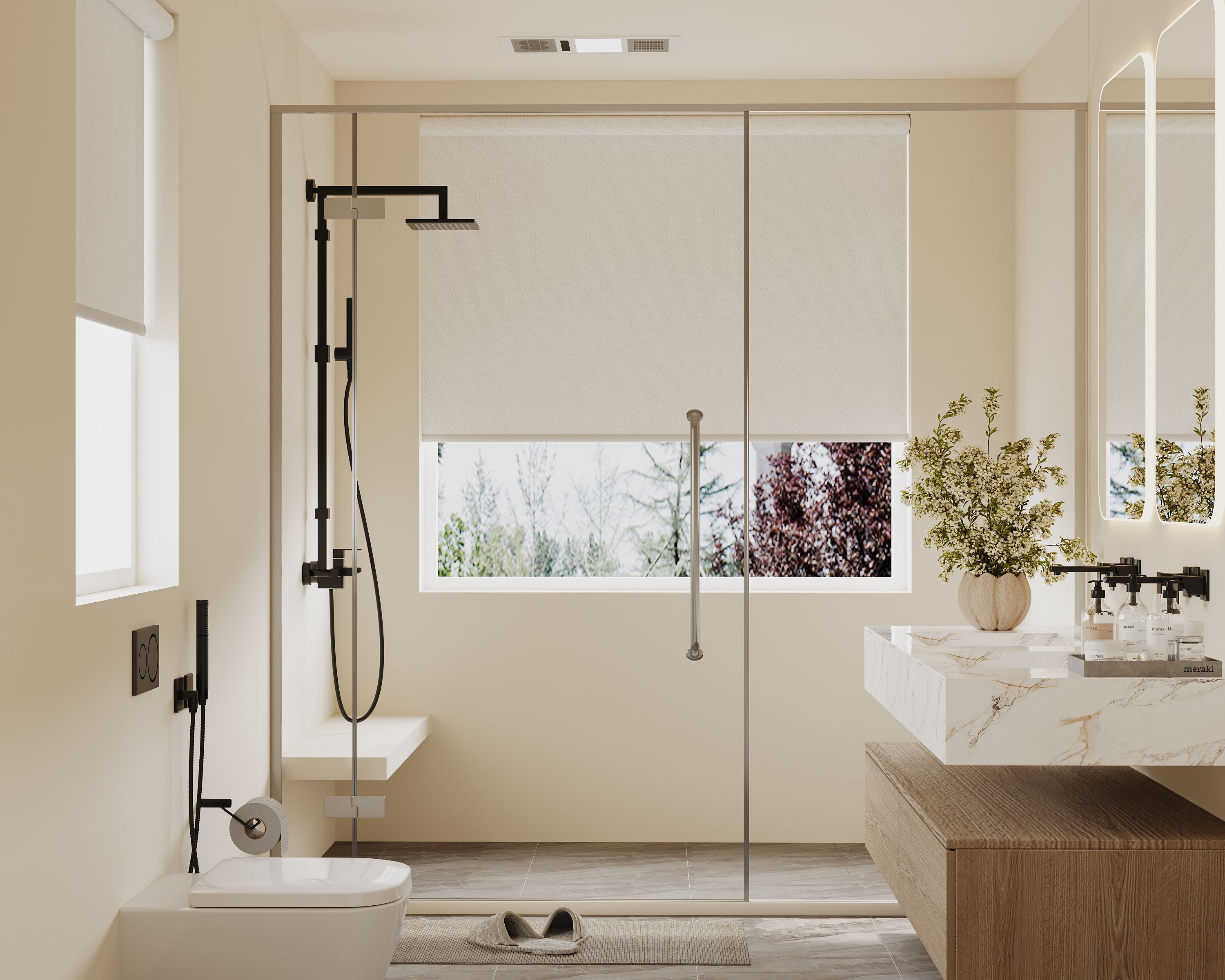


Yes, sheer shades are one of the most effective window treatments for making a room look bigger, brighter, and more open. They achieve this not by magic, but by employing three fundamental principles of visual perception: maximizing light, eliminating contrast, and preserving clean lines. By acting as a gentle filter rather than a solid barrier, sheer roller shades transform your window into a source of visual expansion.
If you're looking to visually push back the walls and lift the ceiling in your space, understanding these principles is key. Here’s what you’ll learn:
-
The three visual principles that explain exactly how sheer shades trick the eye into seeing more space.
-
A direct comparison showing how sheer shades outperform other common window treatments in creating openness.
-
A step-by-step maximization guide covering color choice, mounting style, and complementary decor.
-
Practical solutions for maintaining privacy and function without sacrificing the spacious feeling.
The Science of the Illusion: How Sheer Shades Create Space
The perception of space is heavily influenced by light, contrast, and visual boundaries. Sheer shades manipulate all three to your advantage.
-
Principle 1: Light Amplification & Diffusion
Sheer fabrics allow maximum natural light to enter while diffusing it evenly throughout the room. Bright, even light eliminates dark corners and shadows that define edges, making boundaries feel less definite and rooms feel more expansive. This harnessed light is central to balancing openness with practical living needs. -
Principle 2: Color & Contrast Elimination
The most space-enhancing sheer shades are those that closely match your wall color. When the shade and wall blend together, the window is no longer a defined "hole" in the wall. This eliminates visual contrast and stops the eye abruptly, allowing the wall plane to feel continuous and uninterrupted. Guidance on selecting the perfect fabric color to complement your walls is critical here. -
Principle 3: Preservation of the View & Line
Even when closed, sheer shades maintain a blurred connection to the outside. This extends the visual boundary of the room past the physical window frame and into the outdoors. Furthermore, the clean, solid plane of a roller shade has fewer visual breaks (like slats or folds) than other treatments, creating a smoother, less cluttered surface for the eye to process.
Comparative Impact: Sheer Shades vs. Other Treatments
The effect is clear when compared to common alternatives. Sheer shades uniquely optimize all three space-creating principles.
| Treatment Type | Light Entry & Diffusion | Color/Contrast Management | Preservation of View/Line | Overall Space-Enhancing Effect |
|---|---|---|---|---|
| Sheer Shades | Excellent. Maximizes soft, even light. | Excellent. Can match walls perfectly. | Excellent. Maintains outdoor connection and clean lines. | Superior. Optimizes all three key principles. |
| Opaque Roller or Roman Shades | Poor. Blocks or greatly reduces light when closed. | Variable. Can match walls, but the solid panel creates a distinct, flat shape. | Poor. Blocks the view completely; solid panel creates a hard stop. | Low. Can shrink a room visually by creating a large, flat, dark surface. |
| Horizontal Blinds (Open) | Good. Allows light but creates sharp, repeating lines. | Poor. High contrast between slats and what's behind them. | Good. View is maintained but sliced into segments. | Moderate. Allows light but the strong horizontal lines can visually "chop" the wall. |
| Heavy Drapery (Open) | Good. Allows light around edges, but fabric volume consumes wall space. | Variable. Can match, but the fabric's texture and folds create shadow and contrast. | Poor. Fabric stacks obscure parts of the window and view. | Low to Moderate. Bulk and texture can make walls feel closer and busier. |
How to Maximize the Effect: A Step-by-Step Guide
To get the most spatial benefit from your sheer shades, follow this actionable framework.
Step 1: Select the Perfect Color and Fabric
-
Color is King: Choose a shade color that is as close as possible to your wall color. If walls are white, choose "warm white" or "natural white," not stark blue-white. This creates a seamless, expansive look.
-
Fabric Texture: Opt for a smooth or very finely woven texture. Highly textured weaves can create small shadows of their own, which adds visual "noise" and can slightly diminish the smooth, receding effect.
Step 2: Install for Maximum Expansion
-
Go for an Outside Mount: Install brackets on the wall, several inches above the window trim and 3-6 inches wider on each side. Order your shade to this larger measurement. This makes the window and the light source appear significantly larger than they are. Our guide on measuring for an outside mount is essential for this.
-
Eliminate Light Gaps: Ensure the shade is wide enough or the side channels are sealed so light doesn't leak from the edges, which draws attention to the window's exact size. Tips on sealing light gaps help maintain the illusion.
Step 3: Style the Room to Complement
-
Keep Lines Clean: Choose a shade with a low-profile, cordless or motorized operation. Visible cords, chains, or a bulky headrail create visual clutter that breaks the clean plane. This aligns with minimalist design principles for windows.
-
Manage Layering Carefully: If you need blackout for sleeping, avoid layering heavy drapes over the sheers during the day. Instead, consider a separated layered system where blackout shades sit in the window recess behind the wall-mounted sheers, hidden from view until needed.
Addressing Practical Concerns: Privacy and Light Control
A common concern is whether space-enhancing sheers sacrifice too much function.
-
Daytime Privacy: Sheer shades provide excellent diffused privacy during the day. From the outside, the interior is a soft, unidentifiable glow. From the inside, your view out is maintained.
-
Nighttime Privacy: This is the trade-off. When it's dark outside and lights are on inside, sheers become translucent. For nighttime privacy, you'll need a secondary solution like the recess-mounted blackout shade mentioned above or opaque drapes that can be drawn only when needed after dark.
-
Glare Control: While they brighten a room, sheers are superb at eliminating harsh glare by diffusing direct sunlight, making the increased light comfortable and usable.
Conclusion and Key Highlights
Sheer shades are a powerful, design-led tool for visually expanding your living space. By understanding and applying the principles of light, color, and line, you can transform the feeling of any room.
Key Highlights:
-
Sheer shades make rooms look bigger by flooding them with soft, even light, blending seamlessly with wall color to eliminate contrast, and preserving a connection to the outdoors.
-
For the strongest effect, choose a shade color that matches your walls and install using an outside mount to create a larger-than-life window appearance.
-
Avoid visual clutter by choosing cordless or motorized operation and being strategic about layering with other treatments.
-
The primary trade-off is nighttime privacy, which can be solved with a separate, hidden blackout layer for a fully functional and spacious-feeling room.
By treating your windows with this strategic approach, you can create a home that feels more open, peaceful, and expansive.
Shop Sheer Shades by Light Control


Frequently Asked Questions (FAQ)
What color sheer shades are best for making a room look bigger?
The absolute best color is the one that matches your wall color exactly. This creates a monolithic, continuous surface that makes the wall appear unbroken. If matching isn't possible, choose a shade that is slightly lighter than your wall, as light colors recede visually. Avoid shades darker than your walls, as they will create a contrasting focal point that makes the window area feel defined and smaller.
Can I use sheer shades in a room with low ceilings?
Absolutely, and they can help! Use the outside mount technique, placing the bracket as high as possible on the wall (even close to the ceiling crown molding). This draws the eye upward and makes the window and ceiling feel taller. Pair this with floor-length decor that emphasizes vertical lines to further enhance the height illusion.
Do sheer shades work in north-facing rooms with less light?
Yes, they are particularly beneficial in lower-light rooms. In these spaces, maximizing every bit of available light is crucial. Sheer shades ensure no light is unnecessarily blocked. Choose the lightest, most transparent sheer fabric available to ensure you're not filtering out the precious natural light you do have.
Will white sheer shades make my room look bigger if my walls are colored?
If your walls are a light, warm color (e.g., light gray, beige, pale blue), white sheers can work if they are a complementary warm white. However, if your walls are a bold or deep color, bright white sheers will create a high-contrast "picture frame" effect that can actually make the window area look smaller and more defined. In this case, a custom-dyed sheer in a closer hue to your wall is ideal for the expanding effect.
Are there specific styles of sheer shades that are better for this?
Roller shades typically offer the cleanest, most uninterrupted plane of fabric, making them the top choice for maximizing the illusion of space. Some simple flat-fold Roman shades can also work well if you prefer that style, but avoid hobbled or draped Romans that create more shadow and texture, which slightly reduces the seamless effect.
