
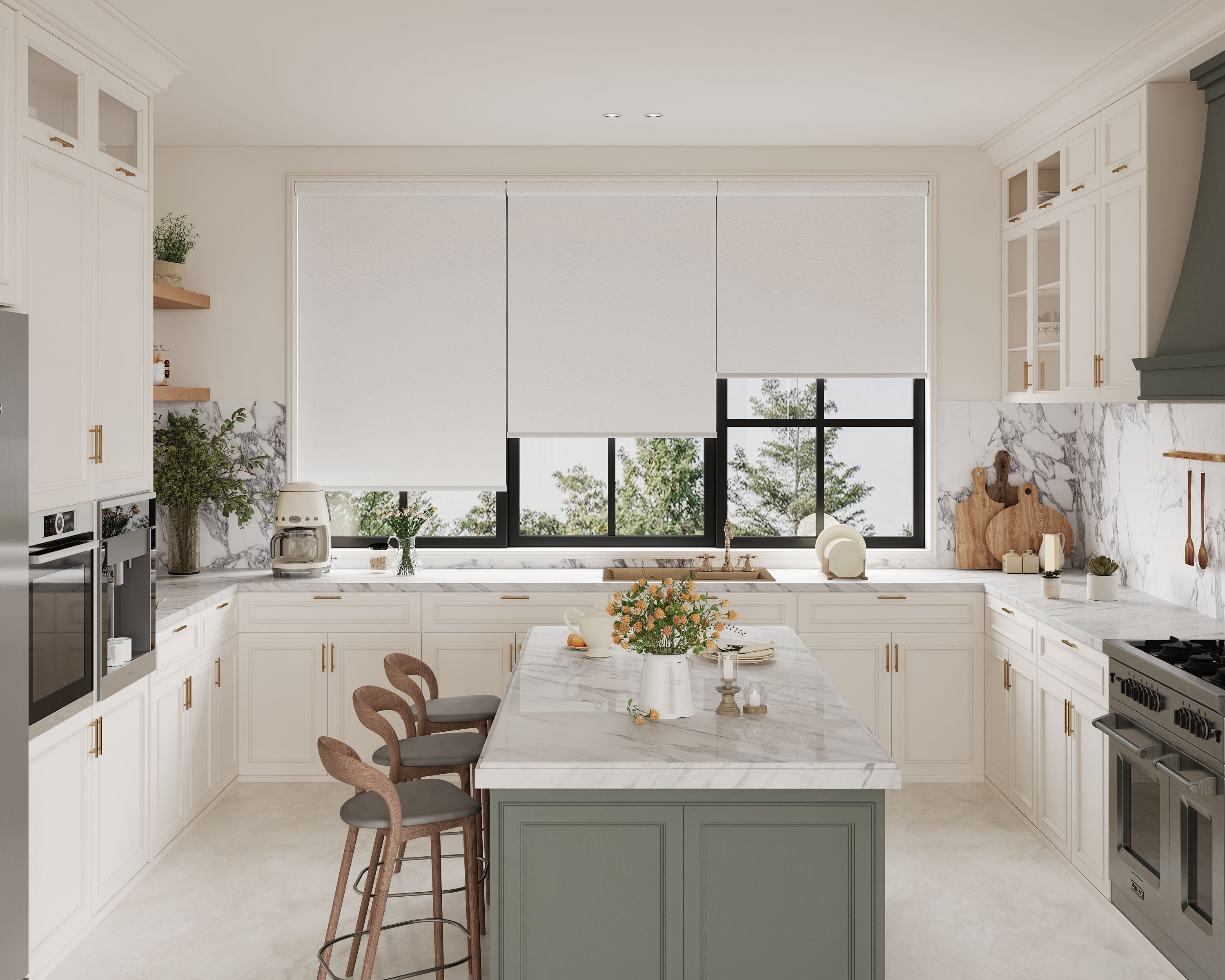
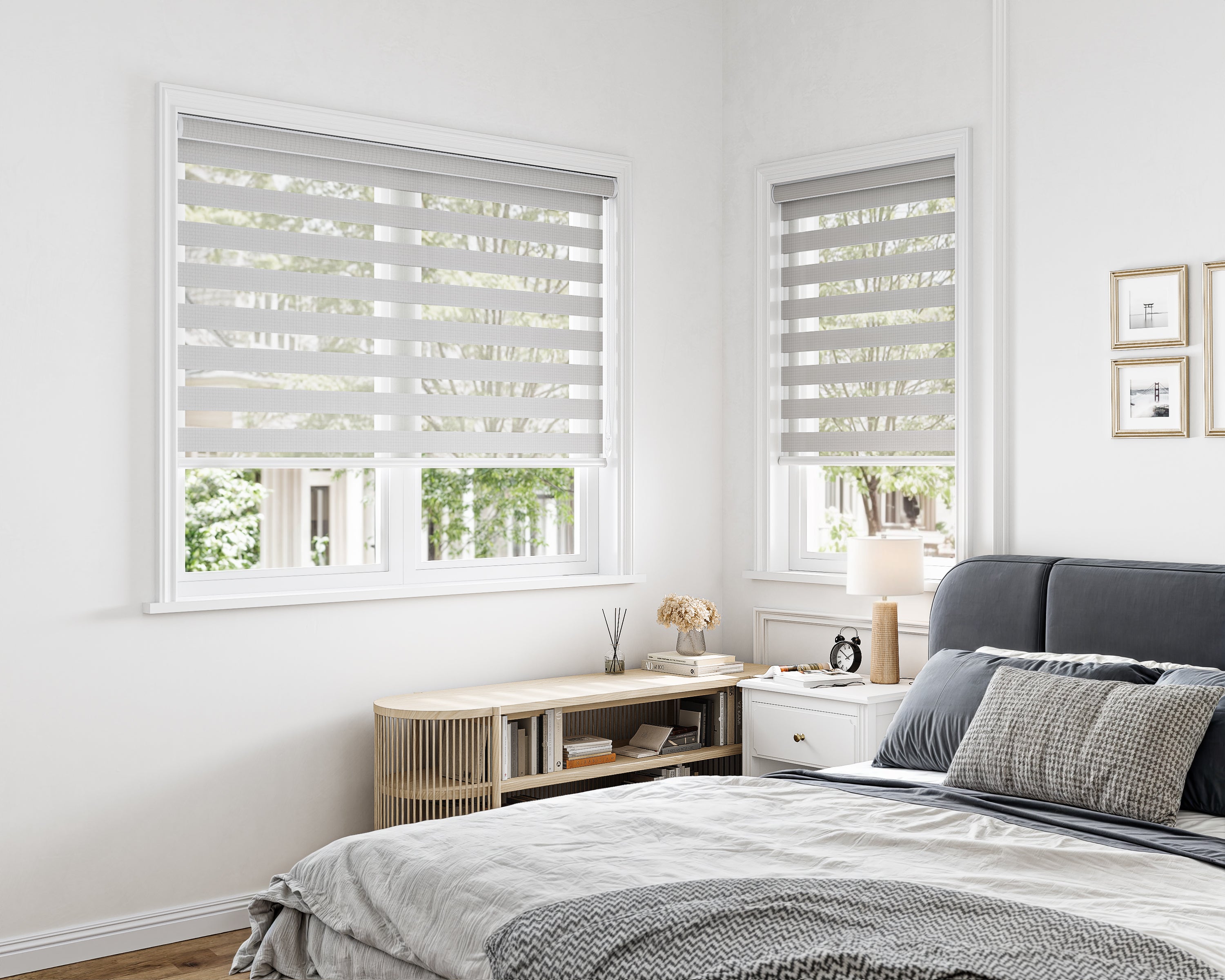
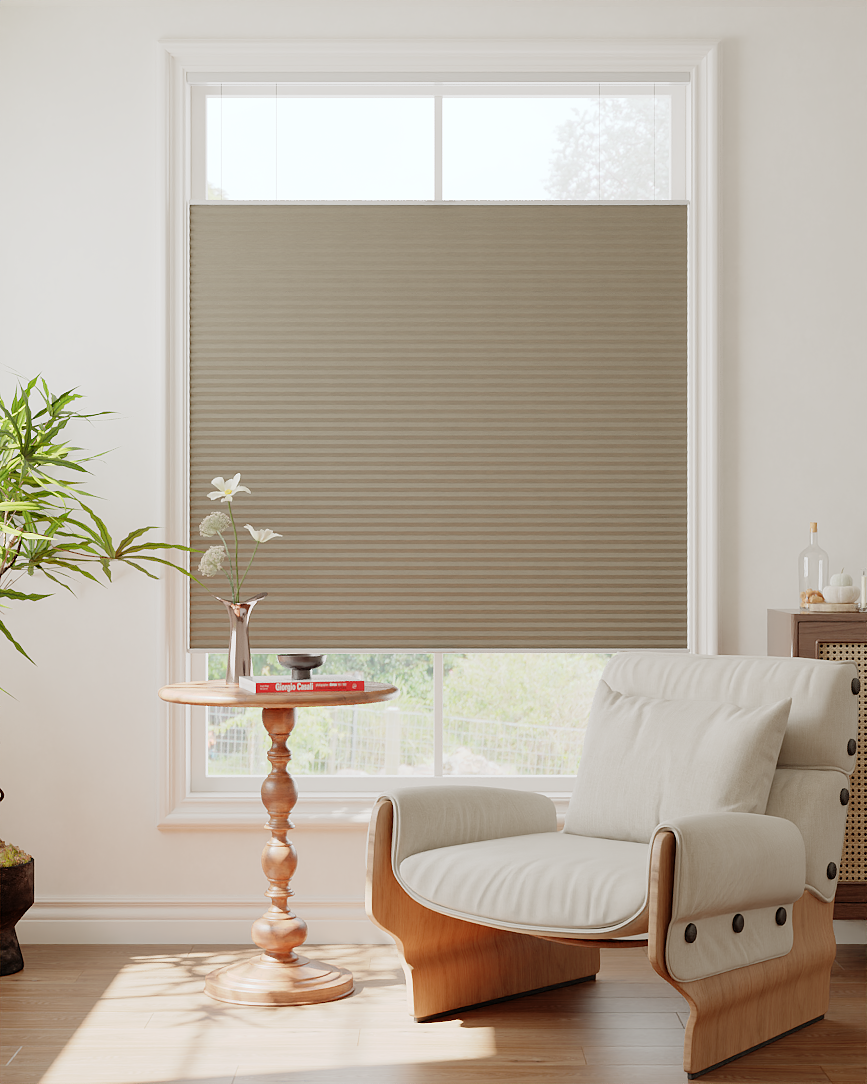
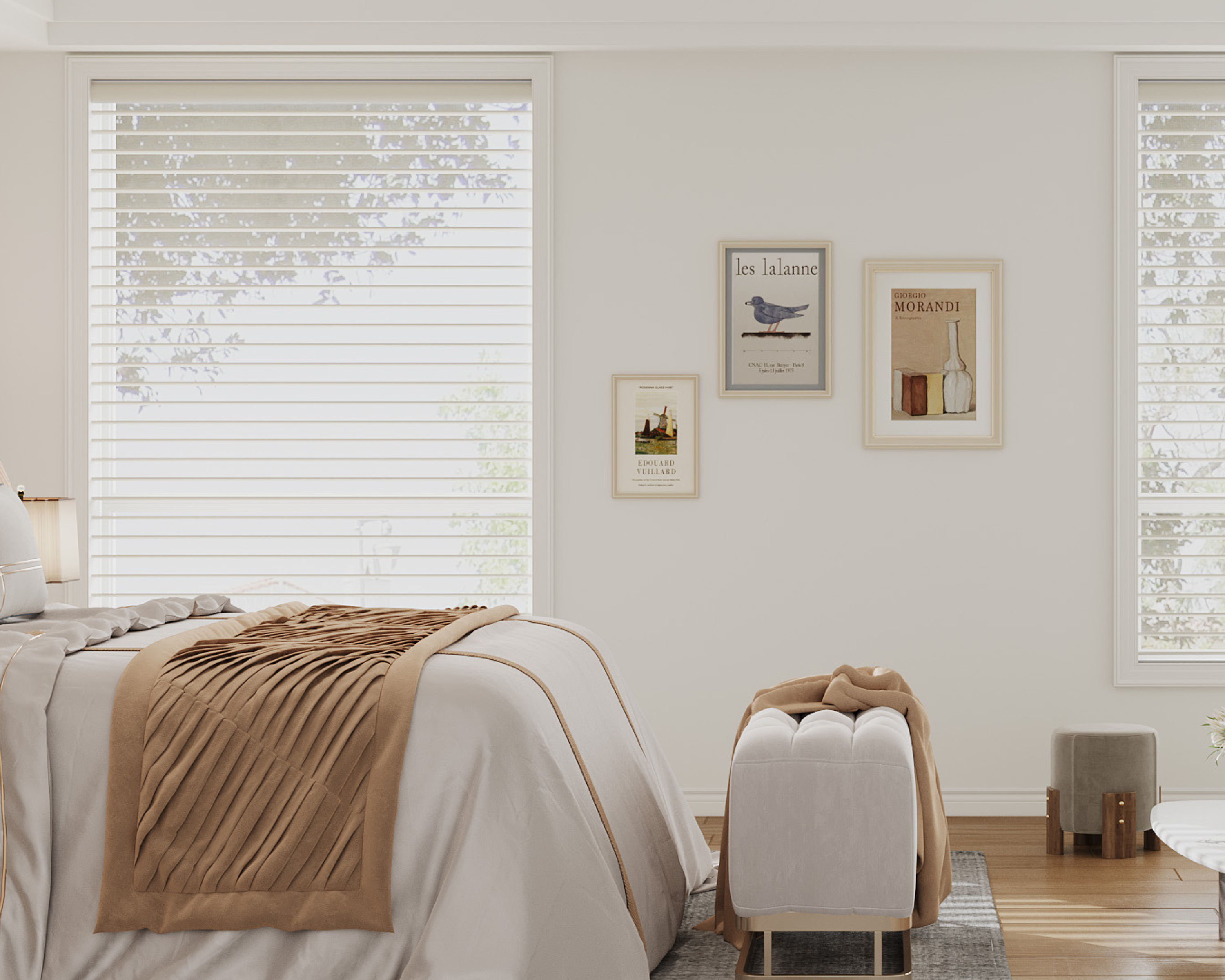
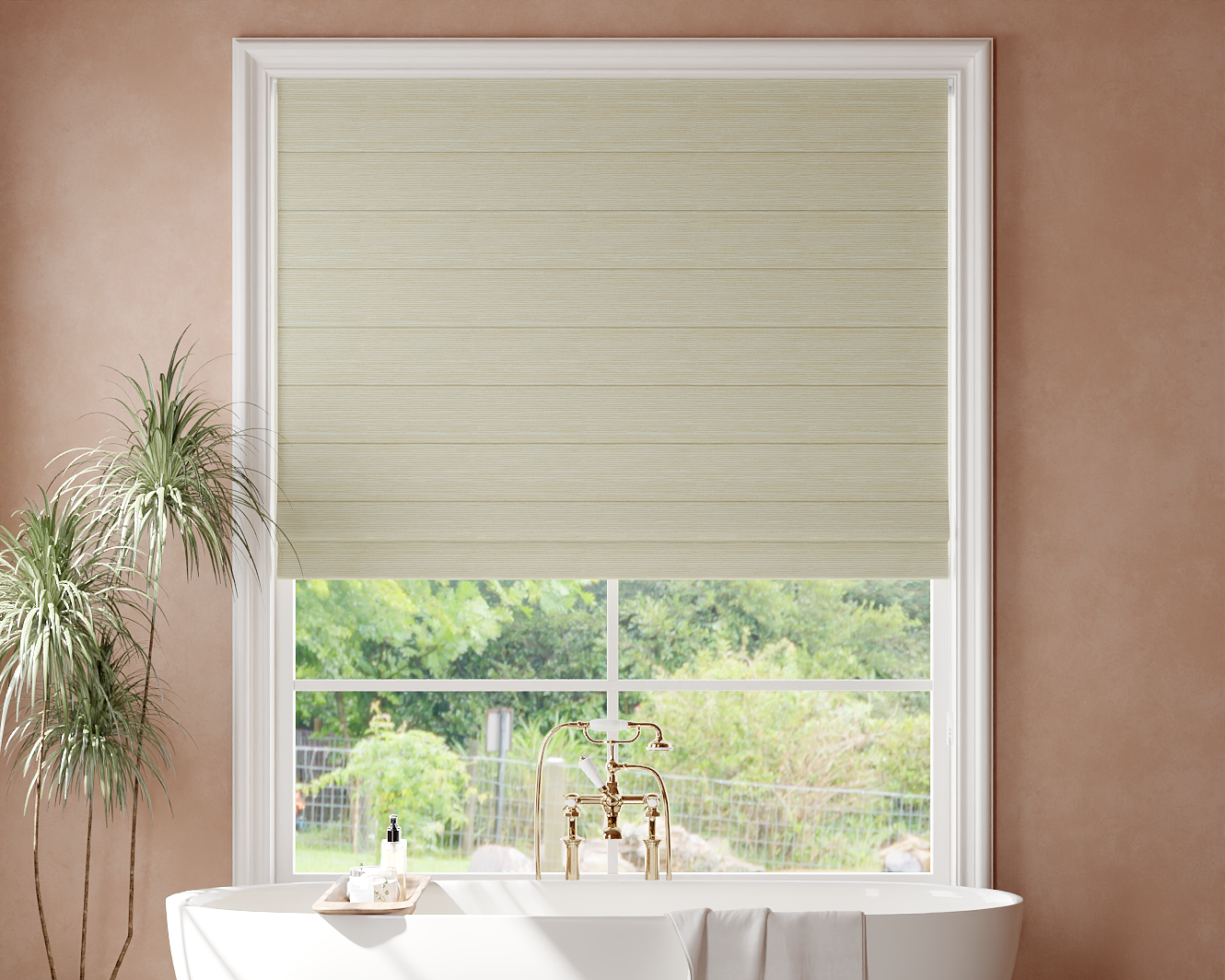
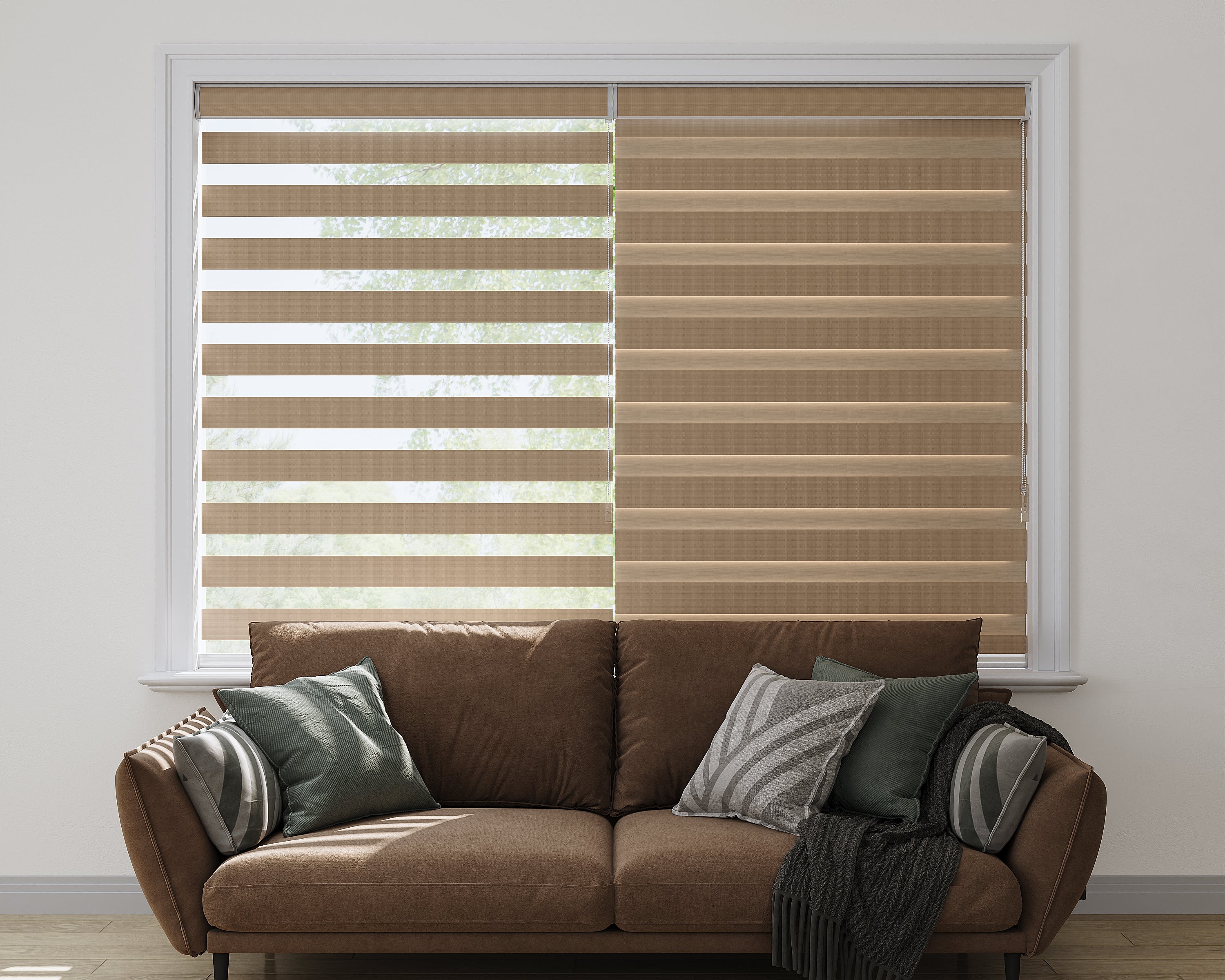
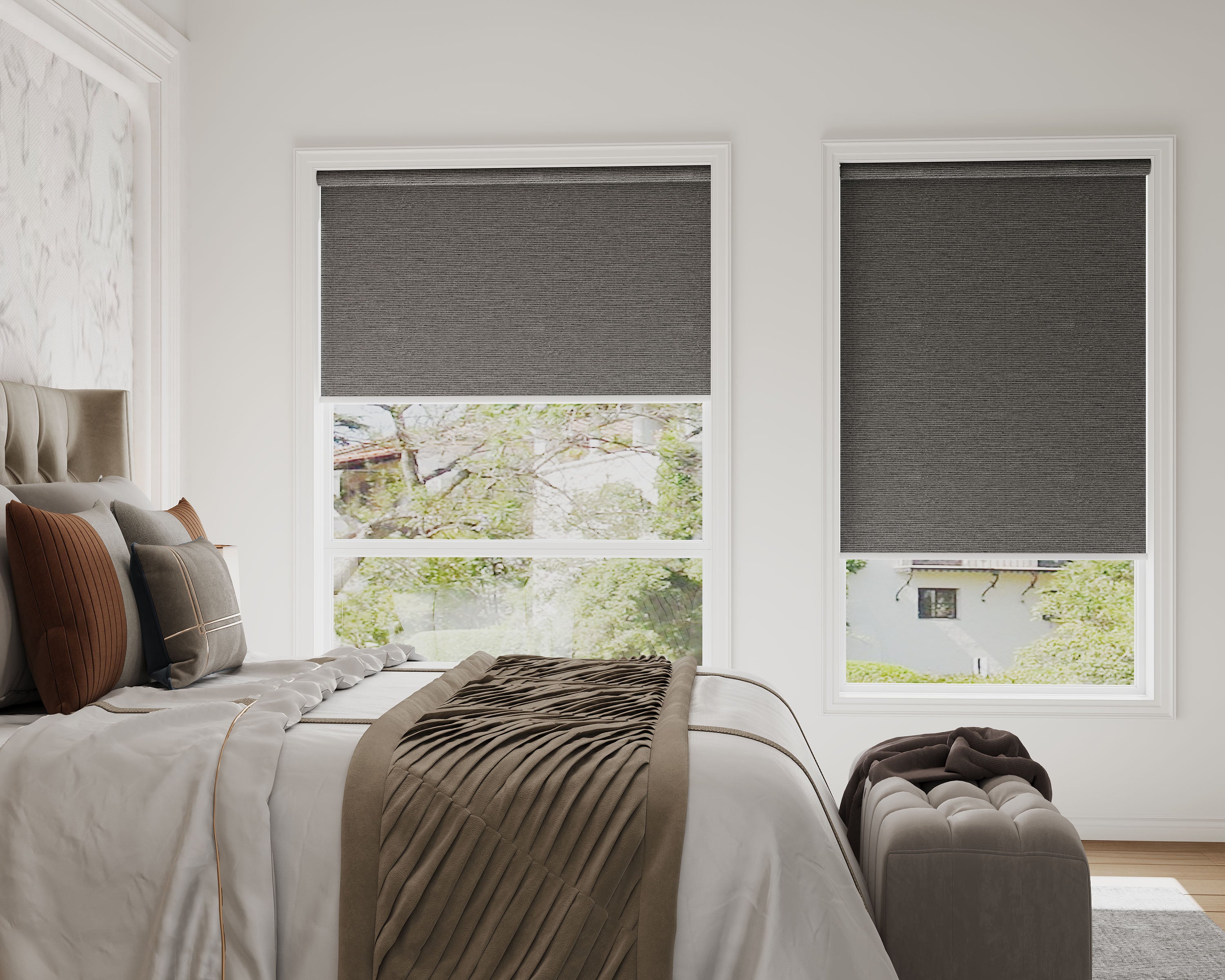
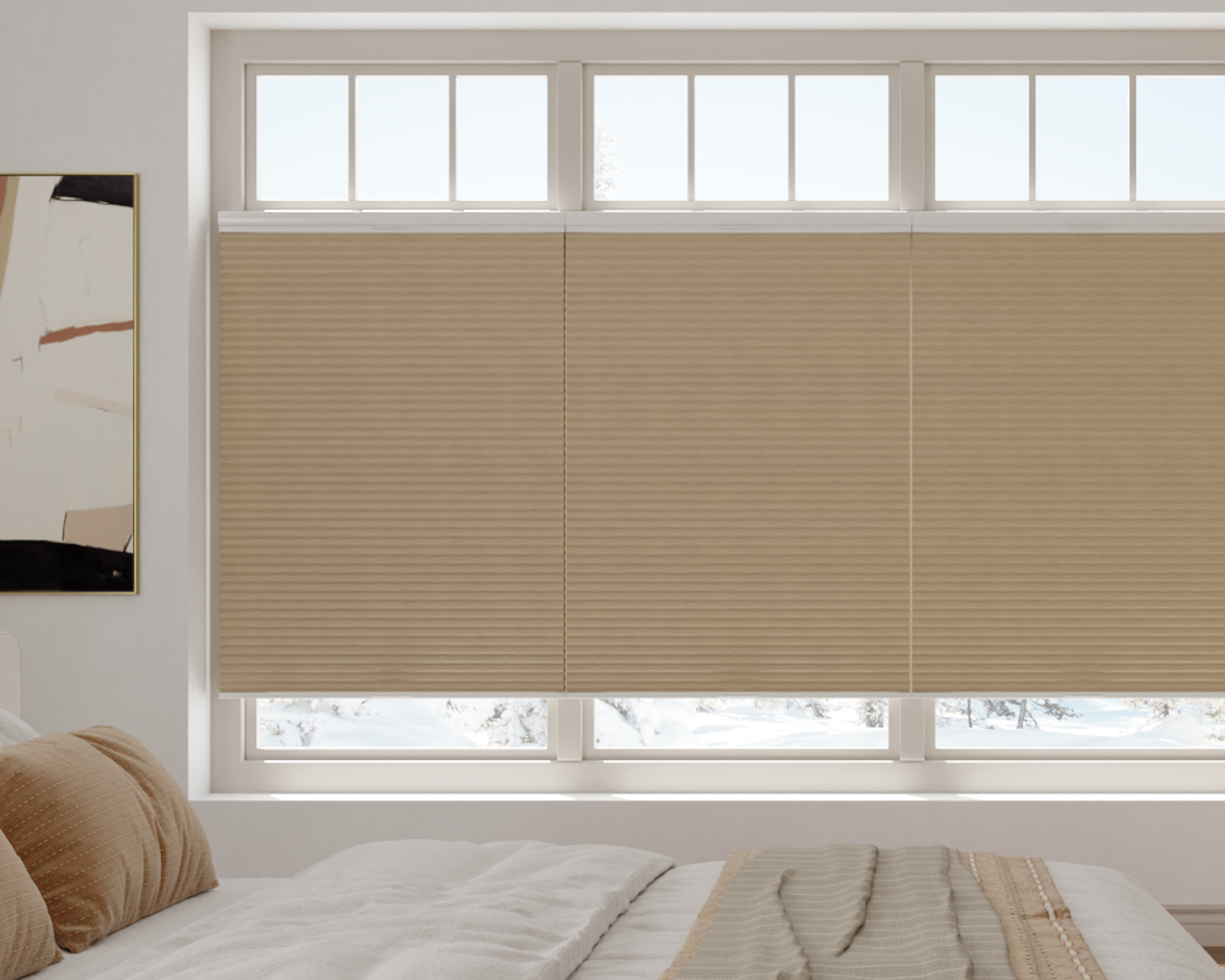
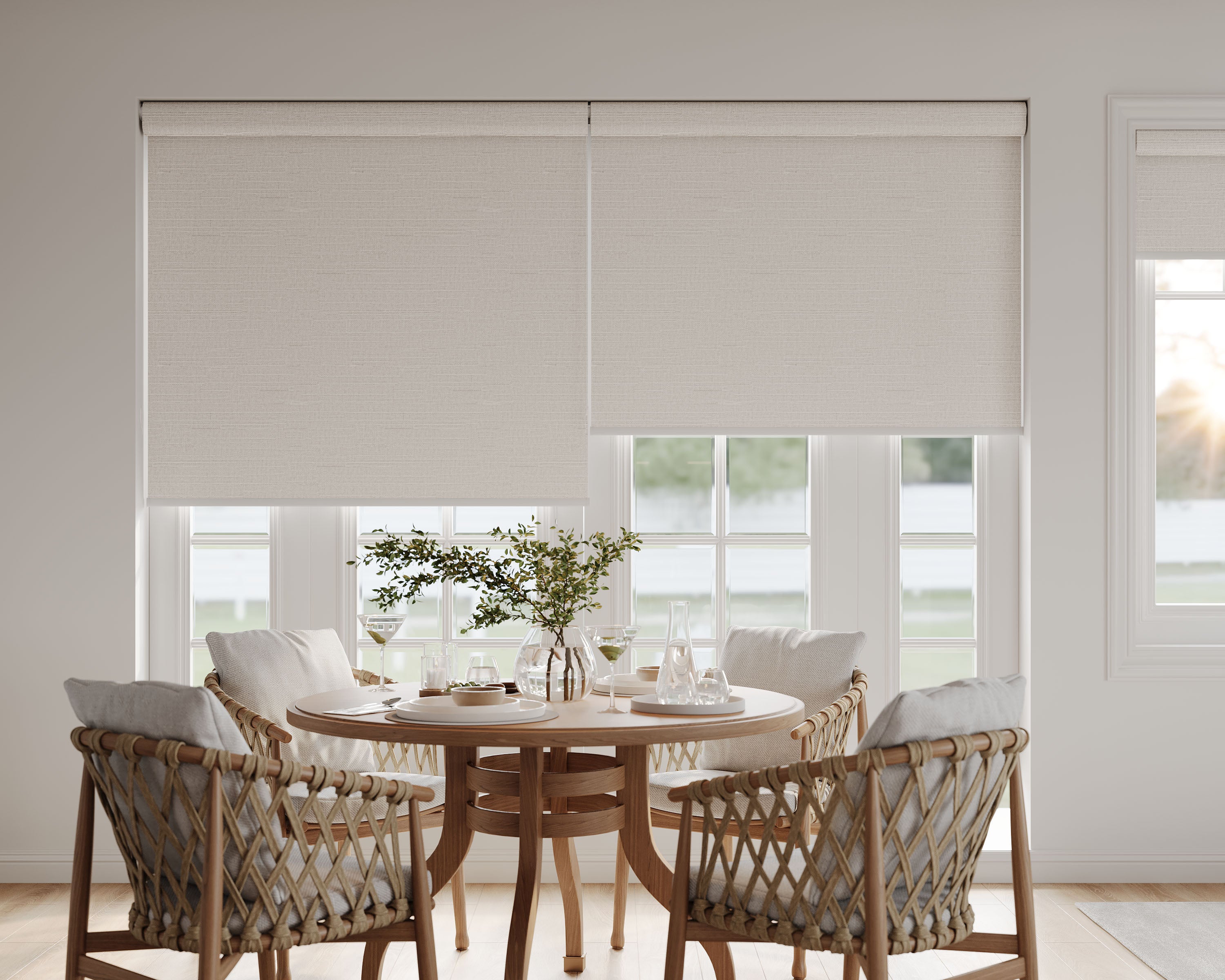


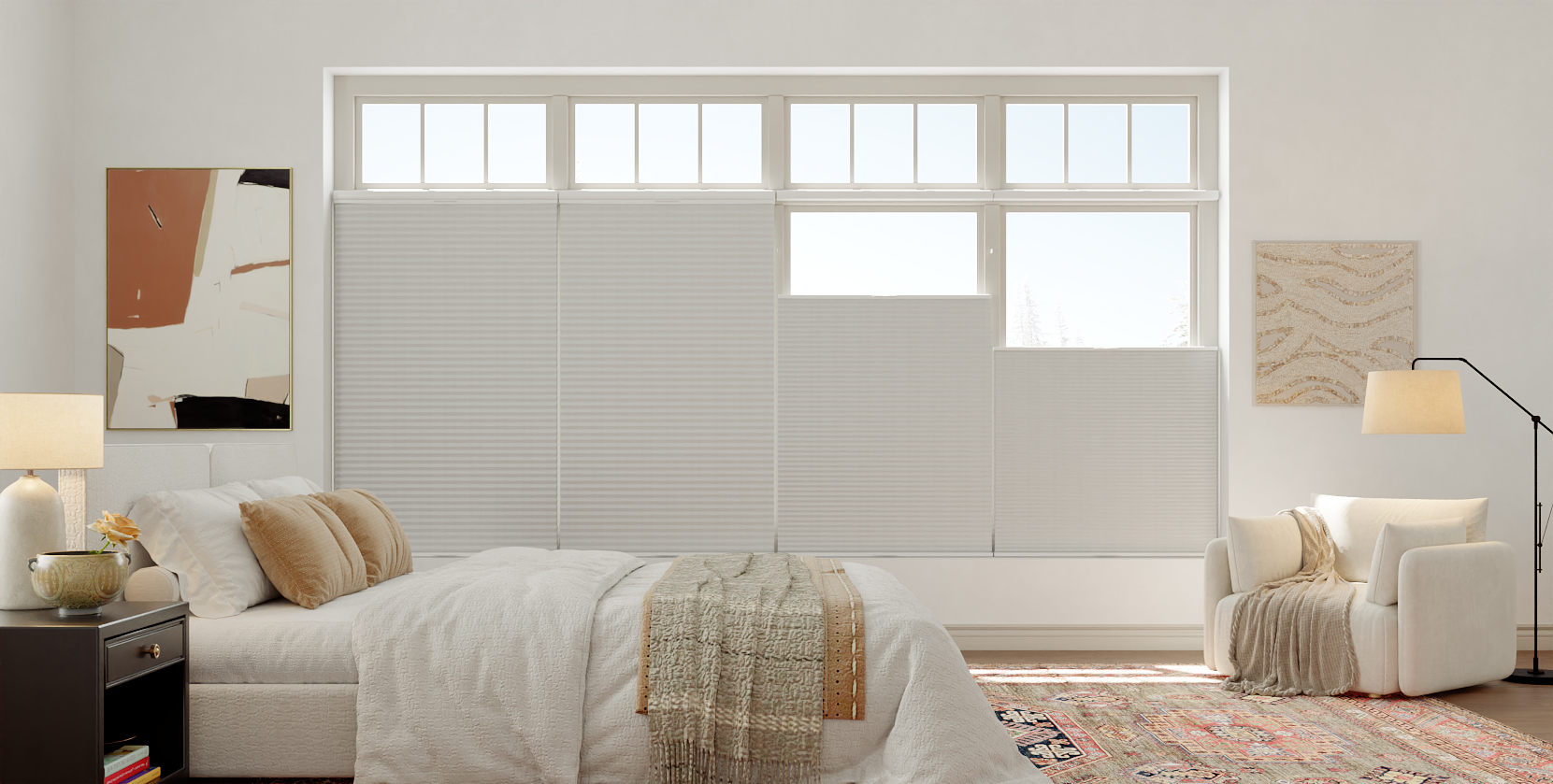


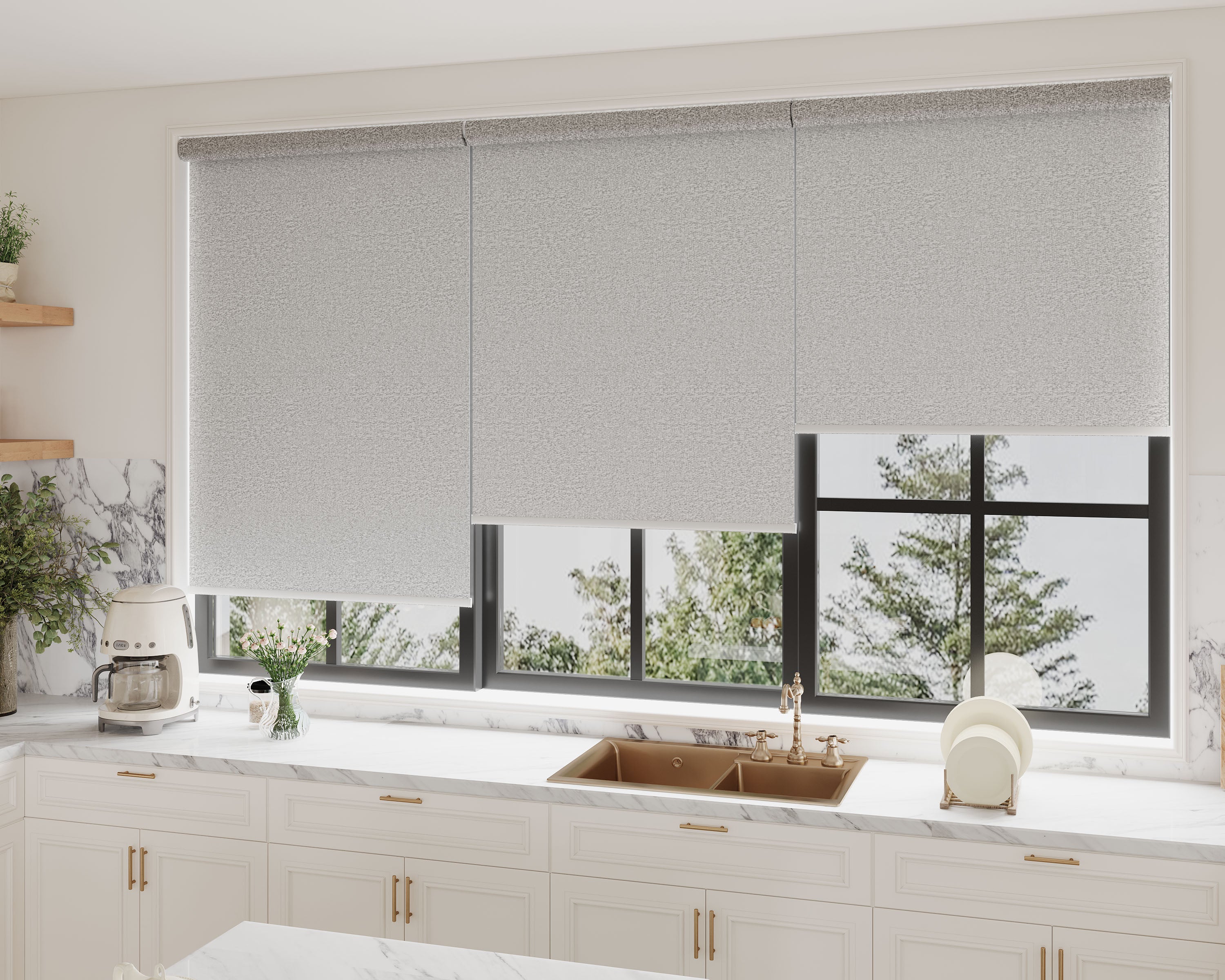

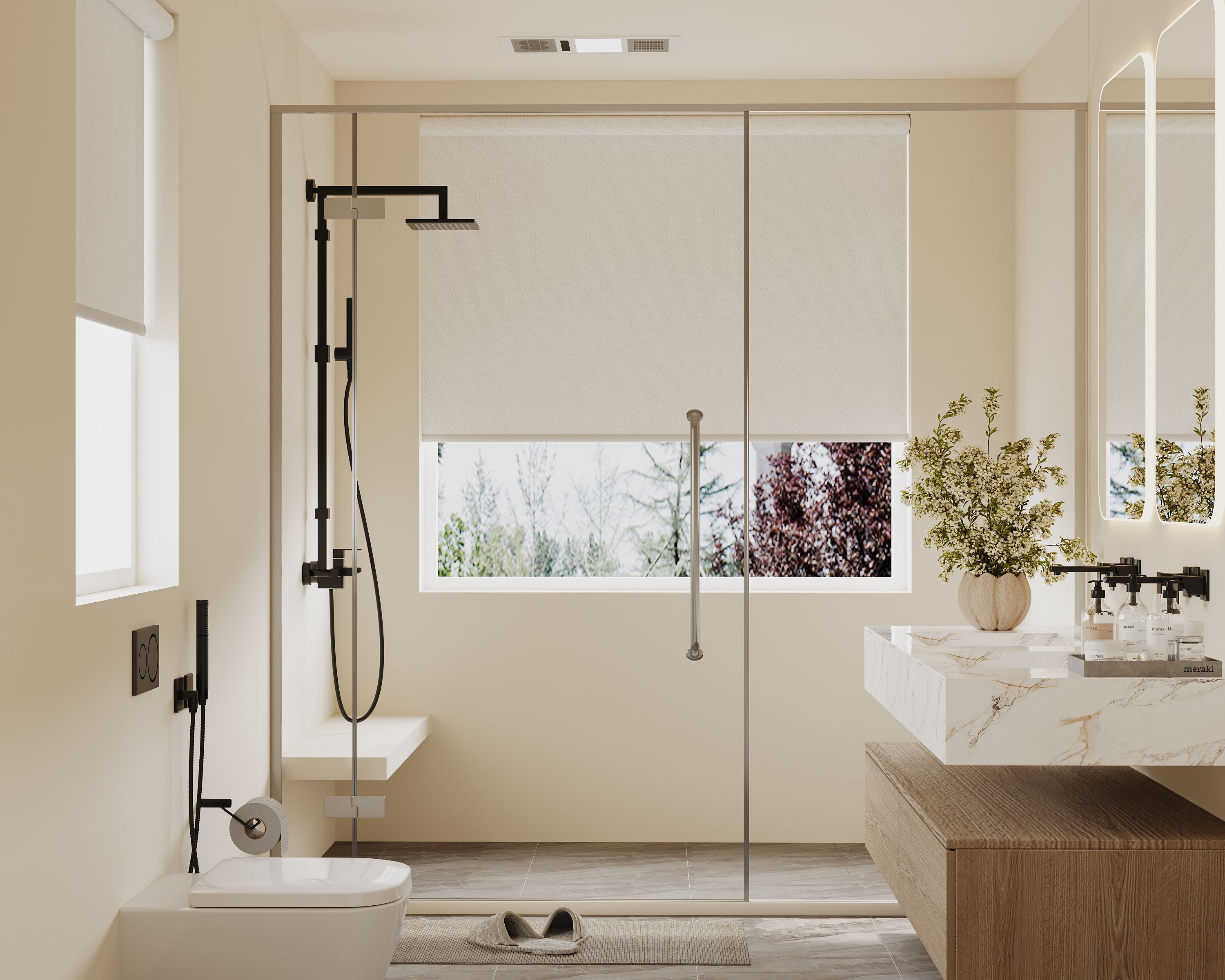


Choosing between light filtering, room darkening, and blackout cellular shades is about defining your relationship with natural light. Light filtering shades softly diffuse sunlight, room darkening shades significantly dim a space for media and privacy, and blackout shades create near-total darkness for sleep and light-sensitive activities. This definitive guide explains the technical differences, practical applications, and design considerations so you can select the perfect opacity for every window in your home.
Here’s what you’ll learn to master light control:
-
Technical Specifications Decoded: The measurable differences in light transmission, fabric density, and construction that define each category.
-
Detailed Functional Comparison: How each opacity level performs for privacy, UV protection, glare reduction, and energy efficiency.
-
Room-by-Room Master Guide: Data-driven recommendations for bedrooms, home offices, living rooms, media spaces, and more.
-
Beyond Opacity: How cell structure, color, and installation methods interact with your chosen fabric to enhance performance.
-
A Decision-Making Framework: A clear, actionable system to evaluate your light, privacy, and lifestyle needs for any space.
To see these options in practice, begin by exploring our complete range of cellular honeycomb shades in all opacity levels.
Decoding the Three Tiers of Light Control
The core difference lies in the fabric's density and construction, which dictates how much visible light passes through the material. This is often expressed as a percentage of light transmission.
Light Filtering Cellular Shades
These shades are designed to welcome and soften natural light, not block it.
-
How They Work: Constructed from lighter, often semi-sheer or gently textured fabrics, they allow a significant portion of sunlight (typically 5-15%) to filter through. The light is diffused, eliminating harsh glare and hotspots while bathing the room in a soft, even glow. Outsiders cannot see clear details, but shapes and movement may be perceptible as silhouettes.
-
Key Characteristics: They provide a high level of daytime privacy and excellent UV protection for furnishings, as the diffusion process scatters harmful rays. They maintain a connection to the outdoors and keep rooms feeling bright and open, making them ideal for spaces where ambiance is key. For understanding how different materials affect light, our deep dive on linen, vinyl, and bamboo fabrics provides valuable context.
Room Darkening Cellular Shades
This category offers a substantial step up in light blockage for enhanced privacy and atmosphere control.
-
How They Work: Utilizing denser, tighter weaves and often a lighter-colored backing, these shades block a majority of incoming light (typically allowing only 1-5% transmission). They transform bright sunshine into a comfortable, dimmed twilight, eliminating glare on screens and creating a cozy atmosphere. Privacy is excellent during the day, though backlit rooms may show faint silhouettes at night.
-
Key Characteristics: The primary benefit is functional light control—perfect for reducing glare in home theaters or living rooms without plunging the space into darkness. They offer a balance, providing a noticeable darkening effect that's suitable for daytime naps or creating a cinematic feel without being oppressive.
Blackout Cellular Shades
Engineered for maximum light elimination, these are a performance product for specific needs.
-
How They Work: True blackout shades employ a multi-layer approach: a dense face fabric is laminated or backed with an opaque, often acrylic or foam, lining. This combination blocks 99.5% to 100% of visible light. In a properly installed blackout room, you should not be able to see your hand in front of your face at noon. Privacy is absolute, day and night.
-
Key Characteristics: The primary purpose is to create total darkness, making them non-negotiable for shift workers, infant nurseries, dedicated home theaters, or anyone sensitive to light while sleeping. It's crucial to note that the label "blackout" can be used loosely; true performance depends on both the fabric and a gap-free installation. For a scientific look at real-world performance, our comparison of room-darkening vs. blackout shades in lab-tested scenarios is essential reading.
Functional Comparison: Privacy, Energy, and More
Your choice of opacity influences far more than just the light level. This table breaks down the secondary functional attributes.
| Feature | Light Filtering Shades | Room Darkening Shades | Blackout Shades |
|---|---|---|---|
| Light Transmission | 5% - 15% (Soft, diffused glow) | 1% - 5% (Significantly dimmed) | 0% - 0.5% (Near or total darkness) |
| Daytime Privacy | Excellent (Details obscured) | Excellent (Very faint silhouettes) | Absolute (Complete visual block) |
| Nighttime Privacy | Low (Silhouettes visible when room is lit) | Moderate (Faint shapes may be visible) | Absolute |
| Glare Reduction | Excellent (Eliminates harshness) | Superior (Ideal for screens) | Complete |
| UV Protection | Very Good (Fades over decades) | Excellent (High protection) | Maximum (Almost 100% block) |
| Insulation (R-Value) | Good (Varies with cell structure) | Better (Denser fabric adds resistance) | Best (Multi-layer construction) |
| Best For... | Living rooms, dining rooms, kitchens, home offices, spaces where view & light are desired. | Media rooms, bedrooms (for adults & older kids), living rooms for movie nights, spaces needing mood control. | Nurseries, shift-worker bedrooms, dedicated home theaters, rooms facing streetlights, light-sensitive sleepers. |
Choosing for Every Room: A Strategic Guide
Apply the right tool for the job. Here is a room-by-room analysis to guide your selections.
For Bedrooms & Sleep Sanctuaries
-
Primary Bedrooms (Adults): Room Darkening is often the perfect balance, allowing a gentle morning wake-up while providing sufficient darkening for sleep. For those sensitive to light, Blackout is transformative.
-
Nurseries & Children's Rooms: True Blackout is highly recommended. It supports longer, more consolidated sleep by mimicking nighttime conditions for naps and early bedtimes in summer. The darkness cue is powerful for sleep training.
-
Guest Rooms: Room Darkening is a safe, versatile choice that accommodates most preferences. It offers privacy and a restful environment without the potential disorientation of total blackout for infrequent guests.
For Living & Entertainment Spaces
-
Living & Family Rooms: Light Filtering is ideal for daily use, maintaining brightness and a view. For multipurpose rooms, Room Darkening offers flexibility for daytime TV viewing. A dual-layer approach with sheer curtains over blackout shades offers ultimate versatility.
-
Dedicated Home Theaters: True Blackout is mandatory to achieve proper contrast and picture quality. Pair with light-absorbing wall treatments for a professional result.
-
Home Offices: Light Filtering reduces glare on monitors without making the space feel dark or closed-in, boosting mood and productivity. For south-facing windows with intense sun, Room Darkening may be necessary.
Special Considerations and Pro Tips
-
Window Direction is Key: South and West-facing windows receive the most intense, direct light. You may need a higher opacity (Room Darkening or Blackout) on these exposures to manage heat and glare, while North-facing windows can often use Light Filtering effectively.
-
The Power of Layering: Don't feel limited to one option. Installing a double roller shade with a Blackout panel behind a Light Filtering panel, or pairing shades with decorative drapery, gives you complete command over light for any time of day or activity.
-
Installation Dictates Performance: Especially for Blackout shades, gaps are the enemy. An outside mount that overlaps the window frame is the most effective way to eliminate light leaks at the edges. For inside mounts, consider shades with wraparound side channels for a light-tight seal.
Conclusion: Aligning Fabric with Function
The choice between light filtering, room darkening, and blackout cellular shades is a functional decision that directly impacts daily comfort, sleep quality, and energy use. By understanding that these are distinct engineered solutions—not just points on a dimmer switch—you can apply them strategically throughout your home. For most households, a mix of opacities yields the best result: blackout for sleep zones, room darkening for media and privacy, and light filtering for active living areas. This tailored approach ensures every room has the right relationship with light, supporting your activities and well-being throughout the day and night.
Key Highlights
-
Opacity is a technical specification (light transmission percentage) that determines the primary function of the shade.
-
Light Filtering shades manage ambiance and glare, Room Darkening shades control atmosphere for media and privacy, and Blackout shades are for creating absolute darkness.
-
Your sleep needs and window orientation are the two most critical factors in choosing an opacity level for a given room.
-
For claimed blackout performance, installation is as important as the fabric; side and top seals are necessary to achieve true darkness.
-
A whole-home strategy using different opacities is more effective and comfortable than choosing one type for every window.
Investing in the correct opacity level transforms your cellular shades from simple window coverings into intelligent tools for managing your home's environment.
Explore Custom Cellular Shades


Frequently Asked Questions (FAQ)
Can I get a blackout effect with room darkening shades?
No, not truly. The terms describe different levels of light blockage. Room darkening shades are designed to dim a room noticeably, but they will still allow a sliver of light around the edges and a faint glow through the fabric in direct sun. For a pitch-black environment required for shift sleep or premium home theater contrast, only a properly installed true blackout shade will suffice.
Do blackout cellular shades make a room hotter?
Interestingly, they typically help keep rooms cooler. Blackout fabrics are excellent at reflecting and blocking solar radiant heat (the heat you feel from the sun). By preventing this energy from entering, they reduce the "greenhouse effect" at your windows, which can lower cooling costs in summer. Their high R-value also provides insulation against conducted heat.
Are light filtering shades see-through from the outside at night?
Yes, this is an important consideration. When a room's interior lights are on at night, light filtering shades can act like a screen, displaying silhouettes and movement to the outside. For true nighttime privacy in a lit room, you would need to close a layer of room darkening or blackout shades. Light filtering provides excellent privacy during daylight hours when it's brighter outside than inside.
How does the cell structure (single vs. double) interact with opacity?
Cell structure and opacity are complementary but independent features. The opacity (light filtering, room darkening, blackout) is determined by the fabric's density. The cell structure (single, double, triple) determines the insulating R-value and the shade's thickness. A double-cell light filtering shade will have a higher R-value than a single-cell light filtering shade, but both will allow the same amount of light through. You choose cell structure for insulation and opacity for light control.
Can I use motorized controls with all opacity types?
Absolutely. Motorization is a separate feature that works with any fabric opacity. In fact, motorizing blackout shades in a bedroom allows for effortless "wake-up" schedules, where shades can be programmed to open gradually with your alarm. The convenience of motorization enhances the functionality of light filtering and room darkening shades as well, allowing easy adjustment throughout the day to manage glare and privacy without leaving your seat.
