
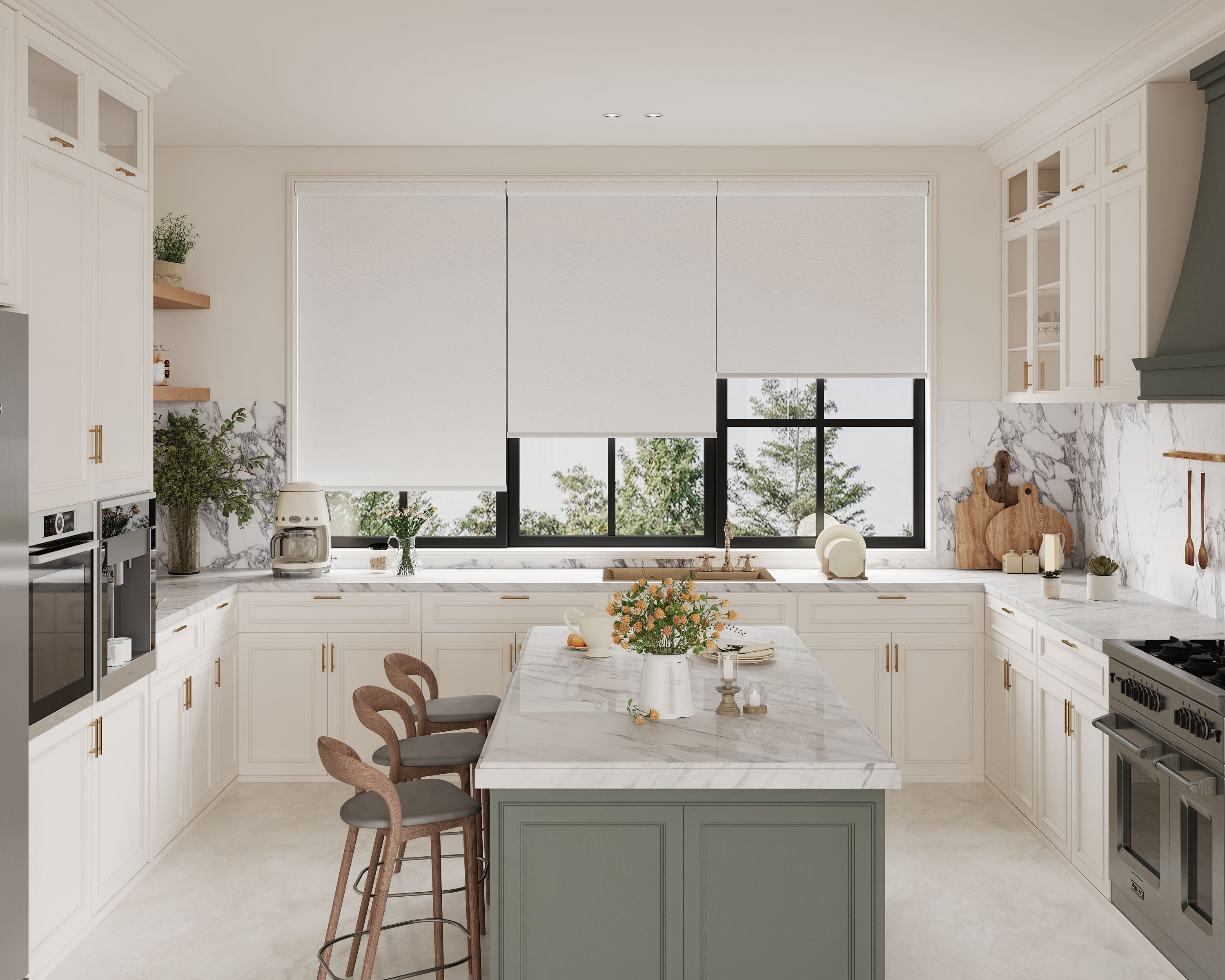
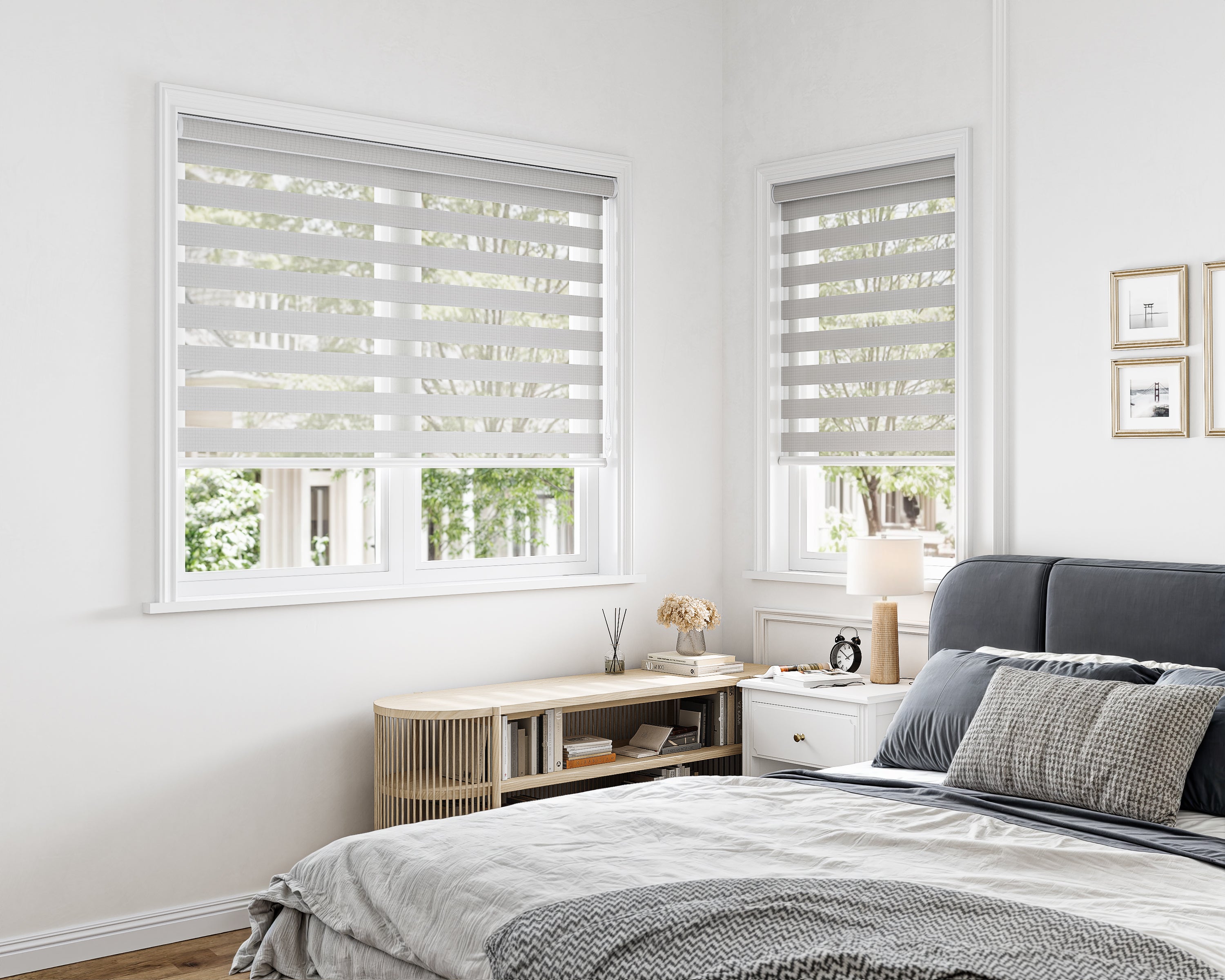
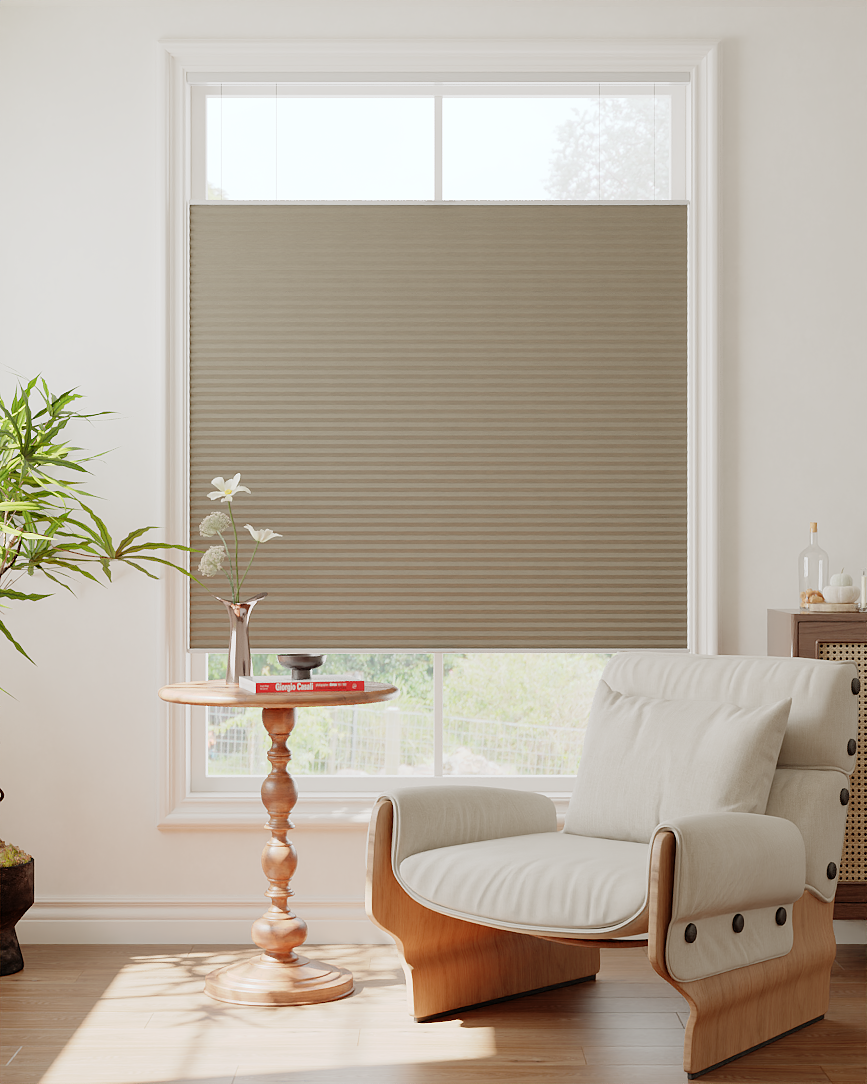
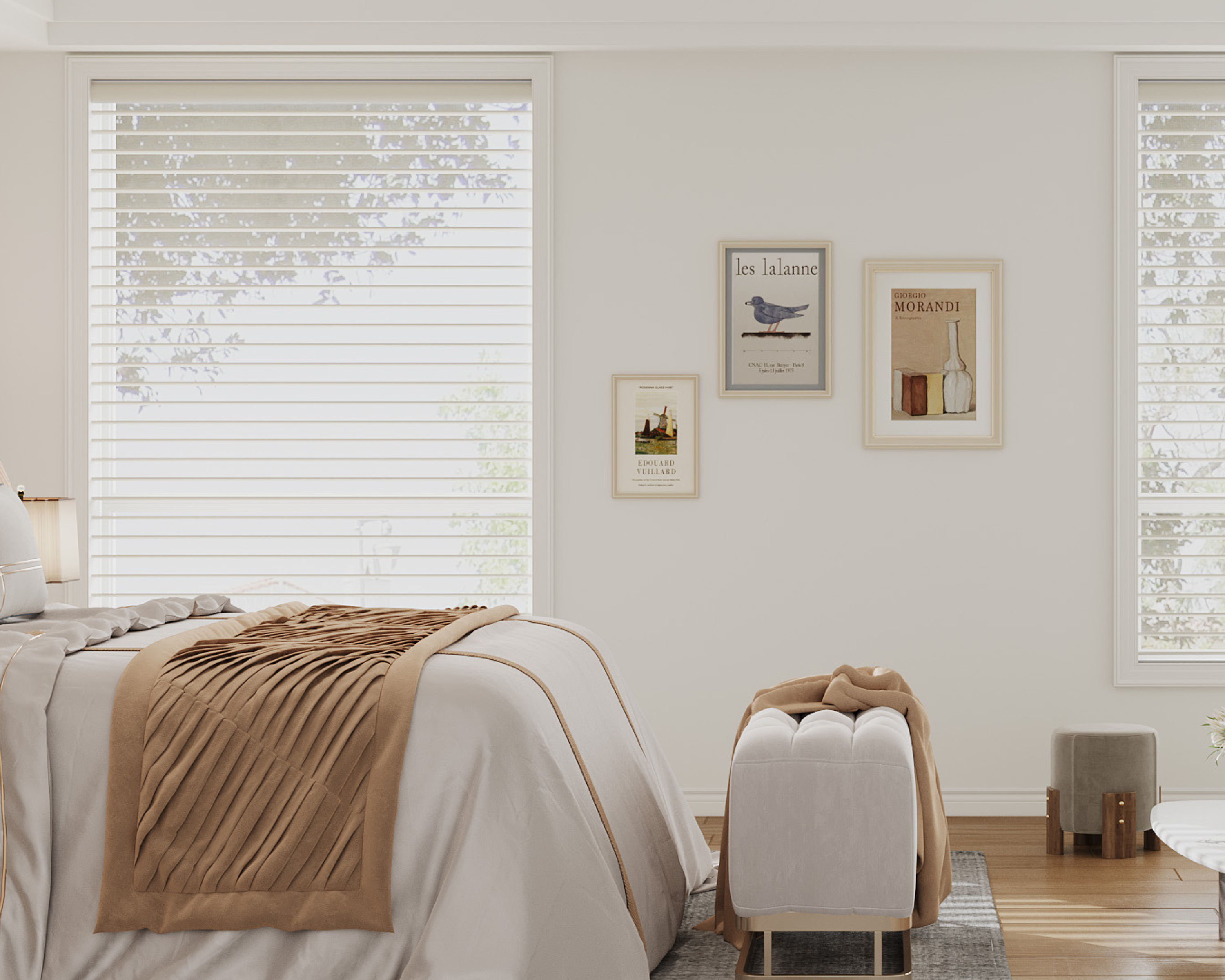







Choosing between corded, cordless, and motorized cellular shades comes down to your priorities for safety, daily convenience, long-term budget, and desired level of home automation. Corded shades offer a familiar, low-cost manual operation; cordless shades provide a safer, cleaner manual alternative ideal for modern homes; and motorized shades deliver ultimate convenience and smart control for a premium price. This guide provides an exhaustive comparison to help you invest in the right lifting mechanism for every window in your home.
Here’s what you’ll learn to make a confident choice:
-
In-Depth System Mechanics: A detailed look at how each lift system functions, from internal clutches to quiet electric motors and smart home communication protocols.
-
Safety as the Foremost Priority: A clear analysis of risks and certifications, with specific guidance for households with children, pets, or mobility considerations.
-
Total Cost of Ownership: Breaking down not just the initial price but long-term value, maintenance, and potential energy savings associated with each type.
-
Daily Living Experience: How each system impacts your daily routine, from simple adjustments to fully automated schedules that manage light and temperature.
-
A Tailored Decision Framework: Actionable recommendations based on room type, window architecture, household lifestyle, and how you envision interacting with your shades for years to come.
The journey to the perfect operating system begins with the shade itself. Explore the foundational styles and fabrics available in our complete collection of customizable cellular honeycomb shades.
Understanding the Core Mechanics of Each System
The fundamental difference lies in the engineering of the lift mechanism, which dictates everything from user interaction to safety profile.
Corded Cellular Shades: The Traditional Manual System
This system employs a continuous loop cord or bead chain that threads through the headrail and connects directly to the roller that holds the shade fabric.
-
Operation: Pulling down on one side of the loop rotates the roller to raise the shade; pulling the opposite side disengages a locking mechanism to lower it. A friction-based cord lock holds the shade in place.
-
Internal Workings: The system relies on a coiled spring within the roller that gains tension as the shade is lowered. This spring provides the counterforce to help raise the shade. The cord lock is a simple but critical component that must be firmly engaged to prevent accidental descent.
-
Considerations: The mechanical simplicity makes it reliable, but the exposed cord is a key safety and aesthetic factor. Over time, cords can fray, and the spring mechanism may lose tension, leading to uneven lifting or difficulty operating.
Cordless Cellular Shades: The Modern Manual Standard
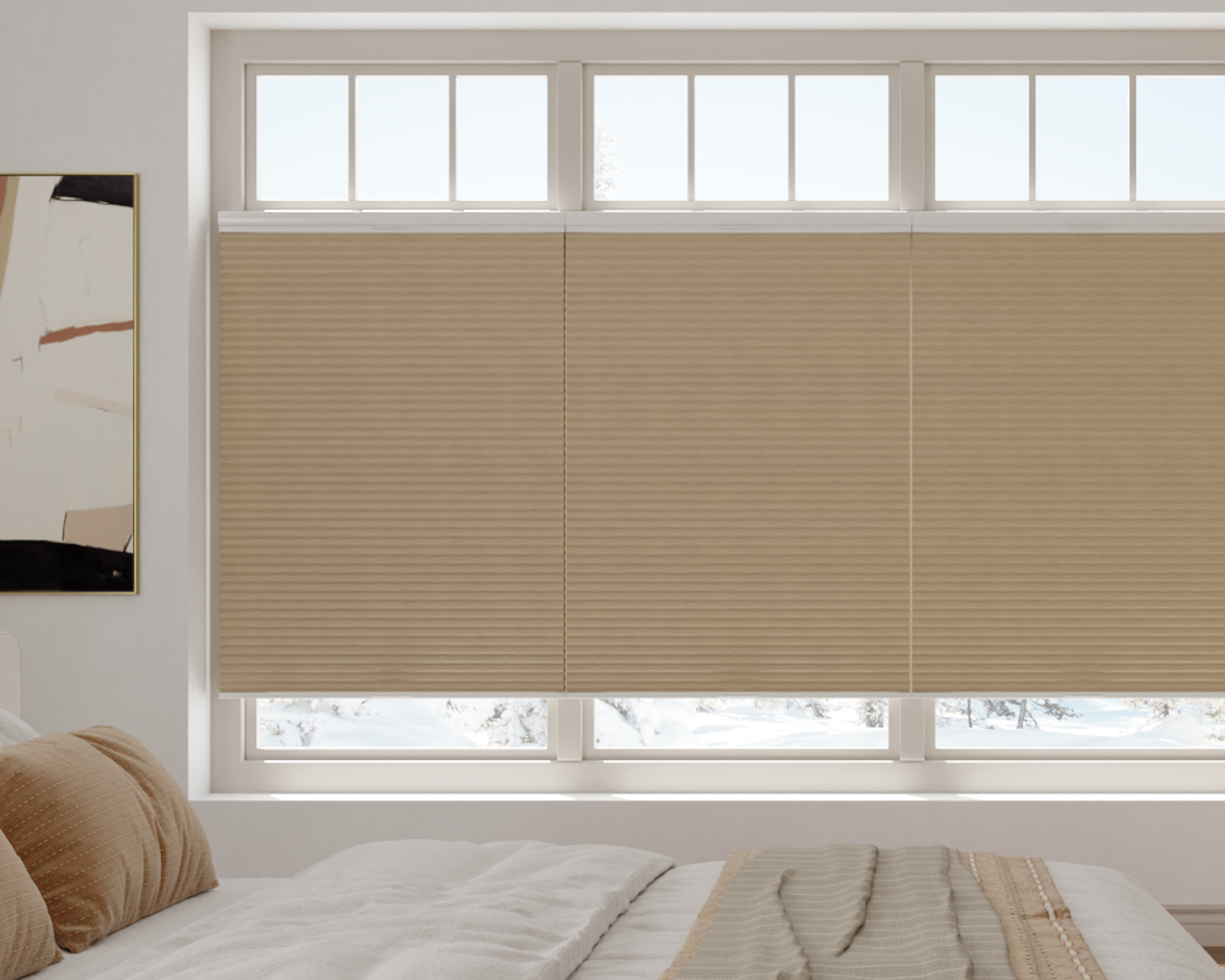
Cordless technology eliminates hanging cords by embedding the control mechanism directly into the shade's structure.
-
Operation: You interact directly with the bottom rail. To raise the shade, apply firm, even upward pressure. To lower it, grasp the rail and pull down steadily. An internal clutch engages automatically to hold the shade at the chosen height.
-
Internal Workings: At the heart is a high-torque, friction-based clutch system. When you push up, you manually wind an internal spring while the clutch disengages. When you stop, the clutch instantly re-engages. Some premium models use a constant-force spring that provides a smoother lift with consistent pressure from bottom to top.
-
Considerations: Proper technique is key—short, jerky motions can fail to engage the clutch. The mechanism is sealed, protecting it from dust but meaning it is not user-serviceable. Their clean look and enhanced safety have made them the default choice for new installations.
Motorized Cellular Shades: The Automated Power System
This system replaces manual force with a quiet, electric motor integrated into the headrail, controlled wirelessly.
-
Operation: Control is via handheld remote, wall-mounted keypad, smartphone app, or voice command through a smart home assistant. Many systems allow you to set precise upper and lower travel limits and save favorite positions.
-
Internal Workings: A compact DC motor, powered by rechargeable lithium battery packs or a hardwired transformer, drives the roller. A radio receiver (RF) or Wi-Fi module receives commands. Smart, automated shades connect to your home network, allowing for programming based on time of day, sun position, or even indoor temperature.
-
Considerations: This is the only system that truly decouples operation from physical access to the window, enabling control of hard-to-reach or multiple grouped windows simultaneously. It represents a shift from a manual window covering to an integrated component of a home's environmental management system. For those weighing power sources, a detailed comparison of battery-powered versus hard-wired motor pros and cons is crucial for planning.
Comprehensive Comparison: Safety, Cost, Convenience & Aesthetics
To make an informed choice, you must weigh how each system performs across multiple critical dimensions that affect daily life.
| Feature | Corded Shades | Cordless Shades | Motorized/Automated Shades |
|---|---|---|---|
| Safety Profile | Presents a entanglement hazard. Must be secured with cleats and kept short. Not ideal for children's rooms. | Inherently safer. No accessible loops. The primary manual choice for households with young children and pets. | Safest option. No cords and no forceful manual operation required. Can be placed completely out of reach. |
| Convenience & Ease | Simple for adults but requires direct access. Can be cumbersome for tall or wide shades. | Easy manual control for standard windows. No cords to tangle or adjust. | Maximum convenience. Effortless control from anywhere. Ideal for hard-to-reach, heavy, or grouped windows. |
| Aesthetic Impact | Cords can appear cluttered and interrupt a clean window line. | Clean, minimalist look. No visible mechanism, offering a streamlined appearance. | Ultra-clean look. All mechanics are hidden within the headrail for a seamless, built-in appearance. |
| Initial & Long-Term Cost | $ (Lowest Initial Cost). Minimal long-term maintenance beyond occasional cord replacement. | $$ (Moderate Investment). Slightly higher cost than corded, with virtually no maintenance. | $$$ (Highest Initial Cost). Offers long-term value via automation and energy savings. Battery replacement/recharging is the main upkeep. |
| Smart Capabilities | None. | None. | Full automation. Scheduling, voice control, geo-fencing, sun tracking, and integration with smart thermostats and lighting systems. |
| Installation Complexity | Straightforward DIY. Mount brackets and ensure cords are properly threaded. | Straightforward DIY. Similar to corded but with no cord to thread. | Moderate to Complex. DIY is possible for battery-powered units. Hardwired systems or complex smart integrations may benefit from professional installation. |
| Ideal Use Case | Budget-conscious projects in adult-only spaces; short-term rental properties. | The modern standard for families. A perfect blend of safety, aesthetics, and value for most homes and windows. | High-use, hard-to-reach, or numerous windows; smart homes; luxury convenience; accessibility needs; energy optimization. |
How to Choose: A Room-by-Room and Lifestyle Guide
Translate the technical comparisons into a practical plan for your specific home.
Prioritize Cordless Cellular Shades For:
-
Family-Centric Spaces: All bedrooms (especially children's and nurseries), playrooms, and common areas. They address the core safety requirement without a premium price, a critical consideration detailed in our guide on whether cellular shades are safe for children and pets.
-
Standard Windows: Windows of typical size and height that are easily accessible. The manual operation is intuitive and satisfying.
-
Modern Aesthetic Goals: When you desire a clean, uncluttered look where the window treatment frames the view without visual distraction.
-
Balanced Budgets: Where you seek a significant safety and aesthetic upgrade from corded systems but are not yet ready to invest in whole-home automation.
Prioritize Motorized Cellular Shades For:
-
Architecturally Challenging Windows: Large or tall picture windows, skylights, windows above kitchen counters or behind furniture, and soaring great room windows.
-
The Smart Home Enthusiast: If you already use or plan to use a system like Google Home, Amazon Alexa, or Apple HomeKit for lighting, climate, or security, motorized shades are a logical and powerful addition. You can explore creative setups in our article on practical IFTTT automations for self-operating shades.
-
Energy Efficiency Focus: If you are keen on reducing heating and cooling costs. The ability to program shades to close during the hottest part of the day in summer or open on sunny winter days can lead to measurable savings on utility bills.
-
Enhanced Accessibility: For individuals with mobility challenges or anyone who values the ultimate in daily convenience and luxury. Controlling all the shades in a room with a single button press is a transformative experience.
Key Decision Factors and Pro Tips
-
Window Size & Weight: The wider and heavier the shade, the more beneficial motorization becomes. Operating a very wide cordless shade can require significant force.
-
Power Source Planning: For motorized shades, decide between battery and hardwired power. Battery-powered offer flexible placement and easier retrofit; hardwired provide a "set-it-and-forget-it" solution with no battery changes. Plan for battery access or electrical outlets near the headrail.
-
The Future-Proofing Consideration: Even if you don't need full smart features today, choosing a motorized shade with upgradeable firmware ensures your windows are ready for future home automation integrations. For existing shades, retrofitting with a smart motor controller is a viable upgrade path.
Conclusion
The choice between corded, cordless, and motorized cellular shades is a decision that balances immediate needs with long-term lifestyle benefits. While corded systems serve a basic purpose, the modern home is best served by cordless or motorized options. For the majority of households, cordless cellular shades represent the perfect intersection of critical safety, clean design, and practical value. For those seeking the next level of comfort, convenience, and integrated smart living, motorized shades are a forward-thinking investment that redefines your interaction with your home's environment. By carefully considering your household composition, window architecture, and personal daily rituals, you can select the operating system that will deliver satisfaction and performance for years to come.
Key Highlights
-
Safety is the non-negotiable starting point: Cordless and motorized shades definitively address the hazards associated with traditional cords.
-
Convenience is quantifiable: Motorization saves daily effort and time, especially for numerous or difficult-to-reach windows, and enables automated energy management.
-
Aesthetics are enhanced by hidden mechanics: Both cordless and motorized options contribute to a cleaner, more intentional interior design.
-
True cost analysis includes long-term value: Consider not just the purchase price but also safety benefits, potential energy savings, and the value of daily convenience over 5-10 years.
-
Your daily habits should guide you: Honestly assess how often you adjust your shades and how much you value the ability to do so without physical interaction.
Selecting the right lift system ensures your beautiful cellular shades are also a joy to live with every single day.
Explore Custom Cellular Shades


Frequently Asked Questions (FAQ)
Can I convert my existing corded cellular shades to cordless or motorized?
Conversion is often possible but depends on the brand and headrail design. Many manufacturers offer cordless conversion kits that replace the internal clutch mechanism in your existing headrail. For motorization, retrofit motor kits are available that can drop into compatible headrails, allowing you to keep your existing fabric. This is a cost-effective way to upgrade functionality without a full replacement.
How do I operate a cordless shade if the internal clutch seems to slip and not hold?
A slipping clutch is usually fixed by a simple recalibration. Fully lower the shade all the way to the bottom. Then, in one firm, continuous, and even motion, raise the shade to your desired height. This action resets the internal clutch tension. Avoid short, jerky pushes. If the problem persists, the clutch mechanism may need service or replacement.
What is the real battery life for motorized shades, and what happens when they die?
Battery life varies by motor size, shade weight, and usage frequency. Modern systems using efficient motors and lithium batteries typically last 6 to 18 months on a single charge with normal use (1-3 cycles per day). When batteries are low, the shade will often move more slowly or the system will send an alert via its app. The shade can usually be operated manually with a pull-cord override in case of a complete power failure.
Are motorized shades noisy?
High-quality motorized shades are designed to be very quiet. The motor produces a low hum or whirring sound during operation, typically around 30-40 decibels—quieter than a standard refrigerator. The sound is brief (a few seconds) and is generally not considered intrusive. Look for brands that emphasize quiet drive technology in their specifications.
Is it worth motorizing every shade in my house, or should I mix and match?
A hybrid approach is common and smart. Consider full motorization for primary and challenging windows (e.g., great room, master bedroom, hard-to-reach windows) and cordless for secondary spaces (e.g., guest rooms, bathrooms, closets). This strategy maximizes your budget by applying the premium technology where it will have the most impact on your daily life and comfort, while still maintaining safety and a clean look throughout the home.
