
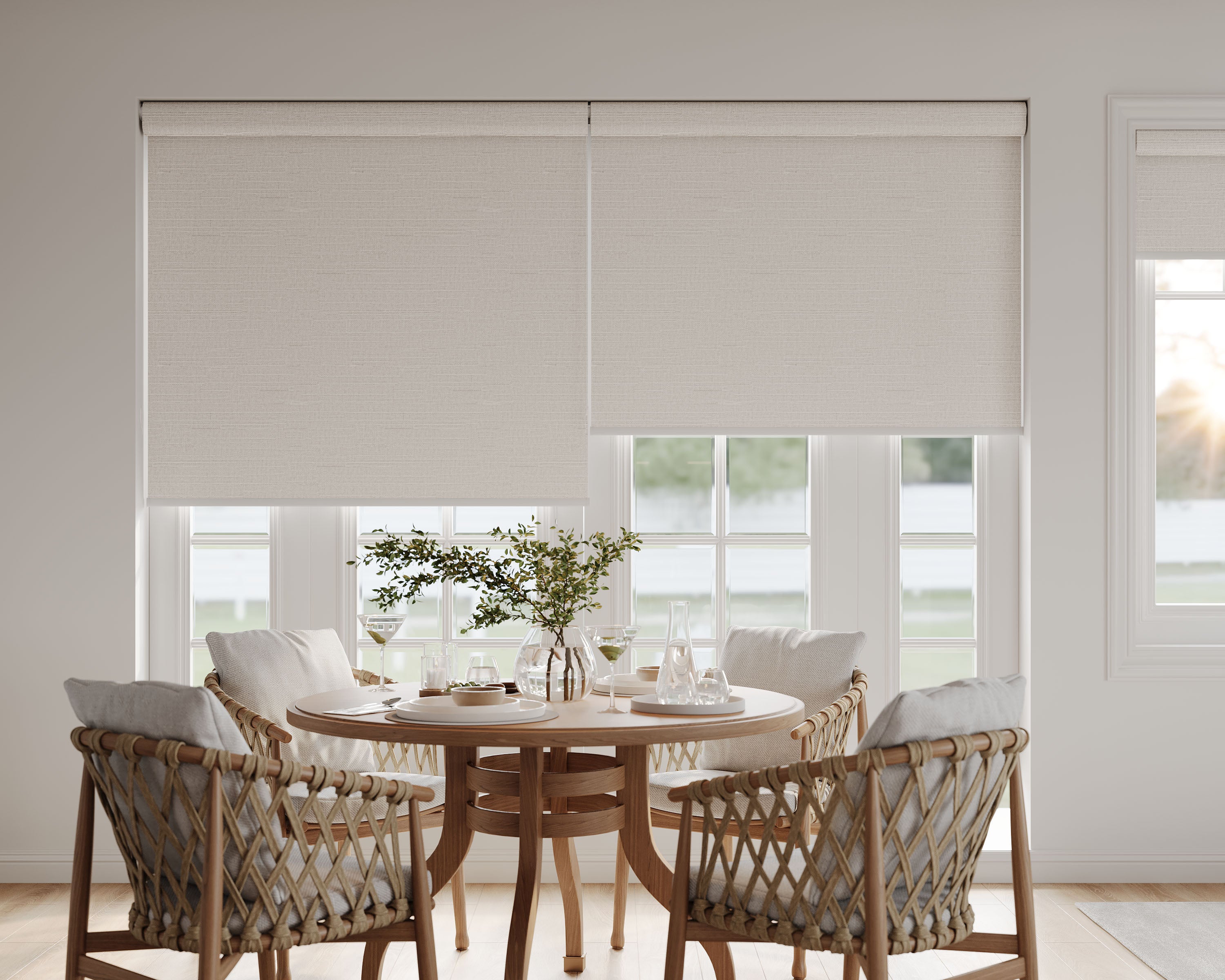


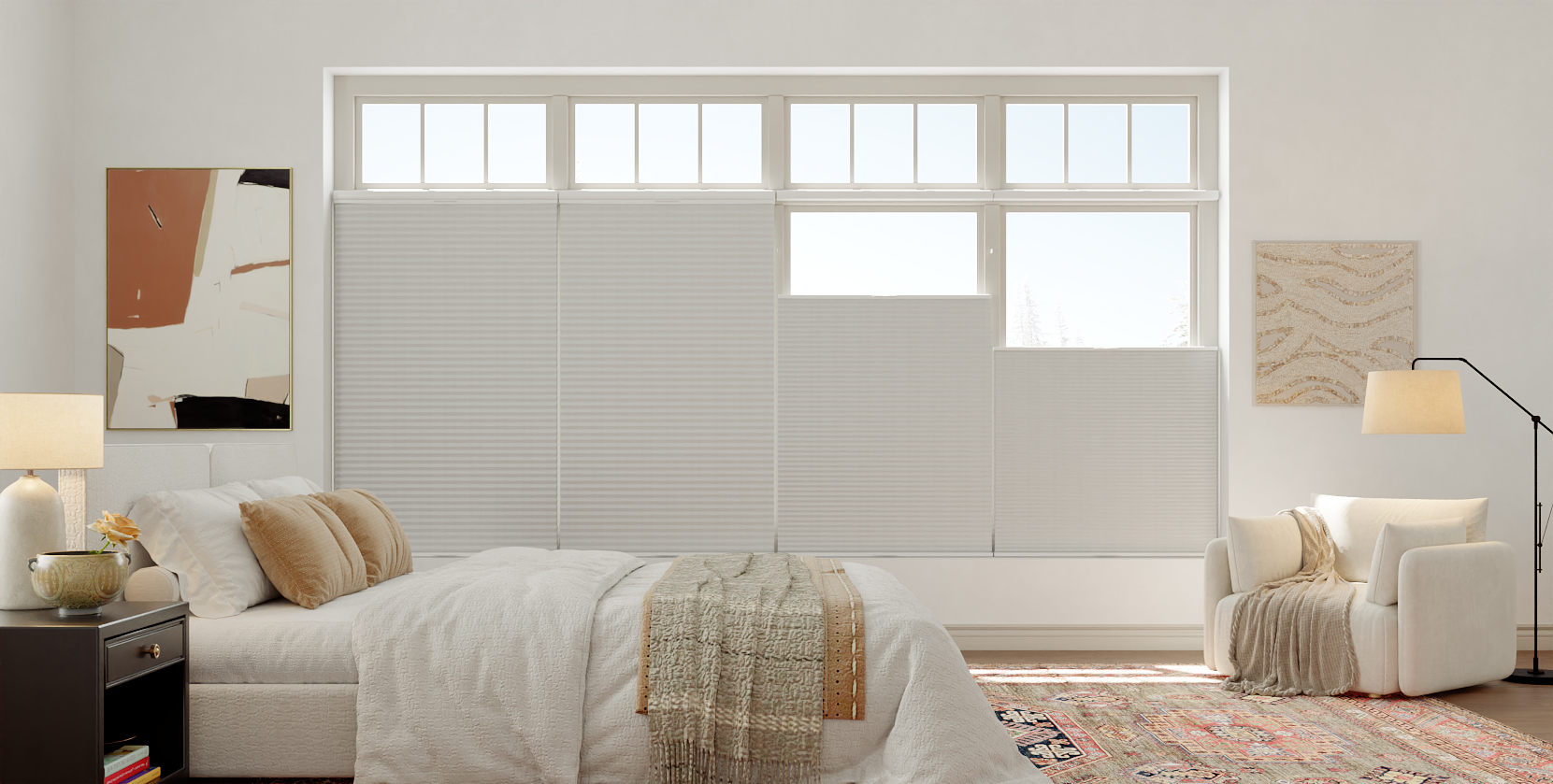


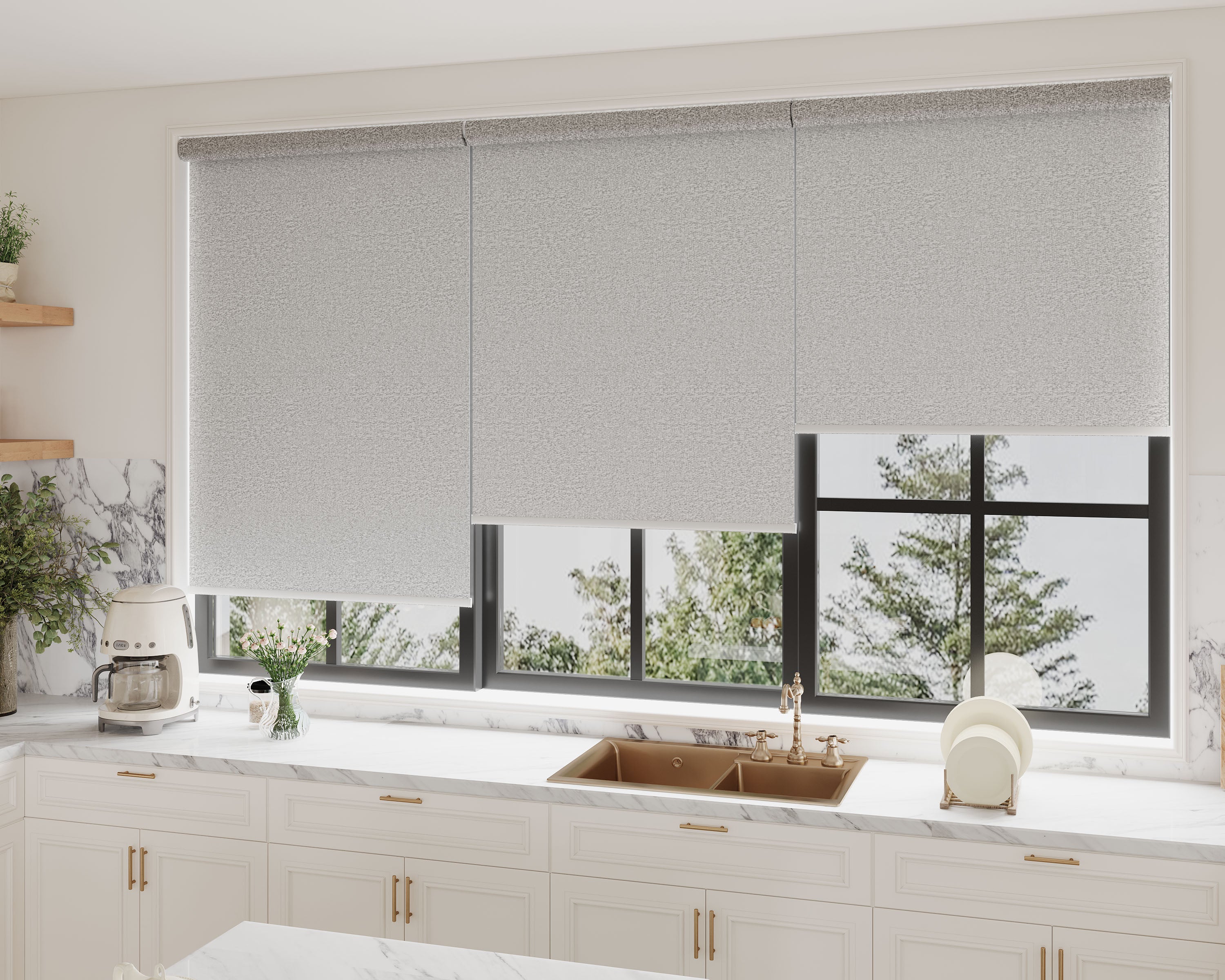

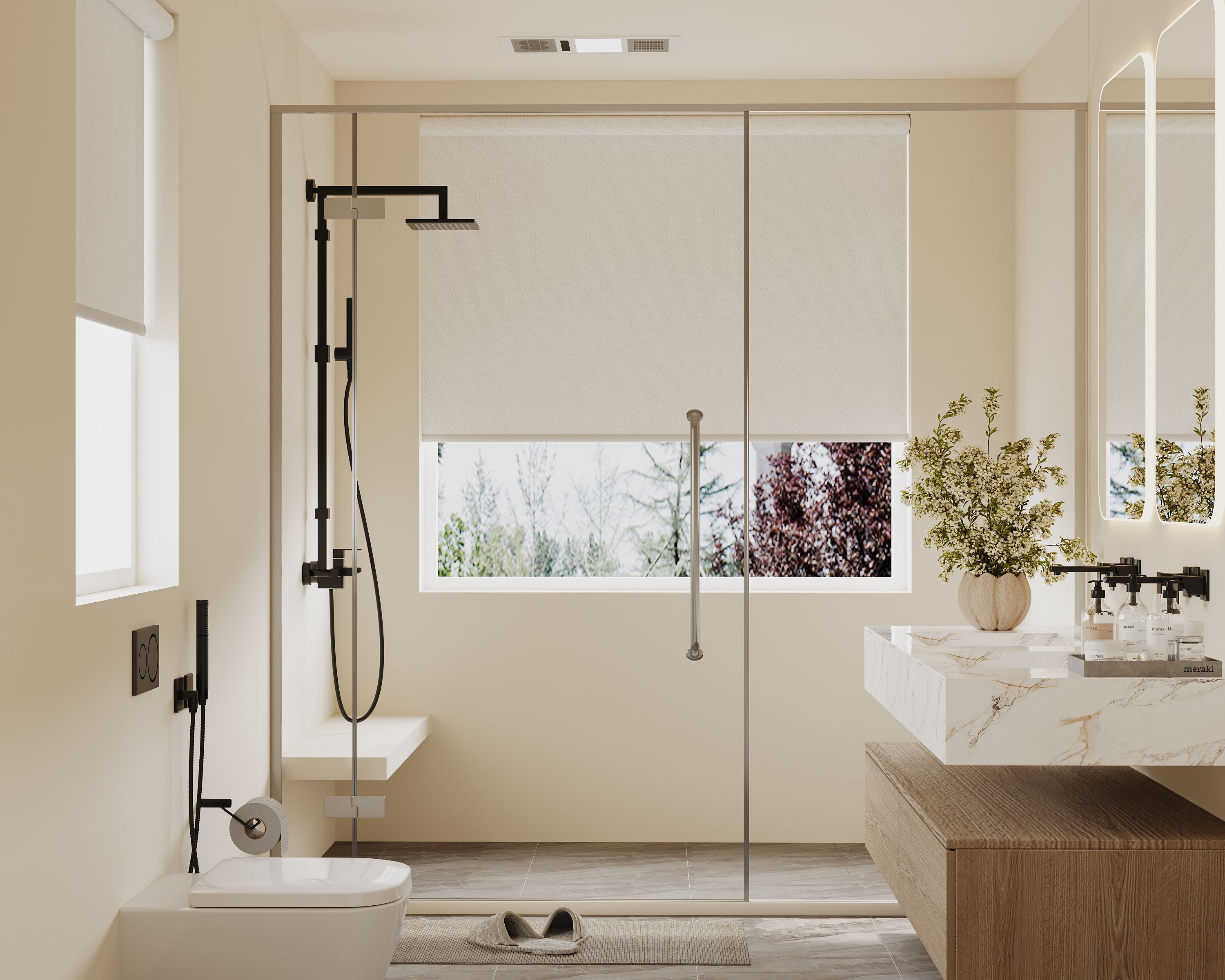


Yes, cellular shades can be a very safe window treatment option for homes with children and pets, provided you select the correct safety-focused features. The primary risks with any window covering—strangulation from cords, ingestion of small parts, and injury from falling hardware—are effectively mitigated by modern cordless designs, secure installation, and durable materials. This guide details the specific safety features to look for and the practices to follow to ensure a completely safe environment.
Here’s what you’ll learn to make an informed safety decision:
-
Hazard Analysis: A breakdown of historical window covering risks and how modern standards have addressed them.
-
Cordless & Motorized Safety: Why eliminating cords is the most critical safety step and how different lift systems compare.
-
Material & Construction Safety: Assessing fabric durability, non-toxic materials, and pet-specific considerations.
-
Installation & Security: How proper mounting prevents accidents and the hardware that ensures long-term stability.
-
Room-by-Room Safety Planning: Tailoring your shade choices for nurseries, playrooms, and homes with active pets.
The foundation of safety starts with choosing the right product. You can explore inherently safer cordless and motorized options in our collection of child and pet-friendly cellular honeycomb shades.
Understanding the Safety Evolution of Window Coverings
Window covering safety has undergone a significant transformation, driven largely by advocacy from organizations like the Window Covering Safety Council. For decades, looped cords on blinds and shades were a hidden hazard, resulting in tragic accidents. This led to mandatory safety standards and the widespread adoption of cordless technology.
Modern cellular shades are at the forefront of this safe design movement. Their inherent structure allows for efficient cordless or motorized operation, and their soft fabric poses less risk of impact injury compared to hard blinds. When selected and installed correctly, they align with the latest 2025 ASTM F2085 safety standard, which virtually eliminates accessible cords on stock products. Understanding this evolution is key to appreciating why specific features are non-negotiable for a family home.
The #1 Safety Feature: Cordless and Motorized Operation
Eliminating accessible cords is the single most effective safety improvement you can make.
Cordless Cellular Shades
-
How They Work: These shades operate via a sturdy bottom rail. You push up to raise and pull down to lower, engaging an internal clutch that holds the shade in place.
-
Safety Benefit: There are no cords or chains within reach of children or pets, completely removing the strangulation hazard. They also present a clean, uncluttered look.
-
Operation Consideration: Ensure the clutch mechanism is robust, especially for larger shades, to prevent the shade from descending unexpectedly. For a detailed look at proper use, see our guide on how to operate cordless cellular shades properly.
Motorized Cellular Shades
-
How They Work: Operated by battery or hardwired power via remote, app, or voice command.
-
Safety Benefit: This is the safest possible option. Not only are cords absent, but the shade's movement is also controlled remotely, preventing children from playing with the bottom rail. Automatic scheduling also reduces manual handling.
-
Added Safety: Motorization prevents pets from getting tangled in or pulling on cords and keeps shades out of reach of curious toddlers. When considering motors, our comparison of battery-powered vs. hard-wired motors covers factors like secure wiring and battery access.
Crucial Warning: If you have older cellular shades with looped or bead-chain cords, they must be retrofitted with a cord cleat, tensioner, or breakaway device immediately, or replaced entirely. Never leave accessible cords loose.
Material Safety and Durability for Active Households
Safety isn't just about cords; it's about the physical and chemical composition of the product.
Fabric and Chemical Safety
-
Non-Toxic Materials: Look for shades that are certified low-VOC (Volatile Organic Compounds) and free from harmful chemicals like lead, phthalates, and formaldehyde. This ensures better indoor air quality, crucial for nurseries and children's rooms.
-
Fire Resistance: While not always required for residential use, shades can be treated with fire-retardant finishes that meet specific safety codes, an important consideration for some households.
-
Durable, Tear-Resistant Fabrics: Choose fabrics with high double-rub counts (a measure of durability) or those specifically marketed as "pet-proof." These resist scratching, tearing, and pulling.
Pet-Specific Considerations
-
Claw Resistance: Tightly woven synthetic fabrics (like polyesters) or shades with a clear protective coating are more resistant to cat claws than loose weaves or natural fibers.
-
Stain & Odor Resistance: For homes with pets, consider moisture-resistant or easily cleanable fabrics. The ability to safely clean the shades is vital; learn the correct methods in our article on how to clean cellular shades without damaging them.
-
Chewing Deterrence: While no fabric is chew-proof, a motorized shade that remains out of reach or a cordless shade with a metal-reinforced bottom rail can deter chewing behaviors.
Installation: The Foundation of Physical Safety
A shade is only as safe as its installation. Proper mounting prevents the entire unit from being pulled down.
-
Secure Bracketing: Always use the provided screws and anchors appropriate for your wall type (drywall, plaster, masonry). For large or heavy shades, request additional center-support brackets.
-
Professional-Grade Anchors: In drywall, consider upgrading from plastic plugs to more secure toggle bolts for heavy shades, especially in children's rooms where they might pull or hang on the shade.
-
Follow Instructions Precisely: A level, secure installation ensures smooth operation and prevents stress on components. An improperly installed shade is a falling hazard. Our DIY installation guide for cellular shades emphasizes these security steps.
| Safety Feature | Risk It Addresses | What to Look For |
|---|---|---|
| Cordless Lift | Strangulation, entanglement. | No accessible cords; operation via bottom rail or remote. |
| Motorized Lift | Strangulation, entanglement, pulling down. | No cords; remote/app control; out-of-reach operation. |
| Secure Installation | Shade being pulled down entirely. | Proper anchors, multiple brackets, professional installation if unsure. |
| Durable, Non-Toxic Fabric | Ingestion, injury from tears, poor air quality. | Low-VOC certifications, high durability ratings, tight weaves. |
| Safety Certification | Compliance with modern hazard standards. | Labels indicating compliance with ASTM F2085 or WCSC guidelines. |
Room-by-Room Safety Recommendations
Tailoring your shade choice to the room's function maximizes safety.
-
Nurseries & Young Children's Rooms: Motorized blackout cellular shades are the gold standard. They are cordless, provide darkness for sleep, and are operated by parents outside the room. Ensure the headrail is mounted securely into studs.
-
Playrooms & Living Areas: Cordless cellular shades with durable, stain-resistant fabrics are ideal. Avoid long, dangling cords from adjacent windows.
-
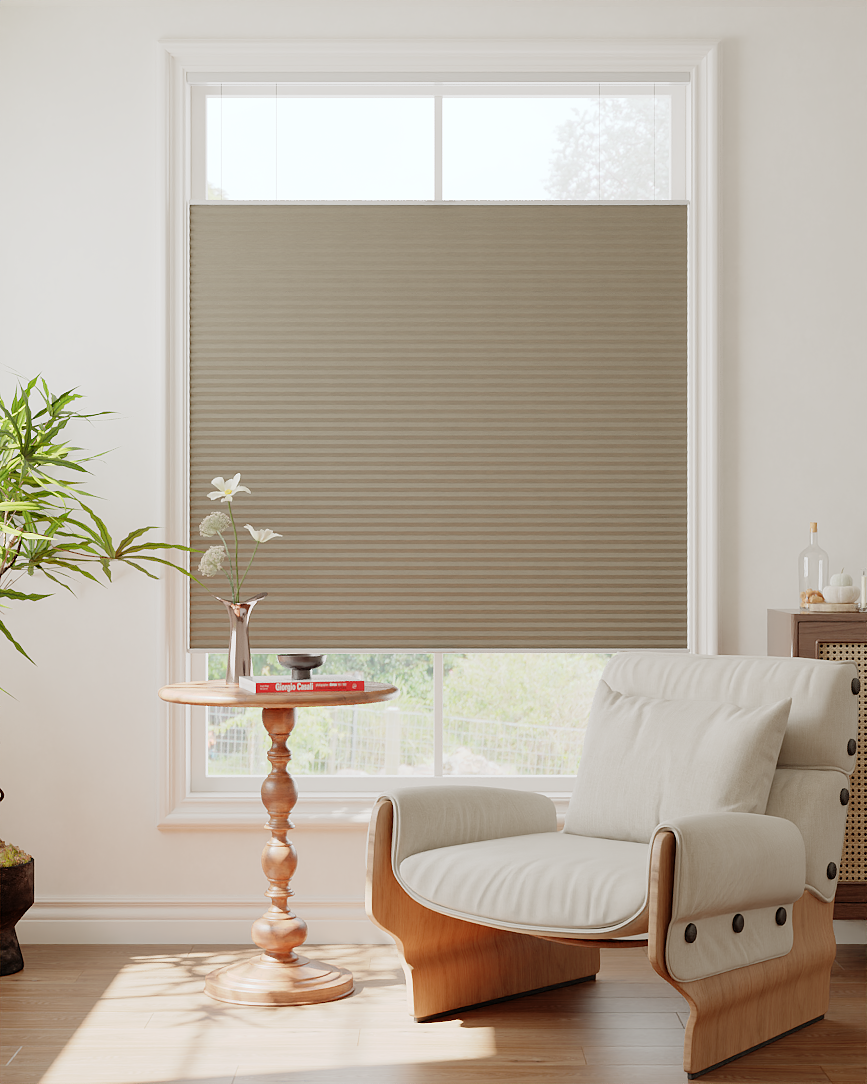
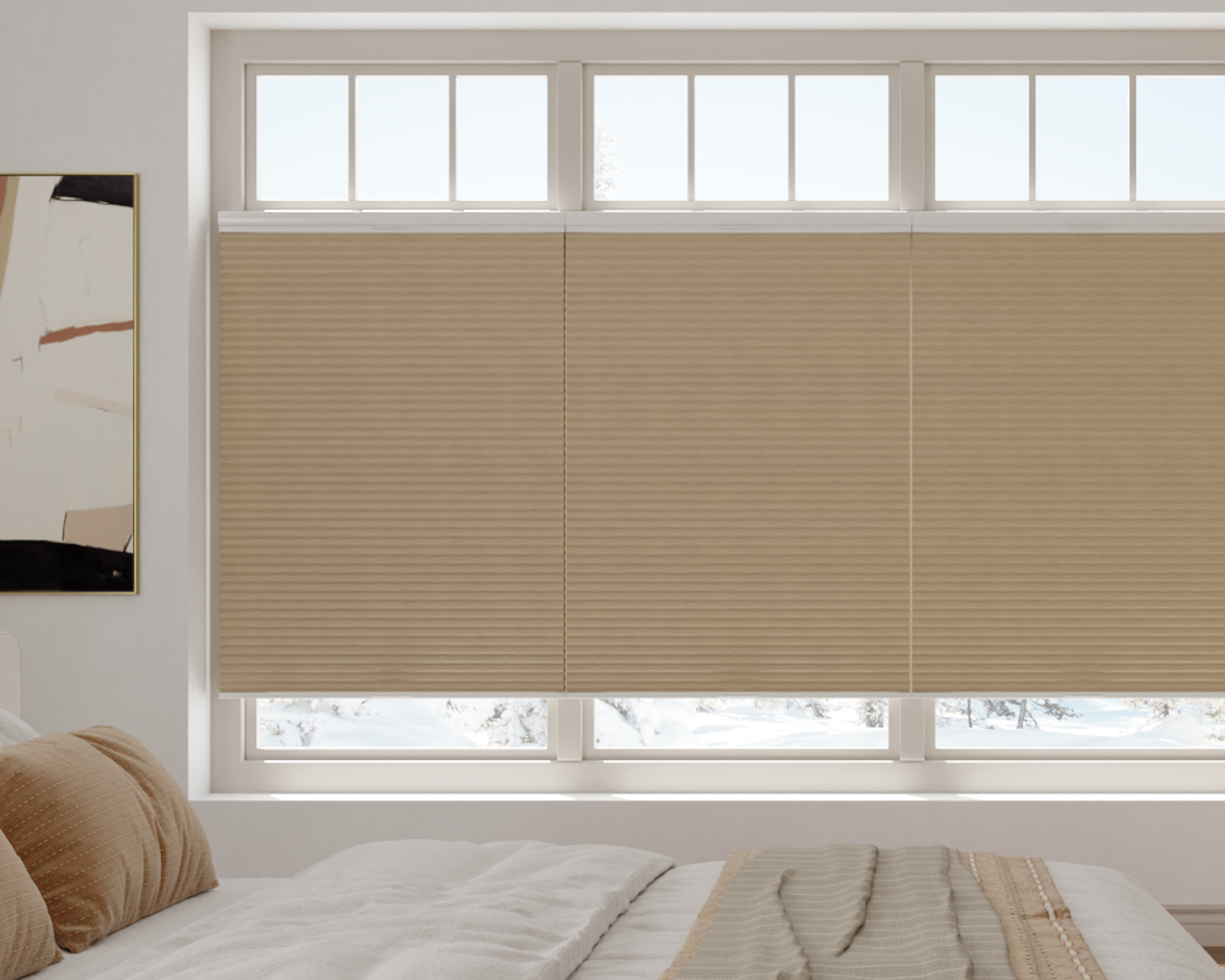
Rooms with Cats: Choose shades with a top-down/bottom-up feature. This allows you to lower only the top portion for light, keeping the majority of the shade—and the tempting bottom rail—out of paw's reach.
-
Sliding Doors & High-Traffic Areas: Ensure shades here are especially secure. An outside mount that fully clears handles and uses robust brackets is key. See our specific advice for installing cellular shades on sliding glass doors.
Conclusion
Cellular shades are an exceptionally safe choice for households with children and pets when equipped with cordless or motorized operation, constructed from durable non-toxic materials, and installed with a focus on security. By proactively selecting products that eliminate cords, withstand active use, and are anchored firmly, you can enjoy the light control and insulation benefits of cellular shades without compromising on safety. The modern market offers solutions designed specifically for family life, making it easier than ever to create a safe and comfortable home environment.
Key Highlights
-
Cordless or motorized operation is non-negotiable for eliminating the primary strangulation hazard posed by traditional cords.
-
Look for safety certifications like ASTM F2085 to ensure the product meets the latest rigorous standards.
-
Secure installation is as important as product selection; improperly mounted shades can become a falling hazard.
-
Choose durable, easy-to-clean fabrics to withstand the wear and tear from pets and children while maintaining a healthy indoor environment.
-
Tailor your choice to the room, using motorized shades in nurseries and durable cordless models in active living spaces.
Making informed choices allows you to leverage the benefits of cellular shades while providing peace of mind for your family's safety.
Explore Custom Cellular Shades


Frequently Asked Questions (FAQ)
What should I do with my old cellular shades that have cords?
If they are in good condition, you can make them safer immediately. Contact the manufacturer to inquire about a free cord-retrofit kit. These kits typically include cleats to wrap cords around, tension devices to pull cords tight, or breakaway tassels that detach under pressure. Install these devices securely out of children's reach (at least 5 feet high). The safest long-term solution, however, is to replace them with new, certified cordless shades.
Are the materials in cellular shades non-toxic if my child or pet chews on them?
While many modern cellular shades use low-VOC and safer materials, no fabric is intended to be chewed or ingested. The primary concern with chewing is not typically chemical toxicity but a choking hazard from torn fabric or small plastic components. To prevent this, choose motorized shades to keep the bottom rail elevated, trim your pet's claws regularly, and train pets away from the shades. Always supervise young children.
How can I tell if a cellular shade meets current safety standards?
Look for a permanent label on the product or headrail that states it is compliant with ASTM F2085, the current U.S. voluntary safety standard. You can also check for the Window Covering Safety Council (WCSC) certification mark. Reputable retailers will prominently state if their products are "cordless" or "WCSC compliant." Always ask before purchasing if you are unsure.
My cat loves to climb the shades. How can I stop this?
Climbing puts extreme stress on the mounting brackets and fabric. First, ensure your shades are installed with very secure anchors (like toggle bolts) to prevent a collapse. Secondly, consider top-down/bottom-up shades and only lower the top portion, keeping the bottom rail high off the ground. Providing more appealing alternatives like tall, sturdy cat trees near the window can also redirect this natural behavior.
Are motorized shades with batteries safe? What if a child accesses the battery compartment?
Battery compartments in quality motorized shades are designed with child-resistant locking mechanisms, such as screws or latches that require a tool to open. The batteries used are typically standard, low-voltage lithium or alkaline packs, similar to those in household remotes. For added safety, ensure the compartment is securely closed after battery replacement and store spare batteries out of children's reach. Hardwired motors eliminate this concern entirely.
