


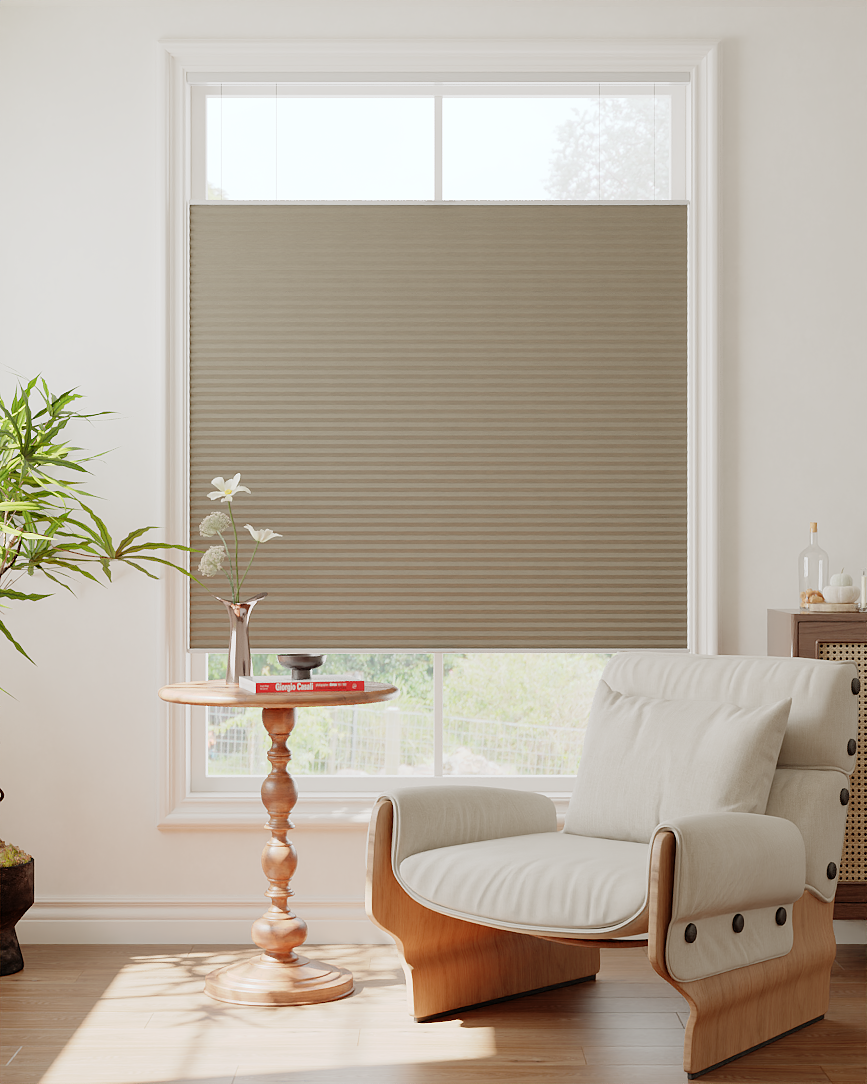
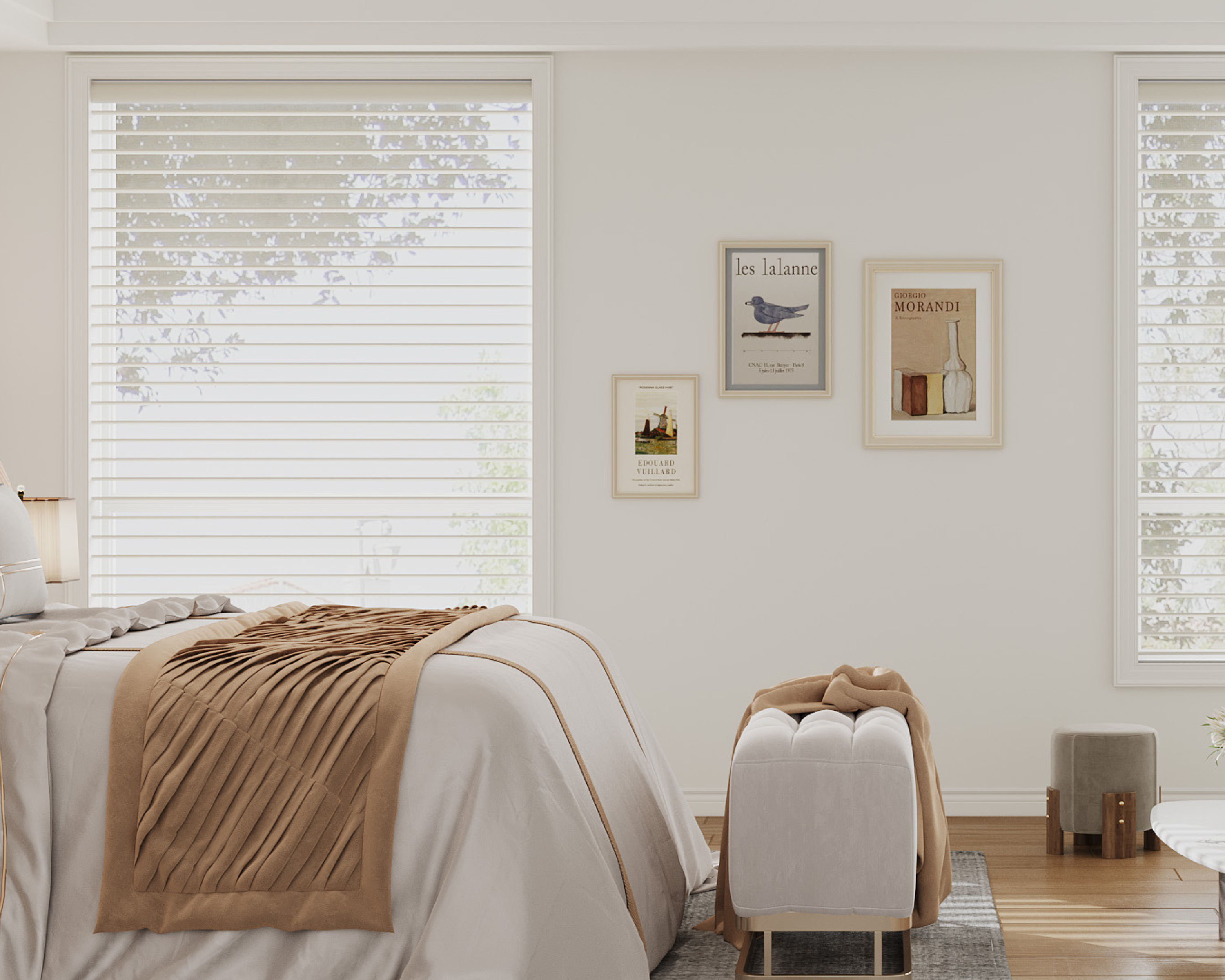
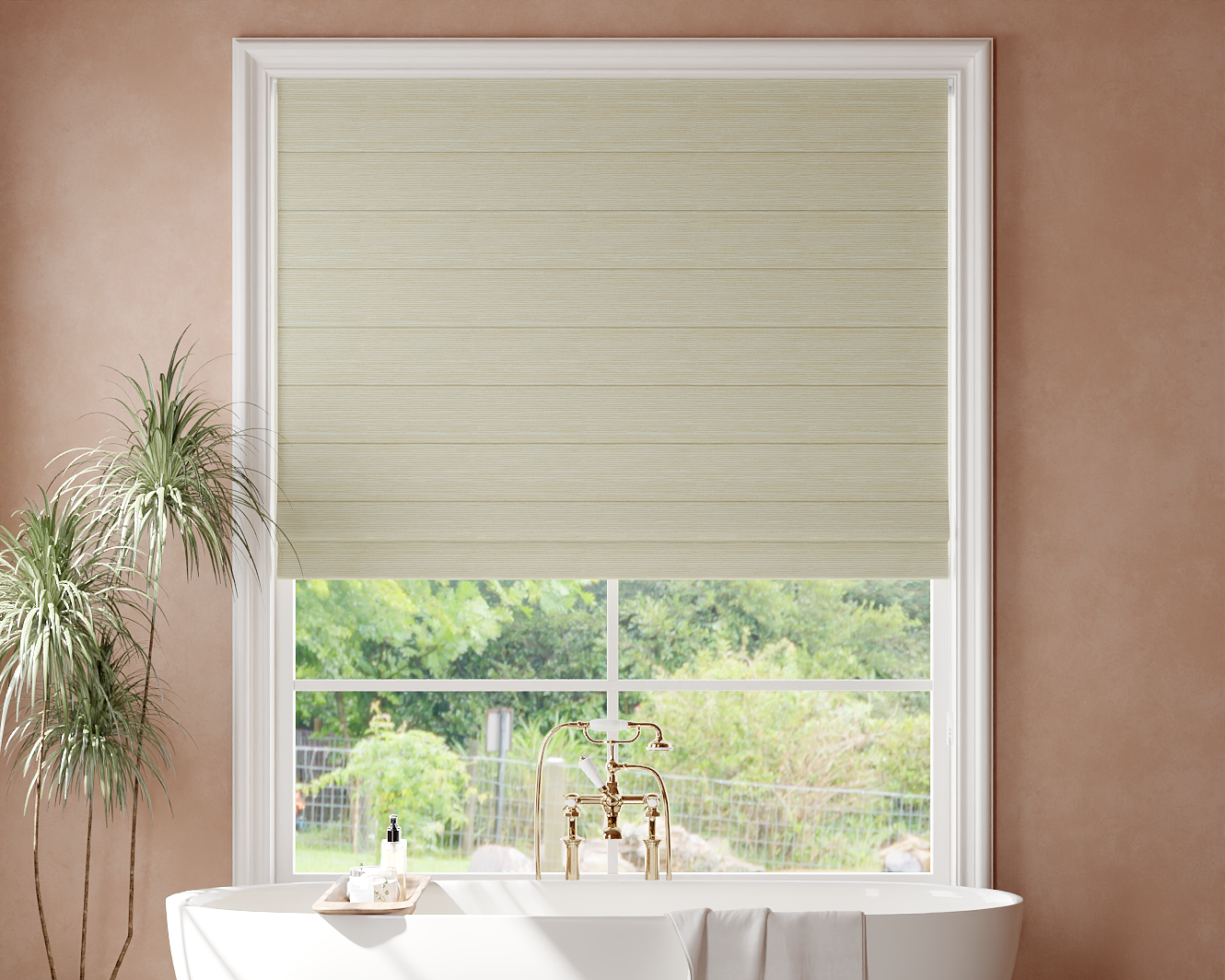
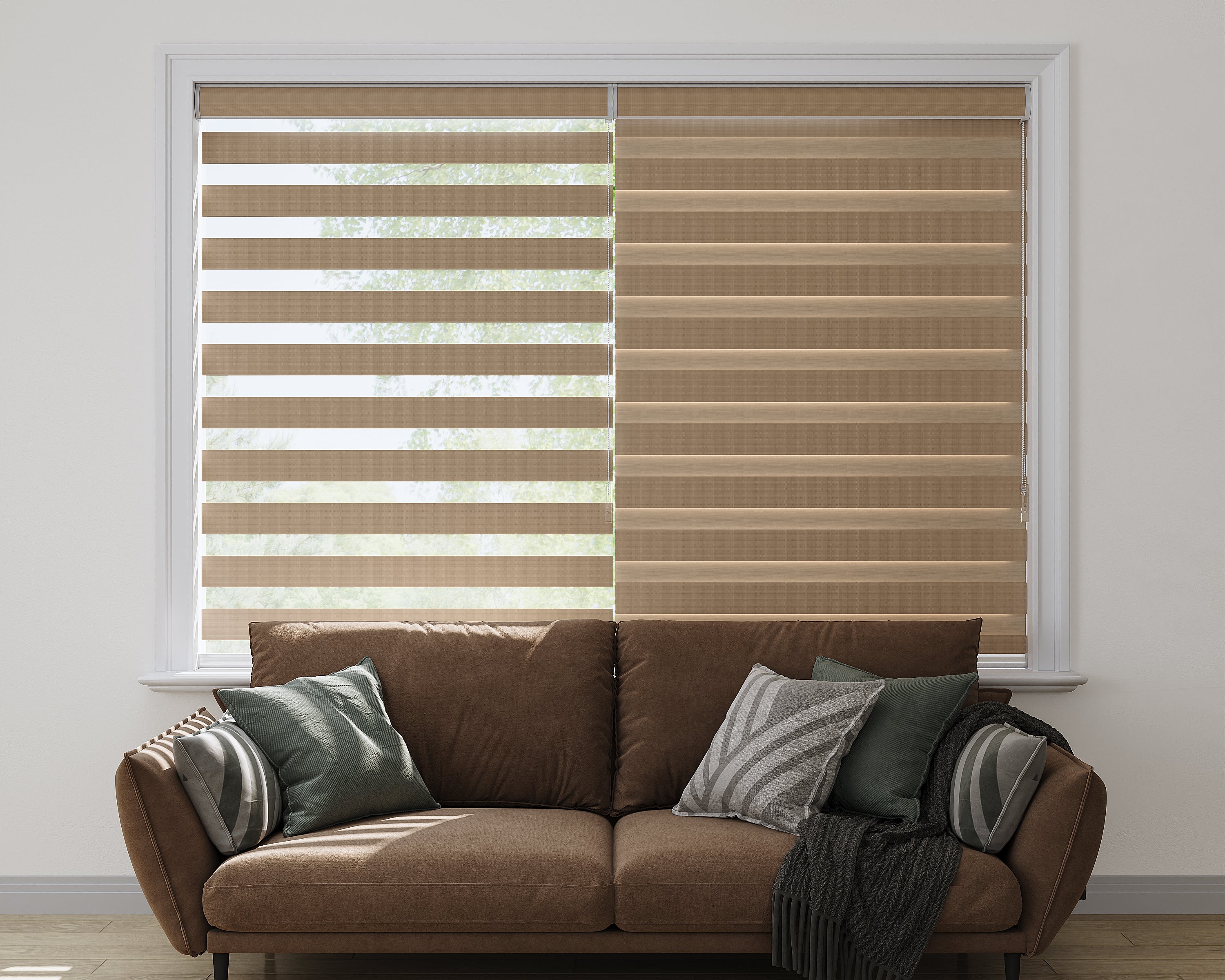
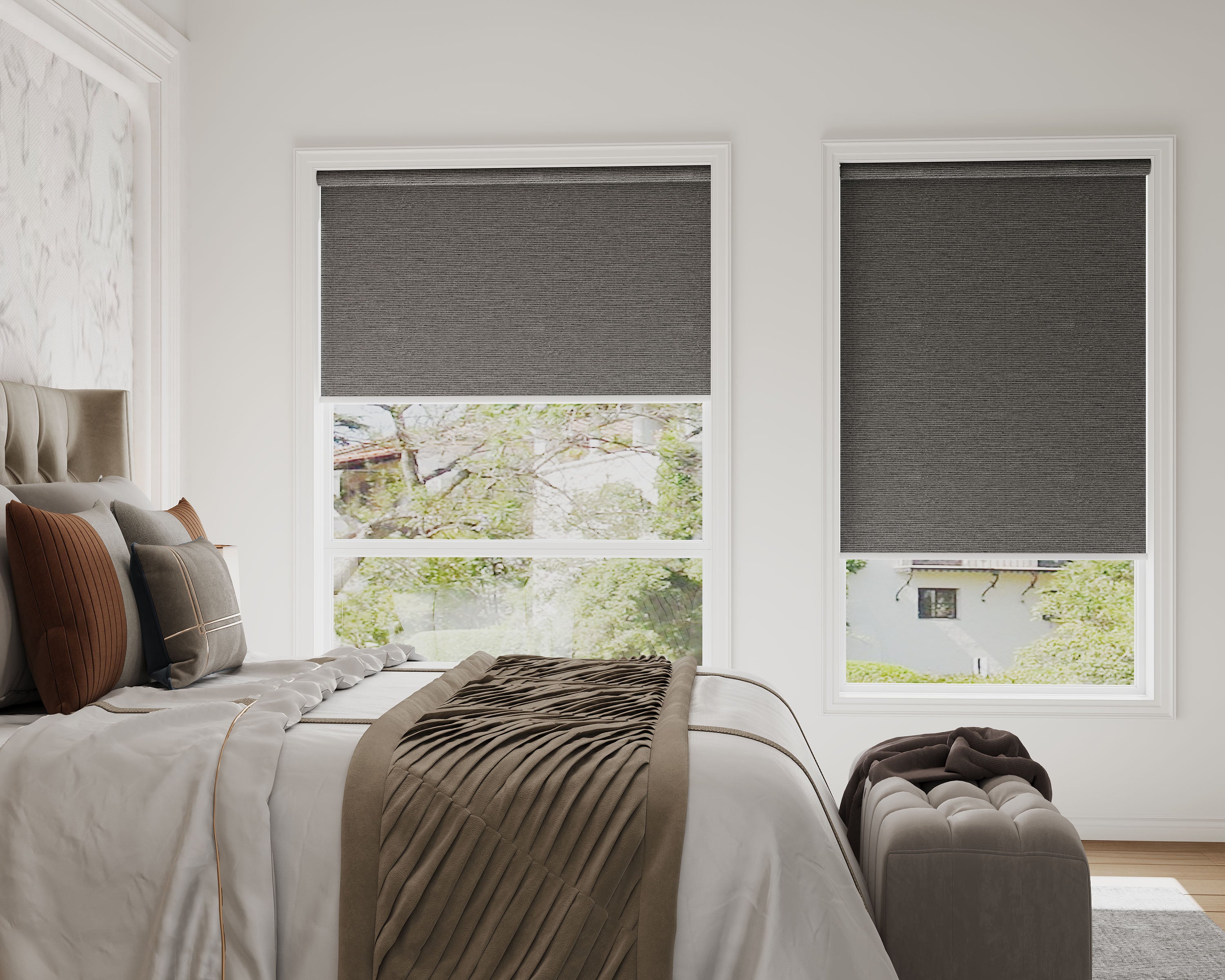
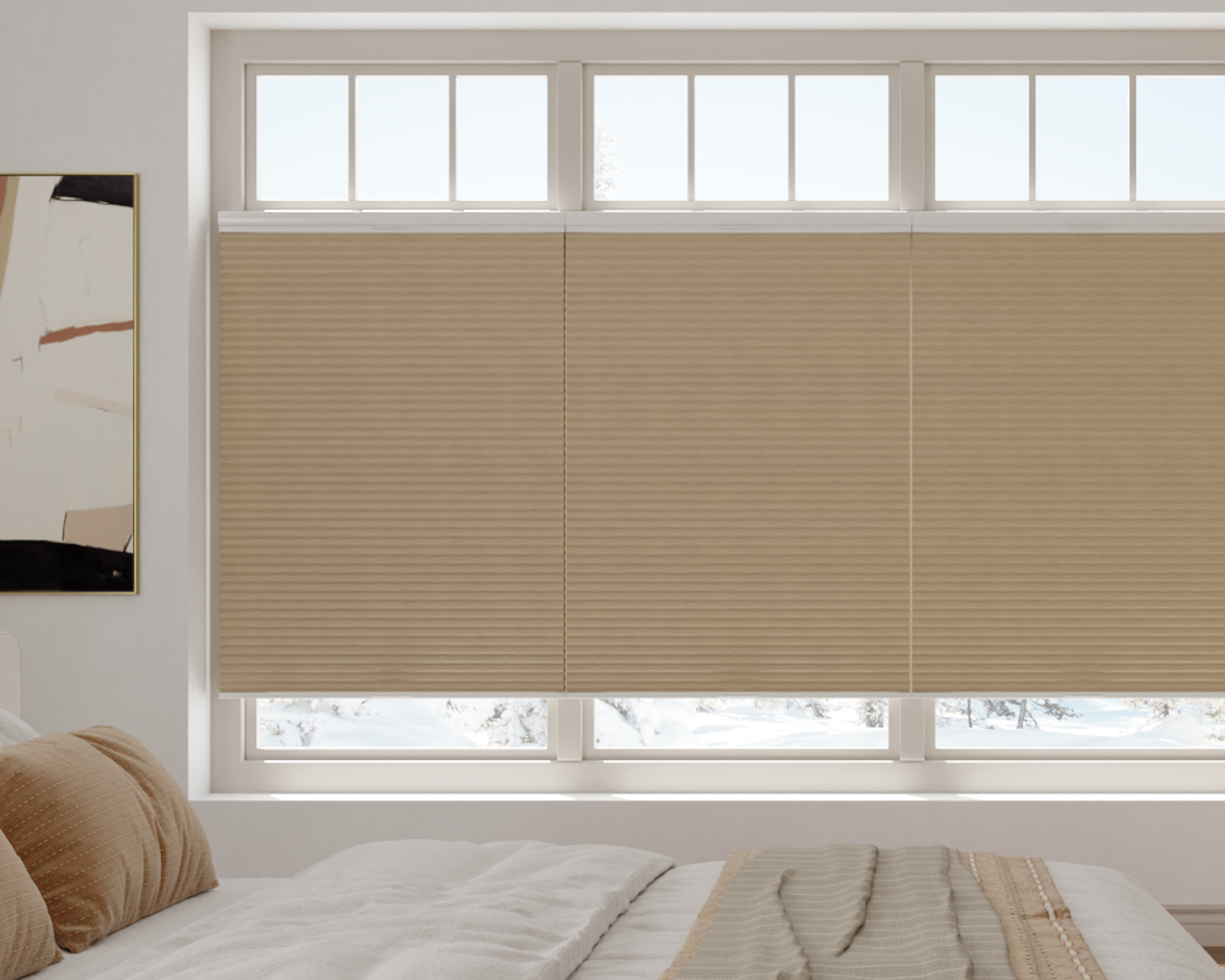
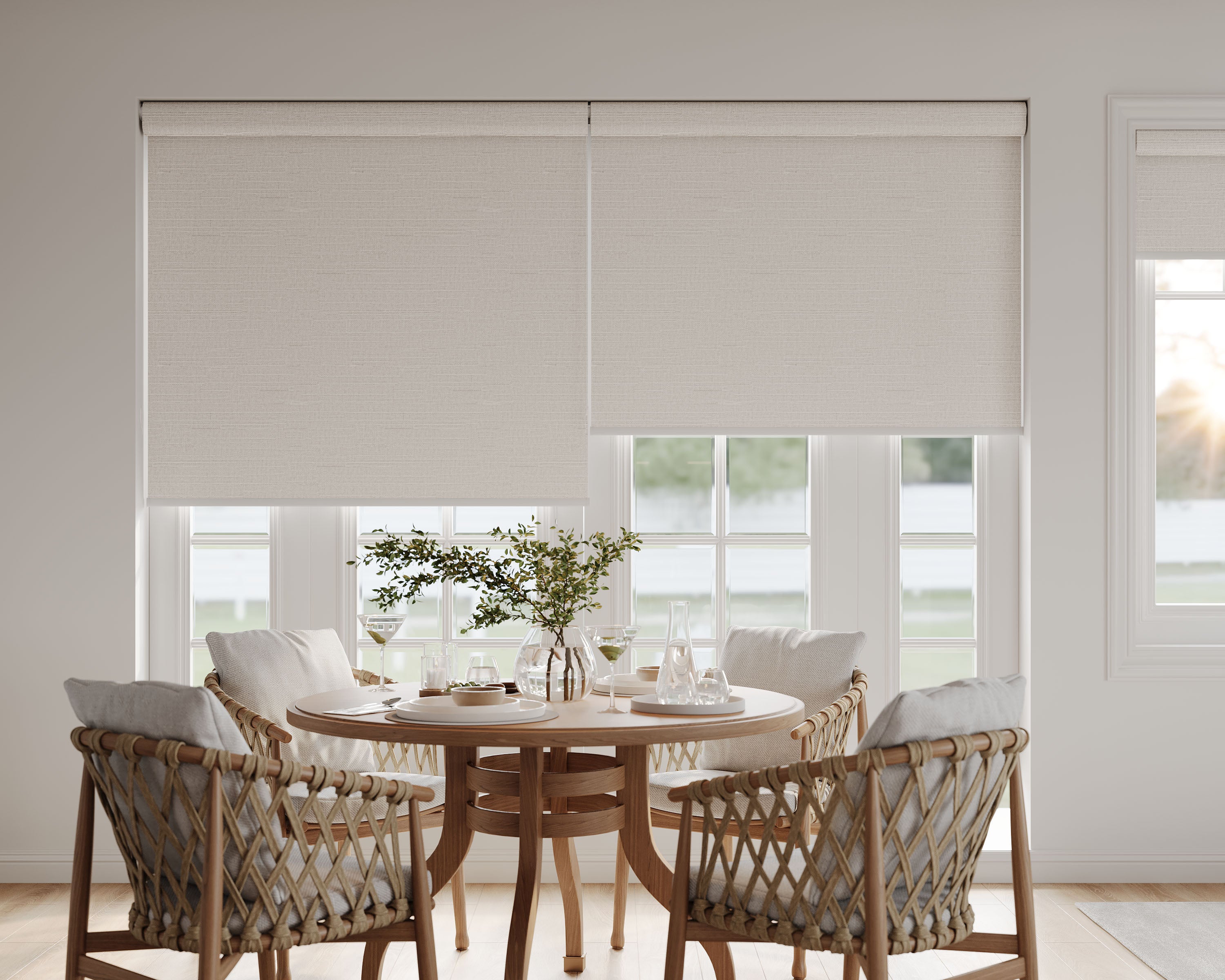


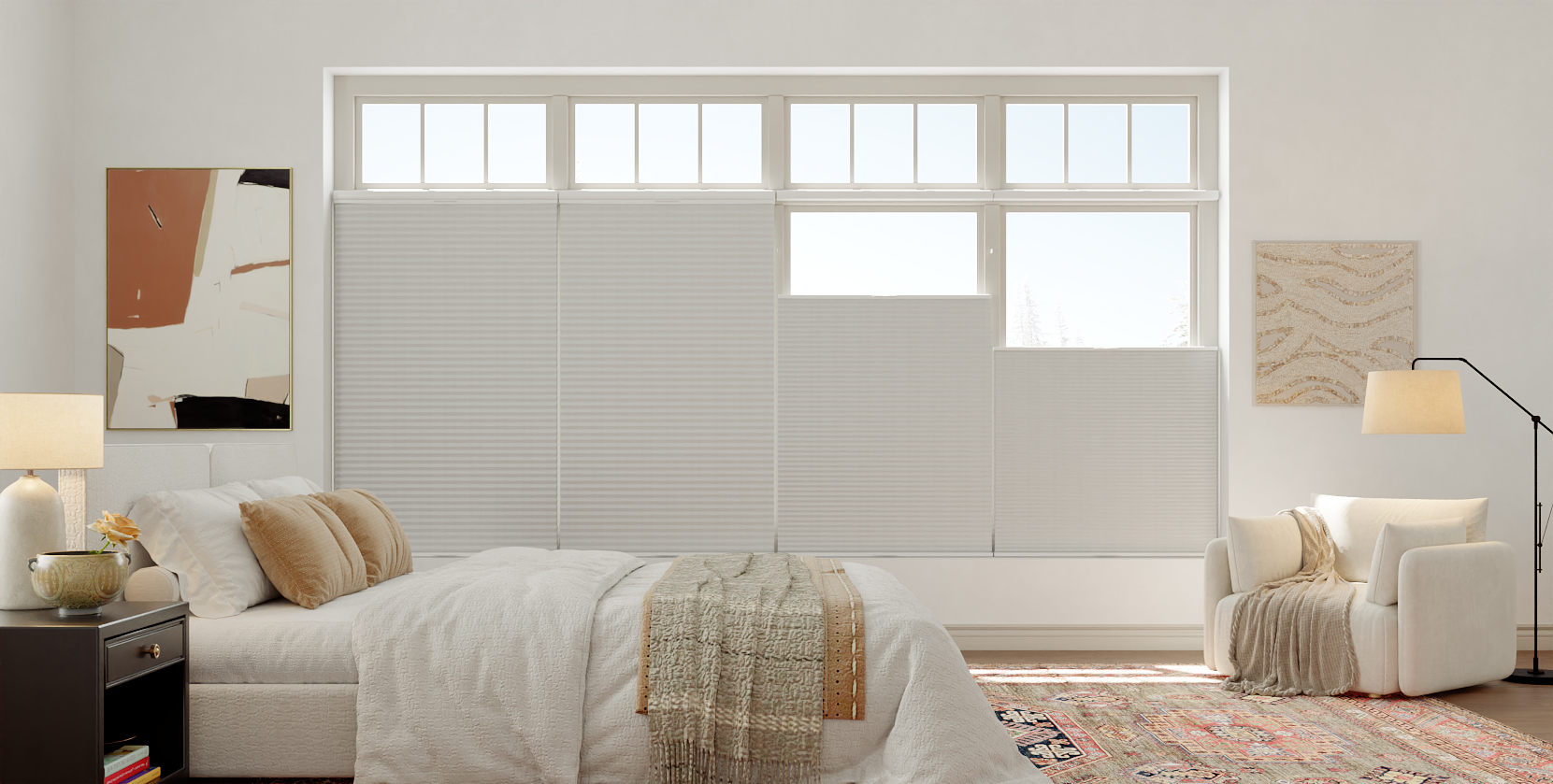


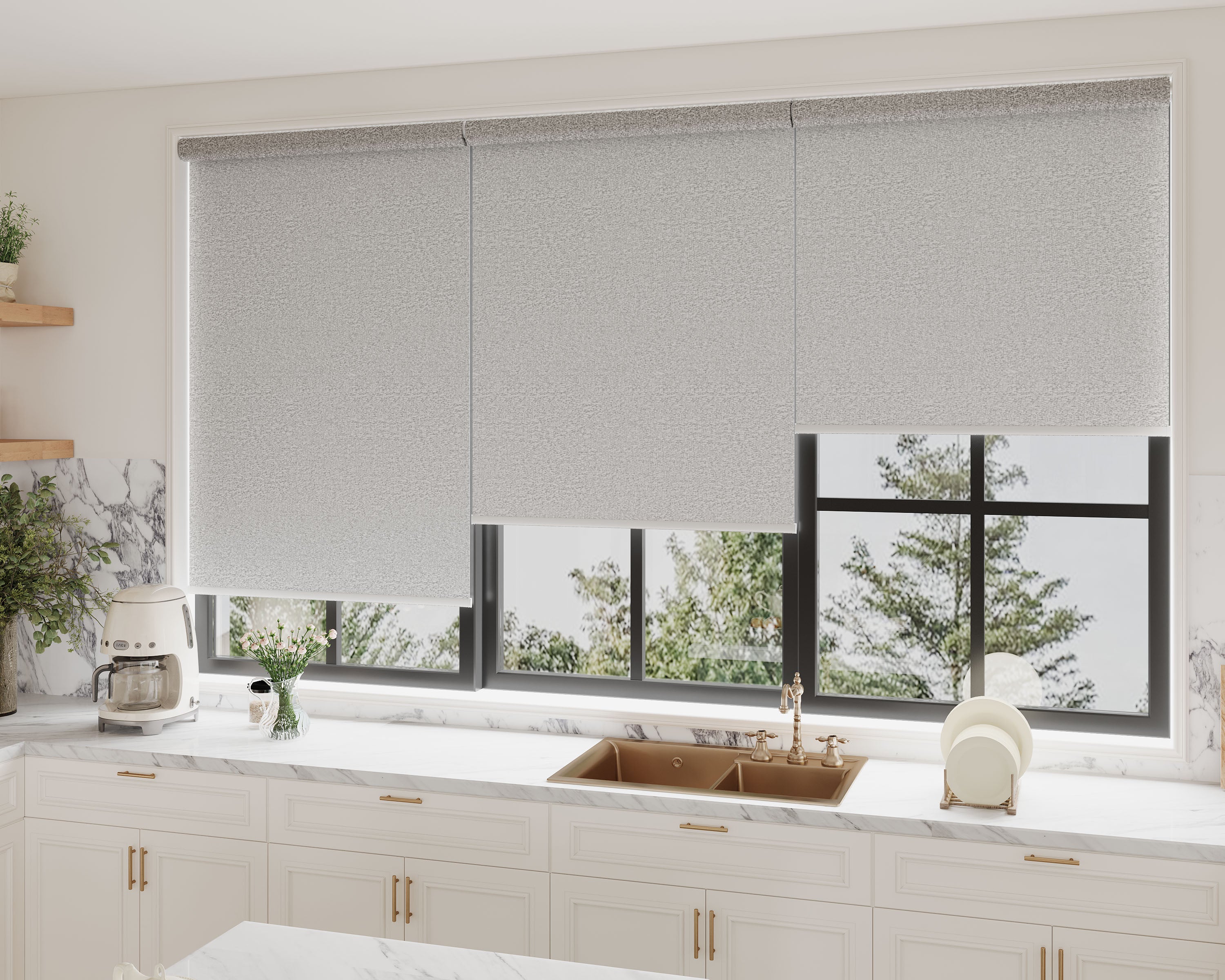

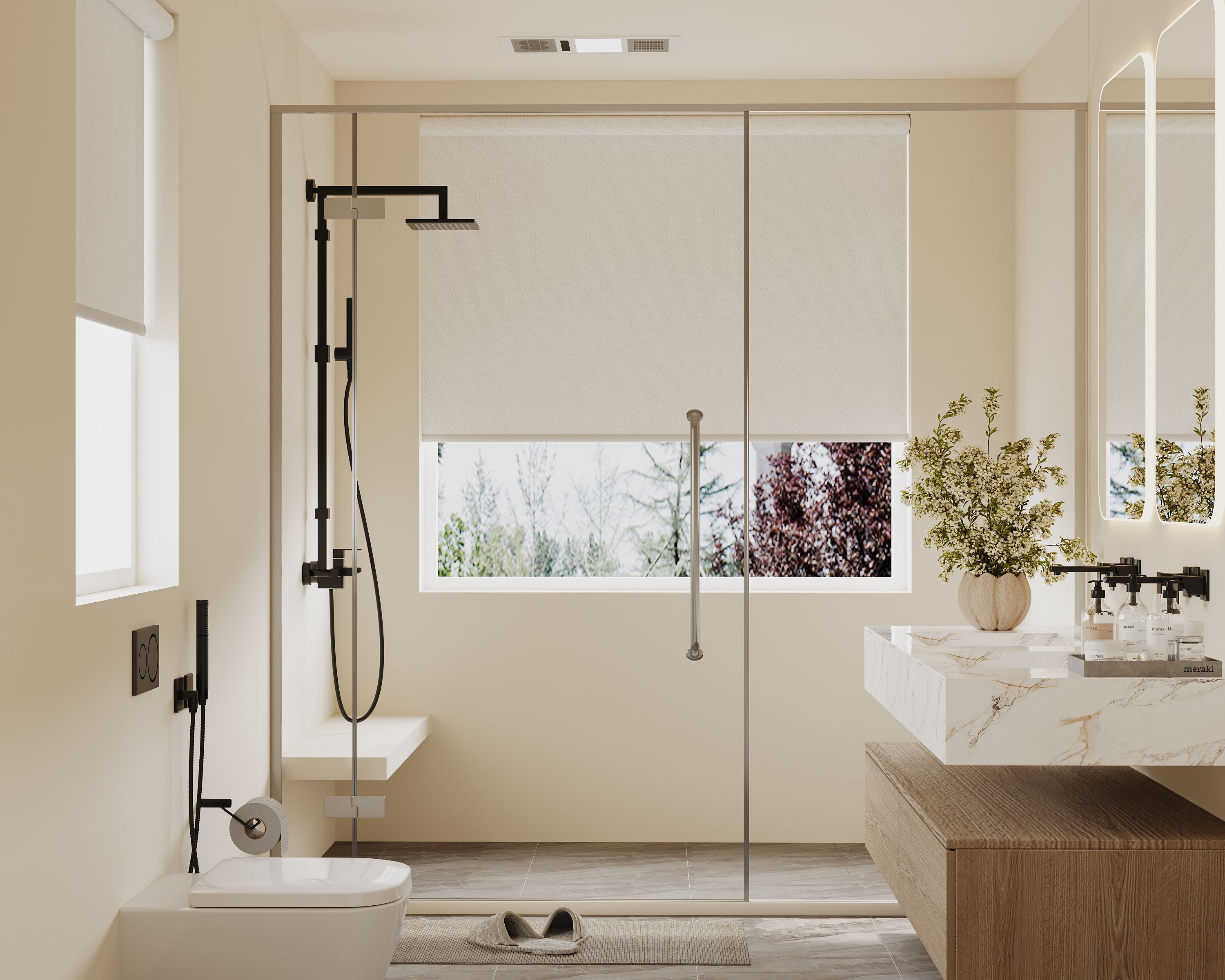


Operating cordless cellular shades properly involves using a firm, controlled push or pull on the bottom rail—not the fabric—to engage the internal clutch system smoothly. The key is to avoid short, jerky motions and to understand how the clutch mechanism works to set the shade's position. This guide will teach you the correct techniques to ensure effortless control, prevent damage, and extend the life of your window treatments.
Here’s what you’ll learn to master the operation:
-
The Inner Workings: How the cordless clutch mechanism functions and why proper technique matters.
-
Step-by-Step Operation: The correct methods for raising, lowering, and setting your shade at any height.
-
Troubleshooting Common Issues: How to fix shades that won't stay up, become uneven, or feel stiff.
-
Advanced Positioning: Utilizing top-down/bottom-up features and programming memory positions on motorized cordless models.
-
Routine Care: Simple maintenance to keep the operating mechanism smooth for years.
Using the correct technique protects your investment and ensures daily ease. For context on where these shades excel, explore the full range of insulating cordless honeycomb window treatments.
How the Cordless Mechanism Actually Works
Understanding the simple mechanics inside the headrail demystifies operation and helps you avoid common mistakes. When you push the bottom rail up, you're manually winding an internal spring. When you pull it down, you're unwinding it. A friction clutch or brake system inside the headrail holds the spring's tension, locking the shade in place at your desired height.
The critical thing to know is that this clutch requires a deliberate, continuous motion to engage or disengage properly. Short, tentative tugs or pushes often fail to overcome the clutch's resistance, leading to frustration and the misconception that the shade is broken. This mechanism is part of what makes a proper installation so important, as outlined in our guide on installing cellular honeycomb shades yourself, ensuring the headrail is level and secure for optimal function.
The Correct Techniques for Flawless Operation
Follow these methods for smooth, reliable control every time.
Raising the Shade (Lifting)
-
Hand Placement: Place one or both hands, palms up, under the center of the bottom rail. Never grab or pull on the fabric itself.
-
The Motion: In one firm, continuous motion, push the rail straight upward. Do not use short, jerky pushes.
-
Setting the Height: Continue pushing until the shade reaches your desired height, then stop. The internal clutch will automatically engage and hold it there. You should not hear a clicking sound; engagement is silent.
Lowering the Shade
-
Hand Placement: Grip the bottom rail with your fingers on the front and thumb underneath.
-
The Motion: Pull down steadily and evenly. Allow the shade to descend under controlled tension—don't let it drop quickly.
-
Stopping: Release your pull at the desired height. The clutch will lock the shade in place.
For Top-Down/Bottom-Up Cordless Shades
These have two independent clutch systems, usually operated by gently pushing the rail to the left or right before moving it.
-
To Lower the Top: Gently push the bottom rail toward one side (e.g., the left) as you pull down. This engages the clutch for the top set of cords.
-
To Raise the Bottom: Gently push the bottom rail toward the opposite side (e.g., the right) as you push up.
Consult your manual, as the directional engagement (left vs. right) can vary by manufacturer.
Troubleshooting Common Operational Problems
Even with proper technique, occasional issues arise. Use this table to diagnose and solve them.
| Problem | Likely Cause | Solution |
|---|---|---|
| Shade won't stay up; slowly drifts down. | The internal clutch is not fully engaged. This is the most common issue. | Lower the shade completely. Then, raise it again to the desired height in one firm, continuous motion. This resets the clutch. |
| Shade is uneven; one side is higher. | The shade was raised unevenly, causing it to tilt in the brackets. | Lower it completely. Place hands evenly on the rail and raise it again, applying equal pressure across its width. |
| Shade is very hard to move; stiff operation. | Dust/debris in headrail; new shade stiffness; extreme temperatures. | Vacuum the headrail gently. Operate it a few times to loosen. Stiffness in new shades often eases with a week of use. |
| Bottom rail is crooked or tilting. | The shade is not properly seated in its mounting brackets. | Gently pull the shade forward out of the brackets and re-seat it evenly, ensuring both sides click in. |
| Shade doesn't move at all. | Locking mechanism engaged (on some models); extreme cold. | Check for a small slide lock or button on the headrail or bottom rail and disengage it. In cold weather, materials may contract—wait. |
Many operational issues can be traced back to the installation environment. A shade in a frame that's too shallow can bind, which is why understanding cellular shade frame depth requirements is preventative.
Advanced Operation & Smart Features
Modern cordless shades often integrate with smart home systems, moving beyond manual operation.
Programming Motorized Cordless Shades
"Cordless" here refers to the lack of a physical control cord, not the power source. These battery-powered motorized shades are operated via remote or app.
-
Setting Limits: Use the app to program the exact upper and lower stopping points so the shade doesn't travel too far.
-
Creating Schedules: Set the shades to automatically raise at sunrise and lower at sunset.
-
Voice & Scene Control: Integrate with Alexa, Google Home, or Apple HomeKit for voice commands or "Good Morning" scenes.
Utilizing Memory Positions
Some advanced manual cordless systems and all motorized ones allow you to set favorite positions.
-
For Manual Systems: You may raise the shade to a perfect mid-level height and engage a small tab or set-screw on the side of the headrail to mark that position.
-
For Motorized Systems: Save positions like "25% open" or "Favorite Reading Light" in the app for one-touch access.
For a broader look at integrating these smart features into your daily routine, see our article on the practical use and application of cellular shades.
Maintenance for Smooth Operation
A little care ensures your shades operate like new for years.
-
Regular Dusting: Use the brush attachment on your vacuum to gently clean the headrail monthly. Built-up dust is a primary cause of clutch slippage and stiffness.
-
Rail Cleaning: Wipe the bottom rail with a dry microfiber cloth to maintain a good grip.
-
Avoid Force: Never force a shade that feels stuck. Diagnose the issue first.
-
Seasonal Check: Operate your shades fully up and down a few times each season to keep the mechanism and springs active.
Conclusion
Operating cordless cellular shades properly is a simple skill that ensures their longevity, safety, and daily convenience. By using firm, continuous motions on the bottom rail—never the fabric—you reliably engage the internal clutch. Understanding how to troubleshoot common issues like slippage or unevenness empowers you to quickly restore perfect function, while basic maintenance keeps the system running smoothly. Mastering these techniques allows you to enjoy the clean, safe, and modern benefits of cordless shades to their fullest.
Key Highlights
-
Always use the bottom rail: Apply force only to the rigid bottom rail, not the delicate cellular fabric.
-
Use firm, continuous motions: Short, jerky movements fail to engage the internal clutch, causing the shade to slip down.
-
Troubleshoot slippage by resetting: If the shade won't stay up, lower it completely and raise it again in one steady motion.
-
Ensure a level installation: An unevenly hung shade will operate poorly and cannot be corrected by technique alone.
-
Simple maintenance matters: Regular light dusting of the headrail prevents most mechanical issues.
With the right knowledge, the seamless operation of cordless cellular shades becomes second nature, offering effortless control over light and privacy.
Explore Custom Cellular Shades


Frequently Asked Questions (FAQ)
Why does my new cordless cellular shade seem very stiff to operate?
Some initial stiffness is normal. The internal springs and clutch mechanisms are brand new and need a short "break-in" period. Operate the shade fully up and down 10-15 times over the course of a week. This should noticeably smooth out the action. If stiffness persists after two weeks, check for any obstruction in the headrail or ensure it is mounted perfectly level.
Is it okay to leave my cordless cellular shades halfway up for long periods?
Yes, it is perfectly fine. The clutch mechanism is designed to hold the shade's weight at any position indefinitely without wearing out. Unlike older spring-rolled shades that could lose tension, the modern friction clutch is not under stress when stationary. You can leave them at any height without concern.
Can I adjust the tension on my cordless shade if it's too loose or too tight?
On most consumer-grade cellular shades, the clutch mechanism is sealed and not user-adjustable. Tension is factory-set. If the shade is malfunctioning (e.g., consistently slipping or extremely hard to move), it typically indicates a need for repair or replacement of the internal clutch module, which may be covered under warranty. Contact the manufacturer for support.
What should I do if the bottom rail detaches from the fabric on one side?
This usually indicates that the plastic "lift cord" running inside the cells has become detached. Do not continue to operate it, as this can cause further damage. This is a repair that often requires taking the shade down. You may be able to re-thread it carefully, but contacting the retailer or a professional repair service is frequently the best solution, especially if the shade is under warranty.
How do I safely clean my cordless shades without damaging the mechanism?
Always keep liquid away from the headrail where the clutch mechanism resides. For the fabric, use only low-moisture methods like gentle vacuuming with a brush attachment or the "sponge bath" method (using a barely damp sponge). Never spray cleaners directly onto the shade. For comprehensive cleaning instructions, refer to our dedicated guide on how to clean cellular shades without damaging them.
