
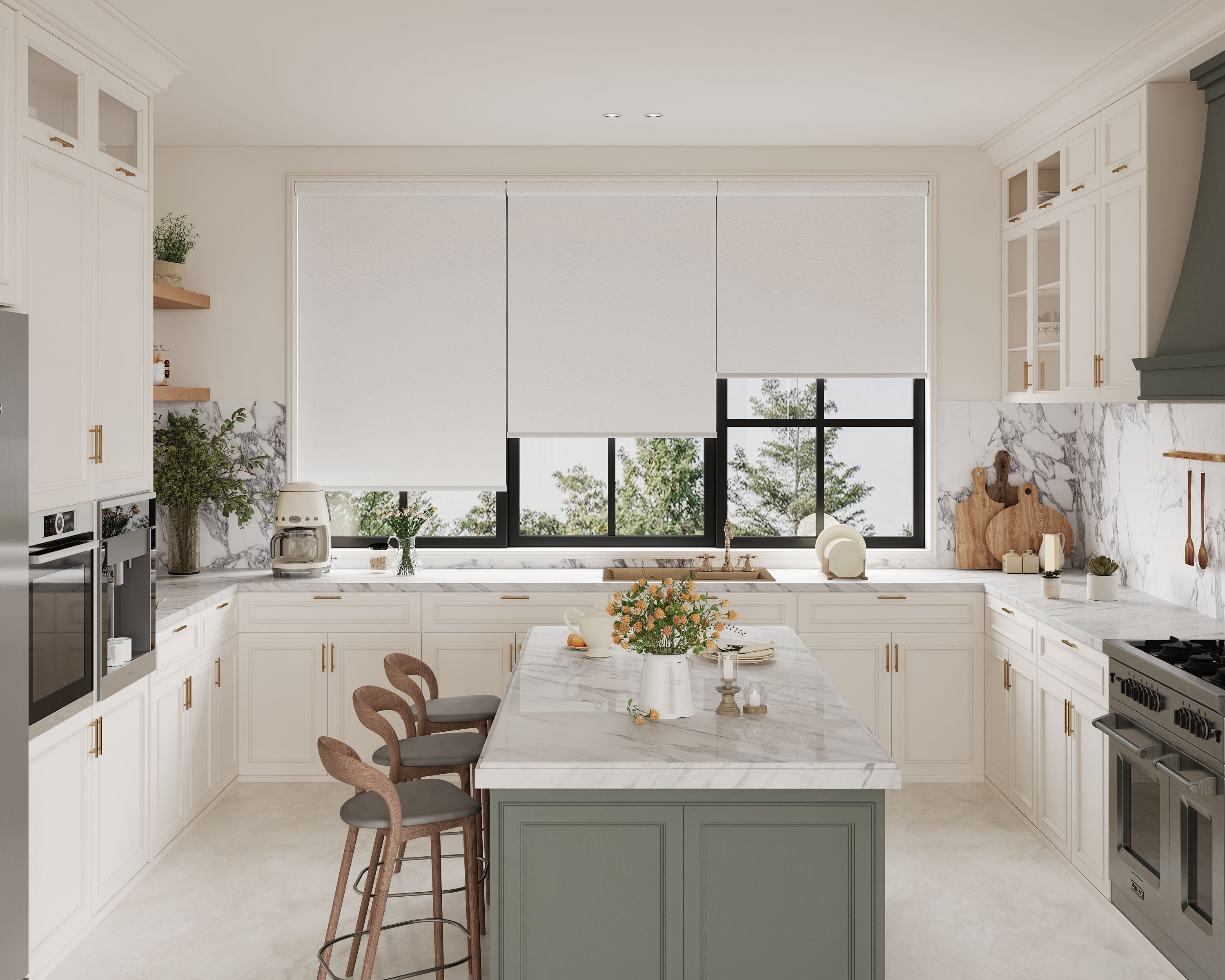
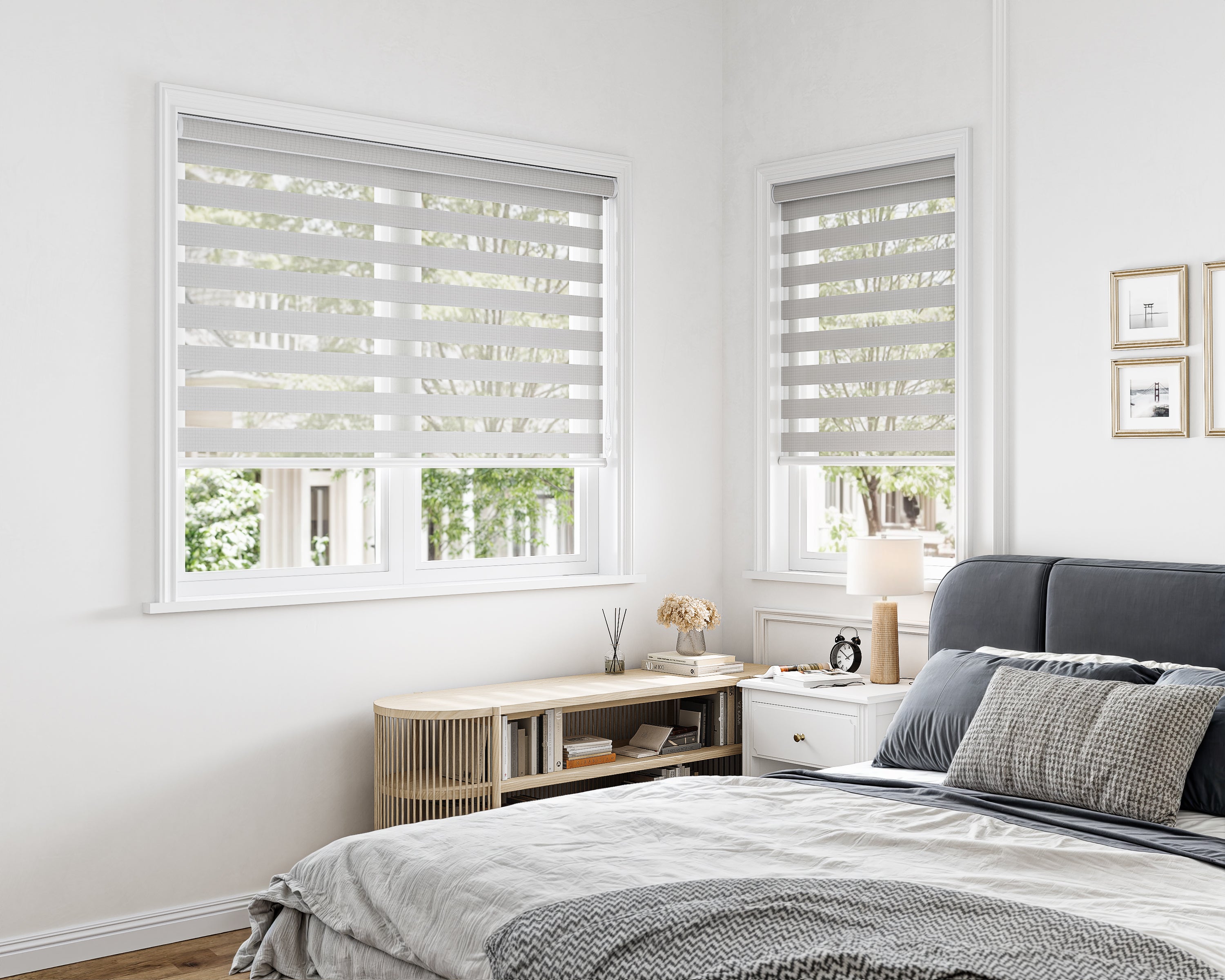
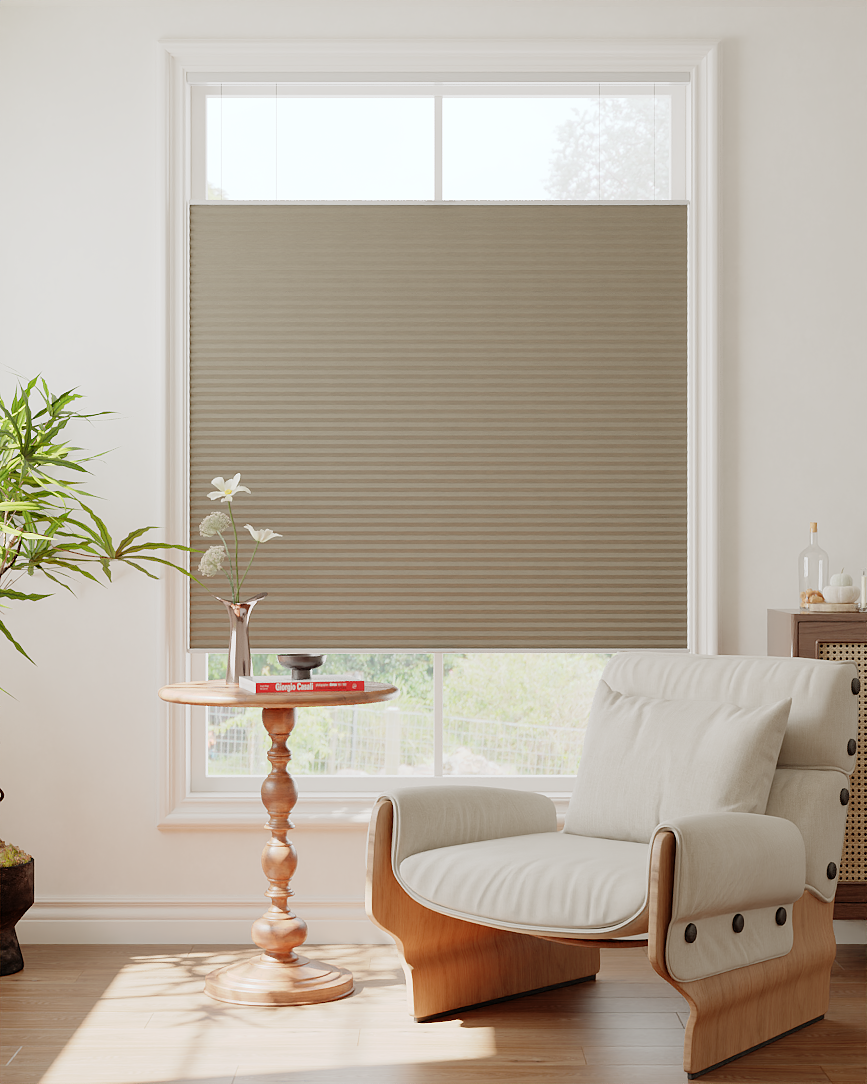
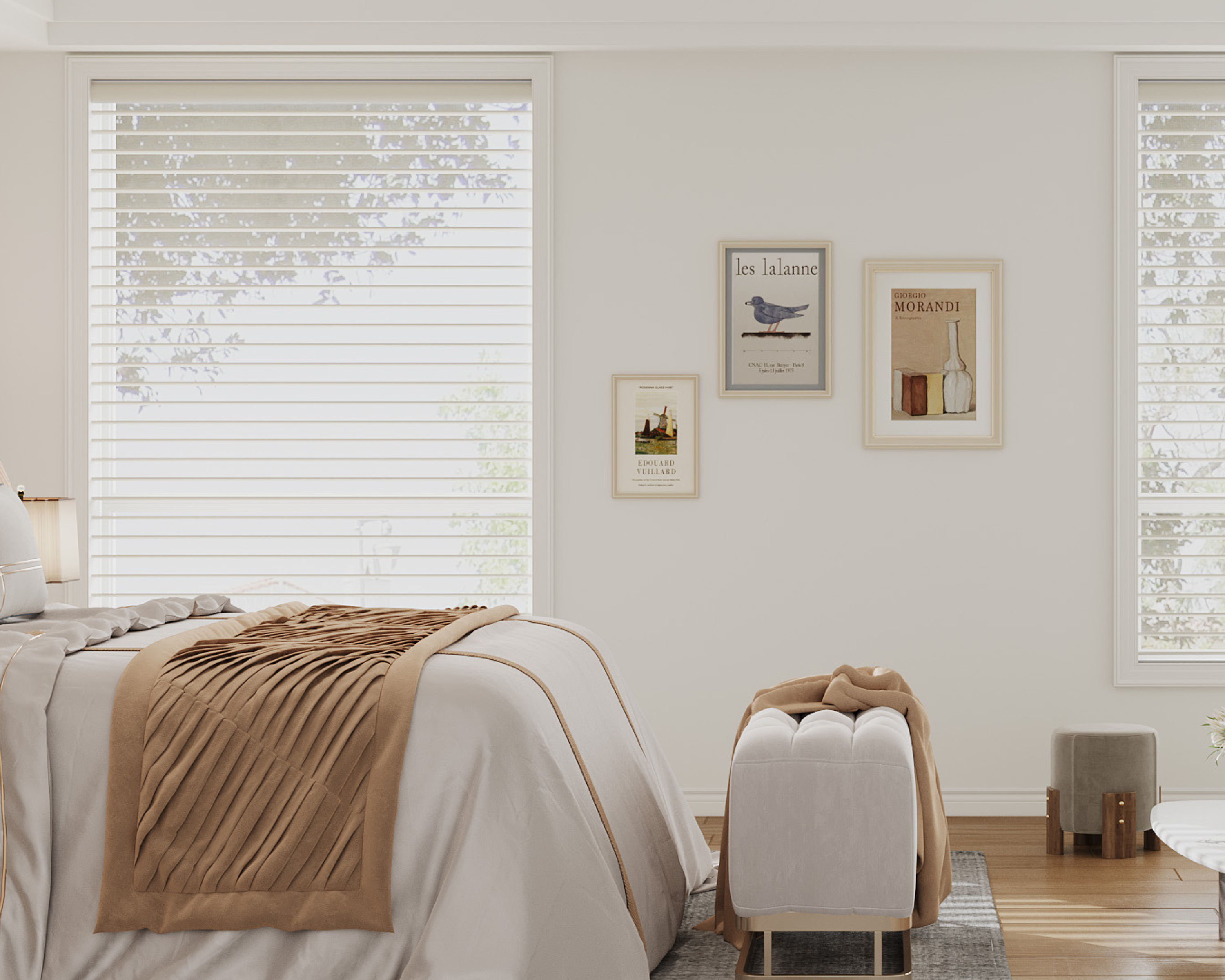
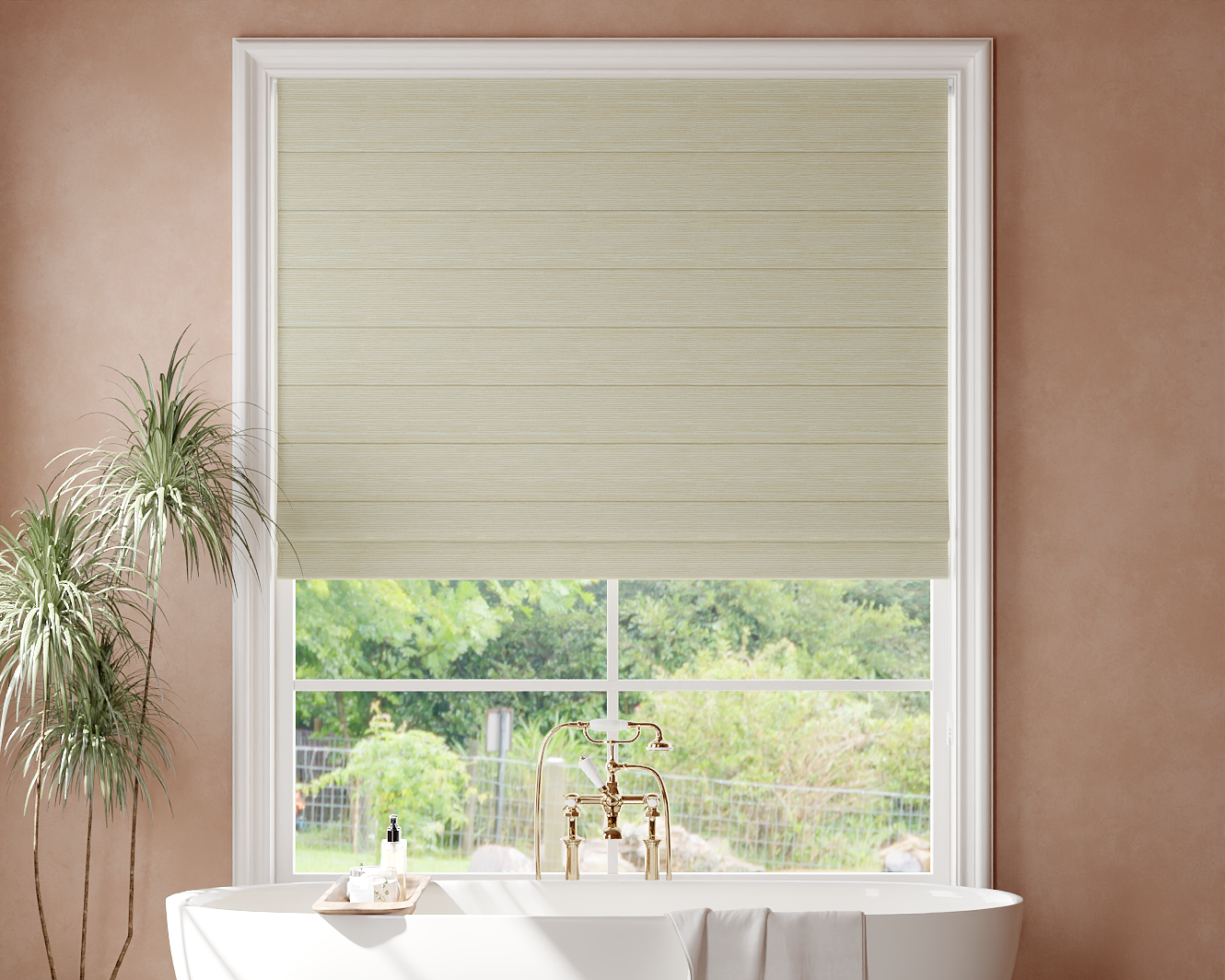
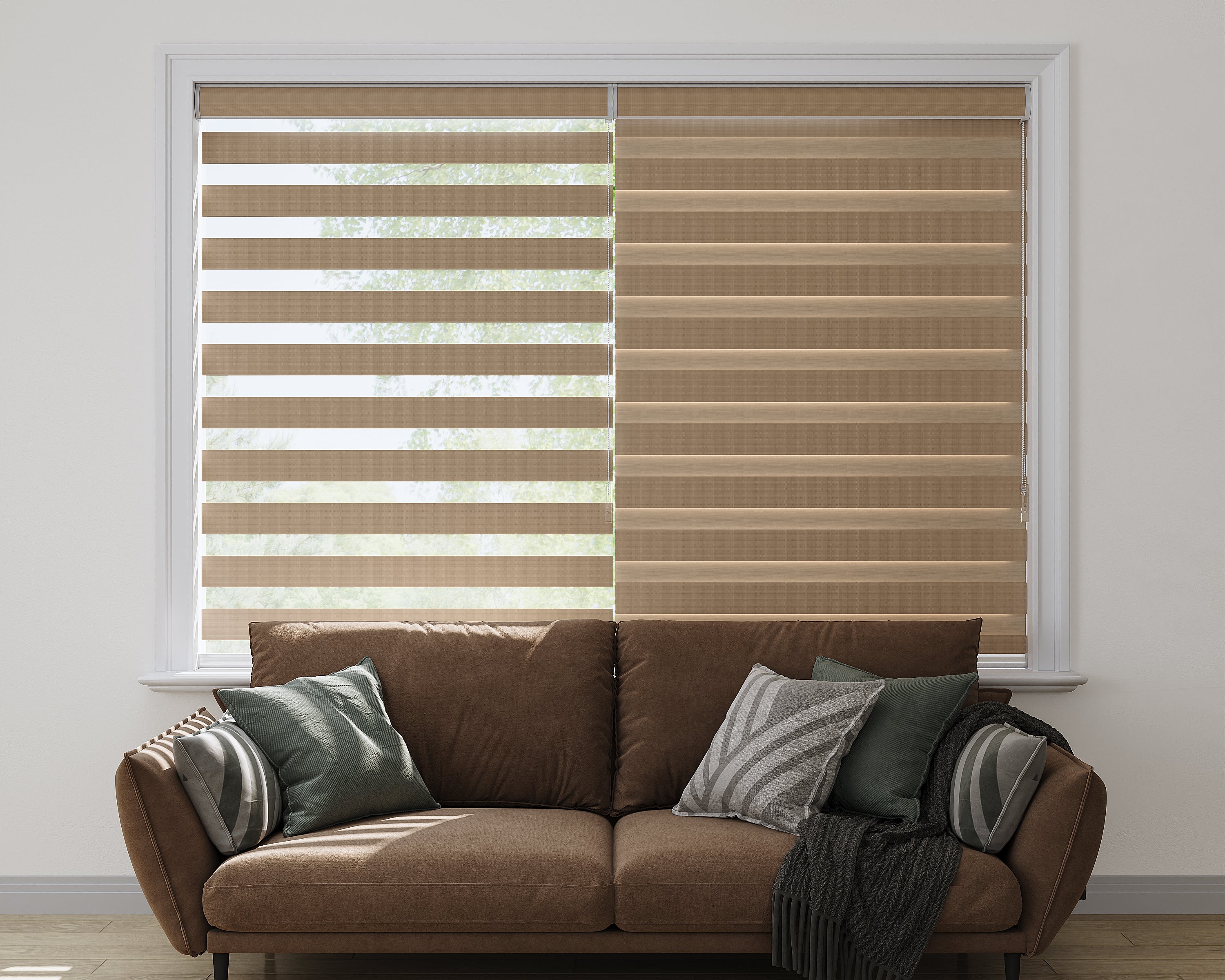
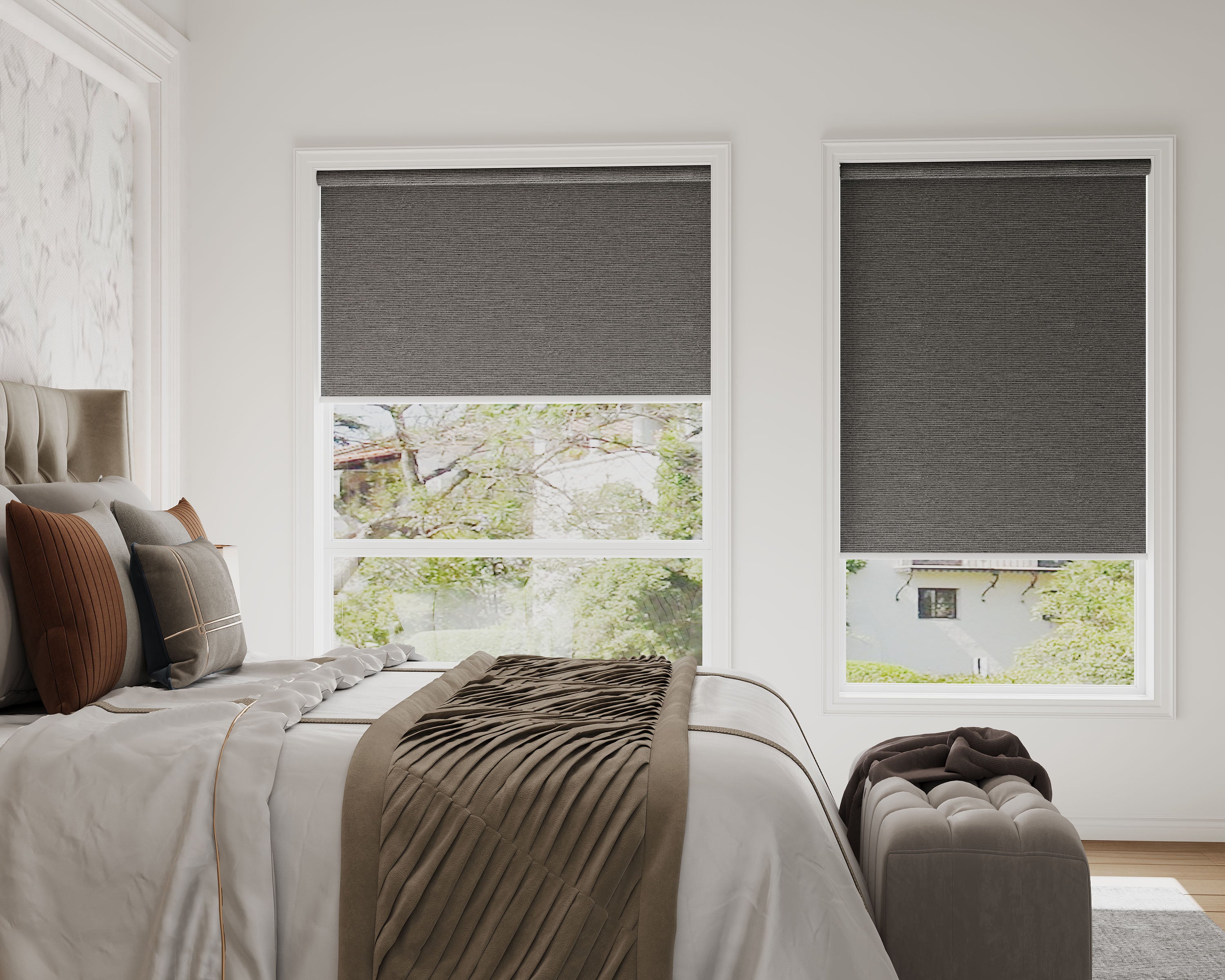
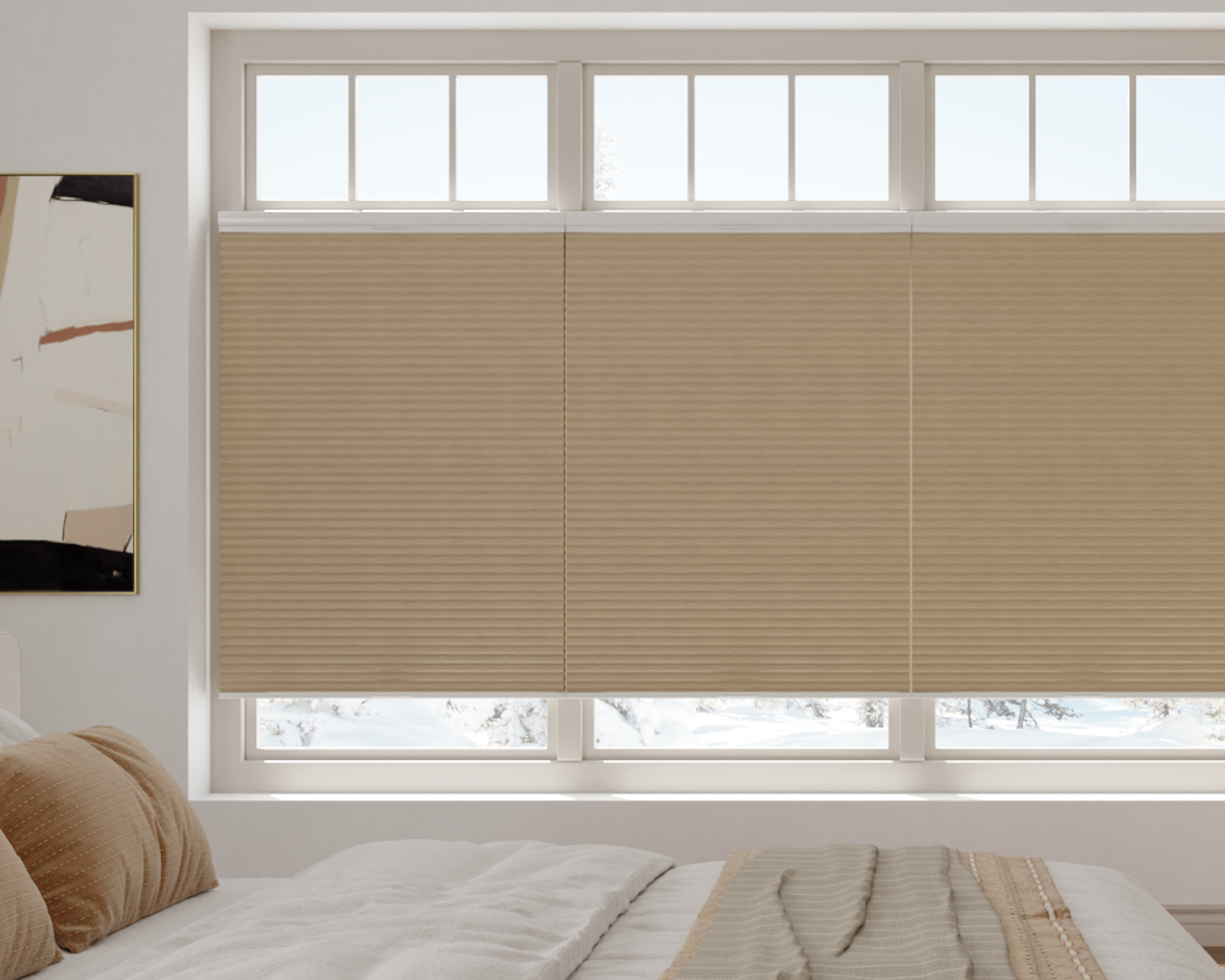
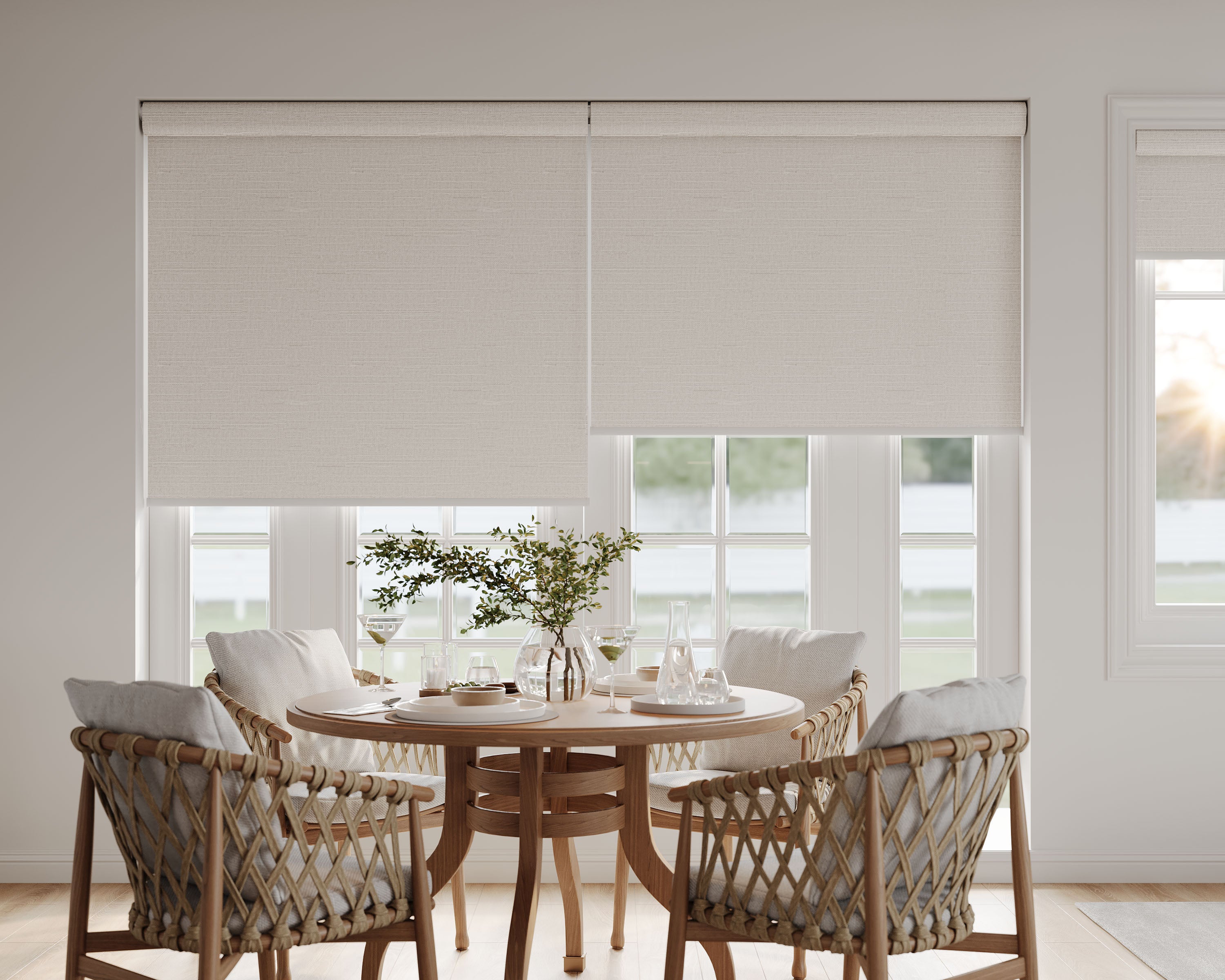


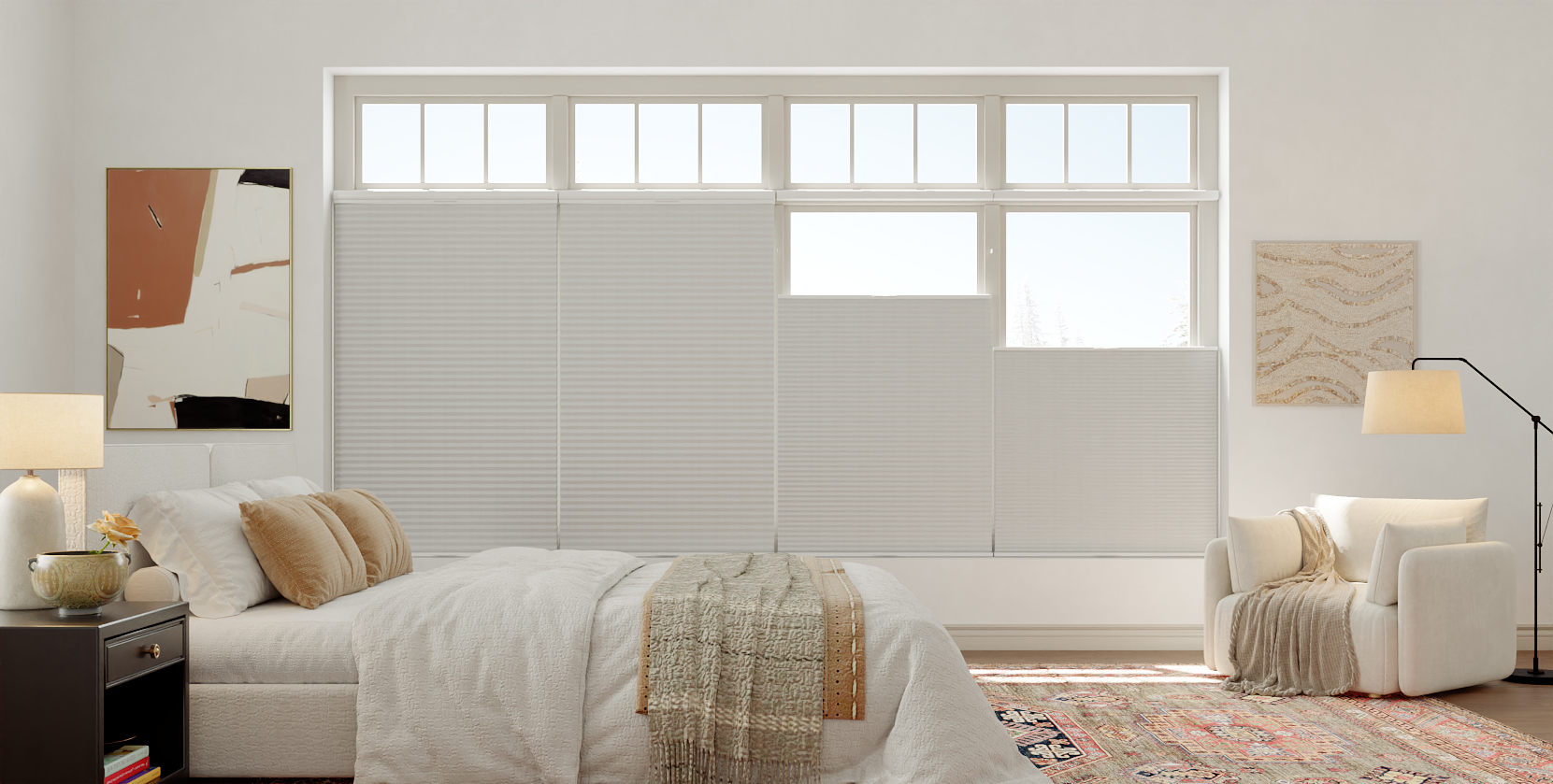


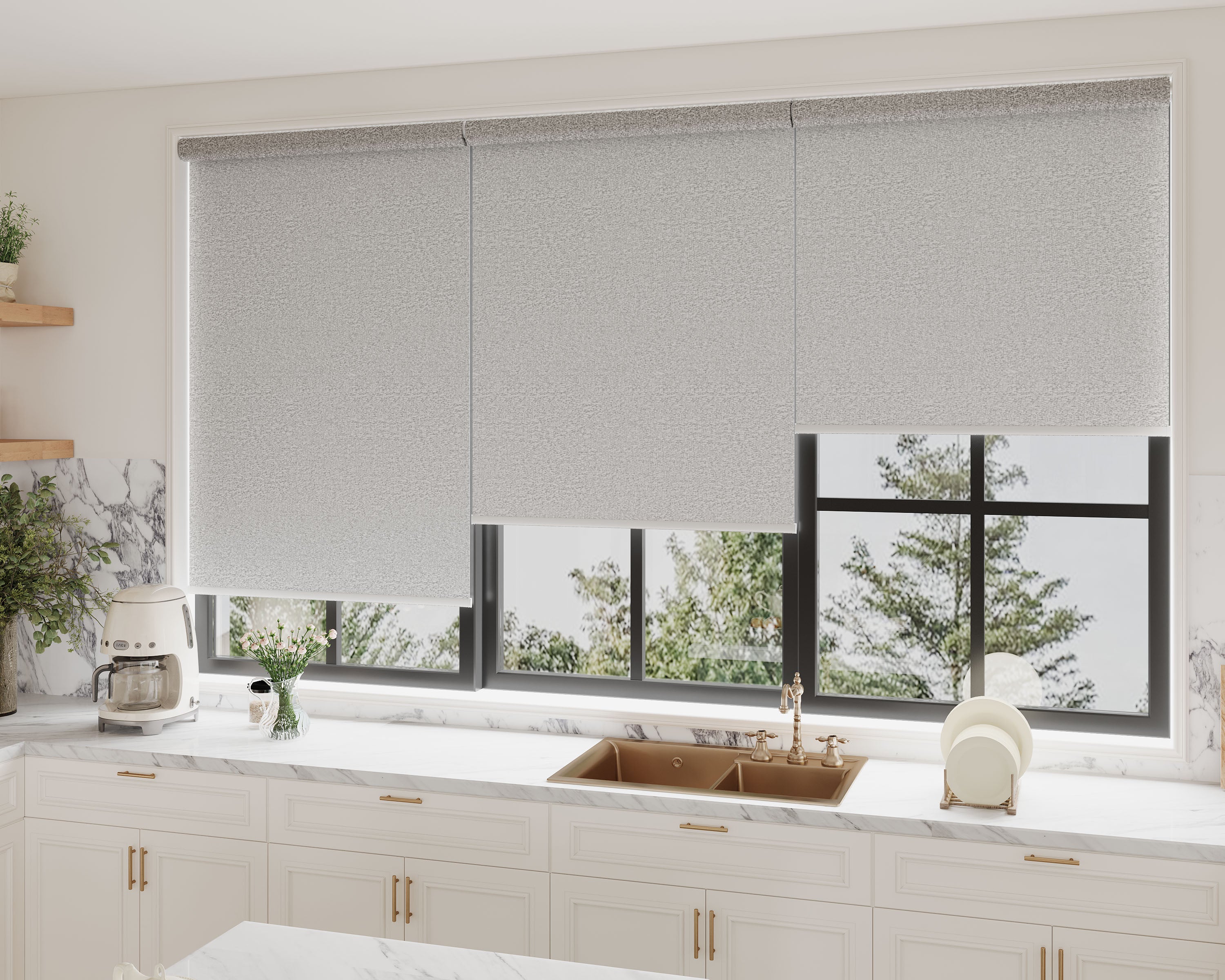

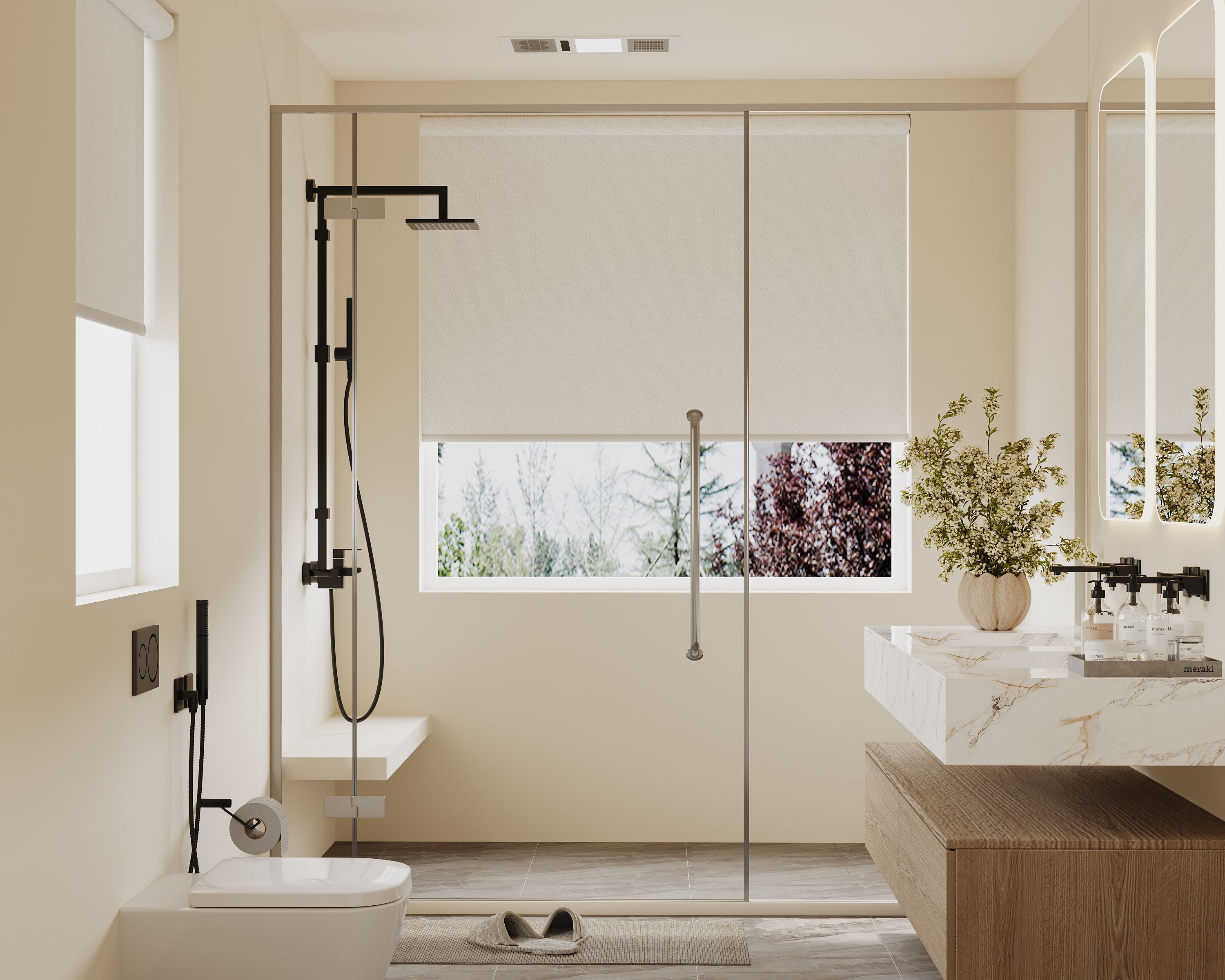


The best cellular shade color for energy efficiency is white or a light, reflective hue for most homes, as these colors reflect the sun's radiant heat to keep spaces cooler. However, in consistently cold climates where maximizing solar heat gain is desirable, darker, heat-absorbing shades can be beneficial. True energy efficiency depends on combining the right color with the correct fabric opacity and cell structure for your specific climate, window direction, and comfort goals.
Here’s what you’ll learn to optimize your home’s thermal performance:
-
The Science of Color & Heat: How different shades interact with solar radiation through reflection, absorption, and re-radiation.
-
Climate-Specific Color Strategies: Detailed guidance for hot, cold, and mixed climates to either reject or harness the sun's energy.
-
Beyond Color - Critical Factors: Why fabric density, opacity, and honeycomb construction are often more important than color alone.
-
Practical Selection Framework: A room-by-room and window-direction guide to make the perfect, efficient choice.
-
Balancing Efficiency & Aesthetics: How to achieve your thermal goals without compromising your home's design.
For the most efficient results, color choice is just one part of the equation. You must start with a high-performance product, which you can explore in our range of energy-efficient cellular honeycomb shades.
The Science of Color: Reflection, Absorption, and Heat
The energy efficiency of a color is governed by basic principles of physics. When sunlight hits your shade, three things can happen: reflection, absorption, and transmission.
-
Light Colors (White, Beige, Cream, Light Gray): These colors have a high Solar Reflectance. They reflect a significant portion of the sun's visible light and, crucially, its infrared (IR) radiant heat back through the window and away from your home. This makes them exceptionally effective at reducing solar heat gain during summer, keeping interiors cooler and reducing air conditioning loads.
-
Dark Colors (Black, Navy, Charcoal, Dark Brown): These colors have a high Solar Absorptance. They absorb most of the sun's radiant energy. While some of this heat is blocked from entering, a portion is re-radiated inward, and the shade itself becomes warm. This can contribute to rising indoor temperatures in sunny rooms.
-
The Role of Fabric Opacity: Color works in tandem with the material. A light-colored, light-filtering shade will reflect some heat but also allow passive solar gain, which can be desirable in winter. A light-colored, blackout shade with a reflective backing provides the ultimate combination for heat rejection. The principles of how fabrics manage energy are explored in our material deep dive on linen, vinyl, and bamboo.
Choosing Colors for Your Climate and Goals
Your local weather patterns should be the primary driver of your color strategy. Use this framework to align your choice with your efficiency goals.
Strategy 1: For Hot & Sunny Climates (Heat Rejection)
-
Primary Goal: Keep the heat out year-round.
-
Recommended Colors: White, Off-White, Pearl, Light Gray. These are non-negotiable for south and west-facing windows in hot regions.
-
Why It Works: Maximizes reflection of solar radiation. When paired with a blackout or room-darkening fabric, this combination can reduce solar heat gain by over 50% compared to an uncovered window.
-
Pro Tip: Look for shades with a reflective backing or metallic liner, which enhances the heat-rejecting properties of light colors. For a complete understanding of managing summer sun, see our guide on summer heat control with reflective fabrics and openness factors.
Strategy 2: For Cold & Northern Climates (Heat Absorption)
-
Primary Goal: Harness free solar heat in winter while maintaining insulation.
-
Recommended Colors: Medium to Dark Tones like Taupe, Slate Blue, Olive, or even Chocolate. Use these selectively on south-facing windows.
-
Why It Works: These shades absorb solar energy, warming the air pocket between the shade and the window. When you open the shades on sunny winter days, this warm air can circulate into the room. The critical factor is that the shade must have a high R-value (double-cell or better) to trap that heat effectively when closed at night.
-
Pro Tip: This is an advanced strategy. The benefit is modest and can backfire in sunny but cold climates if the shade is not opened to release the heat.
Strategy 3: For Mixed/Temperate Climates (Balanced Performance)
-
Primary Goal: Seasonal adaptability—cool in summer, warm in winter.
-
Recommended Colors: Light Neutrals (Beige, Greige, Light Tan) or Soft, Mid-Tone Colors (Sage, Dusty Blue, Light Terracotta).
-
Why It Works: Light neutrals provide strong year-round reflection with design flexibility. Soft mid-tones offer a slight heat absorption benefit in winter while still reflecting a fair amount of summer heat, striking a visual and thermal balance.
-
Action: In these climates, your operating habits are key. Be diligent about closing light-colored shades on summer afternoons and opening dark-colored shades on winter mornings.
The Bigger Picture: Factors More Important Than Color
While color is impactful, these engineering features often have a greater effect on overall energy efficiency.
-
Cell Structure (R-Value): A white, single-cell shade (R-~2) will always be less insulating than a charcoal, double-cell shade (R-~4). The honeycomb structure's ability to trap still air is your primary defense against conductive heat loss/gain. The thermal math behind single vs. double-cell construction explains this core efficiency driver.
-
Fabric Opacity & Density: A blackout fabric, regardless of color, provides a denser thermal barrier than a sheer fabric. Its layered construction blocks and manages heat flow more effectively.
-
Installation & Seals: A perfectly sealed shade with side channels prevents air exchange, making any color more efficient. A leaky installation negates the benefits of both color and insulation.
Practical Selection Guide: Room-by-Room and Window Direction
Use this table to translate theory into actionable choices for your home.
| Scenario | Primary Goal | Recommended Color Strategy | Complementary Shade Features |
|---|---|---|---|
| South/West Windows, Hot Climate | Maximum Heat Rejection | White or Light Reflective Hue | Blackout or Reflective Backing, Double Cell |
| South Windows, Cold Climate | Passive Solar Gain | Medium to Dark Color | Double Cell, High R-Value |
| North/East Windows, Any Climate | Insulation (Minimal Direct Sun) | Color is less critical; choose for aesthetics. | Double/Triple Cell for high R-value. |
| Bedrooms (for sleep quality) | Darkness & Temperature Stability | Light color for coolness, or preferred aesthetic with blackout lining. | Blackout Opacity is essential for efficiency and sleep. |
| Living Rooms / Whole-Home Balance | Comfort & Aesthetics | Light to Mid-Tone Neutrals (Beige, Gray, Greige) | Room-Darkening or Double-Cell Light Filtering |
Conclusion: The Efficient and Beautiful Compromise
The most energy-efficient cellular shade color is a light, reflective one, but the most practical and comfortable choice is one that also suits your climate, your home's architecture, and your personal taste. For the vast majority of homeowners, selecting a light-to-mid-tone neutral provides an excellent balance of heat reflection, design versatility, and reliable performance. Remember that color is one tool in the efficiency toolkit—pairing it with a high R-value cell structure, appropriate opacity, and professional installation will yield far greater energy savings than color selection alone.
Key Highlights
-
Light colors (white, beige, gray) are scientifically best for rejecting heat in warm and sunny climates, reducing cooling costs.
-
Dark colors can be strategically used in cold climates on south-facing windows to absorb winter sun, but the effect is secondary to the shade's R-value.
-
The shade's honeycomb structure (R-value) and fabric density are more critical for overall efficiency than the specific hue.
-
Your local climate and window direction must dictate your color strategy; there is no universal "best" color for every home.
-
You do not have to sacrifice style for efficiency. Light neutrals and many mid-tones offer a wide palette that performs well thermally and integrates beautifully into your decor.
By making an informed choice, you can enjoy a comfortable home, lower energy bills, and window treatments you love.
Explore Custom Cellular Shades


Frequently Asked Questions (FAQ)
Do white cellular shades get dirty easily and lose their efficiency?
White and light shades can show dust more readily, but this does not significantly impact their thermal performance. The efficiency loss from a thin layer of dust is negligible compared to the inherent reflectivity of the color. Regular light vacuuming with a brush attachment (as per proper cleaning techniques) will keep them looking fresh and functioning optimally.
What about shades with patterns or multiple colors? How does that affect efficiency?
Patterned shades average the properties of their colors. A white shade with a small black pattern will behave almost like a white shade. A shade that is 50% dark and 50% light will average to a medium tone. For predictable thermal performance, solid colors or subtle textures are recommended. Bold, high-contrast patterns make the energy impact harder to gauge.
I have a room that gets too hot in summer and too cold in winter. What's the best color?
This is a common scenario for many temperate climates. Your best choice is a light-to-medium neutral (like a warm gray or taupe) in a double-cell construction. This provides a strong baseline of insulation (R-value) for winter while the light color helps reflect the worst of the summer heat. Your daily habit of lowering the shade in summer afternoons and raising it on winter mornings will be more impactful than the specific shade of gray.
Are there "cool technology" or specially coated fabrics that are better than any color?
Yes, some premium shades feature engineered fabrics with low-e (low-emissivity) coatings or metallic backings. These are designed to reflect infrared heat regardless of the front-facing color. A navy shade with a low-e coating will likely outperform a standard white shade without one. If energy efficiency is your paramount concern, inquire about these performance fabrics, which can decouple color choice from thermal function.
How does the color of my interior walls or furniture affect this?
The shade color has a much more direct and powerful effect on the window's thermal dynamics than wall color. However, lighter wall colors will reflect more of the indoor light (and any radiant heat that does enter) around the room, while dark walls and furniture will absorb it. For overall room comfort, a holistic approach using light-colored, efficient shades and light-to-medium wall colors is most effective.
