







Cellular shades do not have one universal R-value. The useful number is the rating for the exact tested shade or shade-and-window assembly, with its fabric, cell construction, mounting and edge details specified. A generic table of single-, double- and triple-cell values cannot establish a particular model's performance.
Compare custom cellular and honeycomb shades for the opacity, operating system and fit you need, then ask for model-specific thermal documentation where insulation is a deciding factor.
What R-value measures
R-value describes resistance to heat flow under stated conditions. Higher resistance means less heat transfer through the tested assembly when the other conditions are equivalent. It does not directly tell you the percentage reduction in your home's energy bill.
U-factor measures heat transfer rather than resistance. The reciprocal relationship between R and U is useful only when both refer to the same assembly, units and test boundary. Do not compare a shade-only R-value with a whole-window U-factor as though they described identical things.
Conduction, convection and the behavior of air pockets affect the result. Honeycomb cells can reduce heat transfer, but sunlight, air movement around the edges and the existing window also affect comfort.
Why two cellular shades can perform differently
| Feature | What to investigate | What not to assume |
|---|---|---|
| Single, double or other cell construction | The actual air-cell arrangement in the selected model | Cell count alone establishes a fixed R-value. |
| Fabric and opacity | Test results for the precise fabric or lining | Blackout automatically has a stated thermal advantage. |
| Side tracks or edge treatments | Compatibility and results for that complete configuration | A universal percentage improvement or an airtight window. |
| Mount and dimensions | The tested mounting details and actual window clearance | Any inside mount recreates laboratory conditions. |
| Existing glass and frame | Whether the rating includes a particular window | A shade-only value can simply be added to any glazing value. |
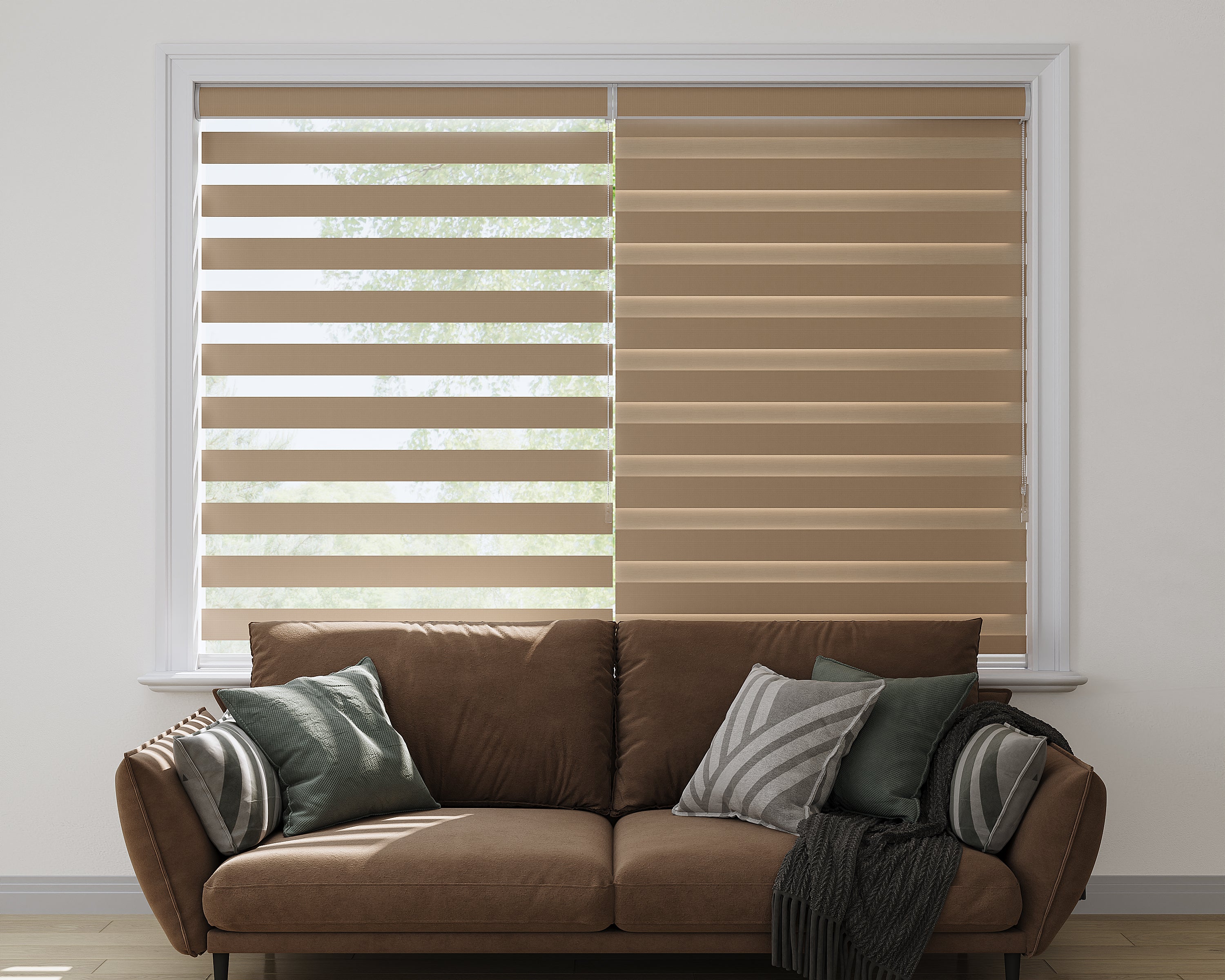
Cell size, cell count and dual-fabric construction describe different things. Two fabric sections for day/night light control do not necessarily mean two layers of honeycomb cells.
Ask for these details with the rating
Before paying for a thermal upgrade, request the model and fabric identifier, test method, included window assembly and relevant mounting details. Find out whether side tracks or seals were part of the test and whether they are included in your order.
If no comparable rating is available, make the decision using documented construction, fit, light control and comfort goals. The lack of a number does not establish that the shade has no insulating benefit; it means a precise comparison remains unmeasured.
The Department of Energy's cellular shade factsheet provides context for the energy role of this attachment type. Its findings should not be transferred automatically to every product or used as an exact prediction for your home.
Match insulation to the actual room
In a room that feels cold near the glass, consider the window's condition as well as the shade. Repairing an air leak is different from adding an insulating attachment. A shade is not a replacement for appropriate window weather sealing or repairs.
For a sunny room, solar heat gain and glare can matter as much as resistance to heat flow. Review the fabric's solar properties and how you will operate it through the day. A high R-value alone does not choose the best glare-control fabric or preserve an outward view.
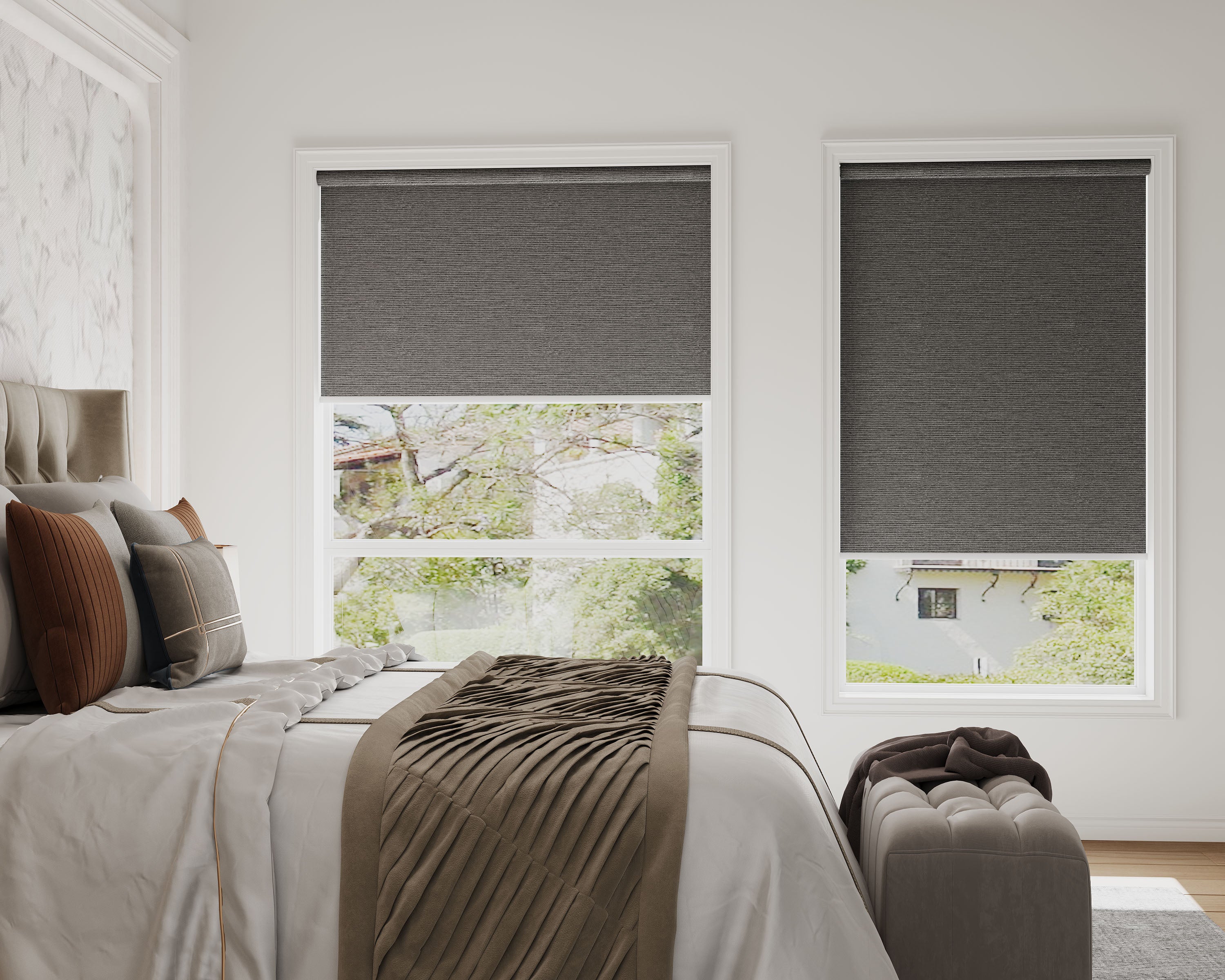
In bedrooms, also decide how much light and privacy you need. Blackout fabric, edge coverage, a reachable control and charging access can be practical priorities alongside insulation.
Fit and operation affect the result
Use the selected product's measuring guide. Record each window separately, verify recess depth and handles, and follow the specified deductions rather than making a universal allowance.
Do not add generic side channels, seals or a tight valance unless the shade manufacturer permits them. They can interfere with moving fabric, rail clearance or safe operation. Check condensation and allow appropriate inspection and drying around the window.
Daily use matters: an insulating shade raised all winter night will not perform as though it were lowered. PNNL's window-attachment guidance is useful for considering solar control, installation and operation together.
A practical buying comparison
Get two quotes for the same window dimensions, desired opacity and lift. Compare the complete configured prices, included thermal accessories, operating access and documented test configuration. Avoid choosing on a higher headline number when the assemblies are not comparable.
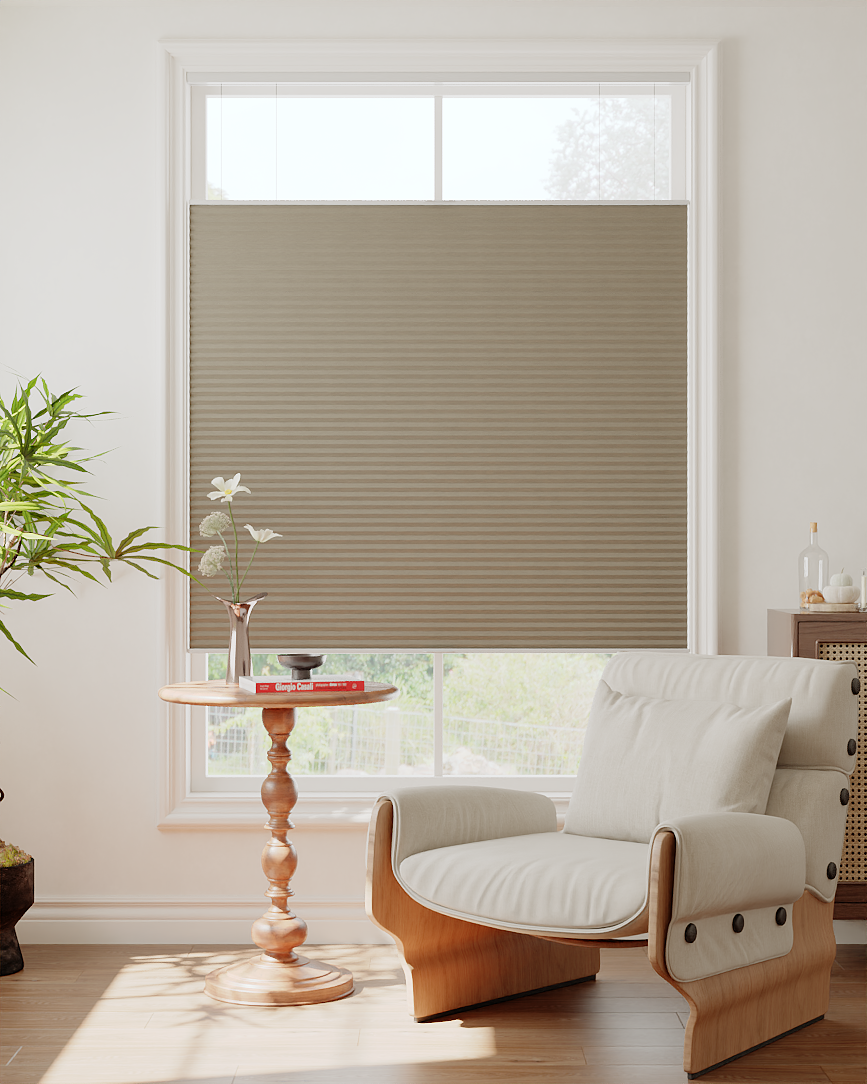
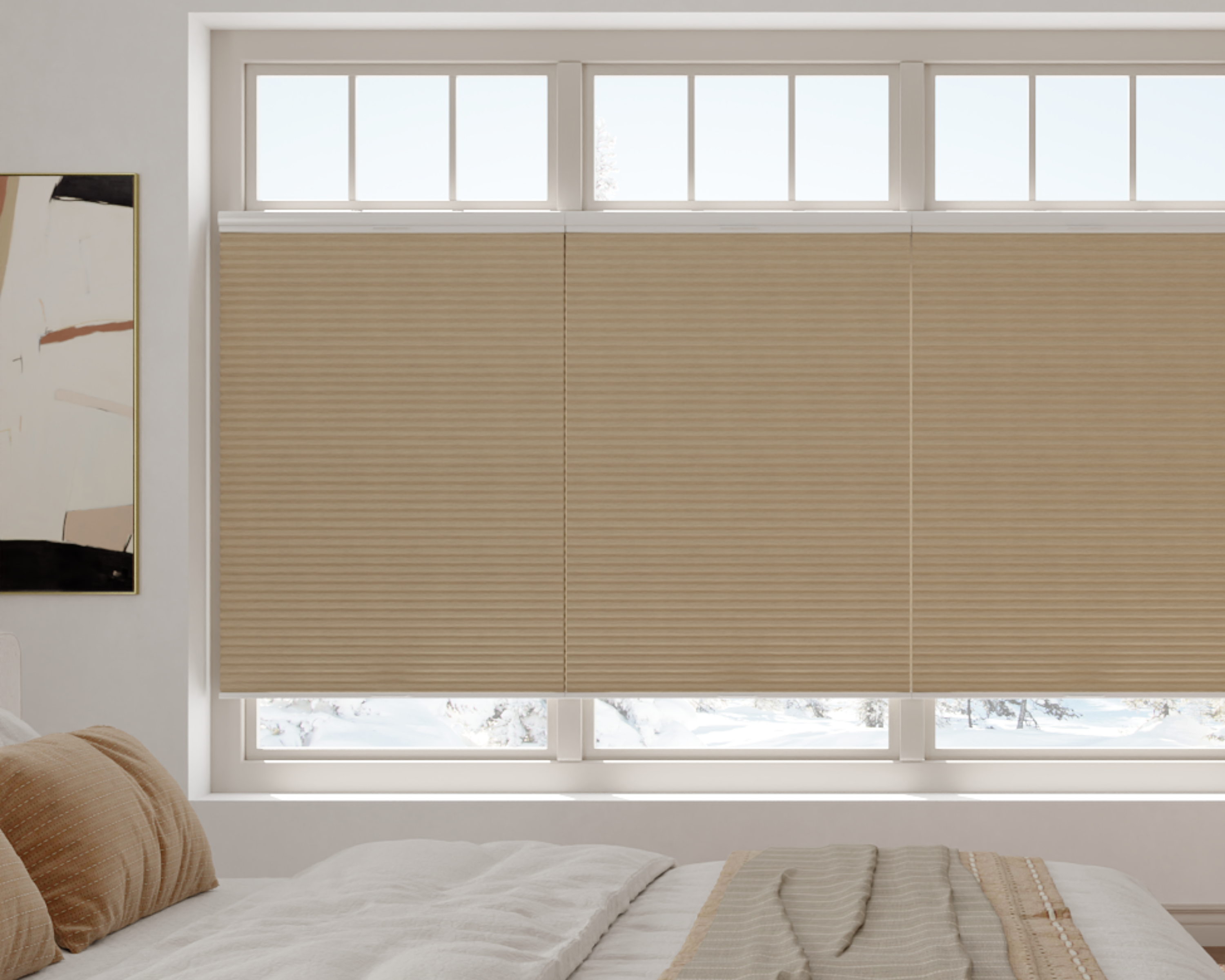
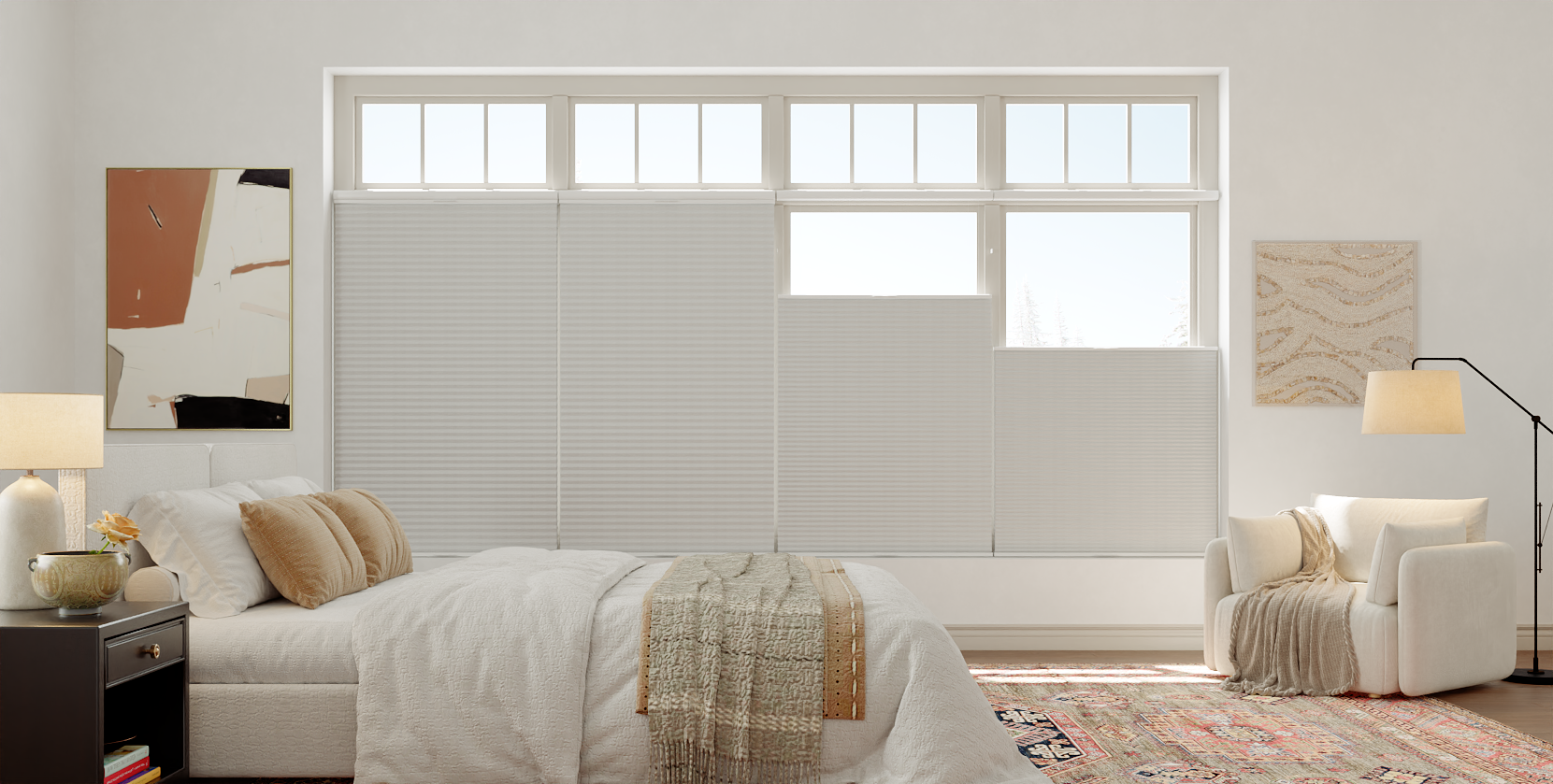
If you want more daylight/privacy flexibility, investigate top-down-bottom-up cellular operation alongside the thermal specification. It is an operating choice, not a separate guaranteed insulation rating.
Frequently asked questions
Does double-cell always mean twice the R-value?
No. The result depends on the actual construction, fabric, boundary conditions and fit. Use comparable tests rather than multiplying a generic single-cell number.
Can I add the shade R-value to my window's R-value?
Do not assume a simple sum describes the installed whole-window result. The air space, edge losses, frame and test boundary matter. Prefer documentation for the combined assembly when available.
Will a higher R-value guarantee lower bills?
No. Climate, glazing, window area, HVAC use, energy prices and operation all influence savings. A tested thermal rating supports a comparison; it is not a universal savings or payback promise.
What should I choose without model-specific ratings?
Start with cellular shades that meet the room's privacy, light and operating requirements. Compare documented construction and fitting details, and treat any exact thermal or bill-saving claim as unverified until suitable evidence is available.
Related product choices
Compare the selected fabric, lift and configuration for the task described above.
