
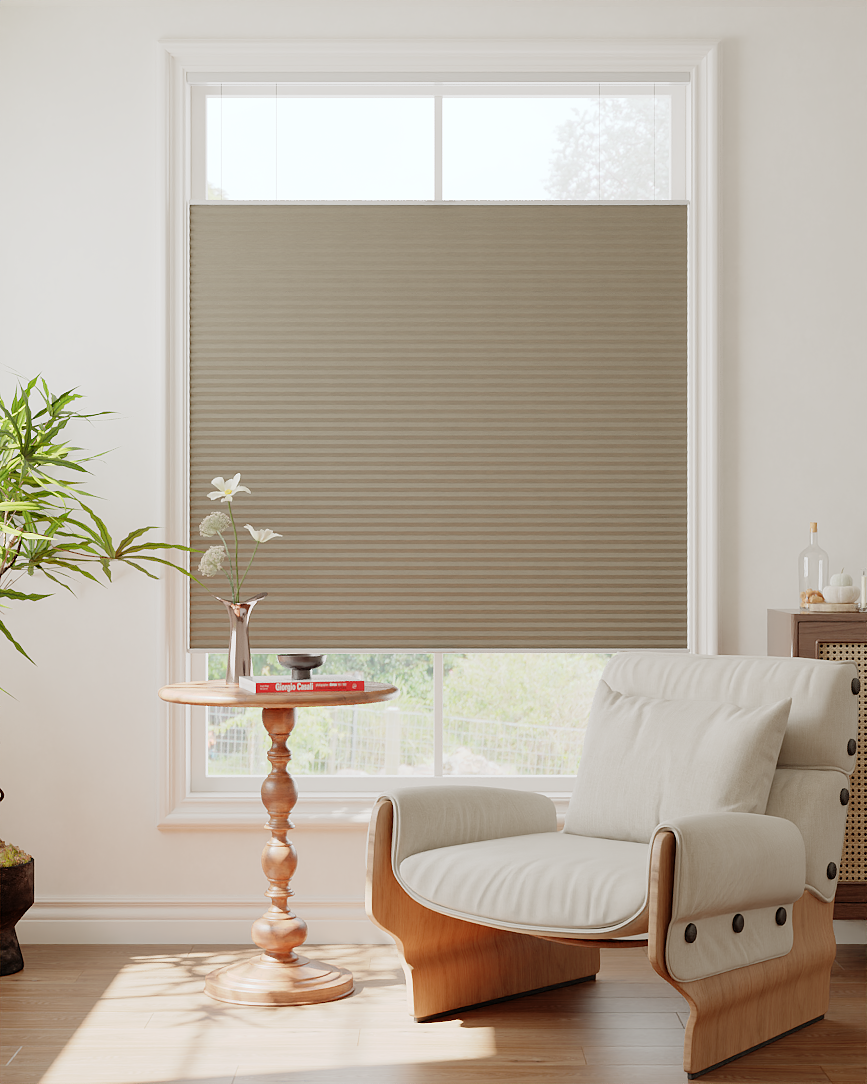
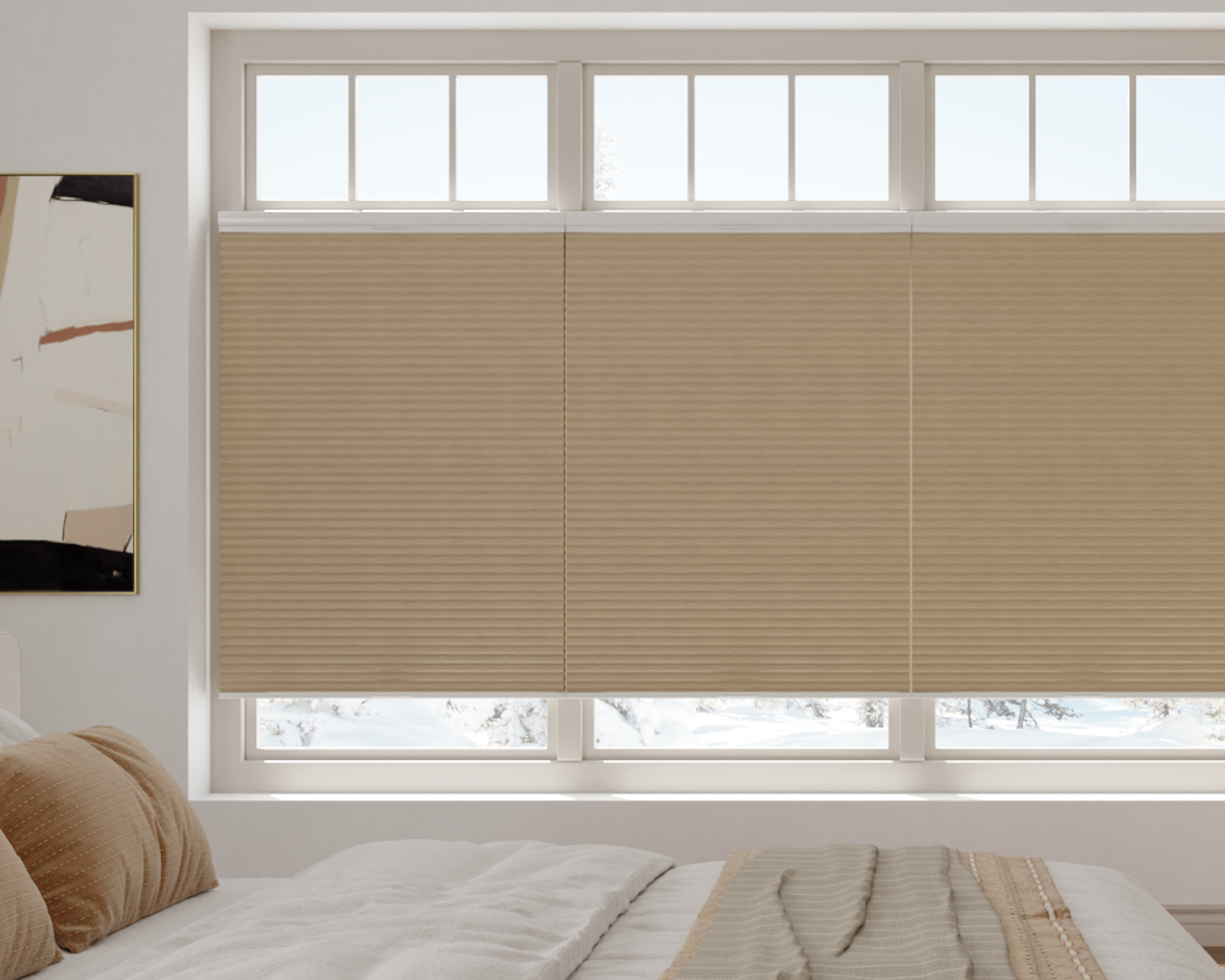
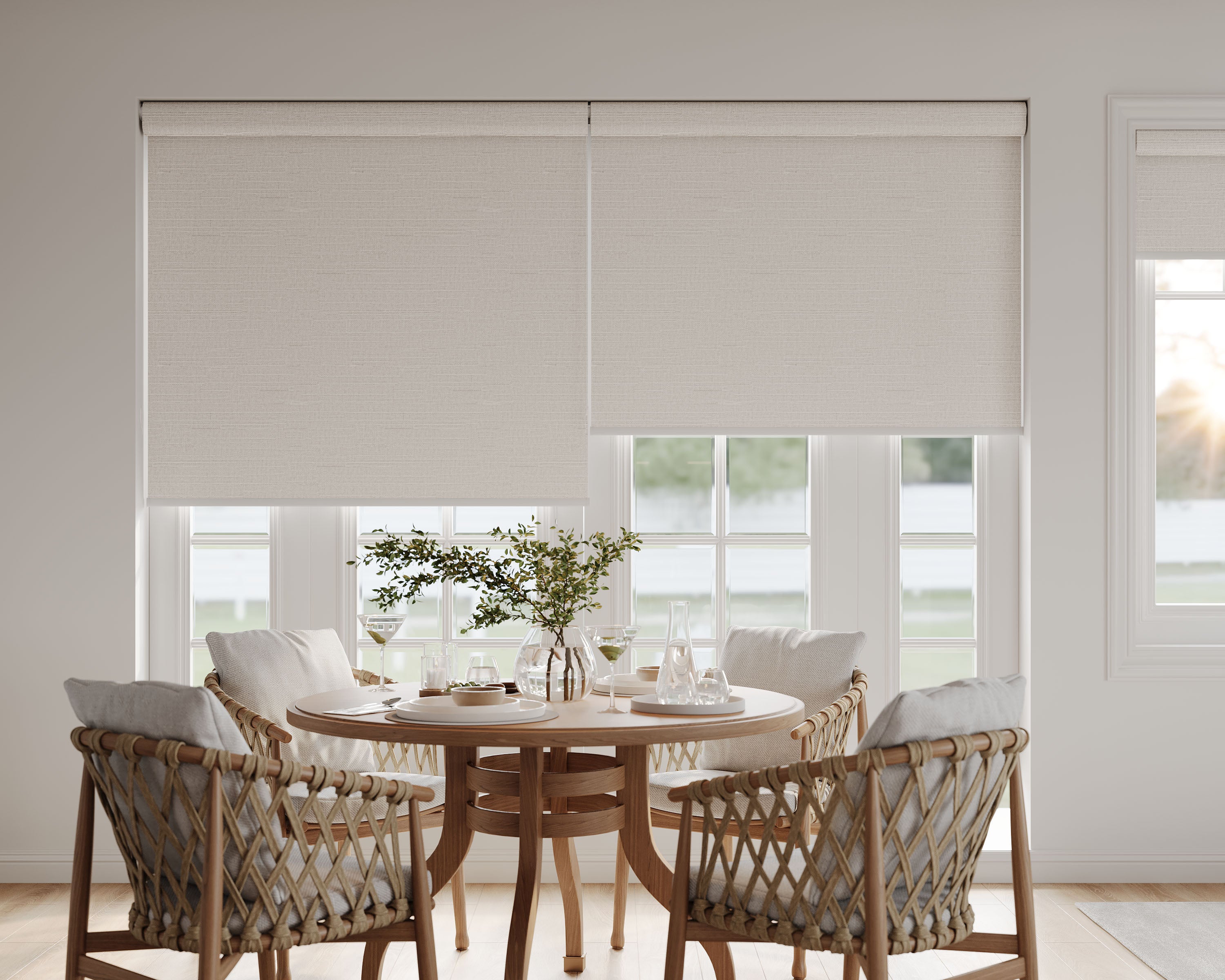


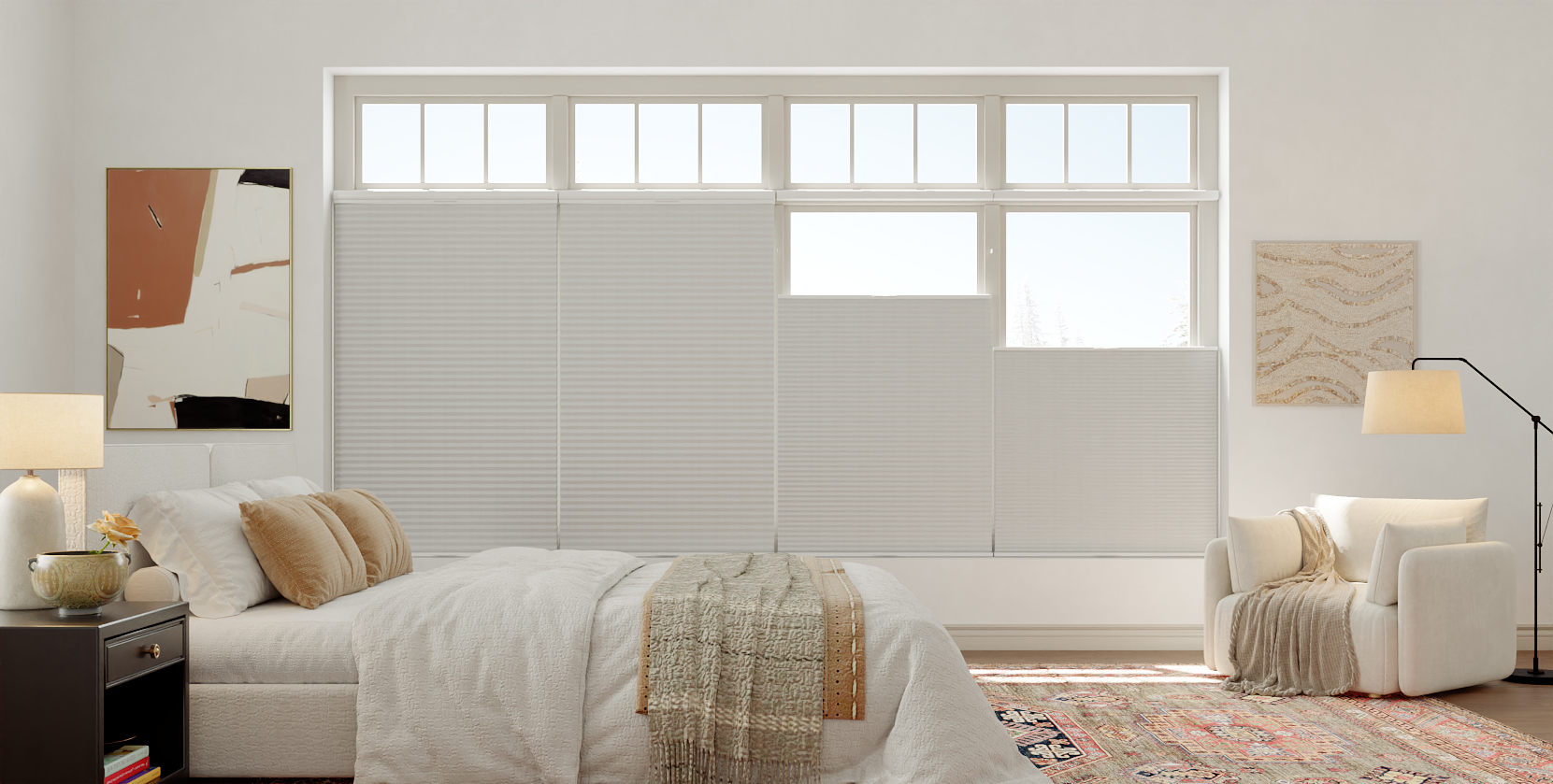


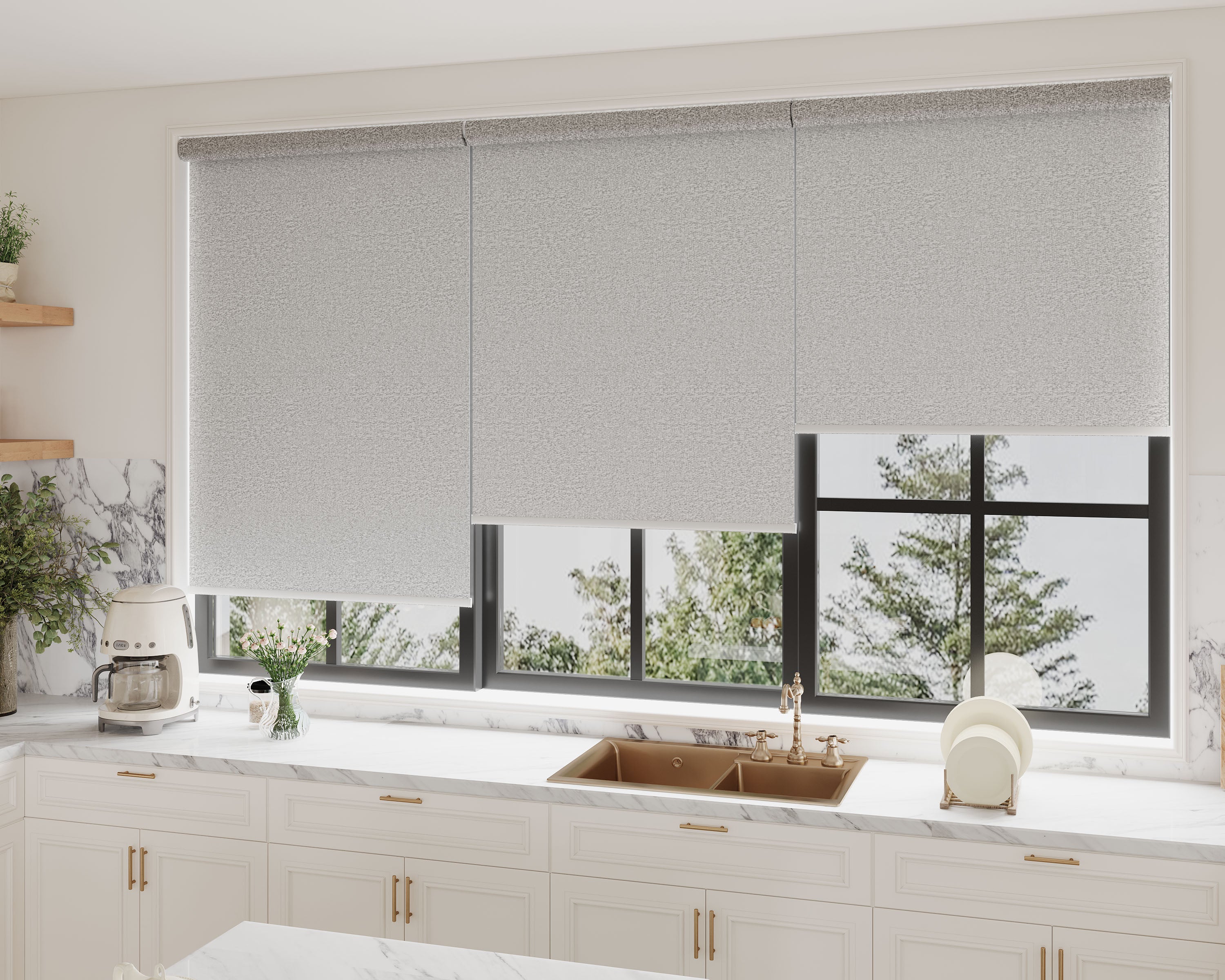

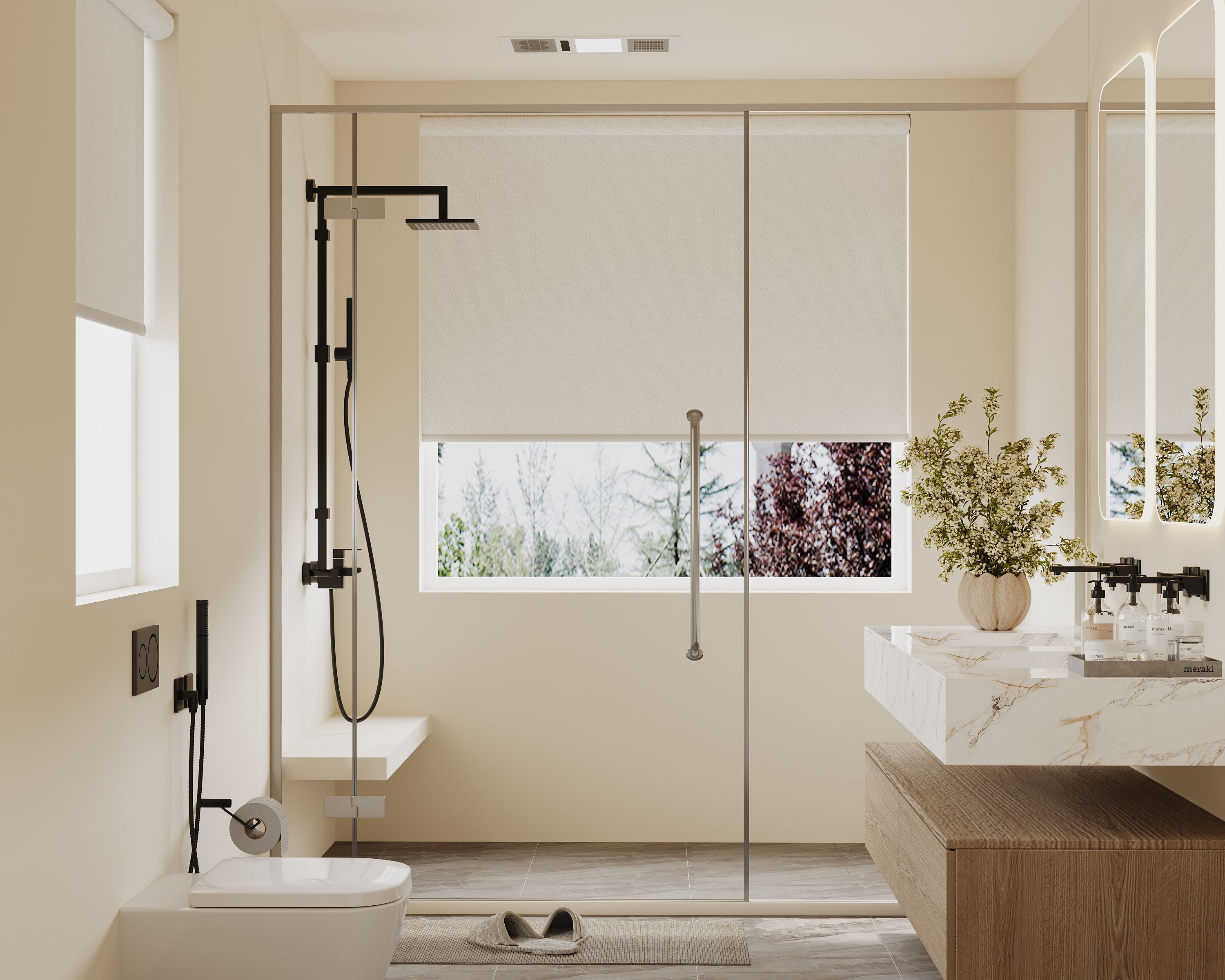


The choice between single, double, and triple cell shades depends on your primary goals: insulation and energy efficiency, light control, budget, and desired aesthetic. Double-cell shades offer the best balance of performance and value for most homes, while single-cell provides a sleek profile for mild climates, and triple-cell delivers maximum insulation for extreme weather or premium home theaters. This guide will dissect each type so you can invest with confidence.
Here’s what you’ll learn to make the perfect choice:
-
Core Structural Differences: How the number of honeycomb layers fundamentally changes the shade's function and form.
-
Performance Breakdown: A detailed comparison of insulation (R-value), light control, sound dampening, and durability.
-
Aesthetic & Practical Impact: How cell choice affects the shade's look, stack height, and operation.
-
Cost vs. Value Analysis: Understanding the price increments and the long-term payback for higher insulation.
-
A Decision Framework: A clear, room-by-room guide to matching the right cell type to your specific needs.
Understanding these differences begins with seeing the options. You can explore the full technical range in our collection of single, double, and triple cell honeycomb shades.
The Core Concept: What Cell Layers Actually Do
A "cell" in cellular shades refers to a single honeycomb-shaped pocket of air. These pockets are the engine of the shade's performance. The core principle is simple: more trapped air equals better insulation. Each cell acts as a tiny barrier to heat transfer, working like the insulated glass in a double-pane window.
-
Single-Cell: One layer of pockets. Creates one primary air barrier.
-
Double-Cell: Two layers of pockets stacked vertically. Creates two staggered air barriers, significantly increasing the insulating air gap.
-
Triple-Cell: Three layers of pockets. Creates the thickest, most complex barrier with three distinct air chambers.
This structure doesn't just insulate against temperature. The layers of fabric and air also dissipate sound waves (improving acoustics) and provide more material to diffuse and block light. The choice fundamentally shifts the product from a simple window covering to a performance-oriented architectural element.
Detailed Comparison: Performance, Appearance, and Cost
To choose effectively, you need to see how these types compare across every critical category.
| Feature | Single-Cell Shades | Double-Cell Shades | Triple-Cell Shades |
|---|---|---|---|
| Insulation (R-Value) | Basic. Good for mild climates. | Excellent. Industry standard for energy efficiency. Often 50-100% more effective than single-cell. | Maximum. Premium insulation for extreme climates or highest efficiency goals. |
| Light & Sound Control | Good diffusion for light and sound. | Superior. More fabric provides better blackout potential and sound dampening. | Ultimate. Most material for the greatest light blockage and noise reduction. |
| Appearance & Stack | Slimmest profile. Minimal stacking when raised. | Moderate stack. Clean, substantial look. | Bulkiest stack. Requires the most headrail and frame depth. |
| Weight & Operation | Lightest, easiest for manual operation. | Heavier; cordless or motorized lift is often preferred. | Heaviest; motorized operation is highly recommended. |
| Best For | Aesthetic priority, mild climates, moderate budgets, rooms with shallow frames. | The performance sweet spot. Most bedrooms, living rooms, and four-season climates. | Extreme cold/heat, luxury home theaters, noise-sensitive spaces, premium energy-efficient homes. |
| Relative Cost | $ (Most Affordable) | $$ (Best Value) | $$$ (Premium Investment) |
Critical Note on Frame Depth: The increased performance of double and triple cells comes with a physical trade-off: stack height. When raised, the fabric folds into a thicker bundle at the top of the window. You must have a window frame with enough recessed depth to accommodate this stack, or you must choose an outside mount. Our guide on cellular shade frame depth requirements is essential reading before selecting double or triple cell.
How to Choose: A Room-by-Room and Priority-Based Guide
Use this framework to match the cell type to your specific situation.
If Your Top Priority Is Energy Efficiency & Insulation
-
Choose: Double or Triple Cell.
-
Why: The air pockets are your primary defense against heat loss and gain. In a typical four-season climate, double-cell shades provide the most return on investment, offering a major upgrade over single-cell with a manageable cost increase. Triple-cell is for pursuing the absolute highest performance, such as in passive house designs, sunrooms, or regions with severe winters and summers.
-
Action: Calculate your potential energy savings. Our analysis of energy savings payback for insulating cellular shades can help justify the investment.
If Your Top Priority Is Light Control & Room Darkness
-
Choose: Double or Triple Cell with Blackout Fabric.
-
Why: While opacity is determined by the fabric, the multiple cell layers prevent "hot spots" and light bleed. Light filtering through a single-cell shade can create a bright center with darker edges. Multiple cells create a more uniform, deep darkness because light must pass through more layers of fabric, even if the material itself isn't fully opaque. For true blackout, the double-cell structure is the effective minimum.
-
Action: Pair your cell choice with the right fabric. Understand the lab-tested differences in our guide to room-darkening vs. blackout cellular shades.
If Your Top Priority Is Aesthetics and a Minimalist Look
-
Choose: Single Cell.
-
Why: When fully raised, single-cell shades have the lowest profile, almost disappearing into the top of the window frame. This is ideal for modern designs where you want the view and light unobstructed when the shade is up. They offer a cleaner, less bulky appearance than their multi-cell counterparts.
-
Action: Ensure you select a high-quality fabric, as the single layer will be more visible. A light-filtering material can maintain an airy feel.
If Your Top Priority Is Budget or You Have Shallow Windows
-
Choose: Single Cell (or Double Cell with an Outside Mount).
-
Why: Single-cell shades are the most affordable option. They are also the only viable inside-mount choice for windows with very shallow frames (common in modern construction or steel-framed windows). If you want double-cell performance but have shallow frames, you must use an outside mount, installing the shade on the wall above the window.
Conclusion: The Verdict on Value and Performance
For the vast majority of homeowners, double-cell cellular shades represent the optimal choice, striking the perfect balance between enhanced insulation, effective light and sound control, aesthetic substance, and cost. They deliver a significant performance leap over single-cell shades that is tangible in both comfort and energy bills, without the premium price and bulky stack of triple-cell options.
Single-cell shades serve an important role for design-focused projects, mild climates, and budget or space constraints. Triple-cell shades are a specialized, premium product for those with explicit, high-performance requirements where cost is a secondary concern.
Your final decision should weigh your climate, window architecture, performance goals, and design vision. By understanding the engineering behind the honeycomb, you can select a shade that truly performs for your life.
Key Highlights
-
Double-cell is the performance standard for insulation and light control, offering the best value for most applications.
-
Single-cell excels in aesthetics and affordability, ideal for shallow frames or where minimalism is key.
-
Triple-cell is a premium product for maximum thermal and acoustic performance in demanding environments.
-
Always verify your window frame depth before choosing double or triple cell for an inside mount to avoid installation issues.
-
Pair your cell structure with the correct fabric opacity (light-filtering, room-darkening, blackout) to achieve your specific goals for light and privacy.
Choosing the right cell structure ensures your cellular shades are not just window dressings, but high-performing components of a comfortable, efficient home.
Explore Custom Cellular Shades


Frequently Asked Questions (FAQ)
Is the insulation difference between double and triple cell shades really noticeable?
In a standard, well-insulated home, the jump from double to triple cell offers diminishing returns for most people. The most dramatic jump is from single to double cell. Triple cell provides a measurable, incremental improvement that is most noticeable in extreme conditions: very large windows, rooms with direct sun all day, sunrooms, or in climates with constant severe cold or heat. For a typical bedroom, double cell is almost always sufficient.
Can I get triple-cell shades for better noise reduction, even if I don't need the insulation?
Yes, but it may not be the most cost-effective strategy. While triple-cell shades provide excellent sound dampening due to their mass and air pockets, specialized acoustic treatments (like heavy layered drapes over double-cell shades) often provide more targeted noise reduction for a similar or lower cost. If noise is your sole concern, investing in a double-cell shade with a dense blackout fabric and adding a sound-absorbing layer might be a more versatile solution.
Do multi-cell shades (double/triple) wear out faster because they're heavier?
Not necessarily. Quality is determined by the fabric durability and the mechanism, not the cell count. However, the lift system is crucial. Heavier double and triple-cell shades put more strain on a cordless clutch or a motor. This makes investing in a high-quality mechanism even more important. For larger windows with double or triple cells, manufacturers often recommend motorization to ensure smooth, long-lasting operation.
I have very tall windows. Does cell type affect how well the shade operates?
Yes, significantly. Tall shades have more fabric, which means more weight. A single-cell shade on a very tall window will be much lighter and easier to operate with a cordless lift than a triple-cell shade of the same size. For tall or large windows with double or triple cells, motorized operation is strongly recommended. It ensures smooth control, prevents strain on manual mechanisms, and allows for easy automation.
Are there any rooms where you specifically do NOT recommend triple-cell shades?
Triple-cell shades can be overkill and problematic in certain spaces:
-
Small Windows with Decorative Trim: The bulky stack can obscure attractive molding.
-
Windows You Open Frequently: The thick stack can get in the way of a crank or sliding mechanism.
-
Bathrooms or High-Humidity Areas: The multiple, deep fabric folds in triple-cell shades can trap moisture and make them more susceptible to mildew if not paired with excellent ventilation and moisture-resistant fabric. In such spaces, a simpler, single-cell shade made from synthetic material might be more practical.
