
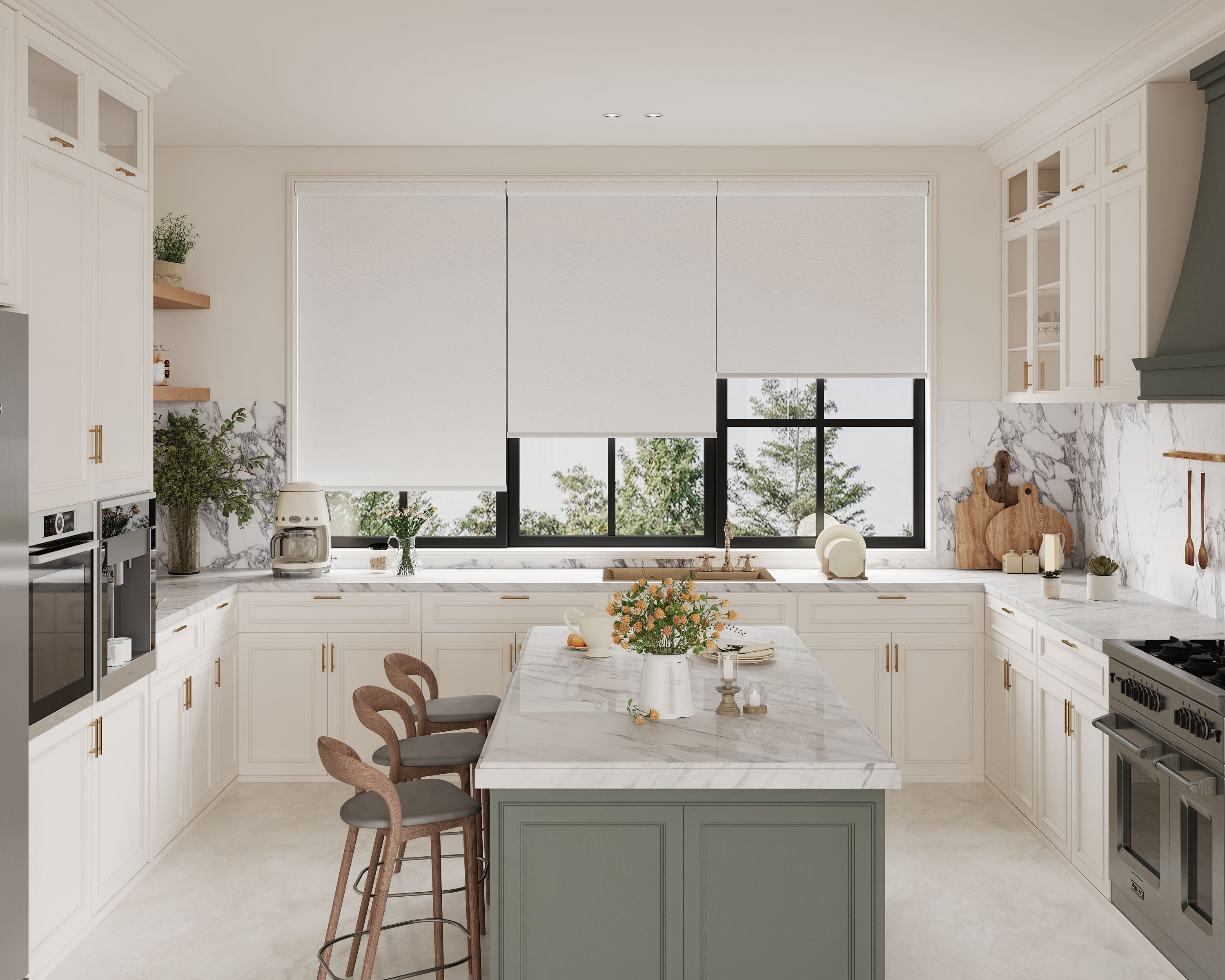
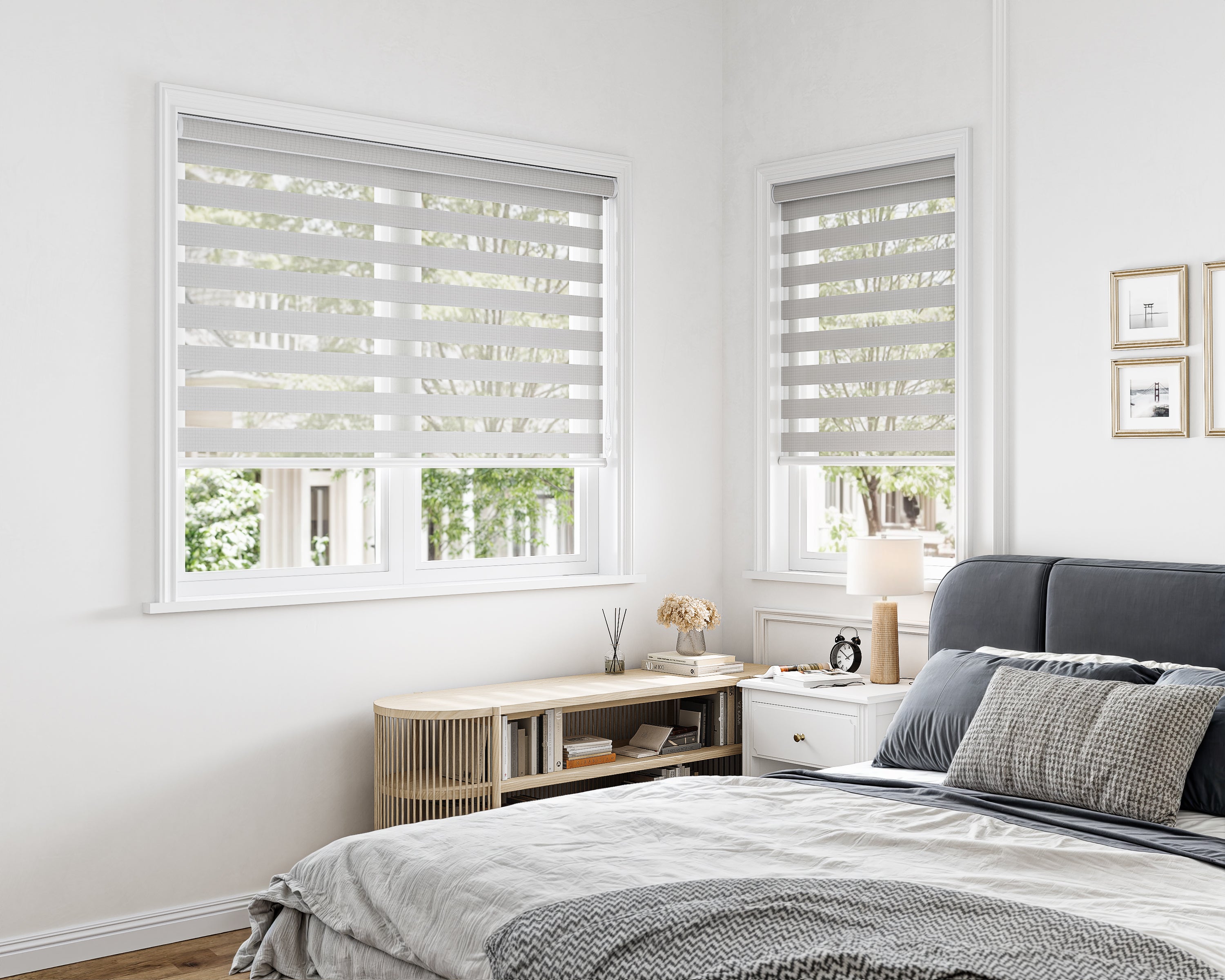
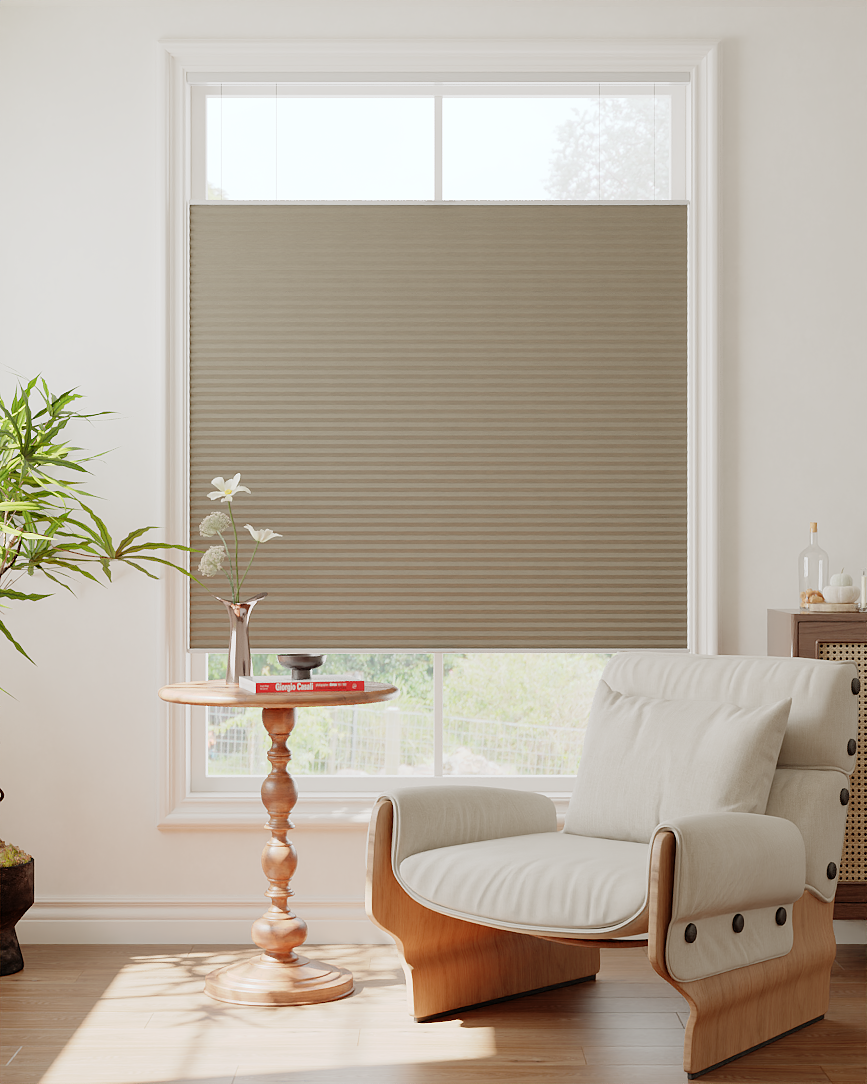
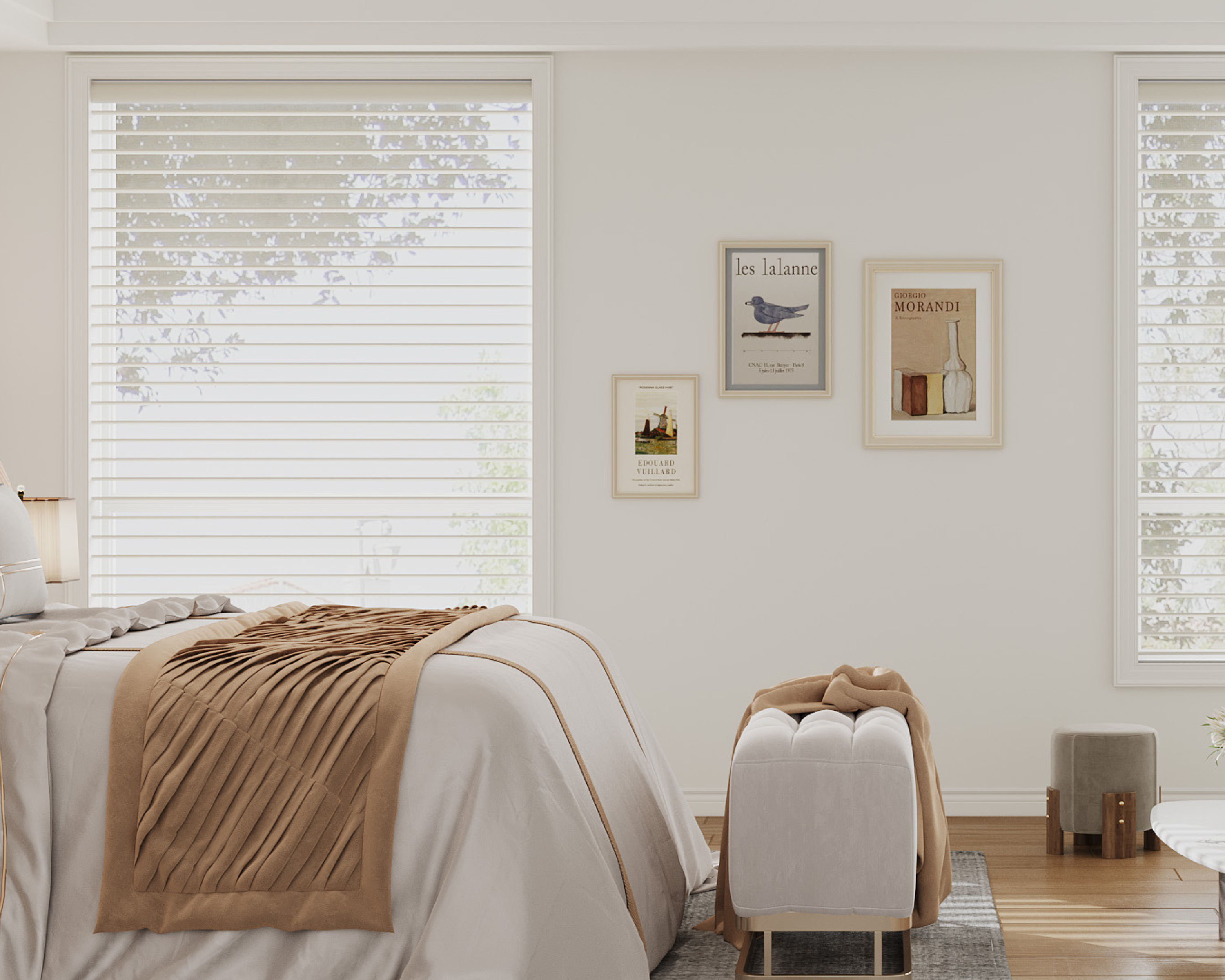
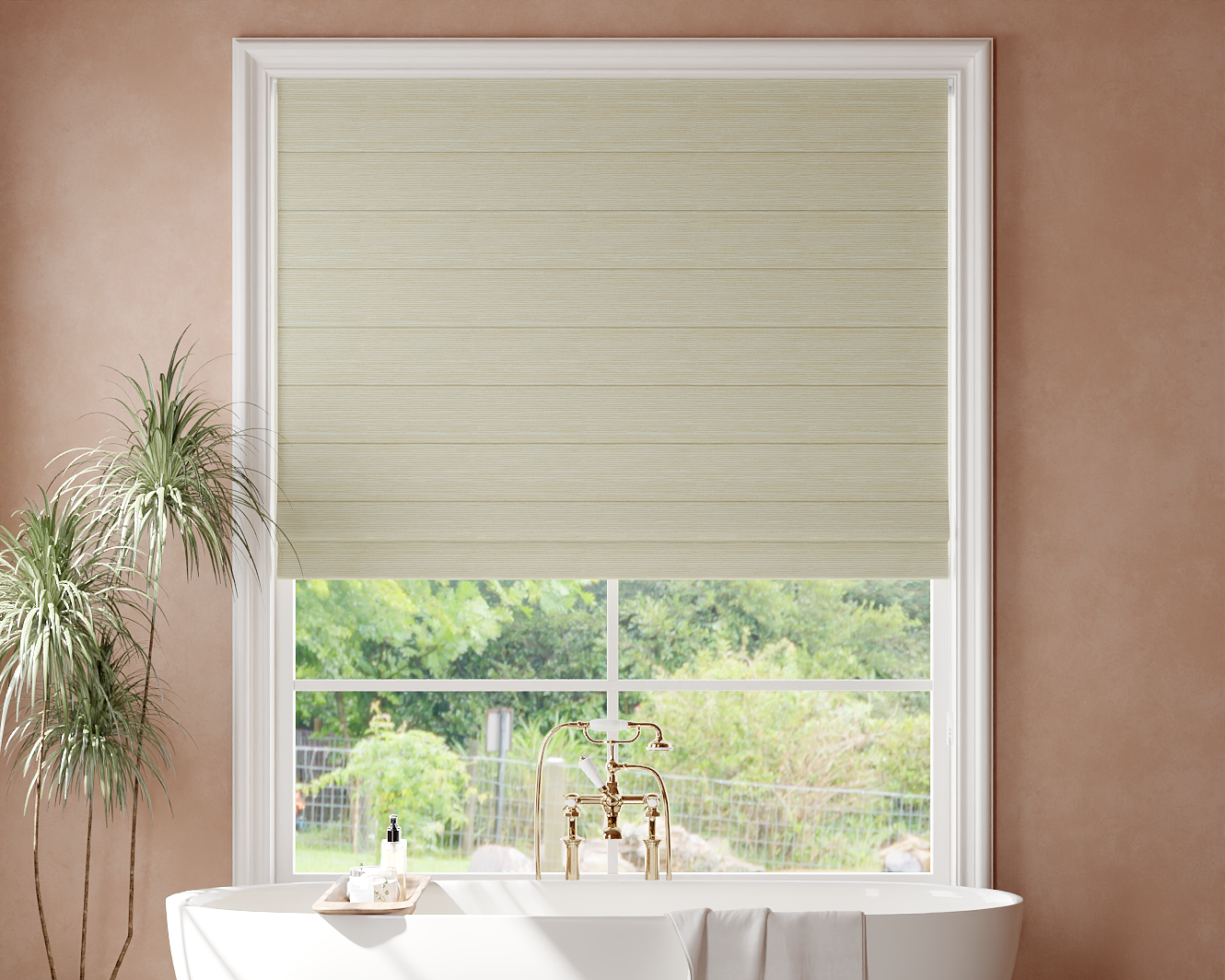
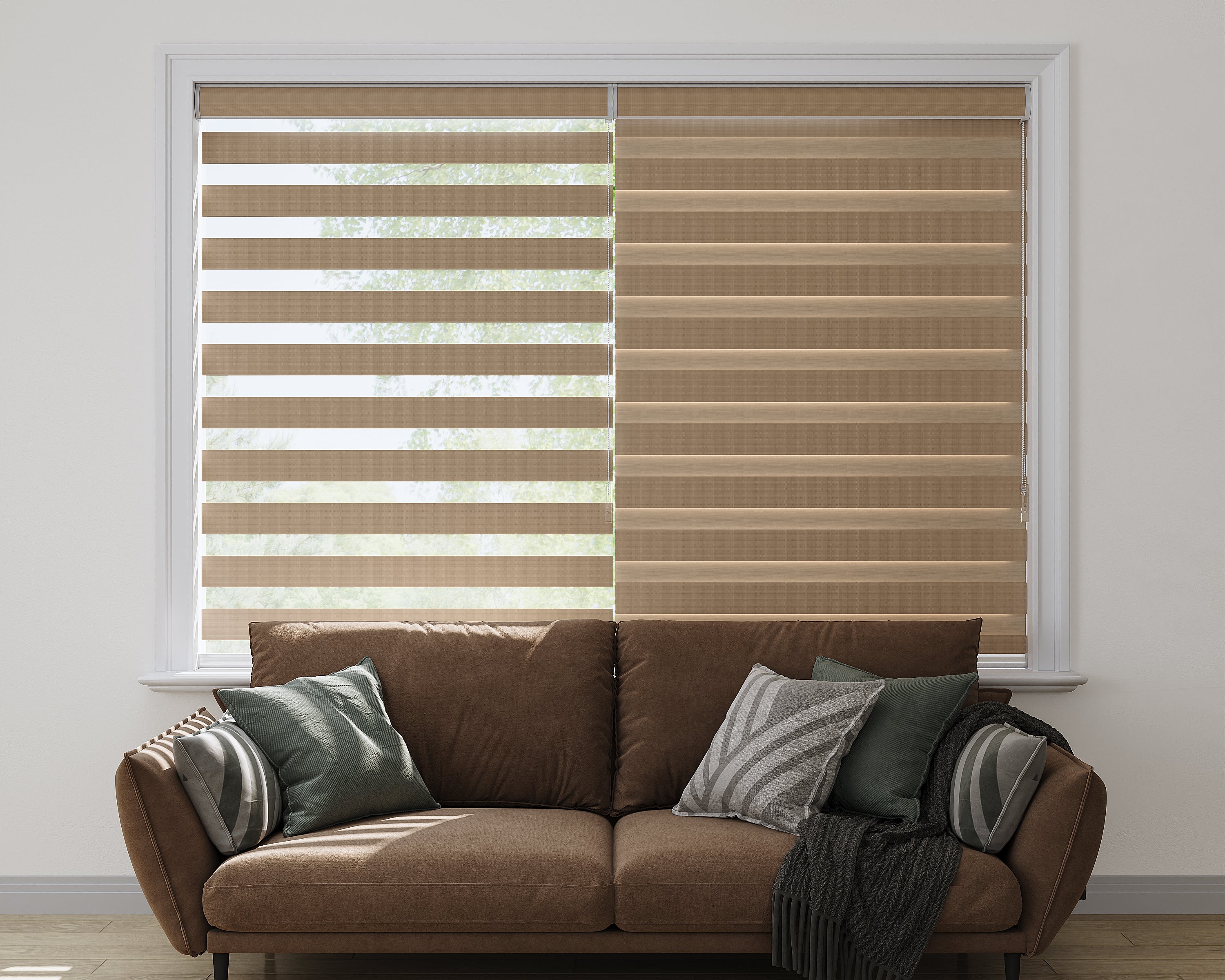
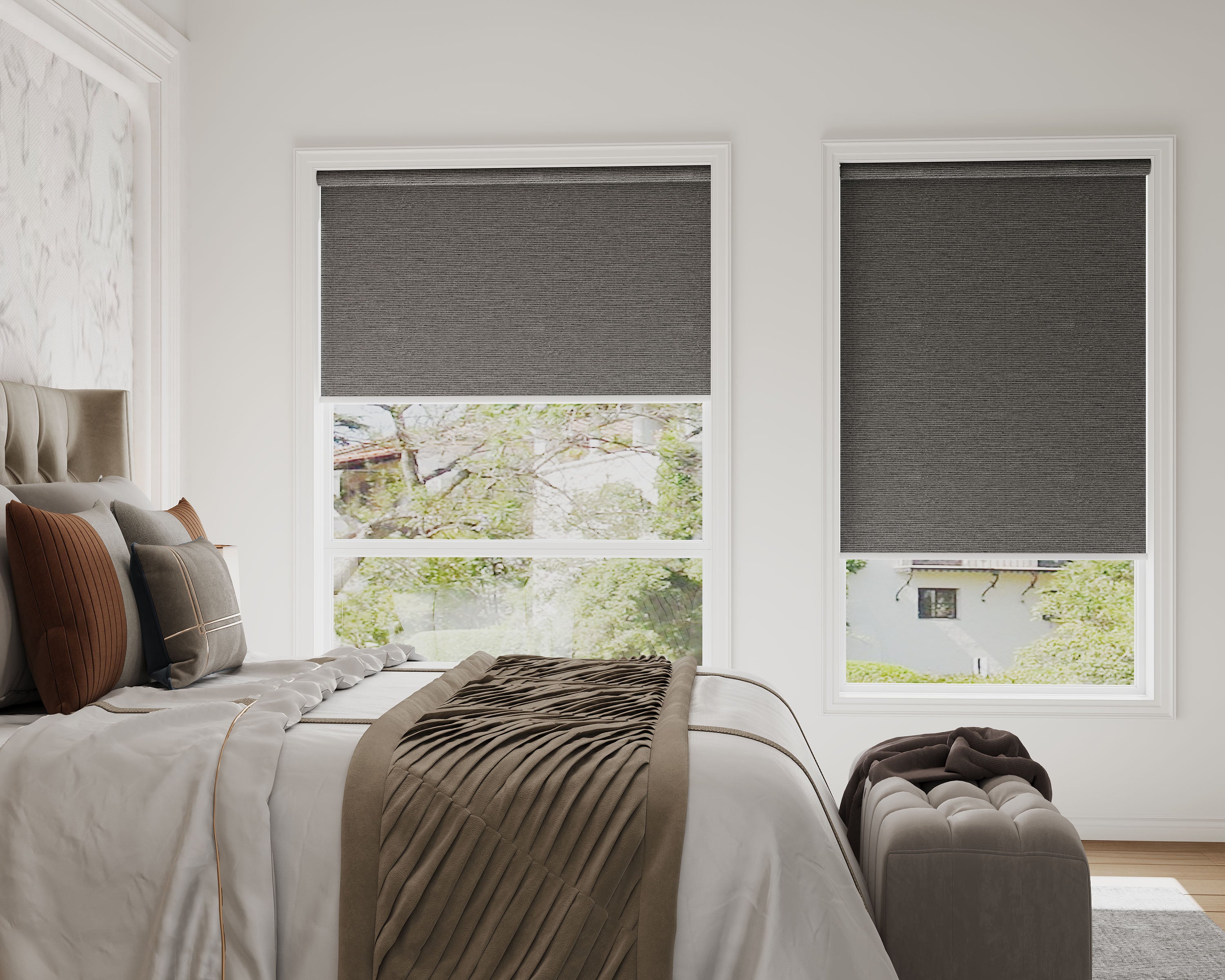
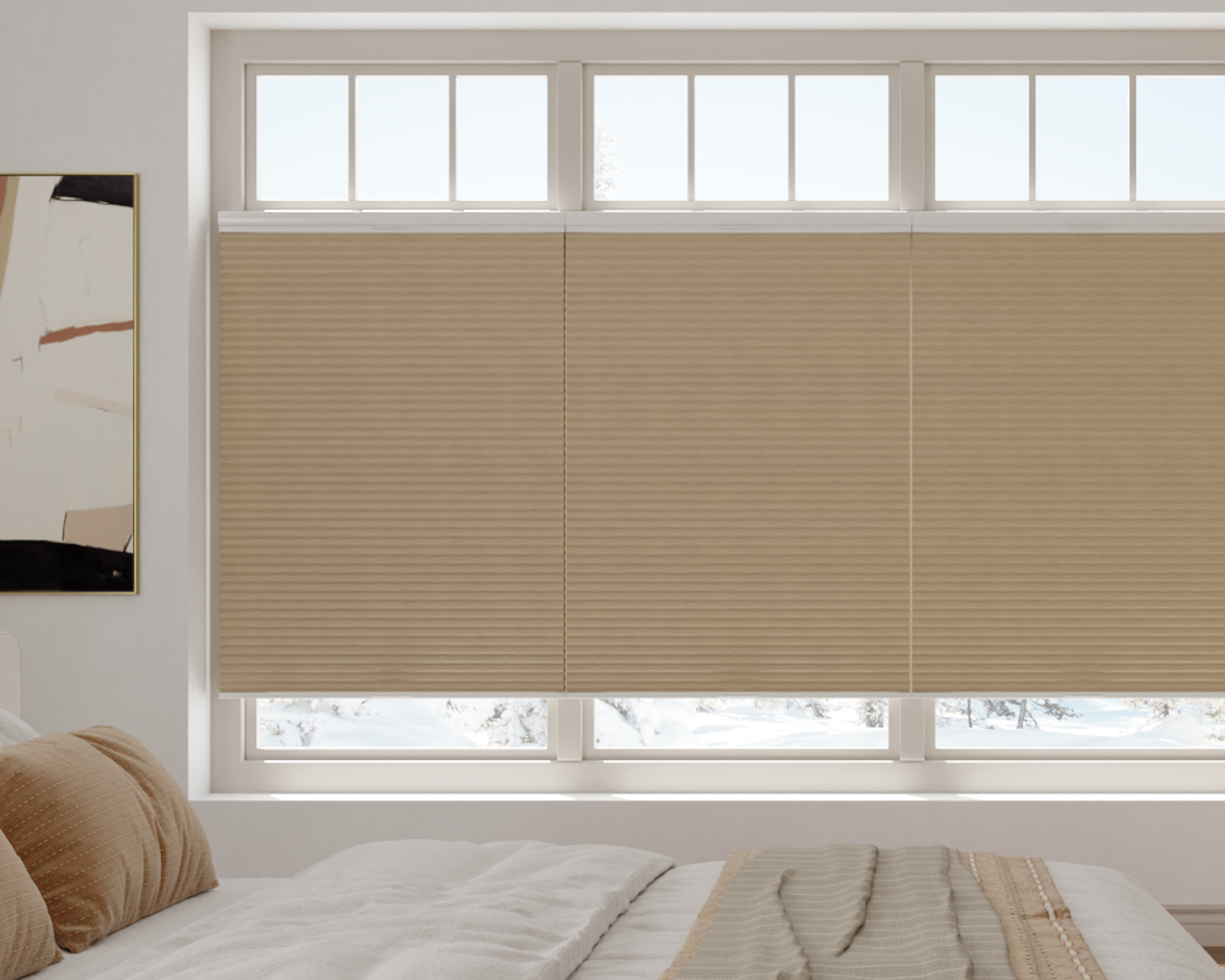
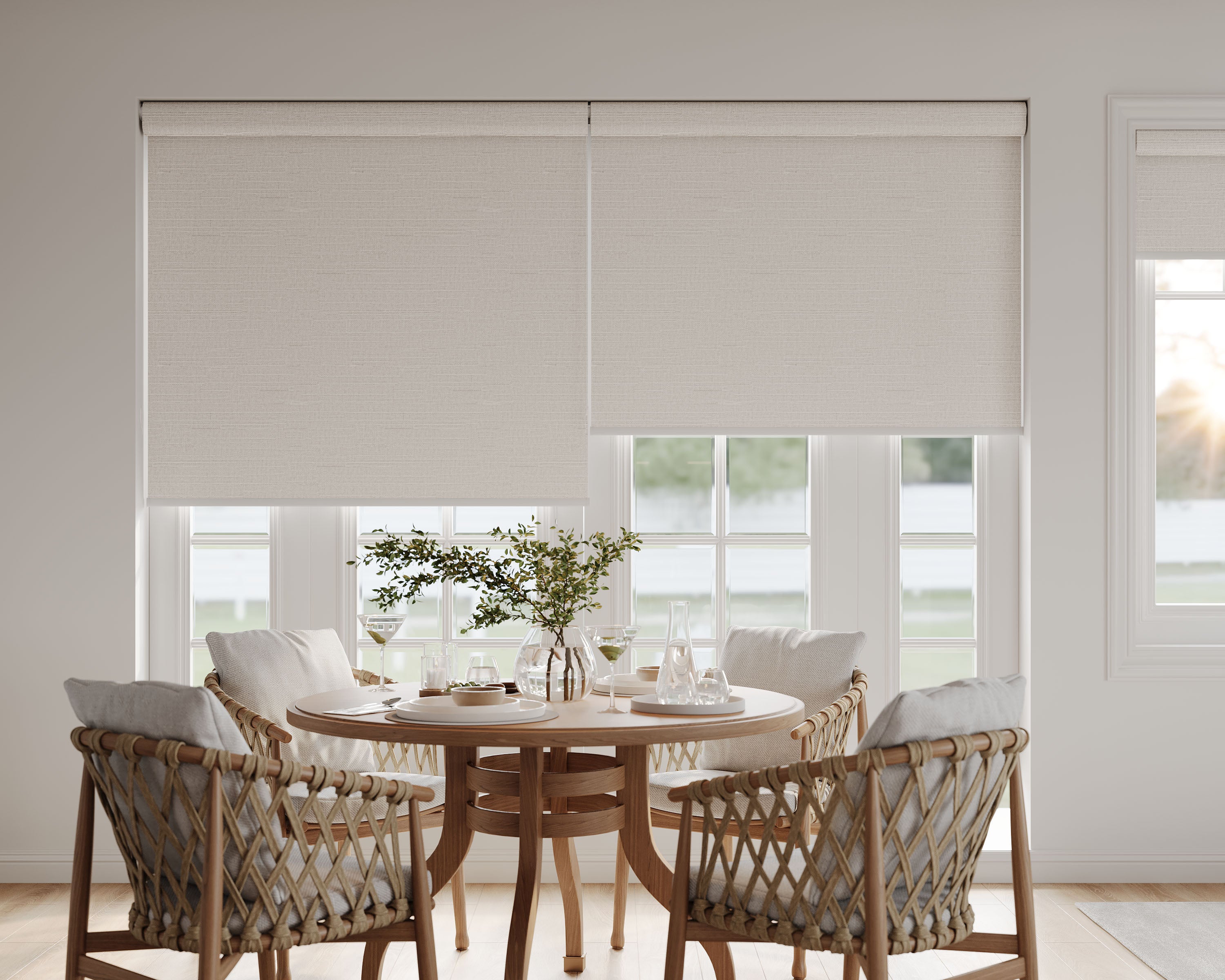


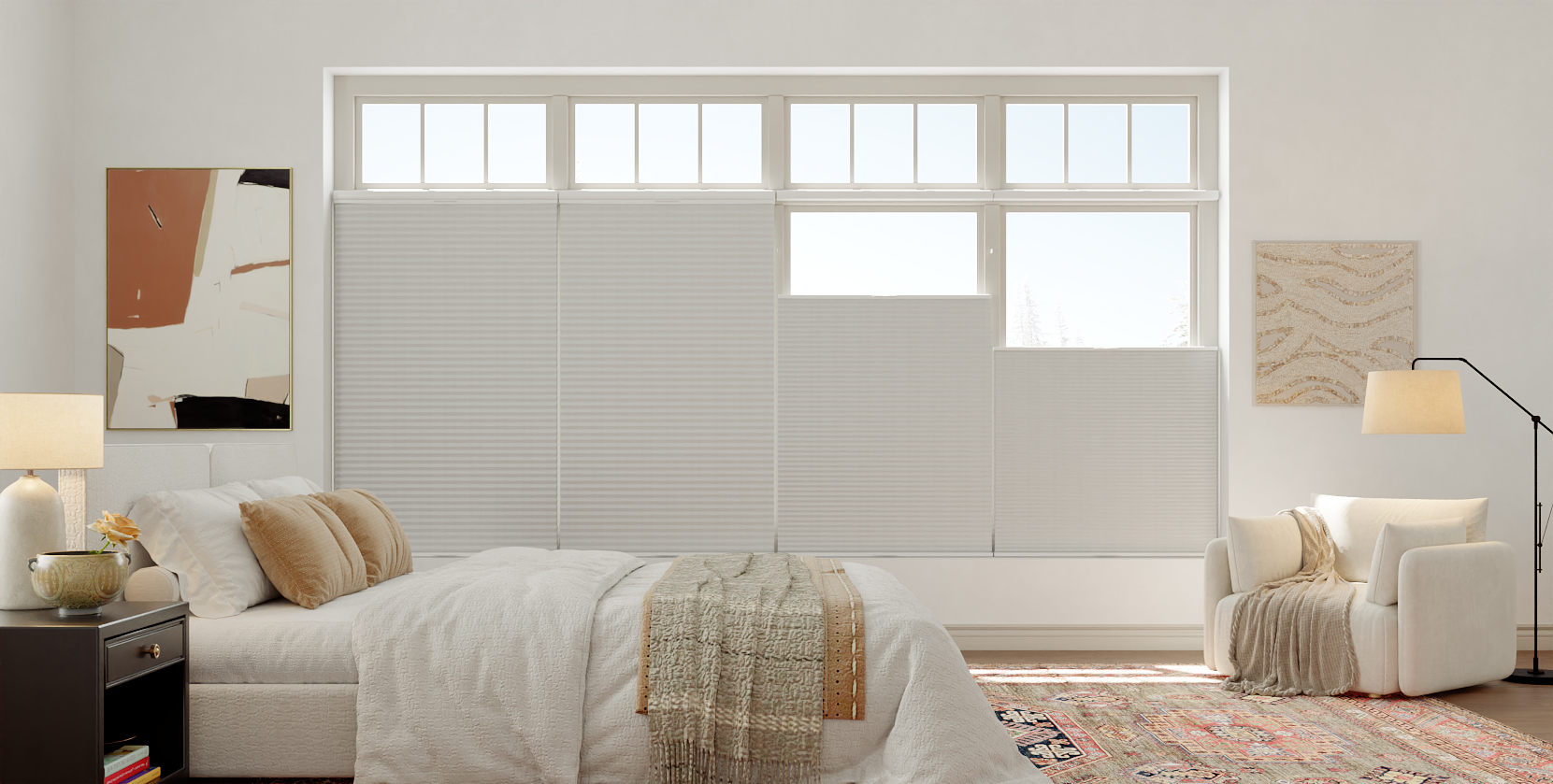


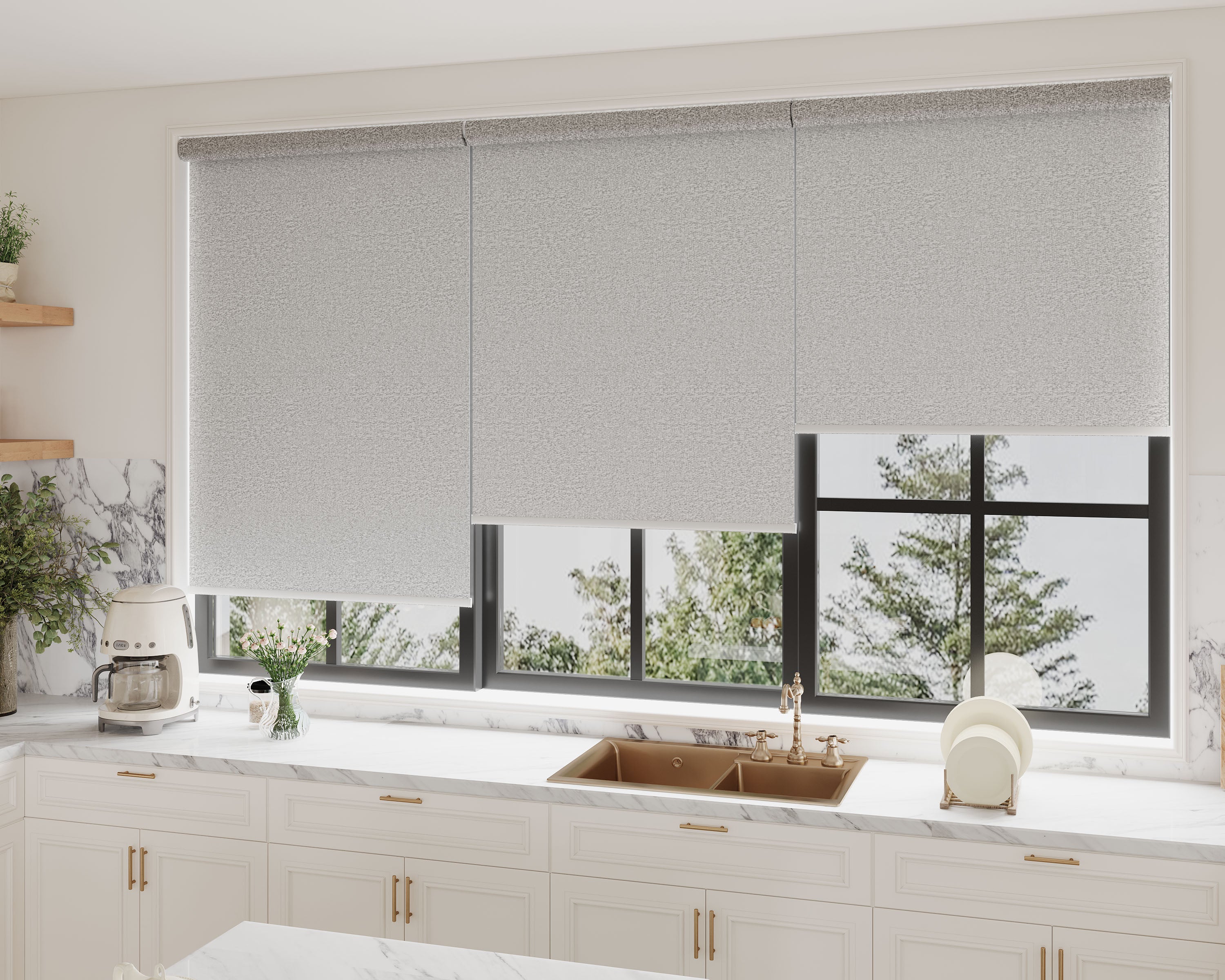

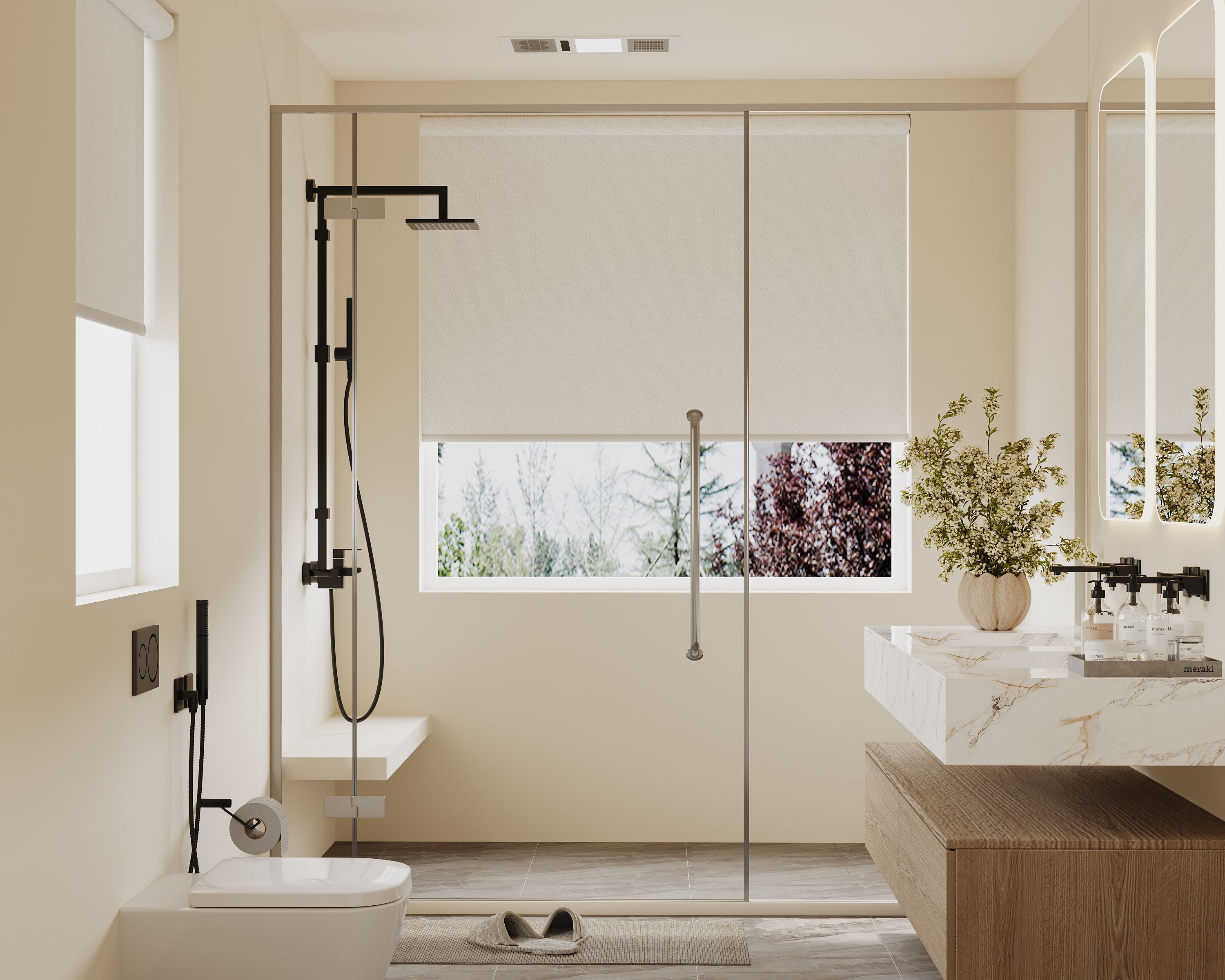


Yes, cellular shades can effectively reduce outside noise, making them a popular choice for creating quieter, more peaceful indoor spaces. They work by dampening and absorbing sound waves rather than completely blocking them, with some models capable of reducing noise transmission significantly. This reduction can turn a noisy room into a noticeably calmer environment, ideal for bedrooms, home offices, and living areas.
Here’s what you’ll learn to optimize noise reduction:
-
The Science of Sound Dampening: How the honeycomb structure traps air and absorbs acoustic energy to quiet your space.
-
Key Features That Maximize Quiet: Why double-cell construction and blackout fabrics outperform other options for sound control.
-
Installation & Layering Secrets: Critical steps for a gap-free fit and how combining treatments can dramatically enhance results.
-
Realistic Performance Expectations: Understanding what cellular shades can and cannot do compared to true soundproofing.
-
Choosing the Right Shades: A clear comparison of single vs. double cell and light-filtering vs. blackout materials.
To achieve a quieter home, the journey begins with selecting the right product. Explore our range of insulating honeycomb cell window treatments designed to dampen sound and enhance comfort.
How Cellular Shades Work to Reduce Noise
Cellular shades reduce noise through passive, physical principles. Their effectiveness stems from three main mechanisms working in concert: absorption, mass, and decoupling.
First, their signature honeycomb structure creates multiple sealed air pockets. This design is key. When sound waves, which are vibrations in the air, hit the shade, they enter these small, partitioned chambers. The sound energy is forced to bounce around within the complex cell walls, and with each bounce, a tiny amount of energy is converted into negligible heat through friction. This process of absorption weakens the sound wave before it can fully transmit into your room. It doesn't stop the sound but robs it of its strength.
Second, the fabric itself adds mass. The basic principle of sound blocking is that heavier, denser materials are harder for sound vibrations to move. A flimsy, single layer of fabric does little, but the collective material of a cellular shade—especially in a double-cell design—creates a more substantial barrier. This mass helps to reflect some sound energy back outward.
Third, the shade acts as a buffer, decoupling the interior space from the window glass. The window pane itself vibrates easily when hit by sound waves from outside (like traffic). When a cellular shade is mounted close to the glass, it disrupts the direct transfer of these vibrations into the room's air, providing a cushioning effect.
Choosing the Most Effective Shades for Noise Reduction
To maximize noise reduction, you must select shades with specific construction features. The two most critical decisions are the cell configuration and the fabric type.
Cell Configuration: Single vs. Double vs. Triple Cell
The number of cell layers has a direct and substantial impact on performance.
-
Single-Cell Shades: Feature one row of honeycomb pockets. They provide a baseline level of noise reduction, suitable for dampening moderate, everyday sounds in living rooms or kitchens. They are the most affordable and have the slimmest profile when raised.
-
Double-Cell Shades: Feature two stacked rows of cells, creating a thicker, more complex barrier. This is the recommended choice for meaningful noise reduction. The extra layer of air pockets dramatically increases the sound-absorption surface area and adds more mass. They are significantly more effective at muffling consistent noise like road traffic, neighbor activity, or steady rain.
-
Triple-Cell Shades: Offer the highest level of insulation and sound dampening due to their maximum thickness and air pocket volume. They are most often used in extreme climates or for premium home theaters where the absolute highest performance is desired, though they have a bulkier stack when fully raised.
Fabric Density, Weave, and Opacity
The material's weight and tightness are just as important as the structure. Sound waves can pass more easily through loose weaves than tight ones.
-
Blackout Fabrics: These are the heavyweight champions for noise. They are not just opaque; they are woven to be inherently denser and are often backed with an additional acrylic or foam layer. This added mass and density makes them superior at blocking and absorbing a wider range of sound frequencies, particularly higher-pitched noises.
-
Room-Darkening Fabrics: Denser than light-filtering options, they provide good mid-range noise reduction and are a solid choice for bedrooms.
-
Light-Filtering & Sheer Fabrics: While they can soften noise and reduce echo within a room, their more open weave allows more sound energy to pass through. They are the least effective choice if outside noise is your primary concern.
| Feature | Impact on Noise Reduction | Ideal Use Case |
|---|---|---|
| Double/Triple Cell | Superior. Maximum air pockets and thickness for absorbing sound energy. | Bedrooms, home offices, rooms facing busy streets, home theaters. |
| Blackout Fabric | High. Dense material adds crucial mass to block and absorb sound waves. | Maximizing quiet in any room, especially for low-frequency rumble and high-pitched sounds. |
| Single Cell | Good. Provides noticeable reduction for common ambient noise. | Living rooms, kitchens, hallways where some noise reduction is beneficial. |
| Light-Filtering Fabric | Moderate. Softens noise but is less effective as a primary sound barrier. | Rooms where light and view are priorities over maximum noise control. |
Maximizing Results: Professional-Grade Installation and Layering
The performance of even the best cellular shade can be undermined by poor installation. Sound will find and travel through any gap or air leak—this is called flanking noise.
Installation for an Acoustic Seal
-
Inside Mount vs. Outside Mount: For the best acoustic seal, an inside mount with a precise, tight fit is typically most effective. The shade sits within the window recess, allowing you to seal the edges more completely. However, the window frame must have adequate depth. An outside mount (on the wall above the frame) can also work well if you use it to create an overlap that covers the entire window and trim, but you must be meticulous about sealing the top and sides where the shade meets the wall.
-
The Critical Role of Seals: To prevent flanking noise, consider accessories. Side channels or edge-sealing tracks are plastic or felt channels installed on the inside of the window frame that the edges of the shade glide within, eliminating the side gaps where sound leaks in. A top-mounted valance can help seal the gap at the headrail.
The Power of Layering Treatments
For serious noise problems, a single solution is rarely enough. Layering creates a multi-stage defense system that is exponentially more effective.
-
First Layer: Your double-cell blackout cellular shade, installed with sealing channels.
-
Second Layer: A set of heavy, acoustic-grade drapery hung from a ceiling-mounted track that extends beyond the window on both sides. The drapery should be made of thick, dense fabric like velvet or a specialized acoustic material and should have a sealed or overlapped center.
-
The Result: This combination attacks noise through multiple principles: absorption (cellular shade), mass (drapery), and decoupling (air gap between the layers). It can address a much broader spectrum of noises, from the low rumble of trucks to the high pitch of sirens.
Proper installation is a foundational step. For guidance, refer to our detailed guide on how to install cellular honeycomb shades yourself to ensure a secure, gap-minimizing fit.
Realistic Expectations and Limitations
It is essential to have the right expectations. Cellular shades are noise-reducing or sound-dampening treatments, not soundproofing solutions.
-
What They Do Well: They will noticeably lower the volume and clarity of outside noise. Traffic becomes a muted rumble, lawnmowers sound distant, and conversations from the street lose their intelligibility. They excel at reducing mid-to-high-frequency sounds (voices, rain, birds). They also improve room acoustics by reducing echo.
-
Where They Have Limits: They are less effective at stopping low-frequency sounds (the deep bass from a stereo, the heavy thump of construction machinery, or low-flying aircraft). These sounds travel through structure and require mass and decoupling on a scale that window treatments alone cannot provide. They will not create total silence.
For extreme noise issues or if you require true sound isolation, dedicated building modifications like upgraded window inserts, wall insulation, and professional soundproofing are necessary. Cellular shades are a highly effective component of a quieter home, but they are part of a system.
Conclusion
Cellular shades are a scientifically grounded and aesthetically pleasing solution for reducing outside noise. By leveraging their honeycomb design to absorb sound, selecting high-performance features like double-cell construction and blackout fabrics, and ensuring a precision installation that minimizes gaps, you can achieve a markedly quieter and more serene home environment. For the greatest impact, embrace a strategy of layering them with other sound-absorbing materials. While not a complete soundproofing method, the substantial and perceptible noise dampening they provide makes them an excellent and intelligent investment in your daily comfort and peace.
Key Highlights
-
Cellular shades reduce noise primarily by absorbing sound energy within their honeycomb air pockets and adding mass with dense fabric.
-
Double-cell shades with blackout fabrics offer the highest level of sound dampening and are the recommended choice for noise-sensitive areas.
-
Installation is paramount: Performance depends on a gap-free fit. Consider side channels and top seals to prevent sound leakage at the edges.
-
Layering is the ultimate strategy: Combining cellular shades with heavy acoustic curtains provides a dramatic, compounded noise reduction effect that addresses a wider range of sounds.
-
Manage expectations: Shades are superb at dampening and reducing intrusive noise to a comfortable background level but will not eliminate all sound, especially very low-frequency vibrations.
By understanding and applying these principles, you can effectively use cellular shades as a powerful tool to create a more tranquil and comfortable living space.
Explore Custom Cellular Shades


Frequently Asked Questions (FAQ)
How much of a difference will I actually hear with cellular shades?
The difference is perceptible and often described as transformative for common urban and suburban noises. You likely won't notice the sound decreasing moment-by-moment as you lower the shade. Instead, after they are down, you will realize the overall noise "floor" of your room has dropped. Conversations become easier, the sharpness of sounds is softened, and the constant presence of background noise fades into something less intrusive. It changes the character of the noise from "present" to "distant."
What specific noises do cellular shades help with the most?
Cellular shades are particularly effective against airborne noises in the mid-to-high frequency range. This includes:
-
Traffic whoosh and tire noise
-
General street chatter and voices
-
Barking dogs
-
Chirping birds and rustling leaves
-
Rain and light wind
They are less effective against low-frequency impact noises like the bass from a car stereo, the hum of a large HVAC unit, or the heavy thuds from construction, which require different solutions.
I live in an apartment. Can these help with neighbor noise through walls?
Cellular shades are designed to treat noise coming through the window. If neighbor noise is coming through shared walls, ceilings, or floors, the shades will have minimal impact. For wall-transmitted noise, sound-absorbing wall panels, thick bookcases, or professional wall damping systems are the appropriate tools. However, if noise from a neighboring apartment is also entering via your windows (e.g., from a shared courtyard), then the shades will help with that specific path of transmission.
Do motorized cellular shades work as well for noise reduction as manual ones?
Yes, the noise-reduction capabilities are identical because the core material and cellular structure are the same. The motor is housed in the headrail and does not affect the fabric's acoustic properties. In fact, motorized shades can enhance your noise-control routine by allowing you to schedule them to close during noisy periods of the day (e.g., rush hour) automatically, ensuring consistent performance.
Besides the shades, what's the single most important thing I can do at the window to reduce noise?
Address air leaks. Before you even install shades, run your hand around the perimeter of your window frame when it's closed. If you feel drafts, sound is leaking through those exact same gaps. Use weatherstripping or acoustic sealant to seal any cracks between the window sash and the frame. This simple, low-cost step can improve the performance of any window treatment, as it stops the easiest path for sound to enter.
