

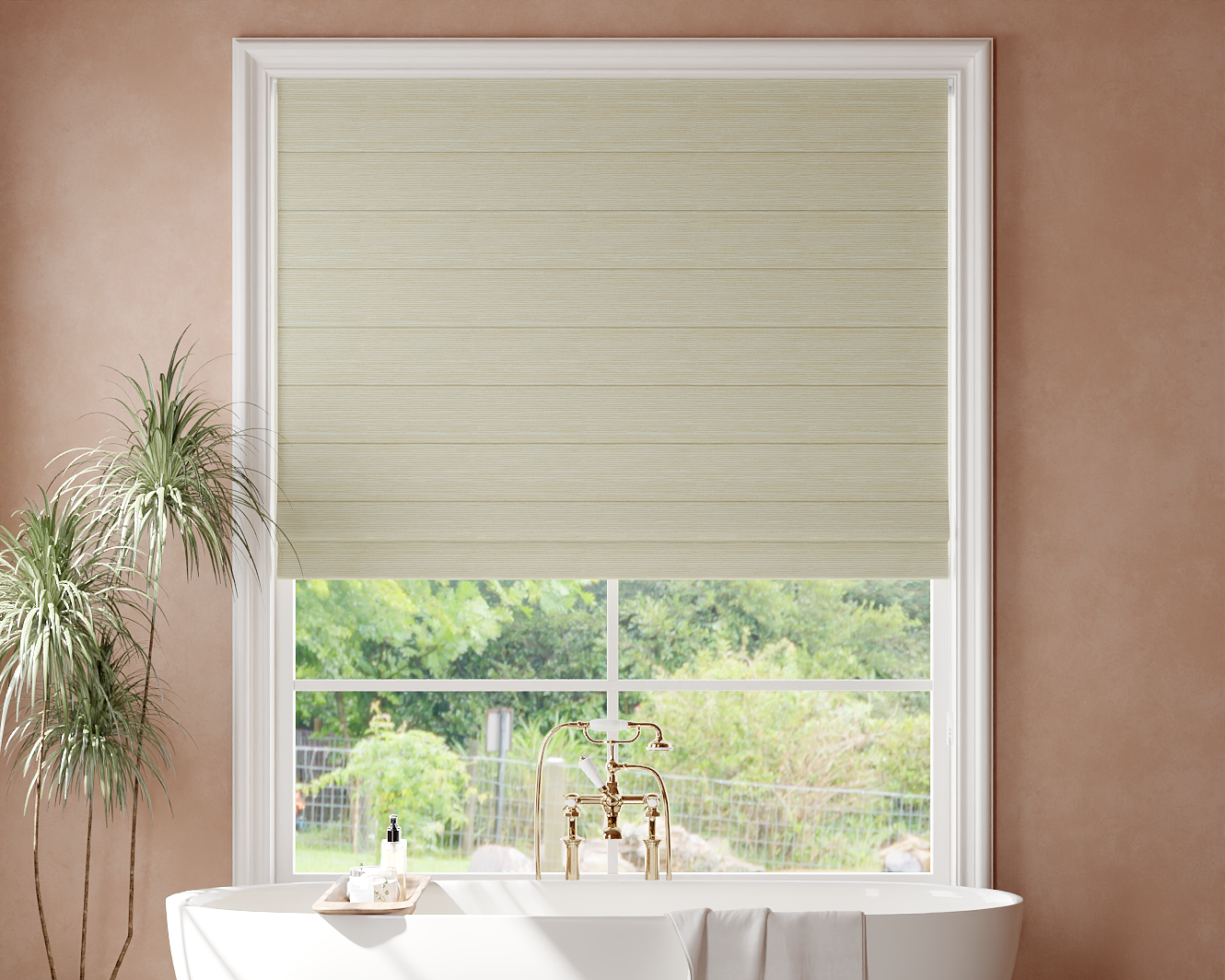
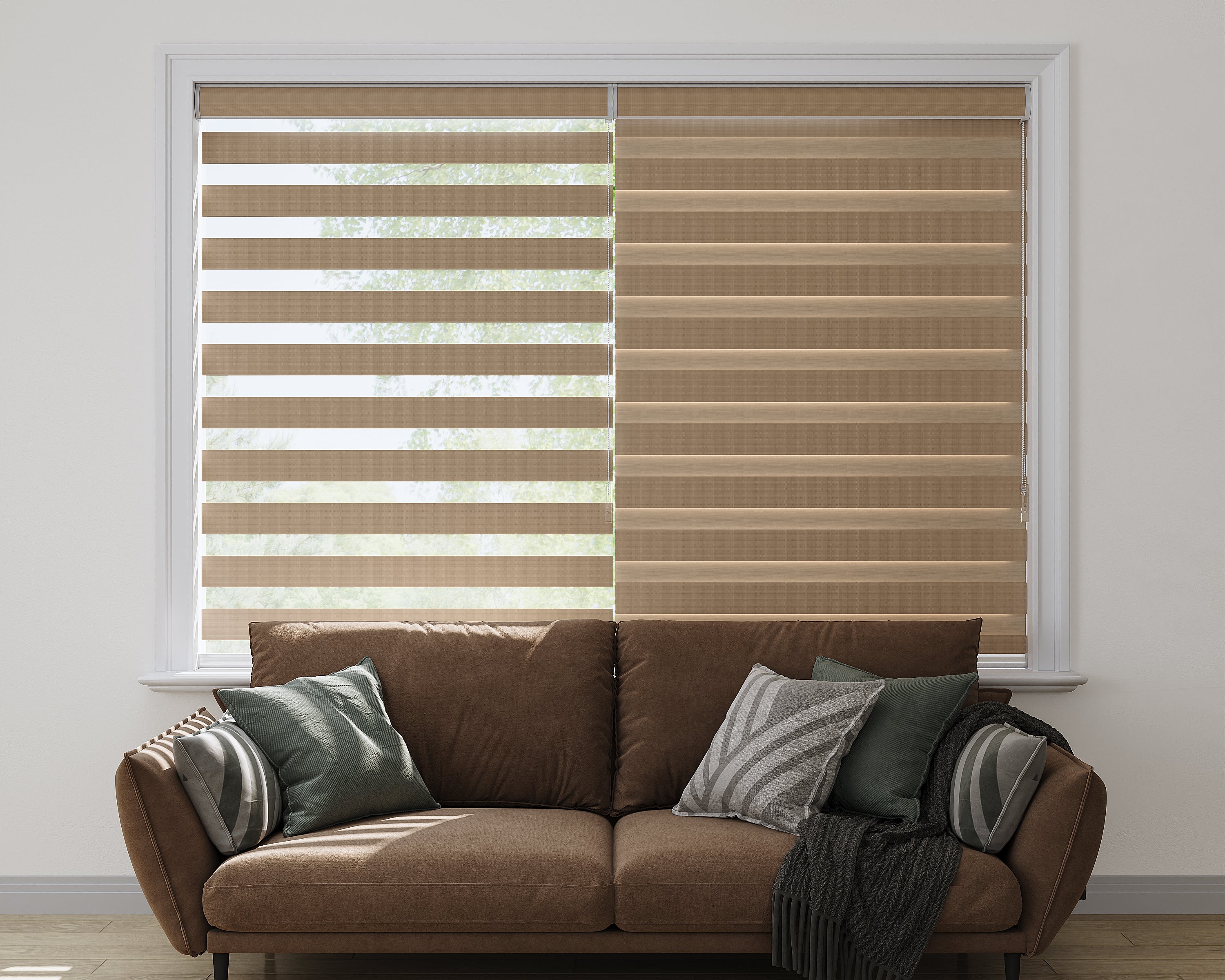
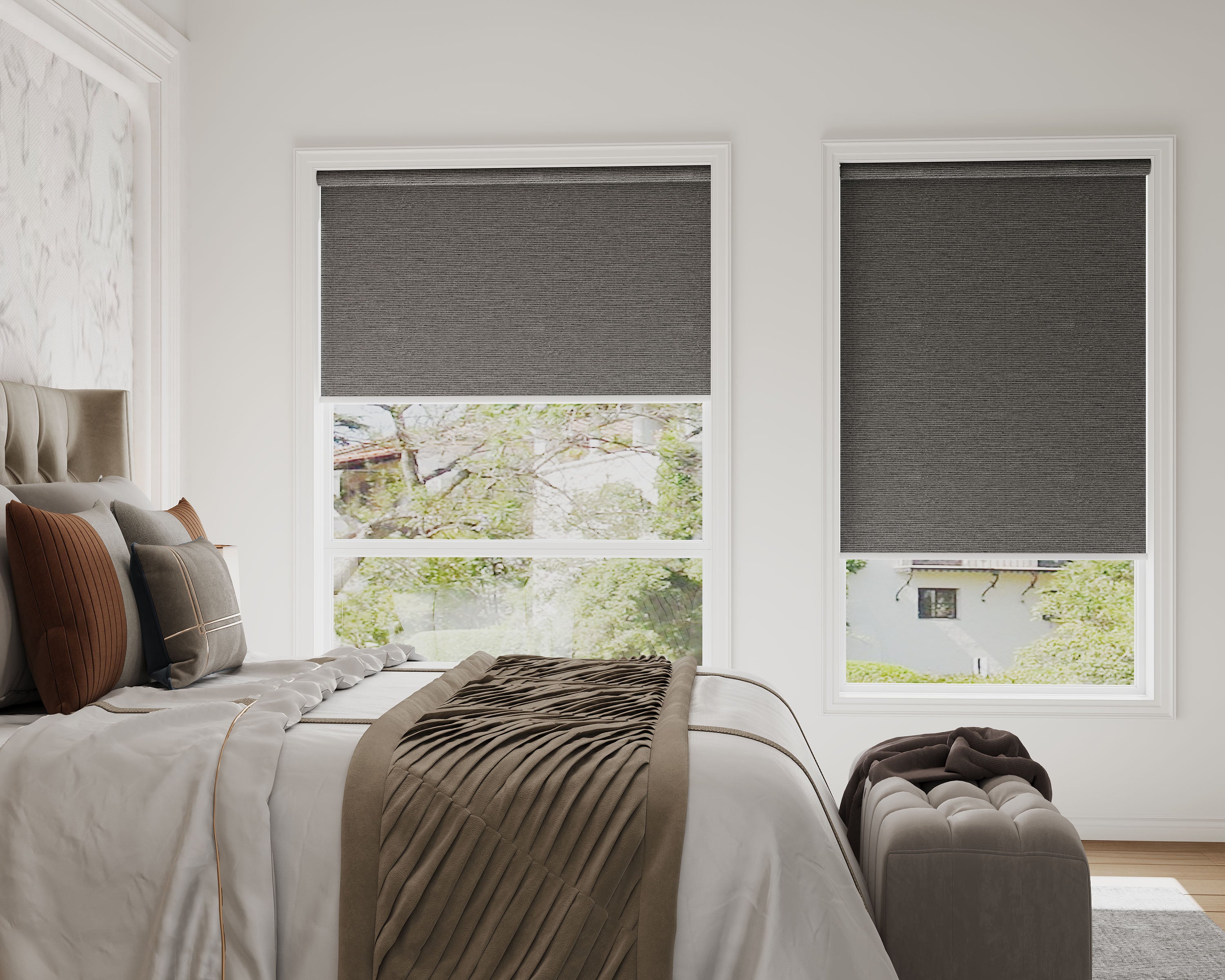
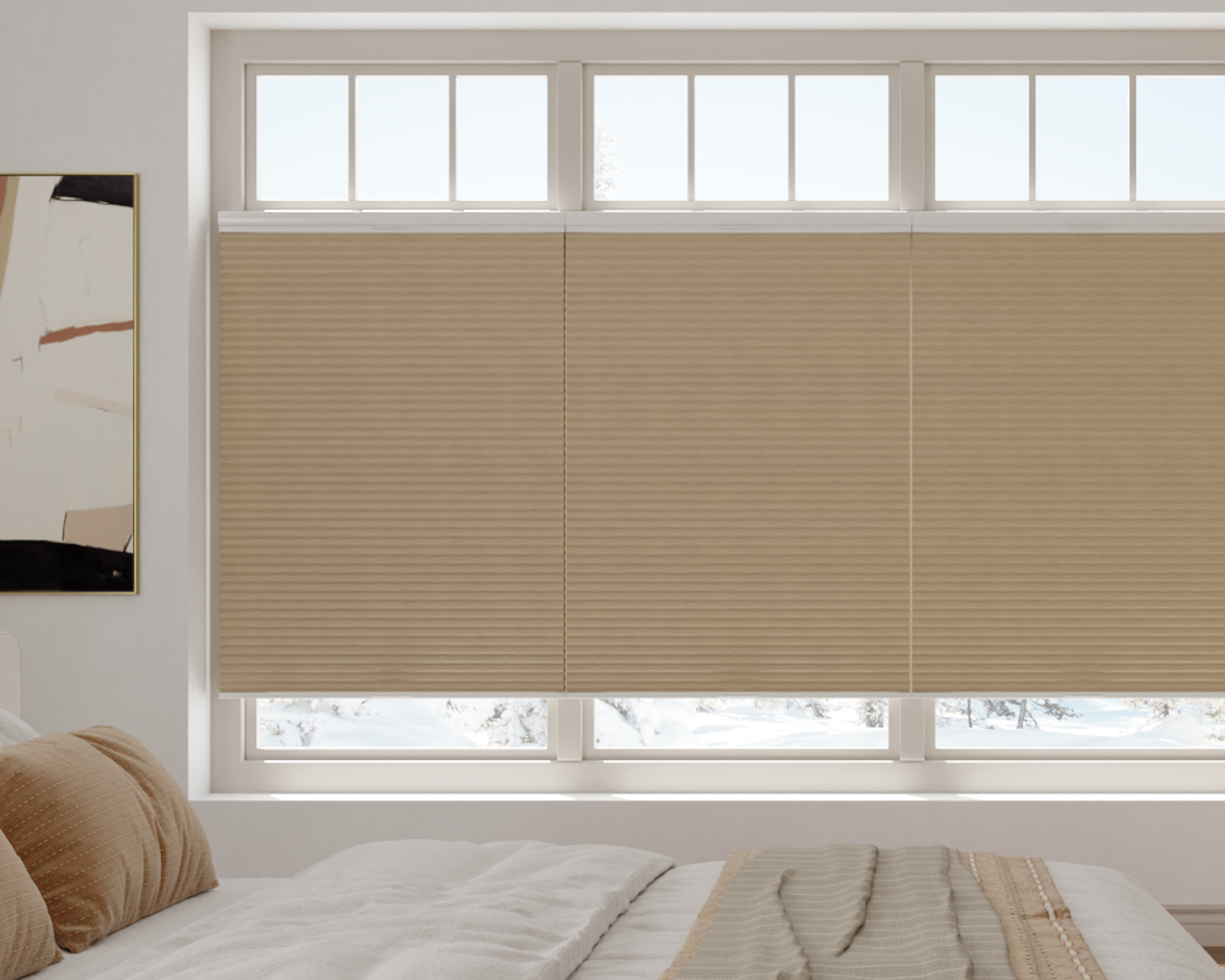
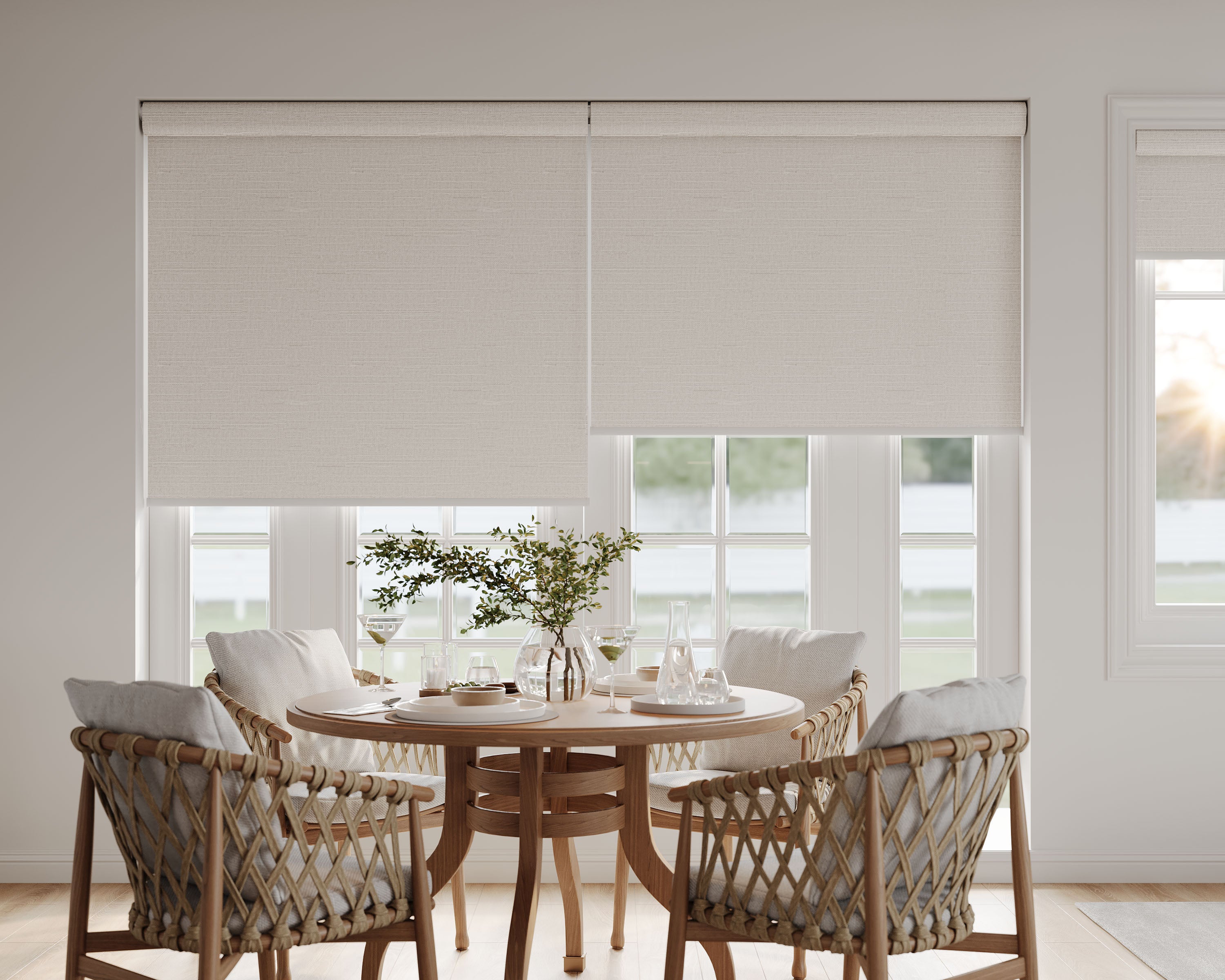





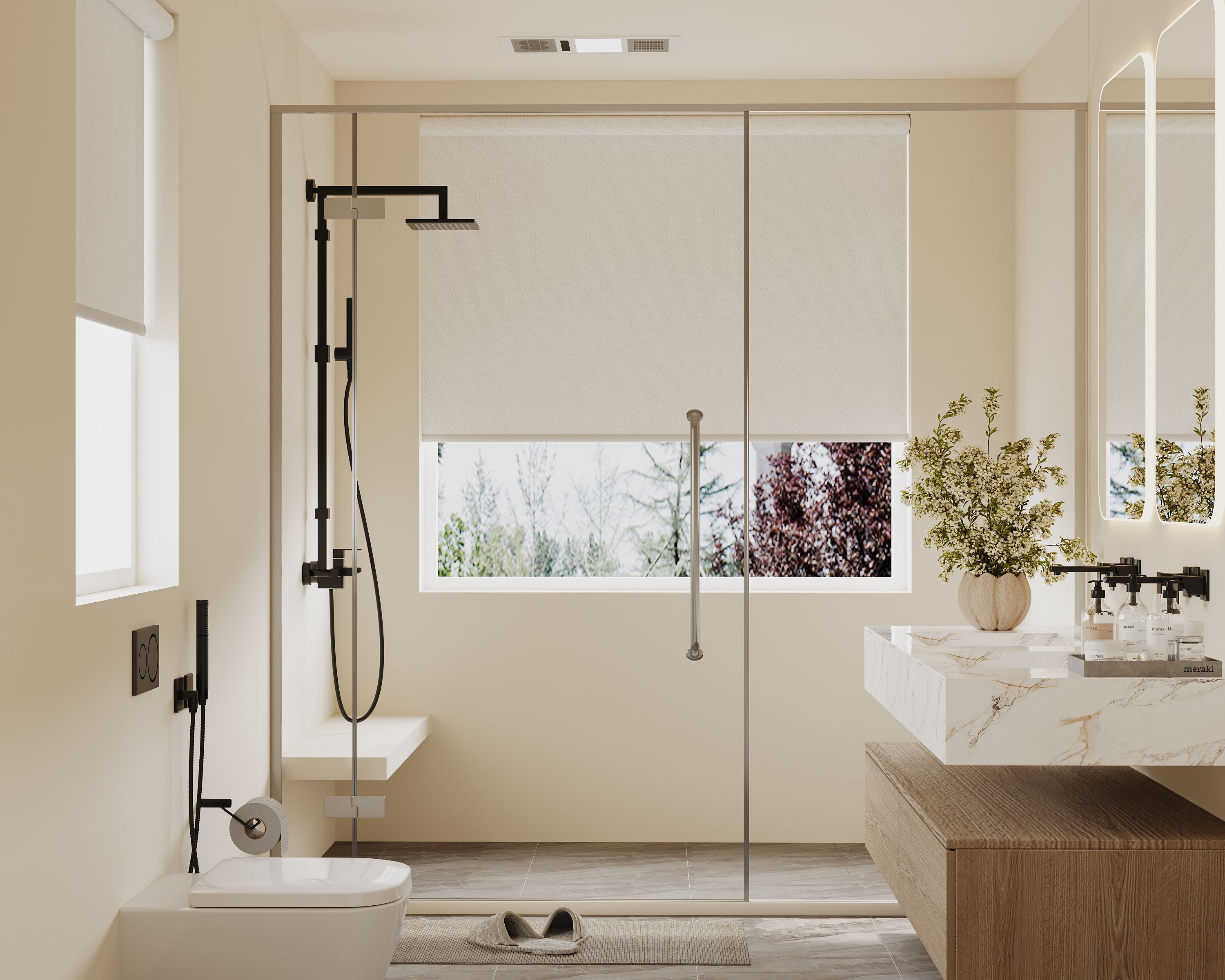


Cellular shades can be suitable for bathrooms, but with critical caveats. Success depends entirely on selecting shades made with moisture-resistant materials, ensuring excellent bathroom ventilation, and committing to a proactive cleaning and maintenance routine. Standard fabric cellular shades will quickly fall victim to mold, mildew, and warping in a humid bathroom environment. This guide details the specific products, installation methods, and care required to use cellular shades in bathrooms safely and effectively.
Here’s what you’ll learn to make an informed decision for your bathroom:
-
The Moisture Challenge: How high humidity affects different shade materials and why ventilation is non-negotiable.
-
Suitable Materials & Features: The specific fabric types, linings, and lift mechanisms designed for damp environments.
-
Installation Strategies: How mounting location (inside vs. outside) and proximity to water sources impact longevity.
-
Maintenance Protocol: A clear cleaning and inspection routine to prevent mold and maintain operation.
-
Alternative Considerations: When a different style of window treatment might be a more practical choice.
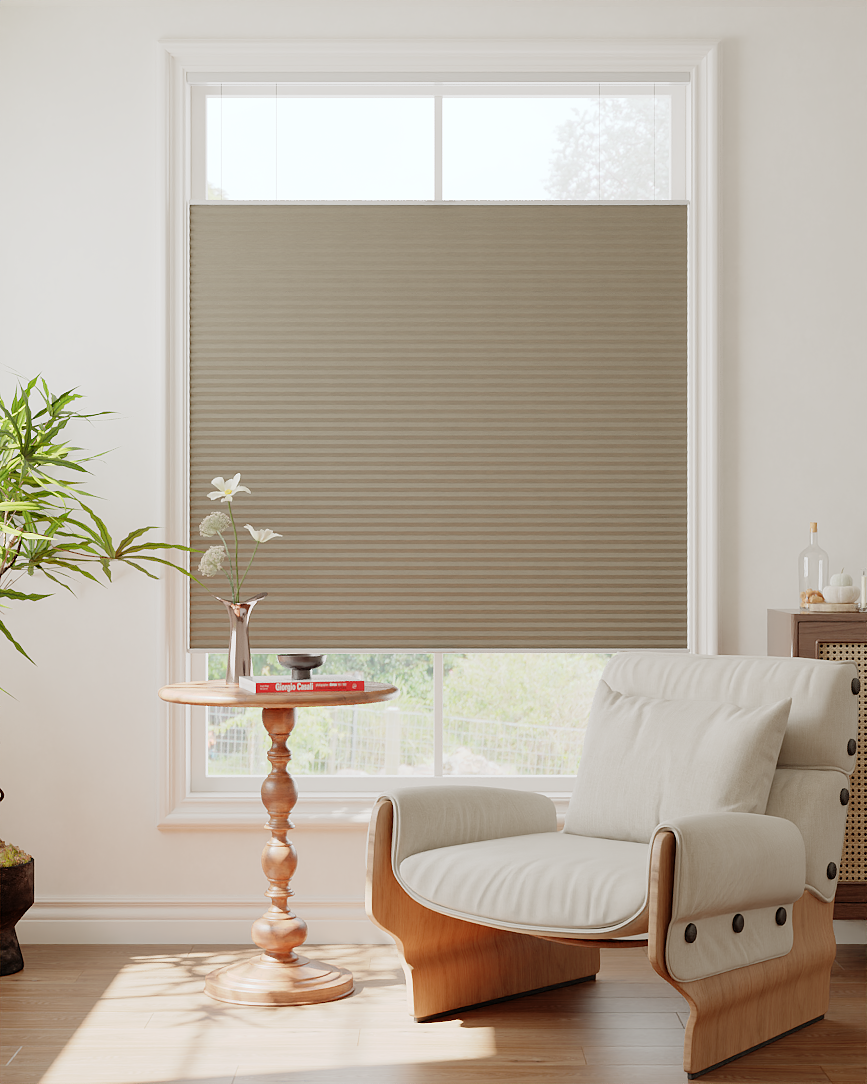
For bathrooms, product selection is the first line of defense. Explore options built for challenging environments in our collection of moisture-resistant cellular honeycomb shades.
Understanding the Bathroom Environment: Humidity and Its Effects
Bathrooms are unique due to cyclical, high humidity from showers and baths. This warm, moist air can be absorbed by window treatments, leading to several problems:
-
Mold and Mildew Growth: Organic materials (like cotton, linen, or paper-based blinds) provide a food source for mold spores, leading to unsightly spots, odors, and potential health concerns.
-
Material Degradation: Moisture can cause fabrics to sag, warp, or lose their shape. Metal components within the headrail or bottom rail may corrode or rust over time.
-
Operational Issues: Humidity can cause wooden or composite parts to swell, making shades difficult to raise and lower smoothly.
Therefore, the standard cellular shade is not a bathroom-ready product. It must be specifically engineered for this setting.
Choosing Bathroom-Safe Cellular Shades: Materials and Features
When shopping for bathroom cellular shades, these specifications are mandatory.
1. Moisture-Resistant and Water-Repellent Fabrics
Look for these material terms:
-
Synthetic Fabrics: Polyester, olefin, and vinyl are inherently more resistant to moisture absorption than natural fibers.
-
Coated or Laminated Fabrics: Fabrics treated with a PVC coating, acrylic laminate, or a water-repellent finish (like Crypton) create a barrier that causes water to bead up and roll off, rather than soaking in.
-
Mold & Mildew Inhibitors: Some fabrics are treated with antimicrobial solutions during manufacturing to resist biological growth.
Our dedicated guide to moisture-resistant fabrics for kitchens, baths, and laundry rooms provides a deeper analysis of the best-performing materials.
2. Suitable Opacity and Construction
-
Avoid True Blackout for Showers: In a shower splash zone, blackout shades with fabric-lined backings can trap moisture between the lining and the window. A light-filtering synthetic fabric may dry more quickly.
-
Cell Size Consideration: Smaller cells have more seams where moisture could potentially be trapped. A simpler, single-cell design in a smooth, coated fabric may be easier to clean and dry than a complex double-cell shade.
3. Lift Mechanism and Hardware
-
Cordless or Motorized are Best: Cords can wick moisture and are harder to keep clean and dry. A cordless lift simplifies the design. Motorized shades are ideal as they eliminate all manual contact and can be integrated with smart humidity sensors.
-
Rust-Resistant Hardware: Ensure all metal components (brackets, screws, bottom rail) are made of stainless steel, aluminum, or are coated with a rust-inhibiting finish.
Installation: Location and Strategy
-
Outside Mount Recommended: Installing the shade on the wall outside the window recess keeps it further from condensation on the glass and improves air circulation around the shade. This is especially crucial for windows in shower stalls.
-
Maximize Distance from Water Source: If possible, install the shade as high as possible above the bathtub or shower to minimize direct exposure to steam and splash.
-
Ensure Proper Frame Depth (For Inside Mount): If you must inside mount, verify your window has adequate depth so the raised shade stack doesn’t press against the cold glass, which can lead to condensation on the fabric. Our article on cellular shade frame depth requirements explains this in detail.
The Non-Negotiable: Ventilation and Maintenance
Even the most moisture-resistant shade will fail in a perpetually damp, stagnant bathroom.
Ventilation Protocol:
-
Always use the exhaust fan during and for 20-30 minutes after showering.
-
Crack a window if possible to promote air exchange.
-
Leave the shade raised after showering to allow maximum air circulation around the window and the shade itself until humidity levels normalize.
Cleaning and Maintenance Routine:
A simple, consistent routine prevents issues. Follow this general schedule, adjusting based on use:
| Task | Frequency | Method & Notes |
|---|---|---|
| Surface Dusting | Weekly | Use a dry microfiber cloth or vacuum brush attachment. |
| Ventilation Check | After every shower | Run fan, open window, raise shade to dry. |
| Spot Cleaning | As needed | Use a cloth dampened with a 1:1 water & white vinegar solution. Vinegar kills mildew. Wipe gently and dry immediately. |
| Deep Clean & Inspection | Quarterly | Check for any staining, warping, or stiffness. Wipe down all rails and hardware. |
For comprehensive cleaning methods that won't damage sensitive materials, always refer to our guide on how to clean cellular shades without damaging them.
Practical Scenarios: Recommendations by Bathroom Type
| Bathroom Type | Shade Recommendation | Key Considerations |
|---|---|---|
| Powder Room (Half-Bath) | Standard or moisture-resistant cellular shades. | Low humidity risk. Focus on aesthetics and privacy. |
| Full Bath with Tub/Shower | Moisture-resistant cellular shades, cordless lift. | Mandatory ventilation routine. Outside mount preferred. |
| Shower-Within-Window Enclosure | Highly moisture-resistant (vinyl/PVC) shades or consider an alternative. | Extreme exposure. Motorized operation keeps shades dry when not in use. |
| Poorly Ventilated Bathroom | Not recommended. Consider faux wood blinds or shutters. | Without adequate airflow, any fabric shade is at high risk for mold. |
When to Consider an Alternative Window Treatment
Cellular shades are a good option for many baths, but not all. Consider these alternatives in high-risk situations:
-
Faux Wood or Vinyl Blinds: Solid, non-porous slats are easy to wipe down and highly resistant to moisture.
-
Waterproof Roller Shades: Made from solid vinyl or PVC, these are essentially impervious to water and are the most durable choice for direct splash zones.
-
Shutters (Vinyl or Composite): Provide excellent airflow when louvers are open and are easy to clean.
Conclusion
Cellular shades can be a suitable and stylish choice for bathrooms, but they require a diligent, integrated approach. You must begin with a shade specifically constructed from moisture-resistant, synthetic materials, install it strategically to maximize airflow, and pair it with an unwavering commitment to bathroom ventilation and simple maintenance. In a well-ventilated bathroom with the right product, cellular shades can provide privacy, light control, and comfort without succumbing to moisture damage. However, in consistently damp, poorly ventilated spaces, or for windows inside showers, a non-fabric alternative is a more practical and durable long-term solution.
Key Highlights
-
Material is paramount: Only moisture-resistant synthetic fabrics (polyester, vinyl, coated materials) are suitable for full bathrooms.
-
Ventilation is non-negotiable: An exhaust fan used consistently is more important to the shade's longevity than any fabric treatment.
-
Install for airflow: An outside mount keeps the shade away from condensation on the glass and promotes drying.
-
Choose simple operation: Cordless or motorized lifts eliminate moisture-wicking cords and are easier to maintain.
-
Commit to maintenance: A quick weekly dusting and prompt spot-cleaning with a vinegar solution will prevent most mold and mildew issues.
By respecting the demanding bathroom environment and choosing accordingly, you can successfully enjoy the benefits of cellular shades in this space.
Explore Custom Cellular Shades


Frequently Asked Questions (FAQ)
Can I use regular room-darkening cellular shades in my bathroom if I always use the fan?
It is not recommended. Standard room-darkening fabrics, even if synthetic, are not treated with the same water-repellent or antimicrobial coatings as purpose-built moisture-resistant shades. While the fan helps, the constant high-humidity cycles will significantly shorten the lifespan of a standard shade and increase the risk of mildew forming on the fabric or within the honeycomb cells, which are difficult to clean thoroughly.
What is the best way to clean mold or mildew spots off my bathroom cellular shades?
Act quickly. Create a cleaning solution of 1 part distilled white vinegar to 3 parts cool water. Vinegar is a natural fungicide. Dampen a small, soft cloth (do not soak it) in the solution and gently dab the affected area. Do not scrub. Follow immediately by dabbing the area with a cloth dampened with plain water to rinse, then dry thoroughly with a clean, dry cloth or a hairdryer on a cool setting. Increase ventilation and frequency of cleaning to prevent recurrence.
Are there "waterproof" cellular shades?
Truly waterproof (submersible) cellular shades are rare. What are commonly available are highly water-resistant or water-repellent shades made from solid vinyl or fabrics with a heavy PVC backing. These can withstand splash and high humidity but are not designed to be constantly wet. Always check the manufacturer's specifications for terms like "water-resistant," "moisture-proof," or "100% polyester with PVC coating."
My bathroom has no exhaust fan. Can I still install cellular shades?
This is a high-risk scenario. Without mechanical ventilation, humidity from showers lingers for hours, dramatically increasing the likelihood of mold growth on any fabric window treatment. If installing cellular shades is a must, they must be highly moisture-resistant, and you must implement aggressive alternative ventilation: open a window during and after showering, use a powerful dehumidifier in the bathroom, and leave the shade fully raised until all moisture has visibly cleared from mirrors and walls.
How do motorized shades help in a bathroom setting?
Motorized shades offer two key benefits for bathrooms:
-
Reduced Moisture Exposure: You can program them to raise automatically after your morning routine, ensuring they are up and out of the way to dry during the day, even if you forget.
-
Hygienic, Hands-Free Operation: You can open and close them via remote or voice command without touching them with wet hands, preventing water spots and minimizing the transfer of oils and soaps to the fabric.
