
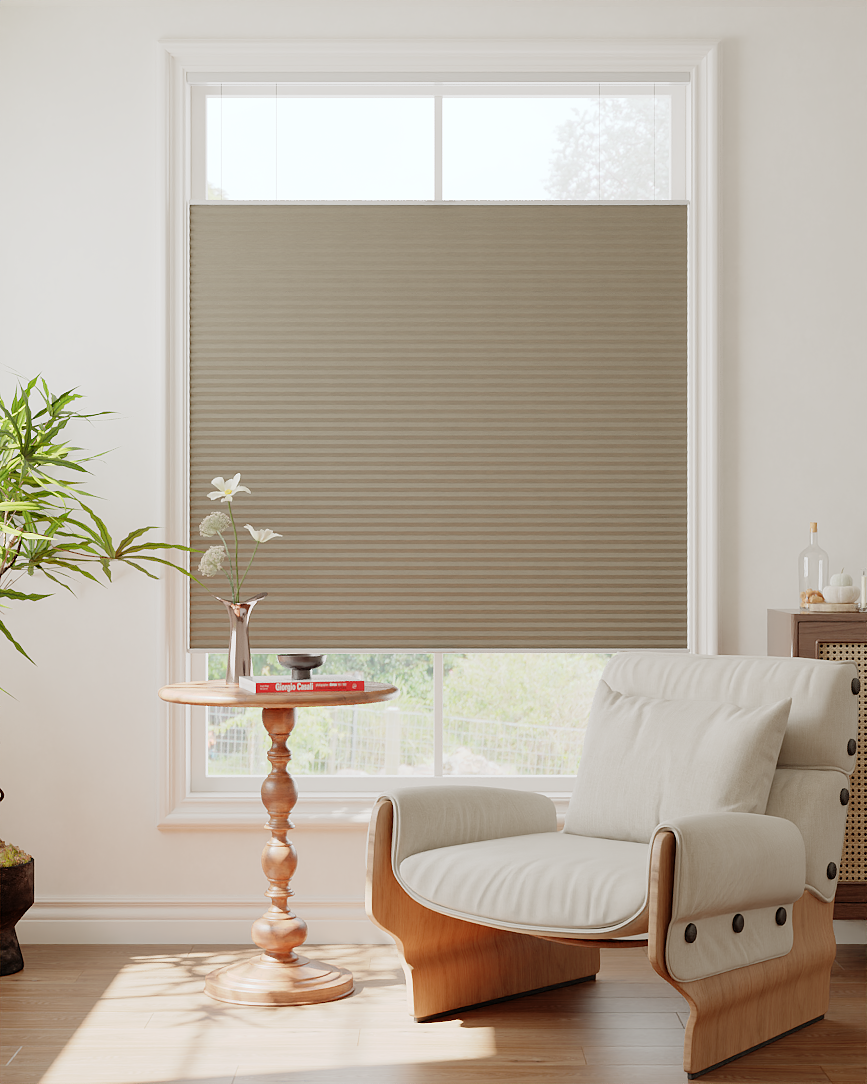
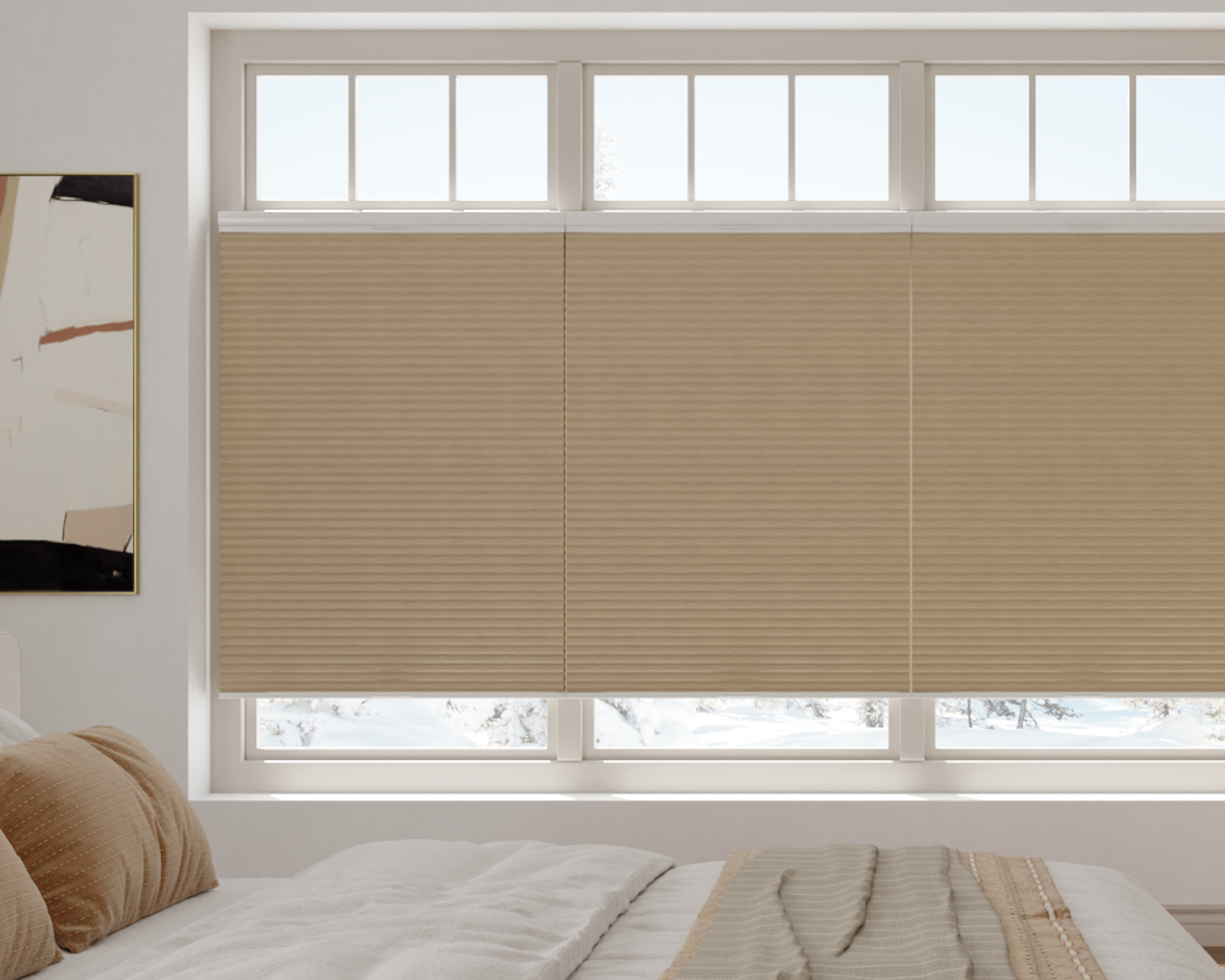







Yes, specifically designed blackout cellular shades can block enough light to create a dark, sleep-conducive environment for shift workers. However, achieving true daytime darkness depends on selecting the correct "blackout" grade product (not just "room-darkening") and ensuring a meticulous installation that addresses all potential light leaks around the shade's edges. This guide details the exact specifications, installation methods, and complementary techniques to transform any bedroom into a day-and-night sleep sanctuary.
Here’s what you’ll learn to secure the darkness you need:
-
The Technology of Darkness: How true blackout cellular shades are constructed with opaque fabrics and proprietary linings to block 99.5%+ of light.
-
Installation is Everything: Why the mounting method (inside vs. outside) is critical and how to seal perimeter light gaps that can ruin blackout effectiveness.
-
Beyond the Shade: Complementary solutions like blackout drapes, light-sealing tapes, and grommets that can achieve near-total blackout when paired with cellular shades.
-
Material & Feature Choices: The benefits of double-cell construction for temperature and noise control, enhancing overall sleep quality.
-
Practical Shift-Worker Tips: How to integrate motorized operation and create a holistic pre-sleep routine in a light-filled world.
For shift workers, the product choice is non-negotiable. You must explore our range of engineered blackout cellular shades designed specifically for maximum light blockage.
The Anatomy of a True Blackout Cellular Shade
Not all "dark" shades are equal. Understanding product specifications is the first step to defeating daytime light.
-
Blackout vs. Room-Darkening: This is the critical distinction. Room-darkening shades significantly dim a room but may still allow 5-15% of light transmission, which can be glaringly bright at noon. True blackout shades use a dense, opaque fabric combined with an internal liner (often a white or grey backing) to block 99.5% to 100% of visible light. Always verify the product's "light opacity" rating before purchasing.
-
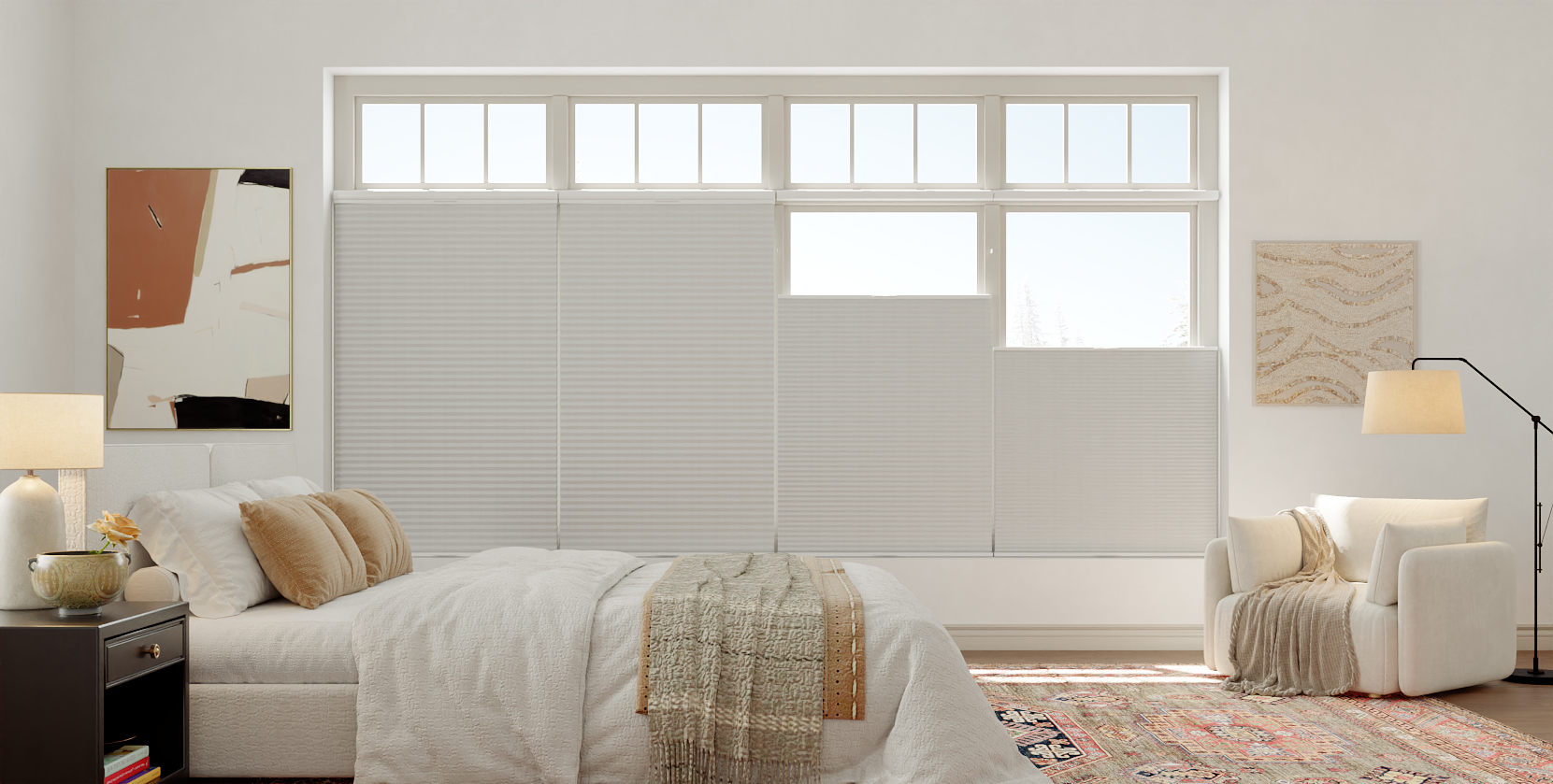
Material and Construction: Blackout cellular shades often feature a foam-backed or laminated fabric. The honeycomb structure itself adds depth, helping to trap and dissipate light that might sneak through microscopic fabric weaves. For the deepest analysis, our comparison of room-darkening vs. blackout shades in real-world use is essential reading.
The Critical Role of Installation: Stopping Light Leakage
A perfect blackout shade can fail due to poor installation. Light seeks the path of least resistance—the gaps around the shade's perimeter.
Mounting Method: Inside vs. Outside
-
Outside Mount (Highly Recommended for Shift Workers): Installing the shade on the wall above and overlapping the window frame is the single most effective way to prevent light leakage. By extending the shade 3-4 inches beyond the window on all sides, you create a "light block" that covers the frame and seals edges more effectively.
-
Inside Mount: Mounting within the window recess looks clean but inherently allows for small light gaps on the sides (as the shade must be slightly smaller than the opening to operate). This method requires extra perimeter sealing to be effective for shift work.
Sealing the Gaps: A Tactical Approach
Use this table to identify and seal common leakage points:
| Light Gap Source | Solution for Shift Workers |
|---|---|
| Sides of Shade (Inside Mount) | Apply blackout side channels or "light blockers"—adhesive U-shaped tracks that guide the shade and seal the sides. |
| Top of Shade | For outside mounts, ensure the headrail is flush to the wall. For inside mounts, use a top-mounted valance or foam tape along the top inside the frame. |
| Bottom of Shade | Ensure the shade hemrail touches or gently rests against the windowsill or wall. A bottom rail seal (attached fabric flap) or a weighted magnetic drapery channel can seal this gap. |
| Between Shade & Wall | On outside mounts, use a headrail cover or valance that projects forward to close the gap between the rail and the wall. |
A flawless installation starts with flawless measurements. Follow our precise guide on how to measure windows for cellular shades, adding extra overlap for an outside mount.
Complementary Blackout Strategies
For shift workers in exceptionally bright environments or with problematic windows, a layered defense is best.
-
Layering with Blackout Drapery: Install a blackout curtain rod above your cellular shades and add blackout-lined drapes. Closed over the shades, this creates a second, heavy barrier that eliminates perimeter leaks and adds mass for sound insulation.
-
Light-Sealing Tapes and Grommets: For persistent cracks around the window frame itself (not the shade), use removable blackout tape or adhesive foam weatherstripping.
-
Environmental Control: Don't forget electronic devices. Cover LED lights from alarms, routers, or chargers with black electrical tape and use an eye mask for an absolute final layer.
Additional Benefits for Shift Worker Sleep
Blackout cellular shades offer more than just darkness—they enhance other sleep-critical factors.
-
Temperature Regulation: The insulating honeycomb cells help maintain a consistent room temperature, preventing daytime heat gain that can disrupt sleep. This is a key comfort factor, detailed in our article on how cellular shades improve home comfort.
-
Noise Reduction: The fabric cells absorb sound, dampening daytime noises like traffic, lawn care, and general neighborhood activity, contributing to a quieter sleep environment.
-
Convenience & Safety: Motorized blackout cellular shades are the ultimate shift-worker upgrade. Program them to close automatically 30 minutes before your bedtime, ensuring a perfectly dark room without you needing to get up, which is especially helpful after a night shift. You can control them via a remote or smartphone app without letting in a sliver of light.
A Shift Worker's Action Plan for Daylight Darkness
-
Product Selection: Order true blackout (not room-darkening), double-cell cellular shades for maximum light blockage and insulation.
-
Installation Planning: Choose an outside mount for best results. If an inside mount is necessary, order light-blocking side channels with your shades.
-
Professional Installation (Consider): For absolute perfection, especially on complex windows, professional installers can ensure a seamless, gap-free fit.
-
Create a Routine: Integrate your shades into a pre-sleep ritual. Lowering them signals to your body that it's time to wind down, even at 9 AM.
Conclusion
For shift workers, the question isn't just whether cellular shades block light, but how to engineer a complete system that achieves near-total darkness. True blackout cellular shades, when correctly selected and installed with an outside mount and attention to perimeter sealing, provide a formidable primary barrier against daylight. When combined with complementary strategies like blackout drapes and light-sealing techniques, they can create a sleep environment dark enough for even the most light-sensitive day sleeper. The investment delivers not just darkness, but also temperature stability and noise reduction—creating a holistic sanctuary for restorative sleep against the clock.
Key Highlights
-
Specification is key: Only "true blackout" graded cellular shades with opaque fabrics and liners are suitable for shift work.
-
Installation dictates success: An outside mount that overlaps the window frame is the most reliable method to prevent light leakage at the edges.
-
Layering is powerful: Pairing blackout cellular shades with blackout drapes addresses both shade perimeter leaks and ambient room light.
-
Motorization adds perfection: Programmable motorized shades ensure a consistent, convenient blackout environment without manual intervention during your sleep window.
-
Address all gaps: Use side channels, top valances, and bottom seals to transform a great blackout shade into a flawless light-blocking system.
With careful planning and execution, cellular shades can absolutely be the cornerstone of a dark, quiet, and comfortable sleep environment for shift workers.
Explore Custom Cellular Shades


Frequently Asked Questions (FAQ)
What's the actual difference in light blockage between "room-darkening" and "blackout" cellular shades?
The difference is measurable and significant for a shift worker. Room-darkening shades typically block 85-95% of light, enough to dim a room noticeably but often still allowing a glow or silhouette of bright windows. True blackout shades are engineered to block 99.5% to 100% of visible light. In a bright room, the difference is between a "very dim room" and "near-total darkness." Always check the product's technical specifications for its "light opacity" percentage.
I have horizontal blinds already. Can I just add blackout cellular shades over them?
Yes, this is a very effective dual-layer strategy. The existing blinds (closed) will help break up and deflect direct light, while the outside-mounted blackout cellular shades over them will provide the primary opaque barrier and seal the perimeter. This combination can be more effective than either treatment alone and is a practical retrofit solution.
Will blackout cellular shades make my bedroom hot during the day?
They will actually help keep it cooler. Blackout fabrics reflect and absorb solar radiant heat, preventing it from entering through the window. The honeycomb insulation further reduces heat transfer. While the room may be dark, it should not be hotter than if the shades were open; in fact, it will often be significantly cooler, which is beneficial for daytime sleep. The insulating properties are a major bonus, as explained in our guide to energy savings with cellular shades.
How do I clean blackout cellular shades without damaging the special lining?
The cleaning rule is gentle and dry-first. The blackout lining can be delicate. Use the soft brush attachment of your vacuum for regular dusting. For spot cleaning, use a microfiber cloth slightly dampened with water or a mild detergent solution, blot (never rub) the front fabric only, and avoid saturating the material. Never immerse them or use harsh chemicals. Our full guide on cleaning cellular shades without damage covers safe methods.
My windows are an unusual shape (arch, circle). Can I get effective blackout cellular shades?
Yes, but it requires a custom solution and expert installation. Custom manufacturers can create blackout cellular shades for arches, circles, and other shapes. The key challenge is sealing the unique perimeter, which may involve fixed (non-operational) shades or specialized tracks. Professional consultation and installation are highly recommended for these complex projects to ensure the blackout integrity is maintained.
