
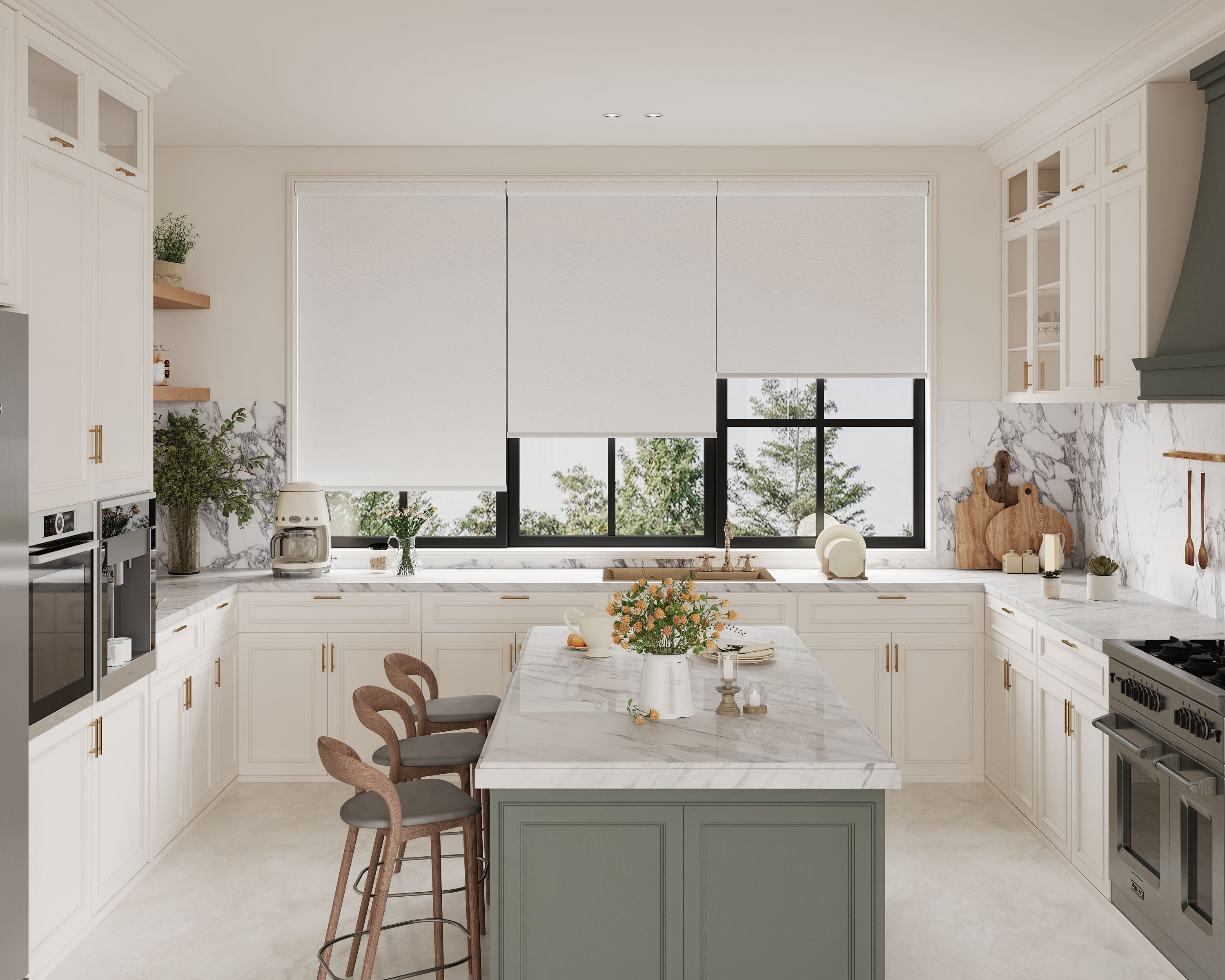
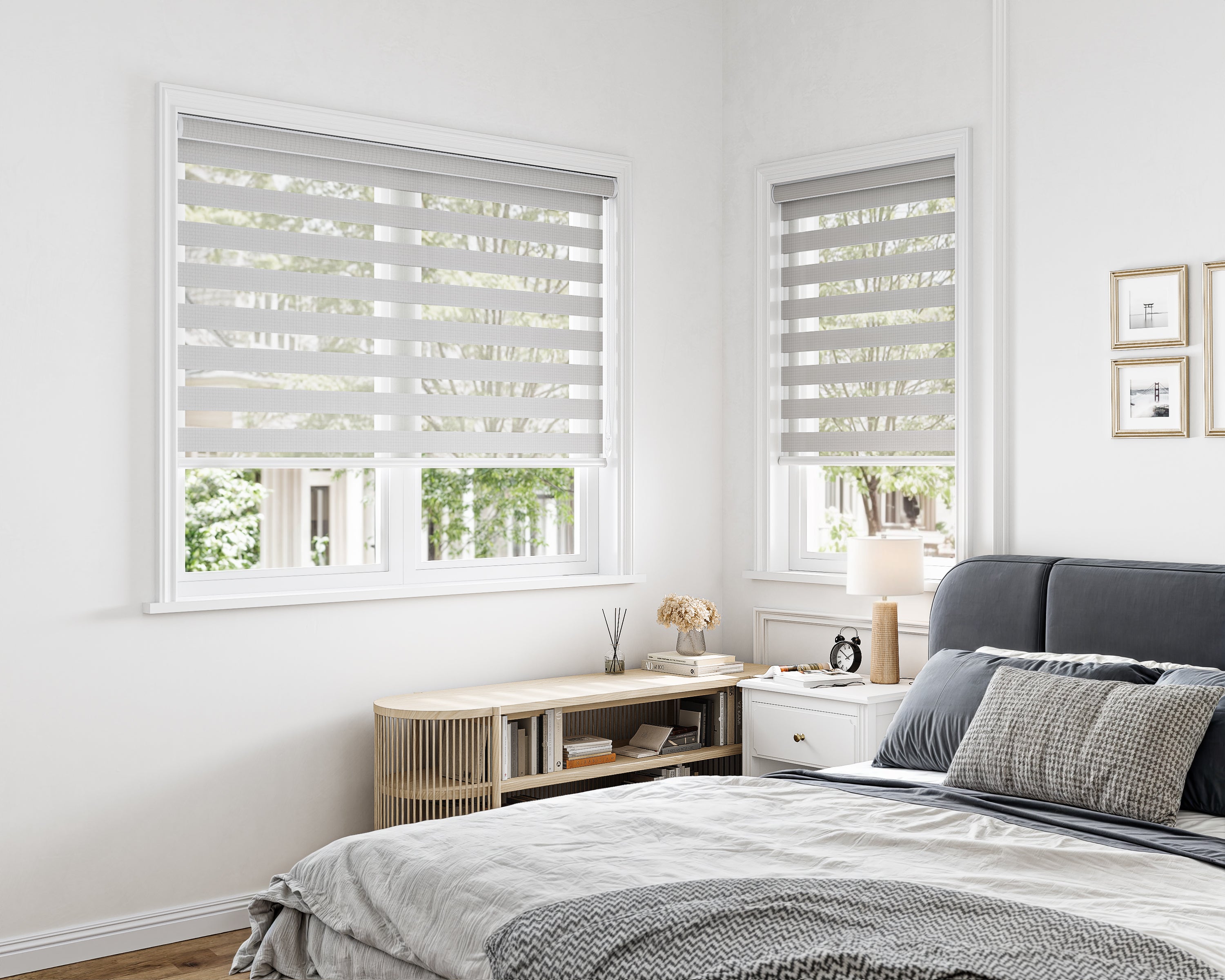
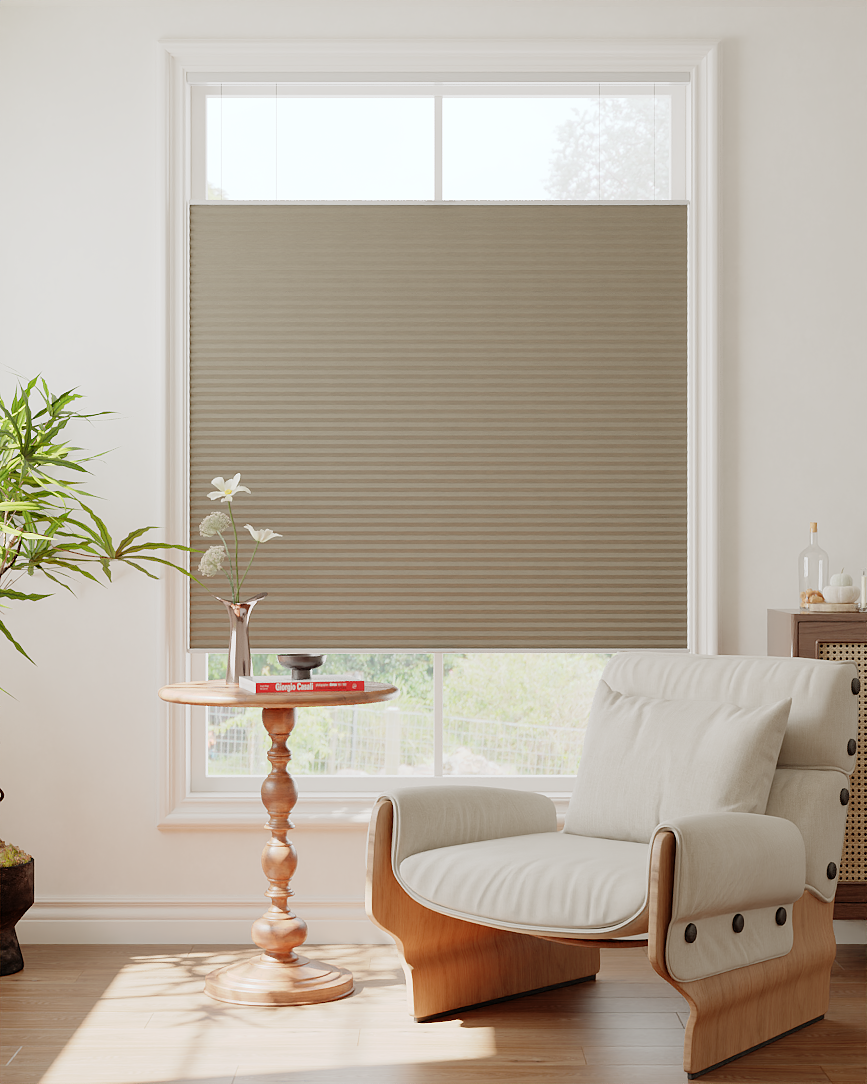
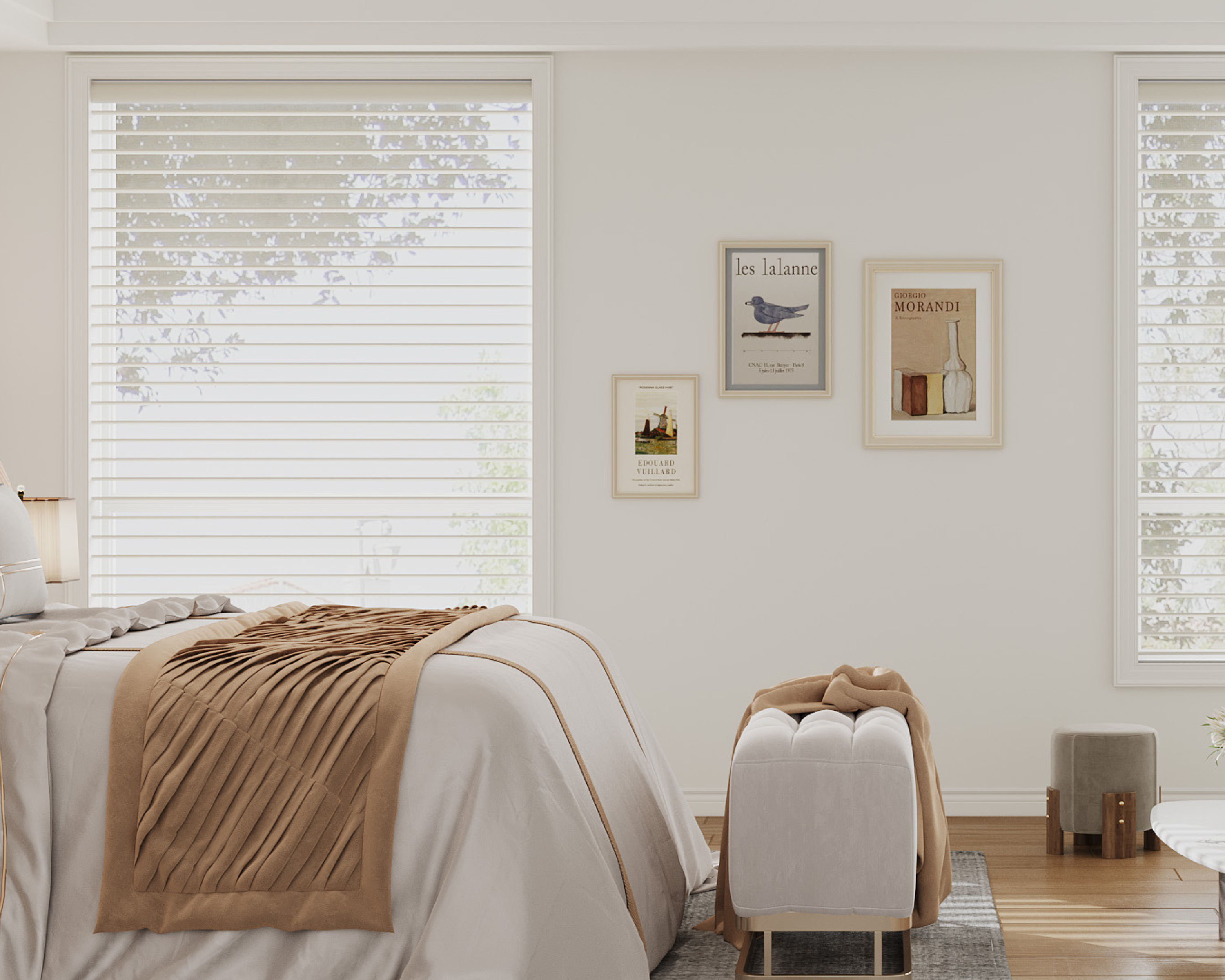







Cellular shades, often called honeycomb shades, improve home comfort by acting as a dynamic insulating layer at your windows. They directly enhance comfort by regulating indoor temperature, managing light and glare, reducing outside noise, and increasing overall privacy. This guide will explain the science behind these benefits and how they translate into a more pleasant living environment year-round.
Here’s what you’ll learn:
-
The science of insulation: How the unique honeycomb structure creates a thermal barrier to keep heat in during winter and out during summer.
-
Beyond temperature: How cellular shades give you superior control over light, glare, and UV exposure to protect your furnishings and create the perfect ambiance.
-
Additional comfort perks: Their role in dampening external noise and providing consistent privacy.
-
Practical application: A room-by-room guide to maximizing comfort and a breakdown of key features like cell size and light opacity.
-
Cost vs. value: Understanding the long-term comfort and energy-saving benefits that justify the investment.
To explore the design options and technical specifications for these versatile window treatments, you can view our comprehensive range of cellular honeycomb shades.
The Science of Insulation: How Cellular Shades Regulate Temperature
The core of a cellular shade's comfort benefit lies in its engineered design. Unlike flat roller shades or traditional blinds, cellular shades are constructed with a series of hollow, honeycomb-shaped cells. When the shade is lowered, these cells trap a layer of still air, creating a powerful insulating barrier between your window glass and your room's interior.
This barrier significantly reduces heat transfer through conduction and convection. In the winter, warmth from your heating system is prevented from escaping through cold window glass. Conversely, in the summer, the insulating layer blocks radiant heat from the sun from entering your home. This dual-action effect stabilizes room temperatures, eliminating cold drafts near windows in winter and hot spots in summer. For a deeper dive into the physics behind this, our article on the thermal math behind single vs. double-cell shades explains how extra air pockets enhance performance.
Understanding Cell Construction: Single, Double, and Triple Layers
The level of insulation can be precisely tailored by the shade's construction, which directly impacts its R-value (a measure of thermal resistance).
-
Single-Cell: Offers basic insulation and a sleeker profile. This construction is suitable for mild climates, rooms with minimal temperature issues, or where a very slim look is desired.
-
Double-Cell: Features two stacked layers of cells, providing superior insulation and is the most popular choice for significant energy savings and comfort in most climates. The double layer significantly increases the R-value, creating a more robust thermal break.
-
Triple-Cell: Provides the highest level of thermal insulation for extreme climates, very large windows, or for homeowners seeking the absolute maximum in energy efficiency and comfort. While offering the highest R-value, they also have a thicker profile when stacked at the top of the window.
Enhanced Light Control and Glare Reduction
Comfort is visual as well as thermal. Cellular shades offer exceptional, nuanced control over sunlight, which directly impacts eye strain, screen glare, and the overall mood of a room. Unlike simple on/off solutions like some shutters or solid blinds, they allow for graduated management of natural light through material choice and opacity.
The materials and opacities available let you filter harsh, direct sunlight into a soft, diffused glow. This eliminates frustrating glare on televisions and computer screens—a major comfort boost for home offices and living rooms—while still bathing the space in healthy natural light. By diffusing direct sunlight, these shades also protect your furniture, flooring, and artwork from damaging UV rays that cause fading and material degradation over time. Understanding the lab-tested differences between room-darkening and blackout cellular shades is key to choosing the right level of light control for spaces like bedrooms where sleep quality is paramount.
Choosing the Right Opacity for Your Needs
Your choice of fabric opacity determines your precise control over light and privacy, allowing you to customize comfort for each room's purpose.
-
Sheer/Filtering: Allows soft, diffused light to enter while maintaining outside views and a bright interior. Ideal for living rooms, dining rooms, and kitchens where ambiance and connection to the outdoors are desired.
-
Room-Darkening: Blocks a significant majority of light for enhanced privacy and reduced glare, suitable for living areas, media rooms, and bedrooms where daytime naps occur. It creates a noticeable dimming effect without complete darkness.
-
Blackout: Completely blocks incoming light using opaque fabrics and often a proprietary lining system. This is ideal for bedrooms (especially for shift workers or young children), home theaters, and any space where controlling light is critical for sleep or screen visibility.
Noise Dampening and Improved Privacy
The comfort of a quiet, private sanctuary is often overlooked. The textured, multi-layered fabric of cellular shades absorbs sound waves rather than reflecting them like hard window treatments (wood blinds, shutters) or bare glass. This acoustic damping effect can noticeably reduce the intrusion of mid-to-high-frequency external noises such as traffic, lawnmowers, or neighborhood activity, creating a more serene and peaceful indoor environment.
Privacy is another critical, non-negotiable comfort factor. Cellular shades provide a consistent, uniform barrier when lowered. Unlike blinds with slats that can leave viewable gaps even when "closed," a fully lowered cellular shade ensures complete visual privacy from the outside world. This consistent coverage makes you feel more secure, relaxed, and in control within your home. For rooms with specific architectural challenges, such as shallow frames common in modern builds, it's important to understand cellular shade depth requirements for a perfect and functional fit.
Practical Application: A Room-by-Room Comfort Guide
To maximize comfort, tailor your cellular shade choice to each room's specific function and challenges. The following table provides actionable guidance for common spaces in the home.
| Room | Primary Comfort Goal | Recommended Shade Features | Why It Works |
|---|---|---|---|
| Bedroom | Uninterrupted sleep, darkness, privacy | Blackout double-cell, top-down/bottom-up option | Blocks all light for better sleep; top-down function allows for fresh air and light with privacy. |
| Home Office | Glare reduction, temperature stability, focus | Light filtering double-cell, cordless or motorized | Eliminates screen glare and insulates against sun-induced heat, aiding concentration and reducing HVAC strain. |
| Living Room | Glare management, ambiance, UV protection | Room-darkening or filtering, double-cell | Reduces TV glare, protects furniture from sun damage, and helps maintain even comfort for gathering. |
| Nursery | Safe, dark, quiet, and temperature-stable environment | Blackout double-cell, cordless lift | Promotes sleep, dampens outside noise, insulates, and eliminates hazardous cords for complete safety. |
| Sunroom / South-Facing Room | Blocking solar heat gain, reducing glare | Solar reflective fabric, double-cell | Specialized fabric reflects a high percentage of solar heat, preventing the room from becoming unusably hot. |
Key Features That Maximize Comfort
Several advanced design choices directly amplify the comfort performance of your cellular shades, moving them from passive coverings to active comfort systems.
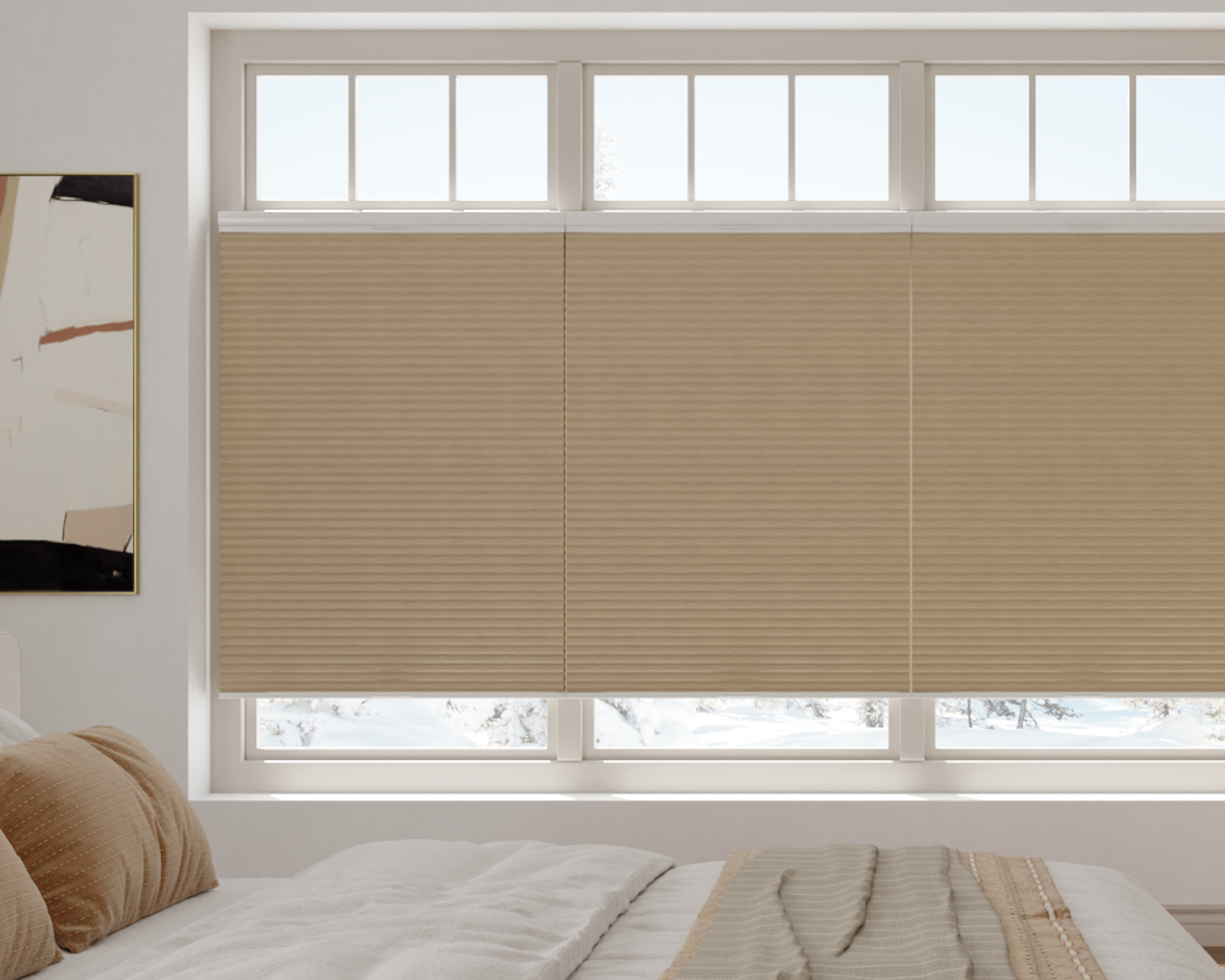
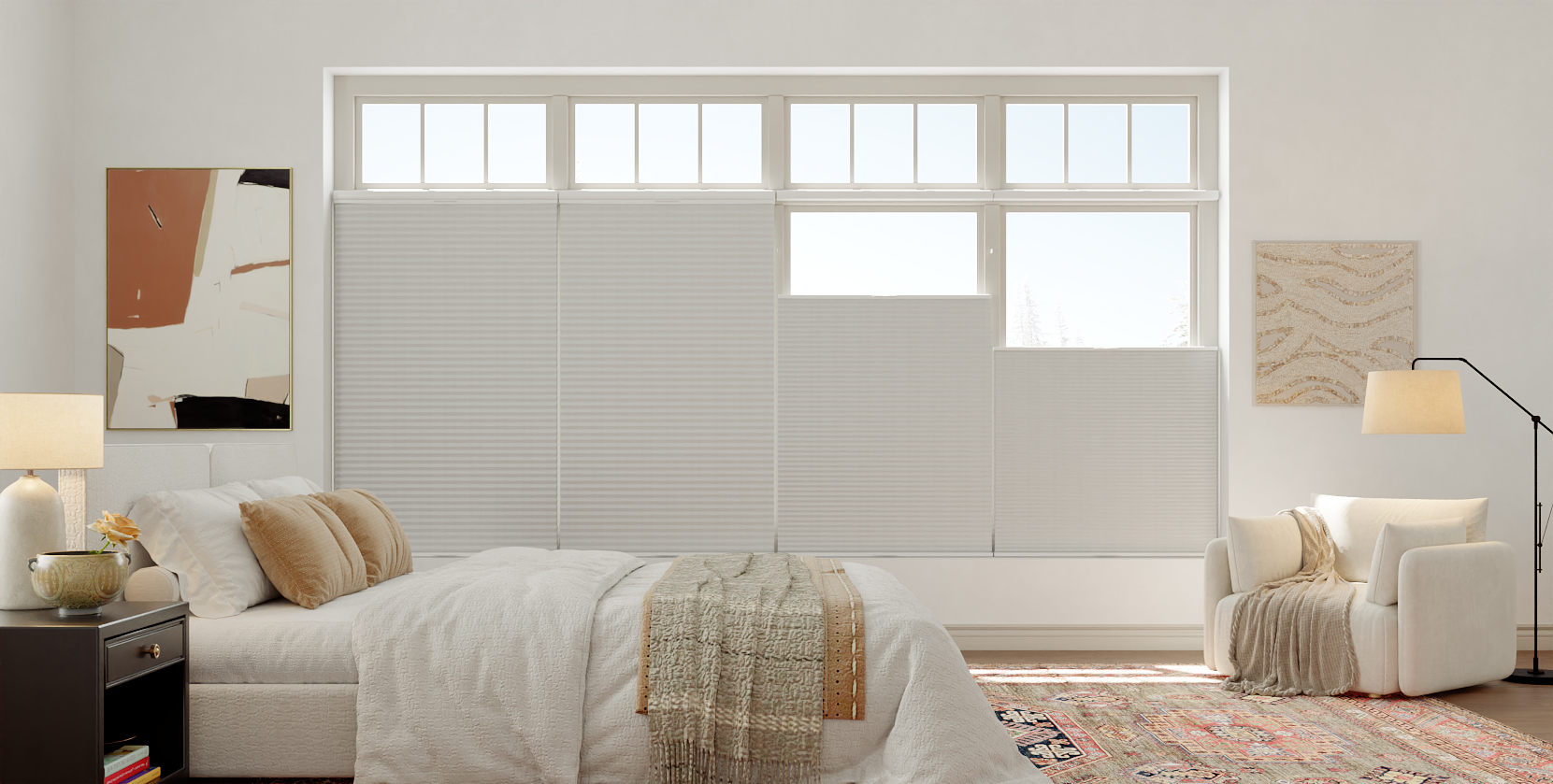
Top-Down/Bottom-Up Functionality: This premium feature is a significant upgrade for both comfort and privacy. It allows you to lower the shade from the top, filling a room with natural light from the upper part of the window while maintaining privacy at eye level. This is perfect for spaces like ground-floor living rooms or bathrooms where you want sunlight and fresh air but not exposure.
Cordless and Motorized Operation: Physical comfort is also about effortless ease of use. Cordless cellular shades, operated with a simple push or pull on the bottom rail, offer a clean, safe look and are ideal for homes with children or pets. Motorized cellular shades elevate convenience and automated comfort to the highest level. They allow you to adjust all your shades with a remote, smartphone app, or voice command via systems like Alexa or Google Home. More importantly, they can be integrated into daily schedules or smart home scenes (like "Good Morning" or "Movie Night") for truly automated comfort management. When considering automation, it's helpful to weigh the long-term pros and cons of different power sources, as discussed in our guide to battery-powered vs. hard-wired motors for smart shades.
Cost vs. Comfort Value: Understanding the Investment
While cellular shades may have a higher initial cost than some basic window coverings, their value is realized through sustained, multi-faceted home comfort and long-term energy savings. The insulation properties can lead to measurable reductions in heating and cooling costs, paying back a portion of the investment over time. The precise payback period depends on your local climate, window efficiency, home orientation, and shade specifications.
Furthermore, the enhanced comfort—better sleep quality, reduced eye strain, more consistent temperatures, and greater acoustic privacy—adds daily, intangible value that isn't reflected on a utility bill but profoundly impacts your quality of life at home. This makes them a functional investment in your well-being. You can learn more about quantifying the financial benefit in our analysis of the energy savings payback for insulating cellular shades.
Conclusion
Cellular shades improve home comfort through a comprehensive, engineering-backed approach that addresses the core environmental factors within a living space. They are performance-oriented solutions for thermal insulation, intelligent light management, noise reduction, and guaranteed privacy. By creating a more stable, pleasant, and controllable indoor environment, they directly contribute to daily well-being and can generate tangible energy savings, making them a smart investment for a comfortable home.
Key Highlights
-
The honeycomb structure is fundamental, creating an insulating air barrier that actively stabilizes indoor temperatures year-round, combating both cold drafts and solar heat gain.
-
They provide superior, customizable control over light and glare, enhancing visual comfort, protecting interiors from UV damage, and allowing you to set the perfect mood in any room.
-
The fabric construction helps dampen external noise for a quieter interior, and, when lowered, ensures complete visual privacy without gaps.
-
Selecting the right opacity, cell size, and features like top-down operation or motorization allows for precise comfort customization in every room of your house.
-
The investment is justified by long-term energy savings on heating and cooling bills and, just as importantly, by the daily value of a more comfortable, peaceful, and controlled living environment.
Choosing cellular shades is a decision to invest in the fundamental comfort, efficiency, and enjoyment of your home.
Explore Custom Cellular Shades


Frequently Asked Questions (FAQ)
How much can cellular shades actually lower my energy bills?
The savings vary based on climate, window quality, shade specifications (like double-cell construction), and home orientation. Studies and homeowner reports indicate that properly installed cellular shades can reduce heat loss through windows in winter by up to 40% and solar heat gain in summer by up to 60%. This often translates to a measurable reduction in HVAC runtime, potentially saving 5-15% on your annual heating and cooling bills. The south- and west-facing windows typically show the most dramatic savings.
Are cellular shades good for blocking noise?
Yes, cellular shades have notable sound-dampening qualities. The porous, textured fabric and the honeycomb cell structure help to absorb, break up, and slow down sound waves, reducing the transmission of medium and high-frequency noises like traffic, dogs barking, or general street noise. While they won't block low-frequency sounds like a subwoofer or heavy construction, they create a perceptibly quieter and more peaceful interior environment, which is a key component of home comfort.
What's the difference between light filtering, room-darkening, and blackout cellular shades?
The difference lies in the amount of visible light they transmit (measured as Openness Factor or opacity). Light filtering (or sheer) shades typically allow 5-15% of light to pass through, creating a soft, diffused glow while obscuring clear views. Room-darkening shades block a majority of light (allowing only 1-5% through), creating a significant dimming effect suitable for daytime privacy and media rooms. Blackout shades use a dense, opaque fabric and often a proprietary liner system to block 99.5% to 100% of incoming light, making them essential for creating true darkness.
Can I install cellular shades on unusually shaped windows like arches or skylights?
Yes, custom-made cellular shades can be fabricated for a wide variety of specialty shapes, including arches, circles, triangles, trapezoids, and skylights. These require precise professional measurement and specialized framing (often a straight top with a shaped bottom, or a dedicated track system) to ensure they operate correctly and maintain their insulating properties. For large, hard-to-reach, or complex installations like skylights, professional consultation and installation are highly recommended to ensure optimal performance and safety.
How do I clean and maintain cellular shades to ensure they last?
Regular, gentle maintenance is key. Use the brush attachment on your vacuum cleaner on a low setting to gently remove dust from the front and sides weekly or bi-weekly. For deeper cleaning, a low-moisture method is best: lightly dab at spots with a damp cloth (water or a mild, non-abrasive soap solution), then immediately blot dry. Avoid saturating the fabric, using harsh chemicals, steam cleaning, or abrasive brushes, as this can damage the cell structure. Periodically check the mechanism and lifting cords (if applicable) for smooth operation. Keeping them clean not only maintains their appearance but also ensures the cells can effectively trap air.
