
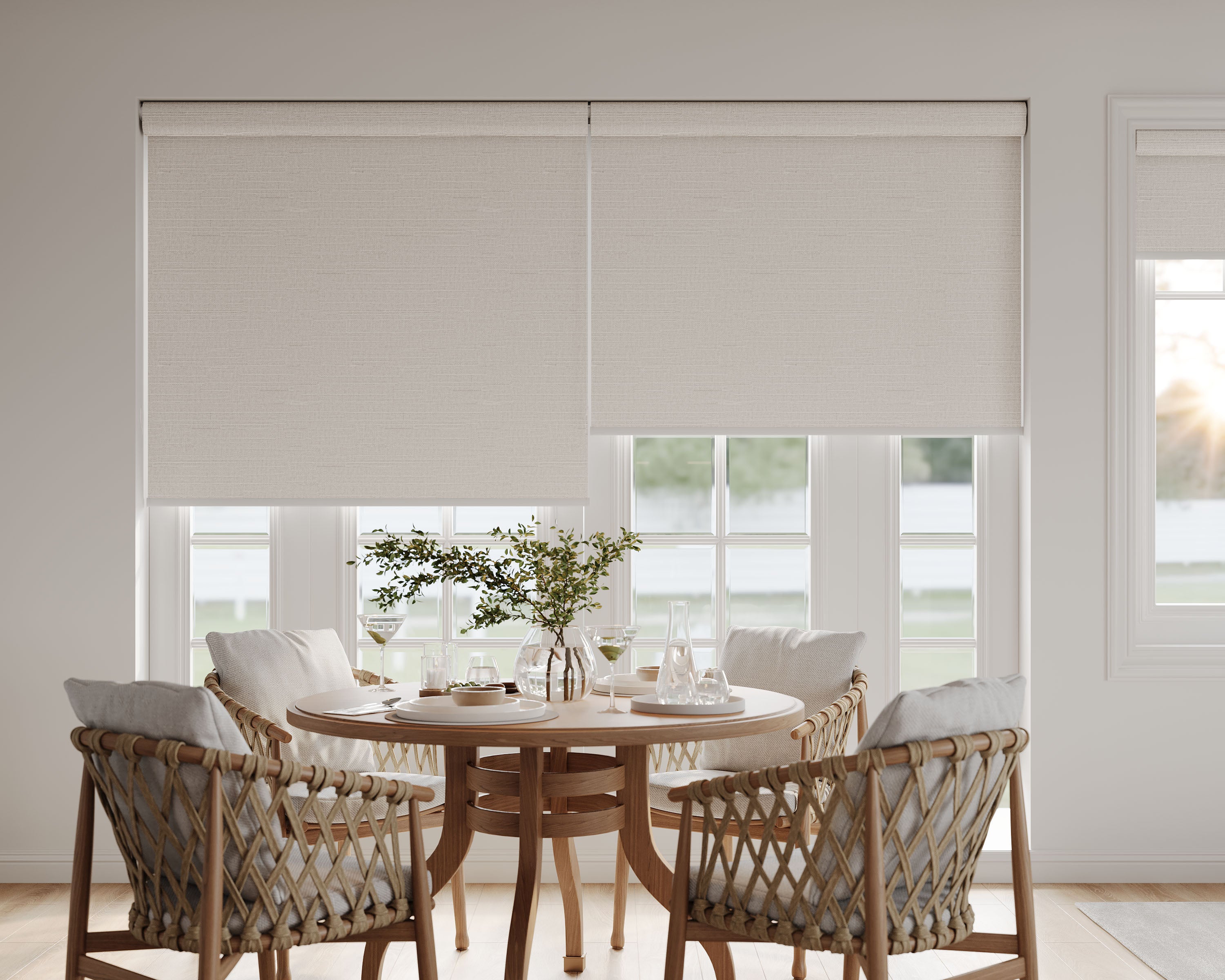




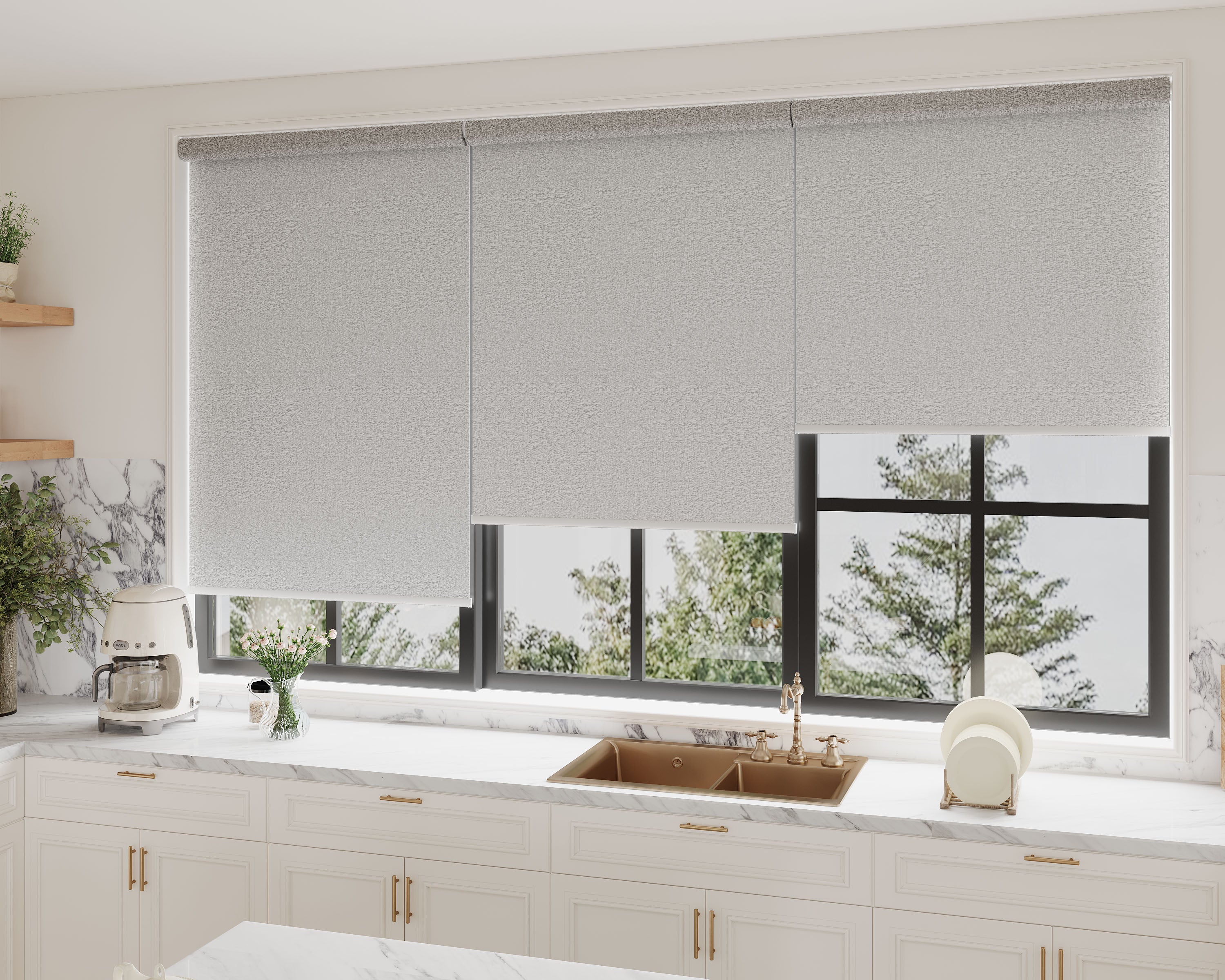

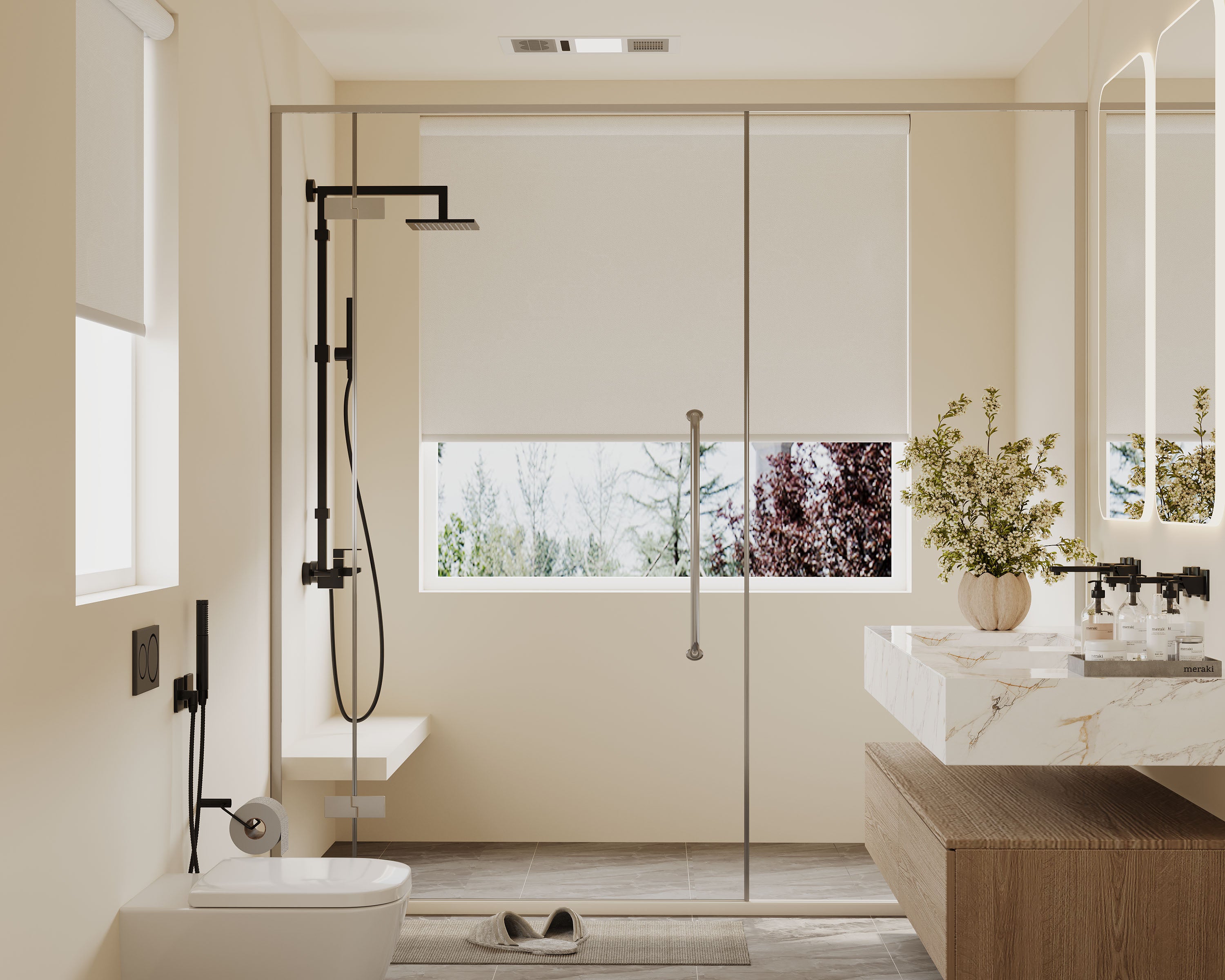


Honeycomb shades can be worth the investment when their combination of light control, cellular construction and available operation matches your room's needs. The value is specific to the product, installation and how you use it. It should not depend on a promised lifespan or a generic annual energy saving.
Compare custom cellular and honeycomb shades with a clear list of priorities. Decide whether the purchase is mainly about a darker bedroom, flexible privacy, convenient operation or documented thermal performance.
Start with the problem you want to solve
| Priority | Why cellular shades may be relevant | What to compare |
|---|---|---|
| Window-related thermal comfort | Cellular construction is an insulating attachment option | Actual performance information, fit and operating pattern |
| Bedroom light reduction | Opaque fabric options are available | Fabric opacity plus edge coverage |
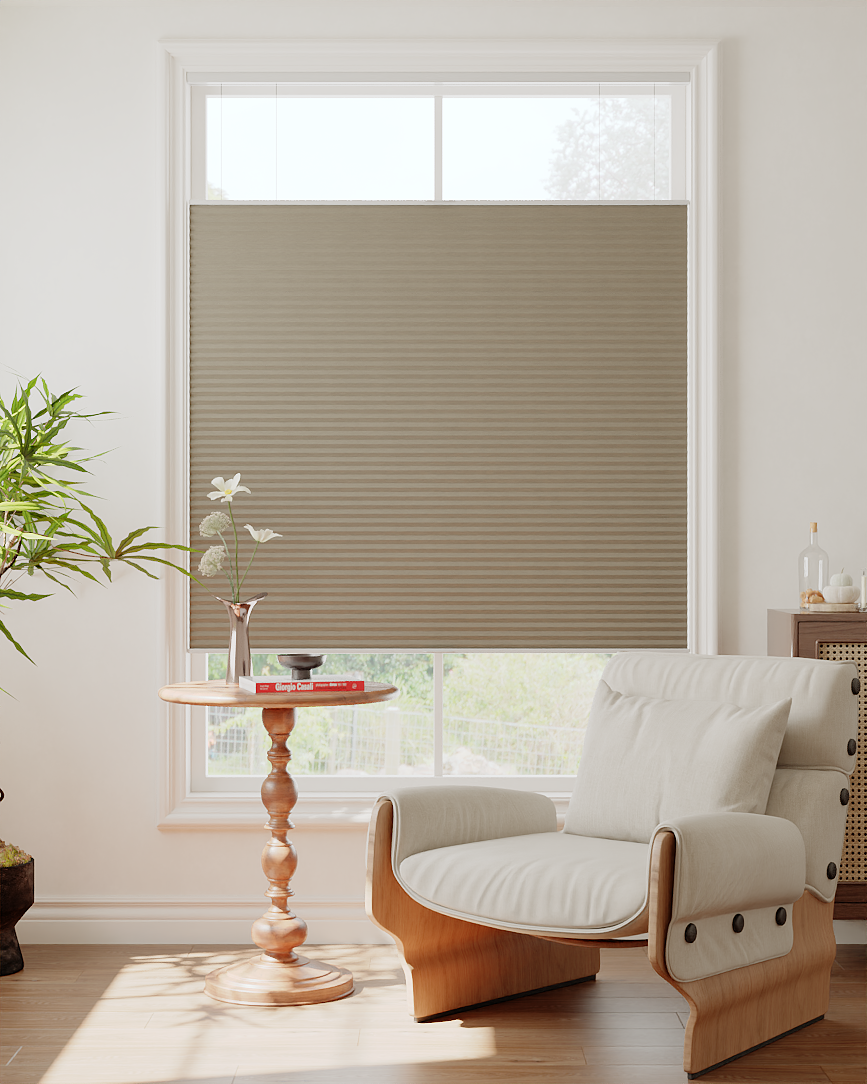
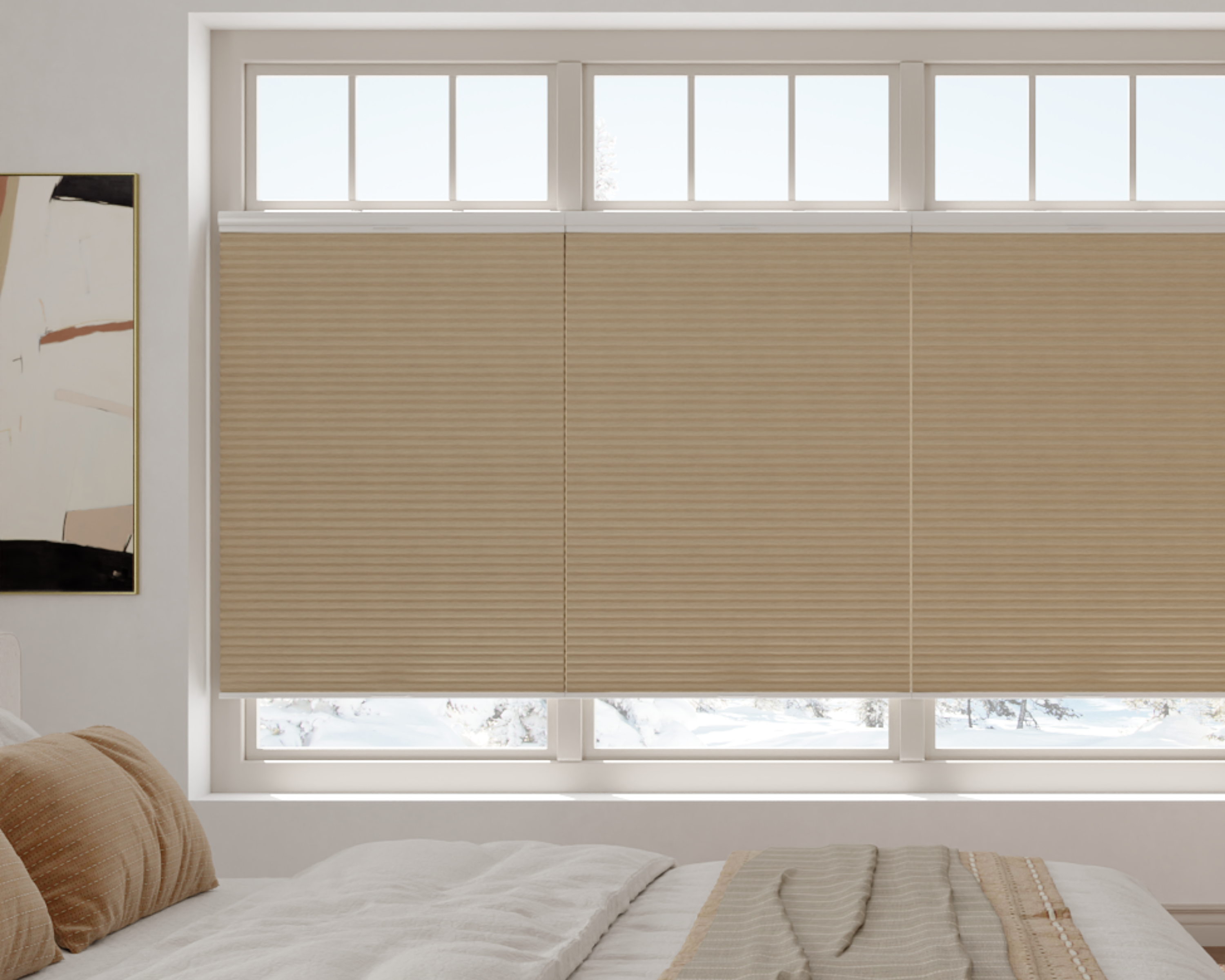
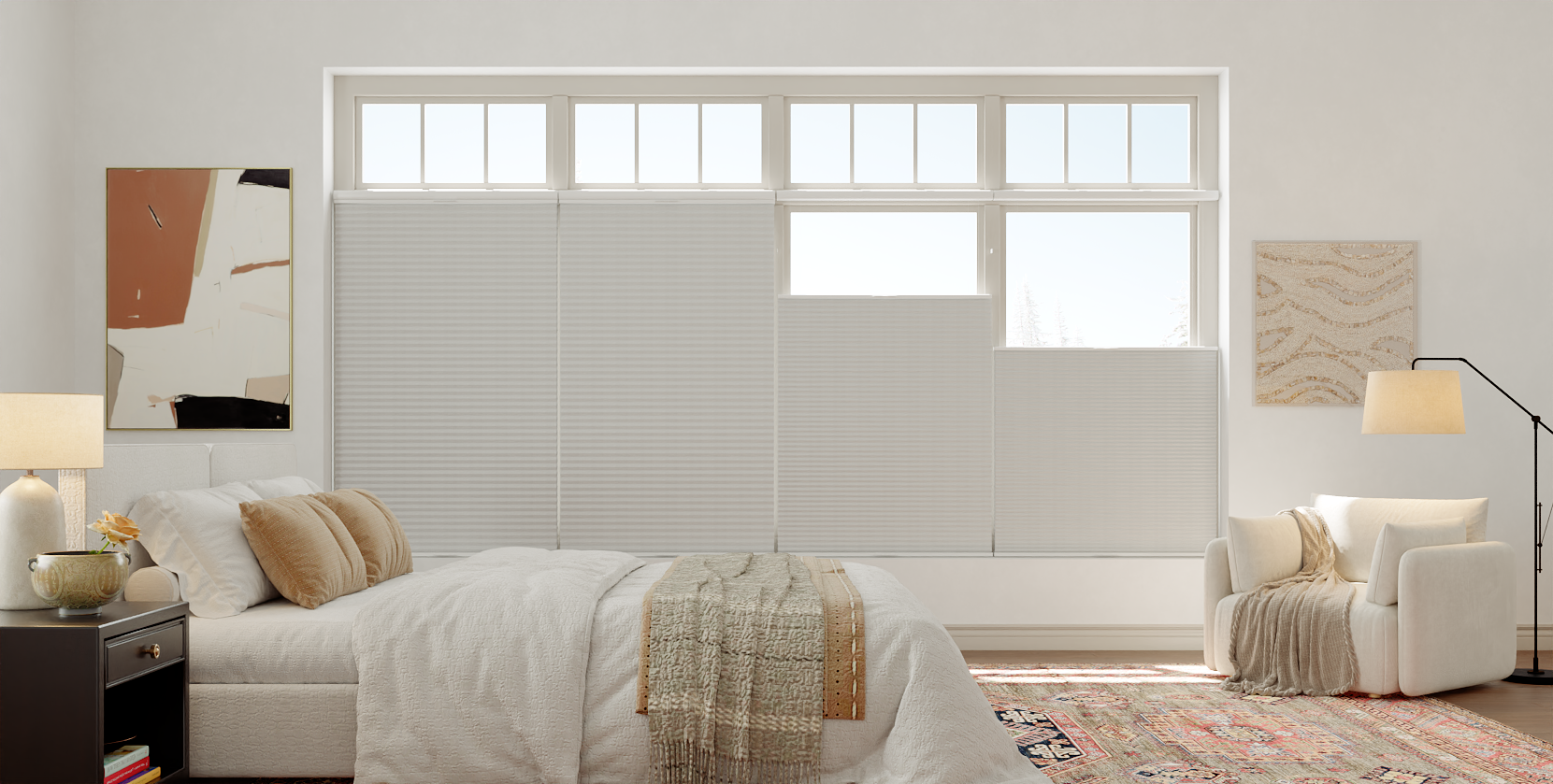
| Privacy with some uncovered glass | Top-down/bottom-up configurations offer flexible coverage | Actual rail movement and sightlines |
| Hard-to-reach operation | A supported motorized configuration may help | Power, controls and service access |
| Outside noise or an air leak | A fabric shade is not a substitute for building repairs | The window and building path causing the problem |
Insulating shades do not repair failed seals or air leakage in a window. Investigate those defects separately so a shade is not asked to do the job of a building repair.
Compare the complete price
Obtain a quote using the actual dimensions, opacity, cell construction and operating system. Include any separate controls, power equipment, shipping, applicable taxes and installation work. A small manual single-cell shade and a large motorized shade are different configurations, not reliable price tiers for every home.
Compare alternatives against the same room requirements. If a simpler blackout covering provides the only benefit you need, that may be a sensible choice. If you need both a specific operating feature and cellular performance, compare the complete cellular specification rather than just the entry price.
Made-to-order sizing can improve the fit of the selected layout, but it does not guarantee zero edge gaps or professional installation. Establish the measurement responsibilities and written service terms before ordering.
Evaluate energy value with relevant evidence
The Department of Energy's cellular-shade fact sheet describes insulating cellular shades as a window-attachment option. That does not establish one R-value or saving for every product. The window, climate, shade configuration, perimeter conditions and daily use affect the result.
Use the cellular energy-bill guide to organize the factors in your home. If comparing single and double cells, look at the actual products and their documented conditions. The single- versus double-cell thermal guide is a useful next step; cell count alone is not a universal performance ranking.
If you have a defensible annual saving estimate, simple payback is the relevant additional project cost divided by that annual saving. Without a supported saving estimate, a payback date is unknown. Compare low and high assumptions rather than treating one outcome as certain. The insulating-shade payback guide develops that calculation.
Count daily-use benefits separately
A shade can be worth buying even when you cannot quantify energy savings. You may value a particular light level, privacy arrangement or appearance every day. Identify that benefit clearly instead of assigning it a fictional dollar return.
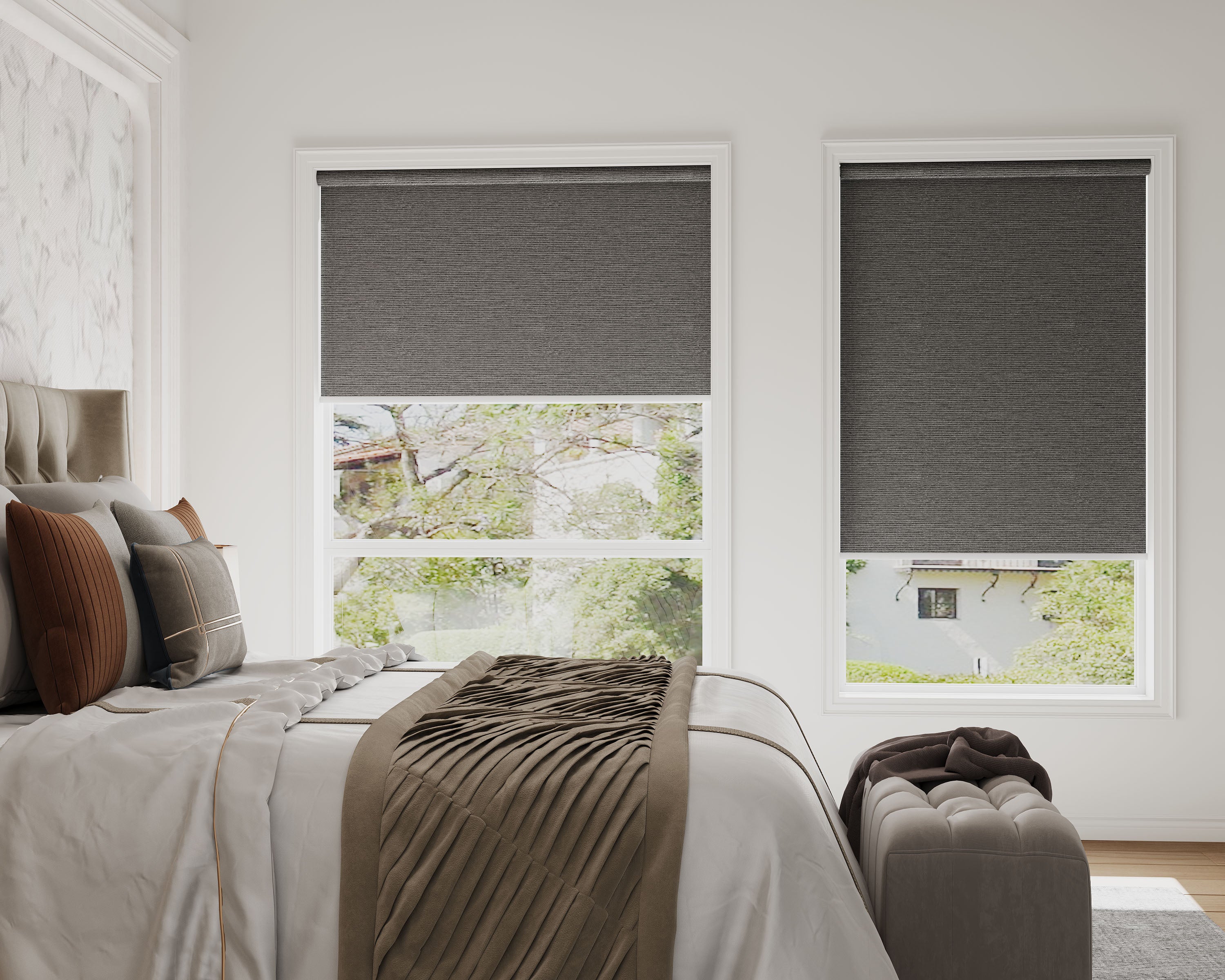
Compare cordless blackout cellular shades for reduced light through the fabric, motorized light-filtering cellular shades for their specified operating configuration, and light-filtering top-down/bottom-up shades for adjustable coverage. A lowered cellular fabric generally obscures the view; opening the top or bottom exposes glass rather than making the fabric transparent.
Check care, support and your time horizon
Read the chosen fabric's cleaning instructions and the mechanism's service requirements. There is no dependable service-life number shared by every cellular product. Moisture, sun, handling, construction and availability of parts can all affect ownership.
For a short stay, compare the full cost with a simpler covering that already meets your needs. For a longer project, consider whether the selected fabric, operation and maintenance remain suitable. Do not assume a resale increase or that transferring the shade to another window will be practical.
Bring those priorities to the cellular collection. The investment is justified when the actual configuration delivers benefits you want at a total cost you accept—not when a generic savings or replacement-cycle claim makes the decision for you.
