
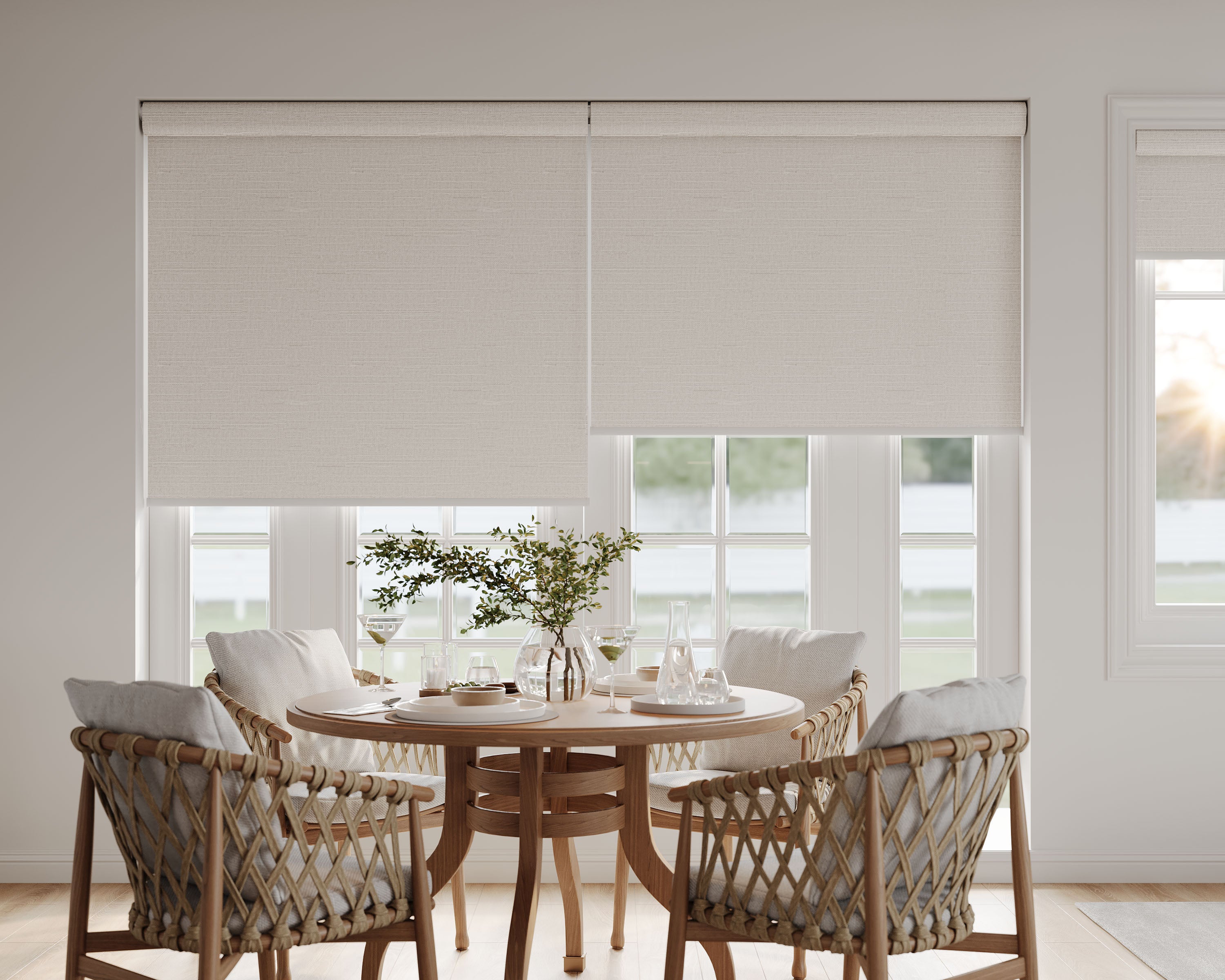


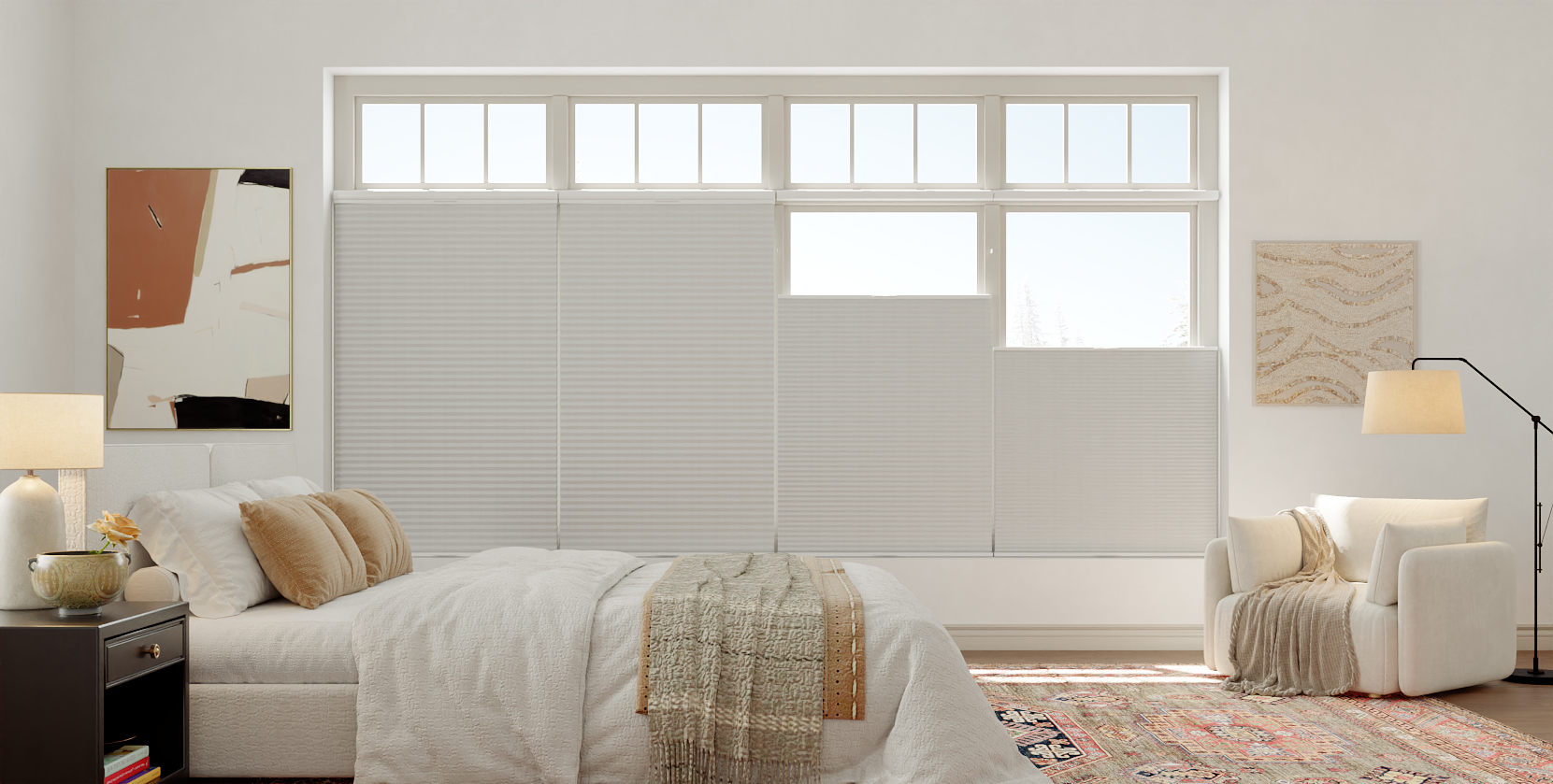


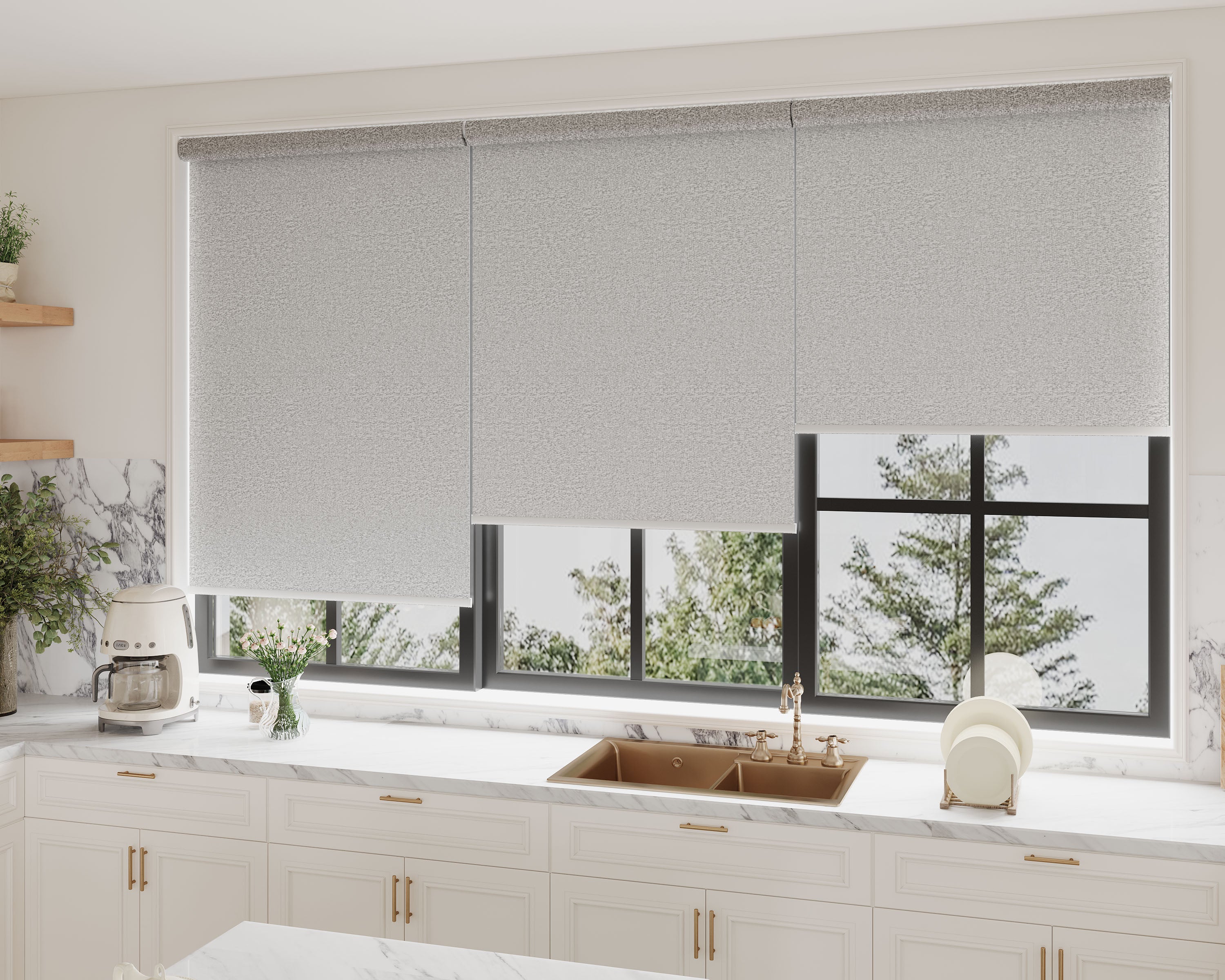

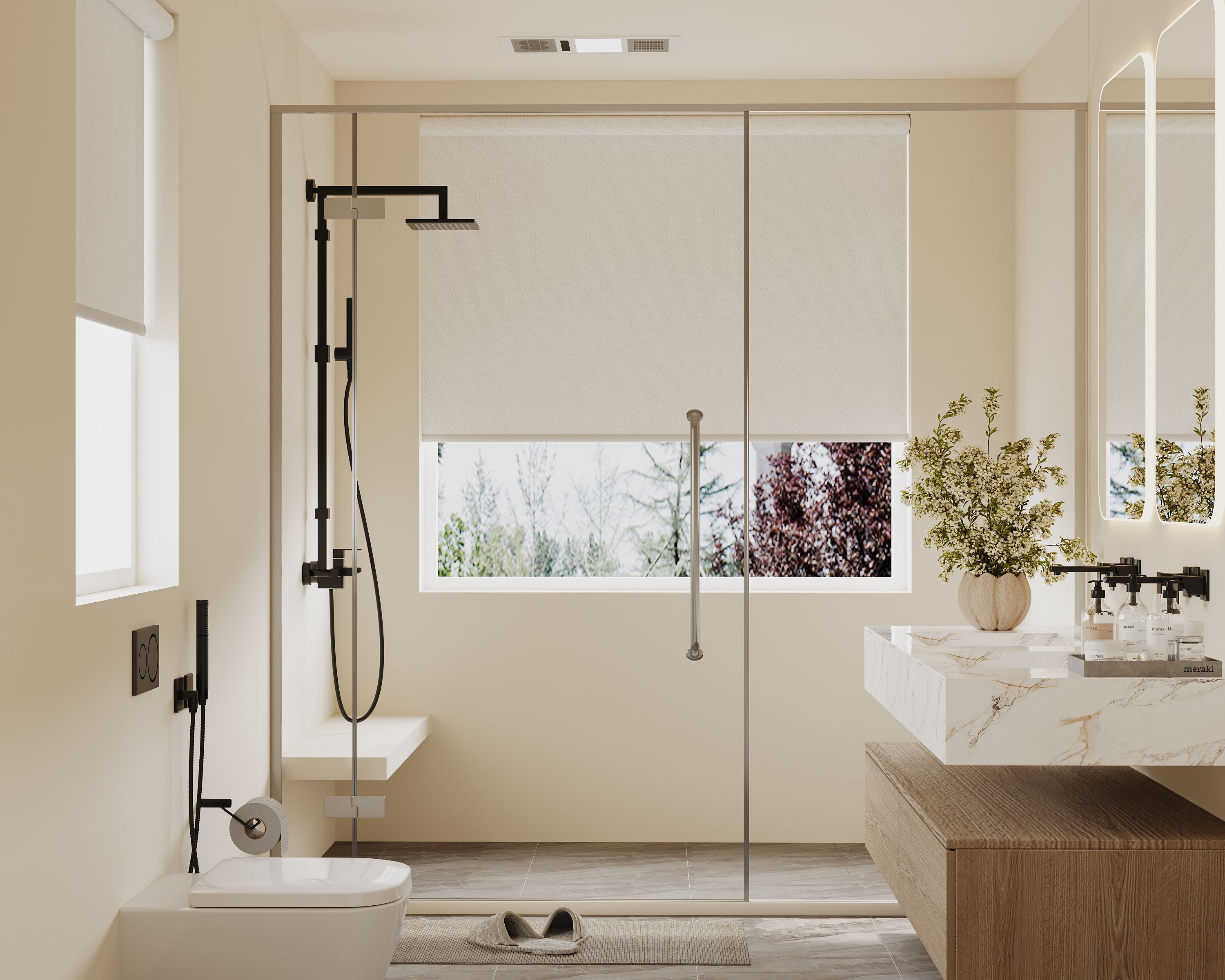


Measuring your windows correctly is the single most important step in ordering cellular shades. Get it right, and you’ll have shades that operate smoothly, look custom-built, and provide optimal insulation. This guide provides a foolproof, step-by-step process for both inside and outside mounts, ensuring you capture the exact dimensions needed for a perfect fit.
Here’s what you’ll learn to master:
-
Mounting Fundamentals: The critical differences between inside and outside mounts and how to choose the right one for your windows.
-
Precision Measurement Techniques: Exact steps for measuring width, height, and the often-overlooked frame depth using the right tools.
-
Pro Tips for Perfection: How to handle uneven windows, record measurements correctly, and avoid the most common rookie mistakes.
-
Special Situation Solutions: Guidance for bay windows, doors, and other non-standard openings.
For your cellular shades to fit and function, providing their full insulating benefits, accurate measurements are non-negotiable. Explore our collection to see the custom cellular shade options these measurements will create.
Understanding Inside Mount vs. Outside Mount
Before you pick up a tape measure, you must decide between an inside mount (recessed within the window frame) or an outside mount (covering the frame or wall). This decision drastically changes how you measure and the final aesthetic.
Inside Mount (Recessed)
-
What it is: The shade is installed within the window opening (the "reveal"), offering a clean, built-in look.
-
Best for: Windows with sufficient depth, a square and tidy frame, and when you want to showcase architectural molding.
-
Key Requirement: You must have adequate frame depth to accommodate the headrail and allow the shade to stack without touching the glass.
Outside Mount (Overlapping)
-
What it is: The shade is mounted on the wall or molding surrounding the window, covering more of the wall space.
-
Best for: Shallow frames, windows that are out-of-square, or when you want to maximize light blockage, make a window appear larger, or cover unattractive trim.
-
Key Advantage: It allows you to mask minor window imperfections and can provide better light gap coverage.
| Consideration | Inside Mount | Outside Mount |
|---|---|---|
| Aesthetic | Clean, integrated, minimalist. | Makes window appear larger; can be more dramatic. |
| Light Gaps | Potential for small side gaps due to necessary clearance. | Can be minimized by extending overlap beyond window. |
| Frame Requirements | Needs adequate depth and a relatively square frame. | Forgiving of uneven frames and shallow depth. |
| Measurement Focus | Measure the opening itself; shade is made smaller to fit. | Measure the area you want to cover; shade is made to exact size. |
Tools You Will Need for Precision
Gathering the correct tools before you start is essential for accuracy:
-
A Metal Tape Measure: Use a sturdy, retractable steel tape measure. Do not use a cloth seamstress tape, as it can stretch and sag.
-
A Steel Ruler or Small Level: Helpful for checking the squareness of the window opening.
-
A Pencil and Notepad: For recording every measurement clearly. Using a dedicated worksheet or your phone's notes app is highly recommended.
-
A Stepladder: To safely reach the top of tall windows.
Having your complete DIY installation toolkit ready at this stage ensures a smooth transition from measuring to installation.
Step-by-Step: How to Measure for an Inside Mount
For an inside mount, you are measuring the opening where the shade will live. The manufacturer will fabricate the shade slightly smaller than your provided measurements to ensure it operates without friction.
-
Measure the WIDTH (left to right):
-
Take three separate measurements: across the top, middle, and bottom of the window opening.
-
Record all three to the nearest 1/8th of an inch (e.g., 35 3/8", 35 1/4", 35 3/8").
-
Circle the SMALLEST of the three width measurements. This is the critical dimension to ensure the shade doesn't get stuck on a narrow spot.
-
-
Measure the HEIGHT (top to bottom):
-
Take three separate measurements: at the left side, center, and right side of the window opening, from the top inside edge to the sill.
-
Record all three to the nearest 1/8th of an inch.
-
Circle the SHORTEST of the three height measurements.
-
-
Measure the FRAME DEPTH (Crucial Final Step):
-
This is the distance from the front of the window opening (where the shade will be mounted) to the glass.
-
Confirm this depth meets the minimum requirement specified for the cellular shade product you are ordering. This is the most commonly overlooked step, and failing it can mean your shade won't fit. Our detailed guide on cellular shade frame depth requirements explains why this dimension is so vital.
-
What to Provide to the Manufacturer: Give them the circled smallest width and circled shortest height. They will apply the necessary deductions.
Step-by-Step: How to Measure for an Outside Mount
For an outside mount, you are measuring the exact area you want the shade to cover on the wall or molding. The shade will be built to these exact dimensions.
-
Determine Your Overlap:
-
Decide how far you want the shade to extend beyond the glass on each side and above to block light and ensure privacy. A common overlap is 1.5 to 3 inches on each side and 2 to 4 inches above.
-
-
Measure the DESIRED WIDTH:
-
Measure horizontally at the top where the headrail will go, from your desired left boundary to your desired right boundary.
-
You can measure the existing window frame and add your planned overlap to each side, or simply measure the total span on the wall you wish to cover.
-
-
Measure the DESIRED HEIGHT:
-
Measure vertically from your chosen top mounting point (above the window) down to where you want the bottom rail to rest (typically slightly below the sill).
-
For maximum light blockage, the bottom rail should land 1-2 inches below the sill.
-
-
Check for Obstructions:
-
Ensure your planned width and height clear any handles, locks, window cranks, or trim. A shade that hits a door handle is unusable.
-
What to Provide to the Manufacturer: Give them the exact outside width and exact outside height you have measured.
Pro Tips & Common Mistakes to Avoid
-
Measure in Inches: Use inches and 1/8th-inch fractions, as this is the standard for the window covering industry.
-
Measure Each Window Individually: Even windows that look identical in the same room can vary by a quarter-inch. Never assume they are the same.
-
Note Which Side is the "Top": If you have a pattern or texture on your fabric, indicate which direction is up on your measurement sheet.
-
Double-Check Before Ordering: Have a second person verify your recorded measurements.
-
Avoid These Errors: Don't measure the old blinds or shades (they may be the wrong size). Don't guess or round measurements up or down. Never assume frame depth is sufficient without verifying.
Measuring for Special Windows & Situations
-
Bay or Bow Windows: Treat each individual window segment separately. For a cohesive look, you may need to order shades with a "bypass" option so they don't collide in the corner. Consider consulting a professional for complex angles.
-
French or Sliding Doors: Typically treated as an outside mount. Measure the glass panel, not the entire door. Crucially, account for the door handle—measure from the top of the door to the top of the handle to determine the maximum drop length for the shade.
-
Extremely Uneven Openings: If the difference between your top, middle, and bottom widths is greater than 1/2 inch, an inside mount may not be suitable, as the gaps will be large. An outside mount is often the better solution to create a uniform appearance.
Once your measurements are confirmed, the next step is the practical installation of your cellular shades.
Conclusion
Precisely measuring your windows for cellular shades is a manageable DIY task that demands careful attention to detail. By choosing the correct mount type, using the right tools, following the step-by-step process for multiple measurements, and accounting for frame depth, you guarantee a flawless fit. Accurate measurements are the foundation upon which your shades deliver their promised comfort, energy efficiency, and aesthetic appeal.
Key Highlights
-
Choose your mount first: Inside mounts require precise opening measurements and sufficient depth, while outside mounts use the exact dimensions of your desired coverage area.
-
Measure in three places: Always take width at the top, middle, and bottom, and height at the left, center, and right, using the smallest number for inside mounts.
-
Frame depth is non-negotiable: For inside mounts, verifying your window frame has the minimum required depth is critical to a successful installation.
-
Measure each window separately: Never assume two windows are identical; minor variations are common.
-
Record clearly and double-check: Provide manufacturers with clear, circled final dimensions to avoid costly errors.
Taking the time to measure correctly ensures your investment in cellular shades results in a perfect, professional-looking finish for years to come.
Explore Custom Cellular Shades


Frequently Asked Questions (FAQ)
What if my window isn't square and the measurements are different?
This is very common, especially in older homes. For an inside mount, you must use the smallest width and shortest height you recorded. The manufacturer will build the shade to this smallest dimension to ensure it doesn't bind. Be aware that this may result in slightly larger light gaps on the longer or taller sides. If the variance is more than 1/2 inch, an outside mount is strongly recommended, as it will create a perfectly square appearance on the wall, masking the window's unevenness.
How do I know if my window has enough depth for an inside-mount cellular shade?
You must physically measure the depth from the front of the window frame (where the bracket will sit) to the glass. Compare this measurement to the "minimum inside mount depth" requirement listed in the product specifications for the cellular shade you want. This requirement accommodates the headrail mechanism and the folded stack of the shade. If your depth is less than required, the shade will protrude from the frame or not fit at all.
Should I measure in centimeters or inches?
Always measure in inches and 1/8-inch fractions. The window covering industry in North America operates exclusively on this standard. Converting from centimeters can introduce rounding errors that lead to ill-fitting shades. Use a tape measure that clearly shows inches for complete accuracy.
Is it better to round my measurements up or down?
Never round your measurements. Provide the exact measurement you see on the tape to the nearest 1/8th of an inch. For inside mounts, the manufacturer's team will apply precise deductions (called "fabrication deductions") to your provided numbers. If you round up, the shade may be too small; if you round down, it may be too big. Honesty to the 1/8th-inch is key.
Can I measure my existing blinds or shades instead of the window?
No, this is a common mistake. Your existing window treatments may not be the correct size, especially if they were installed poorly or are a standard size that doesn't match your custom opening. Always measure the window opening itself (for inside mount) or the wall area (for outside mount) using the methods outlined above. Do not measure the old product.
