






News
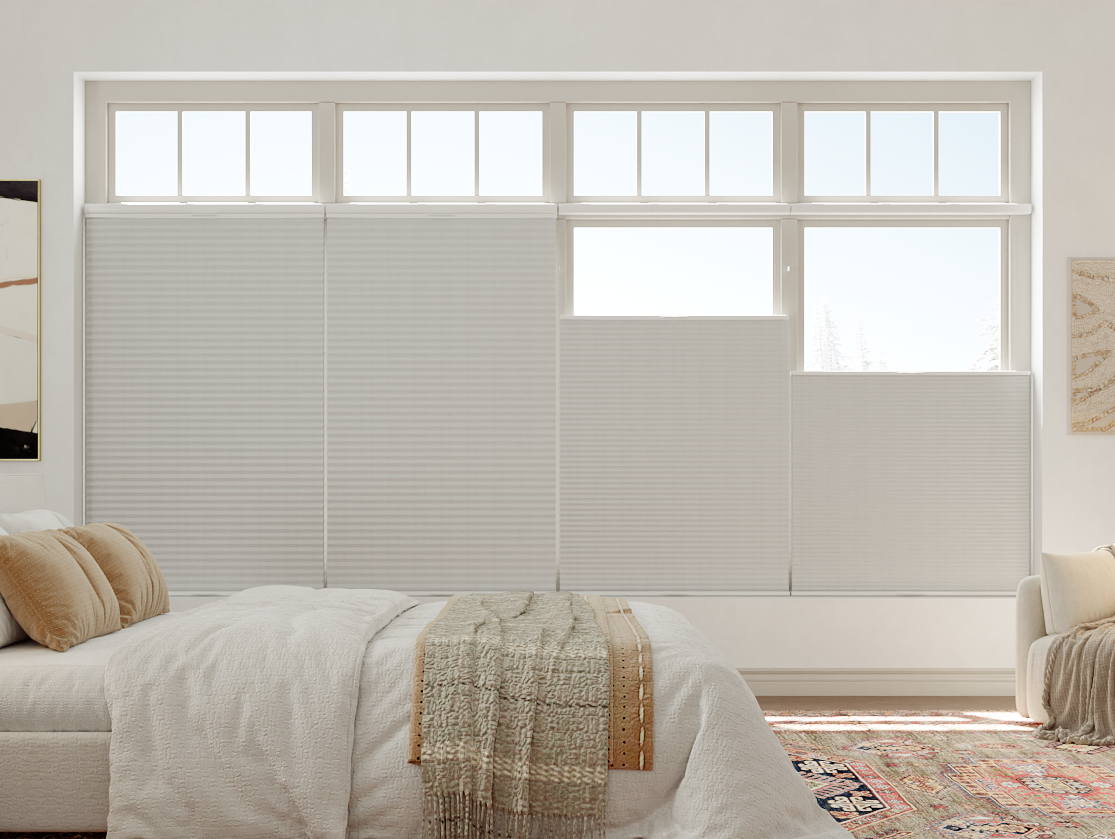
Seasonal Shade Changes: A Room-by-Room Energy Plan
Seasonal shade changes usually mean changing when and how you operate the shades, rather than replacing them every few months. The useful starting point is the window: when does direct...
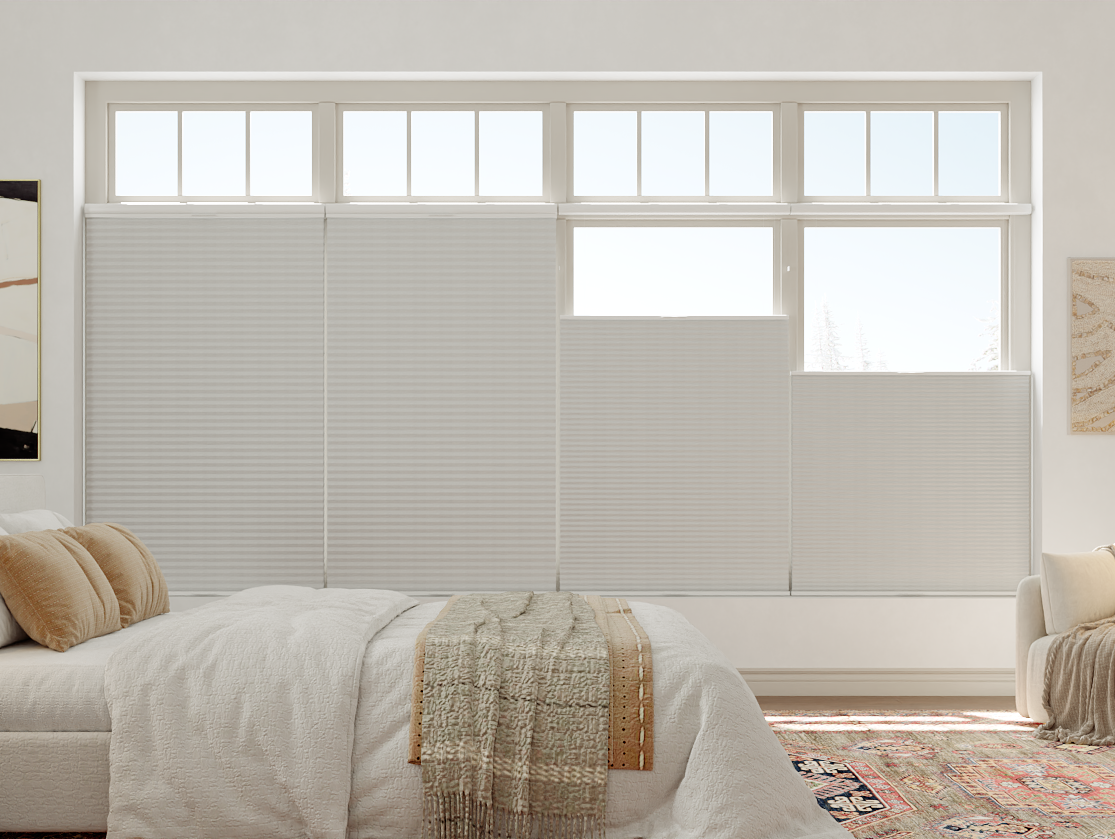
Window Coverings for Summer Heat: Choose by Sun, Glare and Fit
Summer heat control starts with what happens at the window: direct sun, glare, heat transfer through the assembly and how the covering is used. Fabric opacity, solar properties and insulating...

Zebra vs Cellular Shades: Insulation, View and Daily Use
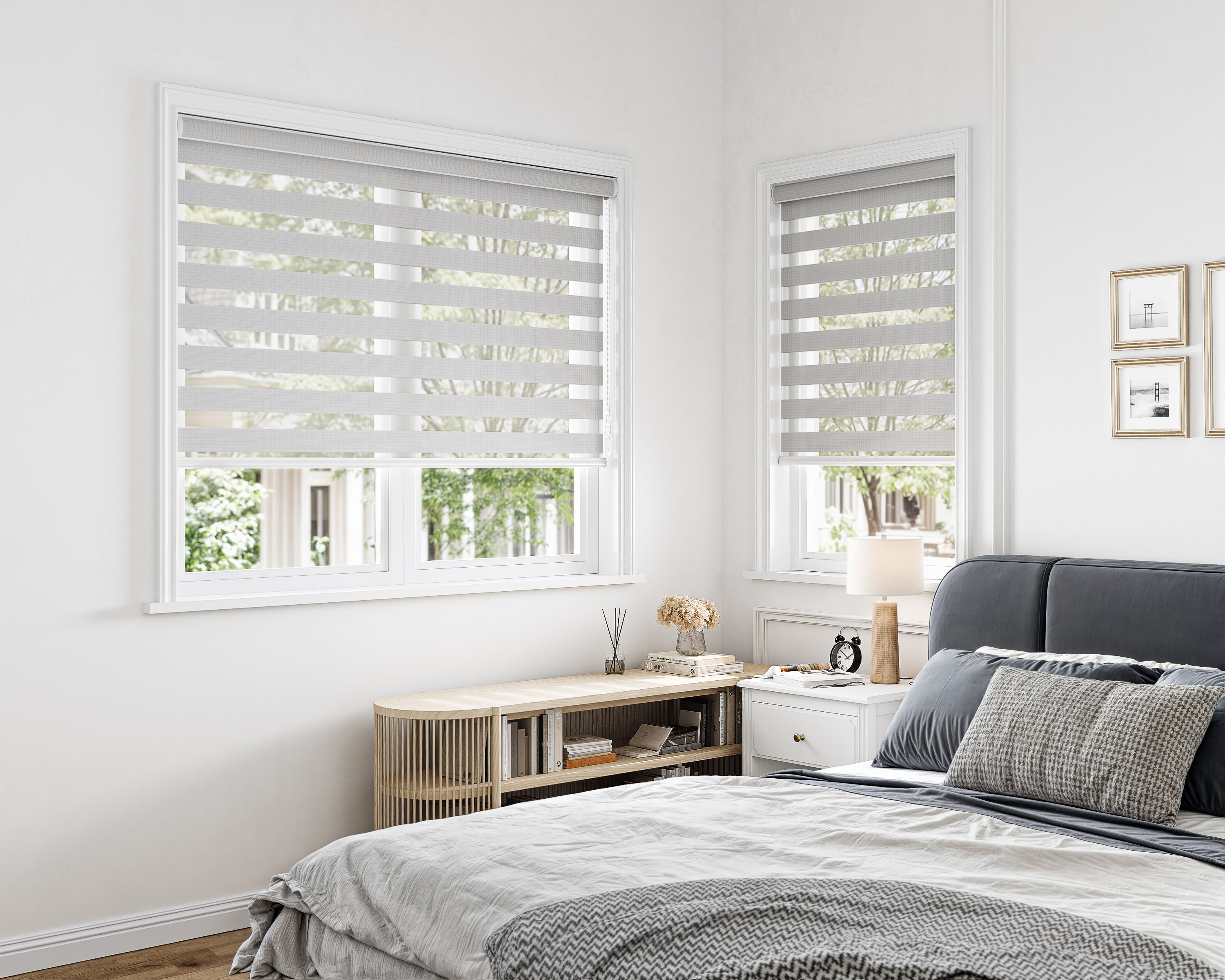
Compare cellular shades first when insulation is the leading priority; compare zebra shades when adjustable bands and a filtered view are central to daily use. Neither family name supplies a...

Are Zebra Shades Energy-Efficient? Solar Control and Fit
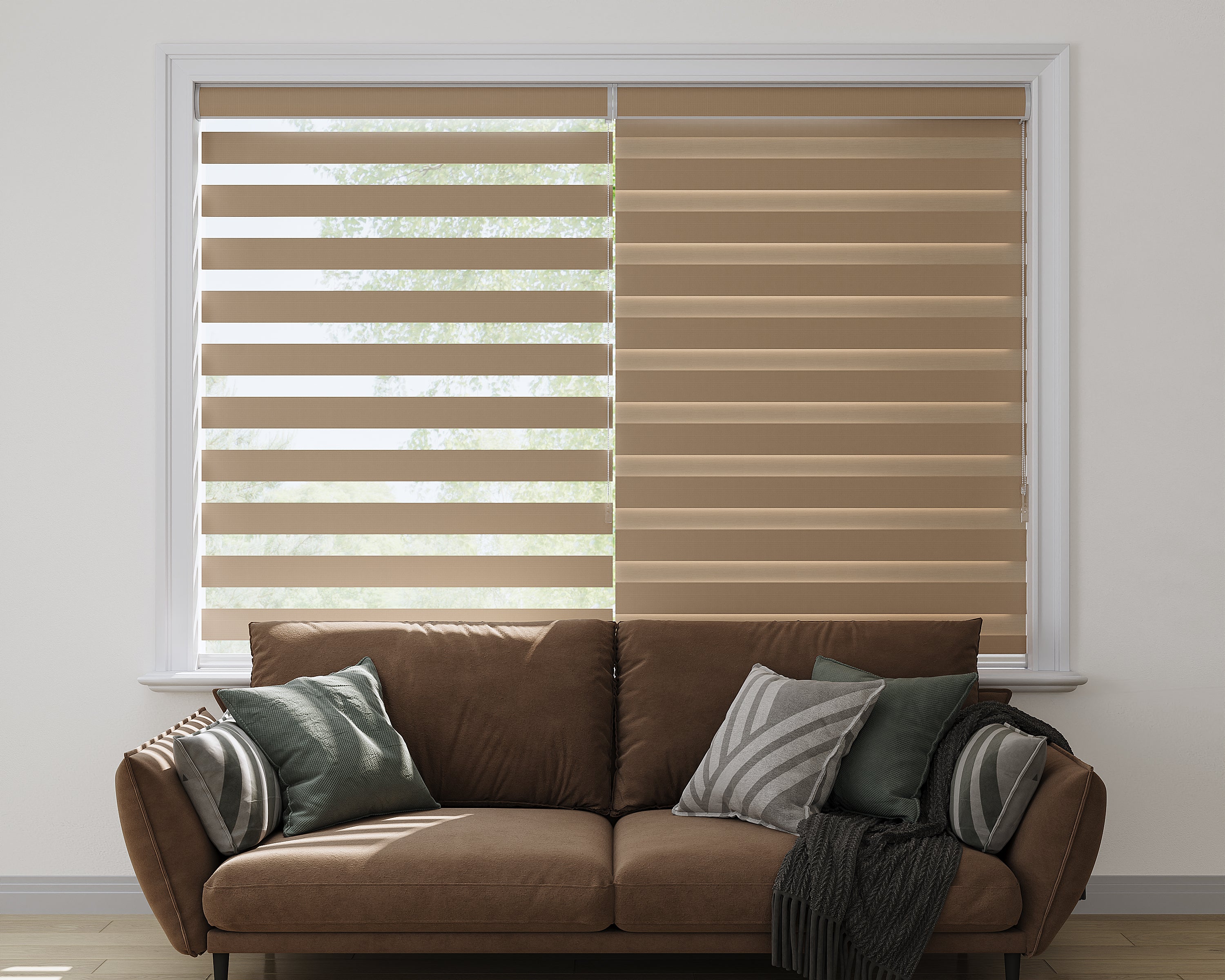
Zebra shades can help manage incoming sunlight, but a zebra label alone does not establish an insulation rating or energy saving. Their alternating solid and sheer bands are primarily a...

Cellular Shades vs. Plantation Shutters for Insulation
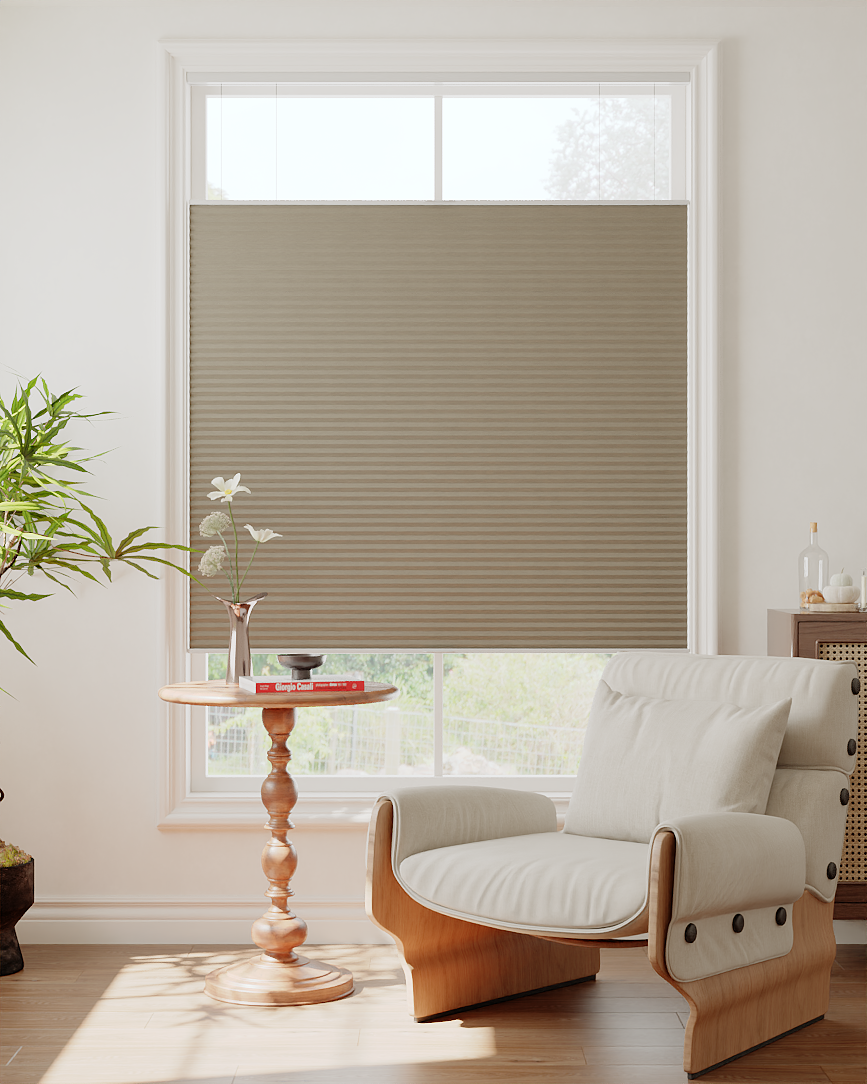
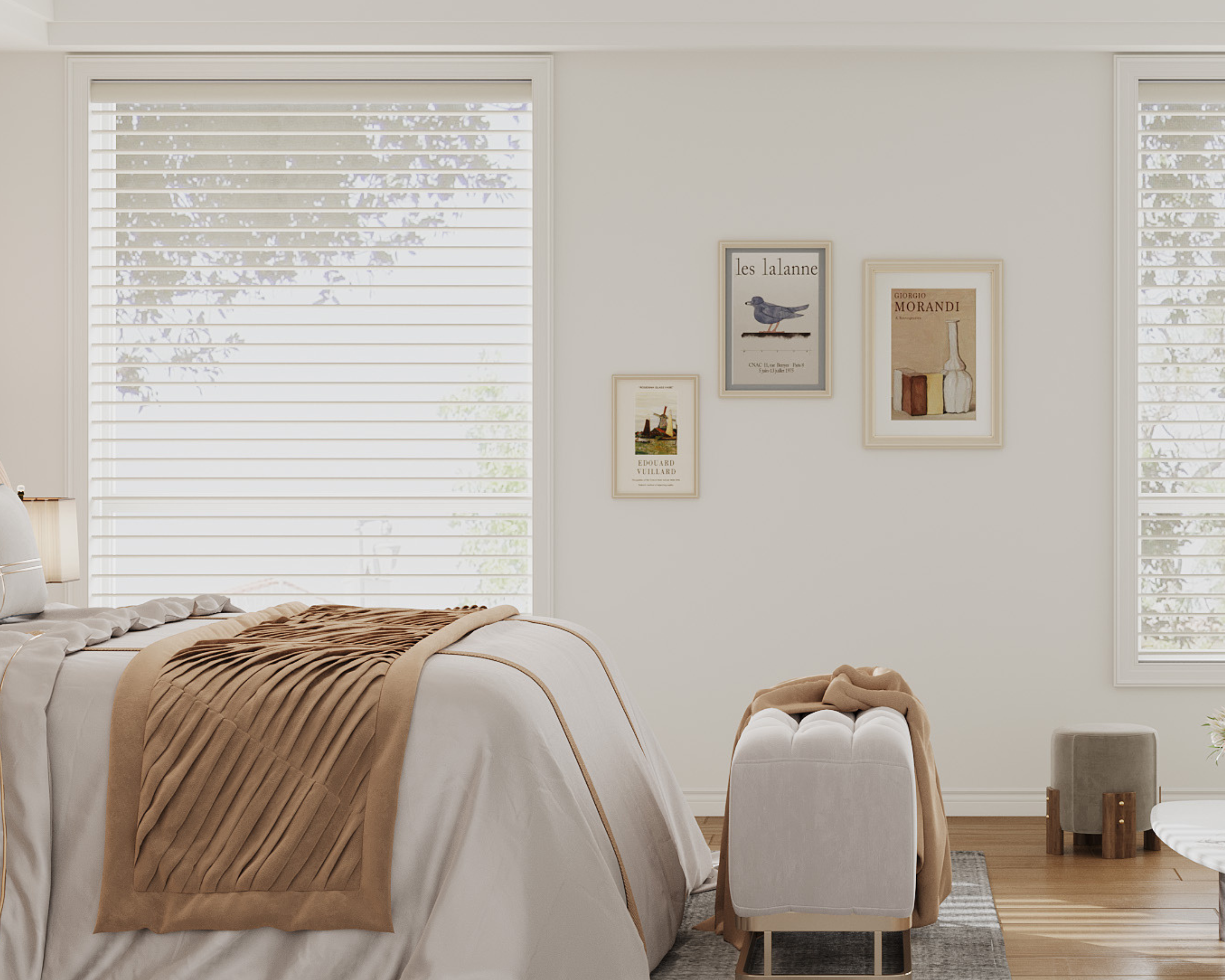
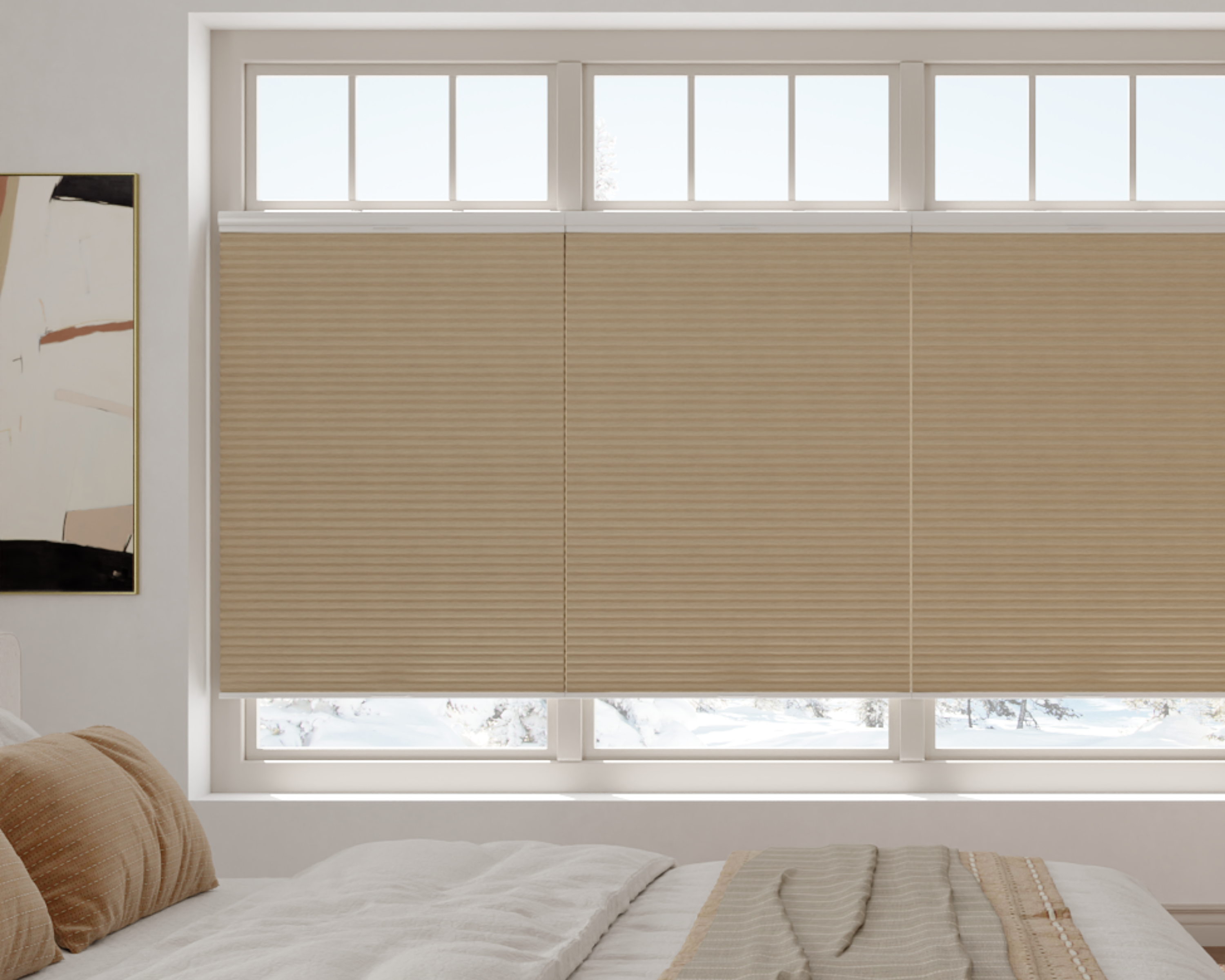
Cellular shades are worth considering when adding thermal resistance at a window is the main goal. Their honeycomb structure holds air; plantation shutters use rigid framed panels and adjustable louvers....

Cellular Shades for Very Hot or Cold Rooms: What to Specify
For very hot or cold rooms, compare cellular shades as one part of the window-and-building system. Their air-pocket construction is relevant to insulation, while solar properties and coverage matter for...
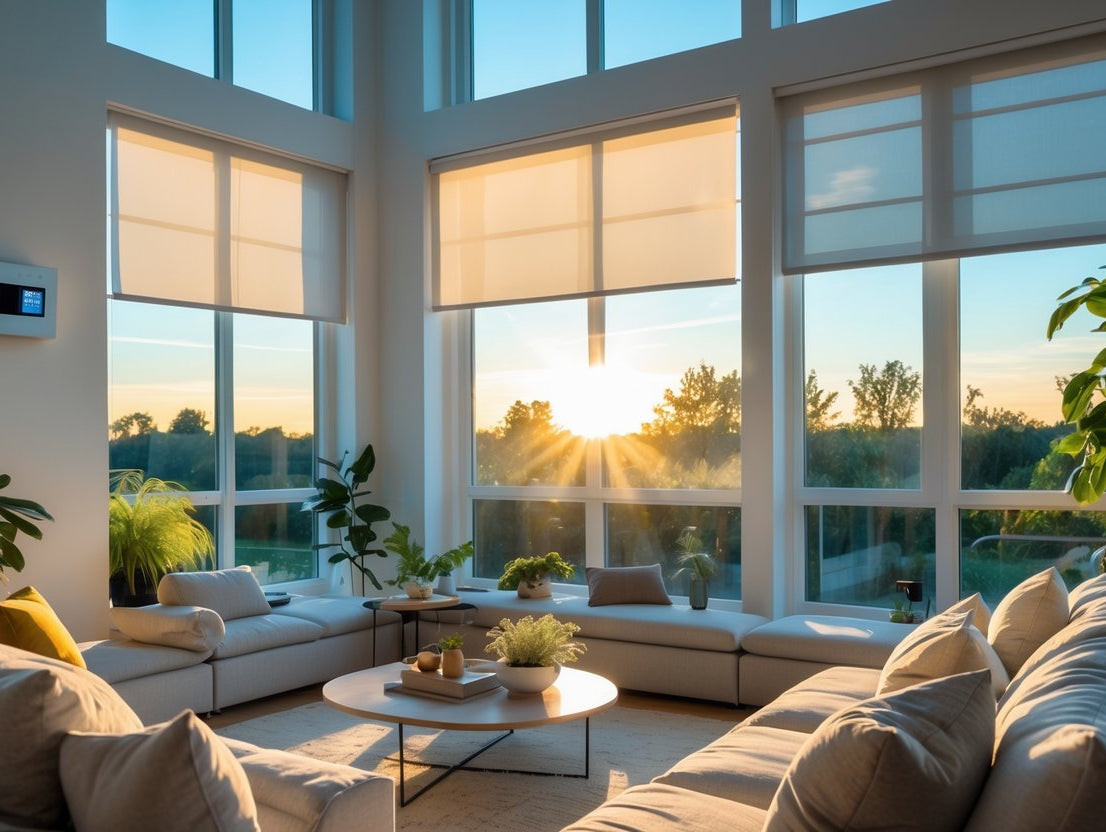
Cellular Shade Colors and Energy Efficiency: Look Beyond the Face
Choose cellular shade color after identifying the fabric construction and window-facing surface. A light-looking room face is not a complete measure of solar reflectance, and a dark color is not...
What R-Value Do Cellular Shades Provide? How to Compare Ratings
Cellular shades do not have one universal R-value. The useful number is the rating for the exact tested shade or shade-and-window assembly, with its fabric, cell construction, mounting and edge...
Can Cellular Shades Reduce Outside Noise? Set Realistic Expectations
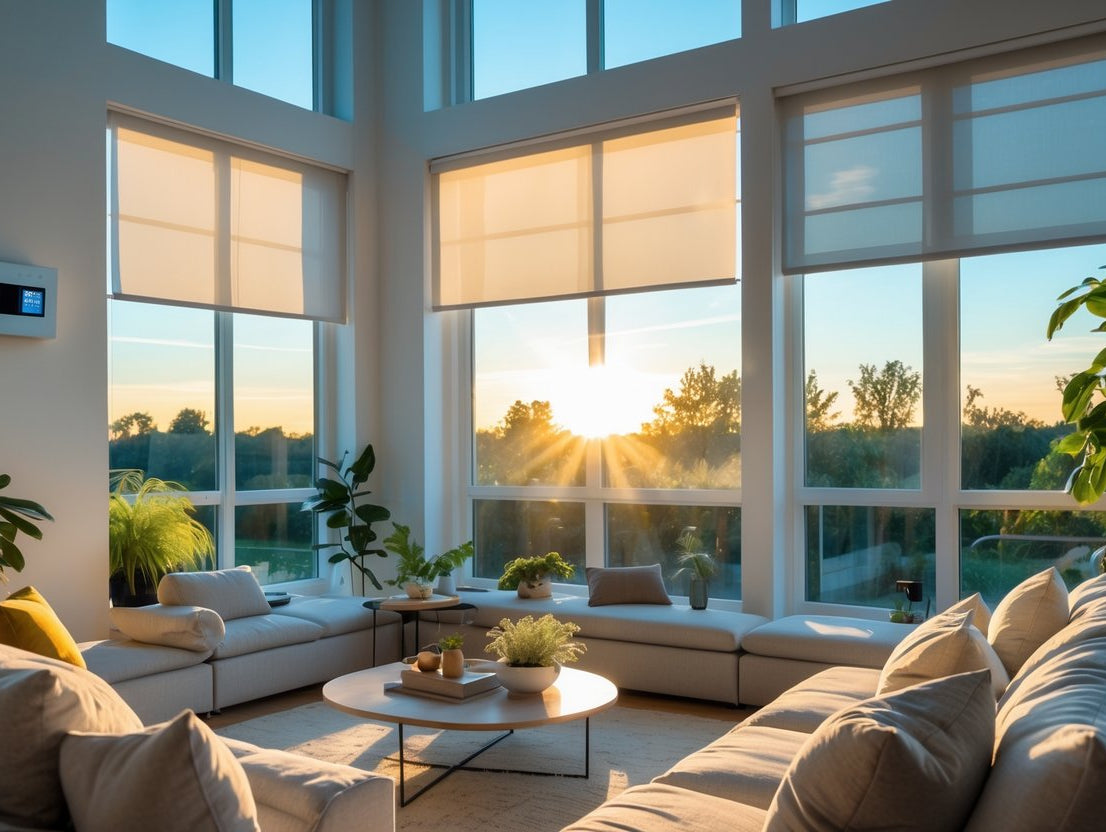
Cellular shades may change how a room sounds, but they should not be bought as a guaranteed way to block traffic or neighbor noise. Sound absorption inside a room and...
How Cellular Shades Improve Comfort: Light, Privacy and Fit
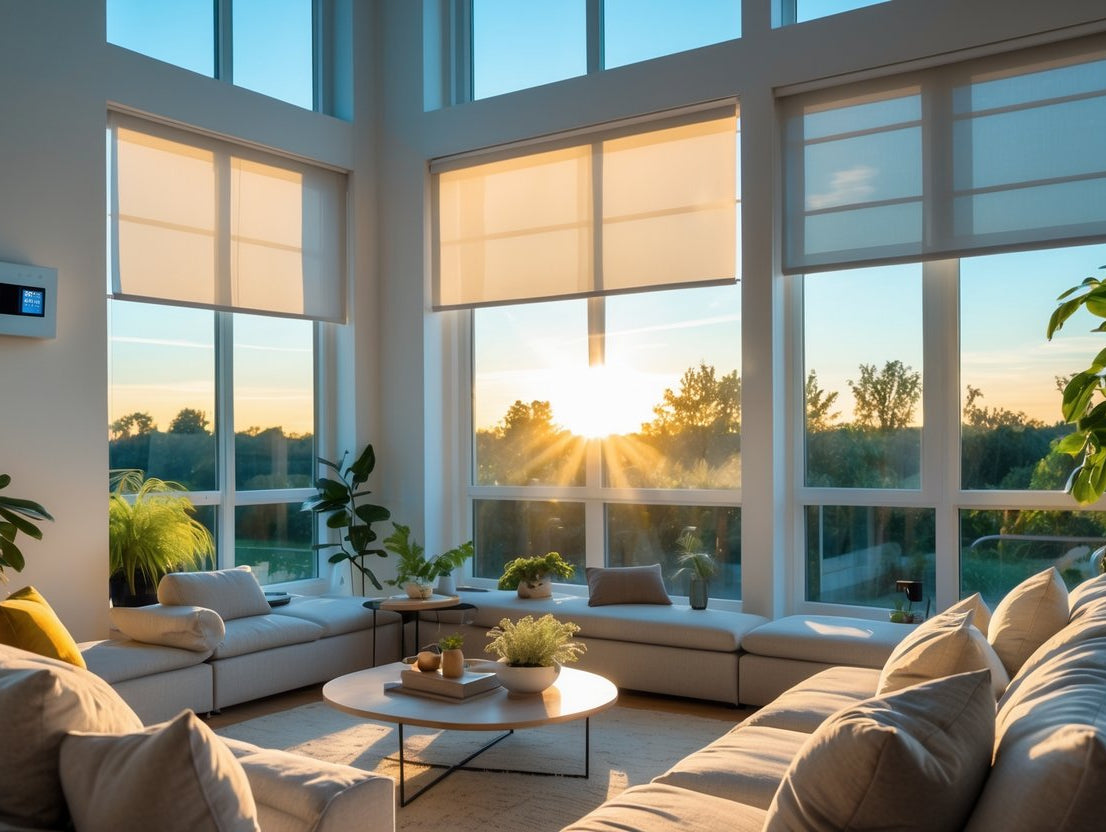
Cellular shades can make a room more comfortable by changing light, privacy and heat transfer at the window. The best configuration starts with the particular problem: a bright screen, an...

Cellular vs Roller Shades: Choose for Winter Comfort or Summer Sun
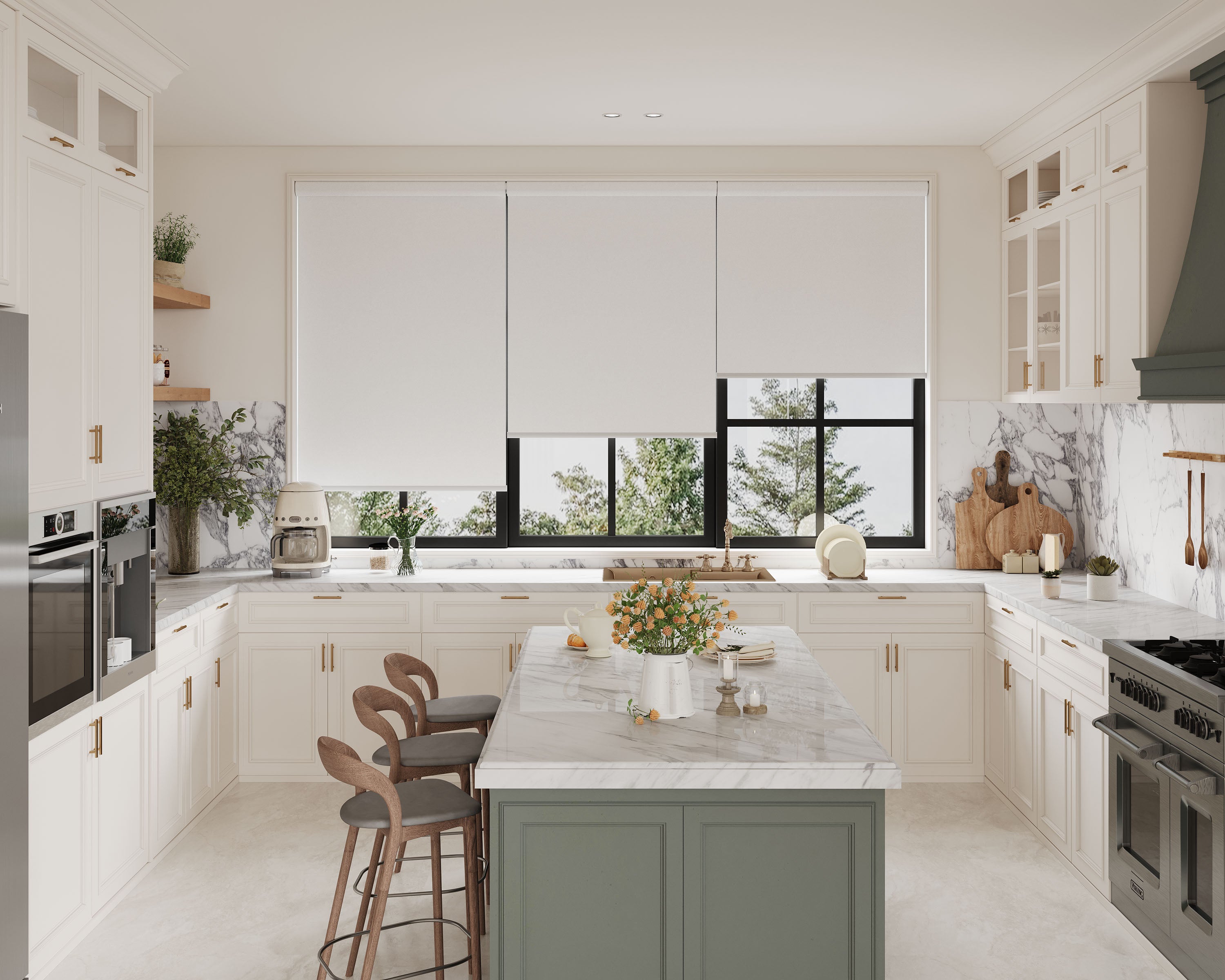
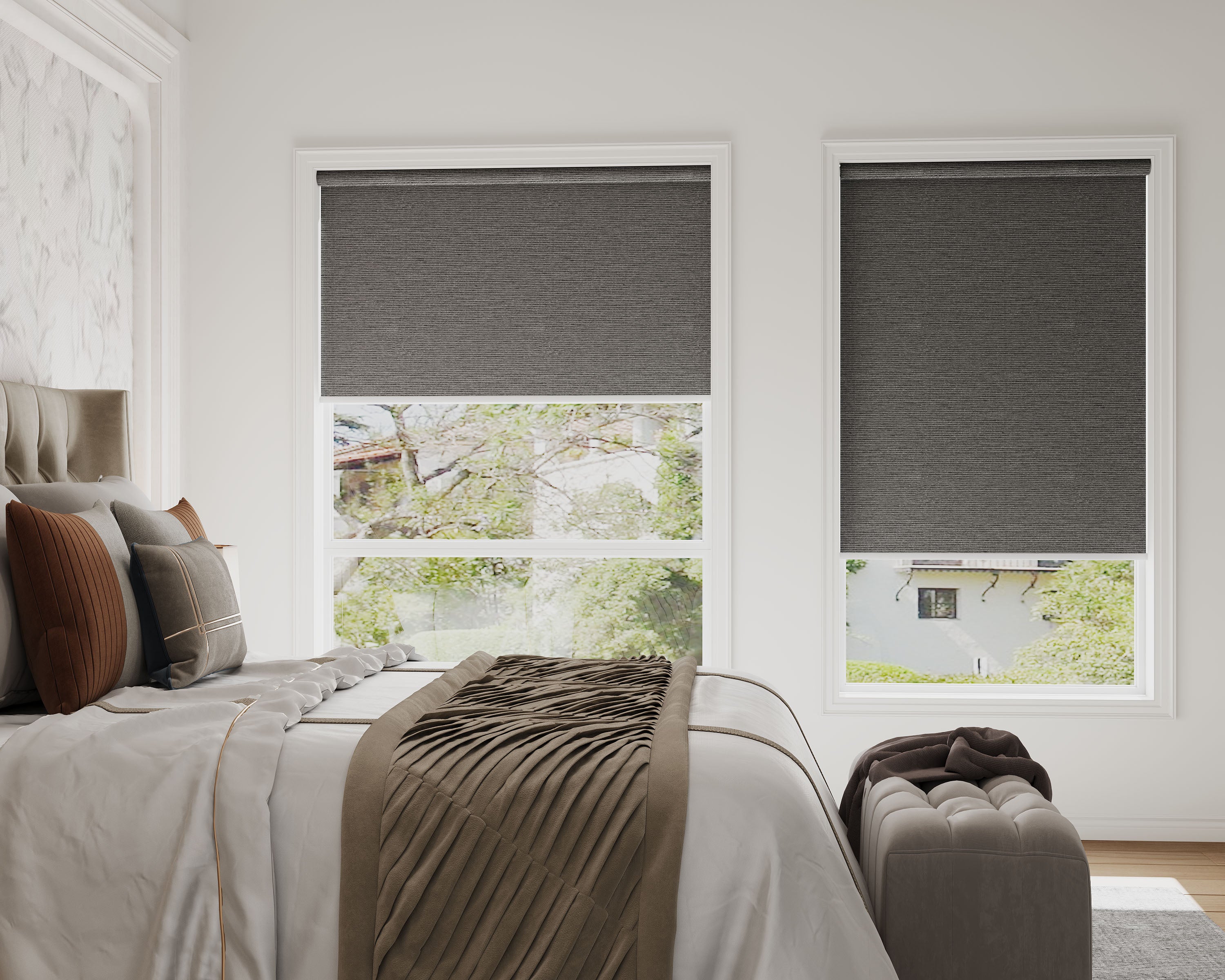
Cellular shades are useful candidates when insulation is the priority; a solar roller fabric may suit a sunny window where glare control and outward view matter. The better energy choice...
Do Cellular Shades Save Energy? What Determines Your Bills
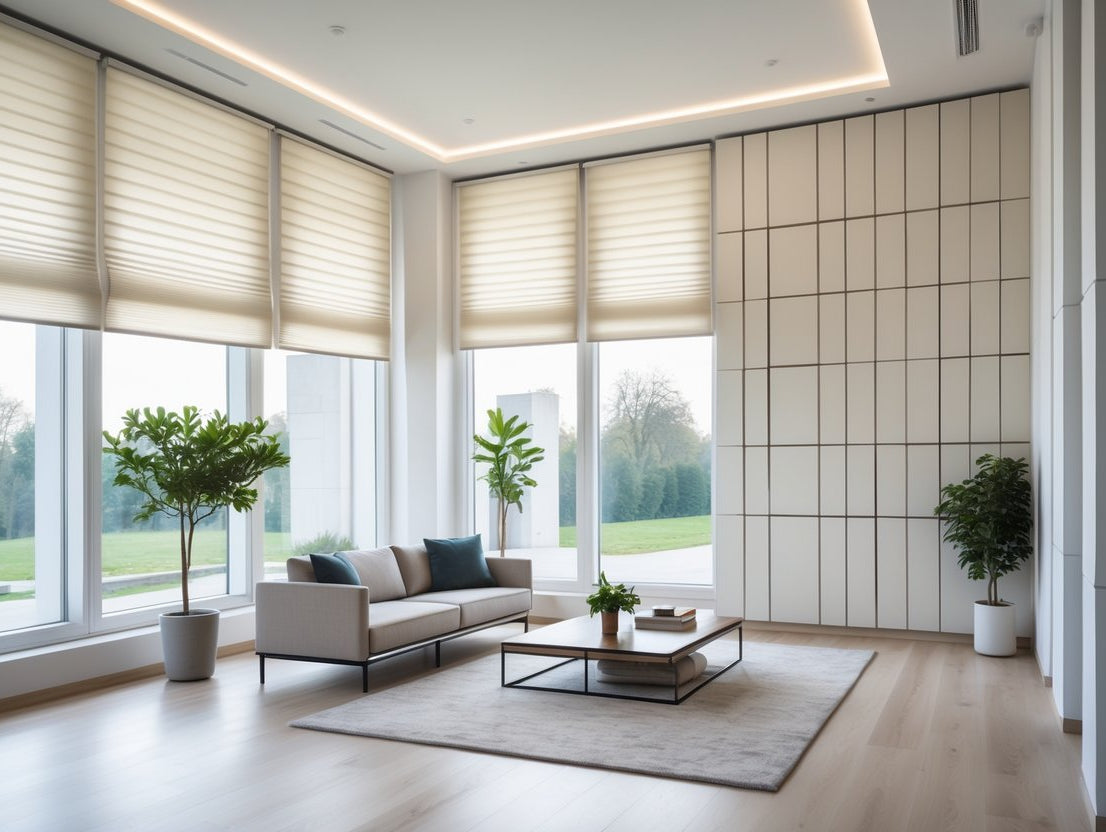
Cellular shades can reduce heating or cooling demand when the selected covering, installation and operation suit the window. They add an air-containing layer at the glass and can help manage...
