






News

Are Zebra Shades Energy-Efficient? Solar Control and Fit
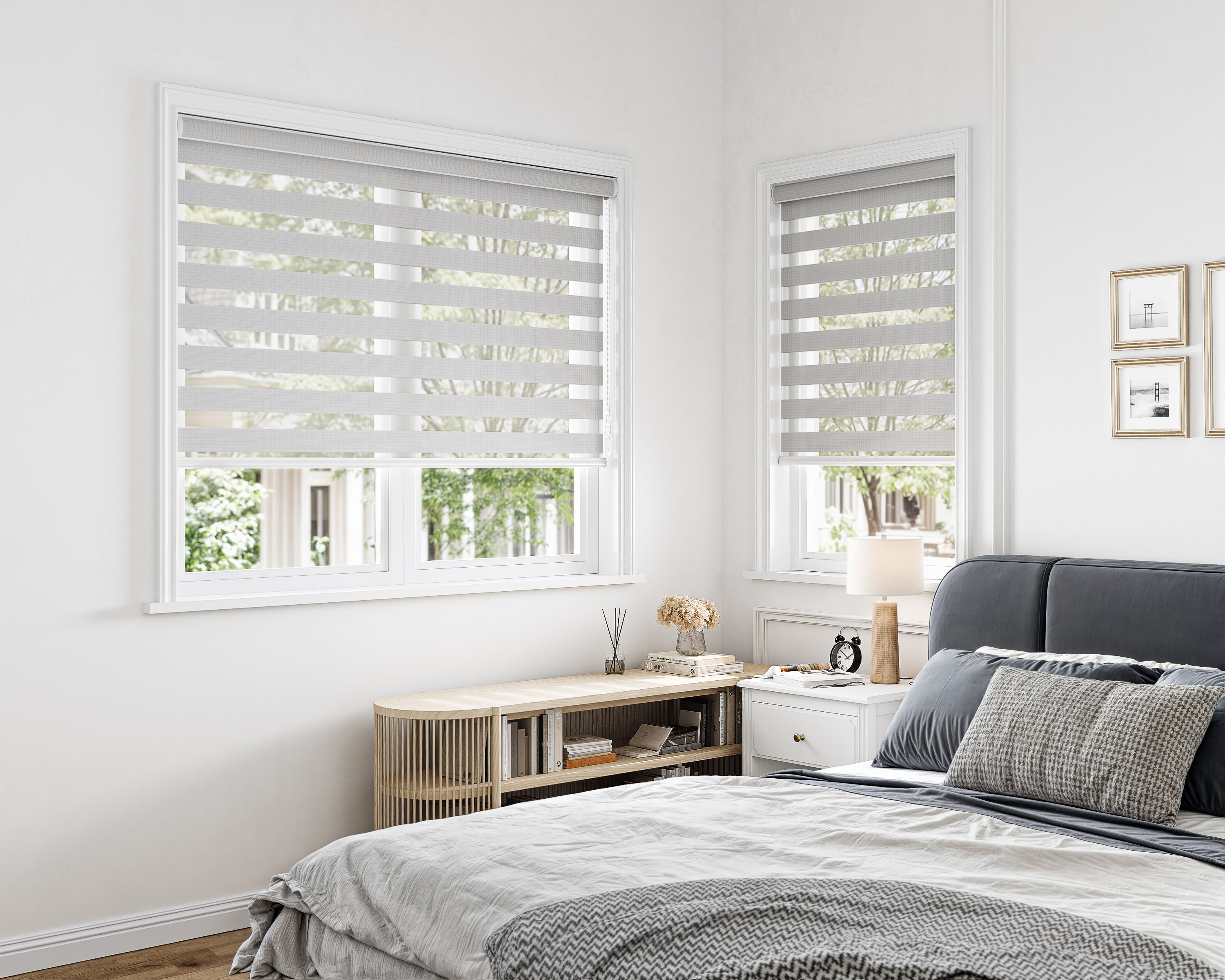
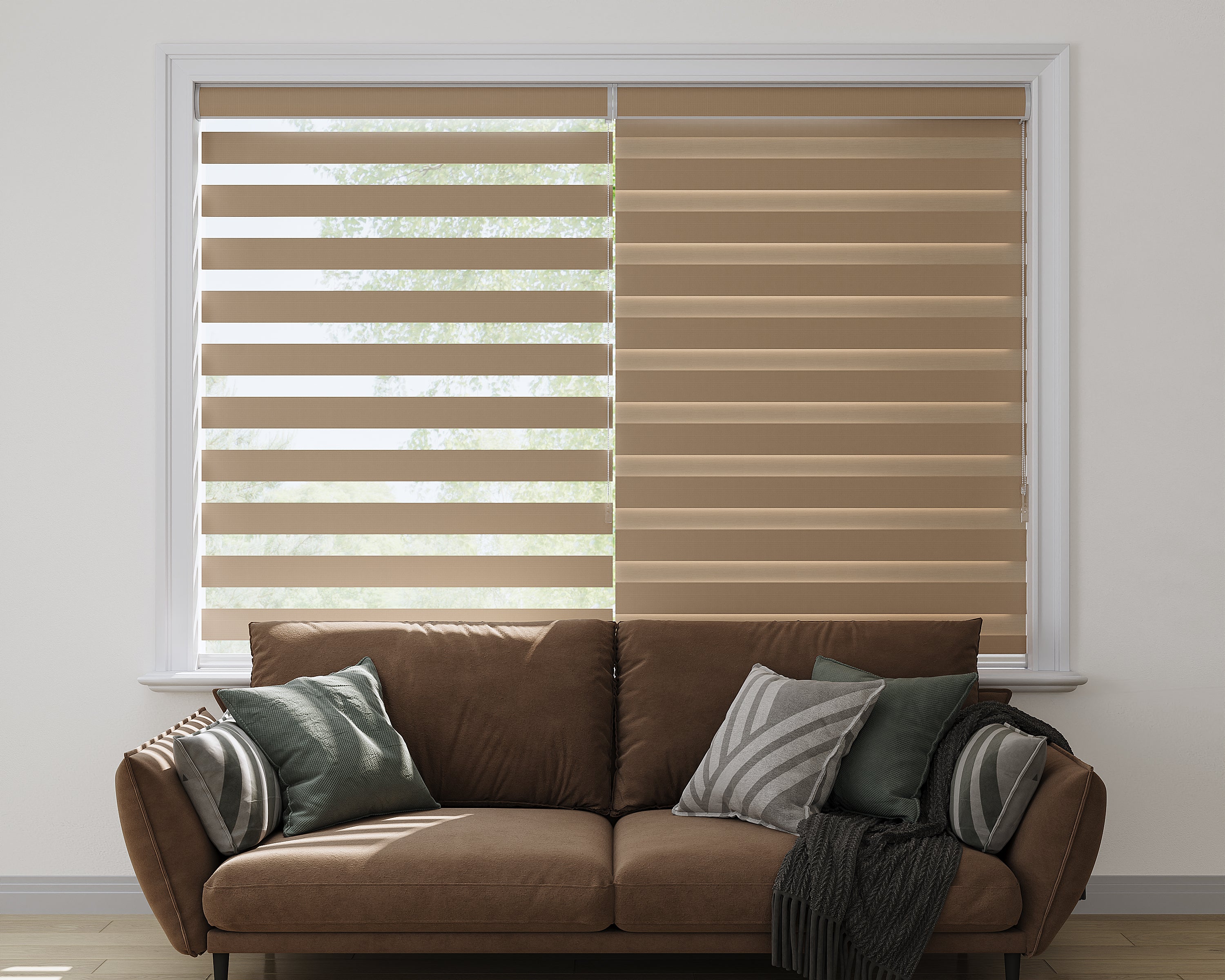
Zebra shades can help manage incoming sunlight, but a zebra label alone does not establish an insulation rating or energy saving. Their alternating solid and sheer bands are primarily a...

Light-Filtering vs. Solar Shades: Diffused Light or Screen View?
Light-filtering describes a fabric's daylight effect; solar shades usually refer to coverings made with screen fabric. The terms can overlap, but they are not interchangeable specifications. If you want view...

Best Shades for Home Office Glare: Choose by Screen and Sunlight
The best office shade is the one that controls the light reaching your screen while leaving useful room light. Solar mesh is worth comparing when you want a view; sheer...

Do Sheer Shades Block Heat? Compare Solar Control and Insulation
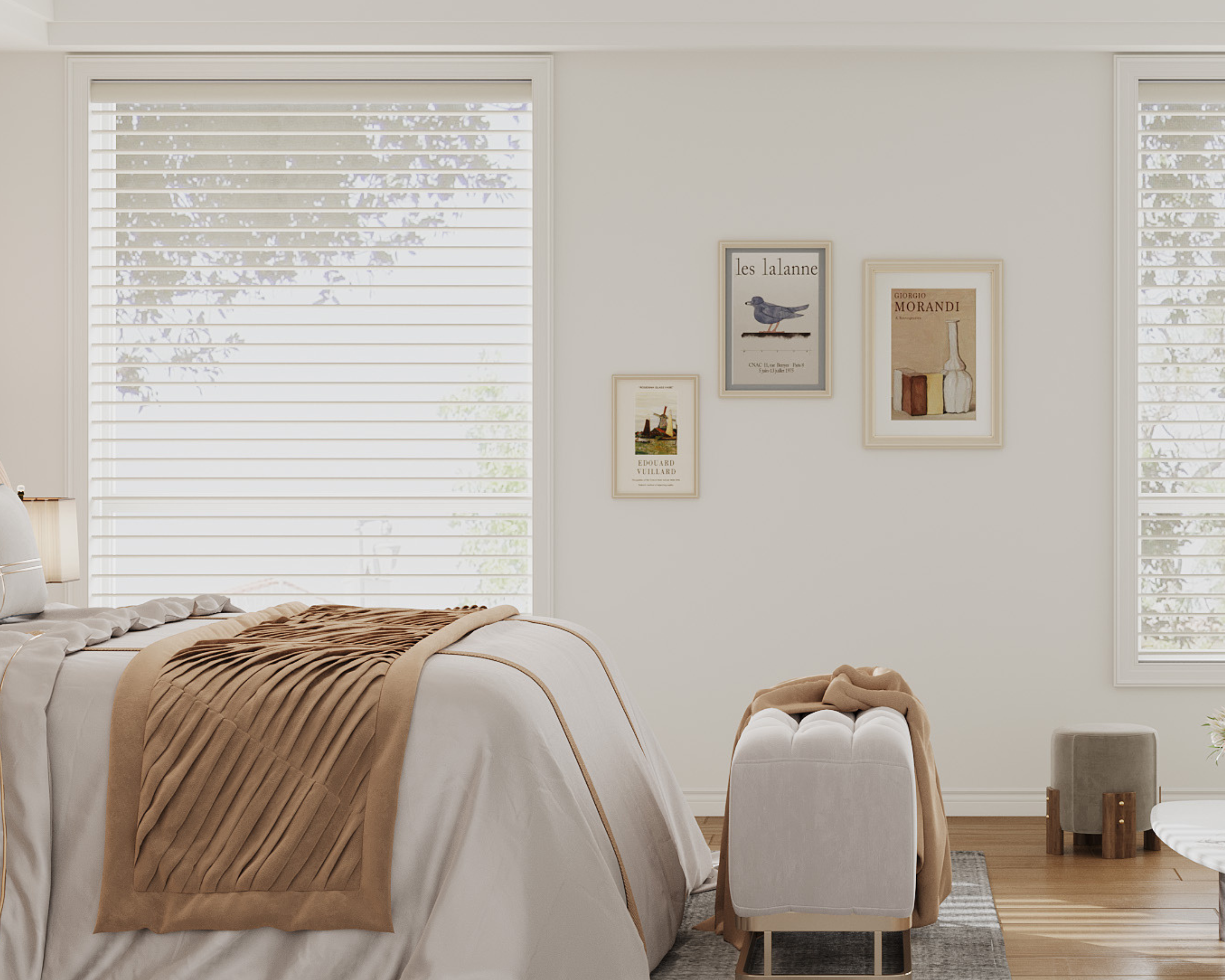
Sheer shades can change the sunlight entering a room, but their heat performance depends on the exact fabric, vane position, glazing and installation. There is no single heat-blocking percentage for...
Do Solar Roller Shades Block UV? Read the Fabric Data
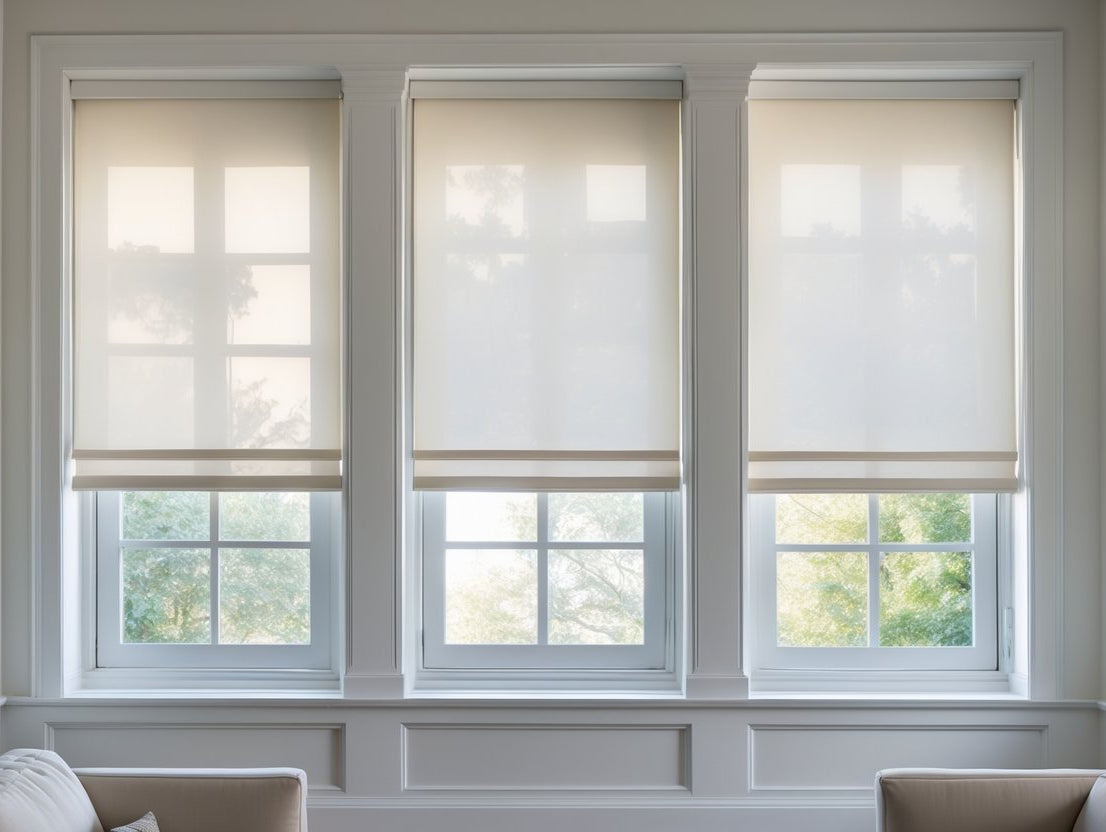
Solar roller fabrics can reduce UV transmission, but the result must come from data for the exact material. Do not assume every solar screen blocks 95–99% of UV, or calculate...

Roller Shades for Hot Attic Rooms: Control Window Solar Gain
A roller shade can help manage sunlight entering an attic room through its windows. It does not address every source of heat in a room beneath the roof. Roof and...

Light or Dark Shade Fabric? Color, Glare and Solar Heat
Fabric color can affect how a shade reflects and absorbs sunlight, but color alone cannot tell you how much heat enters the room. A pale sheer, a white-backed blackout fabric...
Solar Shade Openness: Comparing 1%, 3%, 5% and 10%
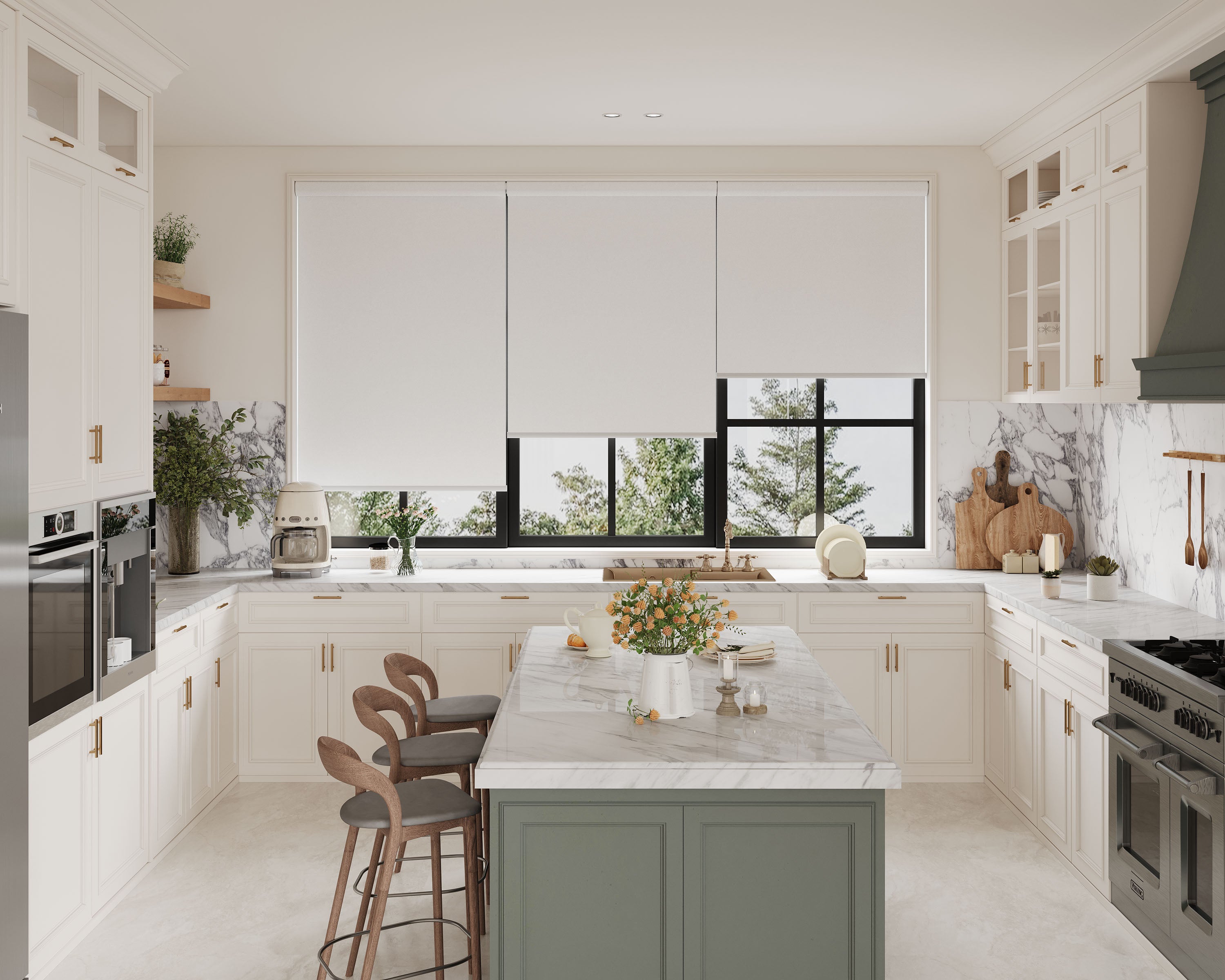
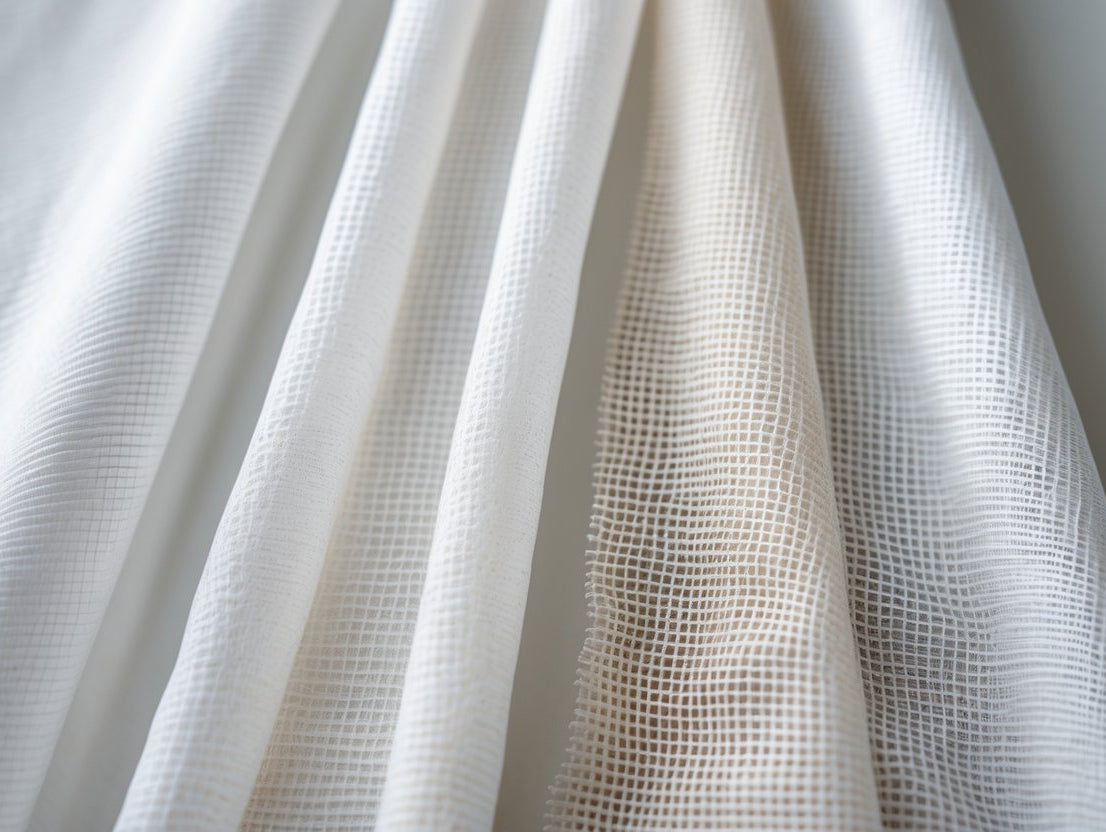
A solar fabric's openness factor describes the proportion of open space in its weave. A lower number generally means a tighter screen; a higher number generally means more view-through when...

Outdoor Fabric UV Ratings and Fade Warranties: What to Compare
Outdoor suitability, resistance to fading and UV transmission are different claims. Check the exact fabric, its intended use and the test or warranty behind each statement. A material name or...

South-Facing Windows: Choose Solar Shade Openness by the Room
There is no single best solar-shade openness for every south-facing window. Compare the actual glare problem, the view you want, nighttime privacy and the selected fabric's performance data. A universal...

Summer Heat Control: Reflective Fabrics and Solar Shade Openness
Solar shade openness and solar reflectance describe different fabric properties. Openness describes the share of open area in the weave. Solar reflectance describes the share of incident solar energy reflected....

Solar vs. Sheer Shades: Compare Glare, View and Privacy
Solar mesh and vane-style sheer shades offer different ways to manage bright windows while retaining some view. Solar roller fabric provides a continuous screen; a sheer shading uses fabric layers...
