
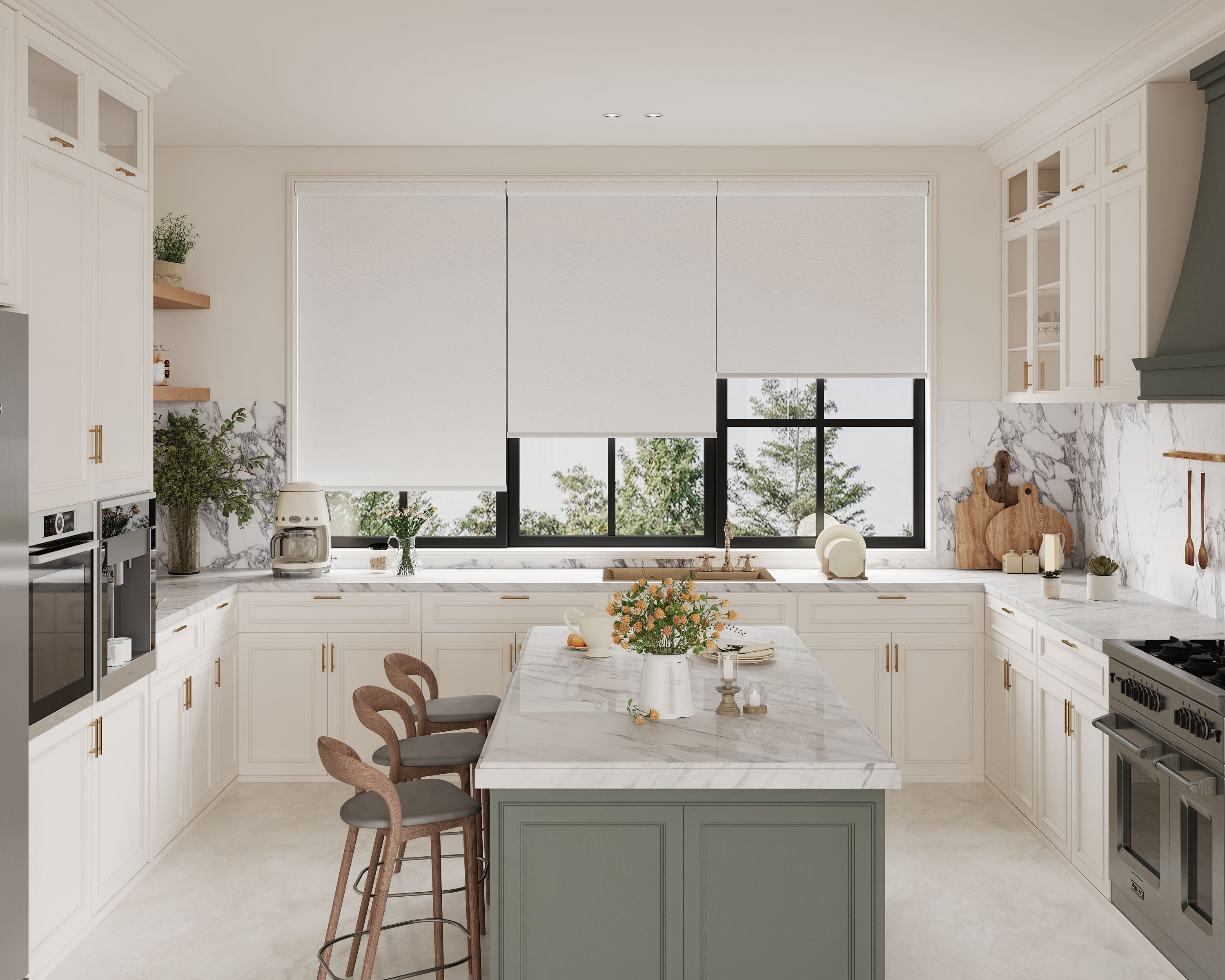
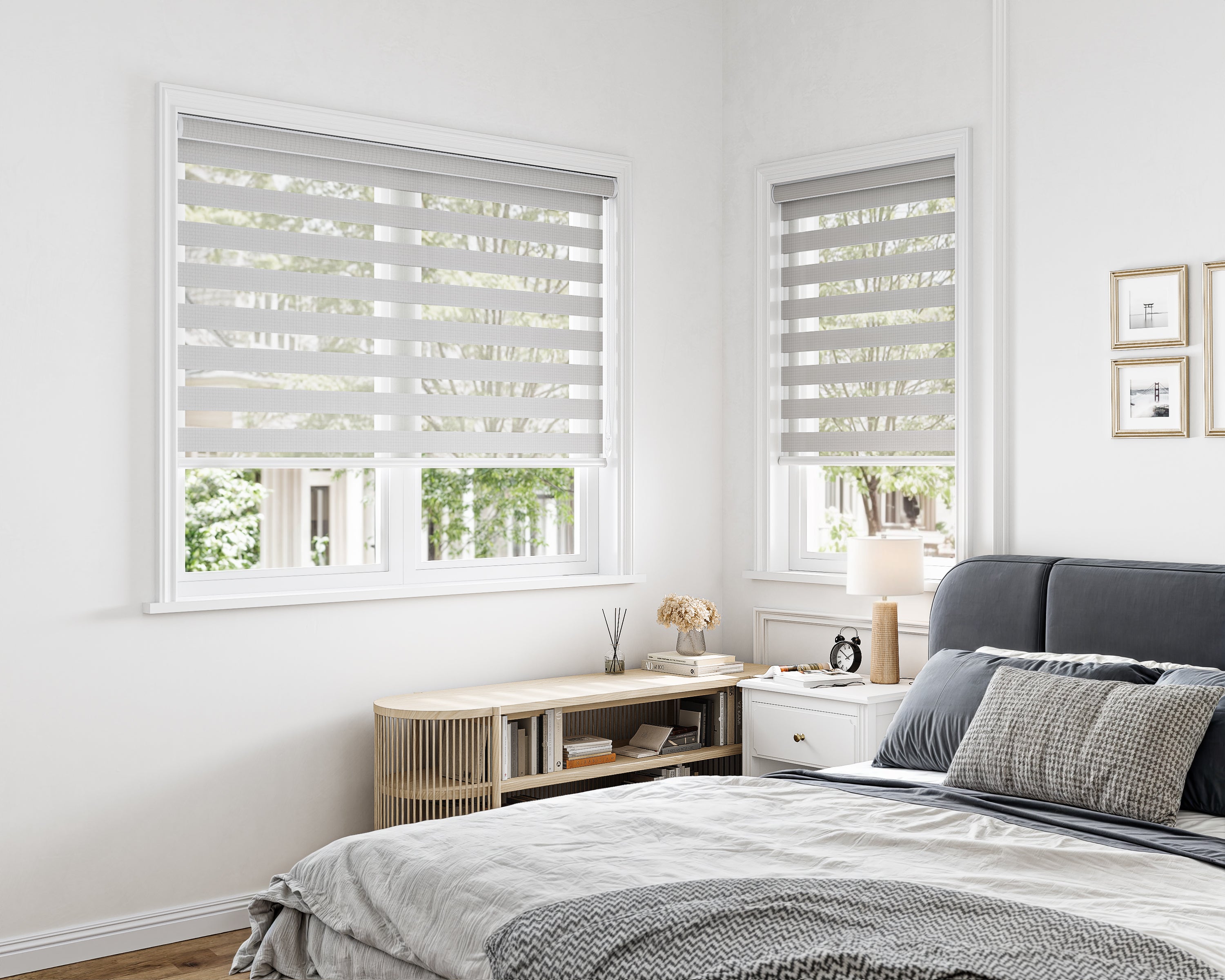
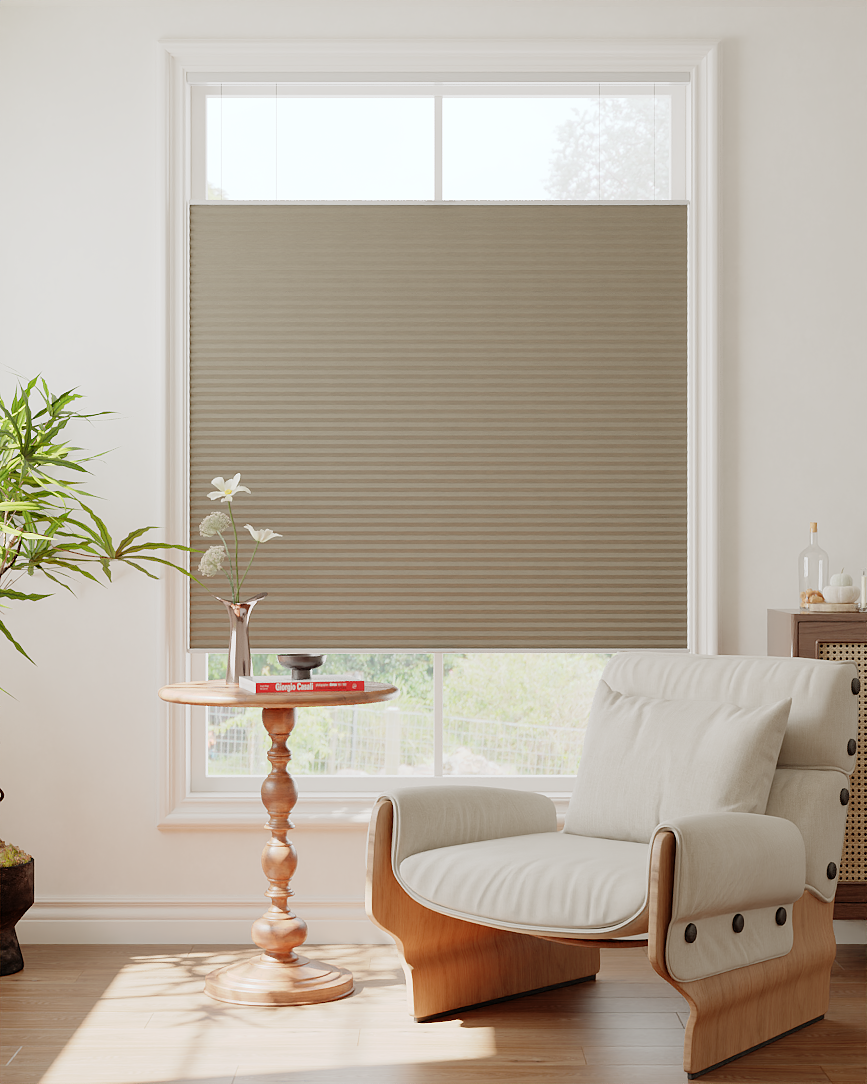
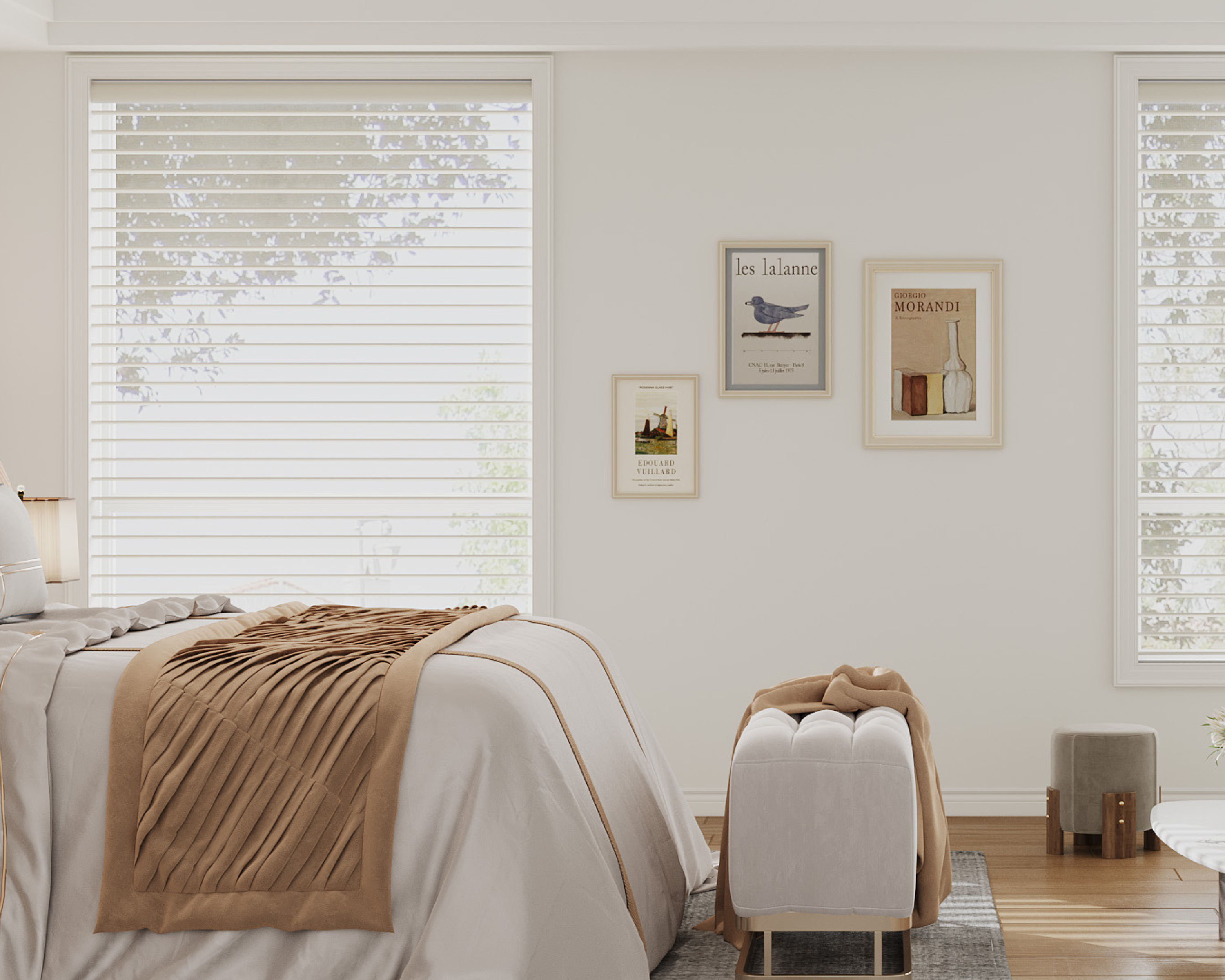
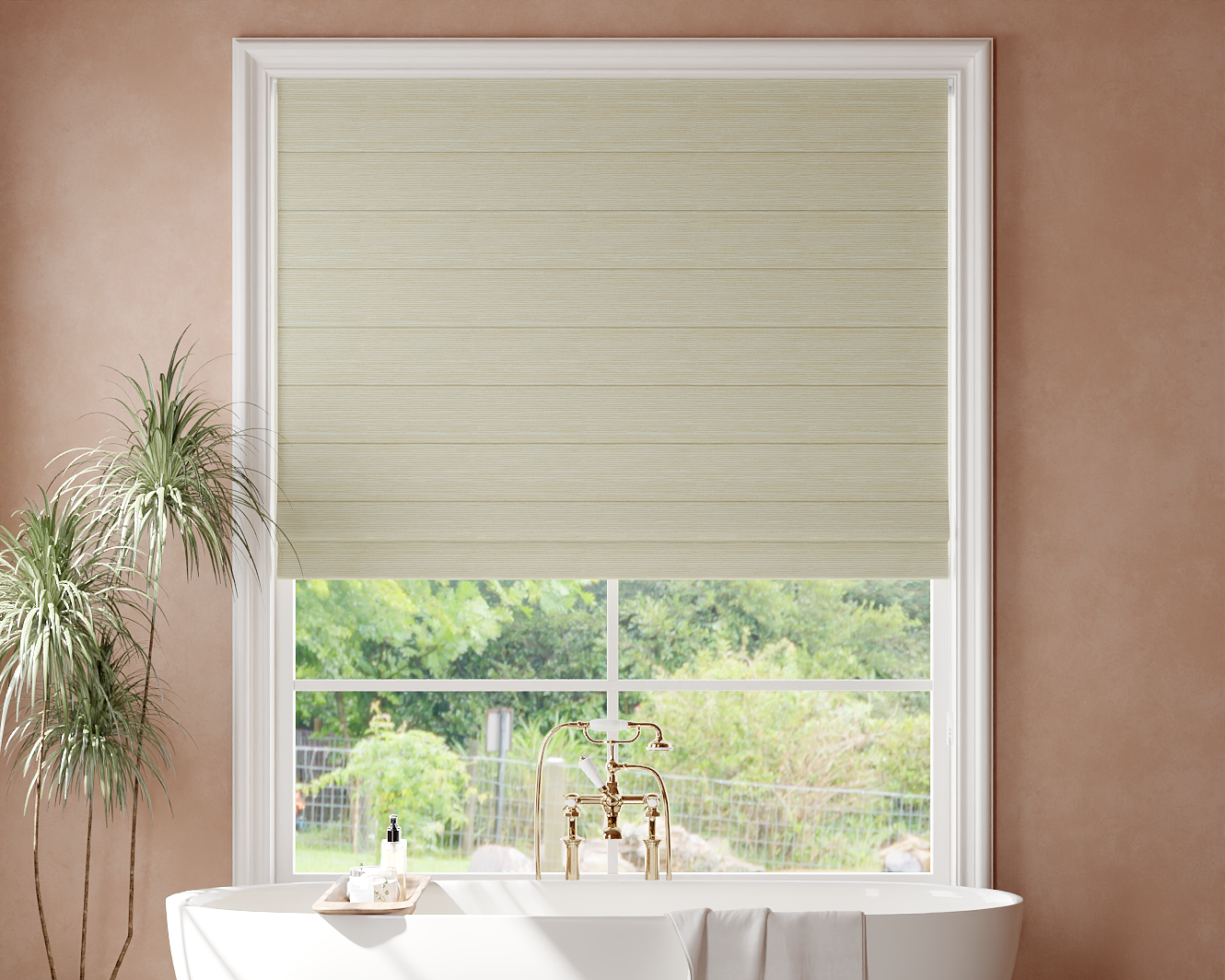
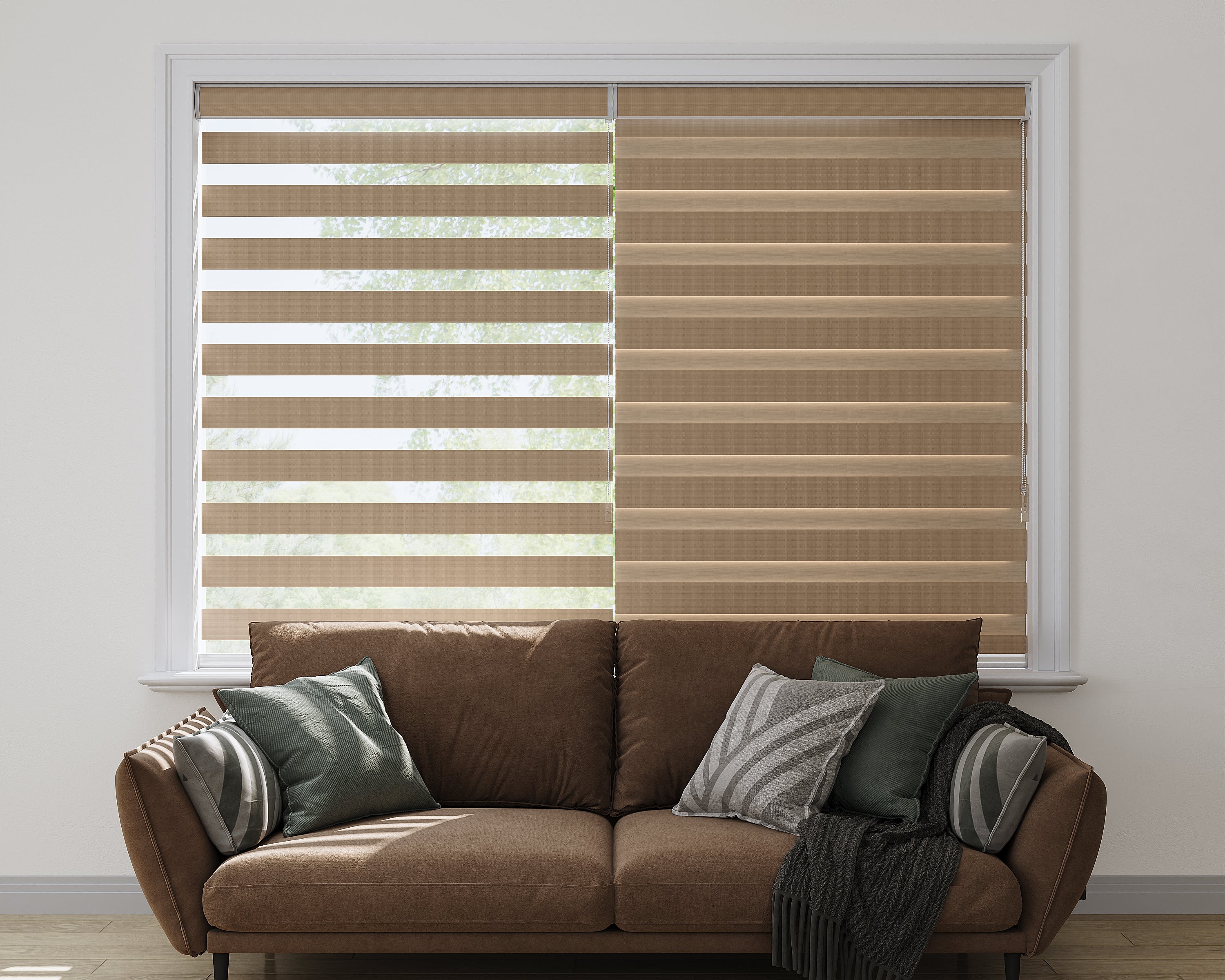
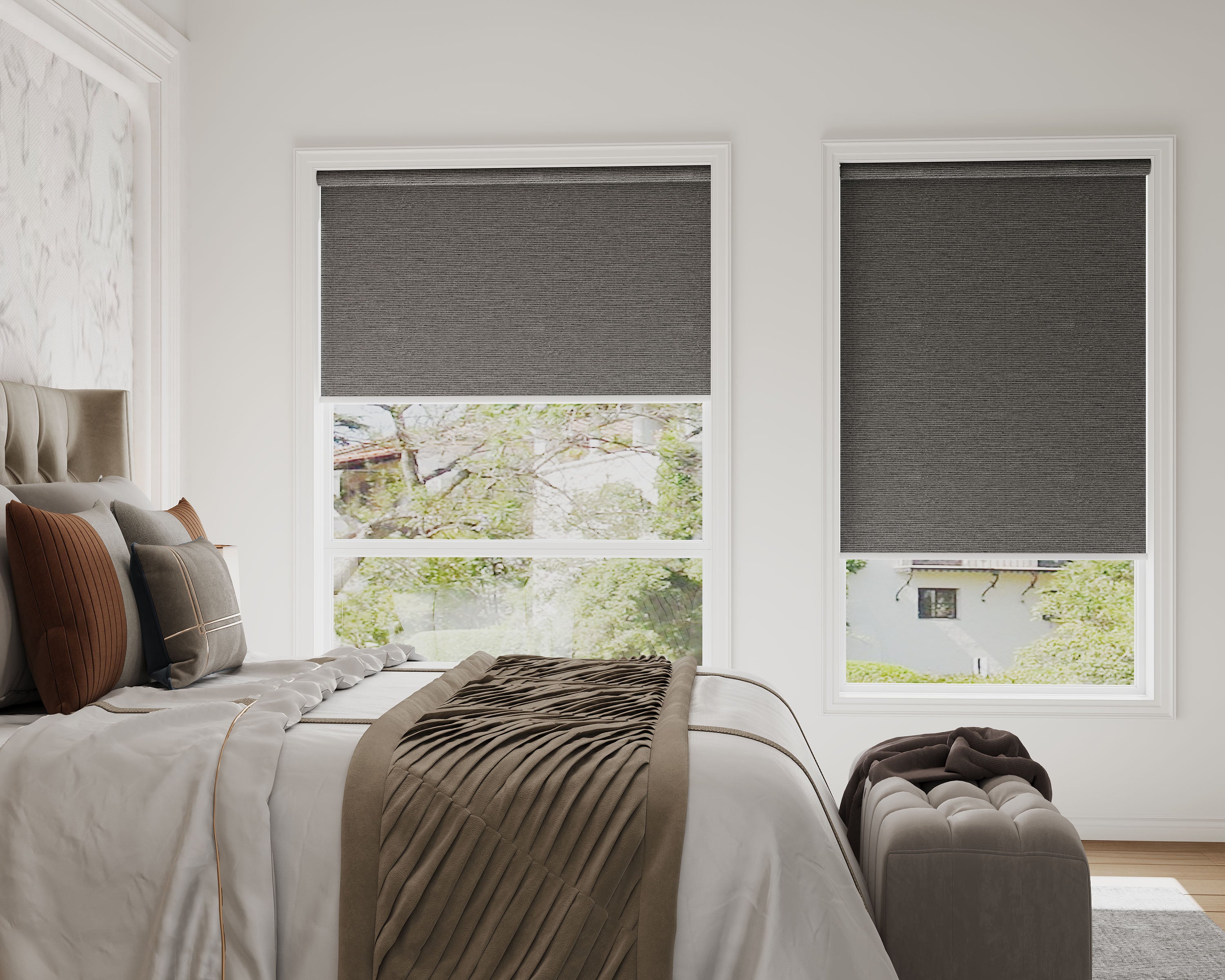
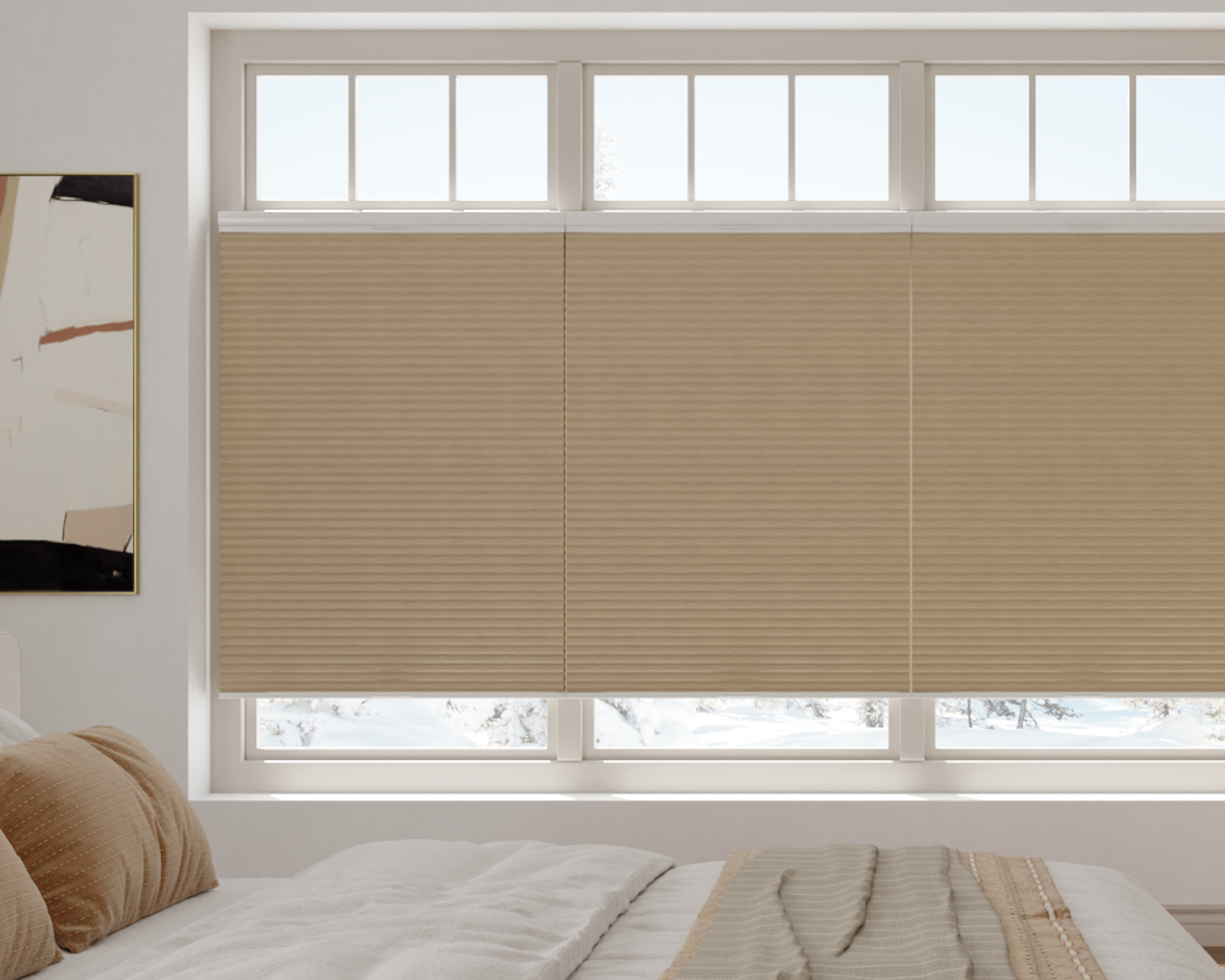
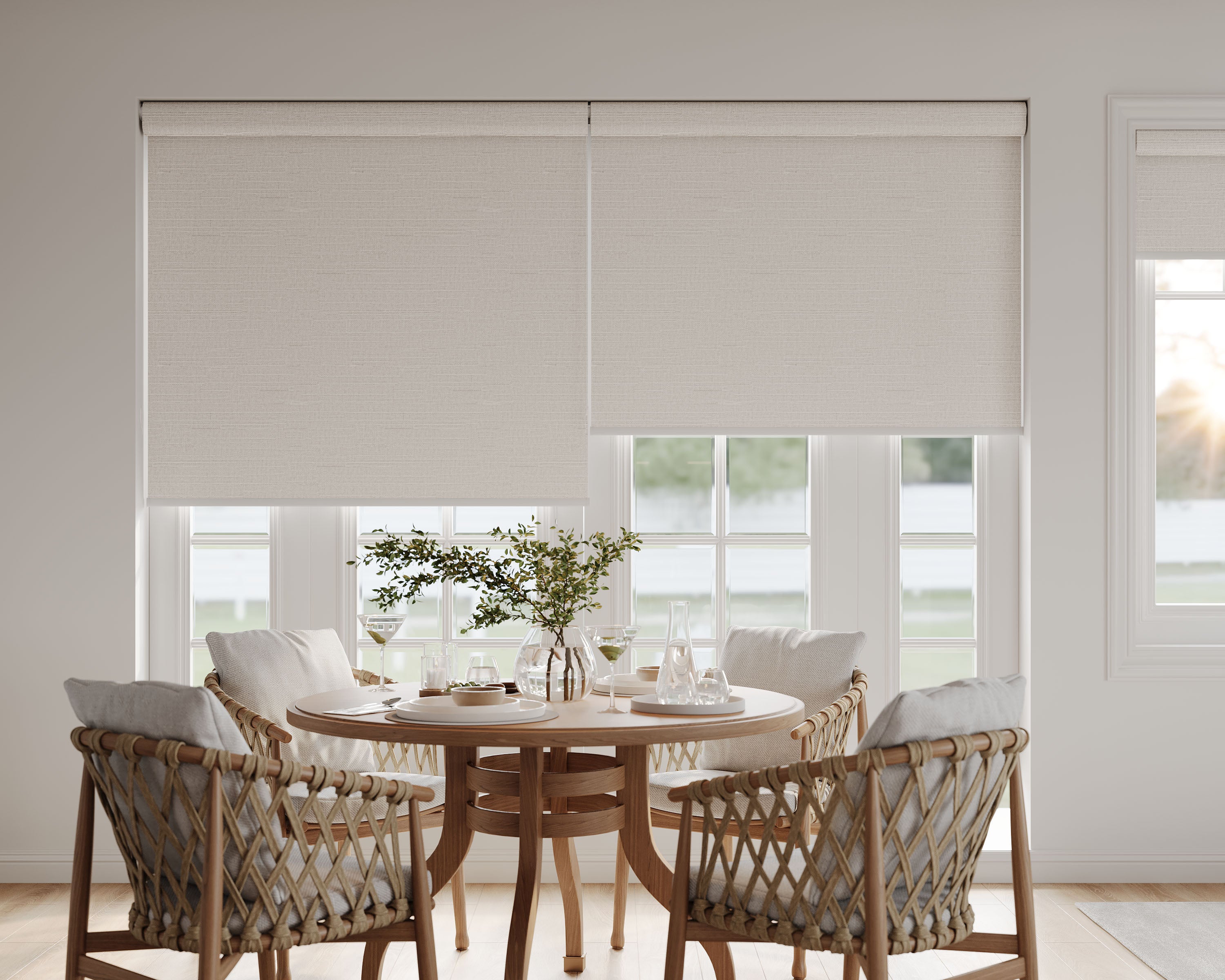


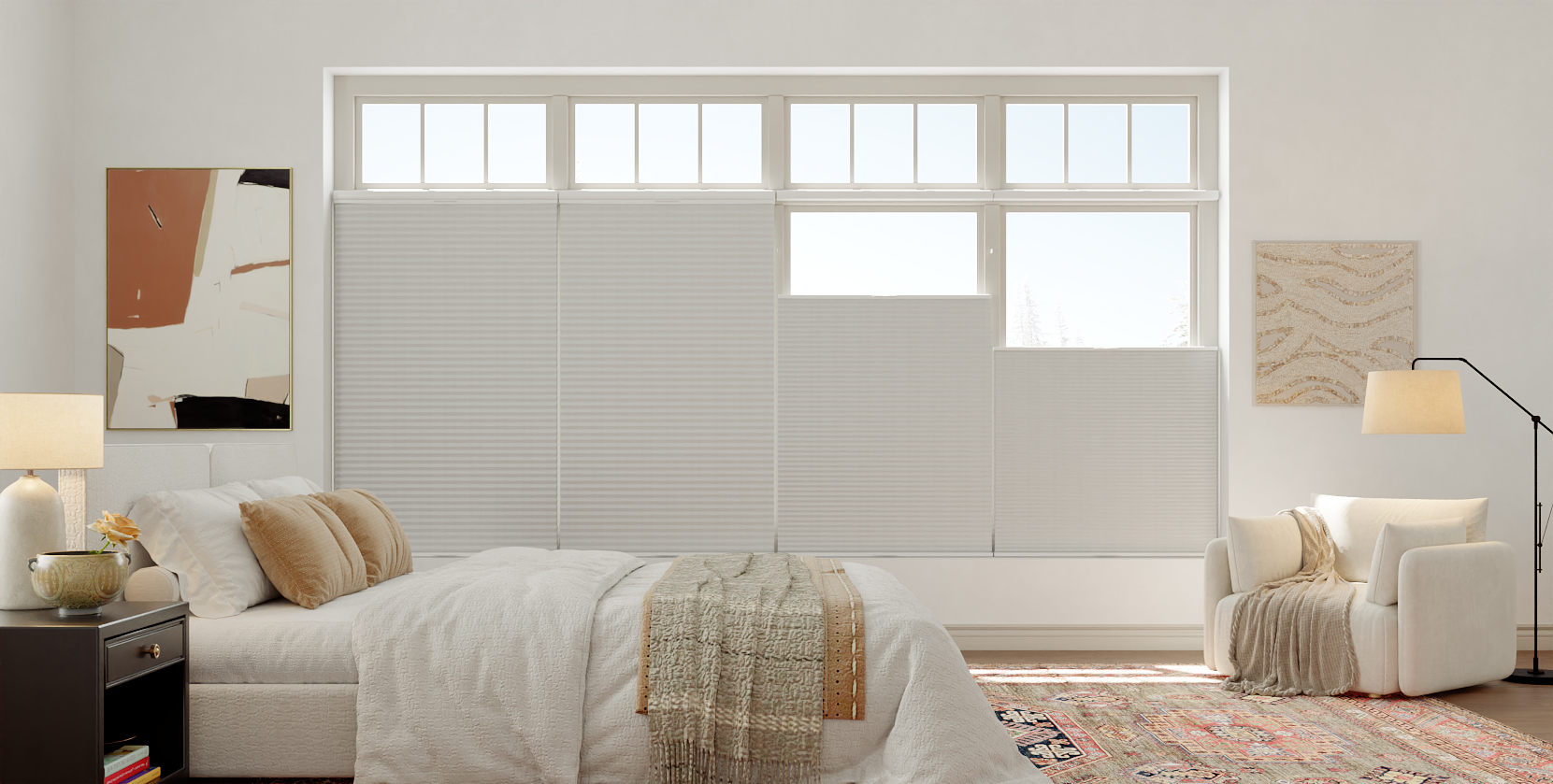


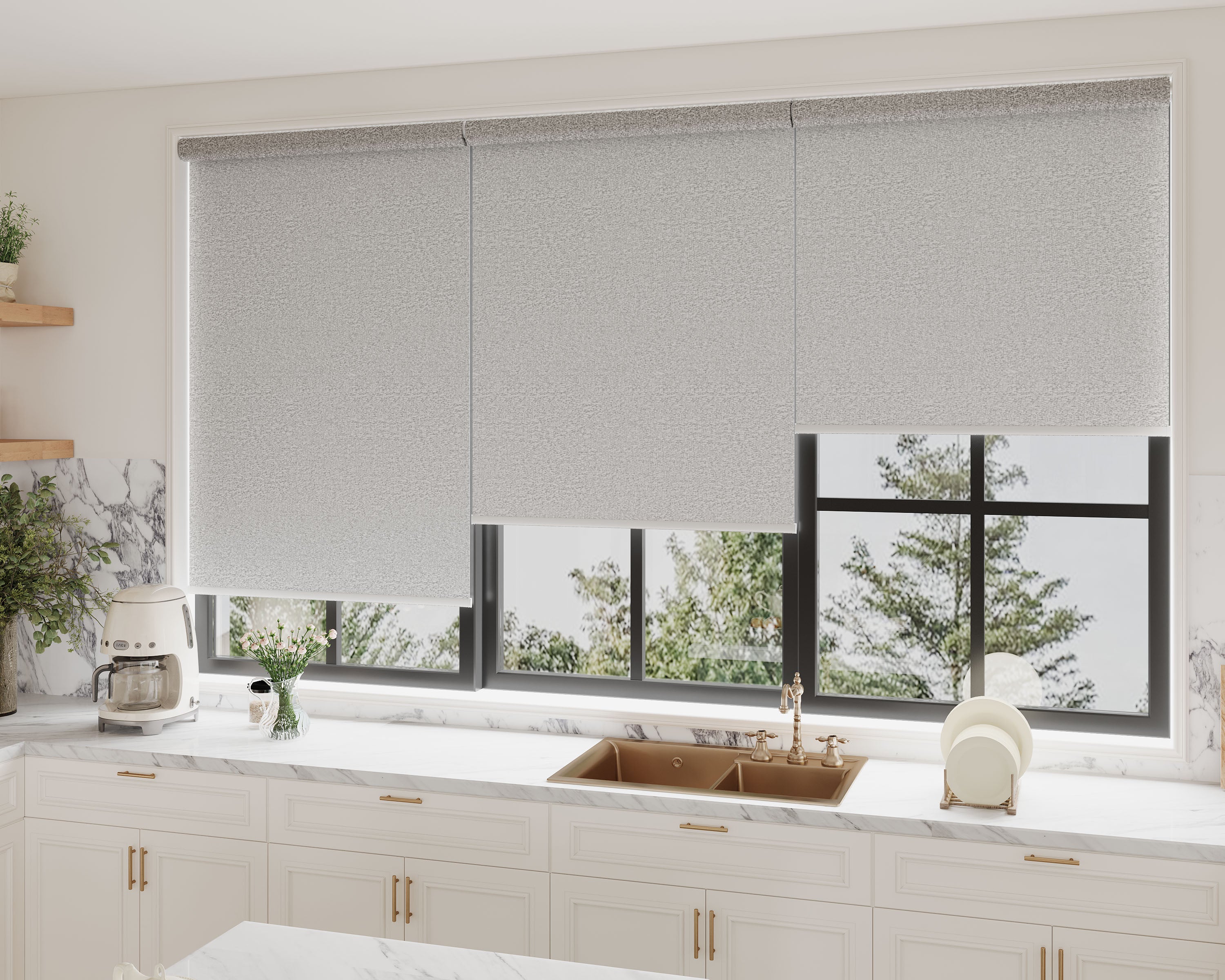

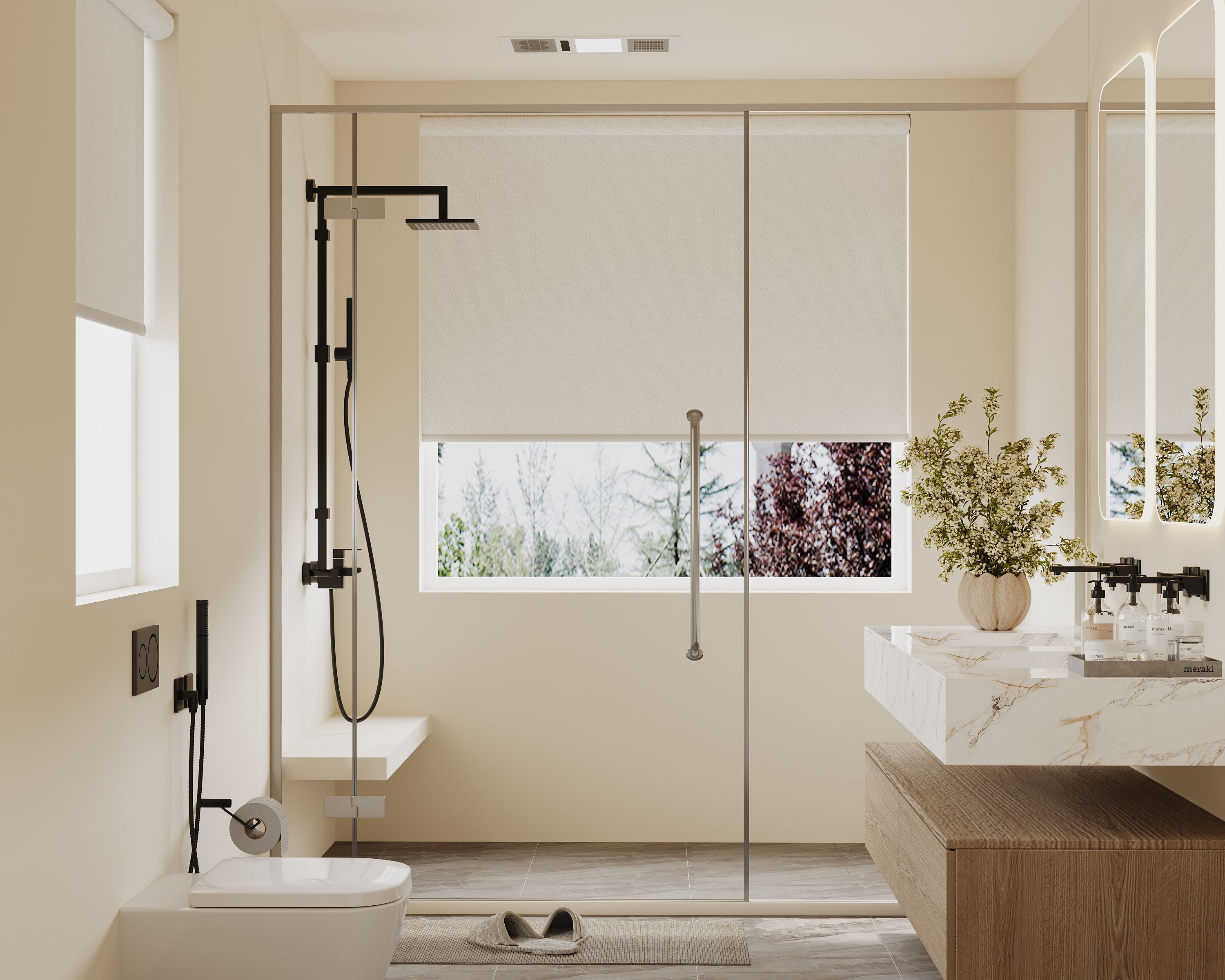


Zebra shades offer moderate energy efficiency through solar heat control but provide minimal insulating value. Their primary energy benefit is rejecting a portion of the sun's radiant heat during summer, helping to keep rooms cooler. However, their single-layer fabric design cannot trap air like cellular shades, making them a poor insulator against conductive heat loss in winter or heat gain from warm outdoor air. For a comprehensive home efficiency strategy that balances light control with thermal performance, exploring the full design benefits of versatile zebra blinds and shades is a valuable step.
Here’s what you’ll learn in this article:
-
A clear distinction between solar heat rejection and thermal insulation, and which one zebra shades provide.
-
A direct comparison table of how zebra shades stack up against cellular shades, blinds, and shutters for energy performance.
-
The specific factors—like fabric color, opacity, and installation—that maximize their efficiency potential.
-
How to strategically pair zebra shades with other treatments or habits for a greater combined energy benefit.
-
A realistic assessment of when zebra shades are a smart choice for efficiency and when another product is better suited.
The Efficiency Equation: Solar Rejection vs. Thermal Insulation
To understand where zebra shades excel and where they don't, it's crucial to separate two key concepts:
-
Solar Heat Rejection (Cooling Benefit): Blocking radiant heat from sunlight before it enters and warms your room. This is measured by a Solar Heat Gain Coefficient (SHGC) - a lower number is better for cooling.
-
Thermal Insulation (Heating/Cooling Benefit): Resisting the transfer of heat (either escaping warm air in winter or entering hot air in summer) through the window itself. This is measured by an R-value - a higher number indicates better insulation.
Zebra shades are designed for the first task: solar control. The opaque stripes, especially in lighter colors, reflect a portion of solar radiation. The sheer stripes allow visible light while still filtering some solar energy. They are not engineered for the second task: creating an insulating air barrier.
Zebra Shades vs. Other Treatments: An Energy Performance Comparison
The following table illustrates how zebra shades compare to other common window treatments, highlighting their specific role in home energy management.
| Window Treatment | Primary Energy Strength | Typical R-Value (Insulation) | Best for Efficiency In... | Key Limitation |
|---|---|---|---|---|
| Zebra Shades | Solar Heat Rejection (Reduces summer cooling load). | Very Low (R-~1). Minimal air barrier. | Sunny rooms prone to overheating. Homes in hot/sunny climates. | Poor insulator; less effective for winter savings or blocking conducted heat. |
| Cellular (Honeycomb) Shades | Thermal Insulation (Traps still air). | High (R-3 to R-5+). Excellent air barrier. | All climates, especially extreme ones. Rooms where reducing HVAC costs is the top priority. | A look that is more textured and less sleek than flat roller shades. |
| Traditional Blinds | Minimal (some solar reflection when closed). | Very Poor (R-~1). Significant air gaps. | Low-budget basic light control. | Gaps between slats allow substantial heat transfer year-round. |
| Plantation Shutters | Moderate insulation (solid barrier). | Moderate (R-~2 to R-3). | Aesthetic/durability focus with some insulation benefit. | Gaps around panels and louvers can allow air infiltration. |
Maximizing the Efficiency of Your Zebra Shades
You can enhance their solar control performance through smart product choices and usage habits.
1. Select the Right Fabric and Color
-
Opacity Matters: Zebra shades with room-darkening or blackout opaque stripes will block more solar radiation than those with light-filtering stripes.
-
Color is Key: Lighter colors (white, cream, beige) on the exterior-facing side of the opaque stripe are most reflective, bouncing solar energy away from your window. Dark colors absorb heat.
2. Implement Smart Usage and Installation
-
Daytime Summer Strategy: Lower zebra shades on south and west-facing windows during peak sun hours (10 am - 4 pm) to block direct radiant heat. This simple habit can significantly reduce air conditioning strain.
-
Ensure a Tight Seal: A precise fit minimizes gaps where hot air can infiltrate around the shade's edges. Whether you choose inside or outside mount, following a guide for fool-proof measuring for a gap-free window seal is fundamental.
-
Embrace Automation: Motorized zebra shades can be scheduled to lower and raise automatically based on the sun's position or outdoor temperature, ensuring optimal efficiency without you lifting a finger.
3. Layer for Combined Benefits
For the best of both worlds, consider a layered approach:
-
Zebra Shades + Insulating Drapes: Use zebra shades for daytime solar control and view. In the evening, draw floor-length insulating drapes behind them to add a layer of still air insulation, helping retain heat in winter or keep cool air in during summer nights.
-
Zebra Shades as a Complement: In a home with excellent insulated windows, zebra shades add fine-tuned solar control without the need for bulky insulation.
When to Choose Zebra Shades for Energy Goals (And When Not To)
-
Choose Zebra Shades If: Your primary concern is glare and overheating from sun in living rooms, sunrooms, or home offices. You want efficiency benefits without completely sacrificing your view or natural light. You live in a predominantly hot or sunny climate where cooling costs are a bigger concern than heating.
-
Consider a Different Treatment If: Your main goal is reducing winter heating bills or you live in a very cold climate. In this case, the insulating power of cellular shades designed to trap air and reduce heating bills is far superior. You need total blackout and maximum thermal performance for a bedroom or media room; a dedicated blackout cellular shade is more effective.
Conclusion and Key Takeaways
Zebra shades are an energy-efficient choice for a specific purpose: managing solar heat gain to reduce cooling loads. They are not a whole-home insulation solution but a sophisticated tool for solar control and daylight management that contributes to overall comfort and can lower summer energy use.
Key Highlights:
-
Strength is Solar Control: Their main efficiency contribution is reflecting and filtering radiant heat from the sun.
-
Weakness is Insulation: Their single-layer design provides minimal R-value and cannot prevent conductive heat transfer.
-
Usage Dictates Savings: Their real-world energy benefit is realized only when they are consistently deployed during peak sunshine.
-
Strategic Selection Works: Choosing light-colored, room-darkening fabrics and ensuring a tight install maximizes their potential.
-
They Are Part of a System: For whole-home efficiency, zebra shades are best used in sunny living areas, potentially paired with insulating treatments in bedrooms or on windows with greater heat loss.
By setting accurate expectations and using them strategically, zebra shades can be a valuable component of an energy-conscious home, enhancing comfort and contributing to lower utility bills during the cooling season.
Explore Custom Zebra Shades


Frequently Asked Questions (FAQ)
Do zebra shades qualify for energy-efficient tax credits?
It is highly unlikely. Federal tax credits like the Energy Efficient Home Improvement Credit typically require products to meet specific insulation performance standards (a minimum R-value) or be certified as a "building envelope component." Zebra shades, due to their low insulating R-value, generally do not meet these criteria. For tax credit eligibility, cellular shades with a manufacturer's certification are the more probable qualifying product.
Can motorized zebra shades improve energy efficiency more than manual ones?
Yes, significantly. Motorization enables set-and-forget efficiency. You can program shades to lower automatically at the hottest part of the day or when a smart thermostat detects a temperature spike. This ensures the solar control benefit is never missed due to forgetfulness, maximizing their impact. This is a key part of integrating shades with a smart home for automated comfort and savings.
Are zebra shades with wider stripes more energy efficient?
Not in a meaningful way. Stripe width is an aesthetic choice. The overall efficiency is determined by the fabric's reflectivity and density when the shade is in a closed position. A wider opaque stripe may block slightly more light in a given area, but the total coverage when closed is the same regardless of stripe size.
How do zebra shades compare to solar screens or films?
They serve a similar primary goal (solar heat rejection) but differently. Solar screens are a mesh mounted on the window's exterior, blocking heat before it hits the glass. They are very effective for cooling but can darken the view. Zebra shades are interior-mounted and adjustable, offering dynamic control between view and solar blockage. Solar film is a permanent coating on the glass. Zebra shades offer more flexibility and reversibility than either option.
If I already have double-pane windows, are zebra shades still beneficial?
Yes. Even efficient windows benefit from solar control. Double-pane windows reduce conducted heat transfer (insulation) but can still allow significant solar heat gain. Zebra shades add an extra, adjustable layer of defense against this radiant heat, further improving the performance of your existing windows during sunny days, especially if the windows are not low-emissivity (low-e) coated.
