
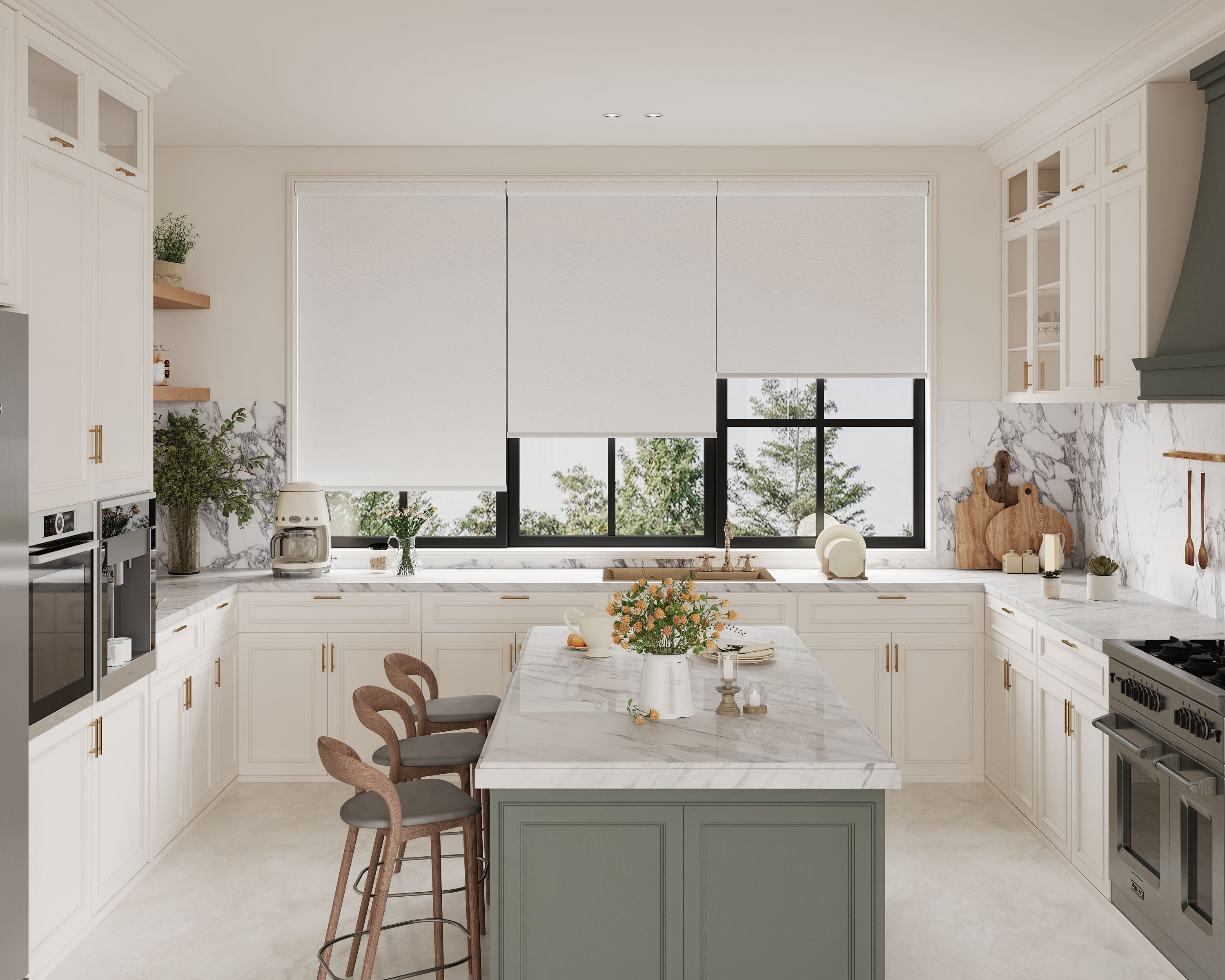
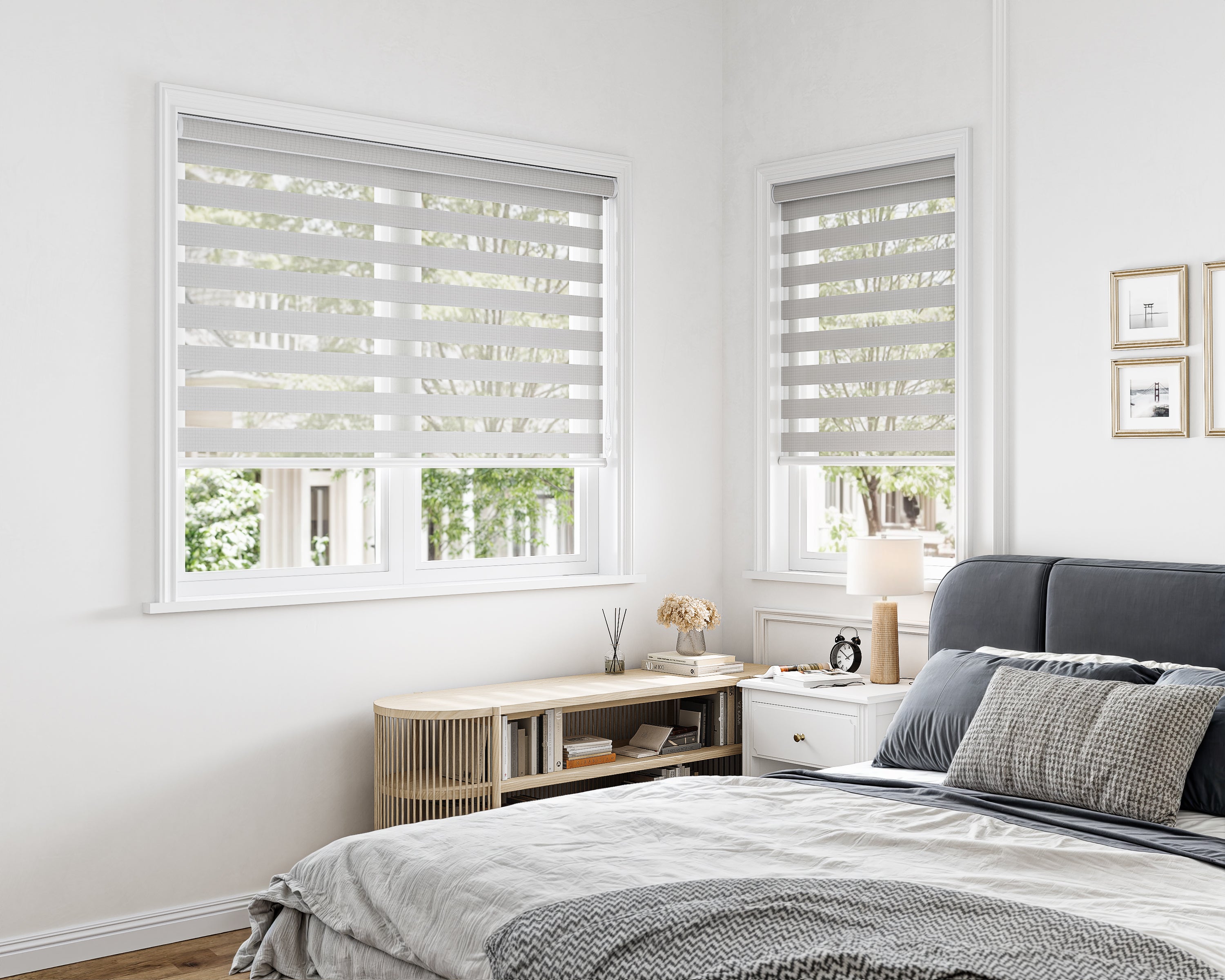
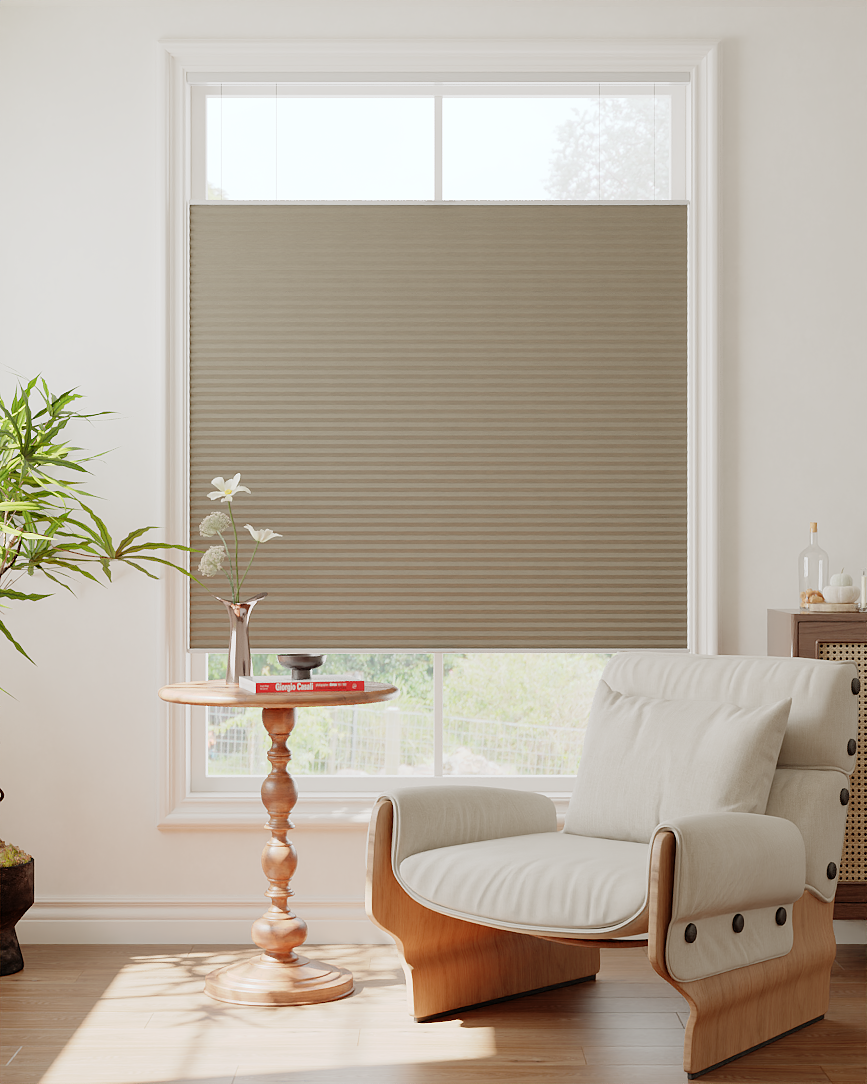
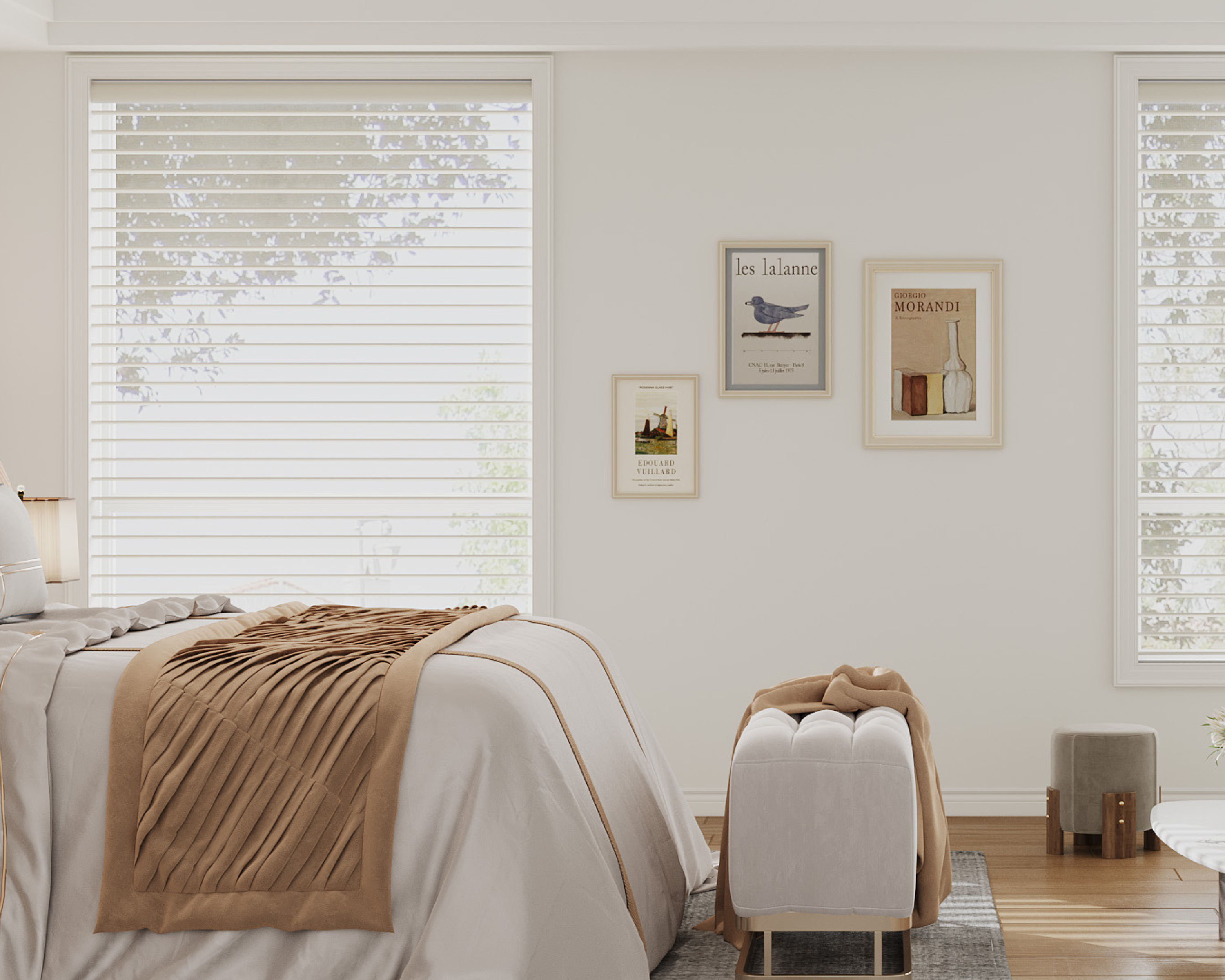
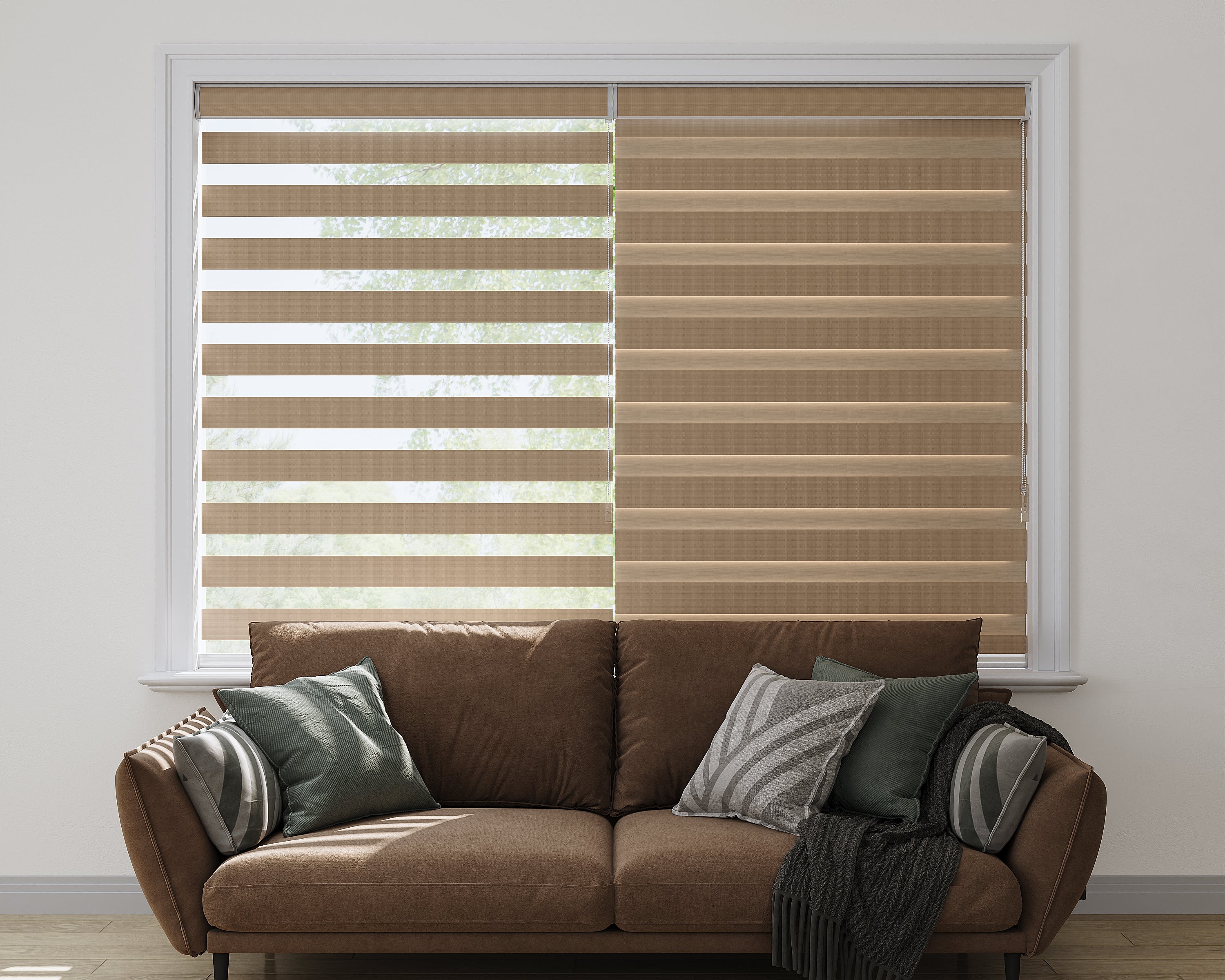
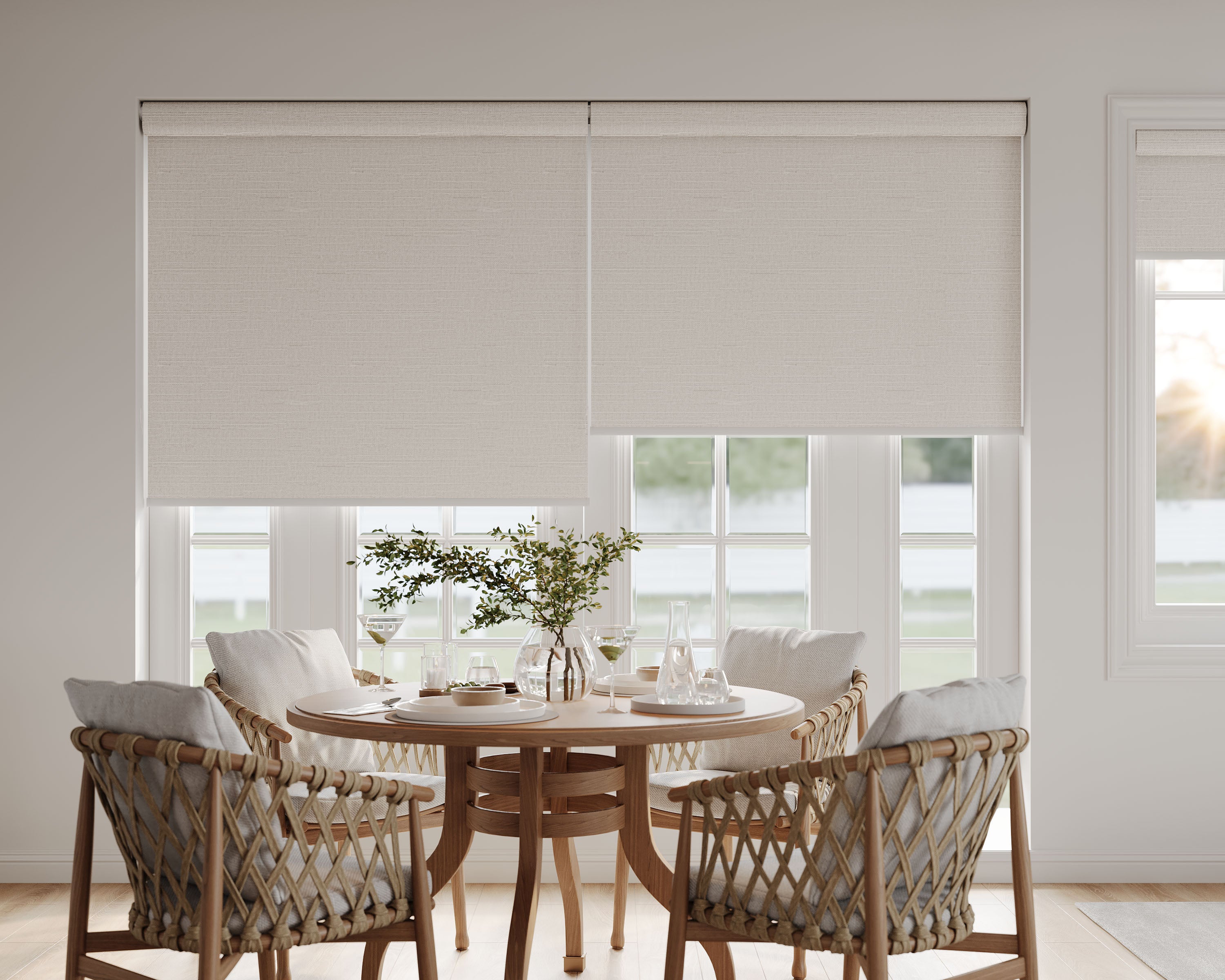


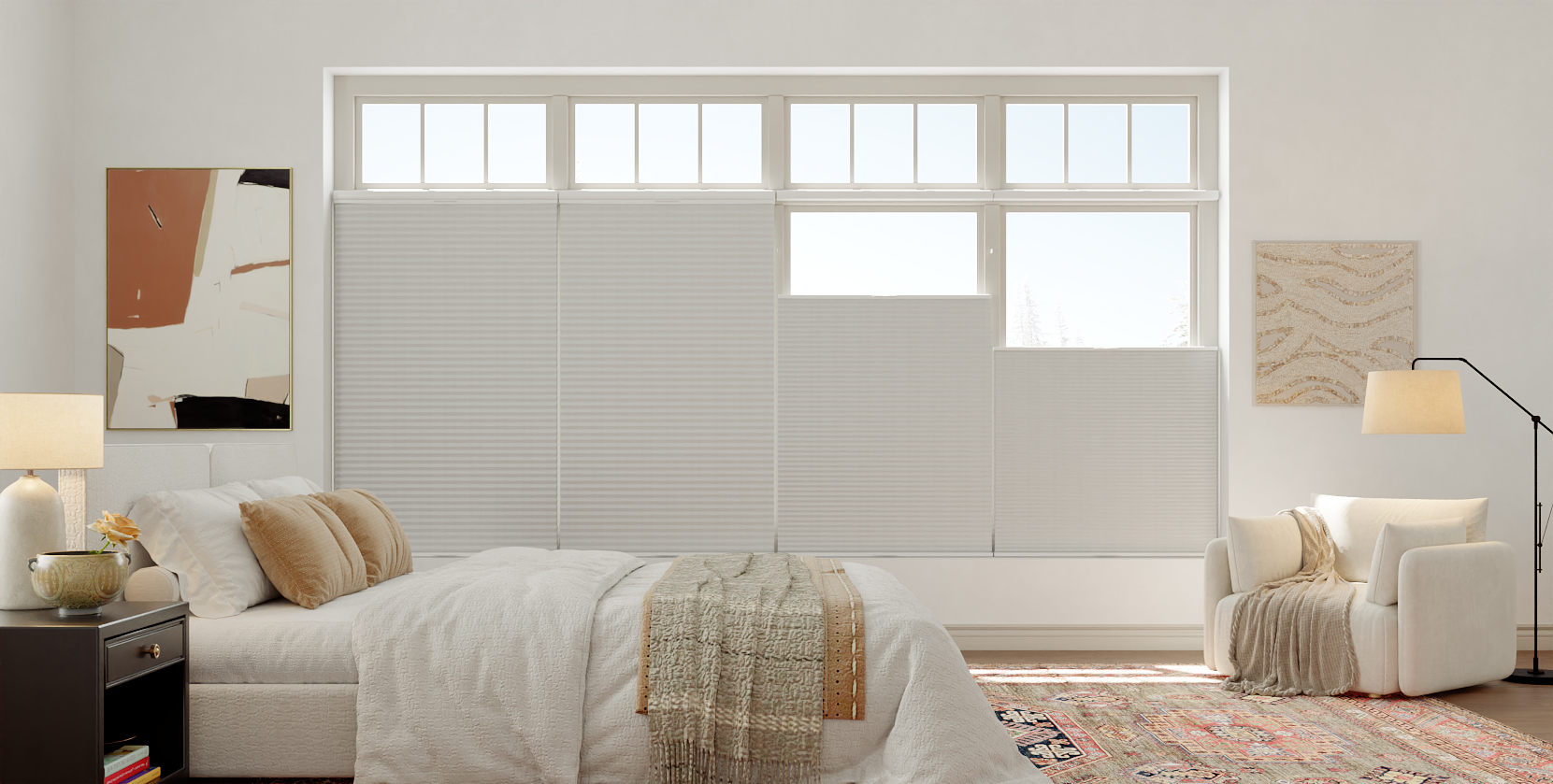


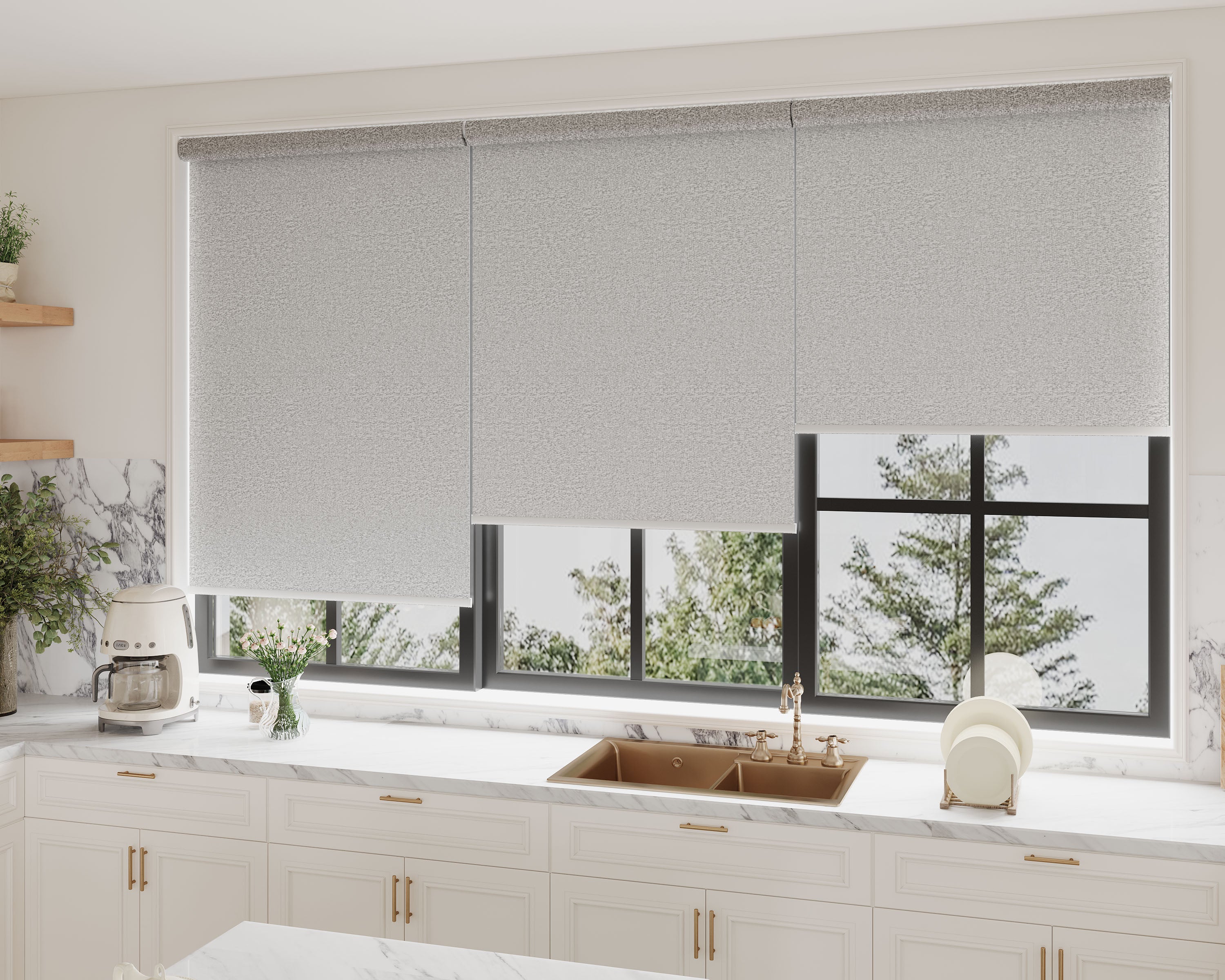

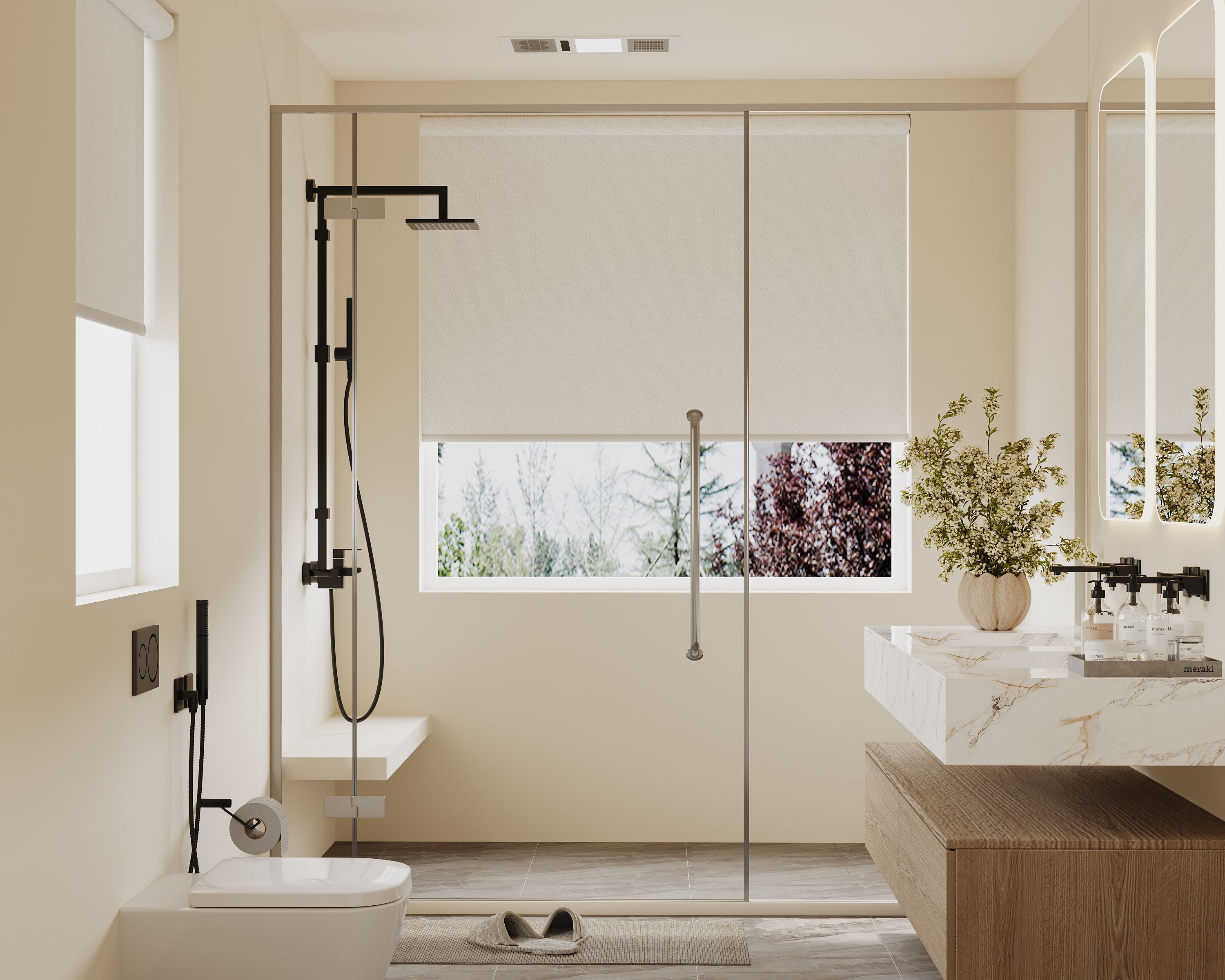


Zebra shades and curtains serve fundamentally different purposes: zebra shades are a precision-engineered, modern system for adjustable light and privacy control, while curtains are a soft, traditional treatment that adds texture, color, and fullness to a room's decor. The better choice depends on whether you prioritize high-functioning, minimalist light management or layered, decorative softness. For achieving sleek, contemporary functionality with unparalleled adjustability, modern zebra blinds and shades offer distinct advantages.
Here’s what you’ll learn in this article:
-
A detailed side-by-side analysis of pros and cons across function, aesthetics, installation, and cost.
-
A clear decision framework to determine which option fits specific rooms, architectural styles, and lifestyle needs.
-
How to effectively combine both treatments for maximum visual impact and functional flexibility.
-
Key considerations for maintenance, light control, and long-term versatility in home design.
-
Answers to common questions about insulation, blackout needs, and creating a cohesive layered look.
Zebra Shades vs. Curtains: A Comprehensive Pros and Cons Analysis
This table breaks down the core advantages and limitations of each window treatment, providing a clear foundation for your decision.
| Feature | Zebra Shades (Dual Roller Shades) | Curtains & Drapes |
|---|---|---|
| Primary Function | Precise, adjustable light & privacy control. A functional mechanism first. | Decorative softening & texture. A design element first, with basic light blocking. |
| Light Control | Excellent & dynamic. Seamlessly adjusts from clear view to full privacy. Infinite settings. | Basic & binary. Either open (full light/view) or closed (blocked light/view). Limited mid-points. |
| Aesthetic & Style | Modern, minimalist, architectural. Clean lines and a uniform, streamlined appearance. | Traditional, soft, luxurious. Adds volume, color, pattern, and tactile texture to a space. |
| Space & Proportion | Space-efficient. Flush to the window; doesn't encroach on room space. Makes windows look neat. | Space-claiming. Can make windows appear larger/taller but uses wall space and can overwhelm small rooms. |
| Insulation | Minimal. Single-layer fabric offers little thermal insulation. | Moderate to Good. Heavy, lined drapes (especially with a thermal lining) can provide decent insulation. |
| Maintenance | Easier. One flat panel to dust or spot clean. No fabric to take down and launder. | More Involved. Require regular vacuuming and typically need to be taken down for washing or dry cleaning. |
| Installation & Cost | Moderate to High initial cost. Requires precise mounting. Often a permanent, custom solution. | Wide Range. Can be very affordable (ready-made) to very high-end (custom). Generally easier to install. |
Strategic Decision Guide: When to Choose Each Option
Your specific room, goals, and design style will point you toward the ideal treatment. This guide helps match the product to your scenario.
| Your Primary Goal | Recommended Choice | Key Reasoning & Implementation Tip |
|---|---|---|
| Sleek, Modern, or Minimalist Interior | Zebra Shades | Their clean, mechanical look is inherent to modern design. They provide function without visual clutter. |
| Maximizing Adjustable Light in a Living Room or Office | Zebra Shades | The ability to manage glare while preserving a view for home office comfort is a unique strength. |
| Adding Warmth, Color, or Pattern to a Neutral Room | Curtains | Fabric is the easiest way to inject personality, softness, and a major color accent. |
| Enhancing Perceived Ceiling Height | Curtains | Installing curtain rods near the ceiling and using full-length panels draws the eye upward, making rooms feel taller. |
| Easy, Budget-Friendly Solution for a Rental | Curtains (Ready-Made) | Easy to install and take with you. Offers quick color/pattern change without custom investment. |
| Requiring Superior Insulation for Temperature Control | Thermal Curtains or Cellular Shades | For true energy savings, heavy insulated drapes or specialized insulating cellular shades are far more effective than zebra shades. |
| Desiring Ultimate Design Flexibility | Layer Both | Use zebra shades for daily light control and add curtains for nighttime coziness and decorative finish. |
The Power of Layering: Combining Zebra Shades and Curtains
For many homes, especially in living and bedrooms, the ideal solution is not an either/or choice but a strategic combination. Layering provides the ultimate in flexibility and design depth.
How It Works: Install zebra shades inside the window frame or directly on the trim. Then, mount a curtain rod on the wall above and wider than the window, hanging decorative curtains on either side.
-
Functional Synergy: The zebra shades handle the precise, day-to-day light and privacy adjustments. The curtains are drawn closed at night for added insulation, full blackout (if lined), and a cozy, finished feel.
-
Design Impact: This creates a professional, high-end look. The clean shade provides order, while the curtains add softness and grandeur. Learning effective techniques for combining shades with drapes without bulk is key to a polished result.
Cost, Installation, and Long-Term Considerations
-
Cost Trajectory: Ready-made curtains offer the lowest entry point. Custom zebra shades and custom curtains both represent significant investments, with cost driven by size, fabric quality, and motorization.
-
Installation Complexity: Curtain rod installation is generally straightforward DIY. Zebra shades require more precision for level mounting and, if motorized, may need wiring or programming. A successful install for either starts with fool-proof measuring to ensure a perfect fit.
-
Longevity & Change: High-quality zebra shades are a long-term investment with a modern, timeless mechanism. Curtains are easier and often less expensive to change out entirely when you want to update a room's color scheme or style.
Conclusion and Key Takeaways
Choosing between zebra shades and curtains is ultimately a choice between a philosophy of streamlined function and one of decorative expression. Zebra shades solve the problem of dynamic light control with modern elegance. Curtains solve the problem of softness, color, and traditional warmth.
Key Highlights:
-
Function vs. Decoration: Zebra shades are engineered light controllers; curtains are foundational decor elements.
-
Modern vs. Traditional: The aesthetic alignment is the most immediate differentiator for your home's style.
-
Layering is Optimal: In primary living spaces, combining both treatments delivers maximum versatility and a professionally designed appearance.
-
Consider the Full System: For energy efficiency, neither zebra shades nor lightweight curtains are top performers; consider insulated drapes or cellular shades as part of your plan.
-
Plan for Your Priorities: Prioritize zebra shades for home offices and modern living rooms. Prioritize curtains for bedrooms (for coziness) and rooms needing a major soft-furnishing update.
By understanding their distinct roles, you can make an informed choice—or a powerful combination—that elevates both the function and beauty of your windows.
Explore Custom Zebra Shades


Frequently Asked Questions (FAQ)
Can zebra shades provide total blackout like some curtains?
Standard zebra shades are not true blackout. Even in the closed position, there can be minimal light bleed at the edges and between the fabric layers. For complete darkness, you would need a dedicated blackout roller shade or to layer your zebra shades with blackout-lined curtains, which are designed to block 100% of light.
Are curtains or zebra shades better for sound dampening?
Curtains, particularly those made from heavy, thick, and textured fabrics like velvet or heavyweight linen, are significantly better at absorbing sound and reducing echo in a room. The flat, taut fabric of zebra shades does not provide meaningful acoustic dampening.
Which option is more child and pet-friendly?
Zebra shades with cordless operation are inherently safer for children and pets, as they eliminate dangerous dangling cords. Curtains with long cords on the rods pose a similar hazard and require safety devices. Additionally, pets are less likely to climb or damage a flat, taut zebra shade than flowing curtain fabric.
I have a very small room. Will curtains make it feel cramped?
In a very small room, floor-to-ceiling curtains on a wide rod can actually make the window and room feel larger. However, bulky, dark, or heavily patterned curtains can overwhelm the space. Zebra shades are a safer bet for maintaining a sense of openness and space efficiency, as they sit flush with the window.
Can I automate both zebra shades and curtains?
Yes, both can be automated. Motorized zebra shades are very common. Curtains can be automated with motorized drapery track systems. This allows for synchronized scheduling (e.g., shades lower and curtains close at sunset) and voice control, representing the peak of convenience and a modern smart home integration, as seen in setups for whole-home smart comfort.
