






News

Single vs. Double Layer Zebra Shades: Understand the Listing
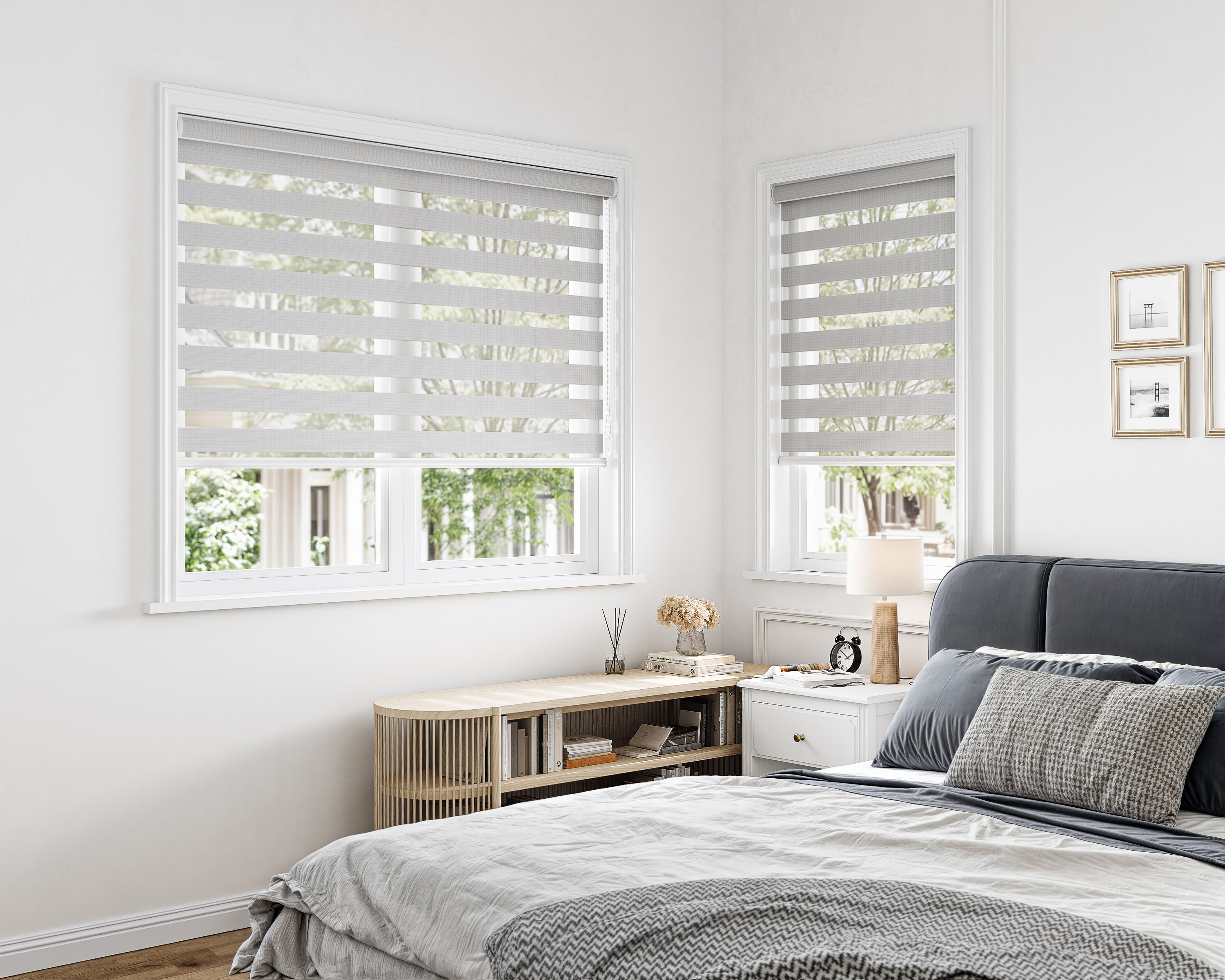
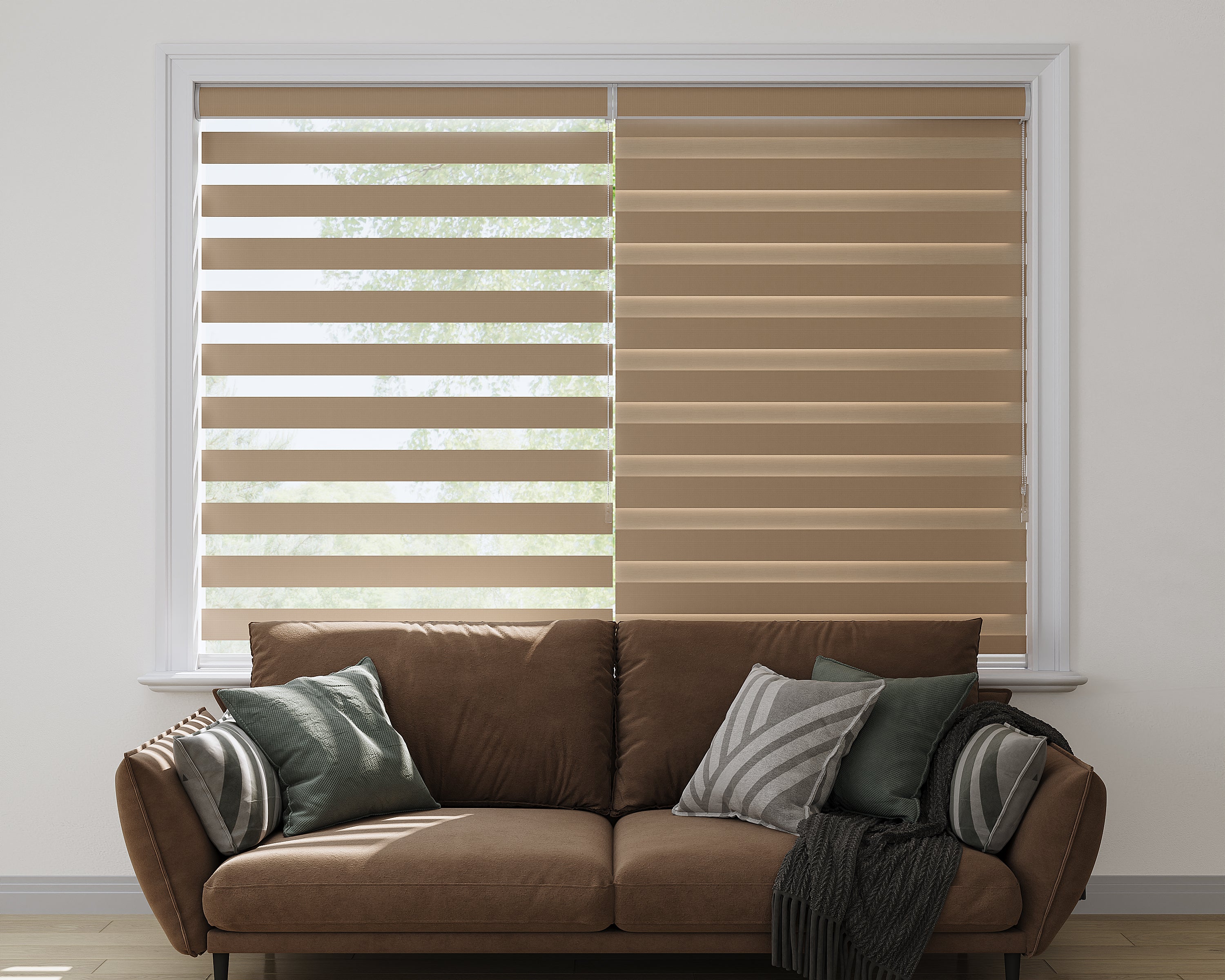
“Single layer,” “double layer,” “dual” and “day/night” are not enough to identify how a zebra shade operates. A standard zebra design presents overlapping runs of striped fabric at the window;...

How to Clean Zebra Shades: Protect the Bands and Layers
Zebra shades combine alternating sheer and denser bands in an adjustable fabric arrangement. Cleaning should protect the mesh, band edges and normal alignment, not treat the covering like a row...

Zebra Shades vs. Curtains: Light Control, Space and Layering
Zebra shades adjust the overlap of sheer and solid fabric bands. Curtains draw across an opening and can be made from sheer, light-filtering or opaque materials. Both can be functional...

How to Layer Sheer Shades With Drapes
Layering sheer shades with drapes works best when each layer has a job. The shade manages daylight close to the window; the drapes frame the opening and can add a...

Sheer Shades vs Curtains: Compare Light, Privacy and Daily Use
Choose sheer shades for adjustable light diffusion when that mechanism suits the room; choose curtains for fabric coverage, framing and the options available in the selected fabric and lining. Neither...

How to Layer Roman Shades with Curtains
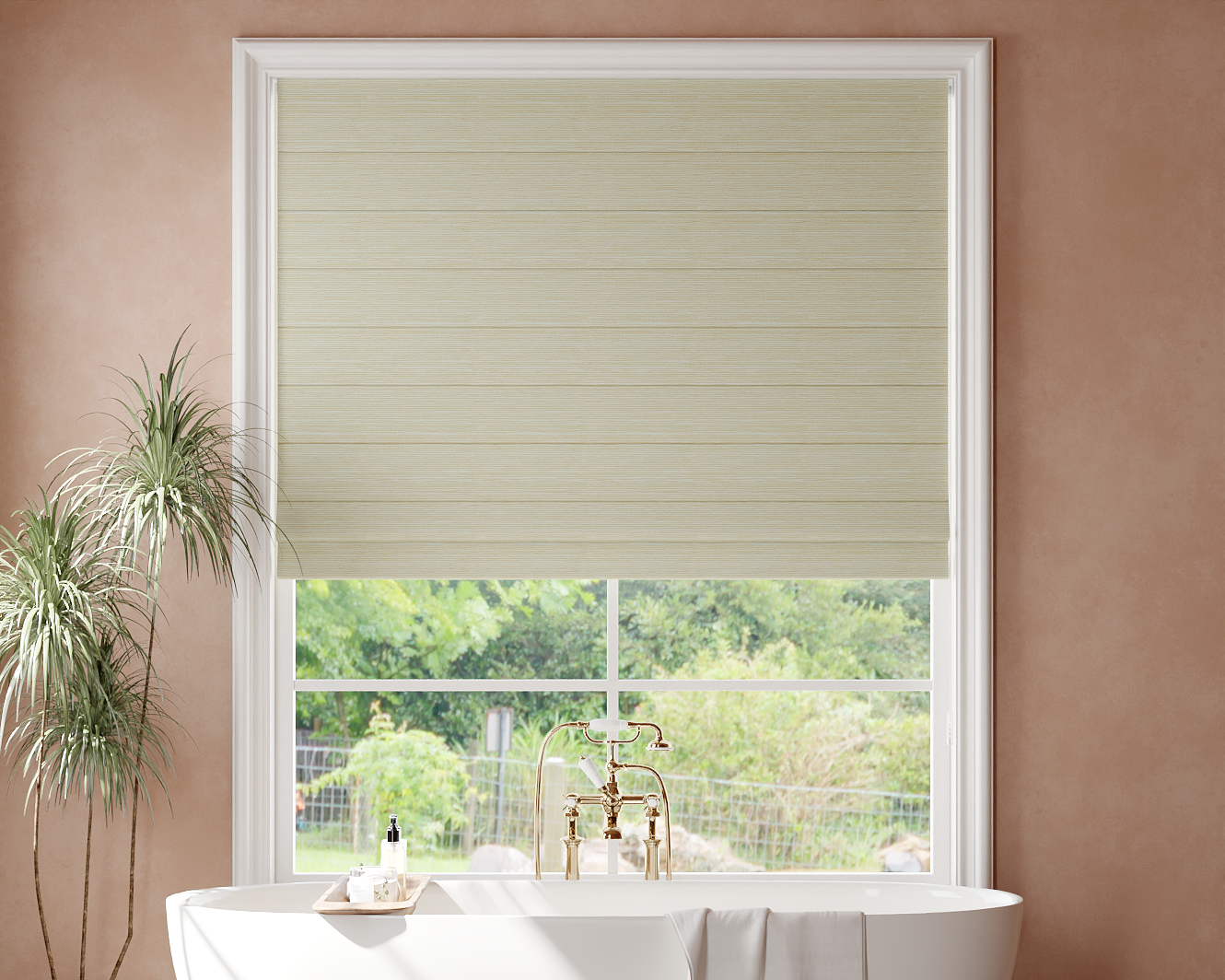
Roman shades and curtains work well together when each layer has a clear job and enough room to move. The shade can handle everyday light control while the curtains frame...

Layer Sheer and Blackout Shades Without Crowding the Window
A layered window can provide filtered daylight and a separate, more opaque covering when you need privacy or darkness. Keeping it visually simple begins with the actual hardware dimensions and...

Layering Shades and Curtains for Thermal Comfort
Layering a shade and curtains can combine different light-control and coverage functions, and the installed arrangement may contribute to thermal comfort. More layers do not guarantee a fixed energy saving;...
