


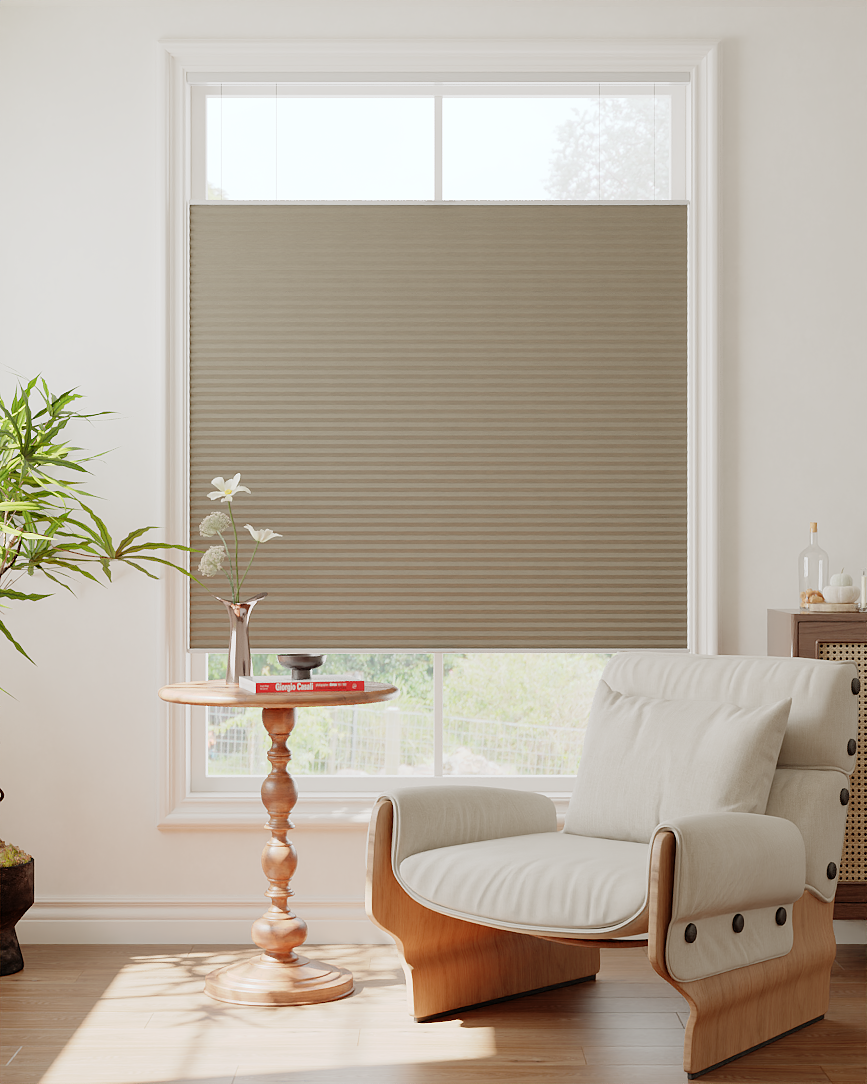
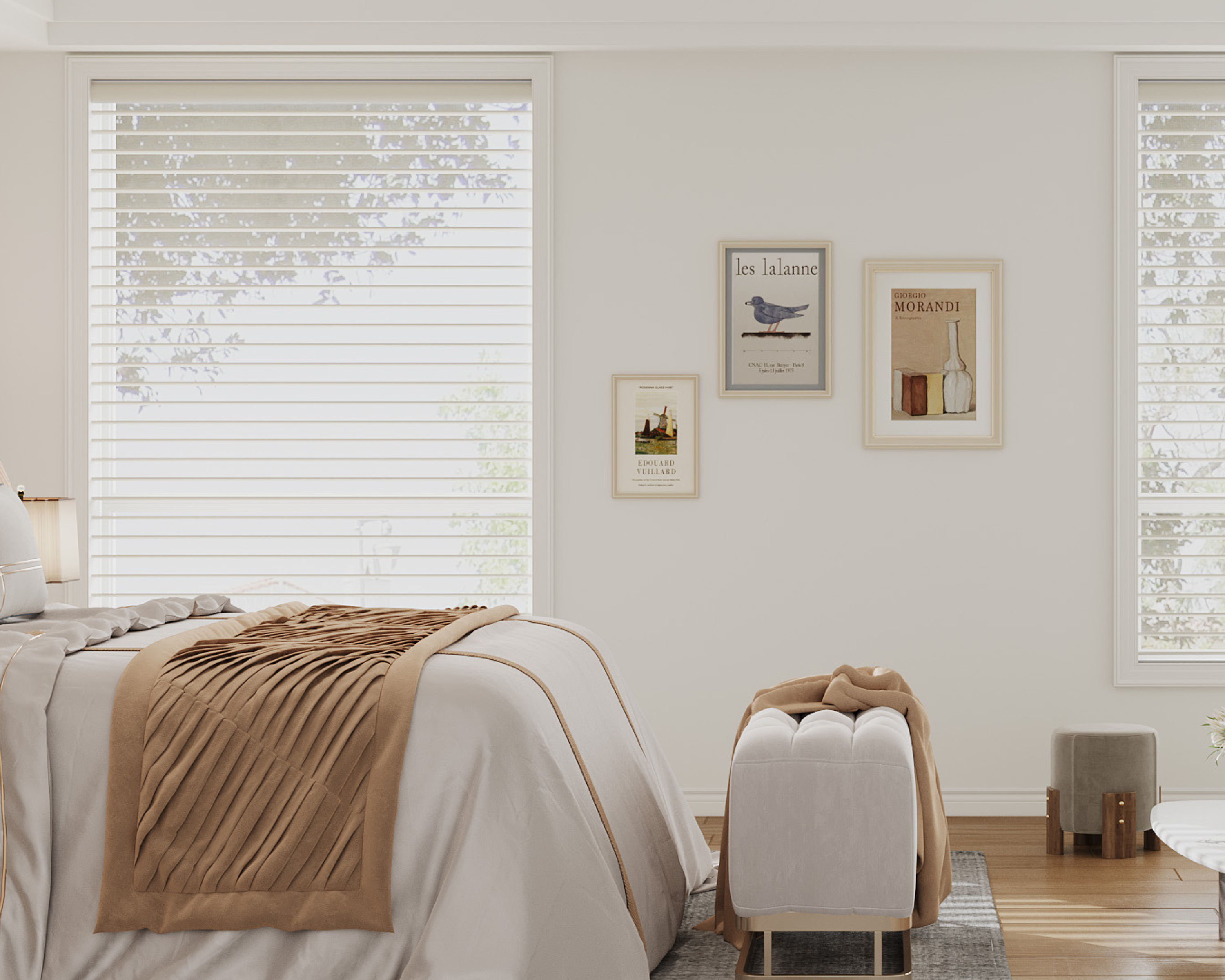
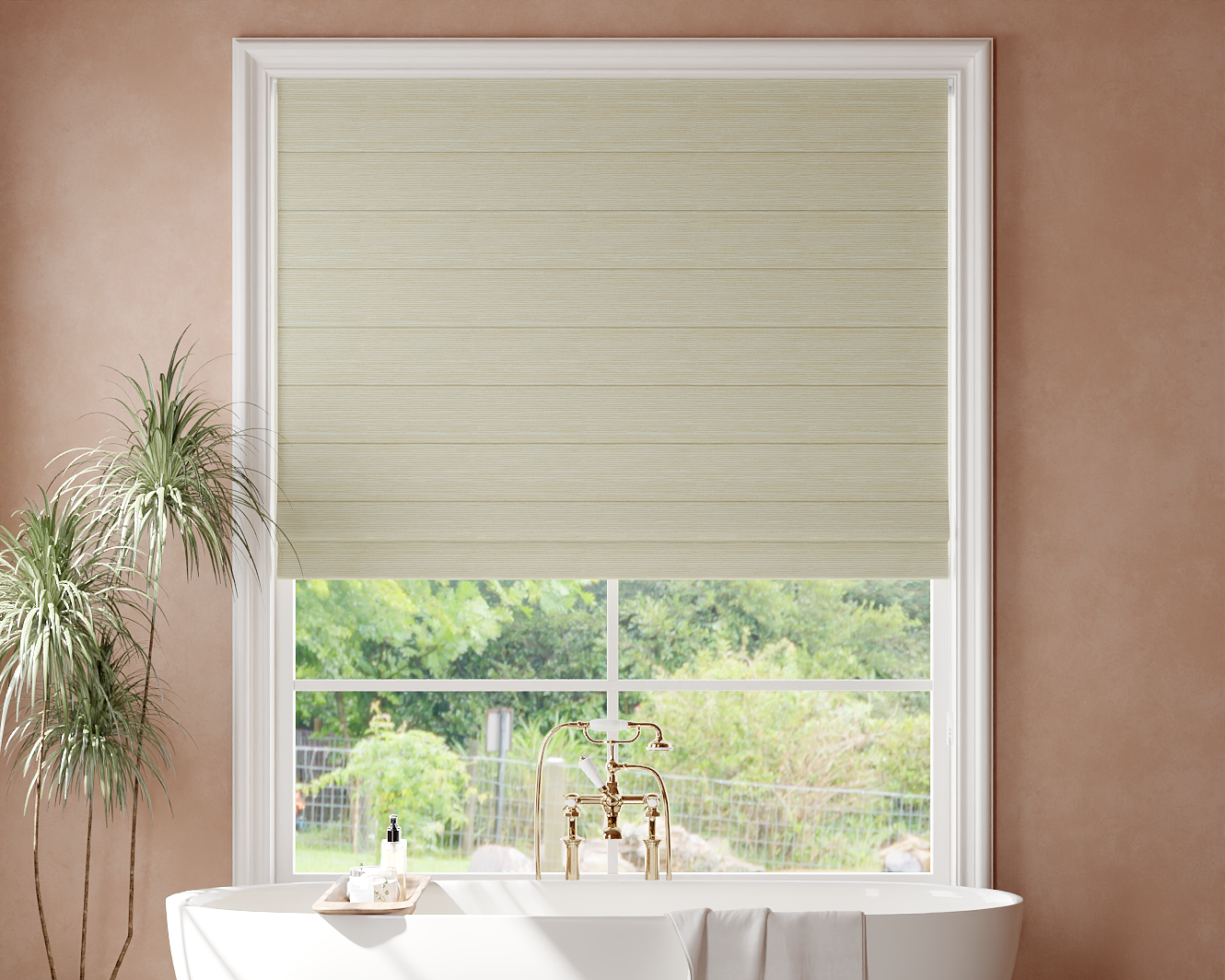
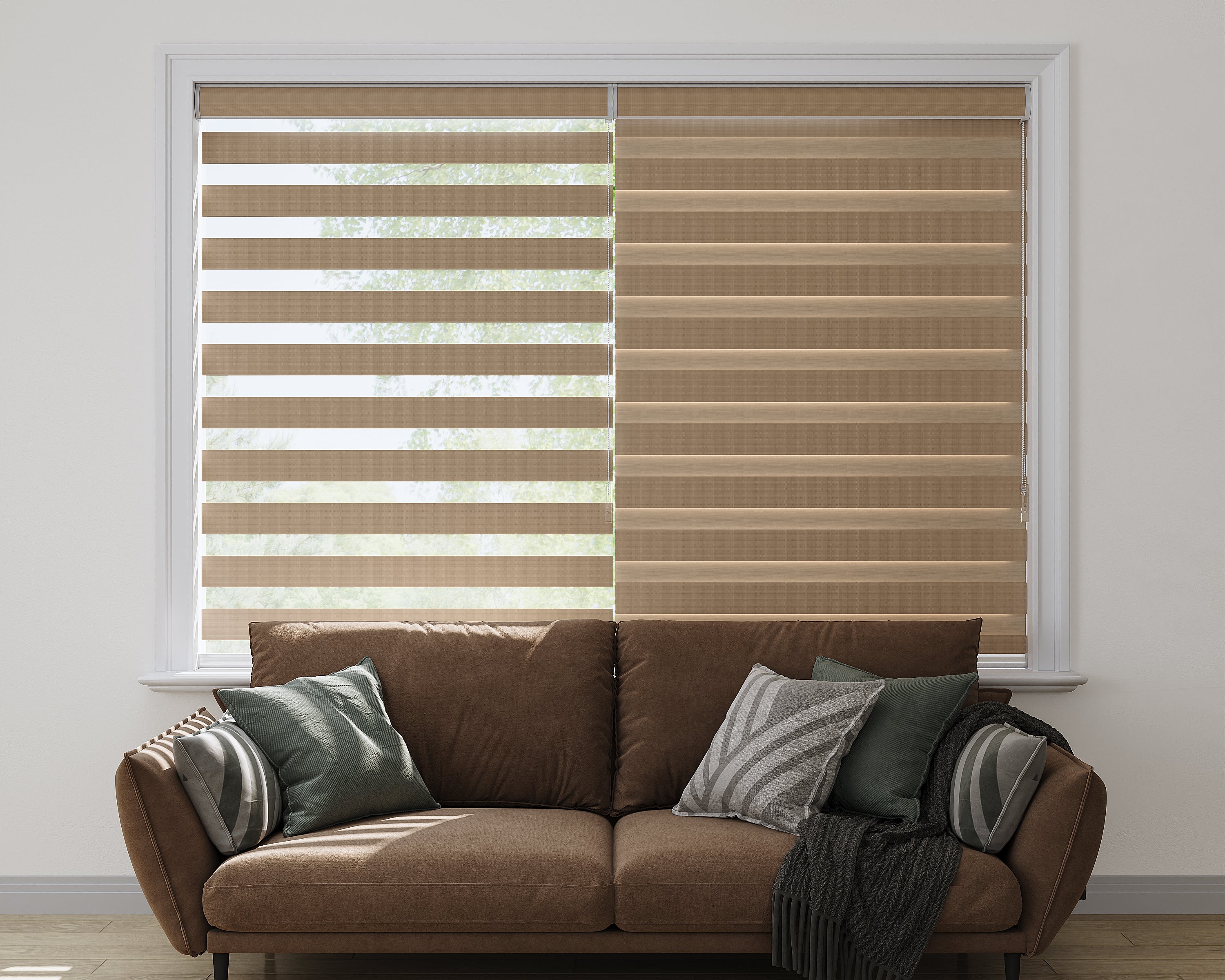
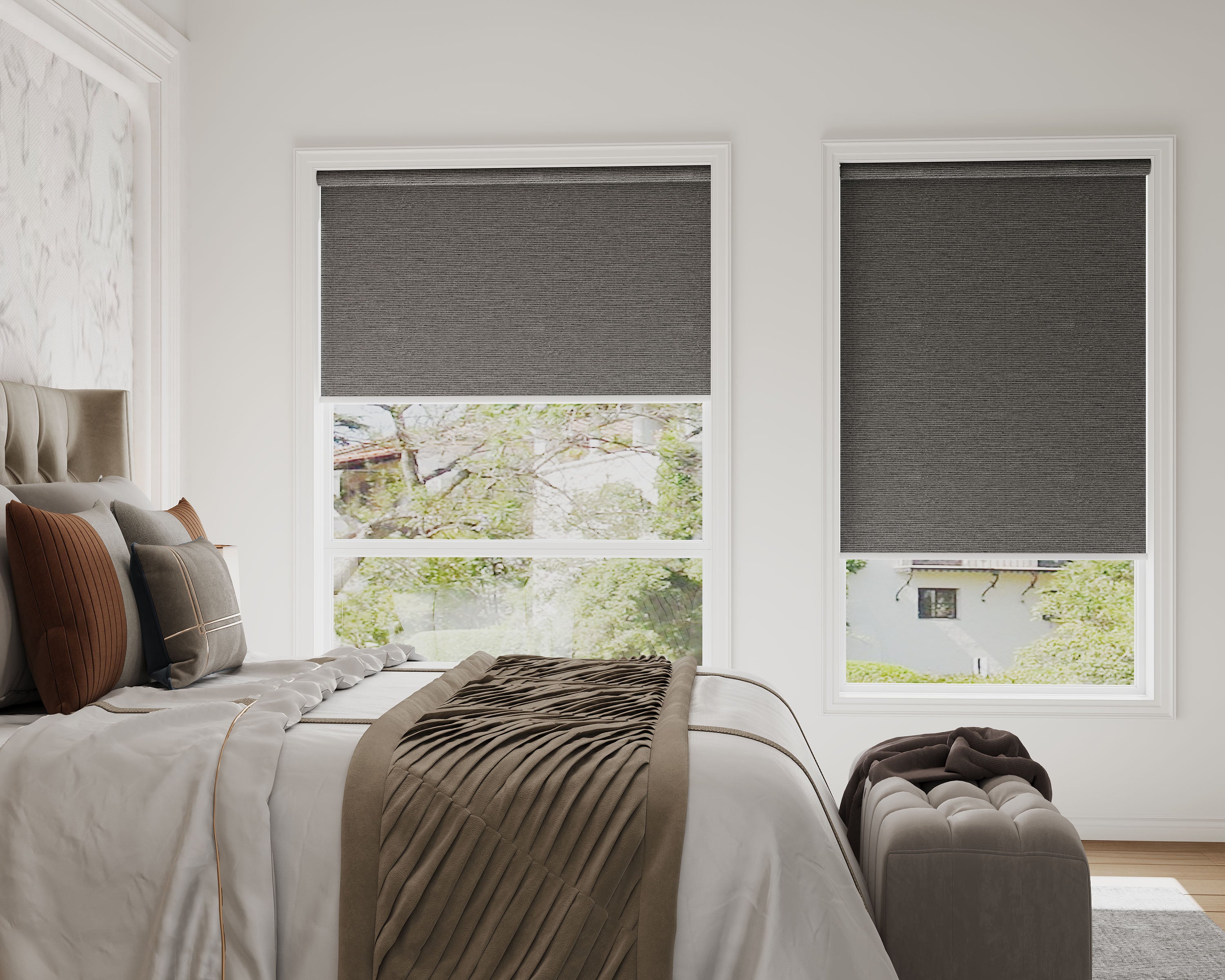
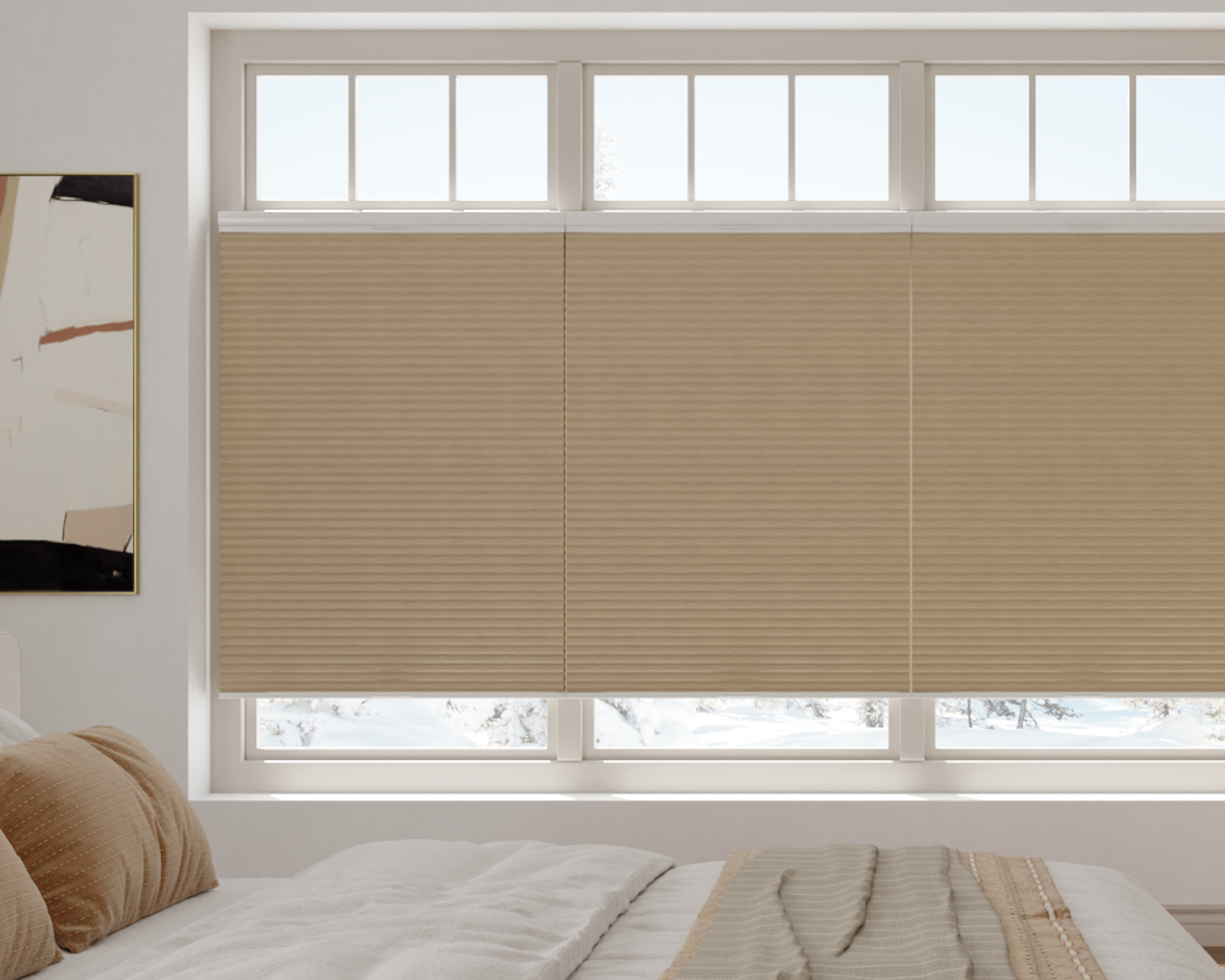



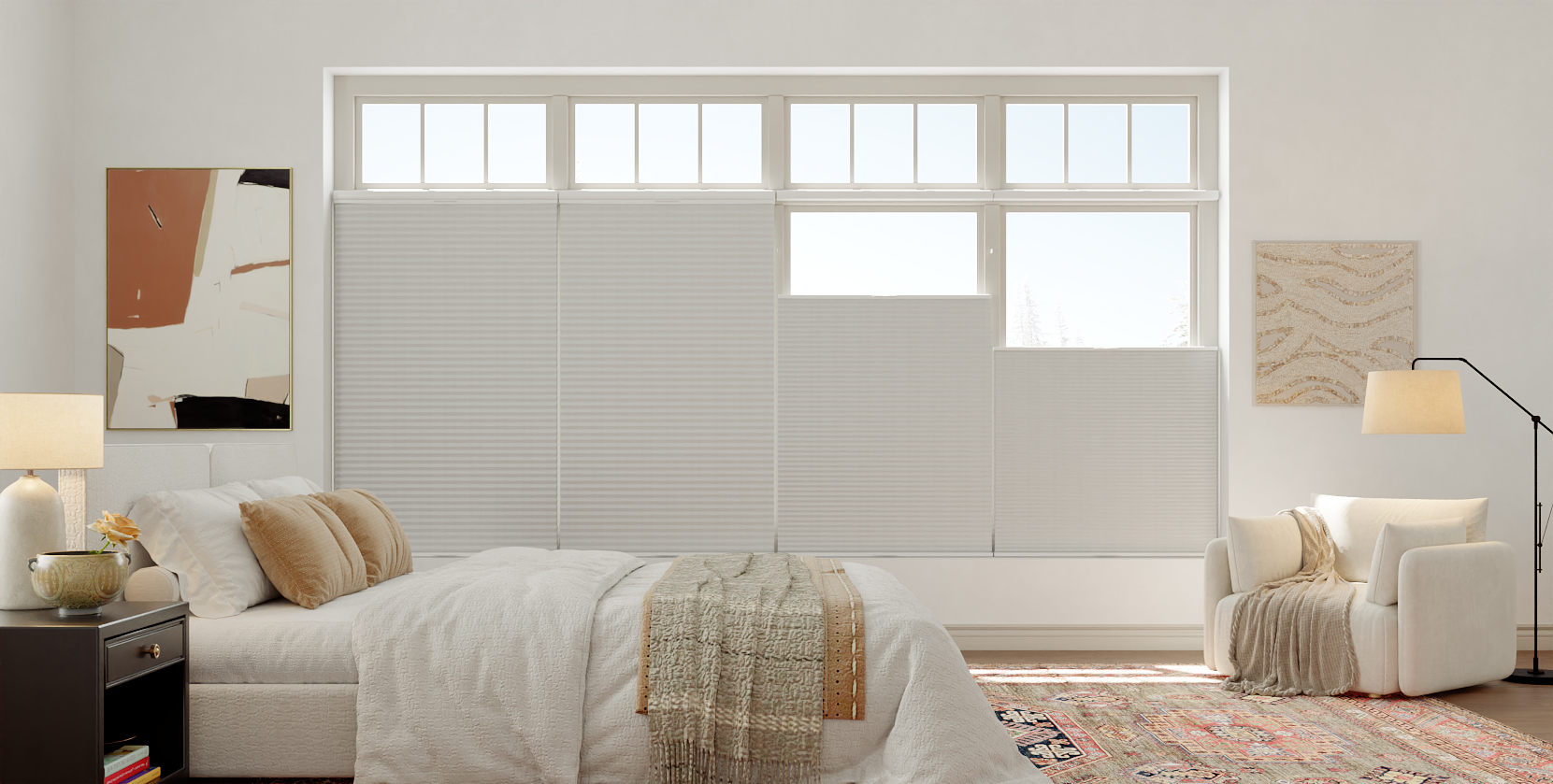


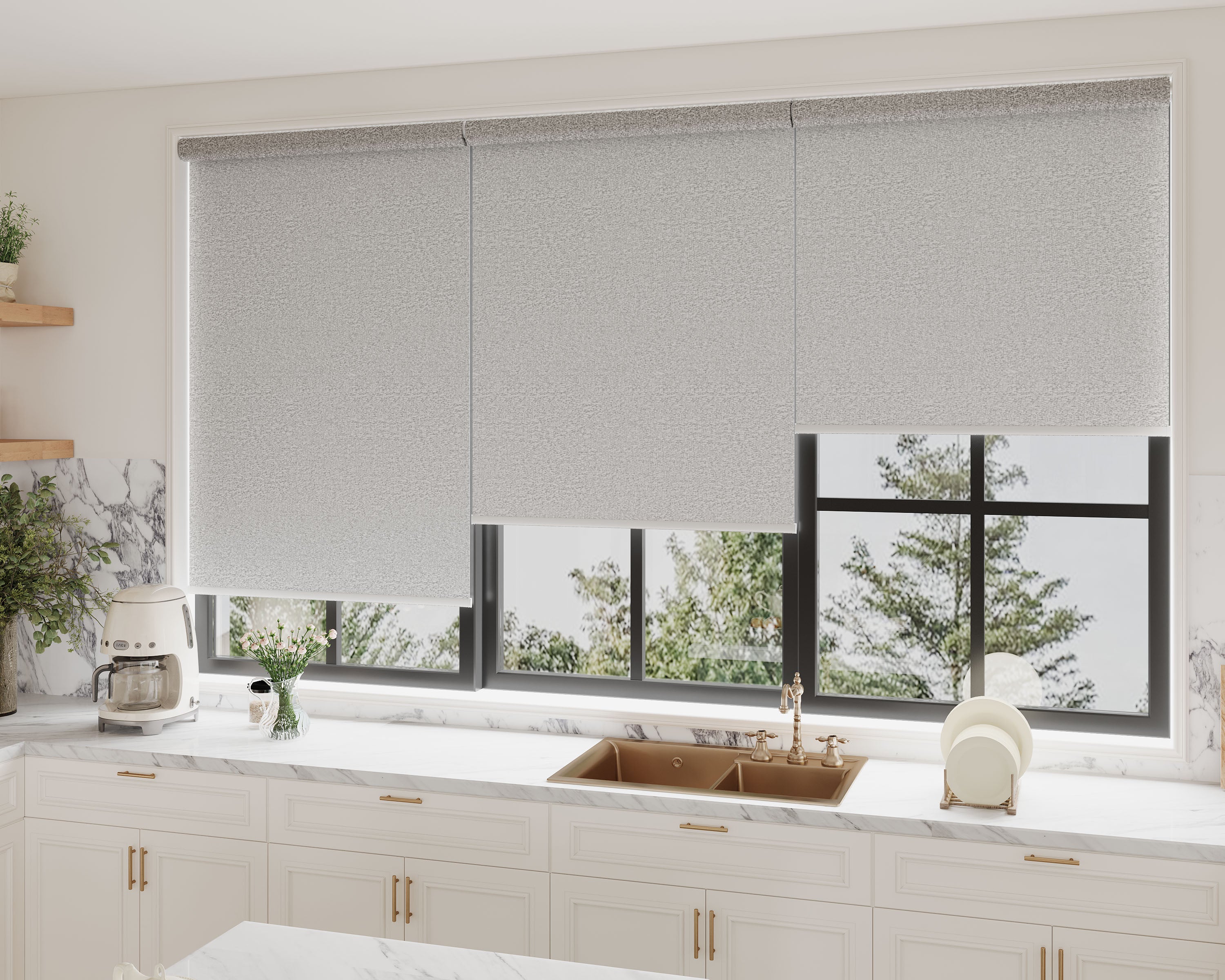




Cleaning zebra shades properly requires gentle, dry methods for regular care and cautious, targeted approaches for stains to protect their delicate dual-layer fabric structure. The correct process involves regular dusting with the right tools, immediate spot cleaning of spills, and occasional deeper cleaning without saturating the material. Following these safe techniques preserves the shade's appearance, ensures smooth operation of its adjusting mechanism, and extends the life of your investment in modern zebra blinds and shades.
Here’s what you’ll learn in this article:
-
A complete toolkit of safe supplies and the harmful cleaners you must avoid.
-
A step-by-step routine for weekly dusting and seasonal deep cleaning.
-
Specific protocols for tackling common stains like dust, fingerprints, and food splatters.
-
A clear guide on when to clean them yourself and when to call a professional.
-
Best practices for maintaining the mechanism and fabric after cleaning to ensure years of perfect operation.
Your Cleaning Toolkit: What to Use and What to Avoid
Using the wrong product or tool is the fastest way to damage zebra shades. Their fabric can be sensitive to moisture and harsh chemicals, and the alignment of the layers must be maintained.
Safe and Recommended Supplies
-
For Dusting: A microfiber cloth, a soft-bristled brush attachment for your vacuum cleaner, or a clean, dry paintbrush.
-
For Spot Cleaning: Distilled water, a mild dish soap (like Dawn), white vinegar, clean white microfiber cloths, and cotton swabs.
-
For Stubborn Stains: A dedicated fabric upholstery cleaner, tested on an inconspicuous area first.
What to Absolutely Avoid
-
Abrasive Tools: Scrubbing brushes, scouring pads, or abrasive sponges.
-
Harsh Chemicals: Bleach, ammonia, abrasive cleaners, degreasers, or anything not designed for delicate fabrics.
-
Excessive Water: Never soak or submerge zebra shades. Never use a steam cleaner. Excess water can break down adhesives holding the layers together, cause rust on internal components, and lead to water spots or mildew.
-
High-Pressure Air: While canned air can dislodge dust, it can also force debris deeper into the mechanism or between the fabric layers.
The Step-by-Step Cleaning Process: From Dust to Stains
Adopt a tiered approach: start with the gentlest method and only proceed to more involved cleaning if necessary.
Step 1: Regular Dry Dusting (Weekly/Bi-Weekly)
This is the most important maintenance task to prevent buildup.
-
Close the Shade: Adjust the shade to the fully closed (privacy) position. This provides a taut, flat surface and exposes all fabric.
-
Choose Your Tool: Use the soft brush attachment on your vacuum on a low-suction setting, or gently run a microfiber duster over the surface.
-
Technique: Always dust in the direction of the stripes (vertically), not across them. This prevents catching debris on the edges of the fabric layers. Go over both the front and back of the shade.
-
Dust the Headrail & Hardware: Use the brush attachment to remove dust from the headrail and any visible cords or mechanisms.
Step 2: Spot Cleaning Spills and Stains (As Needed)
Act quickly to prevent a stain from setting.
-
Blot, Don't Rub: For fresh liquid spills, immediately use a dry, absorbent cloth to blot up as much as possible. Rubbing will spread the stain.
-
Prepare a Mild Solution: Mix a few drops of mild dish soap into a bowl of distilled or lukewarm water. For grease, a 50/50 mix of white vinegar and distilled water can be effective.
-
Test First: Dab the solution on a hidden corner of a shade (like the very bottom on the back) and let it dry to check for colorfastness or water marks.
-
Clean the Spot: Dampen a corner of a clean white cloth in your solution and wring it out until it's barely damp. Gently dab at the stain, working from the outside inward. Use a dry part of the cloth to blot away moisture as you work.
-
Dry Thoroughly: Finish by dabbing the area with a completely dry cloth. Leave the shade in the closed position to air dry completely before operating it.
Step 3: The "Deep Clean" for Overall Soil (Every 6-12 Months)
If the entire shade looks dingy, you can give it a more thorough refresh.
-
Close and Vacuum: Start with the shade closed and vacuum thoroughly as in Step 1.
-
Hand-Wipe the Entire Surface: Using your mild soapy solution and a large stack of clean cloths, work in sections. Dampen a cloth, wring it out well, and wipe a 2-foot section of the shade vertically. Immediately follow with a dry cloth to absorb any residual moisture. Move to the next section with fresh cloths to avoid re-depositing dirt.
-
Air Dry: Ensure the shade is completely dry—which may take a few hours—before raising or adjusting it.
Cleaning Guide for Common Issues
This table provides targeted solutions for specific problems you might encounter.
| Problem | Recommended Cleaning Method | Important Caution |
|---|---|---|
| General Dust & Pollen | Weekly dry vacuuming with a brush attachment. | Maintain low suction to avoid pulling the fabric. |
| Fingerprints & Oils | Damp cloth with mild soap solution, followed by a dry cloth. | Test on an inconspicuous area first, as some fabrics may show water marks. |
| Food or Drink Spills | Immediate blotting, then dab with appropriate solution (soap for general, vinegar for grease). | Never use hot water, which can set protein-based stains (e.g., milk, egg). |
| Ink or Marker | Try dabbing with isopropyl alcohol on a cotton swab only after testing. | Alcohol can strip dyes; this is a last-resort method with risk of fading. |
| Pet Hair | Use a rubber glove, slightly dampened and wiped over the surface, or a lint roller. | Avoid sticky tape directly on the fabric, which may leave residue. |
When to Call a Professional Cleaner
Consider professional help in these situations:
-
Extensive, Set-In Staining: If a large area is stained and DIY spot cleaning hasn't worked.
-
Mold or Mildew Growth: This requires special treatment and indicates a moisture problem that needs to be addressed.
-
Very Delicate or Expensive Fabrics: If your shades are made of silk, a specialty weave, or were a significant investment, a pro with experience in window treatments can minimize risk.
-
After a Major Incident: Such as smoke damage from a fire.
Post-Cleaning Care and Best Practices
-
Ensure Complete Drying: Always operate your shades only when they are 100% dry to prevent twisting or strain on the mechanism.
-
Operate Gently: After cleaning, run the shade up and down slowly a few times to ensure it moves smoothly.
-
Maintain the Mechanism: As part of your cleaning routine, inspect the headrail and cords for dust. A can of compressed air can be used cautiously to blow dust out of the lift mechanism, but avoid forcing moisture inside.
-
Establish a Routine: Consistent light dusting prevents the need for harsh cleaning. Add it to your seasonal home maintenance checklist for all your window treatments to stay on track.
Conclusion and Key Takeaways
Proper cleaning is the key to preserving the sleek look and smooth function of your zebra shades for a decade or more. Gentle, dry methods should form the cornerstone of your care routine, reserving damp cleaning for specific, targeted issues.
Key Highlights:
-
Dry Dusting is Preventive Medicine: Regular vacuuming or dusting is the single most effective maintenance task.
-
Less Water is More: Always use a barely damp cloth, never a wet one, and dry the area immediately.
-
Direction Matters: Always clean in the direction of the stripes to protect the fabric layers.
-
Test First: Any new cleaner should be tested on a hidden area to check for discoloration or water marks.
-
Know Your Limits: For large-scale damage, delicate fabrics, or mold, investing in professional cleaning protects your investment.
By following this guide, you can confidently care for your zebra shades, ensuring they remain a beautiful and functional part of your home for years to come.
Explore Custom Zebra Shades


Frequently Asked Questions (FAQ)
Can I take down my zebra shades to wash them in the bathtub or shower?
No, this is not recommended. Submerging zebra shades can destroy the adhesives holding the two fabric layers together, cause the metal components in the headrail and bottom rail to rust, and lead to water spotting or mildew. The bathtub method is too aggressive for their construction. For a safe and effective alternative, follow the guidelines for deep cleaning delicate cellular fabrics without damage, which emphasize surface cleaning over immersion.
How do I clean the hard-to-reach area between the two fabric layers?
The space between the layers is designed to be minimal and is not meant to be accessed for cleaning. If debris has gotten inside, your best tool is compressed air. With the shade closed, gently spray short bursts of air along the top seam where the layers meet. This can dislodge dust without requiring you to separate the fabrics. Do not use high-pressure air.
Will cleaning my zebra shades affect their light-filtering or privacy function?
Proper cleaning should not affect their function. However, using harsh chemicals or abrasive cleaners can damage the fabric's weave, potentially making the sheer sections more transparent or damaging the coating on room-darkening fabrics. This is similar to the risk of damage from improper cleaning on any specialized window treatment fabric. Always use gentle cleaners designed for delicate fabrics.
My shade has a textured fabric. Does that change how I clean it?
Textured fabrics (linen-look, woven) can trap more dust. Be more diligent with dry vacuuming, using the brush attachment to gently agitate the texture. For damp cleaning, you may need to be slightly more gentle to avoid snagging the raised threads. The core principles—dry methods first, minimal moisture—still apply. Understanding how different materials like linen or bamboo affect care needs can help you tailor your approach.
How do I clean the headrail and operating mechanism?
For the headrail, use the vacuum brush attachment or a dry microfiber cloth. For a cordless mechanism, simply wipe the exterior. For a continuous cord loop, you can wipe the cords with a cloth dampened with a mild soap solution, then dry them thoroughly. Never spray cleaner directly into the headrail openings where the mechanism is housed. Keeping moving parts free of grime is a key part of preventing noise and ensuring smooth, silent shade operation.
