
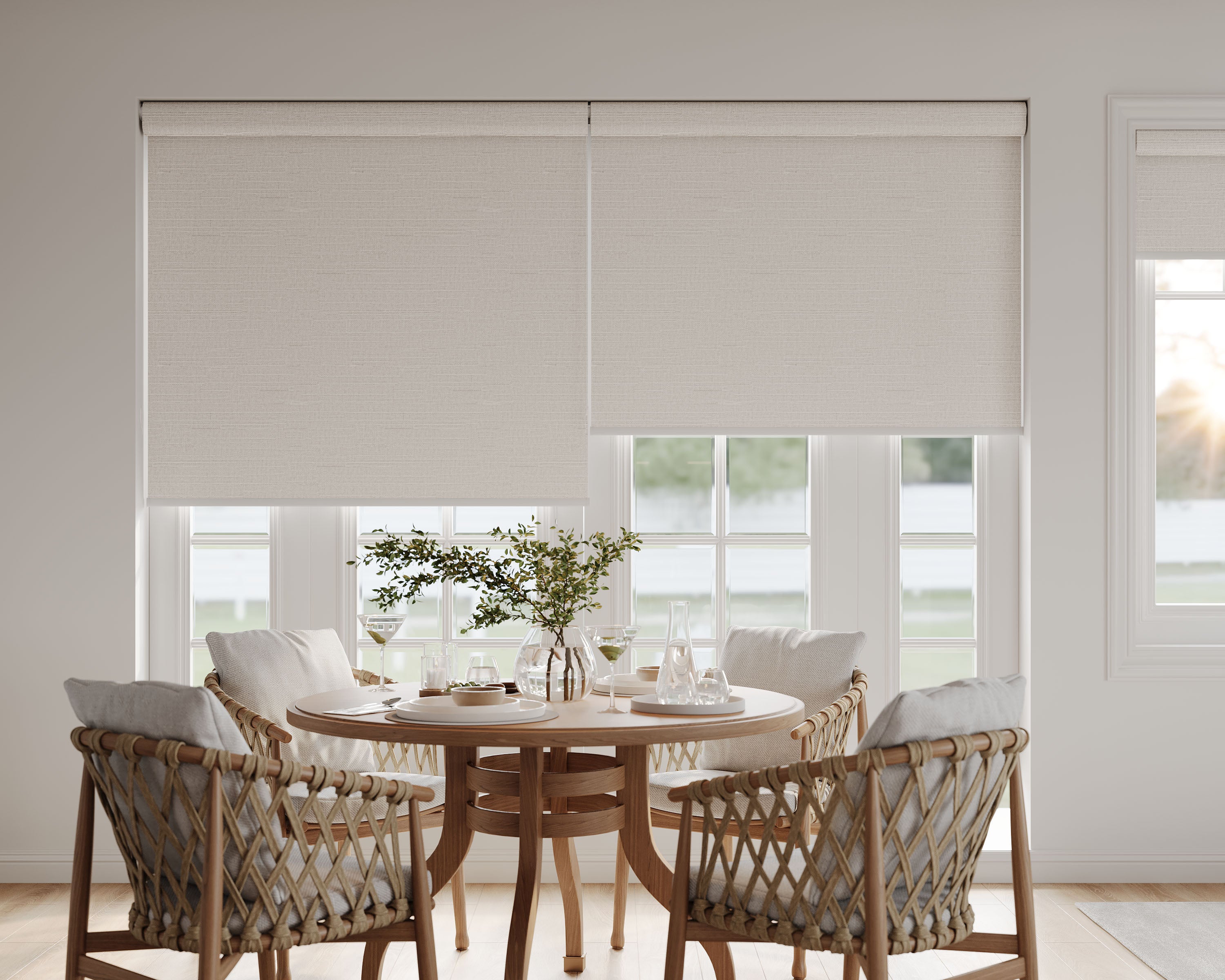


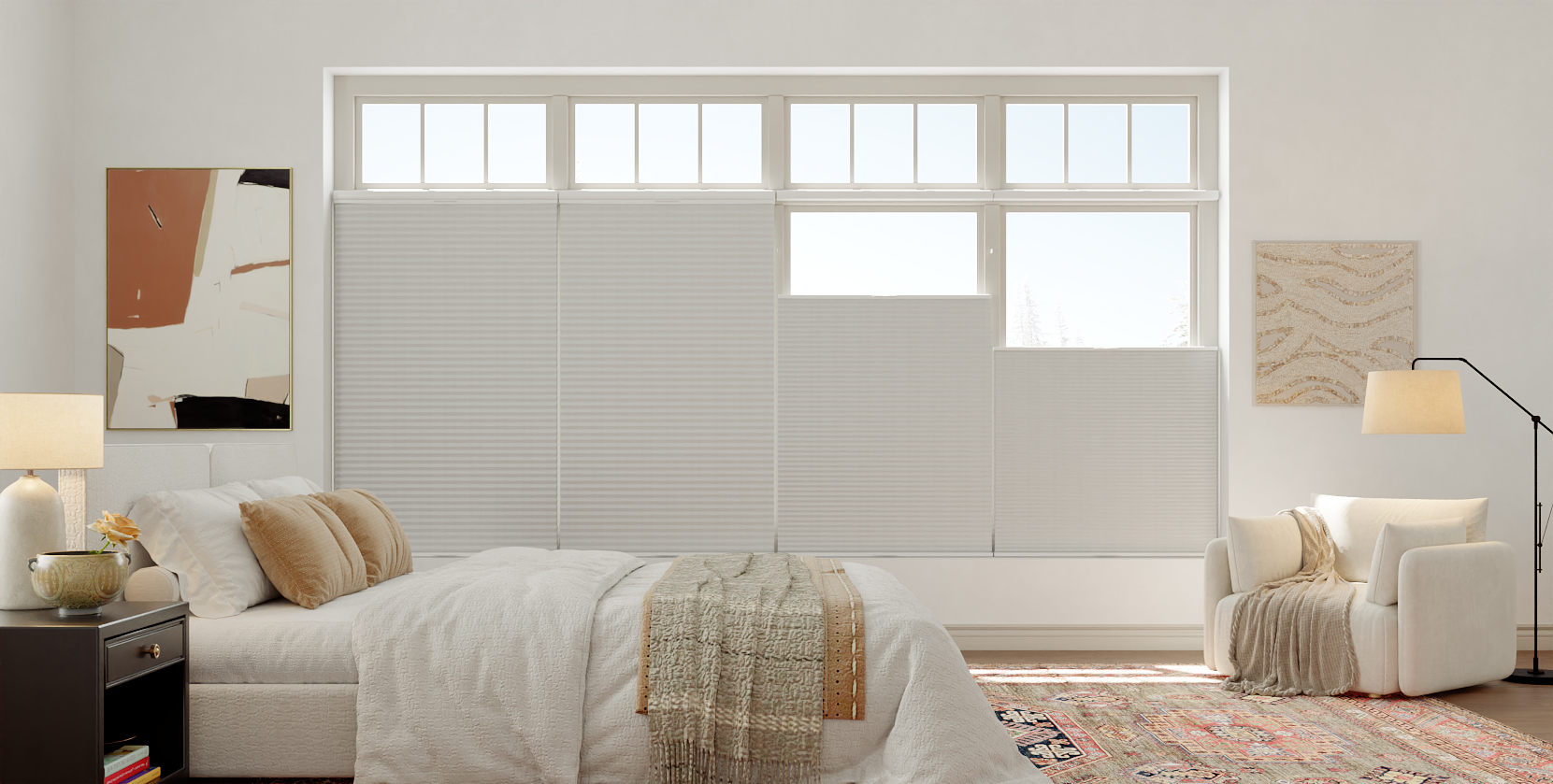


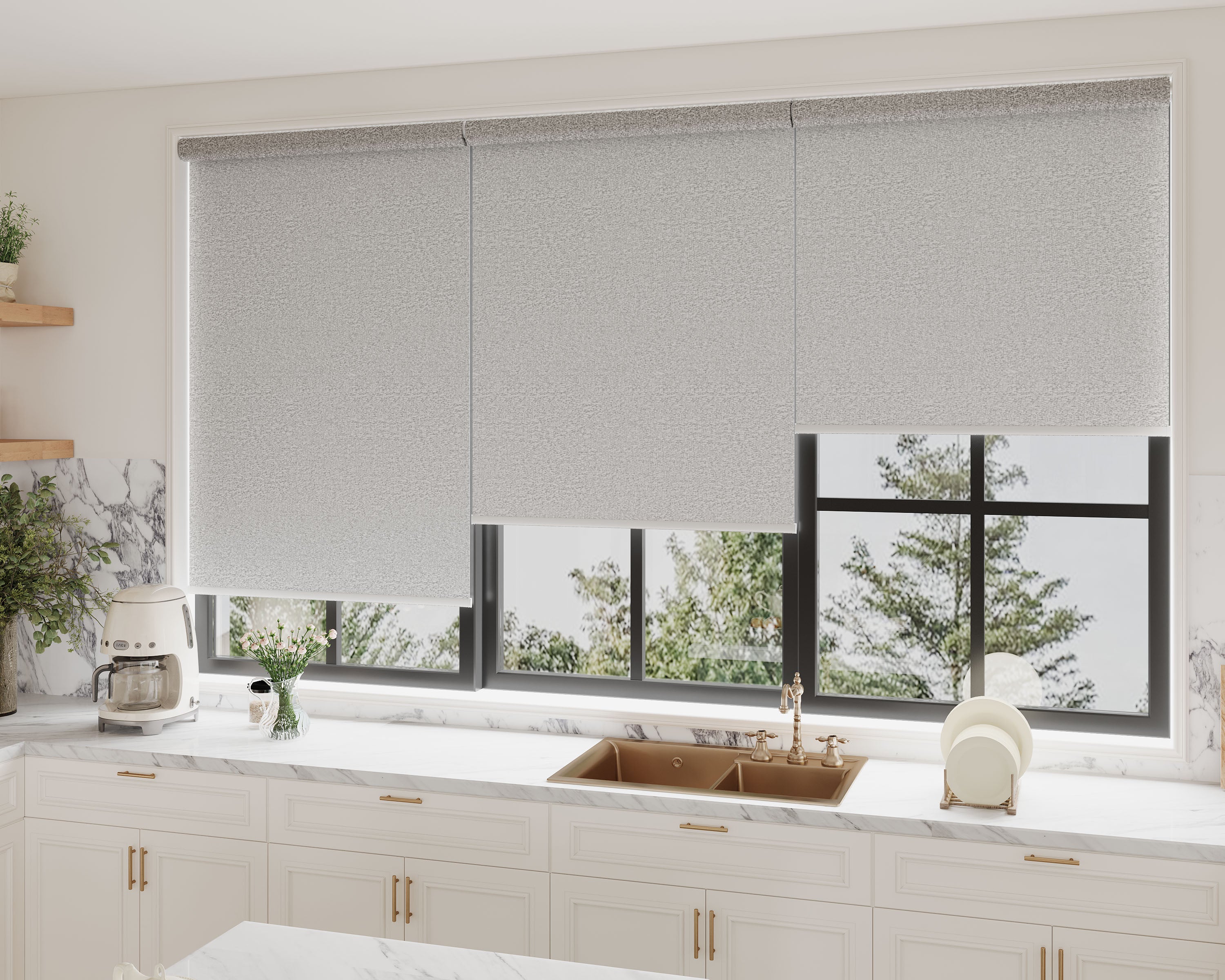

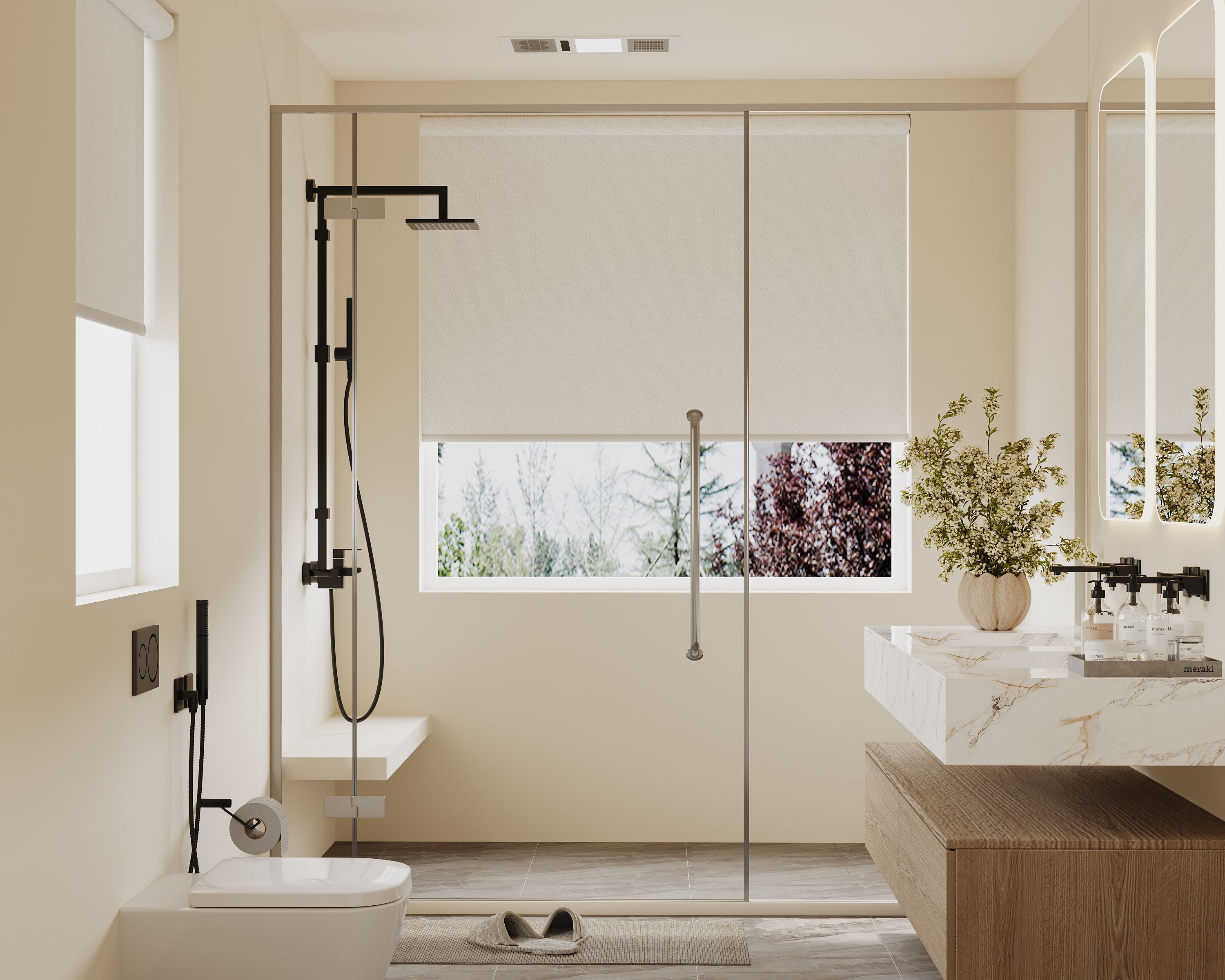


Single-layer and double-layer zebra shades are fundamentally different products: single-layer shades are basic light-filtering rollers, while true double-layer shades are the adjustable, dual-fabric systems that define the modern "zebra" category. The core of the confusion lies in terminology, but the impact on your room's light, privacy, and aesthetic is substantial. Understanding this distinction is crucial to investing in the right product. For the authentic, adjustable experience, you'll want to explore our collection of genuine double-layer zebra blinds and shades.
This definitive guide will demystify the technology behind each type. Here's what you'll learn to make the correct choice:
-
A clear breakdown of the mechanical design of each shade type, explaining how they work at a fundamental level.
-
A detailed comparison of functional performance in light control, privacy, view-through quality, and UV protection.
-
Specific use-case scenarios that reveal which rooms and window orientations are best suited for each style.
-
A comprehensive analysis of cost, installation, and aesthetic differences that go beyond the initial price tag.
-
Key questions to ask retailers to ensure you're getting the product you actually expect.
By the end, you will be able to confidently identify and select between a basic single-layer shade and a sophisticated dual-layer zebra shade, ensuring your window treatment delivers precisely the experience you want.
Defining the Technologies: Two Different Designs
The terms "single layer" and "double layer" refer to the core construction of the shade, not just minor features. This foundational difference dictates everything about how the shade operates and performs.
What Are Single-Layer Zebra Shades?
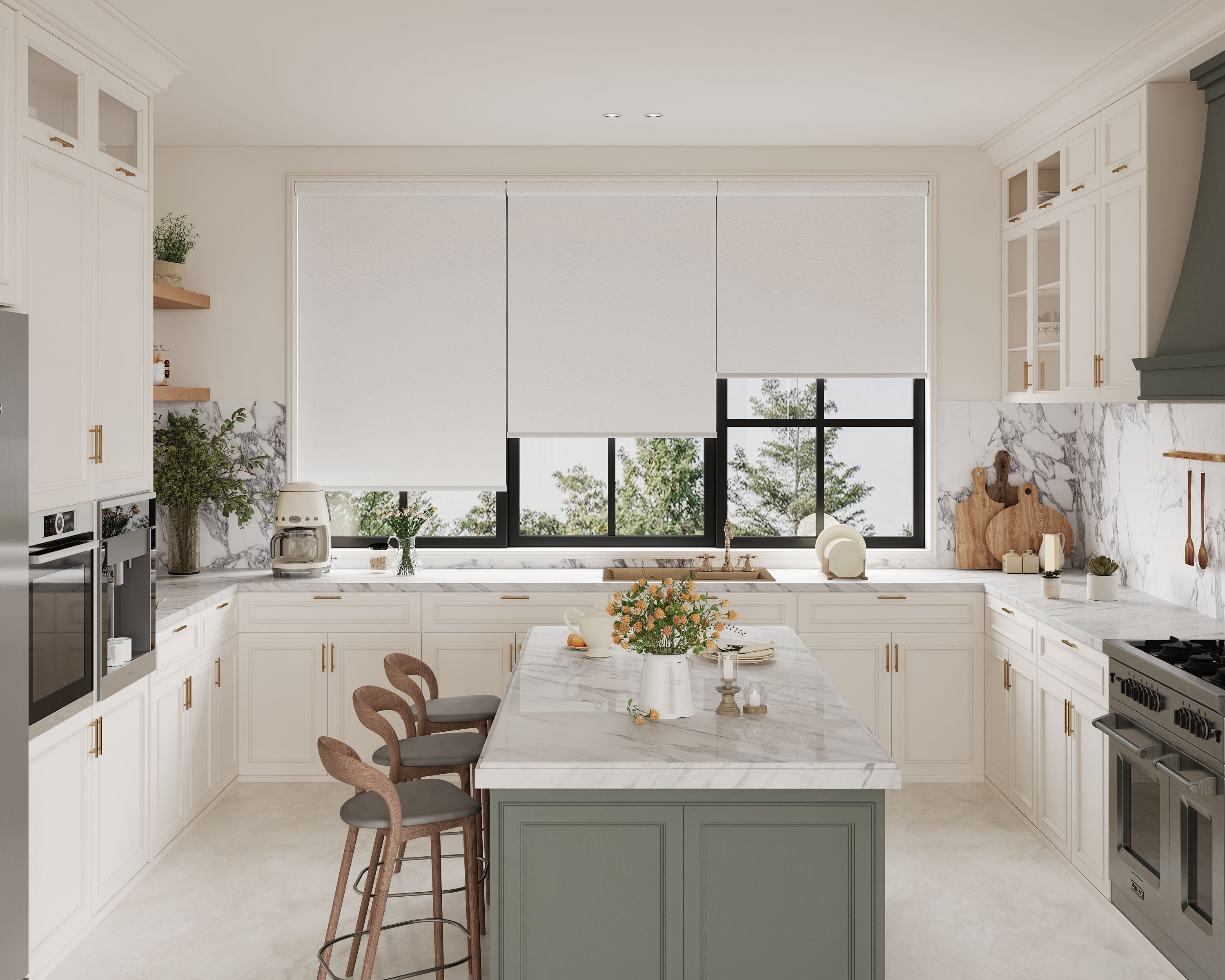
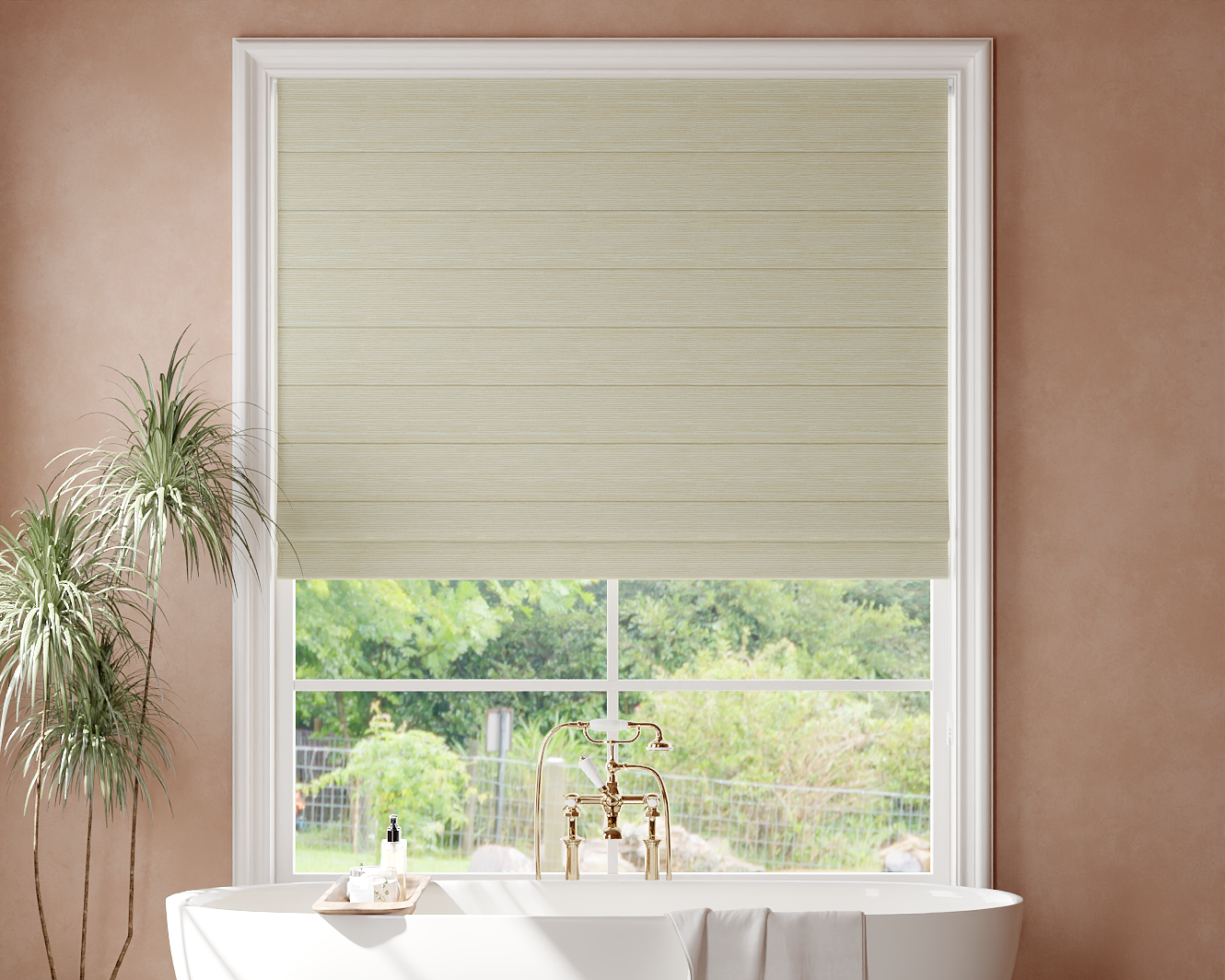
Often a point of confusion, what some retailers call a "single-layer zebra shade" is typically a standard roller shade with alternating stripes of a tighter and looser weave on a single piece of fabric. There is only one layer of material. The stripes are aesthetic and fixed; you cannot adjust them relative to each other. The shade simply rolls up and down. The "zebra" name is borrowed from the visual pattern, not the functional mechanism. Its light control is binary: when down, it offers a fixed level of light filtration based on the fabric's overall density.
What Are True Double-Layer Zebra Shades?
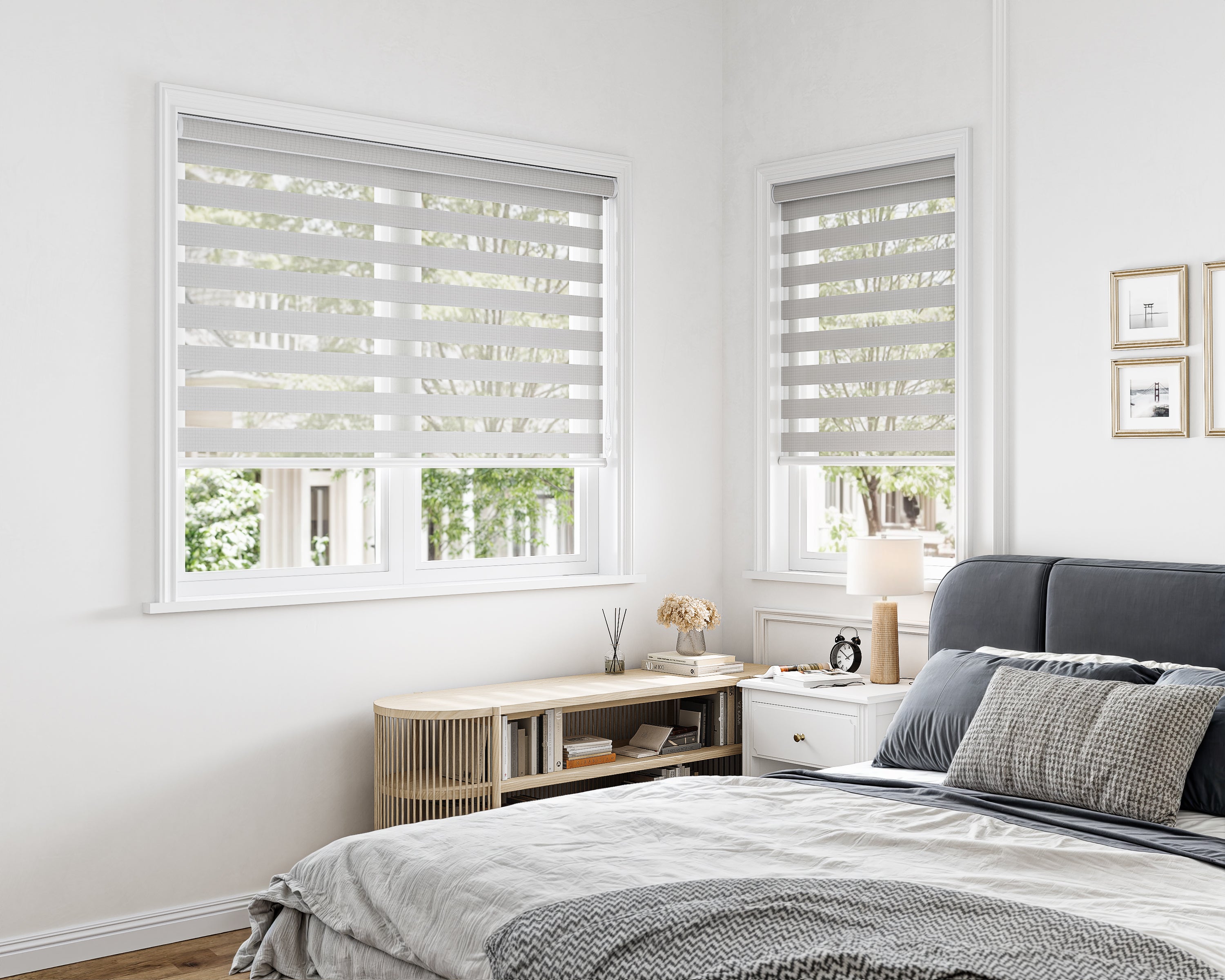
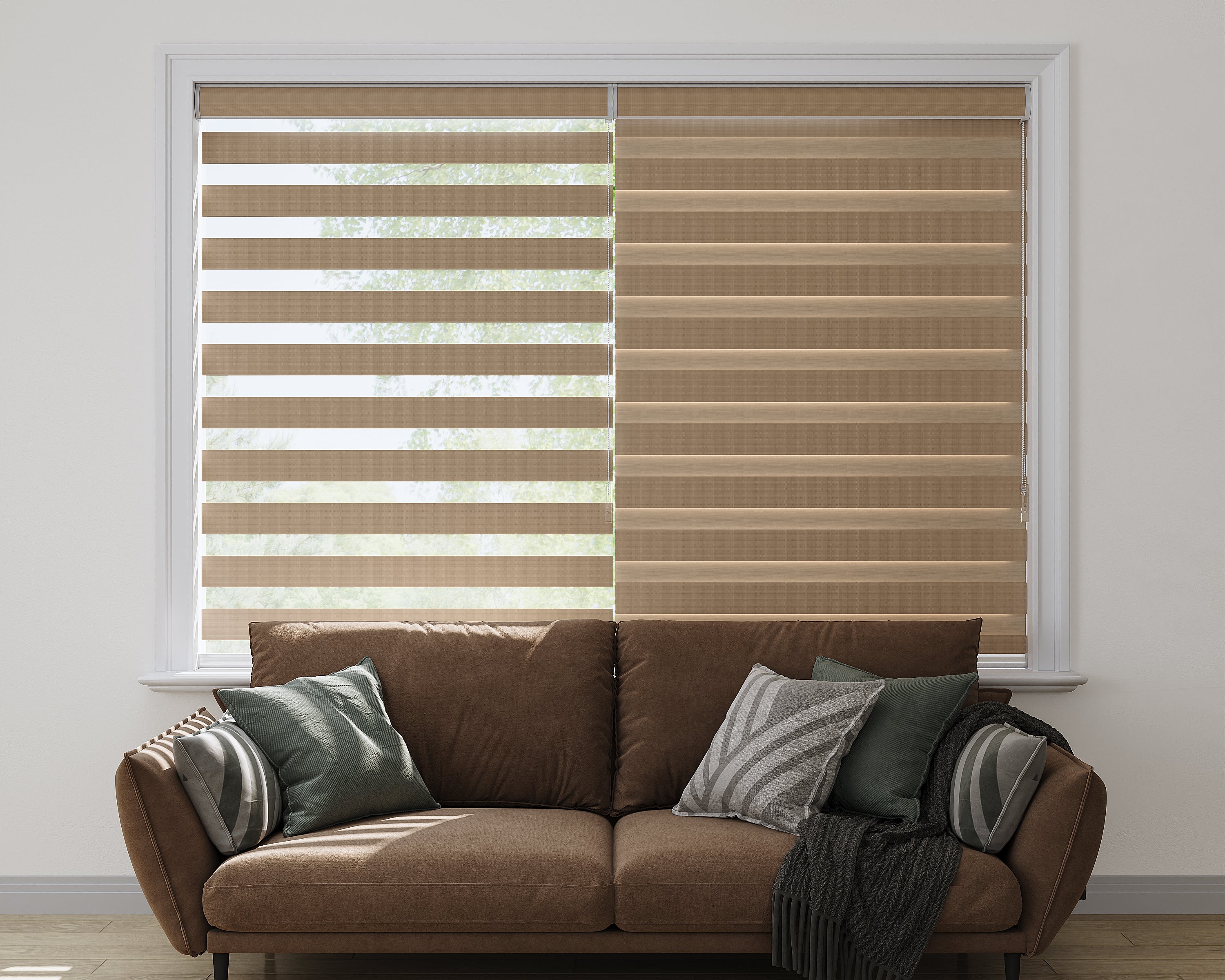
This is the authentic, innovative product. True double-layer zebra shades consist of two independent layers of fabric, each with alternating solid and sheer horizontal bands, that operate in tandem on a single roller system. Using the lift mechanism, you slide these two layers to align the solid bands (for privacy and shade), align the sheer bands (for a filtered, open view), or anywhere in between for precise light modulation. This dynamic adjustability is the hallmark of the design. For a deeper look at this ingenious mechanism, our article on how day and night light control works in a single fabric layer provides an excellent explanation.
Core Design Comparison at a Glance
| Feature | Single-Layer "Zebra Style" Shade | True Double-Layer Zebra Shade |
|---|---|---|
| Construction | One fabric panel with woven stripes. | Two separate fabric layers operating together. |
| Adjustability | Basic: Only up/down. Stripes are fixed. | Advanced: Independent adjustment of stripe alignment for variable light. |
| Primary Function | Static light filtering and decorative pattern. | Dynamic light control, privacy tuning, and view management. |
| Mechanism | Simple roller clutch or cordless spring. | More complex dual-layer roller system (cordless or motorized). |
Functional Performance and Use-Case Analysis
The design divergence leads to a significant gap in real-world performance. Your daily experience with light and privacy will be markedly different depending on which type you install.
Light Control and Privacy Flexibility
This is the most critical differentiator.
-
Single-Layer: Offers a fixed level of light diffusion. You cannot change how much light enters without raising or lowering the entire shade. Privacy is also static; when the shade is down, your view-out and view-in are constant.
-
Double-Layer: Provides unparalleled, tunable control. You can have full privacy with the solid bands aligned while still allowing ambient light to softly diffuse through the fabric. You can also have a perfectly clear view with soft light filtering, or any custom setting in between. This makes them ideal for rooms like living rooms or home offices where needs change throughout the day. Their ability to manage glare while preserving views is a key reason they are considered highly suitable for modern home office spaces.
View-Through Quality and Aesthetic Depth
-
Single-Layer: The view through the shade is uniform based on the fabric's opacity. The striped pattern is visible but flat.
-
Double-Layer: Creates visual depth and a more premium look. When the sheer bands are aligned, you get a clearer, less distorted view outside compared to a standard single-layer sheer. The interaction between the two layers adds a textural sophistication that a printed pattern cannot replicate.
UV Protection and Energy Efficiency
-
Single-Layer: UV blockage is determined by the fabric's density and any applied treatment. A darker, denser single-layer shade can block significant UV rays.
-
Double-Layer: Can be more effective at managing solar heat gain. When the solid bands (which are often made from a denser, more reflective material) are aligned, they reflect a substantial amount of solar energy. This adjustable thermal performance is a functional benefit beyond light control.
Cost, Installation, and Selection Considerations
The differences extend into practicalities like budget, installation complexity, and how to ensure you're getting what you pay for.
Price and Value Assessment
-
Single-Layer: Generally the more budget-friendly option. You are paying for a standard roller shade with a patterned fabric.
-
Double-Layer: Commands a higher price due to the more complex mechanism and fabric system. The value proposition lies in the advanced functionality and long-term versatility. It's an investment in adaptable comfort.
Installation and Operational Notes
-
Single-Layer: Installs like any standard roller shade. The mechanism is simple and familiar.
-
Double-Layer: The installation process is similar, but the internal mechanism is more precise. Operation must be smooth to ensure the two layers move in perfect unison. This is why a high-quality, reliable lift mechanism is a critical factor in the longevity and performance of double-layer shades.
How to Avoid Confusion When Shopping
To ensure you purchase the correct product, ask these specific questions:
-
"Does this shade have one fabric layer or two separate layers that slide past each other?"
-
"Can I adjust the stripes to be fully open, fully closed, or somewhere in between without raising the entire shade?"
-
Request a demonstration or detailed product video showing the layers moving independently.
Conclusion: Matching the Technology to Your Needs
The choice between single-layer and double-layer zebra shades is ultimately about defining your priorities for the window.
Choose a Single-Layer "Zebra Style" Shade if: Your primary goal is a specific aesthetic with a striped pattern and you only need basic, binary light filtering (up or down). It is a cost-effective solution for windows where dynamic light control is not a priority, such as a low-use guest room or a window where shades are typically either fully open or fully closed.
Invest in a True Double-Layer Zebra Shade if: You value functionality, flexibility, and premium design. It is the clear choice for any space where you want to actively manage the environment—harnessing natural light, eliminating glare, maintaining privacy, and preserving your view throughout the day. This makes it superior for living rooms, home offices, dining rooms, and bedrooms where ambiance matters.
Don't let terminology obscure the technology. For the genuine zebra shade experience of adjustable light and privacy, the double-layer system is the only option.
Key Highlights
-
"Single-layer zebra" shades are typically patterned roller shades with fixed, non-adjustable stripes.
-
True zebra shades are defined by their dual-layer construction, allowing you to slide sheer and solid bands for custom light control.
-
Double-layer shades offer superior functionality for privacy, glare reduction, and view preservation.
-
Clarify the mechanism before purchasing to ensure you get the adjustable product you expect.
-
The higher cost of double-layer shades reflects advanced engineering and long-term versatile utility.
Explore Custom Zebra Shades


Frequently Asked Questions (FAQ)
Can single-layer shades provide room darkening?
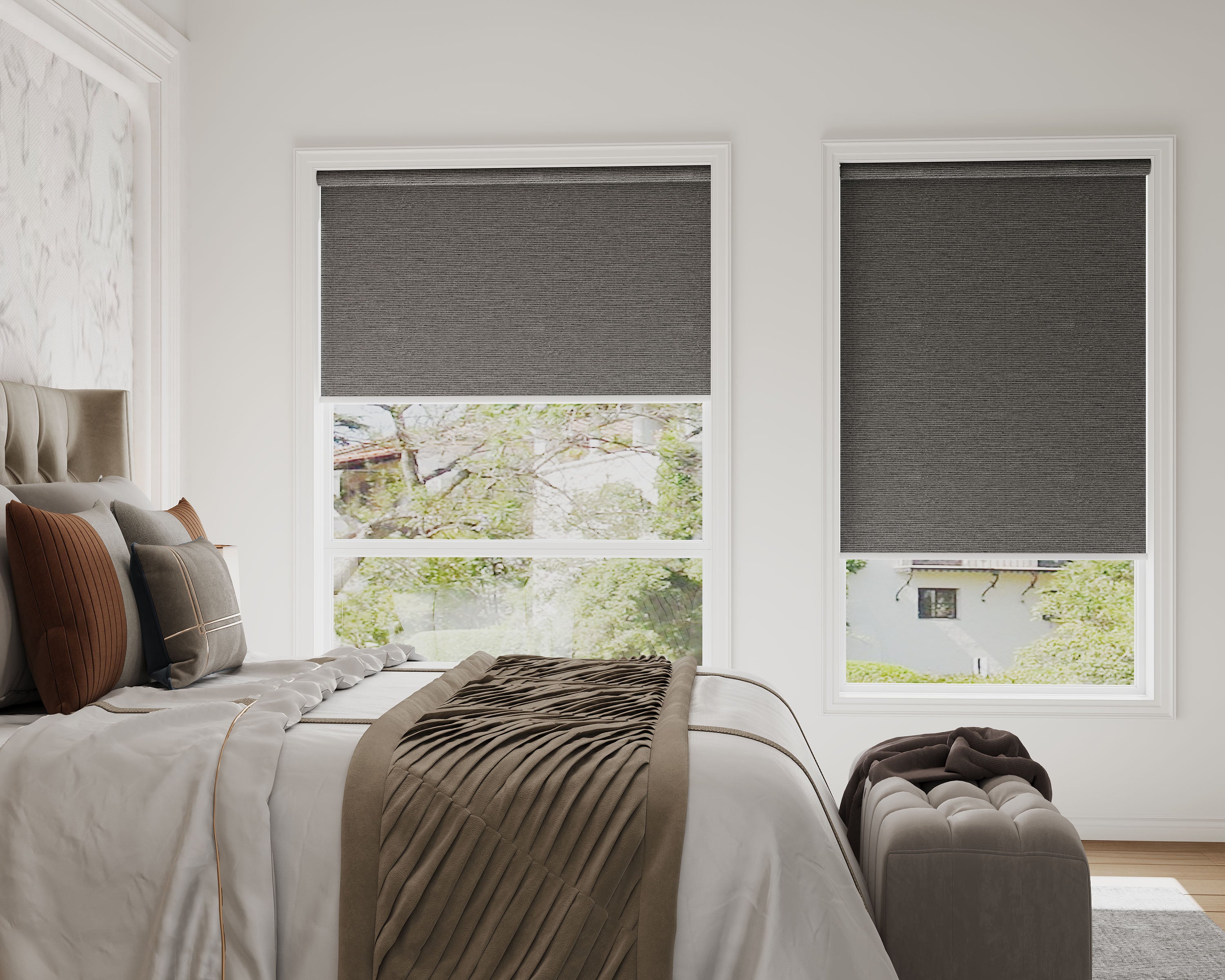
Yes, a single-layer shade can be made from a room-darkening or blackout fabric. However, its darkness level is fixed when the shade is down. A double-layer shade made with room-darkening fabrics in its solid bands can achieve a very dark room when closed, but with the added benefit of adjustable light when you don't need total darkness. For a detailed analysis of darkness levels, see our comparison of lab-tested differences between room darkening and blackout shades.
Are double-layer shades harder to clean?
They can require slightly more care. Dust can settle on the horizontal seams where the two layers meet. The best cleaning method is regular gentle vacuuming with a soft brush attachment to prevent buildup. The cleaning process for the fabric itself is similar for both types. For detailed care instructions that apply to both, our guide on safe cleaning methods for delicate cellular and layered fabrics offers universal principles.
Is one type more durable than the other?
Durability is more dependent on fabric quality and mechanism than the number of layers. A well-made double-layer shade from a reputable brand with high GSM polyester fabric can be extremely durable. The moving parts in the dual-layer system are engineered for longevity. The key is to choose a product from a manufacturer that stands behind their mechanism with a strong warranty.
For a bedroom, which type is better?
For most bedrooms, a double-layer shade with a room-darkening fabric is the superior choice. It allows for absolute privacy and darkness at night by aligning the opaque bands, while giving you the option to allow soft, diffused morning light without sacrificing privacy by adjusting the bands during the day. This versatility is hard to match with a single-layer alternative.
