
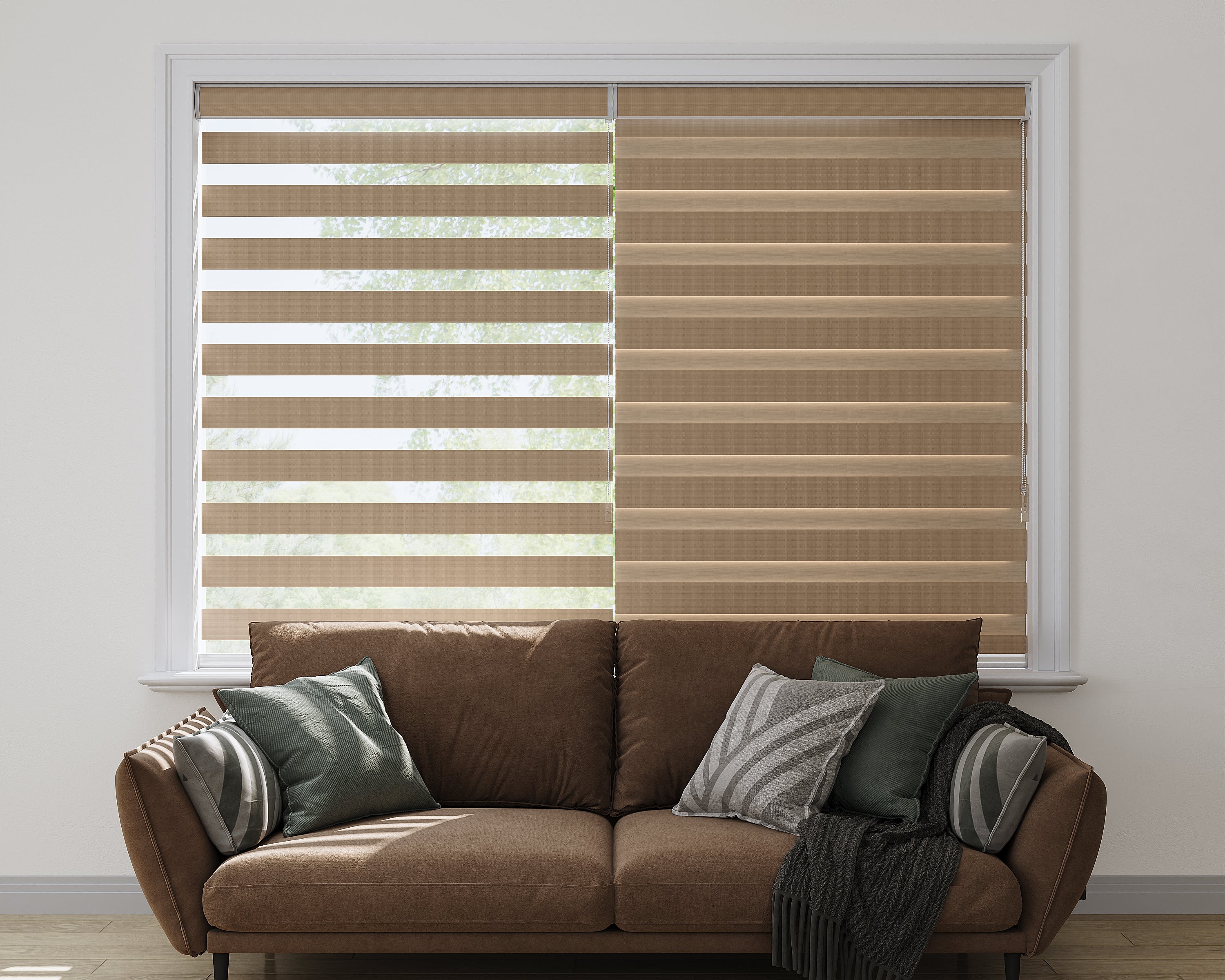
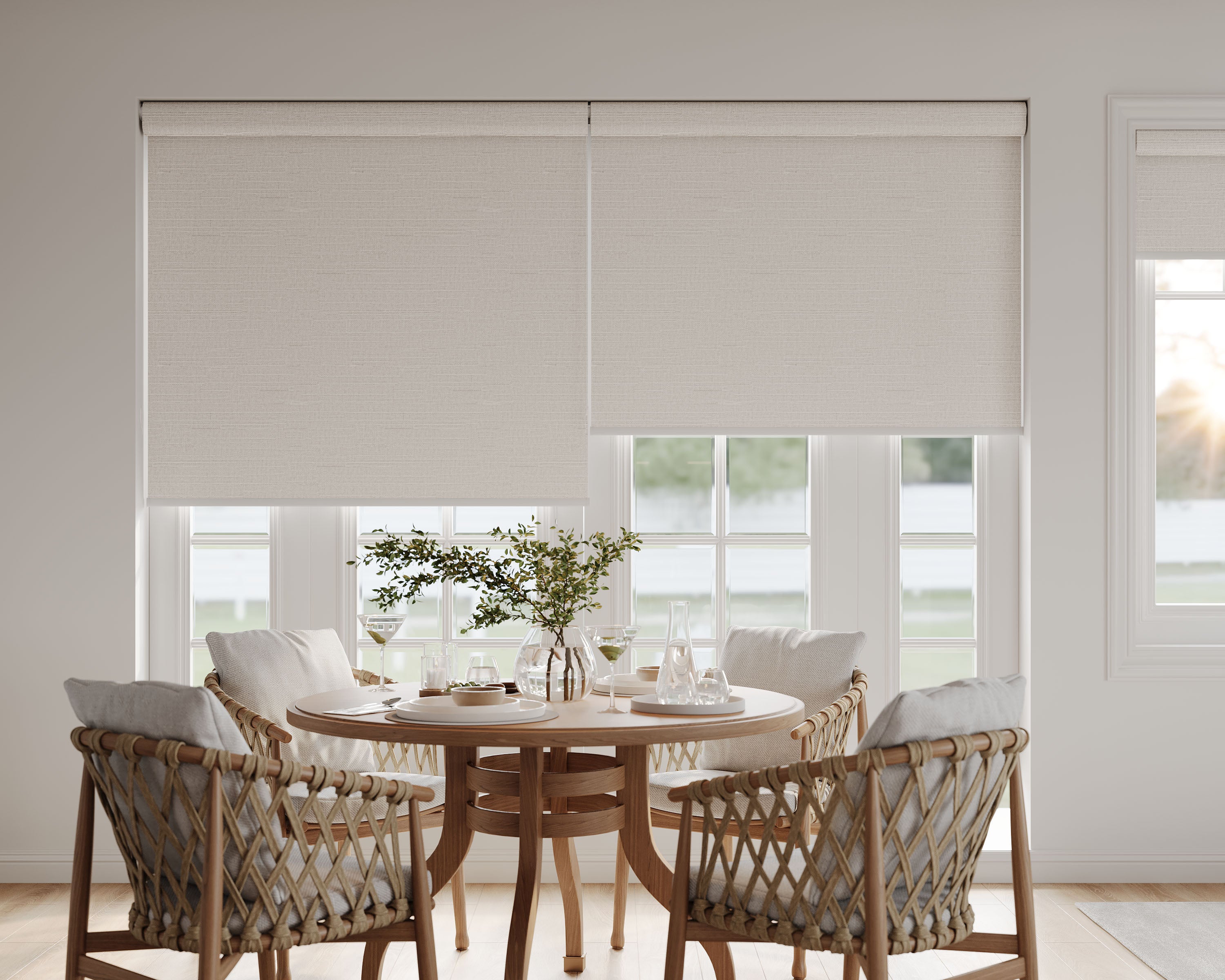


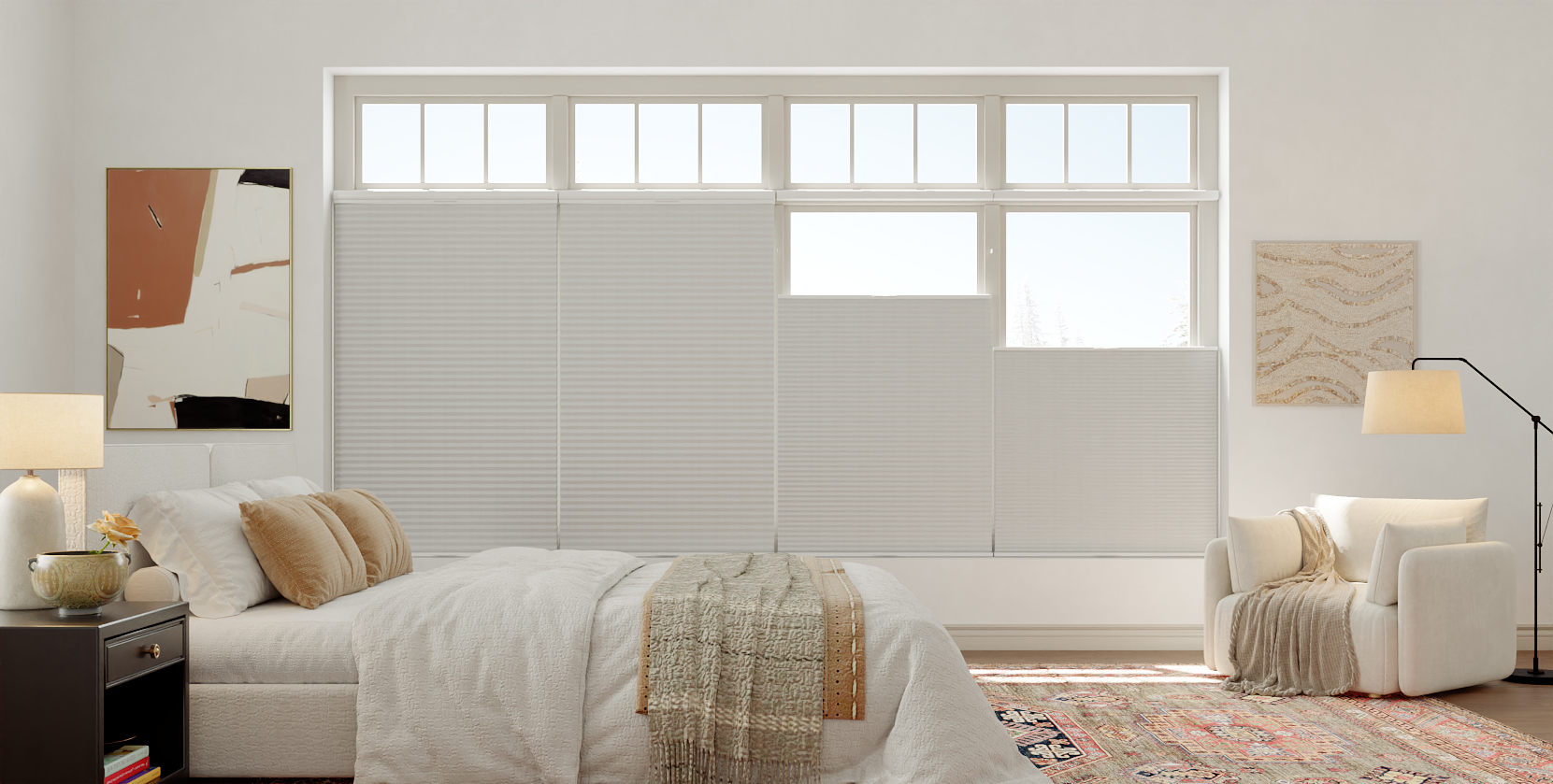


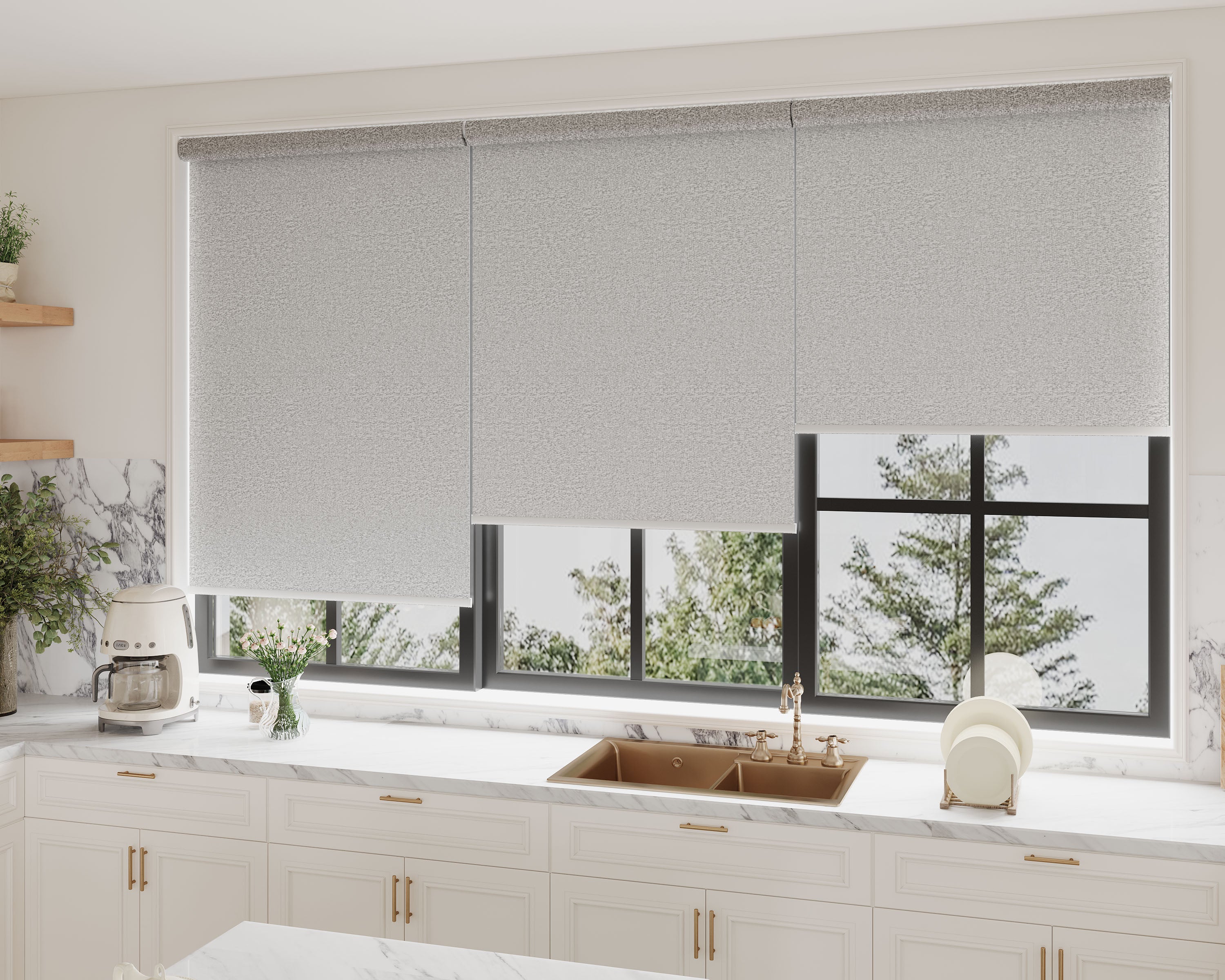

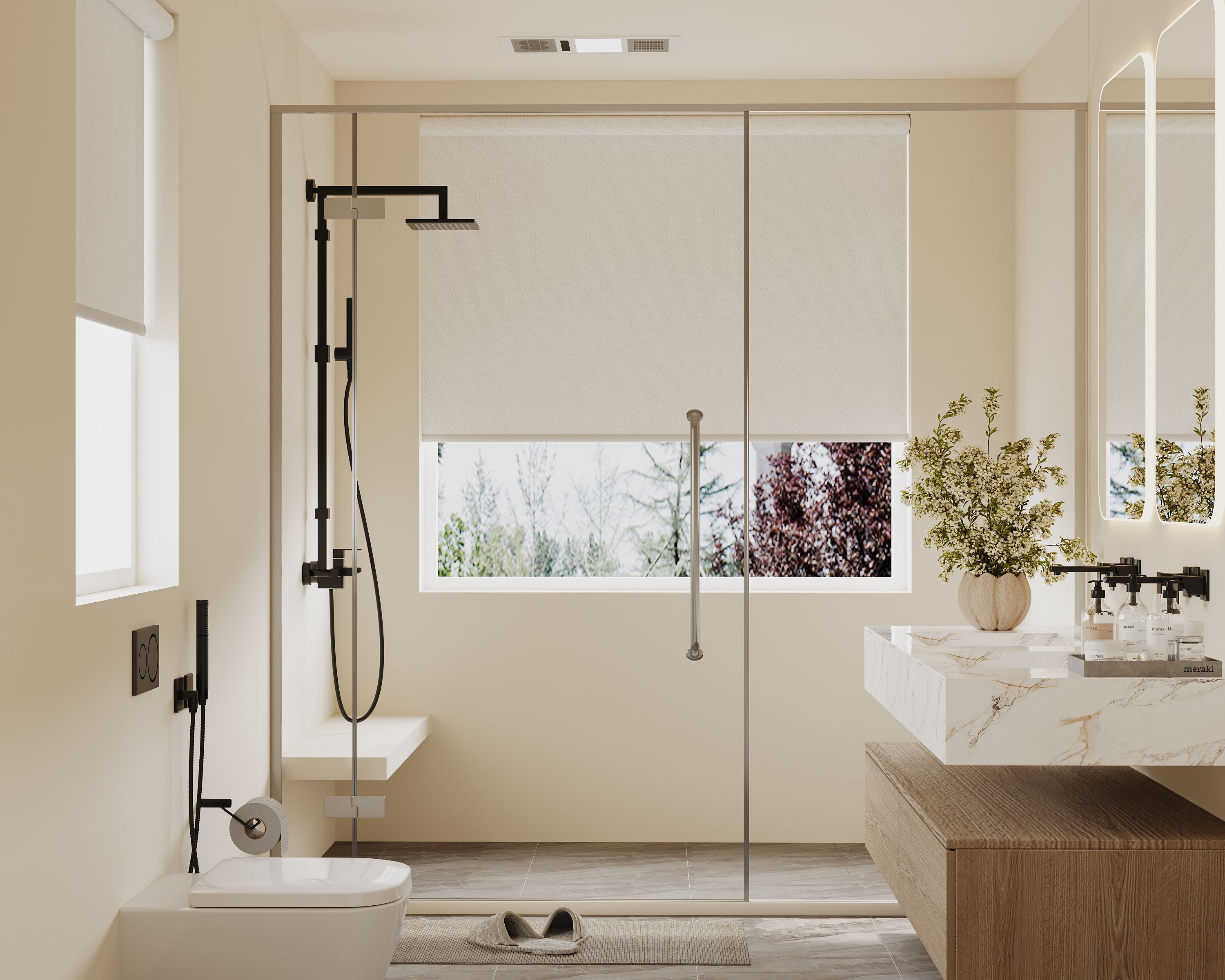


The choice between cordless and motorized zebra shades hinges on your priorities: budget and simplicity versus ultimate convenience, accessibility, and smart home integration. Cordless shades offer a clean, safe, and affordable manual operation, while motorized shades provide effortless control, scheduling, and connectivity at a higher initial cost. For the widest selection of both styles, exploring our collection of versatile zebra blinds and shades is the perfect starting point.
This definitive guide provides the exhaustive detail you need to make a confident investment. Here’s what we’ll cover:
-
A complete breakdown of each mechanism—how cordless spring systems and modern motors actually work.
-
A detailed, side-by-side comparison of cost, convenience, installation, and longevity.
-
A decision framework analyzing which option is best for hard-to-reach windows, smart homes, children's rooms, and budgets.
-
A transparent look at total cost of ownership, including installation, maintenance, and potential battery replacements.
-
Future-proofing considerations for smart home compatibility and system upgrades.
By the end of this guide, you will know exactly which lift system aligns with your daily life, long-term home goals, and budget.
Understanding the Core Technologies
Before comparing, it's essential to understand the fundamental engineering behind each option. This isn't just about a cord versus a button; it's about two different approaches to controlling light and privacy.
How Cordless Zebra Shades Work
Cordless zebra shades operate using a sophisticated internal spring system. When you gently push or pull the bottom rail of the shade, you compress or release a carefully tensioned spring housed within the roller tube. This spring-assist mechanism is what allows the shade to hold its position at any height without a continuous pull cord. The system is entirely self-contained, requiring no external power source. Modern iterations offer a remarkably smooth, quiet action. The primary user interaction is physical, requiring direct contact with the shade to adjust it.
How Motorized Zebra Shades Work
Motorized zebra shades replace the manual spring with a quiet, battery-powered motor embedded inside the roller tube. This motor receives signals from a remote control, a wall-mounted keypad, a smartphone app, or a voice assistant. The most advanced systems use rechargeable battery packs (typically lasting 6-12 months per charge) or can be hardwired for permanent power. The core advancement here is the separation of the intent to adjust the shade from the physical action, enabling control from anywhere in the room—or the world. For a foundational understanding of the connectivity that powers this, our guide on how Wi-Fi and Bluetooth controls actually work for smart shades is essential reading.
Head-to-Head Comparison: Cordless vs. Motorized
This detailed comparison table breaks down the critical decision factors. Your personal weighting of these categories will point you to the right choice.
| Decision Factor | Cordless Zebra Shades | Motorized Zebra Shades | Key Takeaway |
|---|---|---|---|
| Initial Cost | Lower. The mechanism is less complex, making them the more budget-friendly option per window. | Higher. Includes the cost of the motor, battery, and control systems. Premium for convenience. | Cordless wins on upfront price. |
| Ease of Use | Manual, tactile. Requires walking to the window and physically pushing/pulling the shade. Can be challenging for very large or heavy shades. | Effortless, remote. Control from anywhere via remote, app, or voice. Ideal for hard-to-reach or multiple windows. | Motorization is unmatched for ease. |
| Convenience & Routine | Reactive. You adjust shades when you notice a need. | Proactive & Automated. Program schedules (e.g., morning raise, evening lower) or use geofencing. Create "scenes" like "Movie Mode." | Motorization enables true automation. |
| Smart Home Integration | None. Operates as a standalone, manual product. | Extensive. Integrates with Alexa, Google Home, Apple HomeKit, and smart home hubs for whole-home automation. | Motorization is required for a connected home. |
| Safety | Excellent. No dangling cords, making them inherently safe for children and pets. | Superior. No physical interaction needed, offering the highest level of safety and ideal for accessibility needs. | Both are safe; motorized offers accessibility benefits. |
| Installation | Typically simpler. Similar to manual shades; often a straightforward DIY project. | More complex. Requires handling batteries/motors and potentially setting up hubs or apps. Professional install recommended for hardwired. | Cordless is more DIY-friendly. |
| Reliability & Maintenance | Very High. Fewer moving parts; the spring system is durable with minimal maintenance. | High, with conditions. Motors are long-lasting but rely on battery charge/power. Battery replacement or recharging is periodic maintenance. | Cordless has fewer failure points. |
| Aesthetics | Clean & Minimal. The ultimate clean look with no visible controls. | Sleek & Tech-Forward. No visible cords, but remotes or keypads may be present. The shade itself has an identical appearance. | Aesthetic tie; both offer a clean window. |
Making the Right Choice for Your Situation
The "best" option is entirely contextual. Use this framework to match the technology to your specific needs.
When to Choose Cordless Zebra Shades
Choose cordless if your priorities are:
-
Strict Budget Control: You need to cover several windows and want to maximize value without sacrificing safety or style.
-
Standard Windows & Easy Access: Your windows are in easily reachable locations and the shades are not exceptionally wide or heavy.
-
Simplicity & Reliability: You prefer a straightforward, no-fuss product with virtually no tech setup or future maintenance beyond occasional dusting.
-
DIY Installation: You plan to install the shades yourself and want the most hassle-free process.
When to Choose Motorized Zebra Shades
Invest in motorization if any of the following are true:
-
Windows are Hard-to-Reach: Over sinks, above staircases, in tall ceilings, or behind large furniture.
-
You Desire Daily Automation: You want shades that adjust on a schedule to manage light, temperature, or security automatically. Explore ideas in our article on practical IFTTT automations for self-adjusting shades.
-
You Have a Smart Home Ecosystem: You want to control lights, thermostats, and shades together with your voice or through scenes.
-
Accessibility is a Concern: For elderly individuals or those with mobility limitations, remote control is not a luxury but a necessity.
-
You Have Large or Multiple Windows: Controlling several large shades simultaneously with one button or command is a significant quality-of-life upgrade.
Cost Analysis: Initial Investment vs. Long-Term Value
The financial decision requires a broader lens than just sticker price.
-
Cordless: Lower upfront cost, near-zero ongoing cost. The value is fixed at purchase.
-
Motorized: Higher upfront cost. The ongoing value accrues through daily convenience, potential energy savings from automated temperature management, and enhanced home security. When viewed over a 5-10 year period, the premium for motorization often feels justified to homeowners who use the features daily. For a related perspective, our five-year cost-benefit analysis of motorized vs. manual shades provides a useful financial framework.
Installation, Integration, and Future-Proofing
Your choice impacts the setup process and how the shades will function for years to come.
Installation Considerations
-
Cordless: Installation is purely mechanical—mounting brackets and locking the shade into place. Accuracy in leveling is the primary concern.
-
Motorized (Battery-Powered): Adds steps like inserting and charging the battery pack, pairing the remote, and downloading/app setup. Clear instructions are vital.
-
Motorized (Hardwired): Requires running low-voltage wiring to each window during construction or renovation. Always hire a professional electrician or certified installer for this. It eliminates battery maintenance but reduces flexibility.
Integrating into Your Smart Home
For motorized shades, consider the ecosystem:
-
Proprietary RF Systems: Use a dedicated hub and remote. Reliable but may not connect to other smart devices.
-
Wi-Fi/Bluetooth Enabled: Connect directly to your home network for app and voice control without an extra hub.
-
Zigbee/Z-Wave: Require a compatible smart home hub (like SmartThings or Hubitat) for integration but offer robust, low-interference communication for large systems.
Ensure the brand you choose supports the platforms (Alexa, Google, etc.) you use today and has a history of software updates to support the platforms of tomorrow.
Conclusion: Defining Your Priority
The cordless versus motorized decision ultimately asks: What is the primary value you seek from your window treatments?
Choose Cordless Zebra Shades for a cost-effective, reliable, and beautifully simple solution. They deliver safety and a clean aesthetic without complication. They are a fantastic product that solves the cord-safety problem elegantly.
Choose Motorized Zebra Shades as an investment in daily convenience, modern living, and your home's future capabilities. They transform a passive covering into an active, responsive part of your home environment. The added cost is directly tied to tangible, daily benefits that many homeowners find indispensable once experienced.
For most, the decision becomes clear when considering daily routines and future aspirations. If you see your home becoming smarter and value automation, motorization is the forward-looking choice. If you prefer timeless simplicity and hands-on control, cordless shades remain an excellent and sophisticated option.
Key Highlights
-
Cordless shades win on upfront cost and simplicity; motorized shades win on convenience, automation, and integration.
-
Motorization is not a luxury for hard-to-reach windows; it is a practical necessity for safety and ease of use.
-
Consider the total cost of ownership, where motorized shades provide ongoing value through automation and potential energy savings.
-
Your smart home goals are decisive. If integration is important, only motorization will suffice.
-
Safety is excellent with both, as both eliminate dangerous dangling cords, aligning with the latest cordless safety standards every parent should know in 2025.
Explore Custom Zebra Shades


Frequently Asked Questions (FAQ)
Can I convert my cordless zebra shades to motorized later?
Sometimes, but not always seamlessly. A few manufacturers offer "retrofit" motor tubes that can replace the manual spring mechanism inside your existing shade, assuming the roller tube is compatible. However, this often requires partial disassembly, technical skill, and can cost nearly as much as a new shade. It is generally more reliable to purchase the shade with the motor system you want from the outset.
How long do the batteries last in motorized zebra shades?
Battery life varies dramatically based on usage, shade size/weight, and motor type. On average, expect:
-
Standard AA/AAA Battery Packs: 12-24 months with 2-4 cycles (up/down) per day.
-
Rechargeable Lithium Power Packs: 6-12 months per charge under similar use.
Larger shades consume more power. Many smart apps provide low-battery alerts. For hardwired systems, this concern is eliminated.
Are motorized shades reliable, or will the motor break quickly?
Modern shade motors from reputable brands are engineered for longevity, typically rated for 10,000 to 30,000 cycles. With average use (4 cycles/day), this translates to 10-20+ years of operation. The most common point of failure is not the motor itself but the power source (dead batteries) or, rarely, a gear strip in very high-use scenarios. Quality motors come with long warranties (5+ years is common).
What's the best option for a rental apartment?
For renters, battery-powered motorized shades are often the ideal compromise. They offer the convenience of motorization without any permanent alteration to the apartment (no wiring). You can install them using the same brackets as standard shades and take them with you when you move. Cordless is also a great rental-friendly option, but motorized provides the added benefit of easy adjustment without touching the windowsill or shade, which landlords often prefer to minimize wear and tear.
