
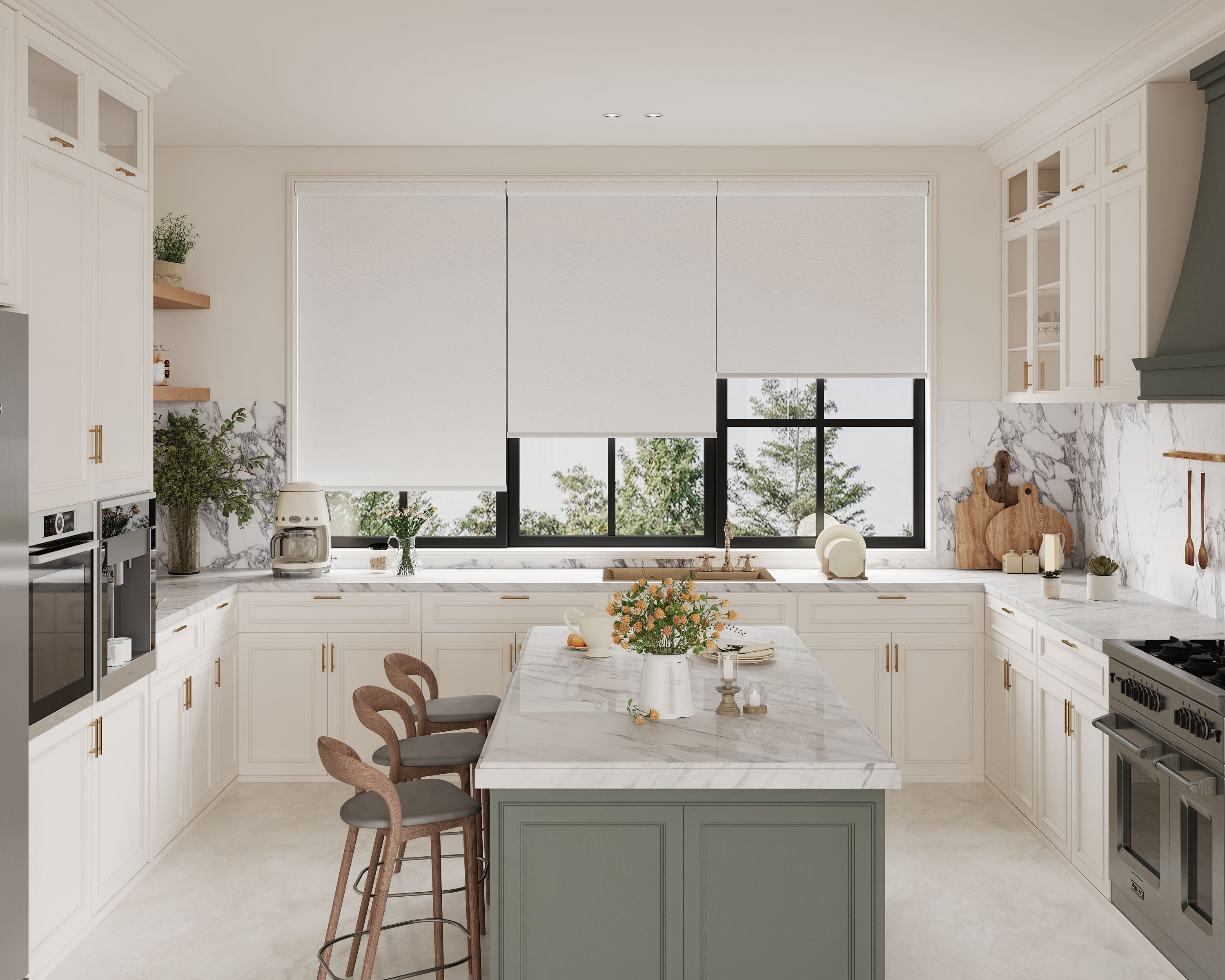
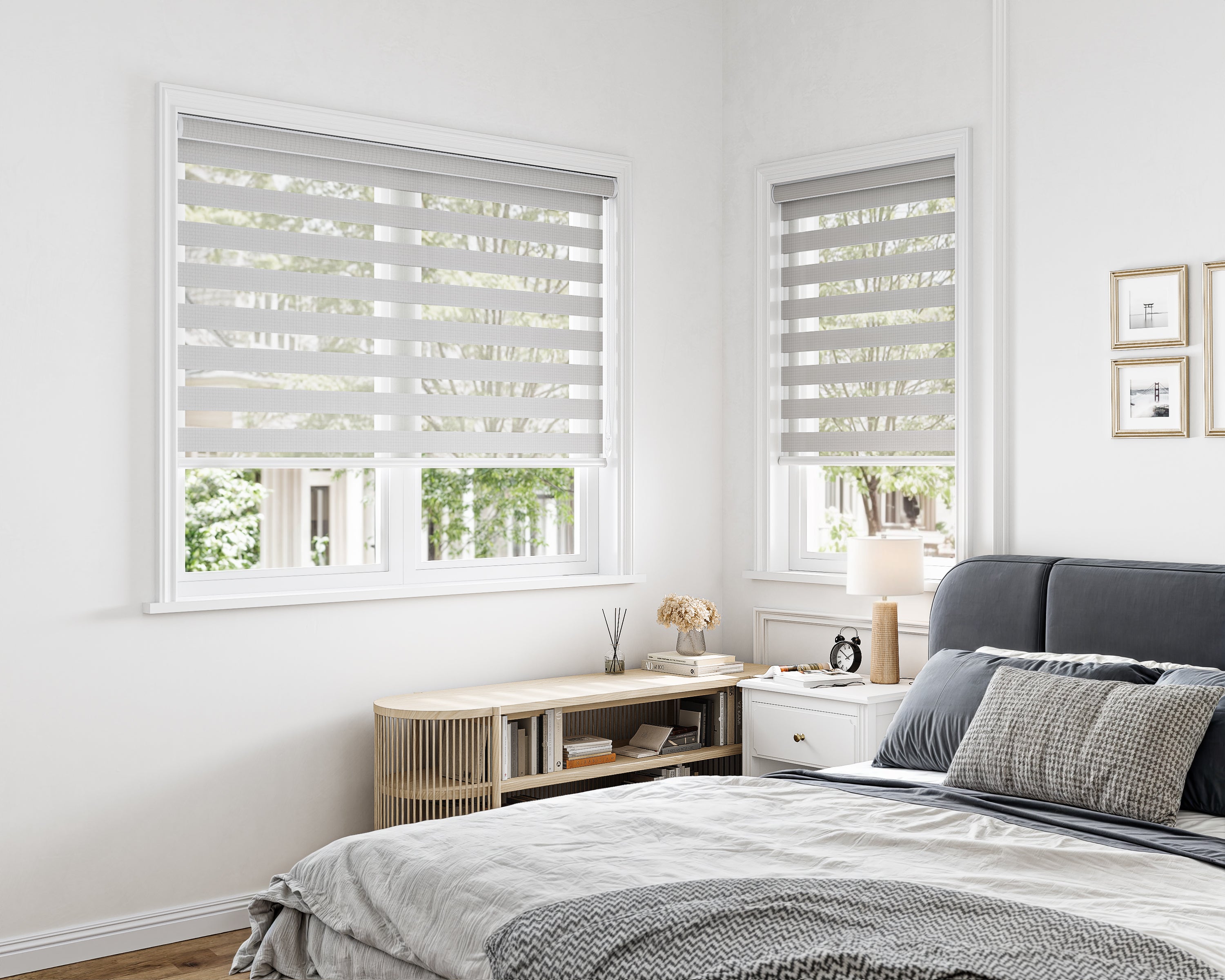
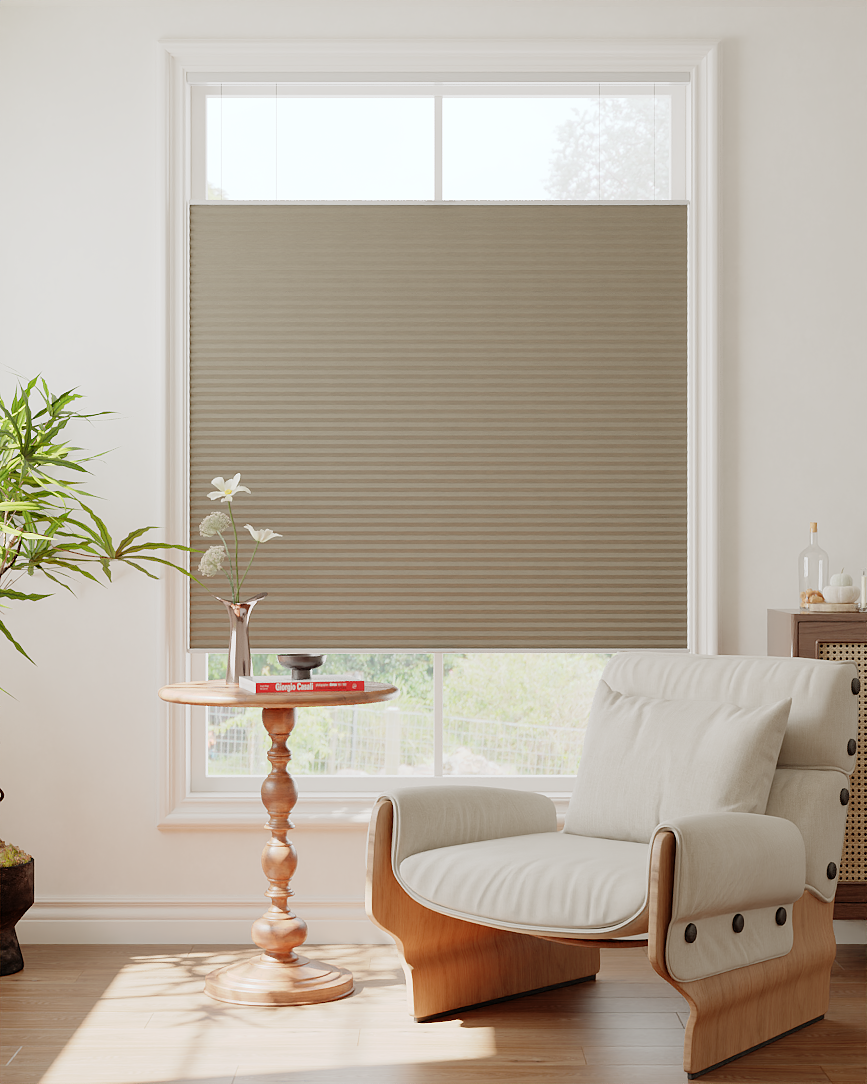
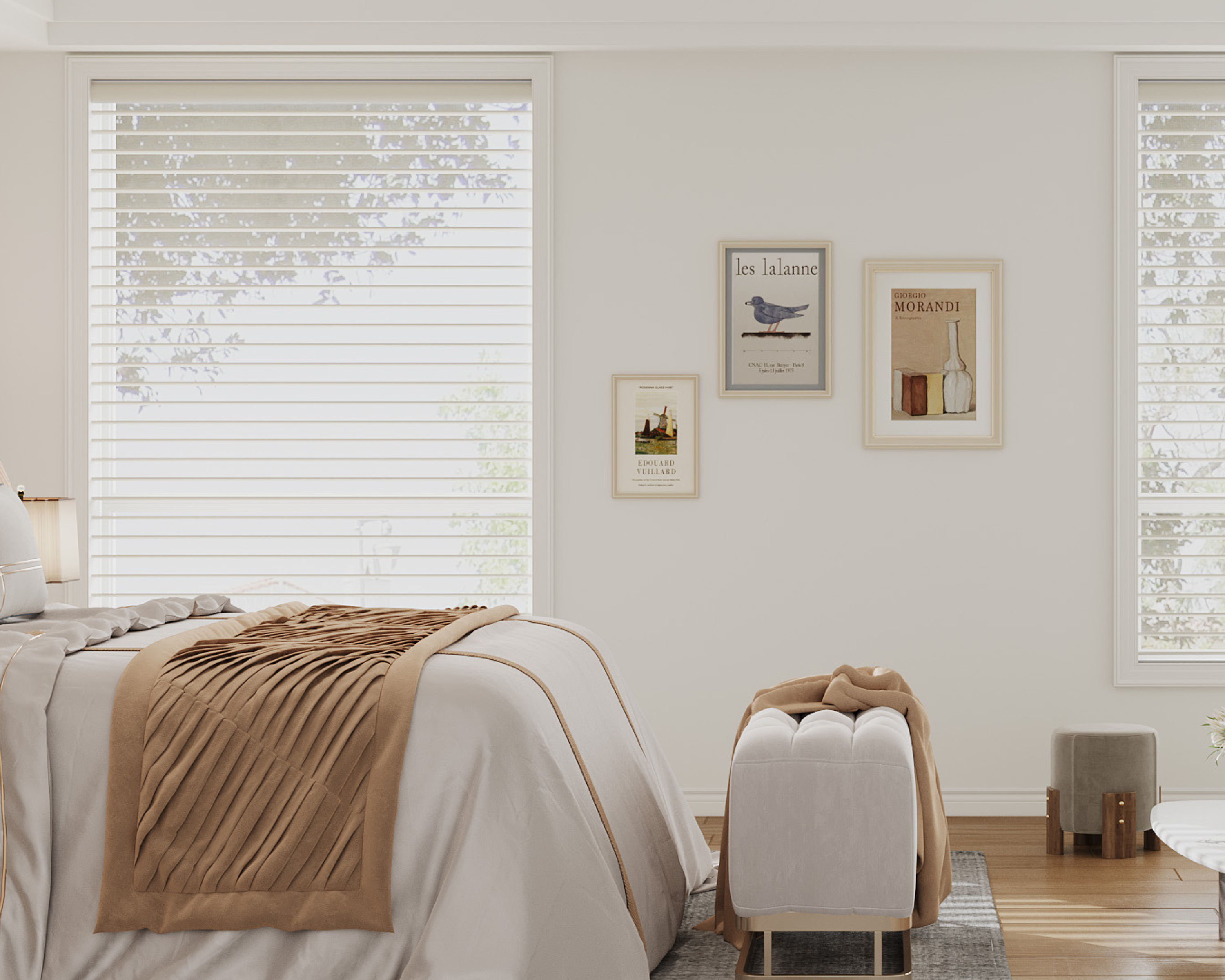
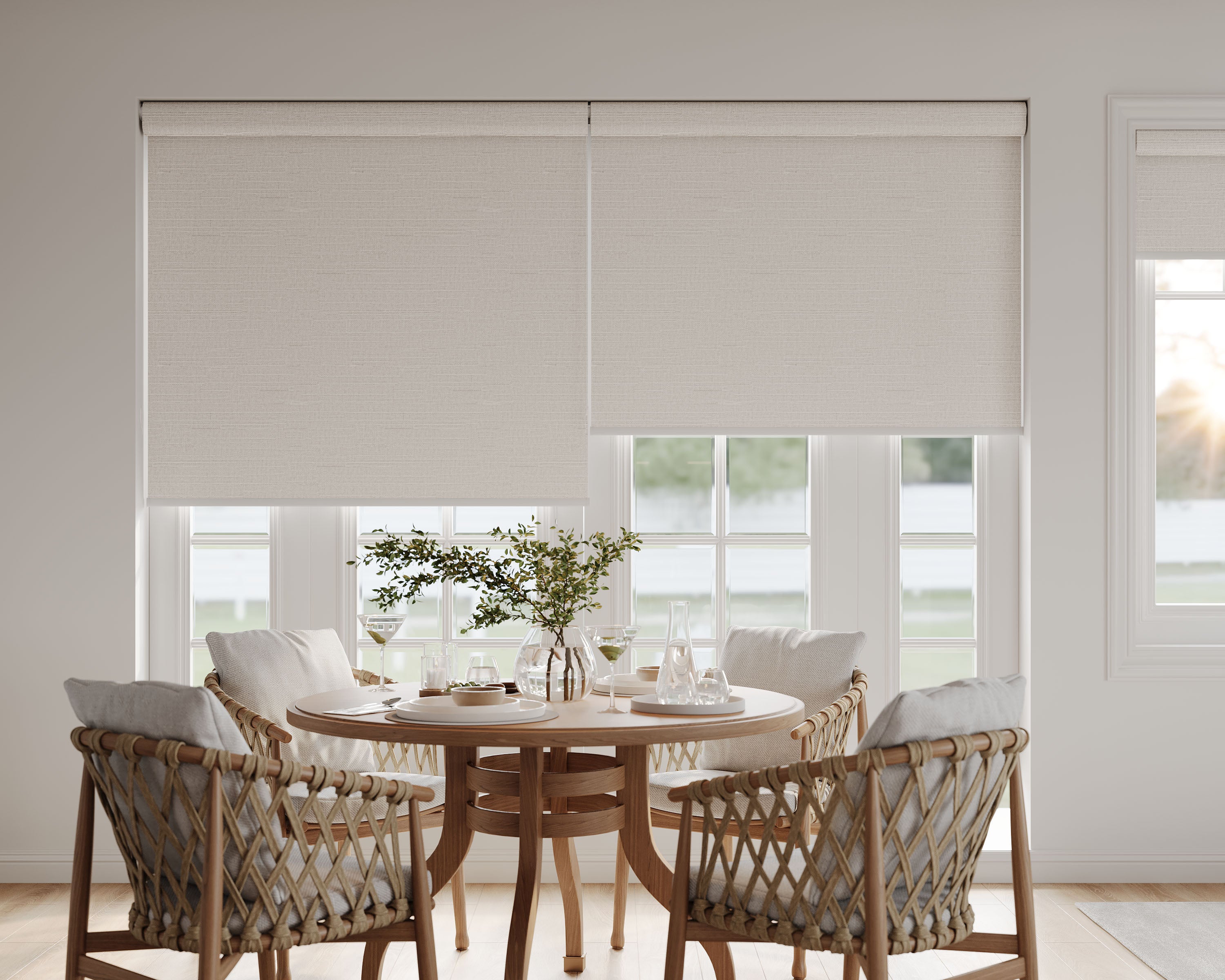


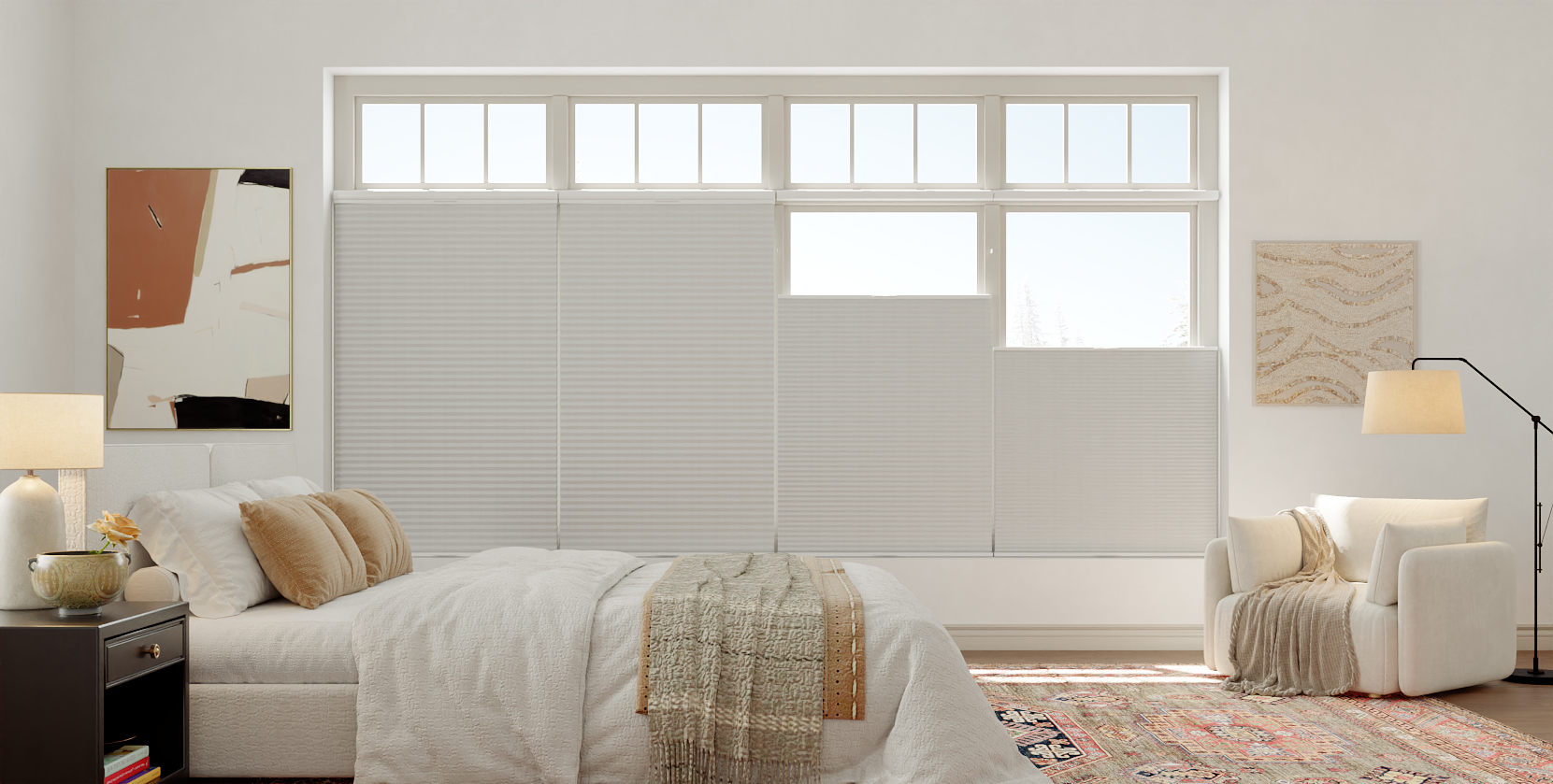


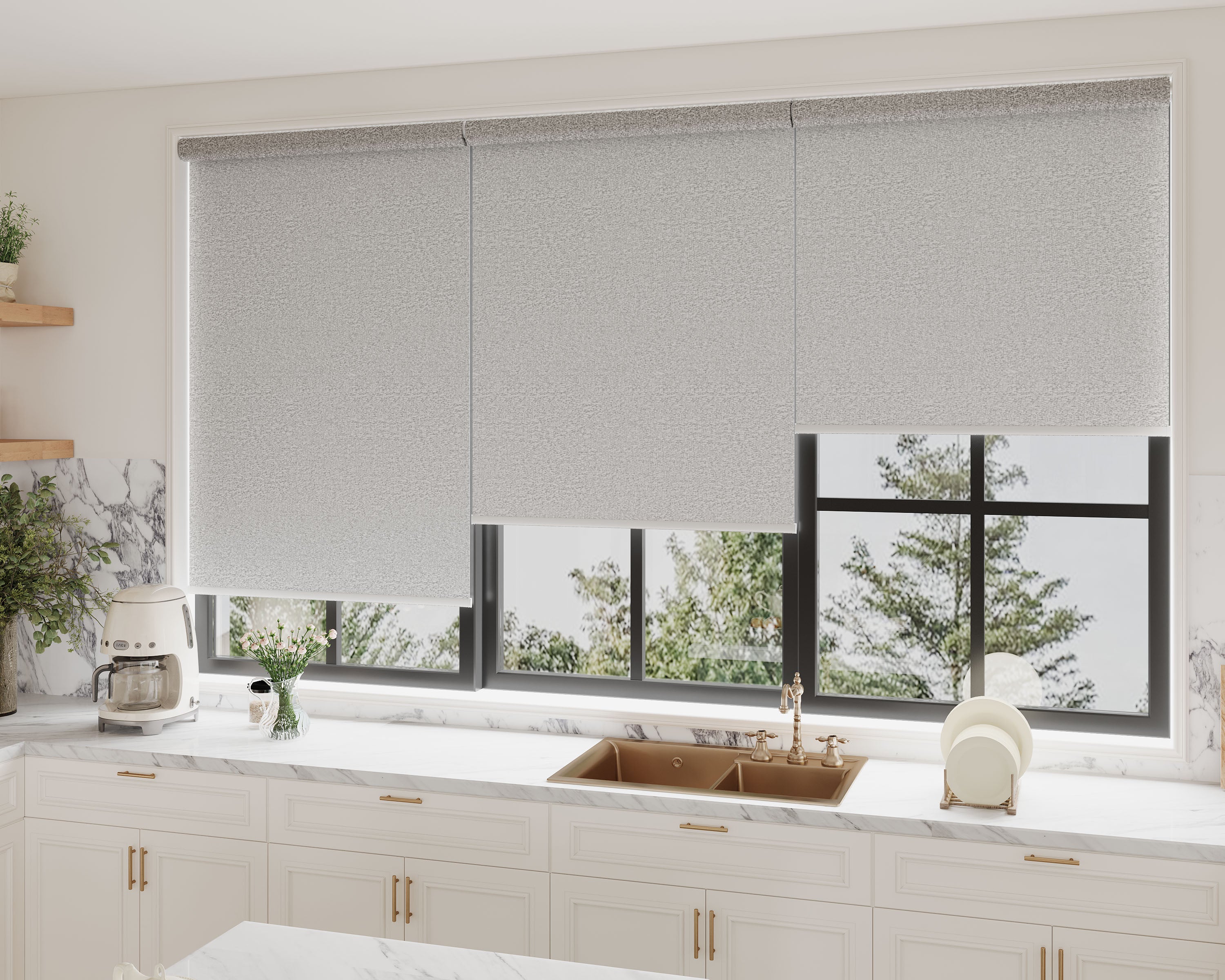

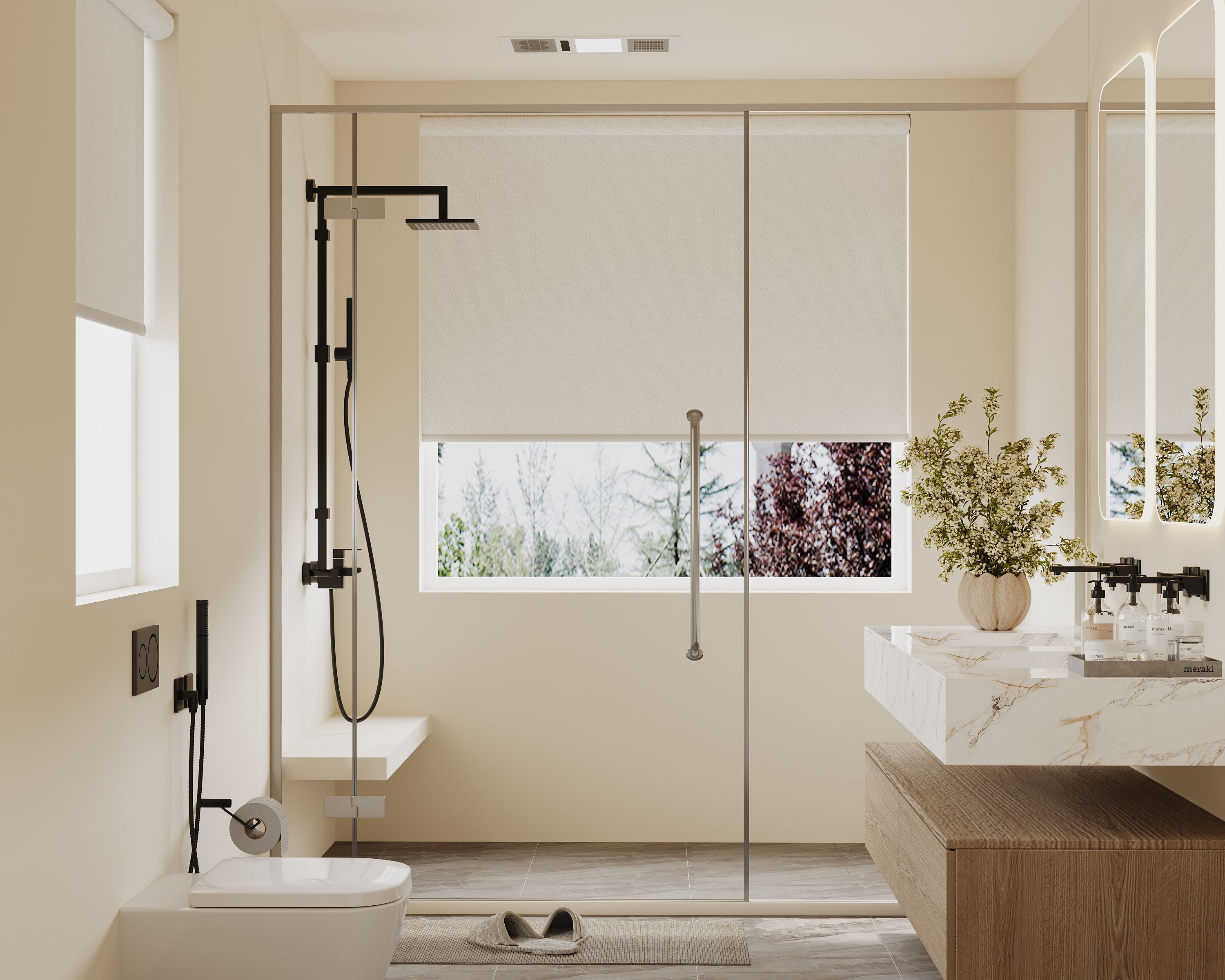


For most shift workers, standard zebra shades do not block enough light to create the pitch-black environment necessary for quality daytime sleep. Their design inherently allows some light penetration through fabric seams and side gaps, making them a compromise. However, with specific high-opacity models, strategic installation, and complementary solutions, they can be part of an effective light-blocking system. The critical question isn't just about the shade, but about your personal sensitivity to light. For those who need near-total darkness, exploring our collection of light-controlling zebra blinds and shades is the first step to understanding the highest-performance options available.
This guide cuts through the compromises to give you the facts for restorative sleep. Here’s exactly what we’ll cover:
-
A frank analysis of zebra shade limitations regarding the absolute darkness required by night shift workers and day sleepers.
-
A detailed examination of "room darkening" vs. reality, including measurable light leakage from seams, edges, and fabric weave.
-
A technical selection guide for the highest-opacity materials, specialized installations, and motorized features that benefit irregular schedules.
-
Step-by-step strategies for layering zebra shades with blackout curtains, seals, and other treatments to achieve a clinical-level dark room.
-
A clear comparison with dedicated blackout solutions to help you decide if zebra shades alone are sufficient or if a different approach is needed.
Your sleep is non-negotiable. This guide provides the exhaustive detail required to engineer your bedroom for darkness, whether zebra shades are the centerpiece or a complementary component.
The Shift Worker's Sleep Challenge: A Need for Absolute Darkness
The human circadian rhythm is powerfully cued by light. Daytime sleep, especially after a night shift, is fighting biology. Even small amounts of light—as little as 100 lux, which is less than a dimly lit room—filtering through your eyelids can suppress melatonin production, reduce sleep depth, and cause frequent awakenings. This makes the quality of your window covering not a matter of decor, but of health and job performance.
Defining the Standard: What "Dark Enough" Really Means
For a shift worker, "dark enough" means creating an environment that mimics deep night. The goal is a light-elimination environment where you cannot see your hand in front of your face. Successful sleep depends on blocking all light sources: direct sunlight, ambient sky glow, and reflected light from buildings or streets. The evaluation of any shade must be ruthlessly practical and measured in its ability to achieve near-zero light transmission, not just a dim ambiance.
The Science of Light and Sleep Disruption
Light signals to your brain's suprachiasmatic nucleus that it's time to be awake. During daytime sleep, this signal is constantly battling your need for rest. Exposure to light, especially blue wavelengths prevalent in daylight, inhibits melatonin for hours. Therefore, your window treatment must act as a complete biological shield, not just a visual barrier. A shade that blocks 95% of light sounds impressive, but the remaining 5% of bright daytime sun can be hundreds of lux—more than enough to disrupt your circadian cycle and prevent you from reaching the deep, restorative Stage 3 and REM sleep you need to recover.
Zebra Shades for Shift Work: A Realistic Performance Analysis
Let's analyze zebra shades against the stringent, non-negotiable standard of daytime sleep, moving beyond marketing terms to the physics of their design and real-world performance.
Core Design Limitations for Blackout Sleep
The fundamental architecture of zebra shades creates inherent conflicts with the goal of total blackout.
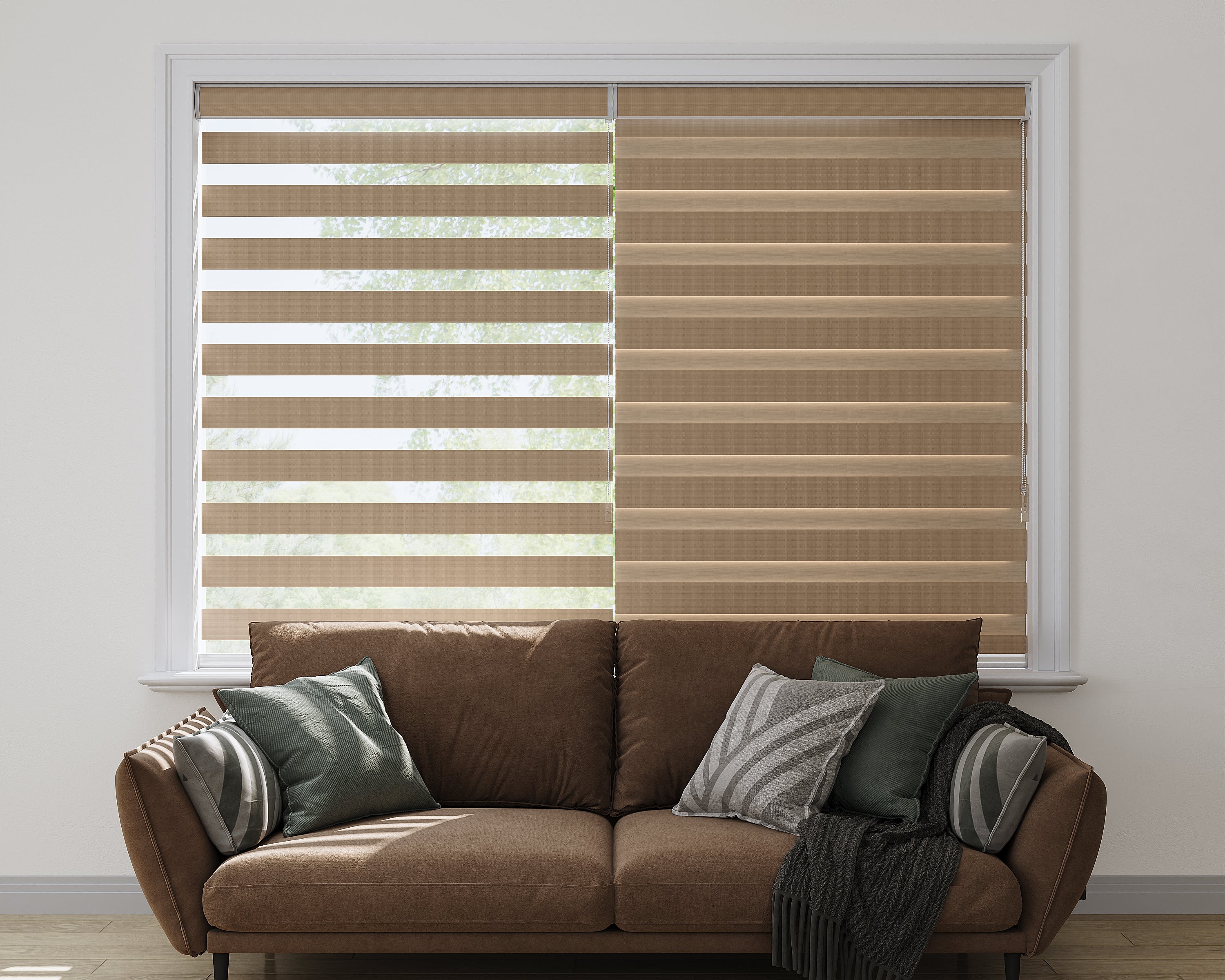
Inherent Seam Leakage: The core mechanism—two layers of alternating sheer and opaque fabric—creates thousands of horizontal micro-seams where the fabrics meet. When the opaque bands are aligned for "privacy," these seams remain the thinnest points in the assembly. In bright daylight, these seams allow pinpricks of light to penetrate, which can manifest as a faint, starry pattern across the fabric. This is not a defect but a design inevitability.
The "Room Darkening" Reality Check: In the window covering industry, "room darkening" is a specific term typically meaning the fabric blocks 90-95% of visible light. For zebra shades, this rating applies when the opaque bands are perfectly aligned. This creates a dim "twilight" suitable for nighttime or lounging, but the remaining 5-10% of high-intensity daytime light is often enough to illuminate a room sufficiently to read a book, making deep sleep challenging for light-sensitive individuals.
Perimeter Light Gaps – The Biggest Culprit: The most significant light intrusion comes from the perimeter. Even with a perfect inside mount, gaps exist where the shade meets the window frame due to necessary clearance for operation. Light streams in from the sides, top, and bottom. With an outside mount, the top and sides can be better covered, but light can spill around the edges if not sealed, tracing the outline of your window on the wall.
Fabric Translucency and Color Impact: Some light will diffuse through the opaque fabric itself. A light grey or beige "opaque" band will naturally allow more light transmission than a black or charcoal one. The fabric's density (often measured in GSM – grams per square meter) also affects this. No woven or knitted fabric used in zebra shades is truly 100% light-impervious.
Potential Advantages in a Shift Worker's System
Despite their limitations for absolute darkness, zebra shades can offer specific benefits within a broader, layered sleep strategy for a shift worker's lifestyle.
Adjustable Functionality for "Off-Days": On your days off, when you resume a daytime-active schedule, zebra shades excel. You can adjust them to allow soft, filtered light while maintaining privacy, a versatility that dedicated, single-purpose blackout shades or covered windows lack. This helps maintain some normalcy in your circadian rhythm on your days off.
Smart Home Integration for Erratic Schedules: Motorized zebra shades are a significant upgrade for shift work. They can be programmed to close automatically at 7:15 AM when you arrive home and open at 3:45 PM before your wake-up time, regardless of whether that's a Tuesday or a Saturday. This automation supports an irregular schedule without you having to remember in a sleep-deprived state. This can be integrated with other smart home cues for a "Sleep Mode" that also adjusts thermostats and lights. For inspiration on setting this up, see our guide to practical IFTTT automations for self-adjusting shades.
Aesthetic and Psychological Benefits: Waking up and opening a shade to a softened view, rather than staring at a blank wall or the back of a blackout panel, can have positive psychological effects. They provide a clean, finished look and daytime privacy, serving as a permanent base layer.
Selecting & Optimizing Zebra Shades for Maximum Darkness
If you are committed to using zebra shades, perhaps for their aesthetic or dual-purpose functionality, you must select and install them with a militant focus on mitigating every known point of light failure. This turns a standard product into a performance-optimized component.
Zebra Shade Specification Guide for Shift Workers
Your choices must be dictated by the single goal of maximizing light blockage.
| Feature | Standard/Compromise Choice | Performance-Optimized Choice for Shift Work | Reasoning |
|---|---|---|---|
| Opacity Level | Room Darkening (Blocks ~90-95% light) | Maximum Room Darkening / "Near Blackout" (Seek specs stating 98%+ light blockage). | Closes the gap between "dim" and "dark." These use denser weaves and darker backings. |
| Fabric Color | Light Grey, White, Beige. | Charcoal, Black, or Navy. Preferably with a black or charcoal backing. | Darker pigments absorb light rather than reflecting or diffusing it through the fabric. |
| Mounting Type | Inside Mount (for a flush look). | Outside Mount. Brackets installed on the wall, with the shade covering 3-4 inches beyond the window frame on all sides. | The only way to effectively combat perimeter light gaps from the frame itself. |
| Side Light Control | Standard roller with open sides. | Integrated Side Channels or "Light Lock" Track Systems. | Physically guides the fabric and seals the edges, eliminating the largest source of light leak. |
| Lift Mechanism | Manual cord or cordless clutch. | Motorized with Smart Scheduling. | Allows for precise, quiet operation on an irregular schedule without manual intervention. |
Critical Installation and Enhancement Steps
Purchasing the right shade is only half the battle; installation is where the war for darkness is won or lost.
The Outside Mount with Overhang Technique: This is non-negotiable for shift workers. The shade should not be sized to your window, but to the area around your window. Order shades wide and long enough so that when the brackets are mounted, the fabric completely blankets the window and extends over the wall or molding by a minimum of 3-4 inches on all sides. This overhang is your primary defense against light bleeding around the frame.
The Multi-Point Seal Protocol: After mounting, you must seal any remaining gaps.
-
Top & Side Seal: Apply blackout foam tape (available in rolls) or magnetic light-sealing strips to the wall or window frame where the headrail and sides of the shade meet. When the shade is down, it should press against this soft seal.
-
Bottom Seal: Ensure the shade has a weighted, opaque bottom rail. For added security, attach a fabric "draft stopper" or create a "pool" of the shade fabric on the windowsill. For a severe solution, a temporary Velcro-attached fabric panel can cover the bottom gap.
The Motorization Advantage: For shift workers, motorization is about more than convenience. It's about creating a fail-proof routine. A smart motor can be tied to your phone's calendar, a geofence, or a simple time-based schedule to ensure the shades are always closed during your sleep window, even if you forget in a state of exhaustion.
The Layered Solution: Integrating Zebra Shades with True Blackout
For the vast majority of shift workers, the most reliable, effective, and stress-free solution is to abandon the idea of a single product and embrace a dual-layer, defense-in-depth system. Here, zebra shades are part of a team.
Engineering a Two-Layer Light Blocking System
This strategy leverages the strengths of two different products to achieve a result neither could alone.
Layer 1 (The Base Layer – Zebra Shades): Mounted closest to the window. Its role is to provide the first major light diffusion, aesthetic appeal, privacy for your waking hours at home, and functional light control on your days off. Choose this for its style and versatility.
Layer 2 (The Blackout Layer – Dedicated Treatment): Mounted on a separate track closer to the room, directly in front of the zebra shade. This layer has one job: total light elimination. The best options are:
-
Blackout Roller Shades: A single, seamless panel of vinyl-coated or acrylic-backed fabric, installed in a track with side channels.
-
Blackout Curtains: Heavy, tightly woven fabric with a rubber or acrylic backing, hung from a ceiling track that allows the curtains to overlap the wall by several inches on each side.
When closed together, this system is formidable. The blackout layer provides the absolute seal, while the zebra shade adds insulation, style, and a functional layer for when you are awake. To understand the benchmark you're layering against, read our analysis of the lab-tested differences between room-darkening and true blackout shades.
Cost-Benefit Analysis of Layering vs. a Single Solution
While layering has a higher upfront cost, it offers unparalleled flexibility and performance. It allows you to have a dark sleeping environment and a pleasant living space without compromise. For those who own their homes and are invested in their long-term comfort, this layered approach often provides superior value and satisfaction compared to constantly battling the limitations of a single product.
Zebra Shades vs. True Blackout Solutions
A shift worker must make an informed choice. Here is a direct, honest comparison of zebra shades against alternatives designed for darkness.
Head-to-Head Comparison with Dedicated Blackout
Vs. Blackout Cellular Shades:
-
Technology: Cellular shades can be true blackouts. They use a single, continuous piece of fabric (often with a vinyl backing) and no seams. Combined with side channels that compress into the window frame, they create a near-hermetic seal.
-
Verdict: Blackout cellular shades are a superior single-solution choice for darkness. They outperform zebra shades in light blocking and also provide significantly better insulation (higher R-value), which can help maintain a stable sleep temperature. Learn more in our guide on what cellular honeycomb shades are and how they work.
Vs. Blackout Roller Shades in a Track:
-
Technology: A dedicated blackout roller shade uses a single, non-perforated fabric. When installed inside a U-shaped track or with side channels, light has no path for entry from the front or sides.
-
Verdict: The most effective single-panel blackout solution available. It is a pure, functional tool for darkness but offers no adjustable light filtering—it's either up or down.
Vs. Professional Blackout Systems (e.g., with Velcro perimeter seals):
-
Technology: These are often custom solutions where a fabric panel attaches via Velcro to a track sealed around the entire window perimeter, used in home theaters and recording studios.
-
Verdict: The gold standard for light elimination, but often expensive and visually obtrusive, turning your window into a blank wall.
Conclusion: A Practical Verdict for Shift Workers
The clear, evidence-based answer is that zebra shades alone are not sufficient for shift workers who are sensitive to light and prioritize uncompromising sleep quality. Their design, while elegant and versatile, is fundamentally at odds with the physiological requirement for absolute darkness during daytime sleep.
However, zebra shades can play a valuable and strategic role as part of a broader, layered sleep sanctuary. They are an excellent choice for the aesthetic and functional "day mode" of your bedroom. The most practical path forward is to first invest in a primary, sealed blackout solution (such as blackout cellular shades with side channels or a blackout roller in a track) to guarantee your sleep. Then, consider adding zebra shades in front to enjoy their benefits during your waking hours at home.
For shift workers, protecting sleep is protecting health, safety, and livelihood. Your window treatment decision should be made with the same seriousness as choosing a quality mattress. Prioritize proven, sealed blackout technology for your core sleep environment, and use zebra shades to enhance your quality of life when you are awake.
Key Highlights
-
Standard zebra shades do not block enough light for most shift workers due to inherent seam leakage and perimeter gaps.
-
"Room darkening" (90-95% blockage) is not "blackout" (99.9%+)—a critical distinction that impacts sleep biology.
-
Outside mounting and side channels are mandatory to maximize performance if using zebra shades as a primary solution.
-
The most reliable and recommended solution is a layered approach, pairing zebra shades with a dedicated blackout layer.
-
Motorization is a highly recommended feature for maintaining sleep schedules amidst irregular shifts.
Explore Custom Zebra Shades


Frequently Asked Questions (FAQ)
What percentage of light do the darkest zebra shades actually block?
Even the best "near blackout" zebra shades typically block 95-98% of light under ideal, direct-on lab testing conditions. In a real-world installation, due to inevitable side and top gaps, the effective light blockage in the center of the room is often lower. The 2-5% of direct sunlight that penetrates can measure over 100-300 lux at the sleeping surface—well above the threshold known to suppress melatonin and disrupt sleep cycles. For true daytime darkness, you need solutions that achieve 99.9%+ blockage, resulting in near-zero lux conditions.
Can I modify my existing zebra shades to be completely blackout?
You cannot alter the fundamental fabric to eliminate seam leakage. However, you can undertake significant modifications to dramatically improve performance:
-
Retrofit Side Channels: Purchase and install aftermarket blackout side channel kits that guide the shade edges.
-
Re-mount as an Outside Mount: This is the most impactful change. Move the brackets to the wall and ensure the shade fabric generously overlaps the window.
-
Seal the Perimeter: Apply blackout tape or magnetic seals to the top and sides.
-
Add a Blackout Liner: The most effective fix is to add a separate blackout roller shade or panel behind your existing zebra shade. This turns your single solution into a layered system.
Are there any zebra shades specifically marketed for shift workers?
A few premium manufacturers offer "total blackout" zebra shades. These models use a specialized fabric where the "opaque" band is actually a solid, non-woven material laminated between the front and back layers, eliminating the sheer band entirely in the closed position. They also incorporate rigid side channels. Scrutinize the specifications for the term "blackout" (a regulated term in some regions) versus "room darkening," and always insist on a physical sample to test in your own home before purchasing, as marketing claims can be overstated.
I love the look of zebra shades. What is the absolute best way to use them as a shift worker?
The absolute best way is to decouple your need for darkness from your need for style. Install a dedicated, track-mounted blackout roller shade or blackout cellular shade as your primary sleep layer. Ensure it is professionally installed with full perimeter sealing. Then, install the zebra shades of your choice on a separate mount in front of it. During sleep, both are closed. When awake, you raise the blackout layer and enjoy the filtered light and view adjustment of your beautiful zebra shades. This guarantees perfect sleep without sacrificing an ounce of daytime aesthetics or functionality.
