
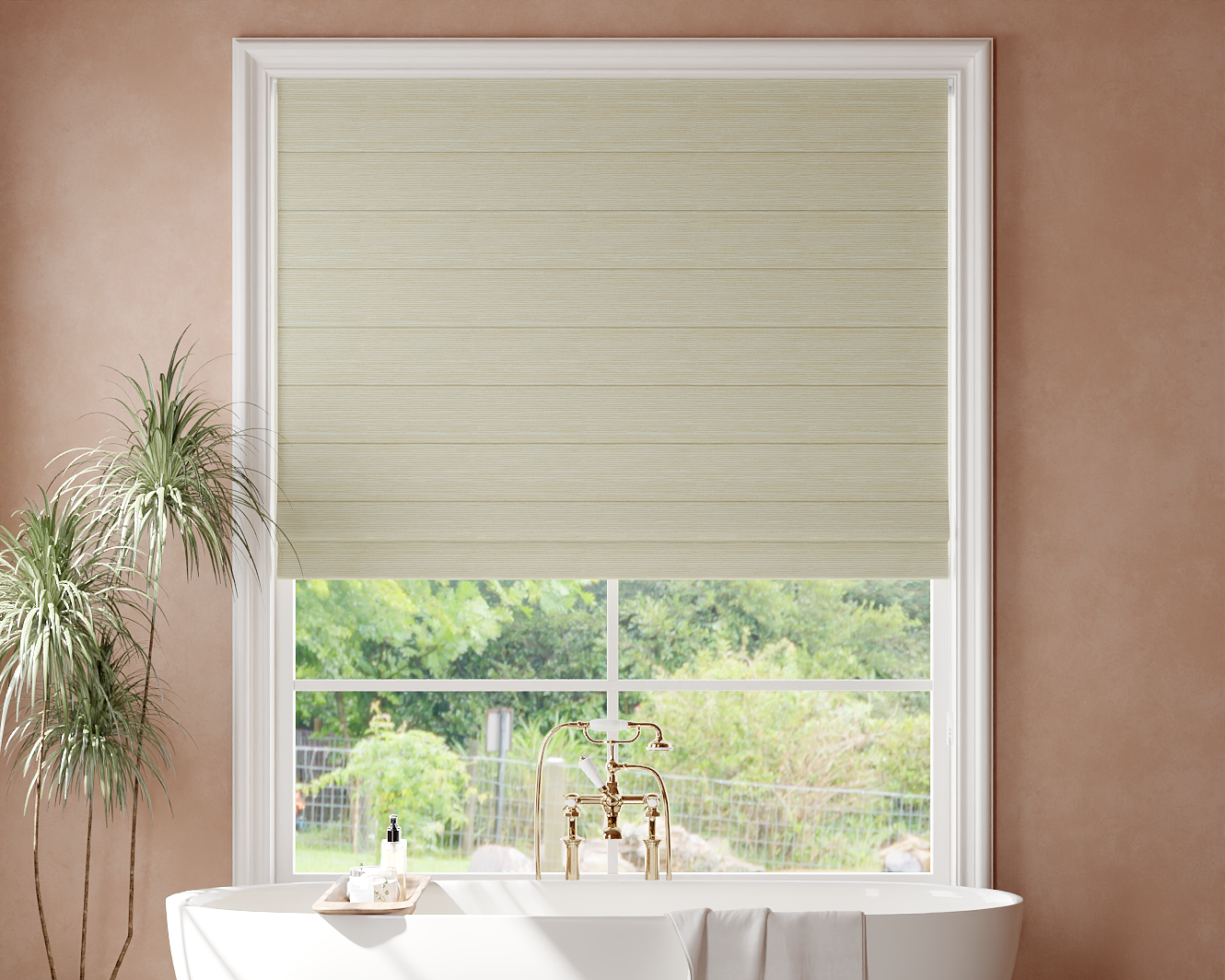
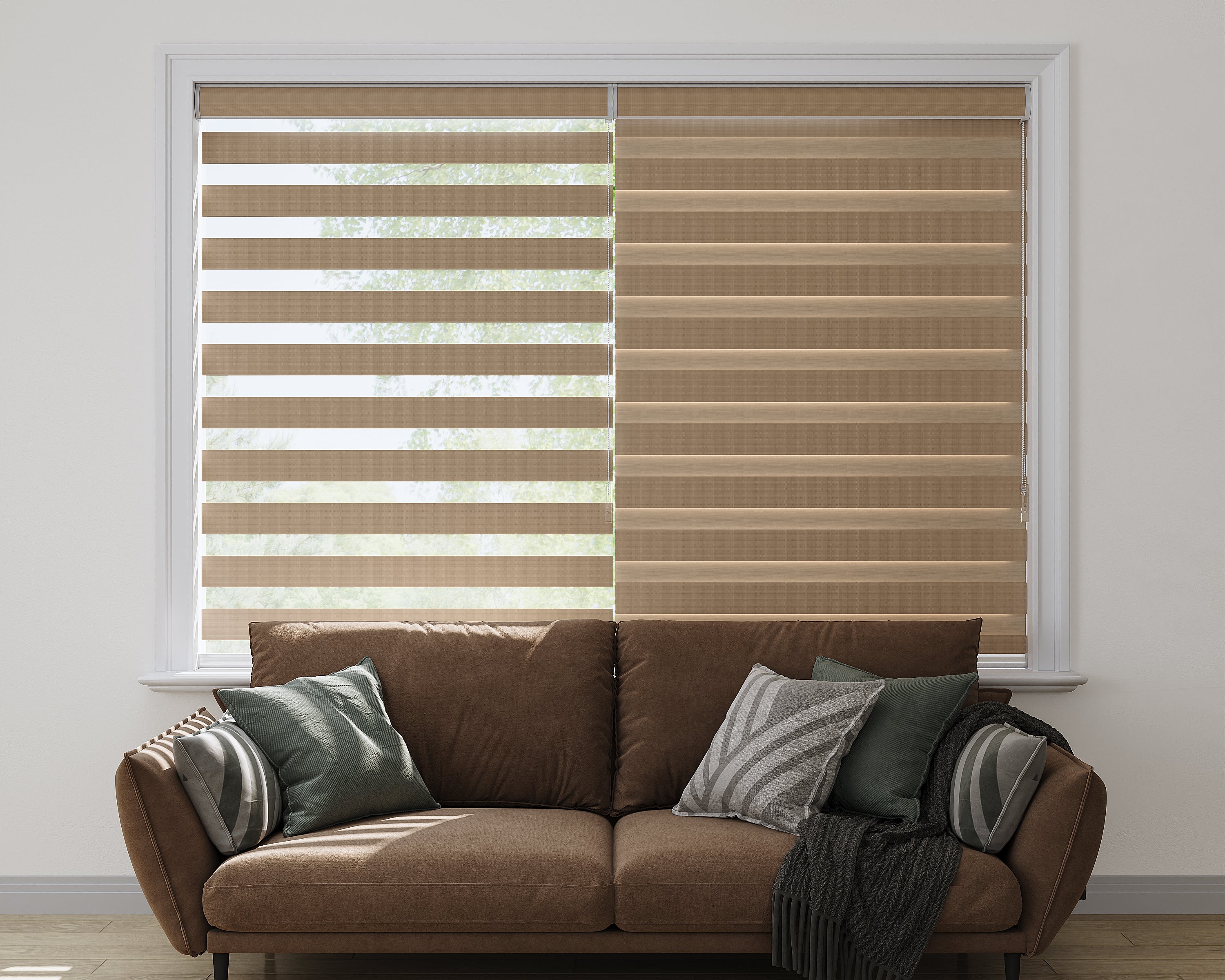
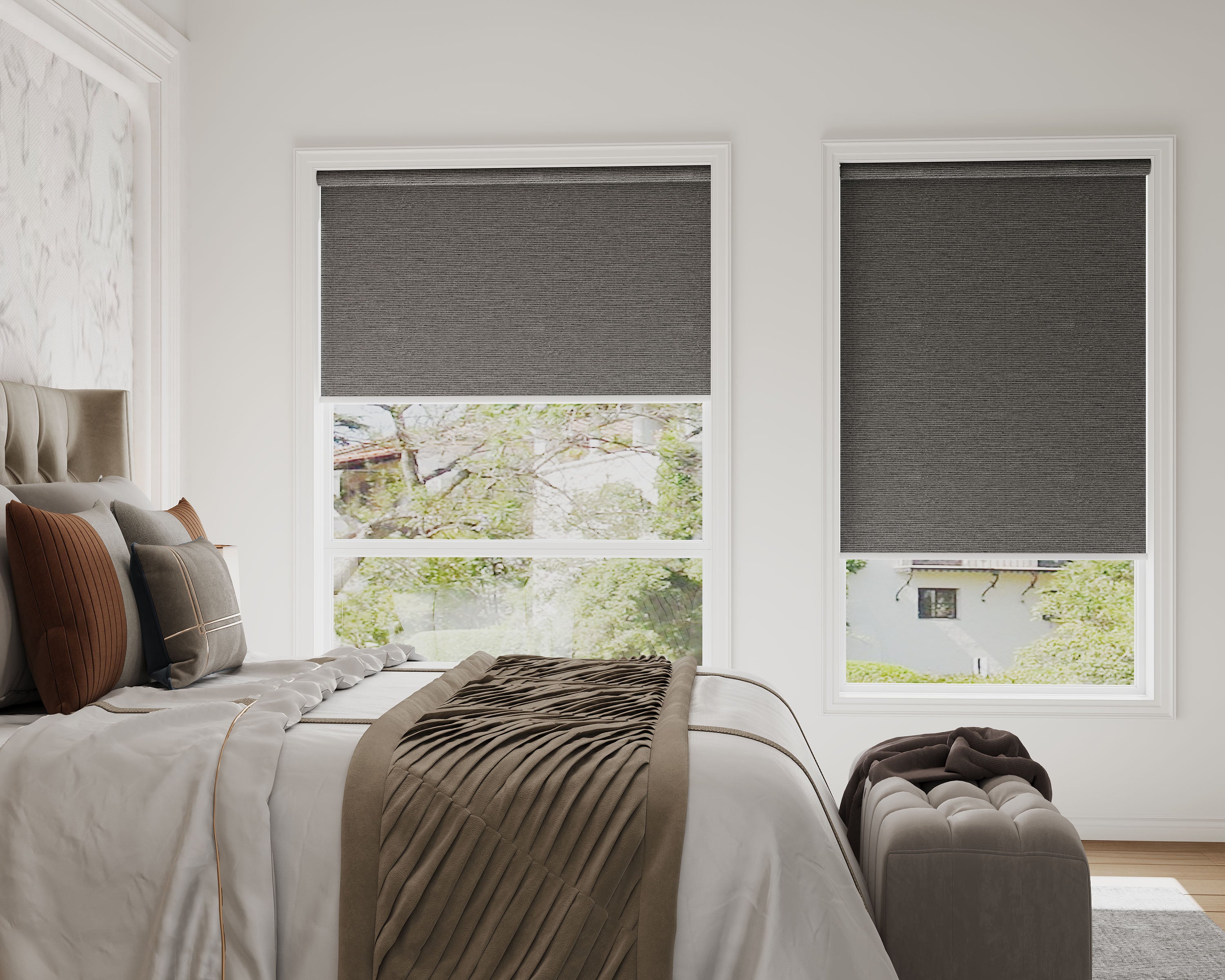
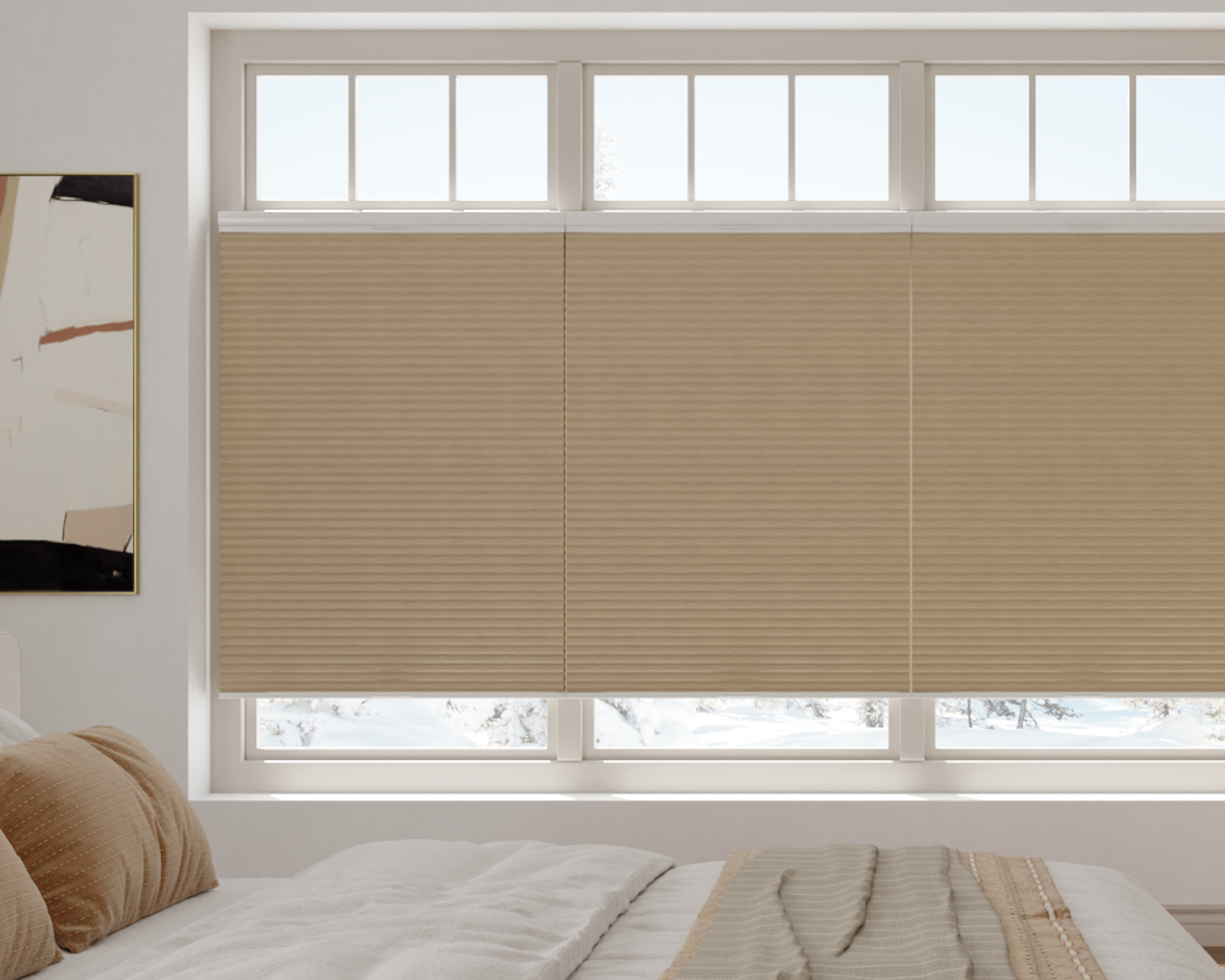
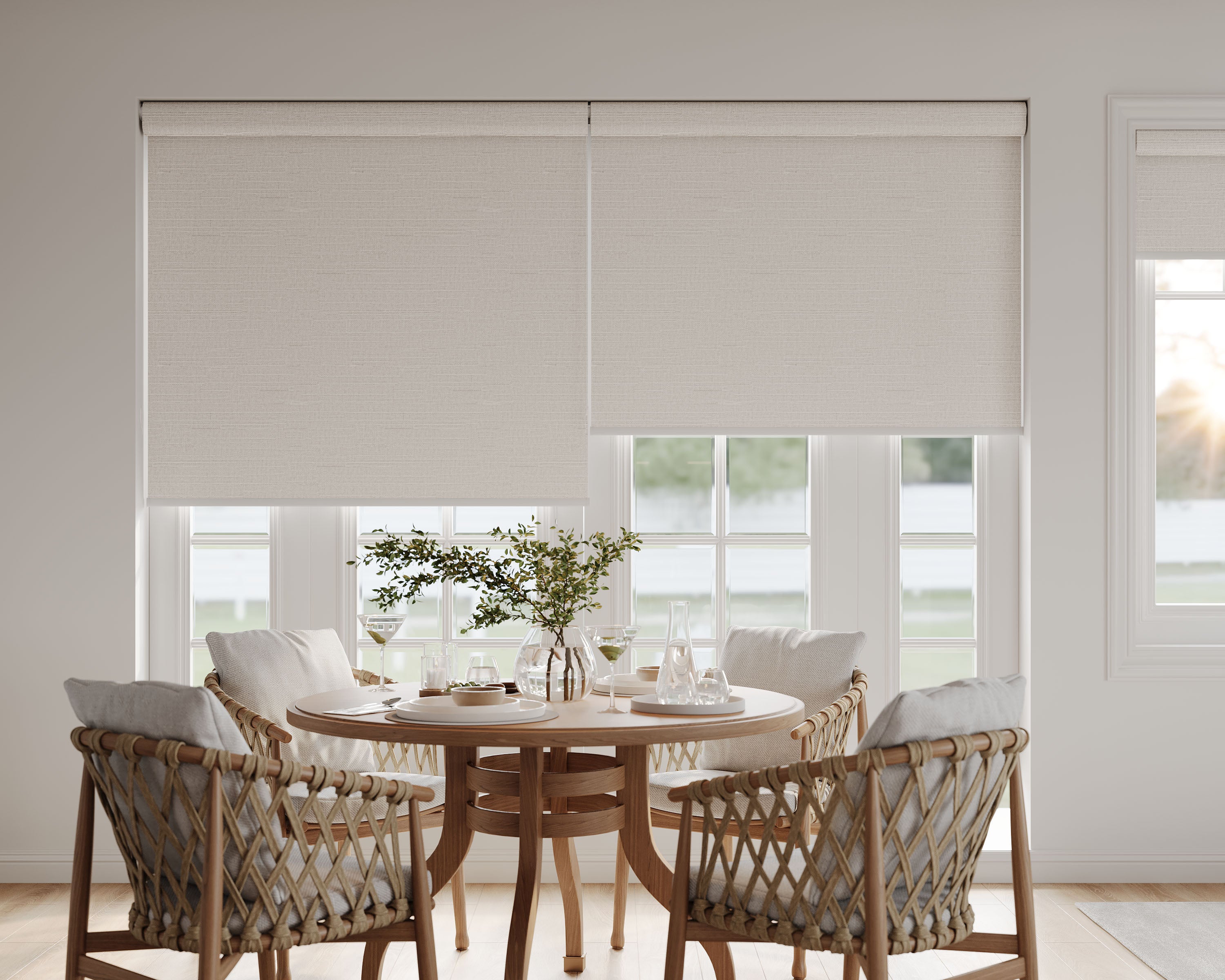


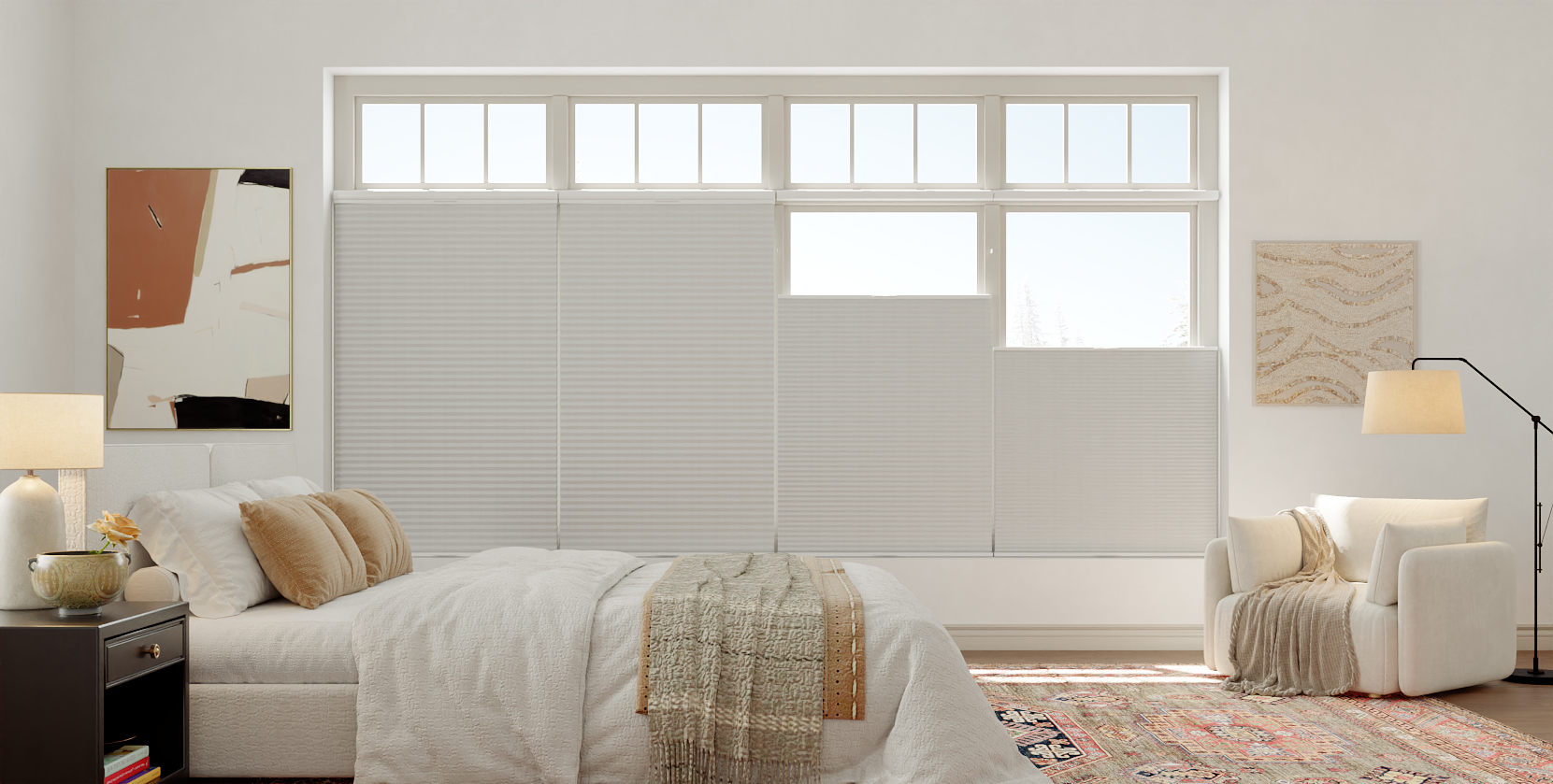


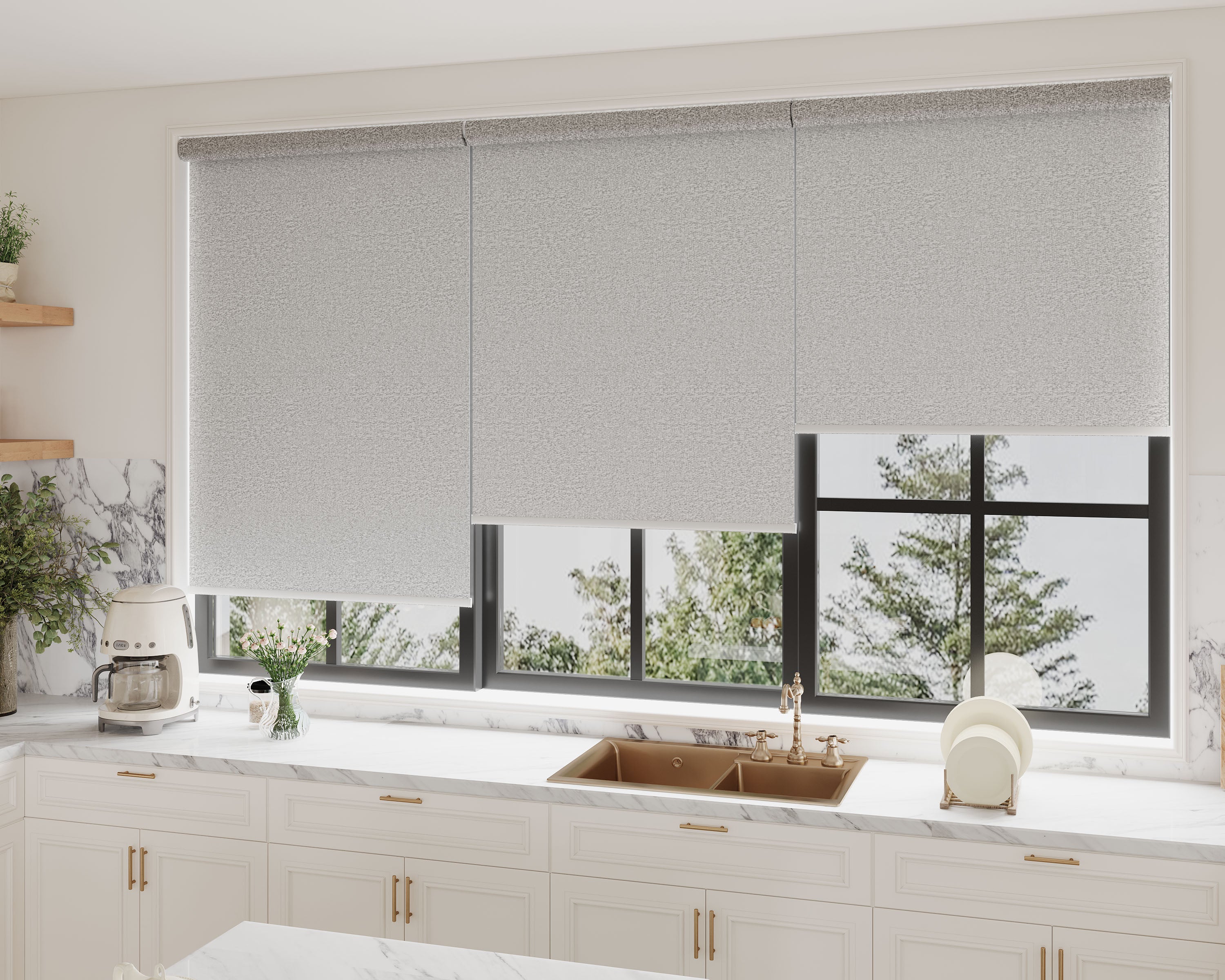

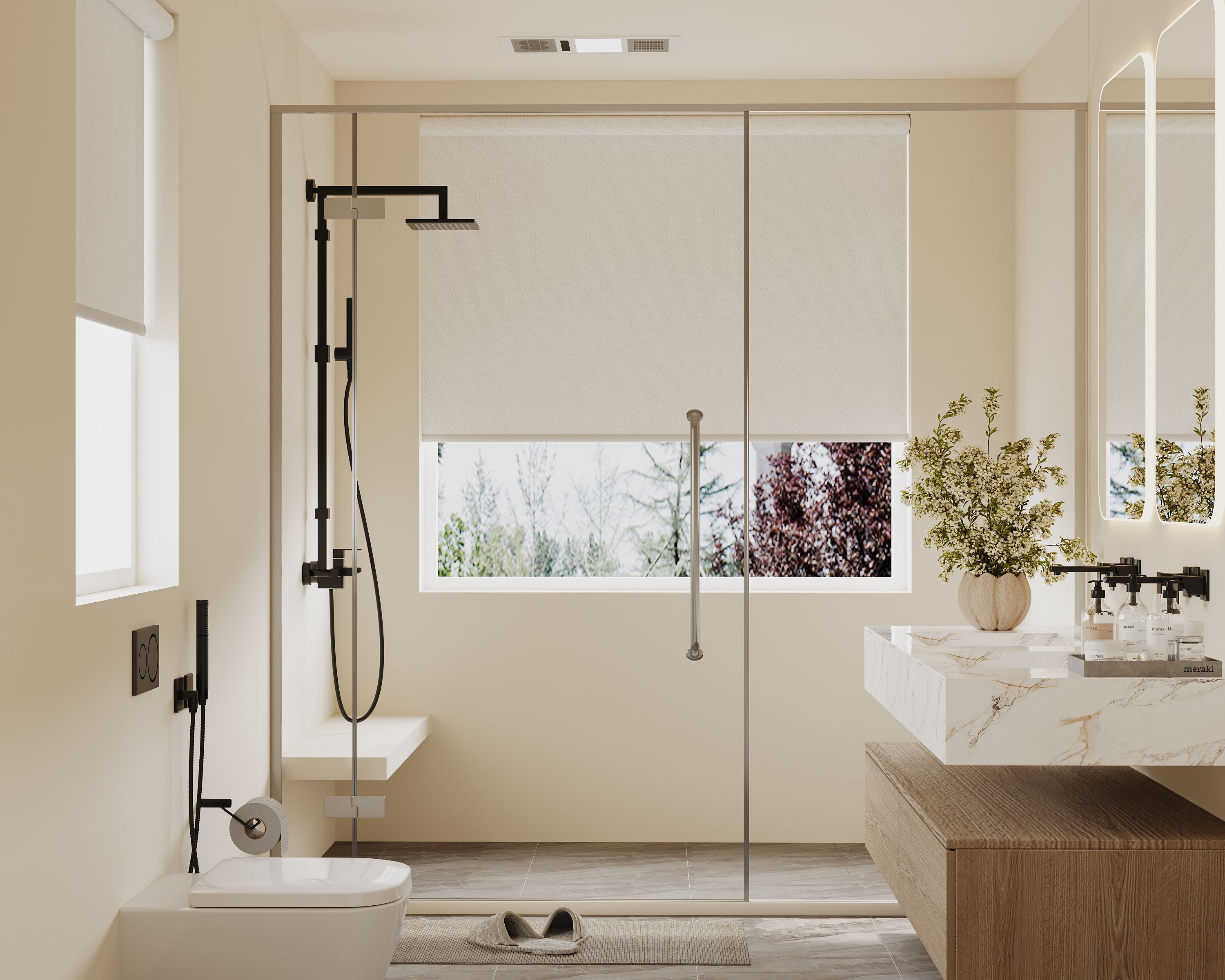


Yes, zebra shades are exceptionally suitable for home offices, often representing the optimal window treatment for balancing productivity, technology, and comfort. Their unique strength lies in providing precise, adjustable control over the two most critical factors in a workspace: natural light and visual privacy. Unlike static blinds or shades, zebra shades allow you to minute-by-minute modulate light to eliminate screen glare while maintaining a connection to the outside world, and to instantly secure privacy for video calls. Investing in the right contemporary zebra blinds and shades is a direct investment in your daily work performance and comfort.
This guide provides an exhaustive analysis tailored to the modern remote professional. Here’s what we’ll cover to help you build a better workspace:
-
A detailed breakdown of home office challenges—glare, privacy, aesthetics—and how zebra shades solve them.
-
A complete feature analysis comparing the benefits of zebra shades against the specific demands of video conferencing, focused deep work, and creative tasks.
-
A step-by-step selection guide for opacity, color, lift mechanisms, and smart features to maximize productivity.
-
Practical installation tips for positioning your shades to best manage light direction from north, south, east, or west-facing windows.
-
A comparative review against other common office window treatments, highlighting where zebra shades provide unique advantages.
By the end, you will have all the knowledge to select zebra shades that actively enhance your work-from-home experience, reducing eye strain and creating a professionally adaptable environment.
The Home Office Imperative: Managing Light, Privacy, and Professionalism
The home office is a hybrid space with non-negotiable functional demands. First, glare control: uncontrolled sunlight washing out computer screens causes eye strain, headaches, and reduced productivity. Second, on-demand privacy: the need for a professional, distraction-free background during video calls is paramount. Third, psychological well-being: access to natural light boosts mood and energy, but too much can be counterproductive. Traditional solutions like closing blinds entirely create a cave-like feel, while open blinds offer no glare protection. Zebra shades are engineered for this dynamic, allowing you to dial in the exact level of light transmission and privacy needed for any given task throughout your workday.
Zebra Shades for Home Offices: A Complete Functional Analysis
Let’s dissect exactly how the dual-layer mechanism of zebra shades meets core home office requirements.
Advantages for Home Office Use:
-
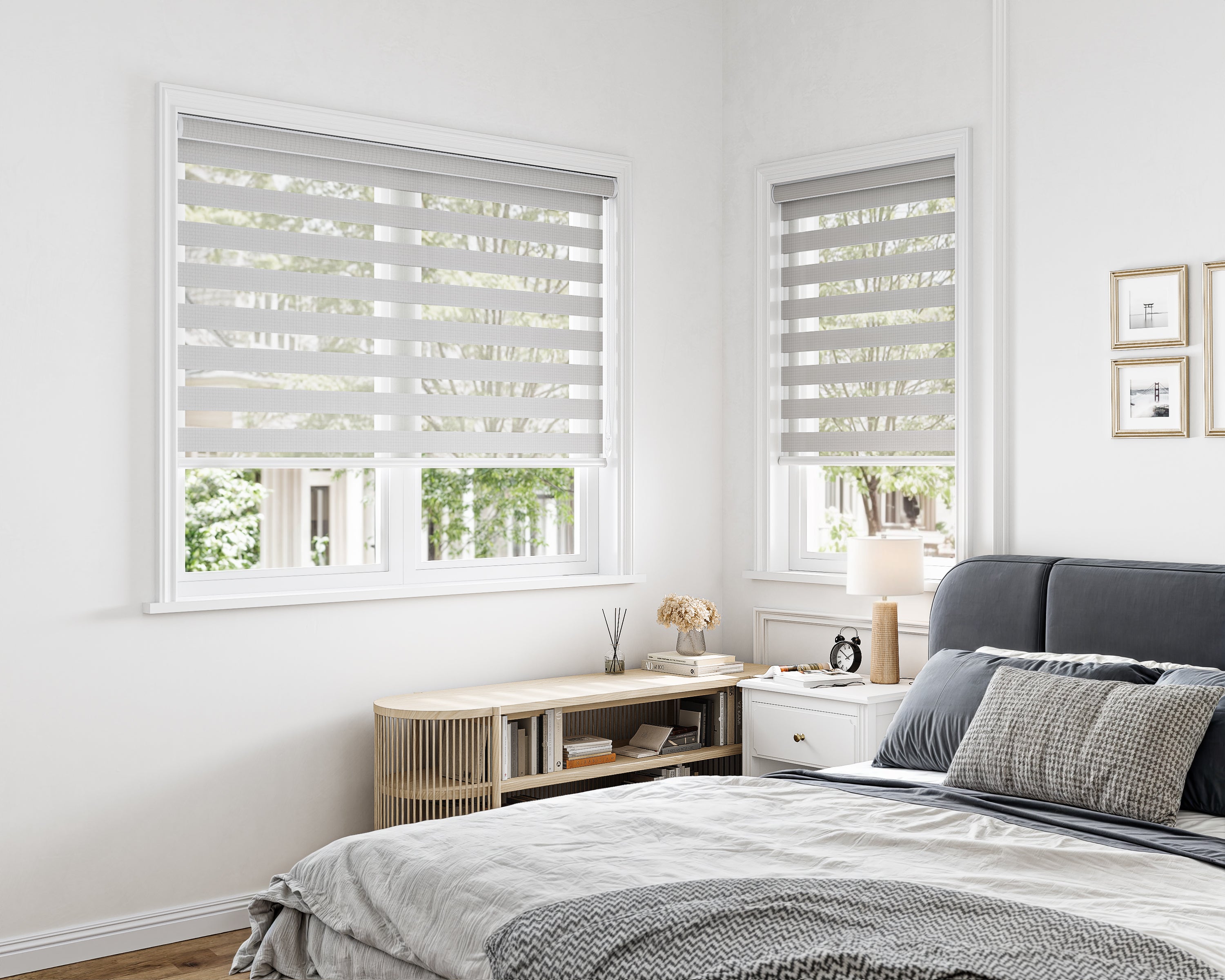
Precision Glare Elimination: This is the premier benefit. You can align the opaque bands to block direct sun from hitting your monitor, while leaving the sheer bands aligned in a different section of the window to allow soft, ambient natural light to fill the room. This eliminates harsh contrast and reflections without plunging the room into darkness.
-
Instant Video-Call Ready Privacy: With one adjustment, you can secure your background before a meeting. The opaque bands provide a clean, uniform backdrop, eliminating distractions like moving cars or people outside your window, ensuring you remain the focal point.
-
Sustained Connection to the Outside World: Unlike blackout shades, zebra shades allow you to maintain a softened view outside. This visual connection to nature, known as "biophilia," can reduce mental fatigue and improve concentration during long work sessions.
-
Professional, Streamlined Aesthetics: The clean, linear design of zebra shades presents a modern, tidy, and professional appearance that is perfectly suited for a work environment, whether visible on camera or simply for your own inspiration.
-
Smart Home Integration for Routine: Motorized zebra shades can be programmed to adjust at specific times. They can lower automatically at 1 PM to block the harsh afternoon sun from your west-facing window or rise at 8:55 AM to provide natural light for your morning stand-up call.
Considerations and Optimal Solutions:
-
Not a True Acoustic Barrier: While they soften sound slightly, zebra shades are not designed for significant noise reduction. If external noise is a primary concern, additional soundproofing measures would be needed.
-
Peripheral Light Gaps: Light can enter from the sides of an inside-mounted shade. For a completely uniform backdrop on camera, an outside mount or shades with side channels will provide a cleaner, gap-free appearance.
-
Material Choice Affects Function: A light-filtering material provides a brighter, airier feel, while a room-darkening material offers greater glare control and more pronounced privacy for sensitive calls.
Selecting the Right Zebra Shade: A Productivity-Focused Guide
Choose features that directly enhance your work output and daily routine.
Zebra Shade Selection Guide for Home Offices
| Feature | Priority | Recommended Choice & Rationale |
|---|---|---|
| Opacity Level | Highest | Room Darkening Fabric. Provides the greatest control over glare and the most solid backdrop for video calls. It allows you to darken the room significantly while still permitting some ambient light if desired. |
| Color | High | Neutral, Mid-Tone Grays, Beiges, or Whites. These colors present a professional, neutral background on camera, reduce potential light reflection onto your face, and suit most office decors. Avoid very dark colors that may create a stark contrast or very bright colors that could be distracting. |
| Lift Mechanism | High | Motorized / Smart Shades. The premier choice for a home office. Allows for scheduled adjustments, voice control, and integration into "Meeting Start" scenes. A close second is a cordless option for a clean, safe look. |
| Material & Texture | Medium | Durable Synthetic (Polyester/PVC). Resists fading from sun exposure, is easy to clean, and maintains a crisp, professional appearance. A smooth or subtle texture is ideal. |
Optimizing for Window Direction:
-
South & West-Facing Windows: Experience the most intense, glare-prone light. Prioritize room-darkening fabrics and consider a dual-layer or higher opacity.
-
North & East-Facing Windows: Receive softer light. Light-filtering fabrics may be sufficient, but room-darkening still offers superior control for morning sun (East) or screen clarity.
For the ultimate in automated comfort, integrating your shades with other systems is key. Learn how to create practical IFTTT automations that make your shades look after themselves for hands-free operation.
Installation and Configuration for Peak Performance
Proper setup ensures your shades work for your specific workspace layout.
Strategic Installation:
-
Desk Positioning First: Identify your primary desk location and monitor placement before finalizing shade mounting to understand the exact angle of glare.
-
Mounting for Camera Backdrops: If the window will be behind you on camera, an outside mount is strongly advised. It completely covers the window frame, providing a seamless fabric background without visible edges or light leaks at the sides, which looks more professional.
-
Controlling Side Light: For inside mounts where the window is to your side, be aware that light gaps may cause screen glare. Using a shade with deeper fascia or adding side channels can mitigate this.
Creating Productivity Routines:
Program your motorized shades to support your work rhythm. A simple schedule could be: open fully at 8 AM for morning light, lower to a glare-reducing position at noon when the sun is high, and close for privacy during your recurring 3 PM team call. The foundation for this is understanding how Wi-Fi and Bluetooth controls actually work for smart shades.
Zebra Shades vs. Other Home Office Window Treatments
A direct comparison clarifies the best choice for focused work.
-
Vs. Traditional Venetian or Vertical Blinds: Blinds offer adjustable angles but create harsh, striped patterns of light and shadow that can be visually distracting and often fail to fully diffuse glare. Their cords and slats also collect dust and look less streamlined.
-
Vs. Standard Roller Shades: A basic roller shade only offers an "up or down" option, forcing you to choose between total darkness or total exposure. It lacks the nuanced, adjustable light filtering that defines an adaptable workspace.
-
Vs. Curtains or Drapery: Fabric curtains soften a room but provide imprecise light control, often requiring tying back which still allows glare. They can appear too casual or domestic for a professional setting and consume valuable wall space.
-
Vs. Cellular Shades: While excellent for insulation, their honeycomb structure doesn't allow for the variable light adjustment of zebra shades. You cannot have one section filtering light and another section providing privacy simultaneously.
Conclusion: Designing a Workspace That Works for You
Zebra shades are not just a window covering for a home office; they are a productivity tool and an environmental controller. They directly address the modern worker's need for adaptable, technology-friendly spaces. By giving you command over light and view, they reduce physical strain, enhance professional presentation, and support mental focus. The decision ultimately aligns with how you work: if your day involves managing screen glare, frequent video calls, and a desire for a tidy, intentional workspace, zebra shades are not just suitable—they are the superior, purpose-driven choice.
Key Highlights
-
Zebra shades provide precise, adjustable control over glare and natural light, essential for computer-based work.
-
They create an instantly professional, private backdrop for video conferences with a single adjustment.
-
Motorized operation is highly recommended for seamless integration into your daily work routine and smart office ecosystem.
-
Room-darkening fabrics in neutral colors offer the best performance for both glare reduction and on-camera professionalism.
-
Strategic installation (particularly outside mounts for behind-the-desk windows) maximizes their functional and aesthetic benefits.
Explore Custom Zebra Shades


Frequently Asked Questions (FAQ)
What color zebra shade is best for video calls?
Neutral, mid-range colors are ideal. Light grays, taupes, off-whites, or beiges provide a professional, non-distracting background that doesn't create harsh color casts on your face. Avoid pure white (which can overexpose the camera) and very dark colors (which can make you look washed out). For more on how materials affect light, see our analysis of how different fabrics like linen, vinyl, and bamboo affect light and longevity.
Can zebra shades help reduce eye strain?
Absolutely. By allowing you to block direct sunlight from hitting your screen while preserving ambient room light, they prevent the extreme contrast between a bright window and a dark monitor that forces your eyes to constantly readjust. This leads to less squinting, fewer headaches, and reduced digital eye fatigue over a workday.
Should I get light-filtering or room-darkening zebra shades for my home office?
For most home offices, room-darkening is the recommended choice. It gives you the maximum range of control. You can use it to create a darker environment for intense focus or glare-free movie viewing on a break, but you can also adjust it to allow in soft light. Light-filtering shades may not provide enough glare protection during bright parts of the day. Understanding the spectrum is helpful; our guide on the real-world differences between room darkening and blackout shades explains the levels of light control.
How do I manage light from a window directly behind my computer monitor?
This is the most challenging scenario. Tilt your monitor slightly downward and use the zebra shades to create a "band" of opacity directly behind the screen. Align the opaque stripes of the shade to cover the precise area of the window that is causing the reflection on your monitor, while leaving sheer stripes above or below to allow general light into the room. A motorized shade makes this fine-tuning effortless.
