
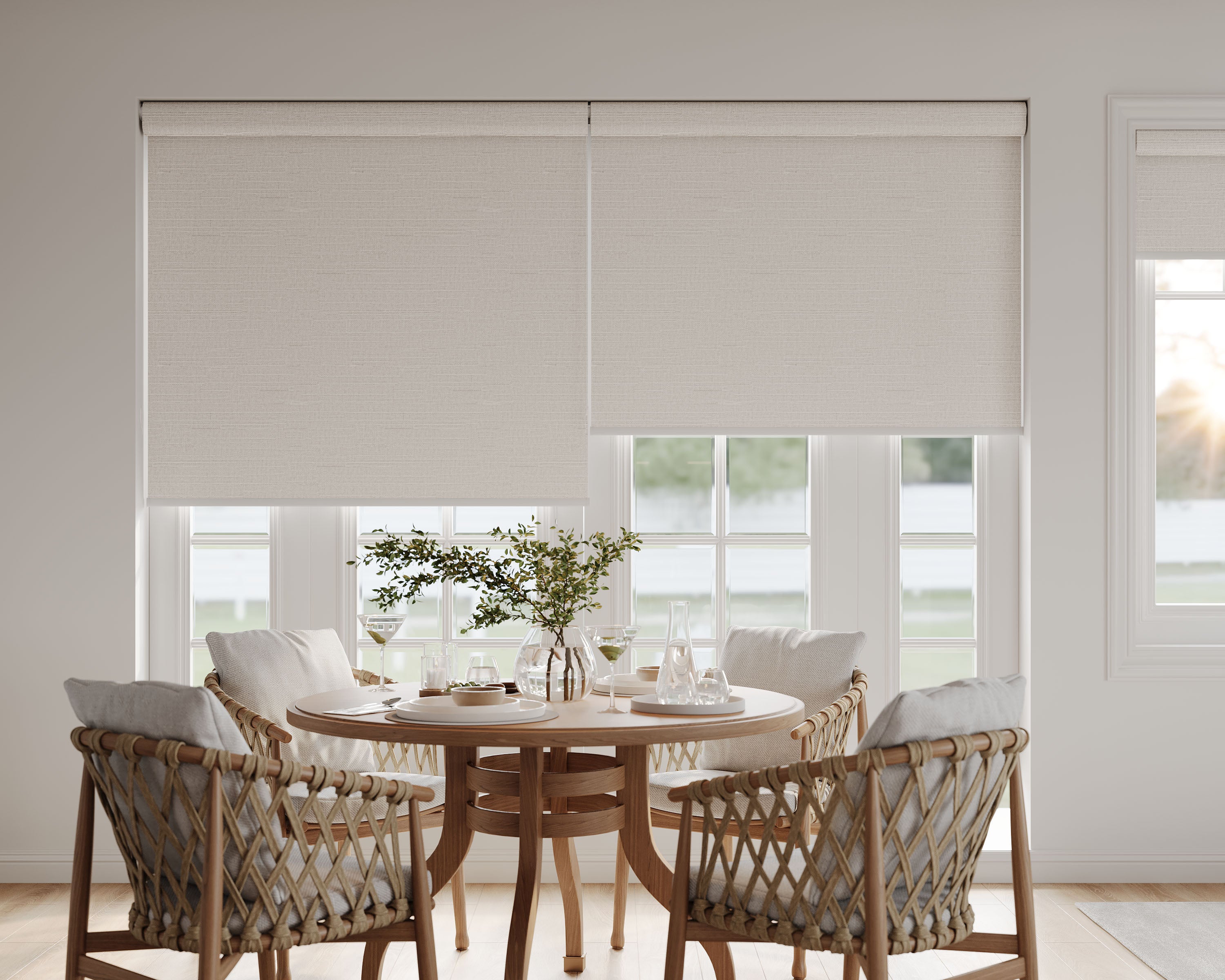


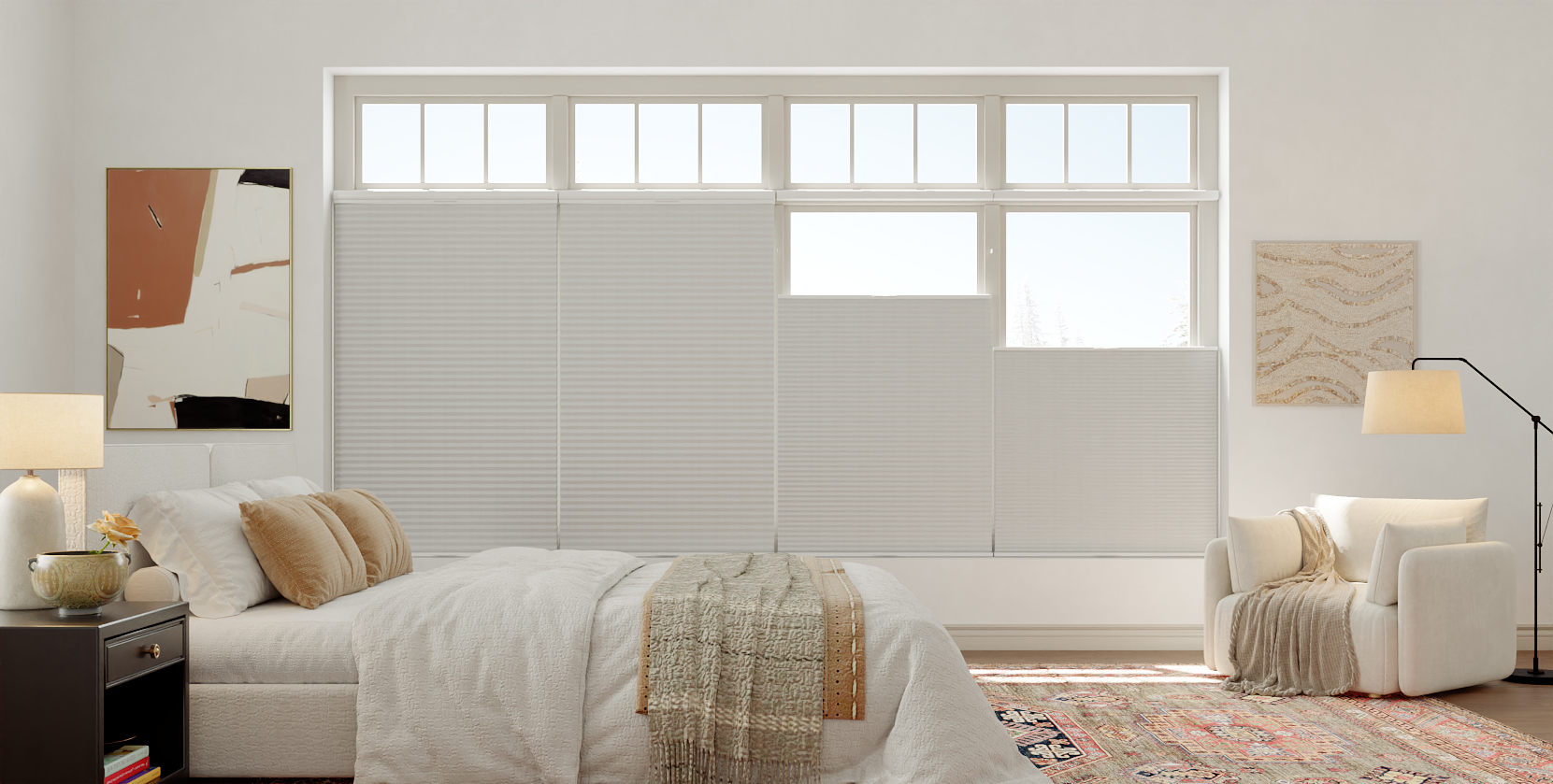


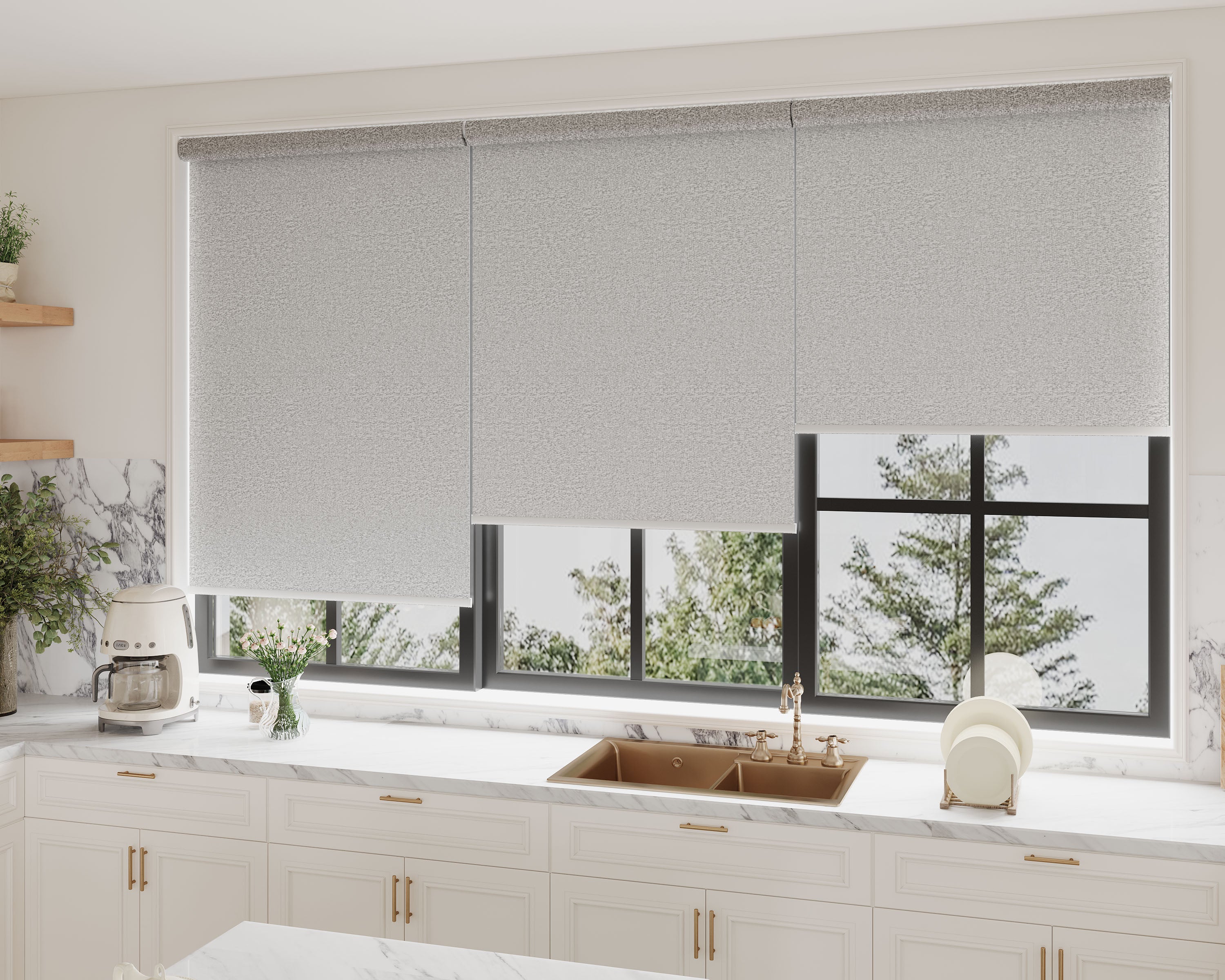

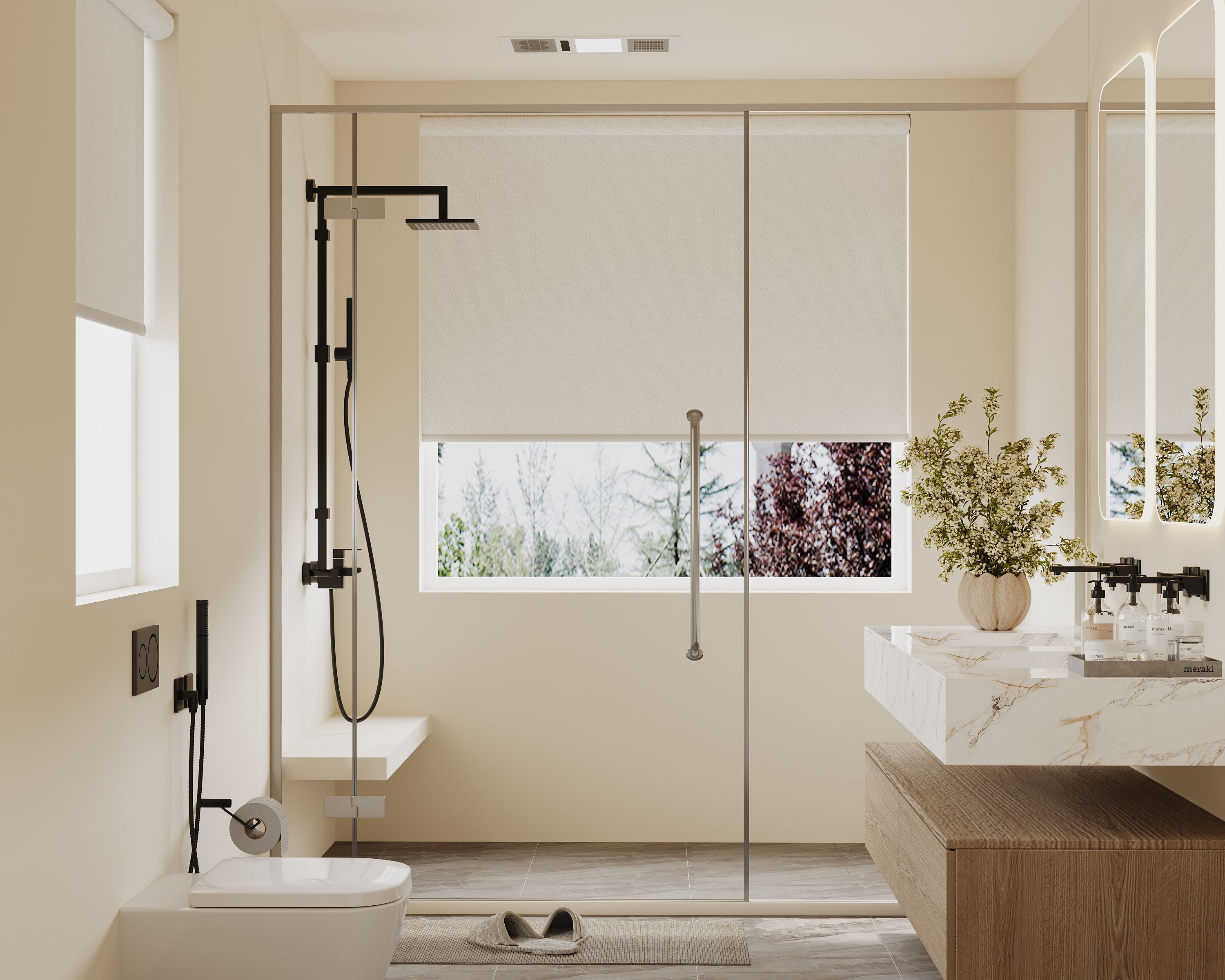


Yes, zebra shades are an outstanding and highly functional choice for bathrooms, but achieving success requires a deliberate selection of materials and an understanding of the bathroom's unique environment. Their unparalleled adjustable privacy makes them ideal for a space where the need for seclusion fluctuates throughout the day. The critical factor for longevity is combating humidity, condensation, and potential water exposure. This is entirely achievable by specifying synthetic, coated fabrics engineered for dampness and pairing them with considered installation and simple maintenance. Exploring our collection of versatile and stylish zebra blinds and shades will reveal the range of purpose-built, water-resistant options designed for this very application.
This definitive guide provides exhaustive detail to ensure your bathroom project is flawless. Here’s exactly what we’ll cover to give you total confidence:
-
A complete breakdown of the bathroom environment and how it interacts with different shade materials and components.
-
A deep dive into material science, comparing PVC-coated, water-resistant polyester, and other fabrics to identify the perfect match for your specific bathroom’s humidity level.
-
A step-by-step installation guide focusing on mounting choices, hardware protection, and strategies to minimize light gaps and moisture traps.
-
A comprehensive maintenance protocol for daily care, deep cleaning of soap scum and hard water stains, and seasonal checks to ensure decades of service.
-
A comparative analysis with other window treatments like vinyl blinds and shutters, so you can understand the unique advantages zebra shades provide.
By the end of this guide, you will have all the knowledge needed to select, install, and care for zebra shades that will enhance your bathroom's function and style for years to come.
Understanding the Bathroom Environment: A Battle Against Moisture
To make an informed decision, you must first understand the adversary: the bathroom's microclimate. Unlike any other room, bathrooms endure cyclical assaults of steam from hot showers, leading to sustained high humidity. This warm, moist air condenses on cooler surfaces like windows and window treatments. Over time, this constant dampness can lead to a cascade of problems for unsuitable materials: fabric can become a breeding ground for mold and mildew, leading to stains and odors; metal components may corrode or rust; and internal mechanisms can seize or warp. Therefore, the core question shifts from mere aesthetics to material engineering and environmental management. Zebra shades, with their moving layers of fabric, must be purpose-built to withstand these conditions without sacrificing their elegant functionality.
Zebra Shades in Bathrooms: A Comprehensive Suitability Analysis
Let's move beyond a simple "yes" and examine the nuanced performance profile of zebra shades in a wet room.
Advantages for Bathroom Use:
-
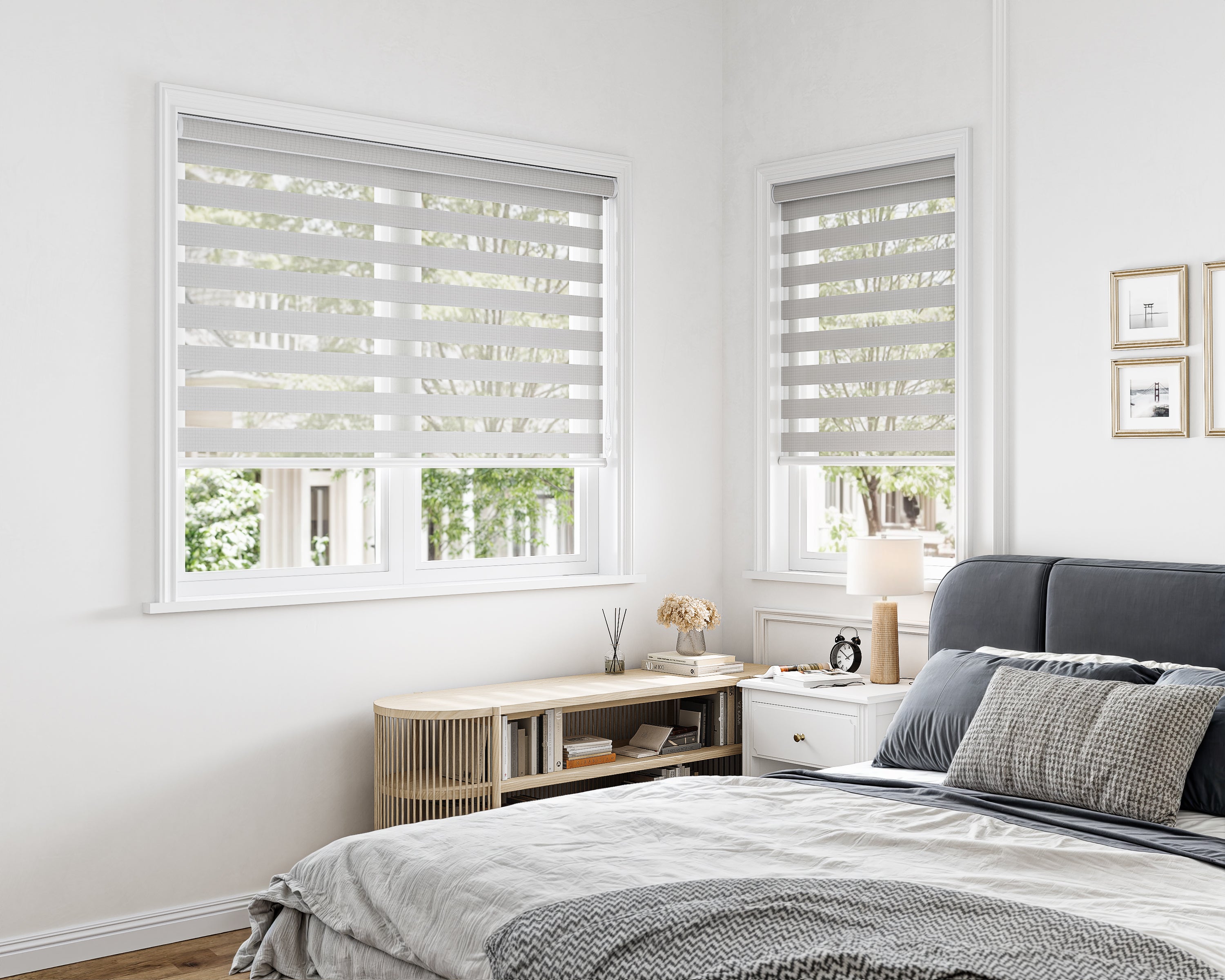
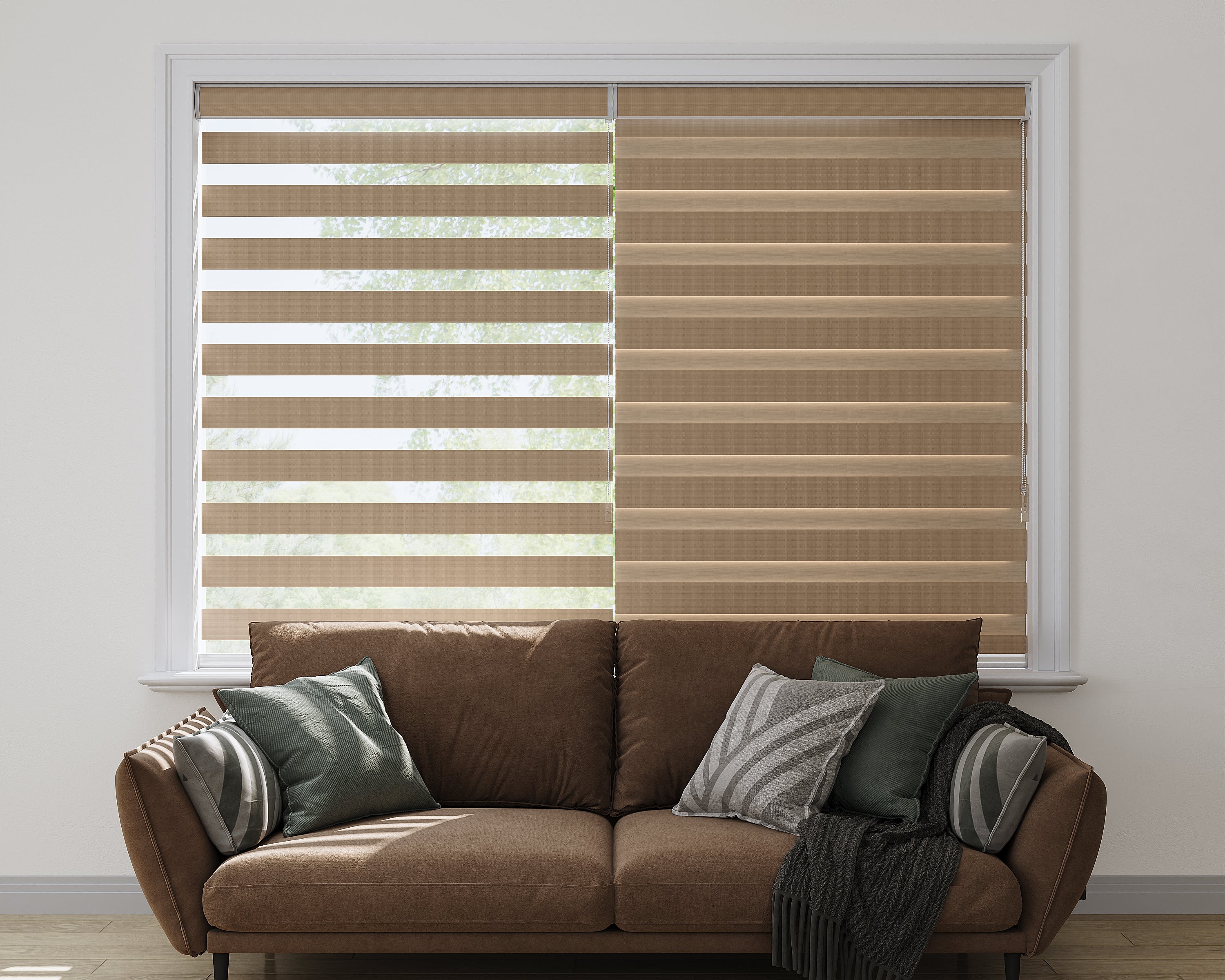
Perfectly Dynamic Privacy & Light Control: This is their unparalleled, winning feature. During a shower or bath, you can align the opaque bands for total privacy. Afterwards, with a simple adjustment, you can shift to a sheer-overlap setting, allowing soft, diffused natural light to illuminate the room while maintaining a blurred view to the outside. This eliminates the "cave-like" feeling of a permanently shaded or frosted window and is far more versatile than basic up/down blinds.
-
Space-Efficient, Streamlined Hygiene: Their roller design sits flush against the window, eliminating the billowing fabric of curtains that can trap moist air, feel clammy, and are difficult to keep clean. This creates a clean, minimalist look that aligns with modern bathroom design and promotes better air circulation.
-
Inherent Suitability with Correct Materials: Modern zebra shades are not one-size-fits-all. High-performance options made from PVC-coated or solution-dyed synthetic fabrics are manufactured specifically to resist moisture absorption, inhibit microbial growth, and allow for easy cleaning—addressing the core challenges of a bathroom head-on.
-
Enhanced Safety with Modern Lift Systems: The industry standard for bathrooms is cordless operation (via a push-rod or constant-force spring) or motorization. This completely eliminates fabric lift cords, which can degrade in humidity and pose a safety hazard, especially in family bathrooms.
Critical Considerations and Mitigations:
-
Material Specification is Paramount: The single greatest point of failure is selecting a standard, uncoated fabric. This is non-negotiable; you must choose a material rated for damp environments.
-
Ventilation is a Co-Pilot: Even the best moisture-resistant shade is not a substitute for proper bathroom ventilation. A functional exhaust fan, used during and for 20-30 minutes after showering, is essential to manage ambient humidity and protect your investment.
-
Managing Peripheral Light Gaps: As with any roller shade, light can infiltrate from the sides where the fabric meets the window frame. This is primarily an installation issue, solved by opting for an outside mount or using side channels for a cleaner, more sealed look.
-
Hardware Corrosion Protection: While fabrics get most of the attention, the brackets, roller tube, and mechanism must also be considered. Seek out components with powder-coated, anodized, or stainless-steel finishes to prevent rust.
Selecting the Right Zebra Shade: A Material-First, Detailed Guide
Your choice of fabric is the most critical decision you will make. This table breaks down the options based on your bathroom's specific humidity profile.
Zebra Shade Material Guide for Bathrooms
| Material Type | Core Composition & Protection | Ideal Bathroom Scenario | Performance & Maintenance Notes |
|---|---|---|---|
| Waterproof / PVC-Coated | A polyester fabric with a full polyvinyl chloride (PVC) laminate on one side. Creates a non-porous, wipeable surface. | Master bathrooms with showers/tubs, steam rooms, or bathrooms with frequent use and high humidity. Homes with hard water. | Highest protection. Impervious to splashes and steam. Soap scum and hard water spots wipe off easily with a damp cloth. Ensure coating is on the room-facing side. |
| Water-Resistant / Solution-Dyed | Polyester or acrylic fabric where moisture-repellent chemicals are integrated into the fibers during manufacturing (solution-dying). | Well-ventilated full bathrooms, powder rooms, or bathrooms used less frequently. | Excellent balance. Repels light moisture and dries quickly. Highly fade-resistant. Clean with a damp cloth; more susceptible to staining from hard water than PVC. |
| Standard Sheer & Opaque Fabrics | Basic, uncoated polyester or other natural/synthetic blends. No specific moisture protection. | NOT RECOMMENDED. Will likely develop mildew, warp, and stain in any bathroom with a shower or tub. | Avoid for bathrooms. These are designed for dry rooms only. Using them here voids warranties and leads to premature failure. |
Additional Critical Selection Criteria:
-
Opacity for Evening Privacy: Consider a room-darkening fabric if your bathroom is used at night with interior lights on, as it will better prevent silhouettes. For a precise understanding of light control, our analysis of the lab-tested differences between room-darkening and blackout shades provides valuable context.
-
Light Filtering Only: SenseBlinds Waterproof Zebra Shades are available in light-filtering fabric only. The alternating 3-inch solid and 2-inch sheer bands help soften incoming sunlight, reduce glare, and maintain a brighter bathroom. Align the solid bands for increased privacy, or open the sheer bands to allow softly filtered daylight into the room. Because this is a light-filtering zebra shade rather than a blackout product, it is designed for flexible daylight and privacy control—not full room darkening.
-
The Lift System: Cordless or Motorized: A cordless system is the minimum standard for safety and cleanliness. Motorization is the premium upgrade, allowing you to adjust shades with a remote, voice command, or app—incredibly convenient when your hands are wet. For other humid areas like kitchens, the same material-first logic applies, as detailed in our guide to selecting the best moisture-resistant fabrics for kitchens and baths.
Professional Installation & Long-Term Maintenance Protocols
Proper fitting and care are what transform a good product into a permanent, beautiful solution.
Installation Best Practices for Moisture Management:
-
Mounting Strategy: An outside mount (brackets on the wall or molding above the window) is highly recommended. It positions the shade's roller mechanism further from direct steam plumes and provides better coverage to minimize side light gaps, crucial for privacy.
-
Inside-Mount Precautions: If an inside mount is necessary for aesthetics, ensure there is a small air gap between the shade and the window glass using provided spacers. This prevents condensation from being trapped against the fabric.
-
Hardware Sealing: During installation, ensure all bracket screw holes are properly sealed, especially in tiled surrounds, to prevent moisture from migrating into the wall.
-
Motor Considerations: If choosing motorization, confirm the motor has an appropriate IP (Ingress Protection) rating for damp locations (e.g., IP44 or higher).
A Complete Maintenance Routine:
-
Weekly/Bi-Weekly: Gently dust the fabric with a soft microfiber duster or the brush attachment of a vacuum to prevent dust from bonding with moisture to form grime.
-
Monthly/As Needed Spot Cleaning: For water spots, soap scum, or toothpaste splatters, use a soft cloth dampened with a solution of warm water and a few drops of mild dish soap. Wipe gently, then immediately follow with a clean, water-dampened cloth to rinse. Never use abrasive cleaners, bleach, or ammonia.
-
Addressing Hard Water Stains: For stubborn white mineral deposits, a 50/50 solution of white vinegar and water can be effective. Lightly mist onto a cloth, never directly on the shade, wipe gently, and rinse thoroughly with water.
-
Post-Exposure Care: If the shade gets significantly wet, leave it fully extended until it is completely dry to the touch to prevent mildew from forming in the rolled-up folds.
-
Annual Check: Once a year, gently operate the shade through its full range and check the brackets for tightness. Wipe down the headrail and any visible components with a dry cloth.
For more general care techniques applicable to layered fabrics, our guide on safe cleaning methods for delicate cellular and layered fabrics offers universally useful principles.
Zebra Shades vs. Other Bathroom Window Treatments
To solidify your decision, here’s how zebra shades compare to common alternatives.
-
Vs. Vinyl Roller or Faux Wood Blinds: These are inherently water-resistant and affordable. However, they offer only basic up/down control, lack the soft light-filtering quality, and their many slats or louvers create extensive surfaces for dust and grime to accumulate, making them harder to clean than a flat zebra shade panel.
-
Vs. Aluminum Blinds: While resistant to rust, aluminum blinds condense water easily, leading to dripping and water spots. Their cords and ladders are dust magnets and can fray in humid conditions.
-
Vs. Permanent Frosted or Obscured Glass: This is a zero-maintenance option that provides constant privacy. Its major drawback is permanence; you cannot ever have a clear view or adjust the amount of natural light entering the room, which can make the space feel dark and closed-in.
-
Vs. Fabric Curtains: Traditional curtains are generally the worst choice. They absorb moisture like a sponge, leading to mildew, a musty smell, and frequent washing. They are impractical for the modern bathroom.
Conclusion: Engineering Your Perfect Bathroom Sanctuary
Zebra shades represent a sophisticated, user-centric solution for the modern bathroom when selected and implemented with precision. They elegantly solve the core conflict between privacy and natural light. The formula for guaranteed success is straightforward: specify a performance-driven, waterproof or water-resistant fabric, execute a thoughtful installation that manages moisture pathways, and adopt a simple, consistent cleaning habit. By following this blueprint, you invest in a window treatment that will provide daily delight through its functionality and enduring beauty, making it a cornerstone of a well-designed bathroom for years to come.
Key Highlights
-
Zebra shades offer unbeatable, adjustable privacy and light control for bathrooms, a feature unmatched by most alternatives.
-
Material choice is critical: PVC-coated (waterproof) fabrics are top-tier for high humidity, while solution-dyed (water-resistant) fabrics are excellent for well-ventilated spaces.
-
Always choose cordless or motorized operation for safety, cleanliness, and convenience in a damp environment.
-
Installation strategy matters: An outside mount offers better moisture and privacy management than an inside mount.
-
Longevity is a partnership: The shade's material plus your bathroom ventilation and simple wipe-down cleaning ensure lasting performance.
Explore Waterproof Window Shades


Frequently Asked Questions (FAQ)
Can zebra shades get moldy in the bathroom, and how do I prevent it?
Yes, if the wrong material is used or if conditions are persistently damp. Mold requires organic material, moisture, and stagnant air. Prevention is three-fold: 1) Choose a non-organic, synthetic fabric with mold/mildew resistance. 2) Religiously use your bathroom exhaust fan during and after showers to remove humid air at the source. 3) Wipe down your shades periodically to remove the dust and skin cells that mold feeds on. Properly specified and maintained zebra shades should not develop mold.
What’s the real-world difference between “water-resistant” and “waterproof” zebra shades?
Think of it as a spectrum of protection. Water-resistant fabrics are like a rain jacket—they will shed light moisture and dry quickly if they get damp, perfect for the general humidity of a typical, well-ventilated bathroom. Waterproof (PVC-coated) fabrics are like a rubber slicker—they provide an impermeable barrier, ideal for situations with direct water splash, intense steam (like a steam shower), or in bathrooms with poor ventilation where condensation is heavy and frequent.
How do I remove hard water stains or soap scum without damaging the fabric?
Act quickly and gently. For fresh residue, warm water and a drop of dish soap on a microfiber cloth is often sufficient. For crystallized hard water stains, a 50/50 vinegar-water solution is effective. The golden rule: always apply the cleaner to the cloth first, not directly onto the shade, to control moisture. Gently dab or wipe, rinse the area with a water-dampened cloth, and dry immediately. For any new cleaner, always test on a small, hidden area first.
Are motorized zebra shades a good idea for a bathroom?
Absolutely, and they are a significant upgrade in convenience and hygiene. They allow you to adjust shades without touching them—ideal when your hands are wet or full. The key is to select a motor rated for damp locations (look for an IP rating like IP44). This ensures the motor's electronics are sealed against humidity. To understand the connectivity that makes this smart control possible, our guide on how Wi-Fi and Bluetooth controls work for smart shades explains the underlying technology.
