







Yes, zebra shades can be an excellent choice for many bedrooms, but with a clear understanding of their strengths and trade-offs. They are ideal if you prioritize versatile, adjustable light control, a sleek, modern aesthetic, and the ability to maintain privacy without total darkness. However, they are not the optimal choice if you require pitch-black conditions for sleep, as their design inherently allows some light through. The decision hinges on your personal sleep habits, room orientation, and design goals. Exploring the full range of contemporary zebra blinds and shades will show you the styles available to meet these needs.
Here’s a detailed look at what we’ll cover to help you decide:
-
A thorough analysis of how the dual-layer fabric works for sleep, privacy, and daily living.
-
A direct comparison between room darkening and light filtering models, including what "room darkening" really means for zebra shades.
-
Actionable selection criteria on opacity, color, lift systems, and installation to maximize performance.
-
Honest limitations regarding blackout capability, insulation, and maintenance you must consider.
-
Clear comparisons with other shade types to see where zebra shades uniquely excel or fall short.
This guide is designed to provide exhaustive detail, ensuring you have all the information needed to determine if zebra shades are the right fit for your personal sanctuary.
Understanding Zebra Shades: How the Dual-Layer Design Works
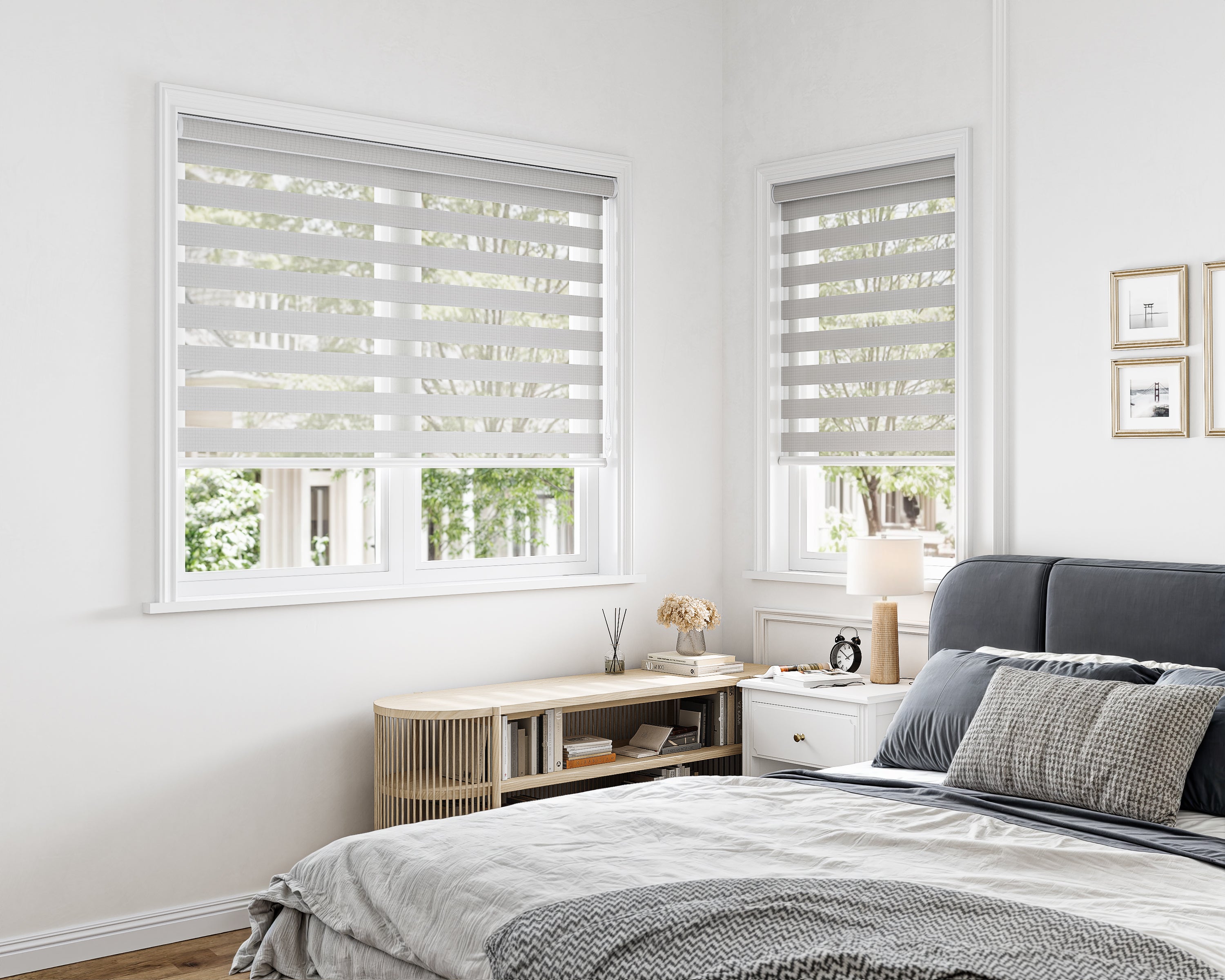
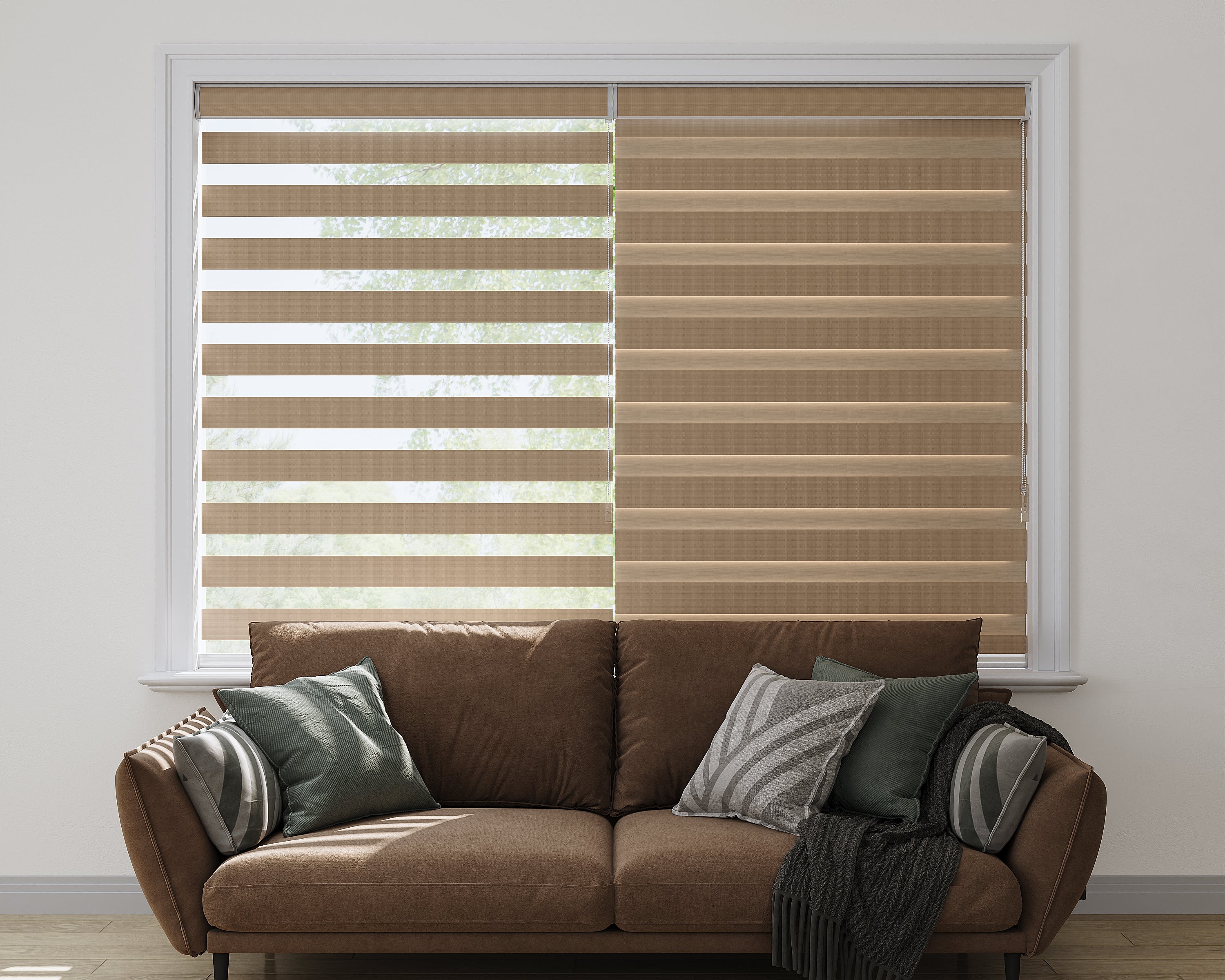
Zebra shades, also known as dual shades, are defined by their innovative two-in-one construction. They consist of two sheer fabric panels layered together, each with alternating horizontal stripes of transparent and opaque material. A simple adjustment of the lift mechanism slides these panels to one of three core positions:
-
Sheer Overlap: The transparent stripes align, creating a soft, light-filtering view that maintains privacy while brightening the room with diffused natural light.
-
Opaque Overlap: The solid stripes align, providing maximum privacy and significantly reduced light transmission, creating a "room darkening" effect.
-
Adjustable Gaps: Any position in between, allowing you to create custom bands of light and shadow for precise ambiance control.
This mechanism is the key to their versatility but also their core limitation: there is always a seam or fabric layer where light can potentially filter, unlike a single, solid piece of blackout material. For a deeper dive into this unique functionality, our article on zebra shades demystified: day/night light control in a single fabric layer provides excellent visual and mechanical context.
The Bedroom Suitability Analysis: A Detailed Pros and Cons Breakdown
Let's move beyond generalities and examine the specific impacts of zebra shades on bedroom functionality.
Advantages for Bedroom Use:
-
Unmatched Adjustable Ambiance: This is their paramount benefit. You can seamlessly transition from a dark, private environment at night to a softly lit room in the morning without fully raising the shade. This supports natural circadian rhythms and allows for daytime activities like reading in bed without harsh glare.
-
Space Efficiency and Modern Design: Their roller-style design sits flush to the window, preserving floor and wall space—a boon for smaller bedrooms. The clean lines and lack of bulky cords contribute to a minimalist, uncluttered feel that is central to contemporary bedroom design.
-
Dynamic Privacy: They solve the common urban dilemma of wanting natural light but needing privacy from close neighbors. You can lower the shades for privacy while keeping the room airy and connected to the outside world, a feature fixed blinds or blackout shades cannot offer.
-
Inherent Safety: The modern standard is cordless operation, either via a push-rod or a motorized system. This eliminates dangerous looped cords, making them a profoundly safer option for children's rooms and nurseries, aligning with the latest safety regulations.
-
Material and UV Protection: Many fabrics offer excellent fade resistance and filter a high percentage of UV rays, protecting your bedding, furniture, and flooring from sun damage over time.
Key Considerations and Limitations:
-
The Blackout Compromise: It is critical to understand that no zebra shade is a true "blackout" shade. Even in the closed position, tiny pinpricks of light can penetrate where sheer and opaque fabric layers meet. For shift workers or those highly sensitive to light, this can be disruptive.
-
Peripheral Light Leakage: Beyond the fabric itself, light will ingress from the sides of the shade where it meets the window casing. The severity depends on your installation (inside vs. outside mount) and can be a significant source of morning light.
-
Thermal Performance: While they provide some solar reflection, zebra shades lack the insulating air pockets of cellular shades. In bedrooms with poor insulation or extreme temperatures, they will not contribute meaningfully to energy savings or draft reduction.
-
Maintenance Specifics: The horizontal ridges can attract and hold more dust and pet hair than a flat roller shade. Regular maintenance with a vacuum brush attachment or microfiber duster is necessary to keep them clean.
Zebra Shades for Bedrooms - A Detailed Feature Analysis
| Feature | Impact & Advantage | Practical Consideration & Solution |
|---|---|---|
| Light Control | Creates a full spectrum of light environments from bright to dim. | For sleep, pair with a dark bedroom. Use blackout curtains layered over for absolute darkness. |
| Privacy | Maintains daytime privacy without sacrificing all natural light. | At night, ensure interior lights are off or use the opaque setting to prevent silhouettes. |
| Safety | Cordless designs are intrinsically safer for kids and pets. | Verify the product meets current cordless safety standards for window coverings. |
| Aesthetics | Offers a tailored, modern look. Neutral tones promote calm. | Sample fabrics in your room's light. Light colors brighten; dark colors enhance the room-darkening effect. |
| Durability | Generally robust with stain-resistant treatments available. | Avoid abrasive cleaners. Use a gentle, safe cleaning method for delicate cellular and layered fabrics as a guide. |
Choosing the Right Zebra Shade: A Step-by-Step Selection Guide
If the advantages align with your needs, follow this detailed selection process to optimize your choice.
1. Opacity Level: The Most Critical Decision
-
Room Darkening Models: These use a denser, tighter weave for the opaque stripes and often a darker backing. They block 90-95% of visible light, creating a "twilight" effect suitable for most sleepers. This is the default recommendation for primary bedrooms.
-
Light Filtering Models: These allow 5-15% of light through even the opaque stripes, casting a soft glow. They are perfect for guest rooms, sitting areas within a bedroom, or for those who prefer to wake up with the sun.
2. Lift Mechanism: Convenience and Safety
-
Cordless (Push/Pull or Spring): The standard safe option. Easy to operate but requires manual adjustment.
-
Motorized: The premium choice for bedrooms. Allows for effortless adjustment from bed, programmable opening/closing with alarms, and integration into smart home "goodnight" scenes. Understanding the practical IFTTT automations for self-adjusting shades showcases the convenience potential.
3. Installation for Optimal Performance
To minimize the Achilles' heel of side-light gaps:
-
Outside Mount: Installing the bracket on the wall or molding above and outside the window frame provides the best light blockage as it covers the entire window opening.
-
Inside Mount Considerations: For a cleaner look inside the recess, ensure you measure precisely. Even a 1/4" gap on each side can allow noticeable light streaks. Some manufacturers offer optional side channels for inside mounts to seal these gaps.
Zebra Shades vs. Other Bedroom Window Treatments
This direct comparison clarifies where zebra shades sit in the landscape of options.
-
Vs. Blackout Roller or Cellular Shades: A dedicated blackout shade with a solid vinyl or fabric layer and side channels is the gold standard for sleep darkness. Zebra shades cannot compete here but offer far greater daytime versatility. The distinction is crucial, as detailed in our comparison of lab-tested differences between room-darkening and blackout shades.
-
Vs. Cellular (Honeycomb) Shades: Cellular shades are the clear winner for insulation and noise reduction due to their air-pocket structure. They offer similar opacity options but lack the real-time, adjustable light modulation of zebra shades.
-
Vs. Traditional Blinds or Curtains: Zebra shades offer a more unified, softer look than the hard lines of blinds and are more space-efficient than heavy curtain panels. They provide easier, more precise light control than both.
Conclusion: Making Your Final Decision
Zebra shades are a sophisticated and highly functional choice for the modern bedroom when selected with clear-eyed awareness. They are perfect for the sleeper who values adaptable light, a clean aesthetic, and daytime privacy without cave-like darkness. They are a compromise for the light-sensitive sleeper who requires total blackout conditions. Your decision should be guided by honestly assessing your sensitivity to light, your room's specific challenges (like streetlights or east-facing windows), and your daily routine. By choosing a room-darkening fabric, opting for a safe motorized or cordless lift, and planning an installation that minimizes gaps, you can fully leverage the unique benefits of zebra shades to create a beautiful, responsive bedroom environment.
Key Highlights
-
Defining Strength: Zebra shades provide unparalleled, adjustable control over light and privacy throughout the day.
-
Critical Choice: Always select a "room darkening" fabric model for primary sleeping areas.
-
Essential Feature: A cordless or motorized lift is non-negotiable for safety and modern convenience.
-
Primary Limitation: They are not a blackout solution; manage expectations for sleep darkness accordingly.
-
Installation Matters: An outside mount or inside mount with side channels is key to minimizing light gaps.
Explore Custom Zebra Shades


Frequently Asked Questions (FAQ)
Can zebra shades be made completely blackout?
No, they cannot. The fundamental design of alternating sheer and opaque panels means light will always find a path through, even if minimal. For a near-blackout effect, look for models with fabric-wrapped edges and consider professionally installed side channels. For true darkness, they must be layered with a separate blackout curtain or roller shade.
Are zebra shades suitable for a child's or baby's nursery?
Yes, but with specific conditions. The cordless operation makes them very safe. However, for nap times, the room may not be dark enough. Pairing them with blackout curtains that can be drawn during sleep times offers a perfect solution: safe cordless operation by day and guaranteed darkness by night.
How do I clean and maintain zebra shades in a bedroom?
Regular dusting is essential. Use the soft brush attachment of your vacuum cleaner weekly. For spot cleaning, use a lint roller or a slightly damp microfiber cloth with a drop of mild soap, dabbing gently (never rubbing). Always test on an inconspicuous area first. Avoid steam cleaners or harsh chemicals.
Is motorization worth the extra cost for bedroom zebra shades?
For most users, yes. The convenience is transformative: adjusting shades from bed, syncing them with your wake-up routine, and closing them all from a single button at night greatly enhances daily comfort. It also allows for easy integration with smart home systems via Wi-Fi or Bluetooth, future-proofing your bedroom.
