
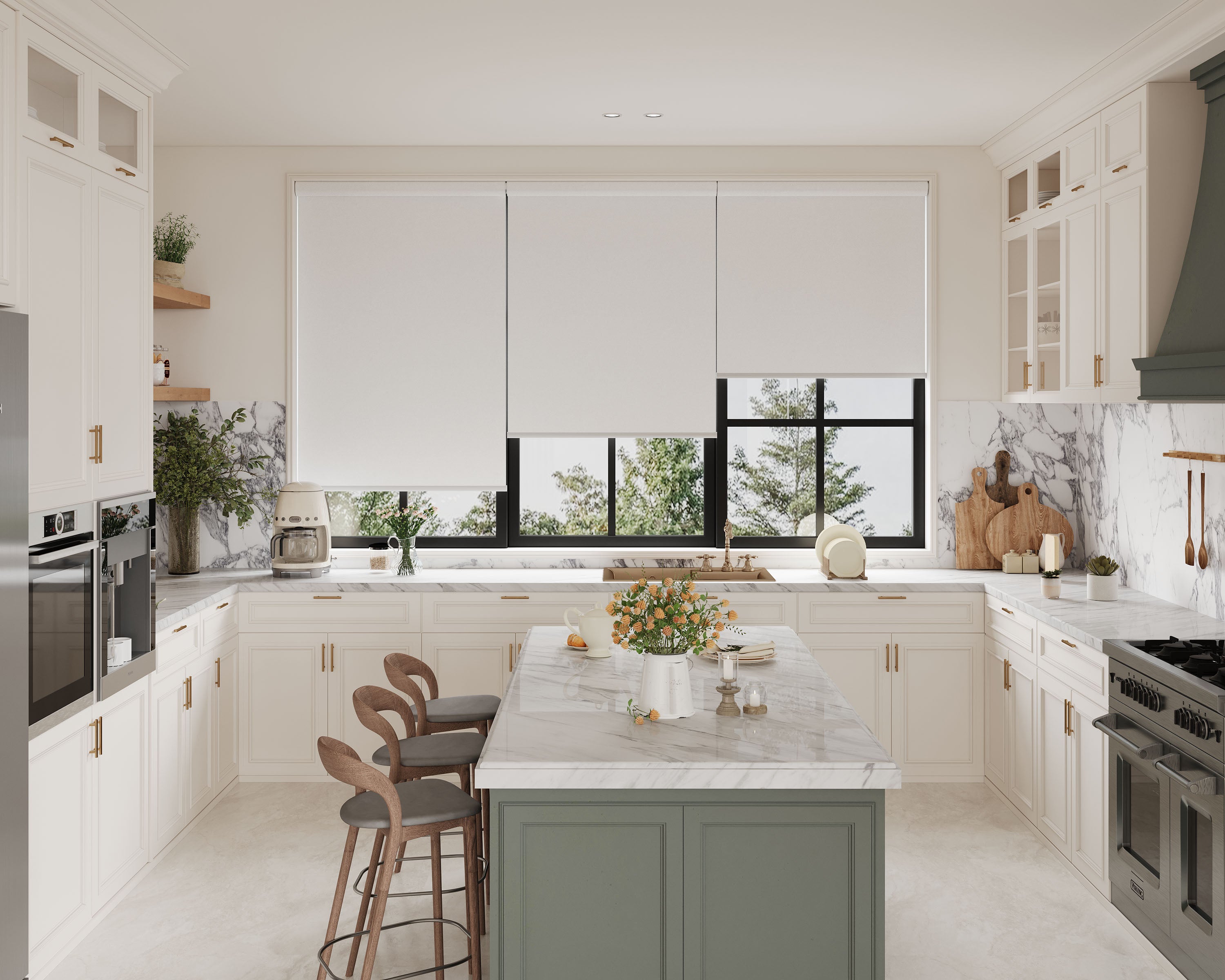
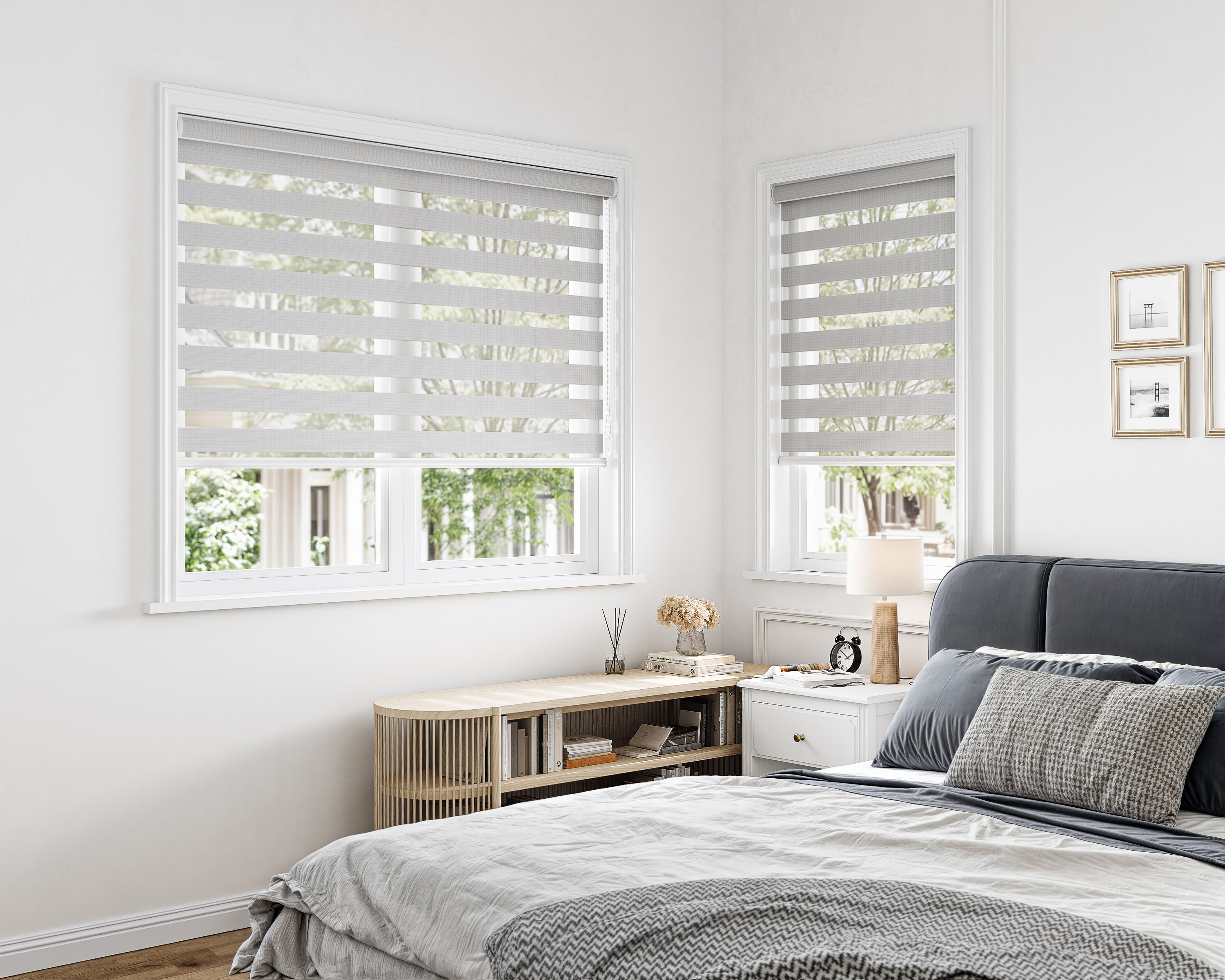
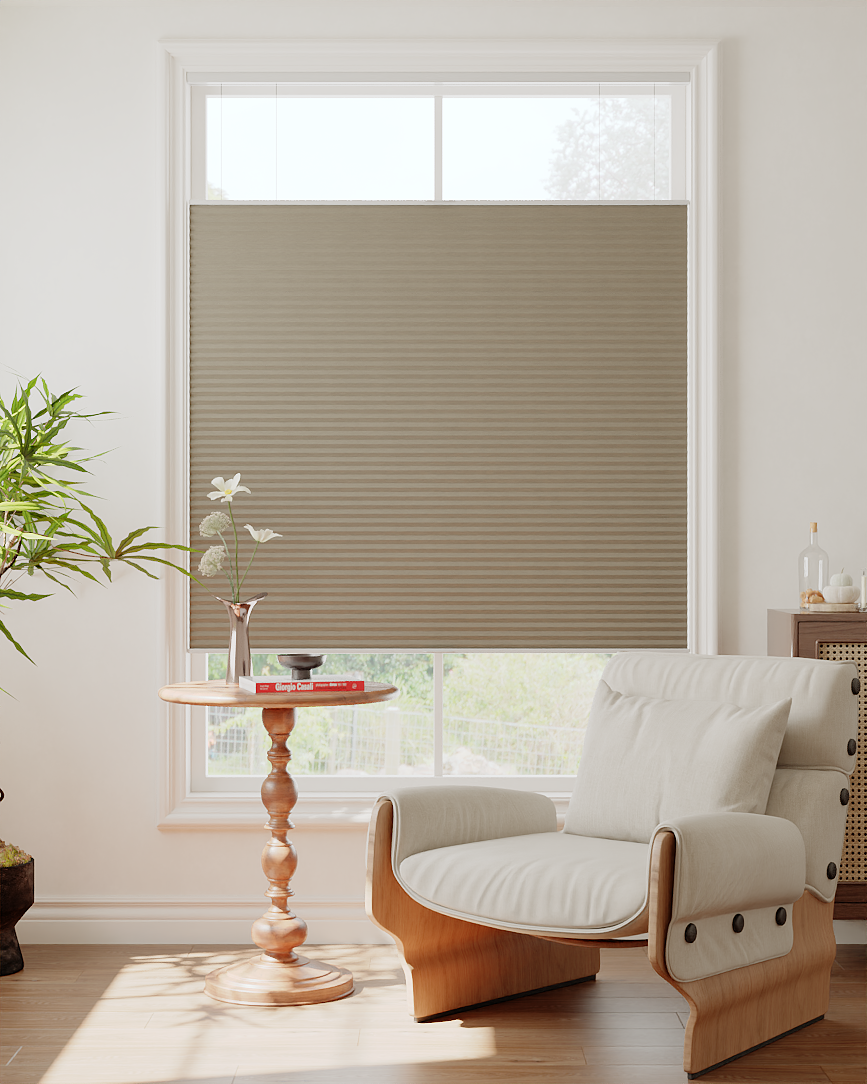
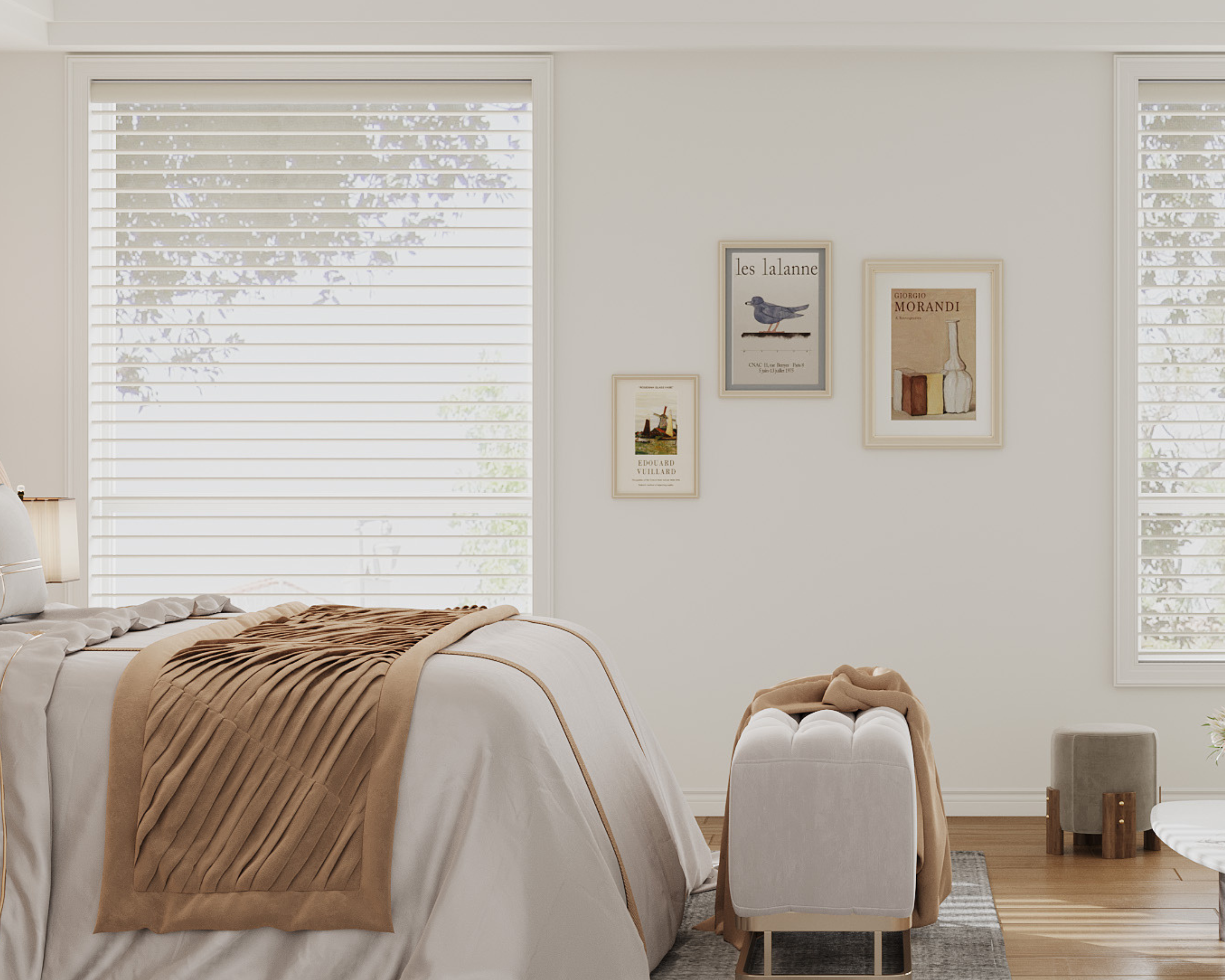

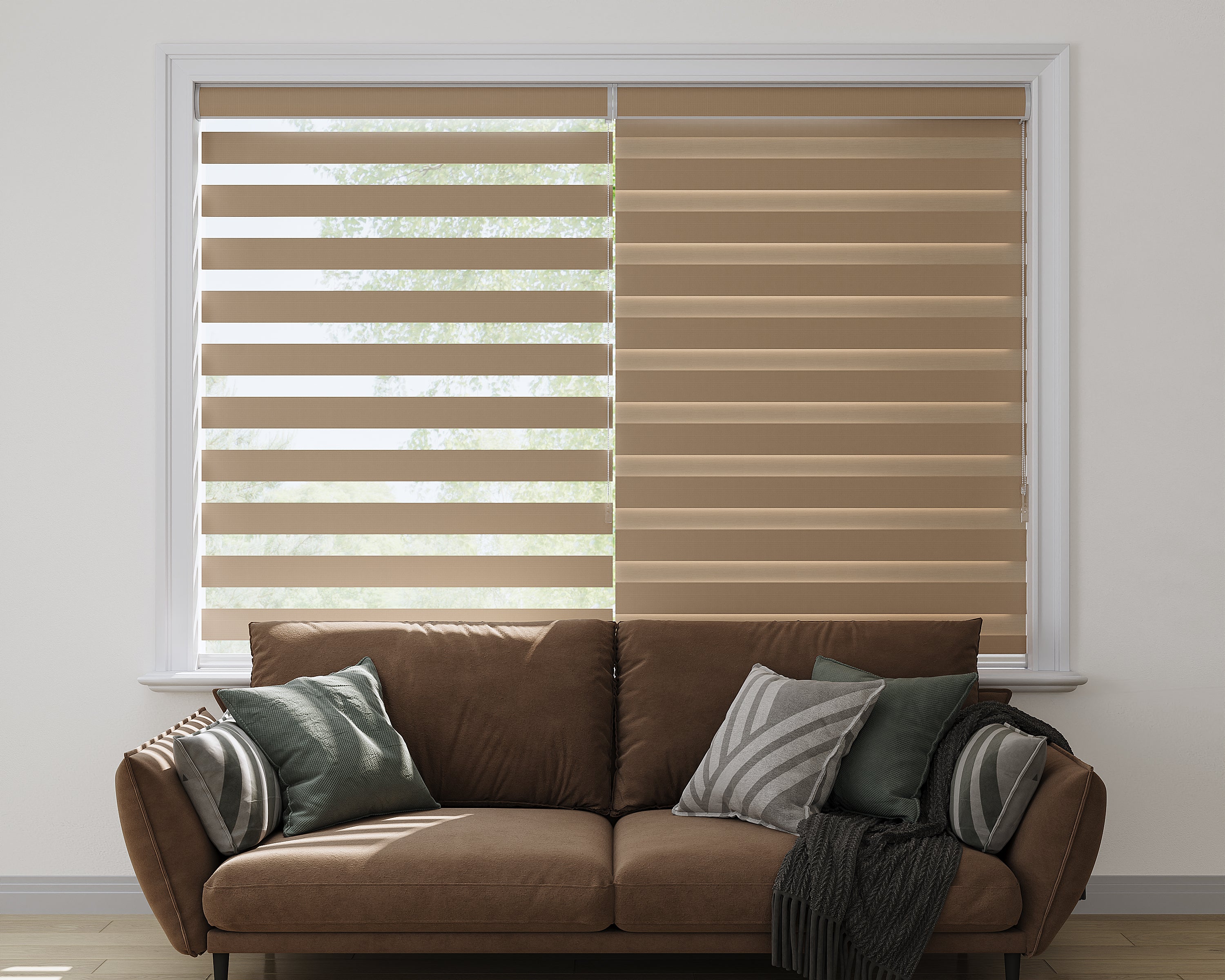
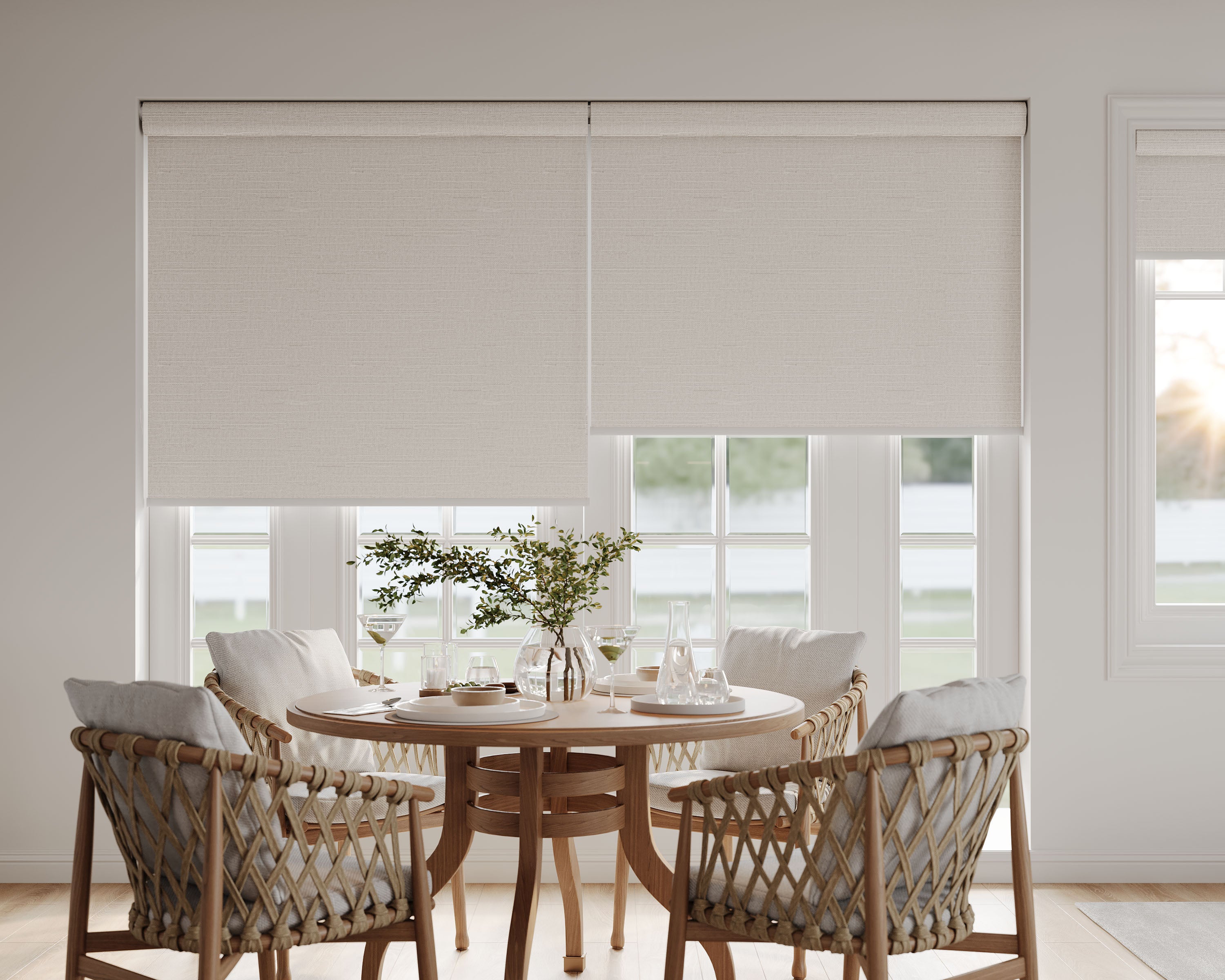


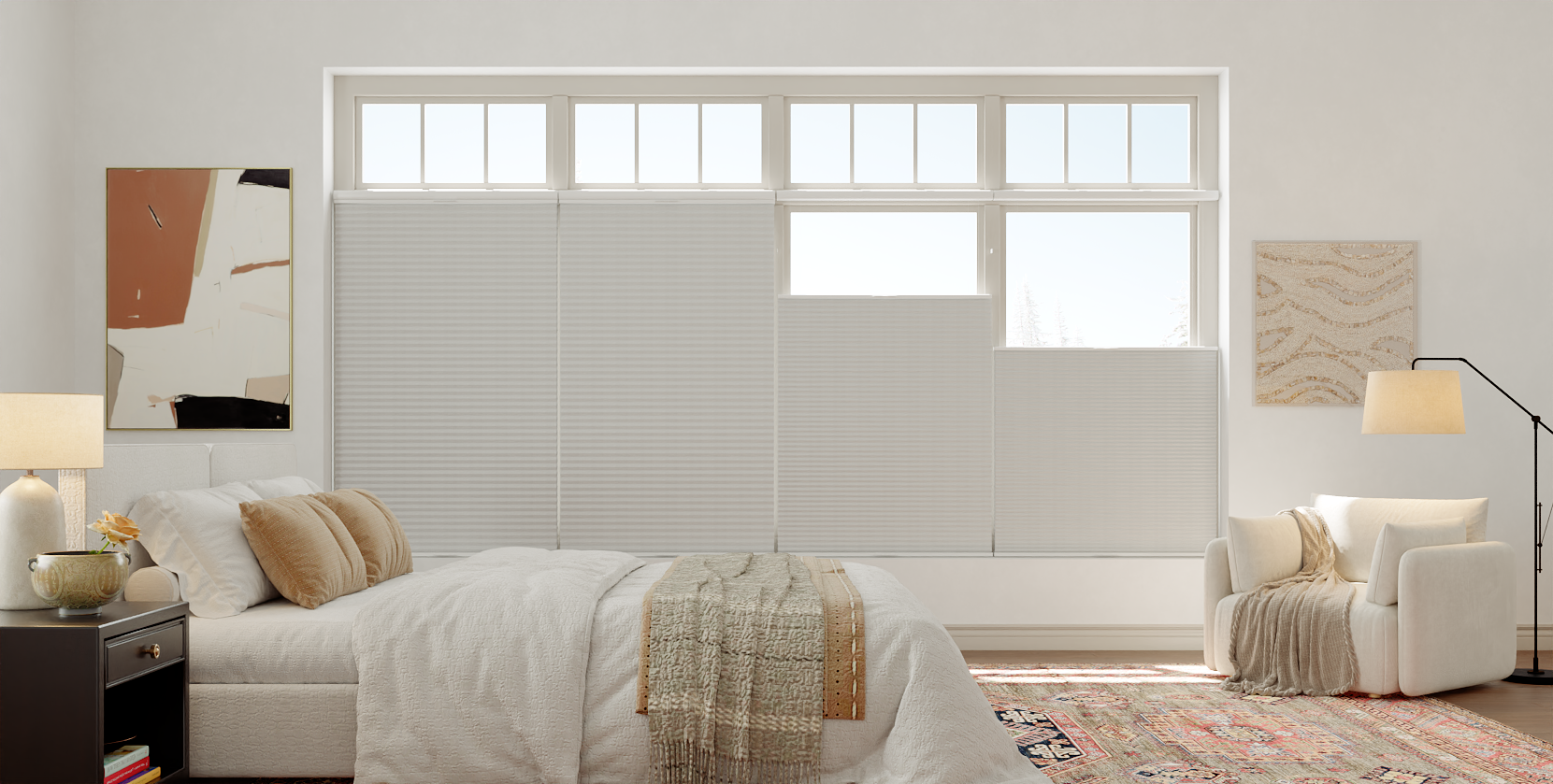


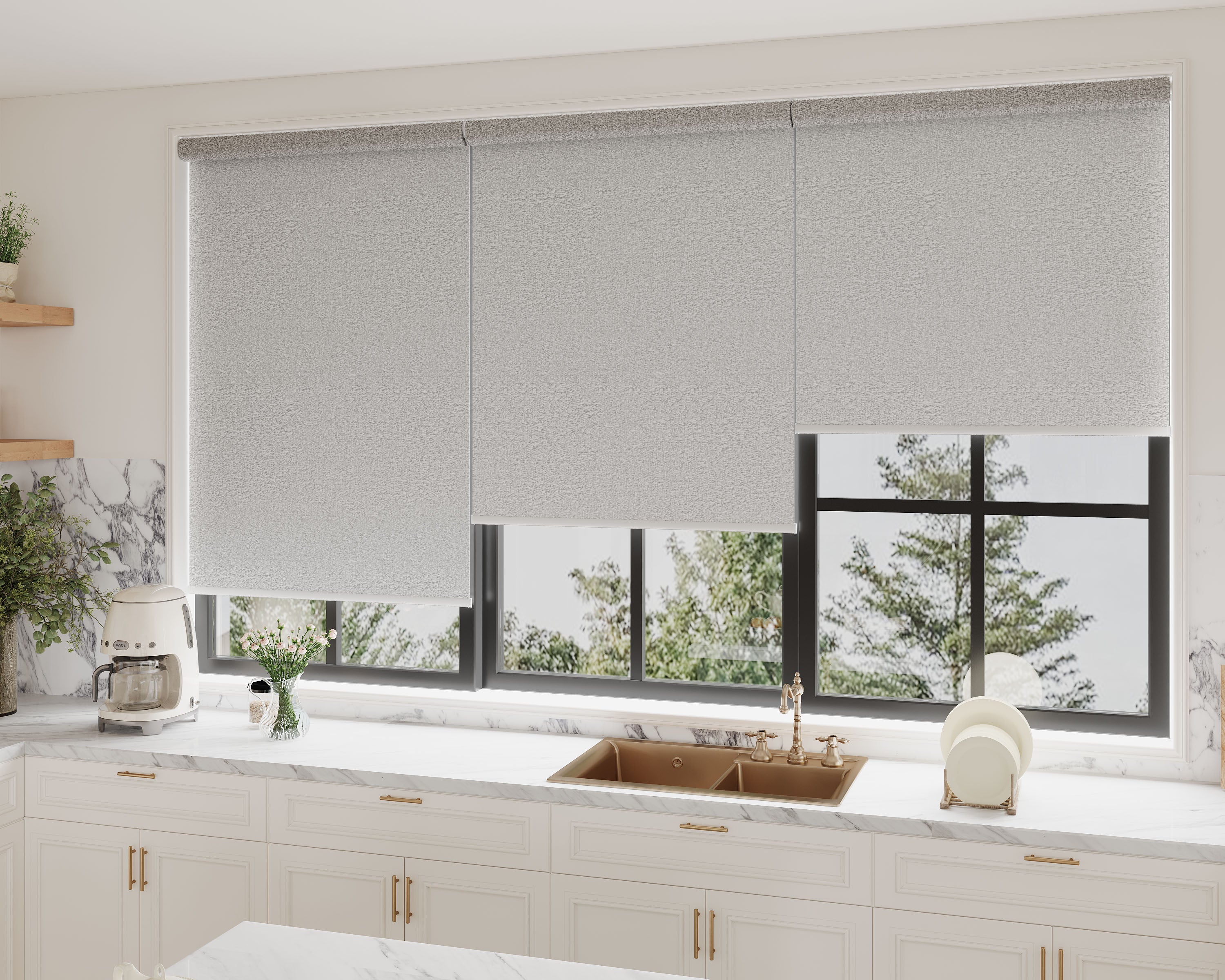

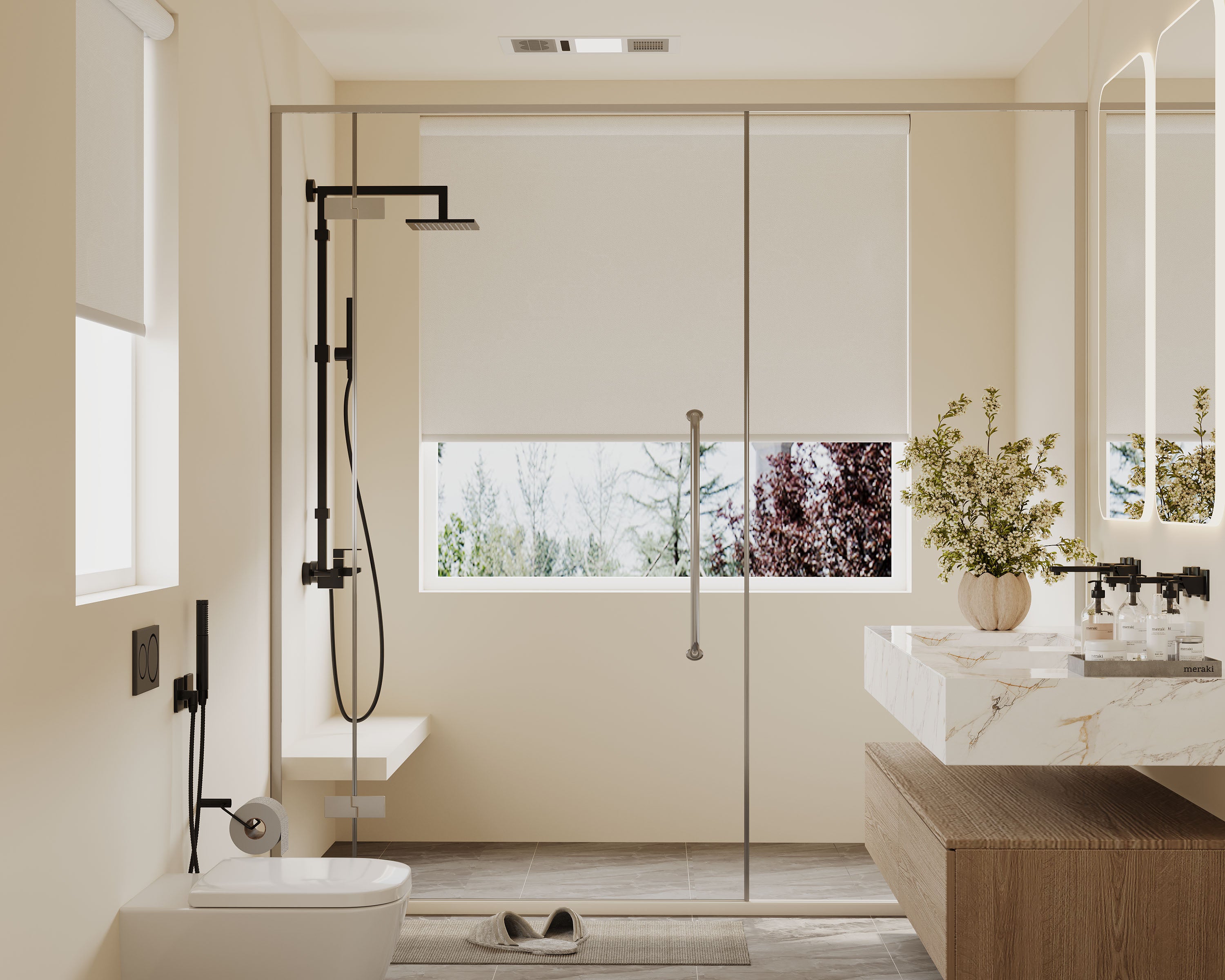


For young children, begin with the CPSC's recommendation for cordless window coverings; then assess the actual zebra shade and installation. The banded appearance does not determine safety. A motorized label also does not make the entire window, fabric and power arrangement hazard-free.
Read CPSC cord-safety guidance for homes where young children live or visit. Compare zebra shade configurations with the lift identified, then plan mounting, furniture and daily use. Pets introduce additional handling and damage considerations that should be assessed separately.
Identify the operating system
Zebra shades can be offered with different lifts. A manual cordless system uses the designated operating point; a motorized system uses the selected controls. Do not assume every manual unit has a chain, every cordless unit has the same clutch or every motor supports an app.
| Configuration question | What to confirm |
|---|---|
| Manual cordless | How the specific model is operated and whether it suits the window's reach and dimensions. |
| Motorized | Exact controls, power leads, charging access and supported actions. |
| Existing corded covering | Its identity and current CPSC/manufacturer guidance while arranging an appropriate replacement or assessment. |
| Any configuration | Complete mounting, accessible components and the room's layout. |
Do not assign “optimal” or “minimal risk” scores from the lift name. No simple table can establish every hazard in the complete installation.
Keep climbable furniture and cords in the assessment
CPSC advises moving cribs, beds, furniture and toys away from windows and covering cords. Consider how a child could reach the area by climbing, rather than judging accessibility only from the floor.
Include nearby charging leads and power cables. A remote-operated shade should not introduce a reachable cable beside a crib. Store remotes and accessories appropriately and use the manufacturer's instructions; do not assume an app-based child lock exists.
The fabric itself is not a handhold or play surface. Do not rely on a lowered shade as a barrier to window access or on a supposed top-down zebra feature to keep the lower area safe. Standard band adjustment differs from independent upper/lower rail movement.
Mount the actual assembly as instructed
Use the specified brackets and suitable fixings for the real surface. Confirm the installation supports the chosen width, drop, fabric and lift. A universal “always screw into a stud” or “use all supplied screws anywhere” rule cannot establish the correct fixing for every opening.
Have uncertain surfaces, difficult access or complex layouts assessed by an appropriate installer. Motorization does not compensate for loose mounting or an unsupported large shade.
If you notice damaged parts, fraying, irregular movement or loose support, stop using the affected assembly and seek model-specific guidance. Do not open tensioned mechanisms or substitute generic safety components from a tutorial.
Plan around pets' actual behavior
Keep accessible cords and cables away from pets, and avoid arrangements where an animal can become entangled, collide with lowered fabric or pull on the covering. A pet that paws at glass creates a different placement problem from one that leaves the window alone.
At a patio door, keep the shade clear of the route before people or animals pass through. Do not expect fabric weight or a cordless lift to make the material scratch-proof or immune to a collision.
If your pet repeatedly pulls at or damages a covering, reconsider the layout and seek appropriate product advice. Replacing the textile with another ordinary fabric is not proof the underlying access problem is solved.
Choose light control without confusing it with safety
Room-darkening zebra shades and light-filtering zebra shades provide different material starting points. Confirm each selected lift rather than inferring it from a fabric name.
Closed light-filtering bands still need a nighttime privacy check. Stronger opacity and edge coverage may be needed at a nursery or bedroom window. A darkened room is not a guarantee about sleep or safety.
The waterproof light-filtering zebra model is an exposure-related fabric choice. It does not establish pet-proofing or direct-water approval for every motor, rail or installation.
Older corded shades are not universally retrofit-safe
Follow current CPSC and exact manufacturer guidance. Interim measures for an existing corded covering reduce rather than eliminate its cord hazard; a generic cleat, tensioner or breakaway part does not create a verified cordless system.
Do not cut or shorten cords, install arbitrary-height wraps or claim a universal kit makes the unit compliant. Identify the model and ask about suitable replacement or manufacturer-supported service.
Frequently asked questions
Does motorization remove all physical hazards?
No. Mounting, fabric access, power leads and room layout remain relevant. Choose the complete system.
Which certification should I look for?
Ask for the exact program and document claimed for the selected model/configuration. A generic logo alone does not establish approval for the selected configuration.
Can pets damage cordless shades?
Yes. Cordless describes operation, not resistance to claws, chewing or impact. Plan location and use accordingly.
What should I keep after installation?
Model and lift identity, operating/safety/care instructions and relevant service information. Use those records if the condition or operation changes.
