
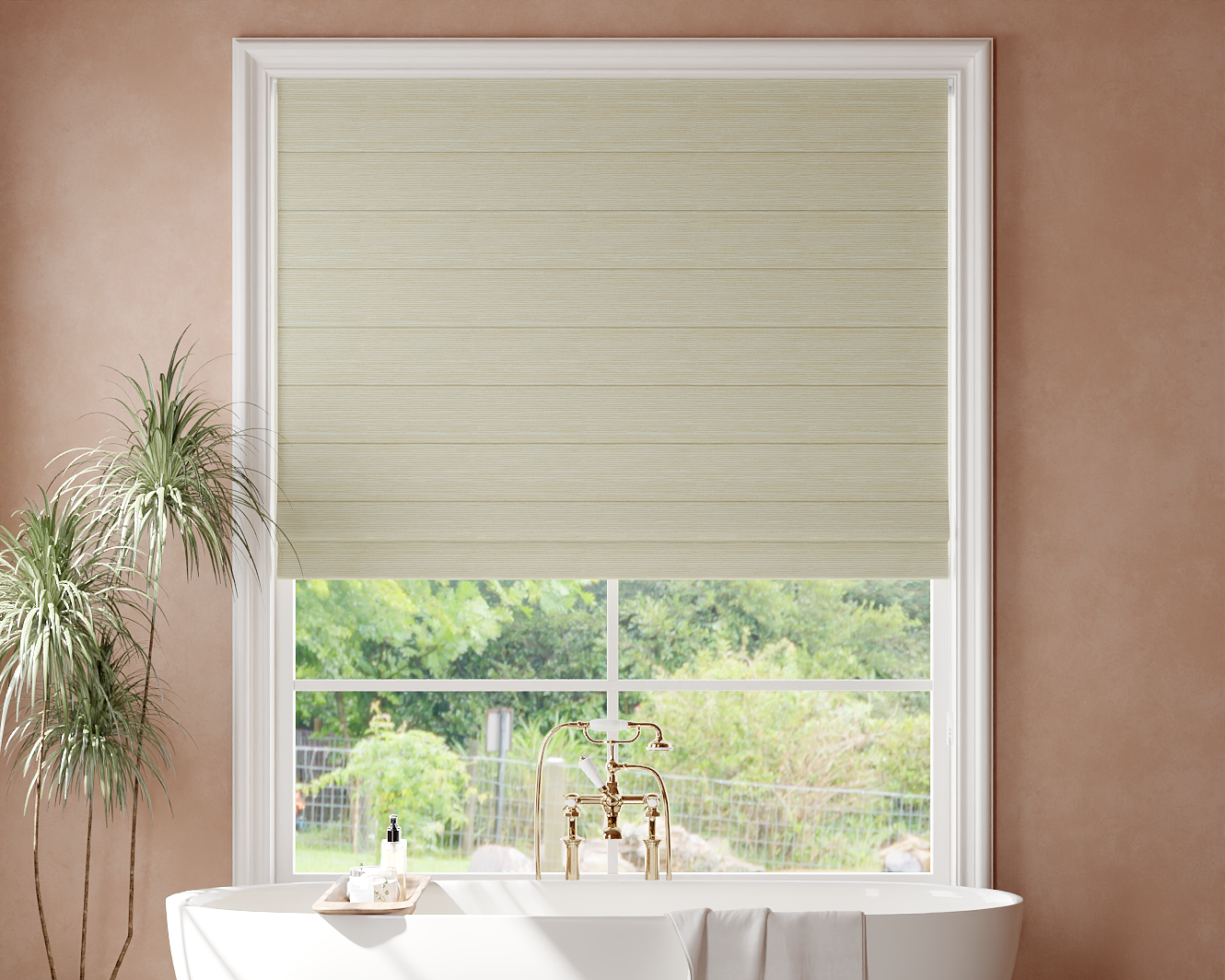
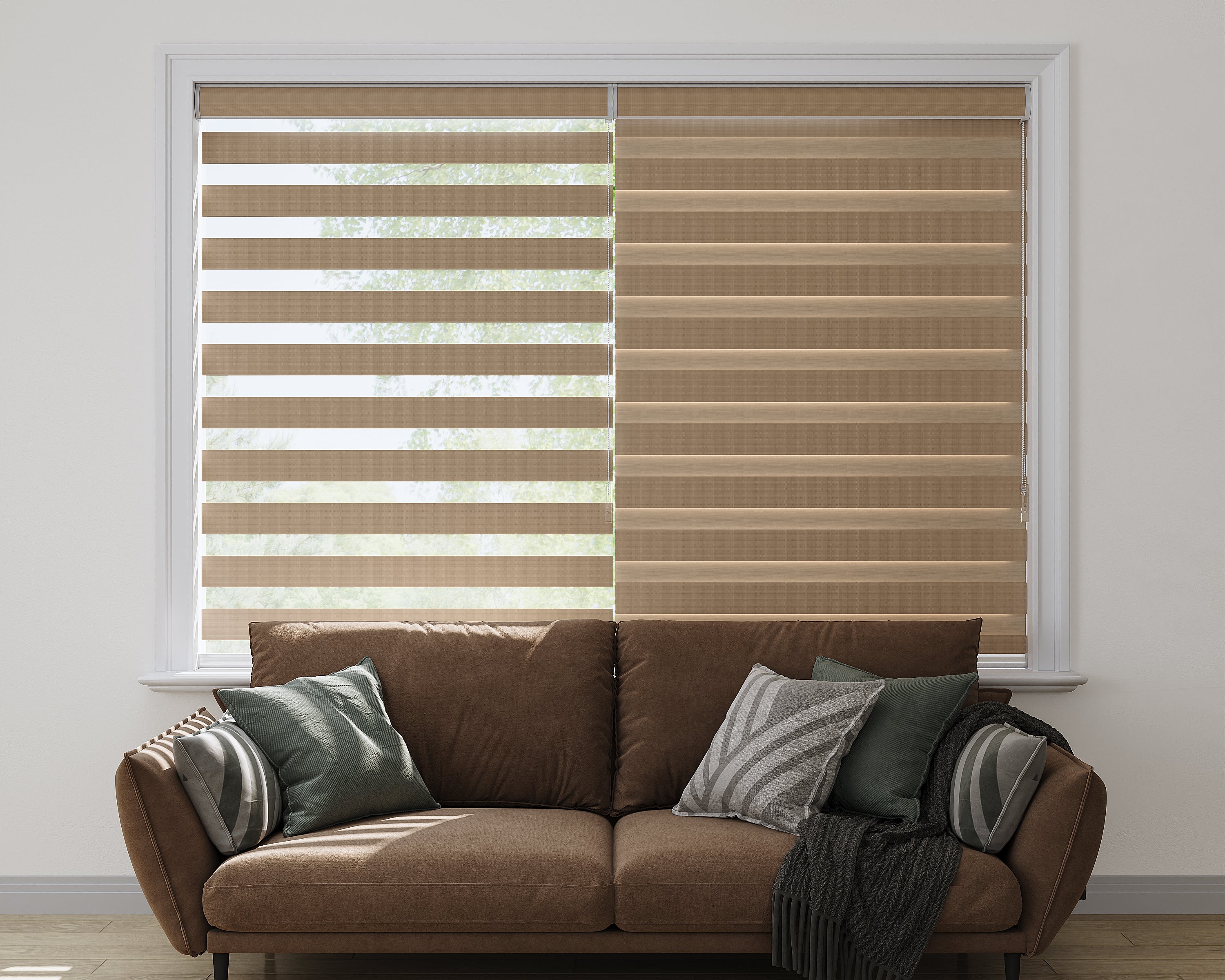
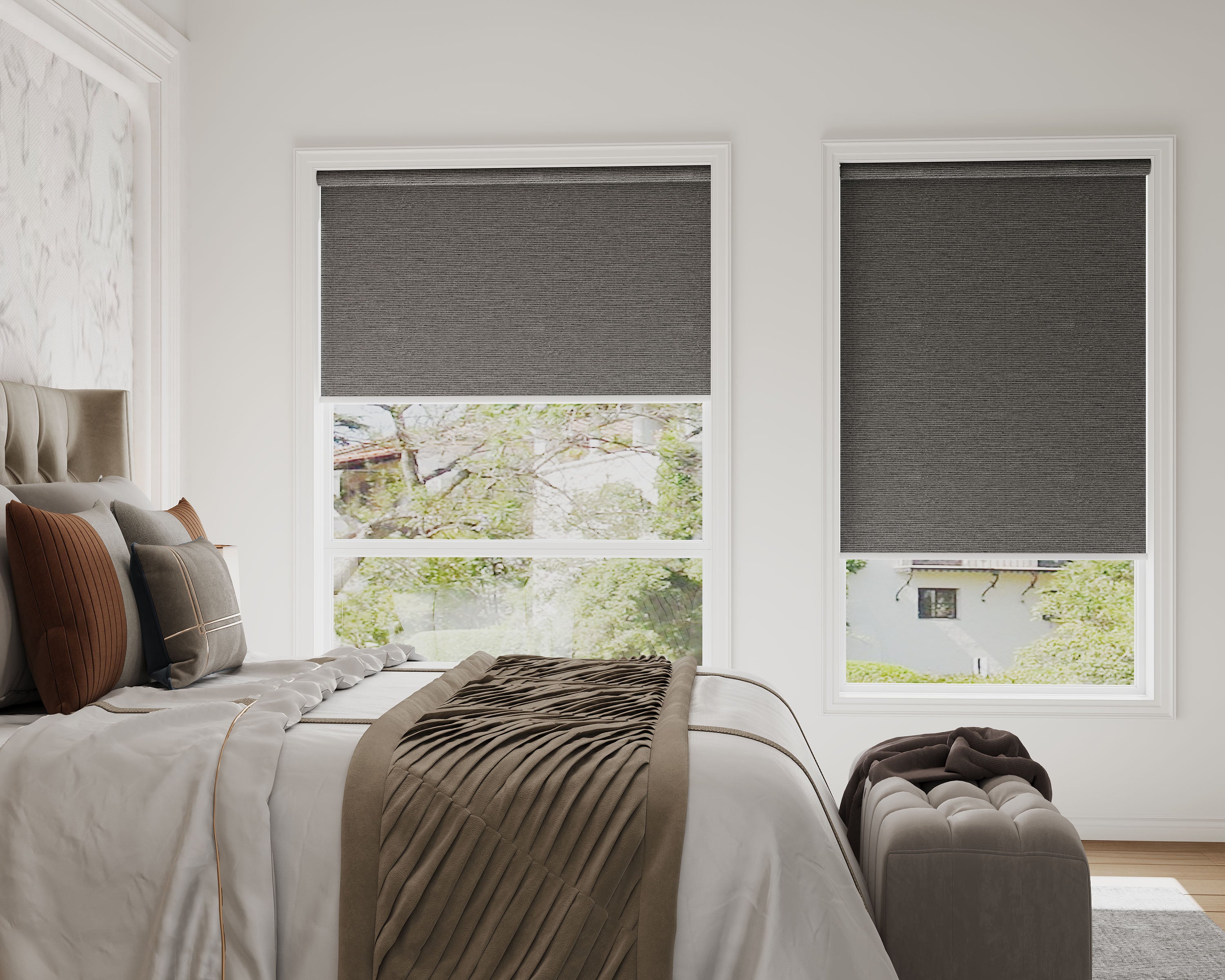
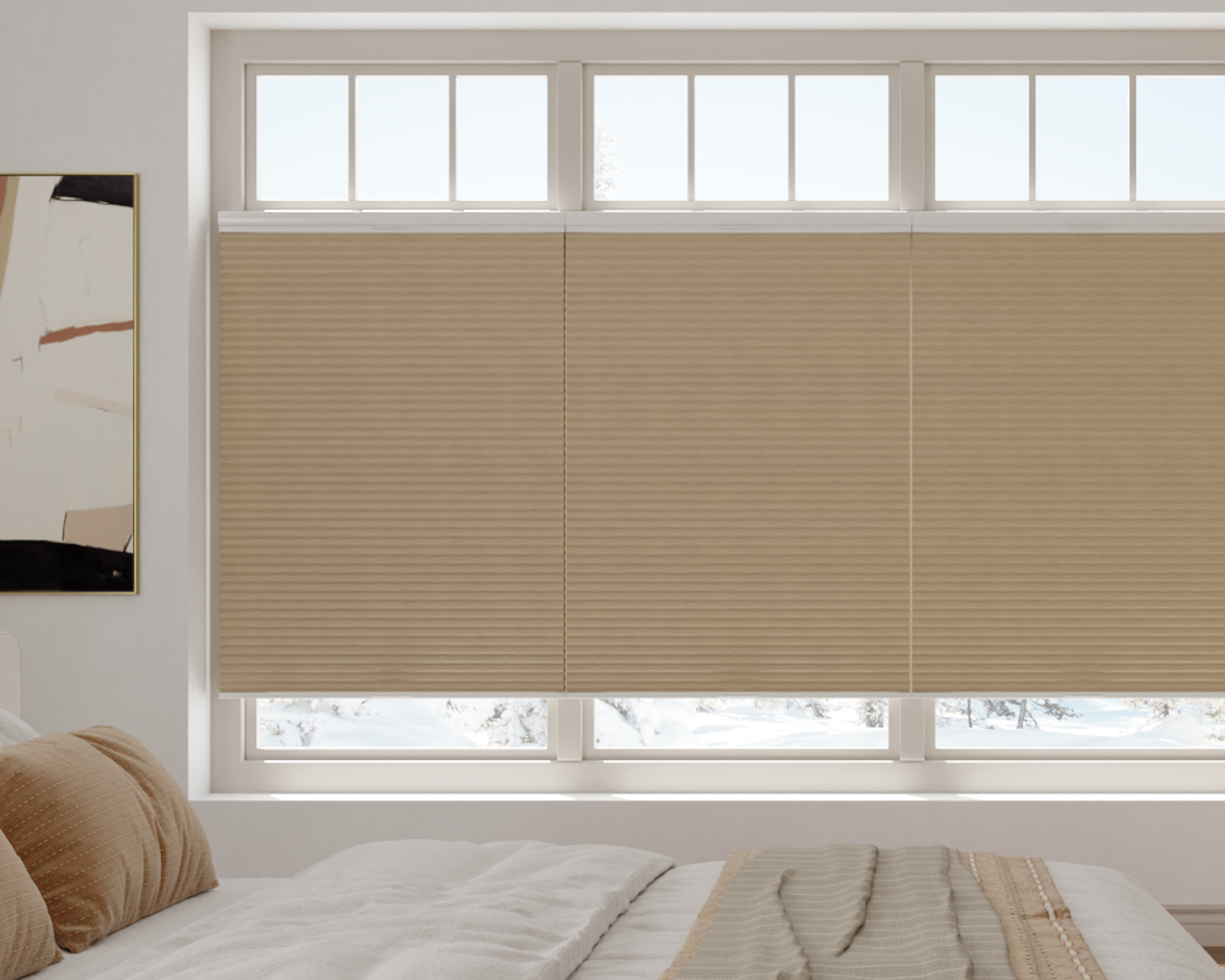
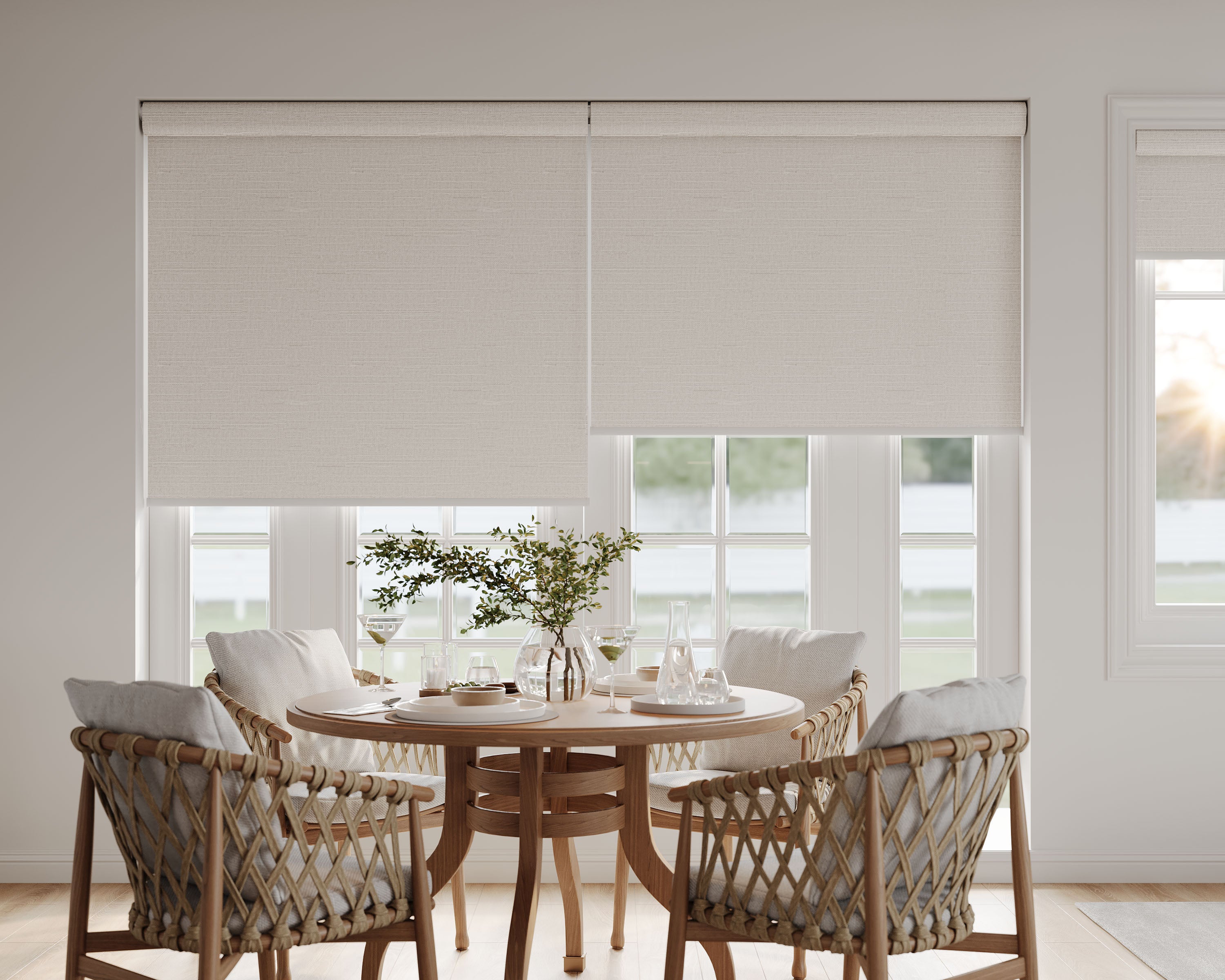


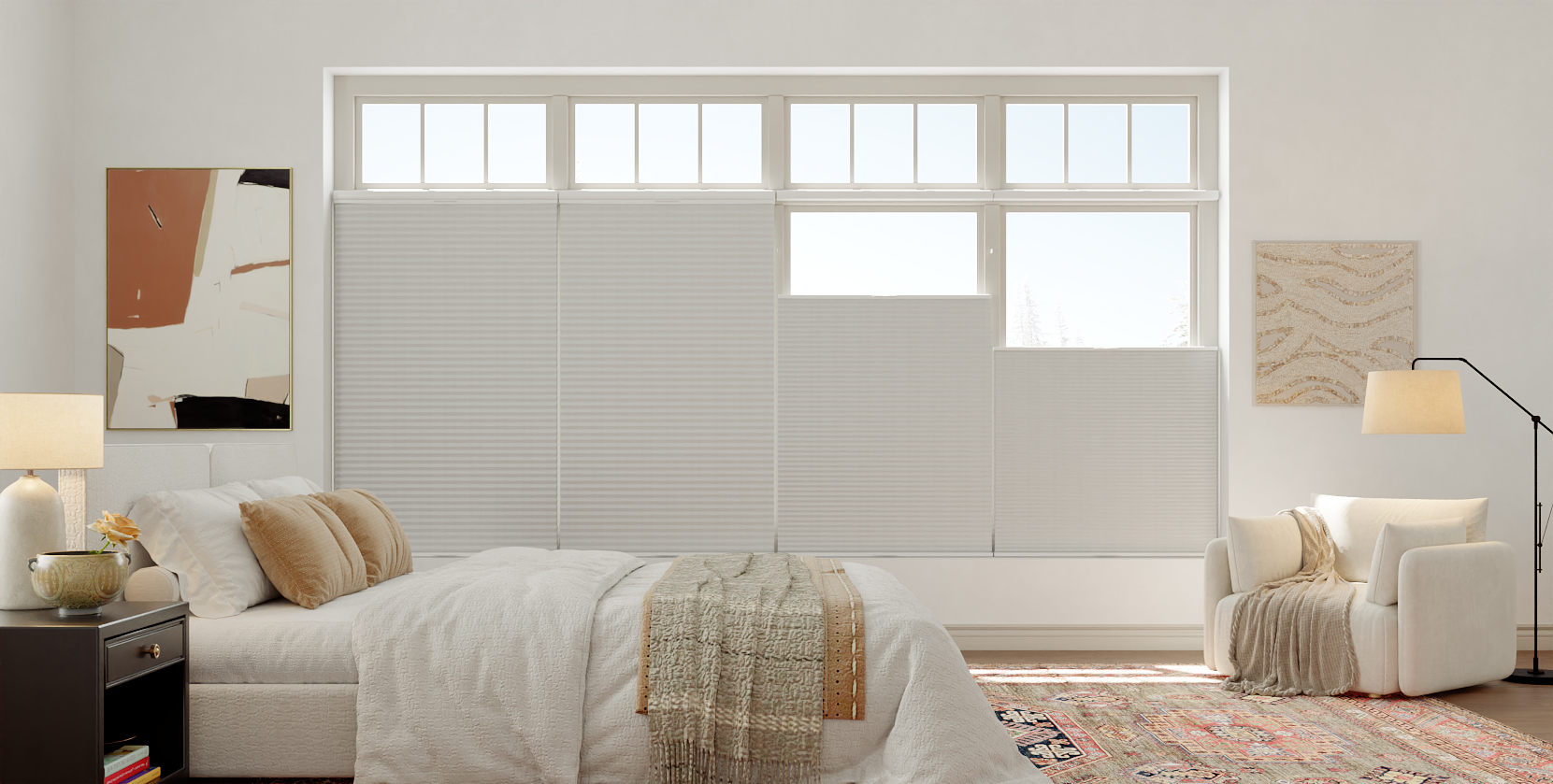


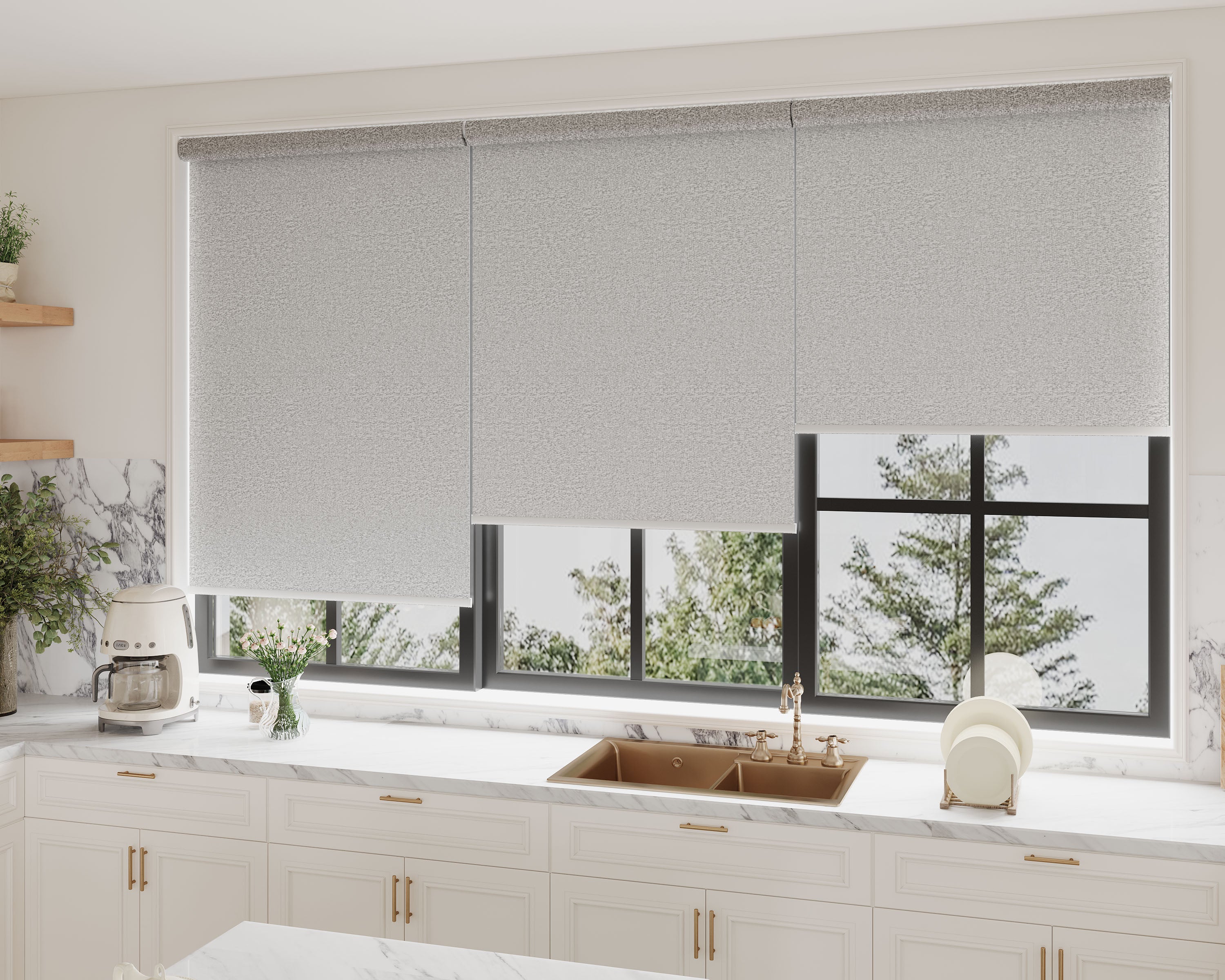

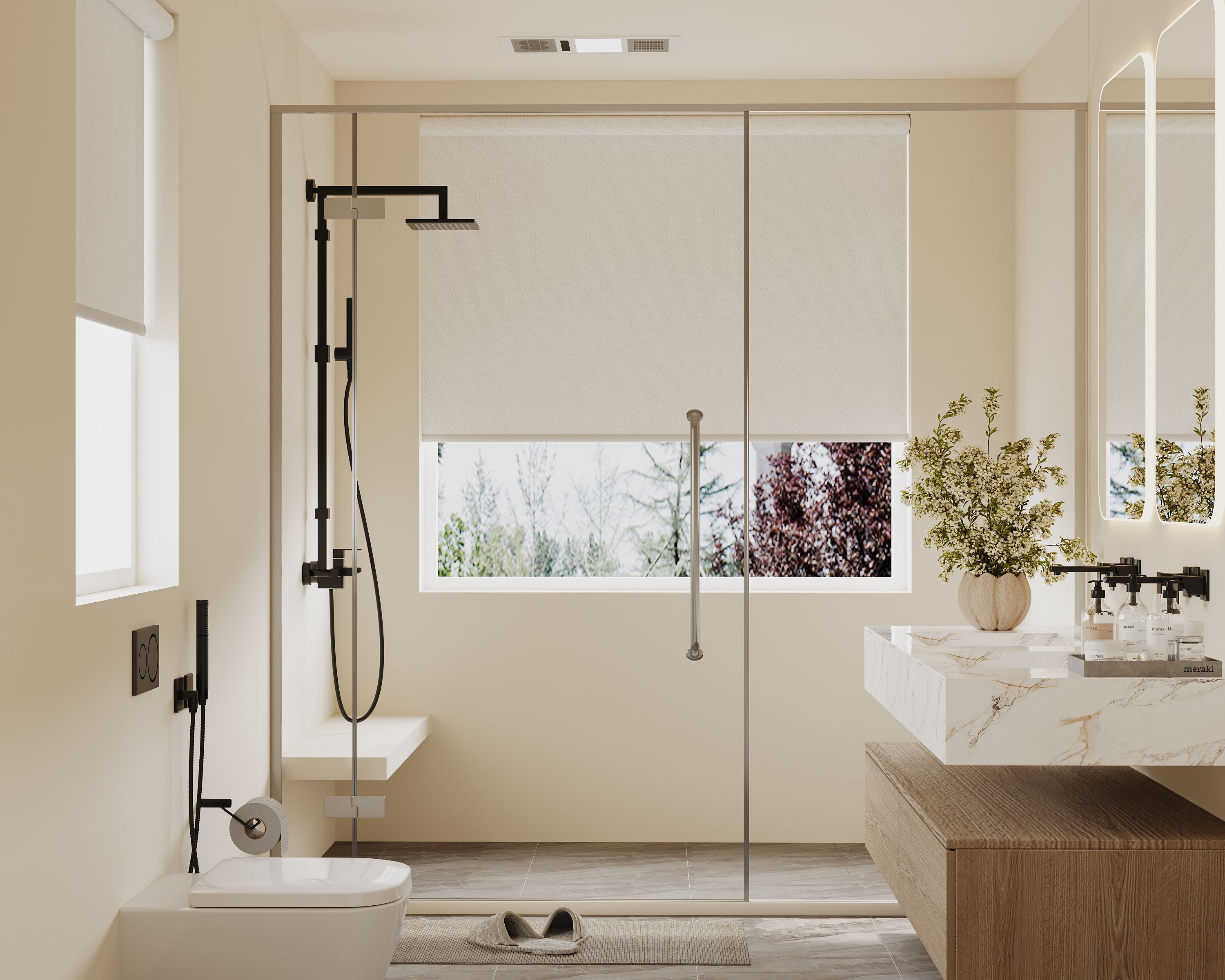


Yes, top-down bottom-up (TDBU) zebra shades are available as a premium, custom-engineered product that represents the highest level of control you can have over light, privacy, and view. This advanced system marries the signature adjustable stripes of a zebra shade with independent dual-lift rails, allowing you to position the shade fabric anywhere on the window—covering the top, bottom, middle, or full length while simultaneously fine-tuning light filtration. This creates a "window within a window" effect with unparalleled versatility. To explore the sophisticated foundation of these shades, begin with our collection of customizable and high-performance zebra blinds and shades, where such specialized features originate.
This exhaustive guide leaves no question unanswered. Here is the definitive breakdown of what you will learn:
-
A complete mechanical deep-dive into the integrated dual-rail and dual-layer system, explaining precisely how the two technologies work in concert to give you three independent control points.
-
A detailed, scenario-based analysis comparing TDBU to standard zebra shades, illustrating with specific examples how this feature transforms spaces like street-level living rooms, bathrooms, and home offices.
-
A comprehensive breakdown of the specification process, covering mechanism choices (cordless vs. motorized), hardware implications, installation necessities, and the critical measurements for a successful inside or outside mount.
-
A transparent cost-benefit and investment analysis that details the premium pricing, extended lead times, and long-term value proposition of this made-to-order feature.
-
Room-by-room suitability guidelines that help you identify whether your specific need justifies the investment, or if a standard zebra shade would be a more practical and cost-effective solution.
By the end of this guide, you will possess a master-level understanding of top-down bottom-up zebra shades, empowering you to make a fully informed decision for your home.
The Engineering Marvel: How Top-Down Bottom-Up Mechanics Integrate with Zebra Shades
To fully appreciate a TDBU zebra shade, you must understand it as a harmonious integration of two complex systems: the adjustable dual-layer fabric and the independent dual-lift mechanism. This is not a simple add-on but a fundamental re-engineering of the shade's operation.
Deconstructing the Dual-Lift Rail System
A standard window shade operates on a single-lift principle: one control moves the entire panel up or down. A TDBU system fundamentally changes this by incorporating two separate operating rails within a single headrail.
-
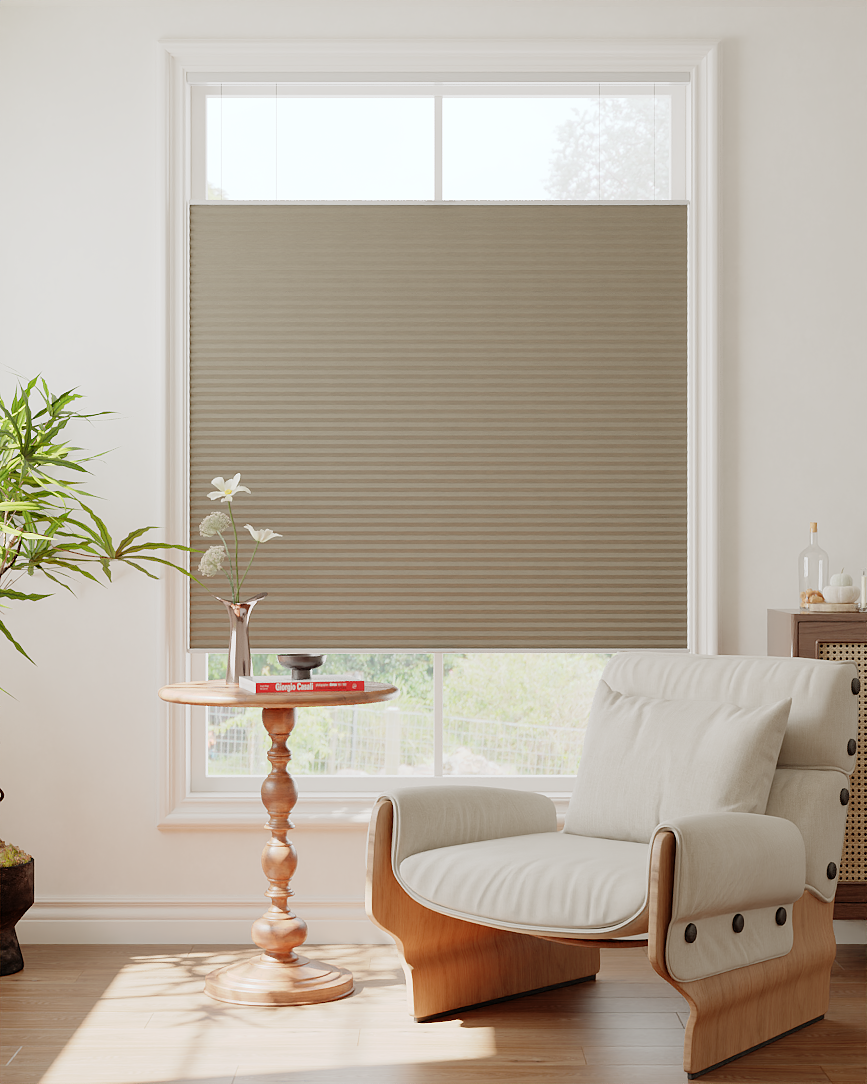
The Top-Down Rail: Connected to the top edge of the fabric panel. When engaged, it lowers the shade material from the headrail downward. You can lower it just six inches to cover a glaring transom or the top half of a window.
-
The Bottom-Up Rail: Connected to the bottom hem bar of the fabric. When engaged, it raises the shade material from the bottom upward. You can raise it to clear a window sill, a kitchen sink, or to create privacy at the bottom while leaving the top open.
The genius lies in their independence. These two rails can be operated separately or together, allowing you to "park" the fabric in any vertical position on the window—fully down, fully up, covering just the top, covering just the bottom, or meeting in the middle to frame a central view.
Synergy with the Adjustable Dual-Layer Fabric
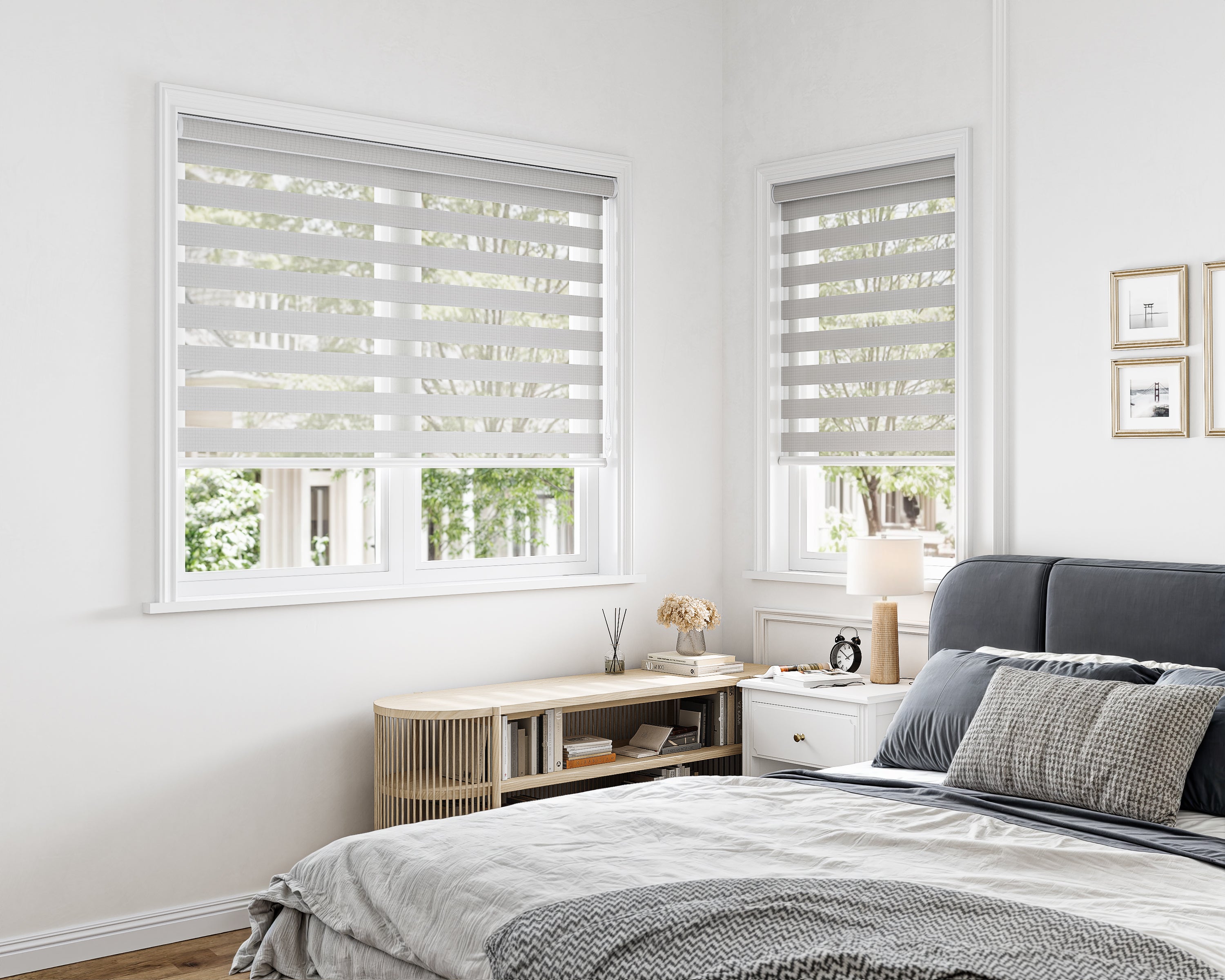
This is where the magic happens for light control. Regardless of where you position the shade fabric using the TDBU rails, the core function of the zebra shade remains fully active. Within any exposed section of the fabric, you retain the ability to slide the two fabric layers to align the sheer or opaque bands. This means you are not just moving a static panel; you are creating dynamic, zoned environments. You could have the opaque bands aligned for maximum privacy on the lower third of your bedroom window while aligning the sheer bands on the exposed upper two-thirds to softly diffuse morning light—a level of control impossible with any other single window treatment.
The Three Axes of Control in a TDBU Zebra Shade
| Axis of Control | Mechanism | Function | Result |
|---|---|---|---|
| Vertical Position (Top) | Top-Down Rail & Control | Lowers the fabric from the headrail downward. | Covers the upper portion of the window. Can block high sun glare or provide upper-window privacy. |
| Vertical Position (Bottom) | Bottom-Up Rail & Control | Raises the fabric from the bottom hem bar upward. | Clears the lower portion of the window. Maintains sill-level view or blocks ground-level sightlines. |
| Light Filtration & Privacy | Dual-Layer Fabric Adjustment | Slides the two fabric layers to align sheer or opaque bands. | Fine-tunes the amount of light and visibility through any exposed portion of the shade. |
Functional Superiority: TDBU vs. Standard Zebra Shades in Real-World Scenarios
The addition of independent vertical control transforms how you solve everyday problems with light and privacy. It shifts the shade from a general solution to a precision instrument.
Solving Specific Architectural and Lifestyle Challenges
-
The Urban Privacy Dilemma: In a ground-floor apartment or a home close to the street, standard shades force a choice: closed for privacy (darkness) or open for light (exposure). A TDBU zebra shade solves this perfectly. You can raise the bottom rail to cover the "view-in" zone at street level (e.g., the lower 40 inches of the window) while lowering the top rail just slightly to admit soft, natural light from above. The opaque bands can be aligned in the covered lower section, while the sheer bands can be used above, flooding the room with light while maintaining complete privacy—a transformative solution for urban living.
-
The Bathroom Balancing Act: Bathrooms require a careful mix of light and privacy. With a TDBU zebra shade, you can lower the top section for ambient light and sky privacy, while raising the bottom section to precisely obscure the sightline from outside, all while the fabric diffuses light beautifully. This is far superior to static frosted glass, which offers no light adjustment, or a standard shade that would block all light when privacy is needed.
-
Glare Management in Home Offices & Living Rooms: For a west-facing home office, the late afternoon sun can create unbearable glare on computer screens. Instead of closing the entire shade and working in a cave, you can lower only the top portion of a TDBU zebra shade to block the direct angle of the sun, while leaving the lower portion up to preserve your view of the outdoors and maintain a connection to natural light. This precise control is why zebra shades are considered highly effective for productive home office environments.
Enhanced Ventilation and Unobstructed Access
A frequently overlooked benefit is compatibility with window operation. For casement or awning windows that swing inward, a standard down shade blocks access. With a TDBU system, you can raise the bottom rail high enough to fully clear the window's opening arc, allowing for unimpeded ventilation and easy cleaning while still maintaining coverage on the upper portion of the window for light control.
Specification, Installation, and Investment: What to Expect
Ordering and installing a TDBU zebra shade is a more involved process than purchasing a standard model. Understanding these details upfront is crucial to a successful outcome.
The Critical Choice: Manual Cordless vs. Motorized Operation
You will face a fundamental decision on the lift mechanism:
-
Manual Cordless (Clutch System): This is the more affordable option. It involves two separate clutch mechanisms—one for the top rail, one for the bottom—typically operated by gently pushing or pulling on the respective hem bars. While functional, it requires physical interaction at the window for each adjustment and can feel cumbersome when trying to coordinate multiple positions.
-
Motorized Operation: This is the highly recommended choice for TDBU shades. It transforms the experience. With a motor on each rail (or a sophisticated single motor capable of independent control), you can operate the shades via remote, smartphone app, or voice command. More importantly, you can program scenes: a single command like "Morning Mode" could raise the bottom rail 36 inches for privacy, lower the top rail 12 inches for light, and set the fabric bands to a light-filtering alignment. This seamless integration is powered by the kind of smart home connectivity that modern motorized shades provide. The convenience factor for a complex system like this cannot be overstated and is often the difference between using the feature daily and finding it too fussy.
Hardware, Installation, and Measurement Nuances
-
Larger Headrail Profile: The machinery required to house two independent lift systems results in a headrail that is significantly larger—both taller (in height) and deeper (in projection from the wall)—than a standard zebra shade headrail. For inside mounts, you must have a window recess with enough depth to accommodate this. Your manufacturer will provide minimum depth requirements, which must be carefully verified.
-
Professional Installation is Non-Negotiable: Due to the weight, complexity, and need for perfect alignment of the dual rails and fabric, DIY installation is strongly discouraged. Professional installers ensure the shade is perfectly level, the rails operate smoothly without binding, and the fabric tracks correctly. This guarantees longevity and performance.
-
Precision Measurement is Paramount: The custom nature of these shades means there is no room for measurement error. You will typically provide exact glass size or opening size measurements, and the factory will build to those specs. Using a professional measuring service, often provided by the retailer or installer, is a wise investment to avoid costly mistakes.
Cost, Lead Time, and the Value Proposition
Top-down bottom-up functionality is a premium customization. Expect it to add a substantial cost premium—anywhere from 60% to 100% or more—over the price of an equivalent standard zebra shade. Furthermore, as a made-to-order item, lead times are considerably longer, often adding 4 to 8 weeks to the production and shipping timeline.
The value proposition is clear: you are investing in solving a specific, persistent problem with your space (like lack of privacy with light, or unmanageable glare) with a single, elegant, and highly functional solution that offers a level of control no other product can match.
Conclusion: The Ultimate Tool for Discerning Control
Top-down bottom-up zebra shades are not for every window or every budget. They are a specialized tool for specific challenges. They represent the pinnacle of window treatment technology, offering a degree of environmental command that is simply unattainable with off-the-shelf products.
Your decision should be guided by a clear assessment: Does your room have a persistent problem—such as a critical privacy need at street level, a bathroom window that lacks both light and seclusion, or a glare issue that standard shades can't solve without darkening the entire room—that justifies the significant investment in this custom engineering? If the answer is yes, and you value ultimate flexibility and are prepared for the associated cost and complexity, then a TDBU zebra shade is a profoundly satisfying and effective solution.
For most other applications, a high-quality standard zebra shade, potentially with motorization for ease of use, will provide exceptional light and privacy control. But for those unique spaces where compromise is not an option, the top-down bottom-up zebra shade stands alone as the definitive answer.
Key Highlights
-
TDBU zebra shades are a premium custom feature, combining independent top/bottom lift with adjustable light-filtering stripes for three-axis control.
-
They uniquely solve zoned privacy and light challenges, allowing different conditions at the top and bottom of the same window.
-
Motorization is strongly recommended to manage the complexity and unlock the full potential of automated, scene-based control.
-
Professional installation and precise measurement are essential due to the complex mechanism and larger headrail profile.
-
This feature commands a significant price premium and longer lead time, representing a long-term investment in solving specific architectural challenges.
Explore Custom Zebra Shades


Frequently Asked Questions (FAQ)
Can I add top-down bottom-up functionality to my existing zebra shades later?
No, it is mechanically impossible to retrofit this feature. The TDBU system is integral to the shade's construction from the point of manufacture—requiring a specific headrail, fabric attachment points, and internal mechanisms. Converting an existing shade would be equivalent to rebuilding it entirely. The functionality must be specified at the time of initial order.
How does the mechanism impact the shade's durability and maintenance?
The durability is directly tied to the quality of the components. Reputable manufacturers use commercial-grade mechanisms designed for tens of thousands of cycles. The added moving parts mean there is slightly more potential for maintenance over a 15-year lifespan compared to a simple roller shade, but proper installation mitigates this. Maintenance primarily involves ensuring the tracks remain clean and dust-free. Fabric cleaning is identical to standard zebra shades, relying on gentle vacuuming. For comprehensive care, the principles outlined in our guide on safe cleaning methods for layered fabrics apply perfectly.
Are there any limitations on fabric type or color with TDBU styles?
Generally, no. The TDBU mechanism is compatible with the full range of zebra shade fabrics, from light-filtering to room-darkening. You can choose any color or material. However, extremely heavy fabrics (like some blackout weaves) may require a specific, heavy-duty TDBU mechanism. Your designer or manufacturer will confirm compatibility when you select your fabric, especially if you are opting for a particularly dense or durable fabric.
Is a top-down bottom-up zebra shade worth the cost for a rental property?
Typically, no. The high upfront cost and custom nature make it a poor fit for a rental. Since they are custom-sized to your specific window, you cannot easily take them with you, and the investment is hard to justify for a temporary space. For rentals, a standard zebra shade or a TDBU option in a standard size (if available) would be a more practical and portable solution. The value is greatest for homeowners who plan to enjoy the benefits for many years.
