
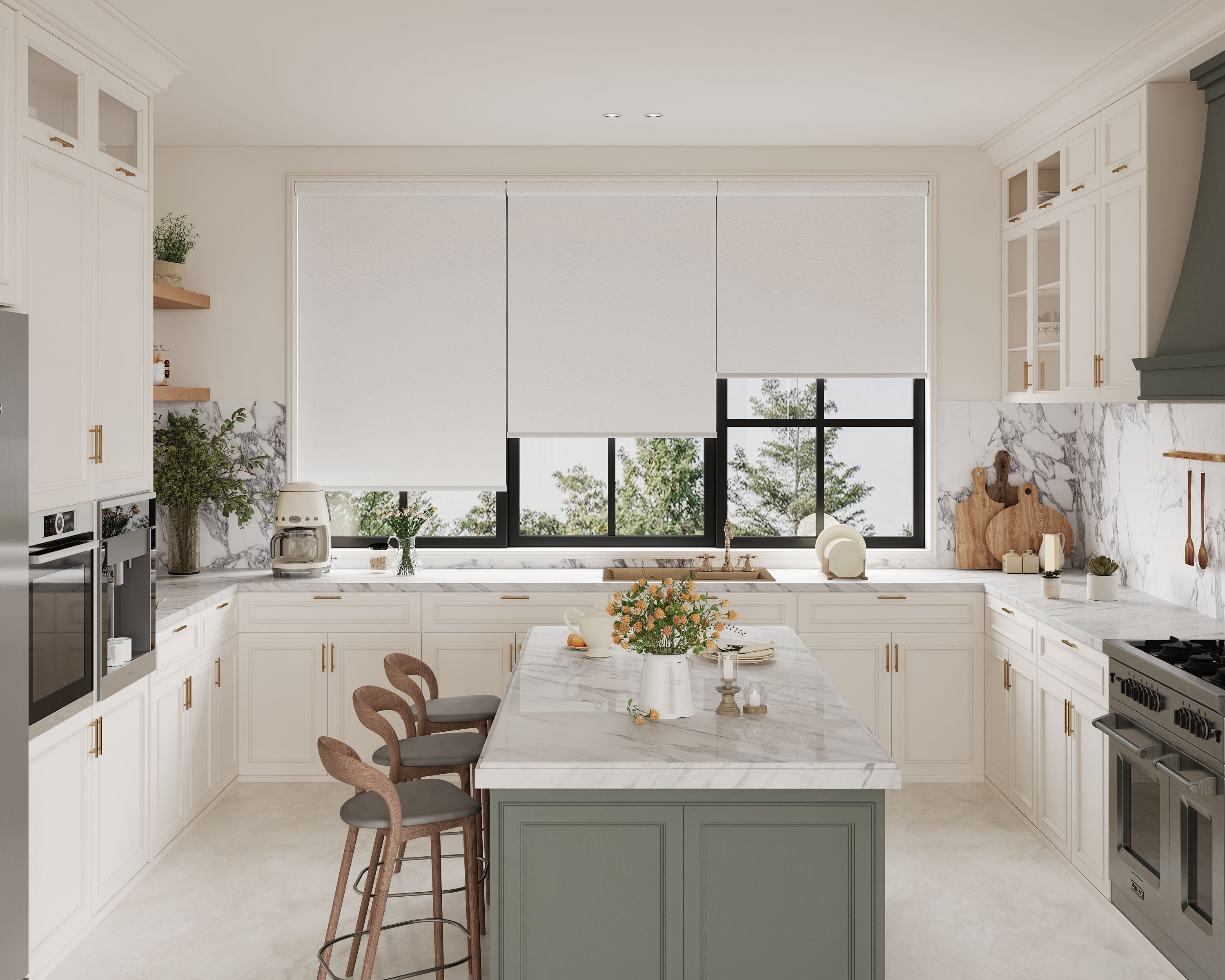
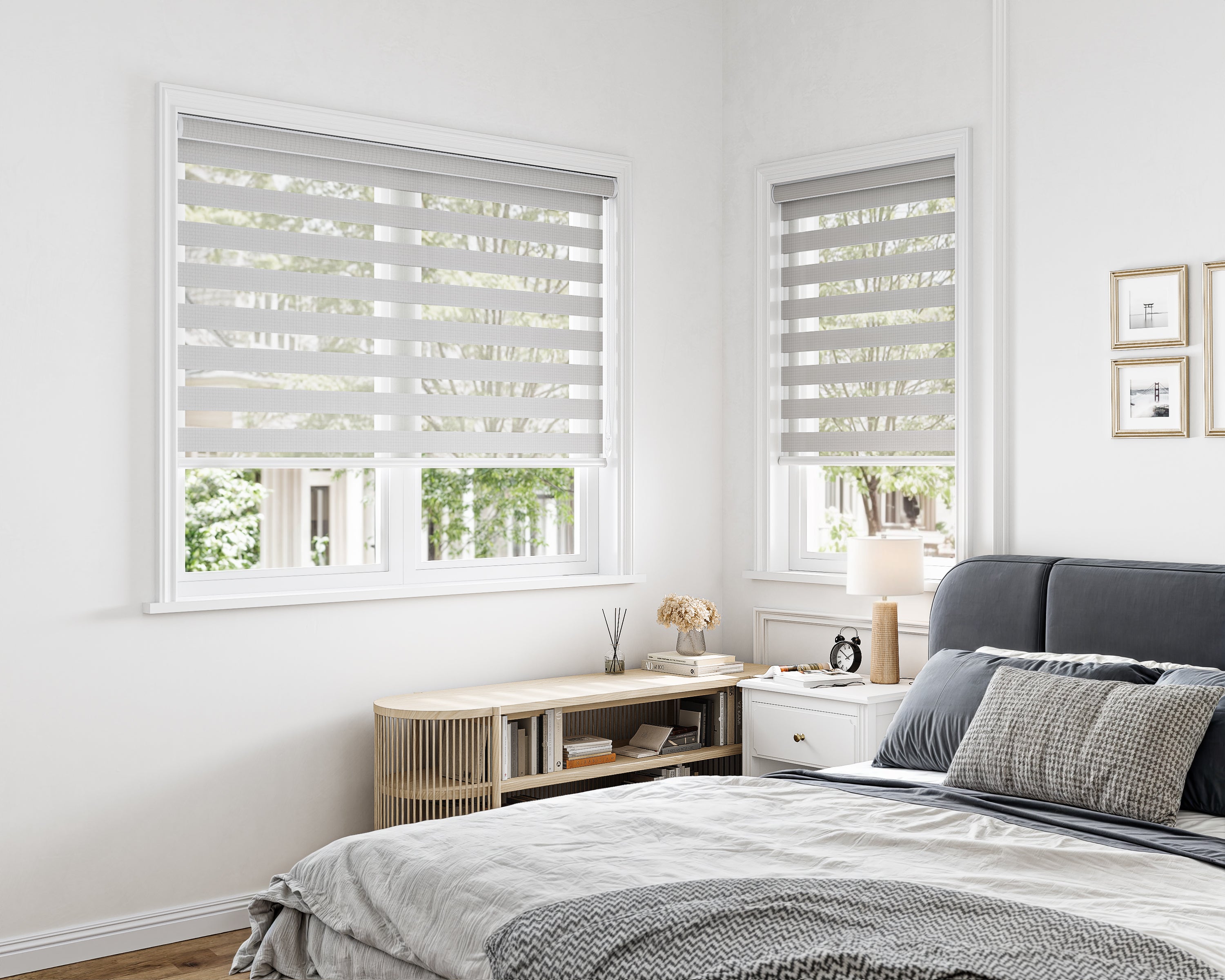
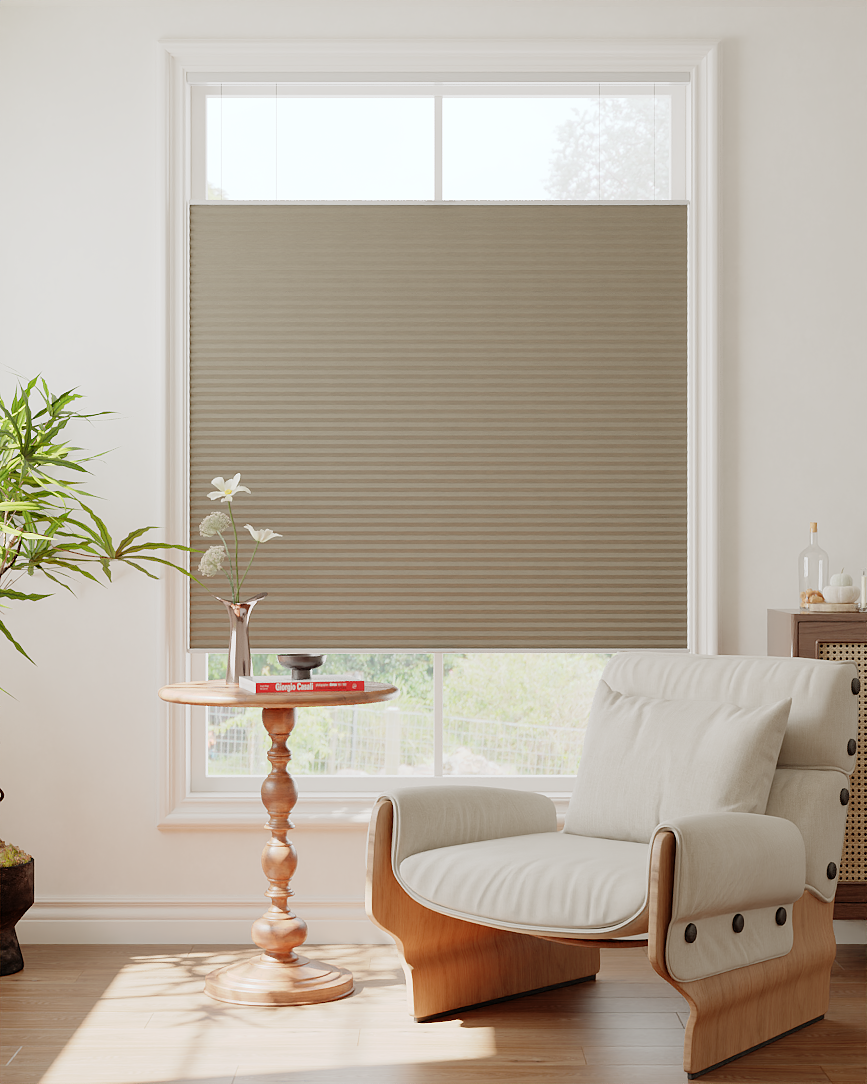
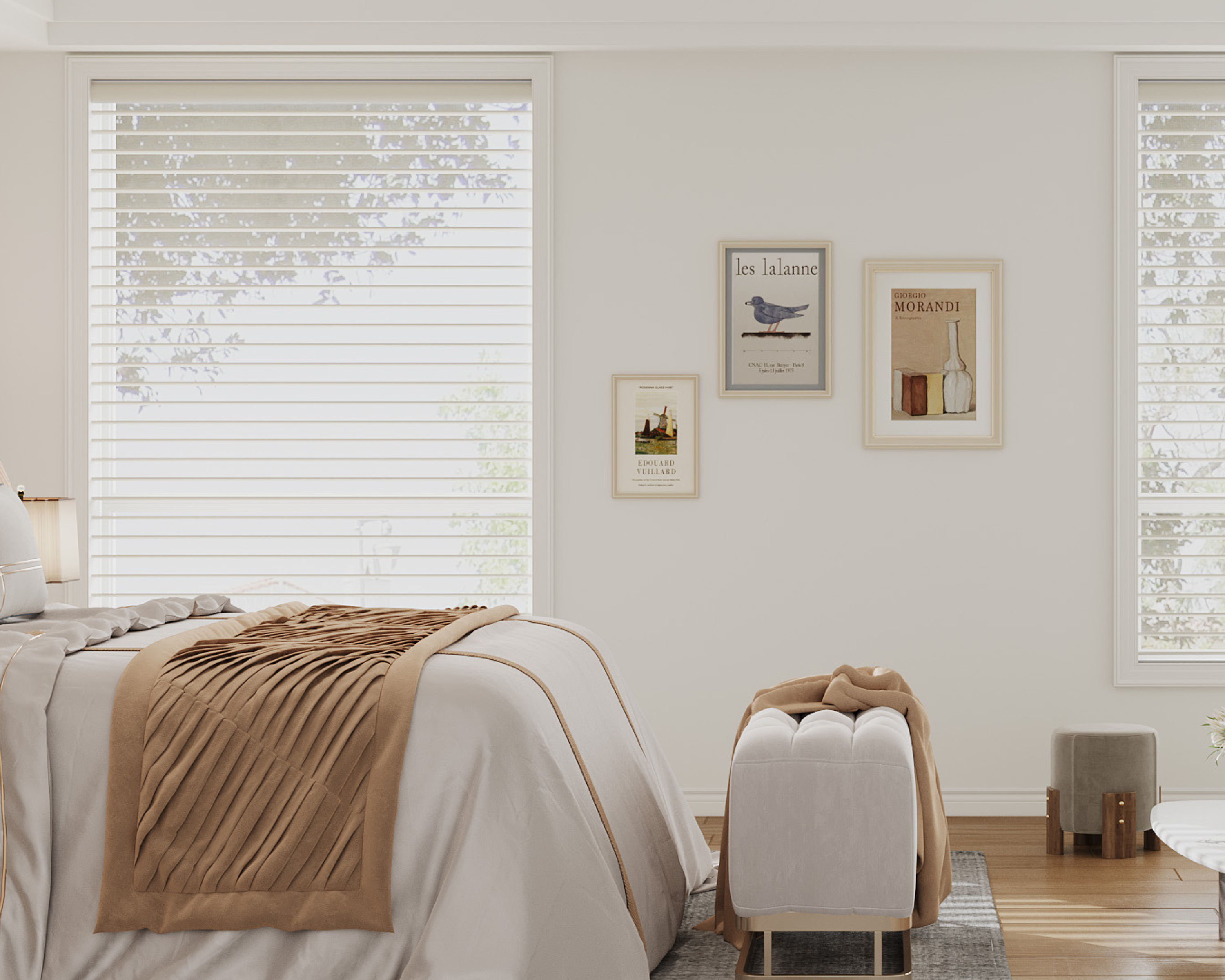
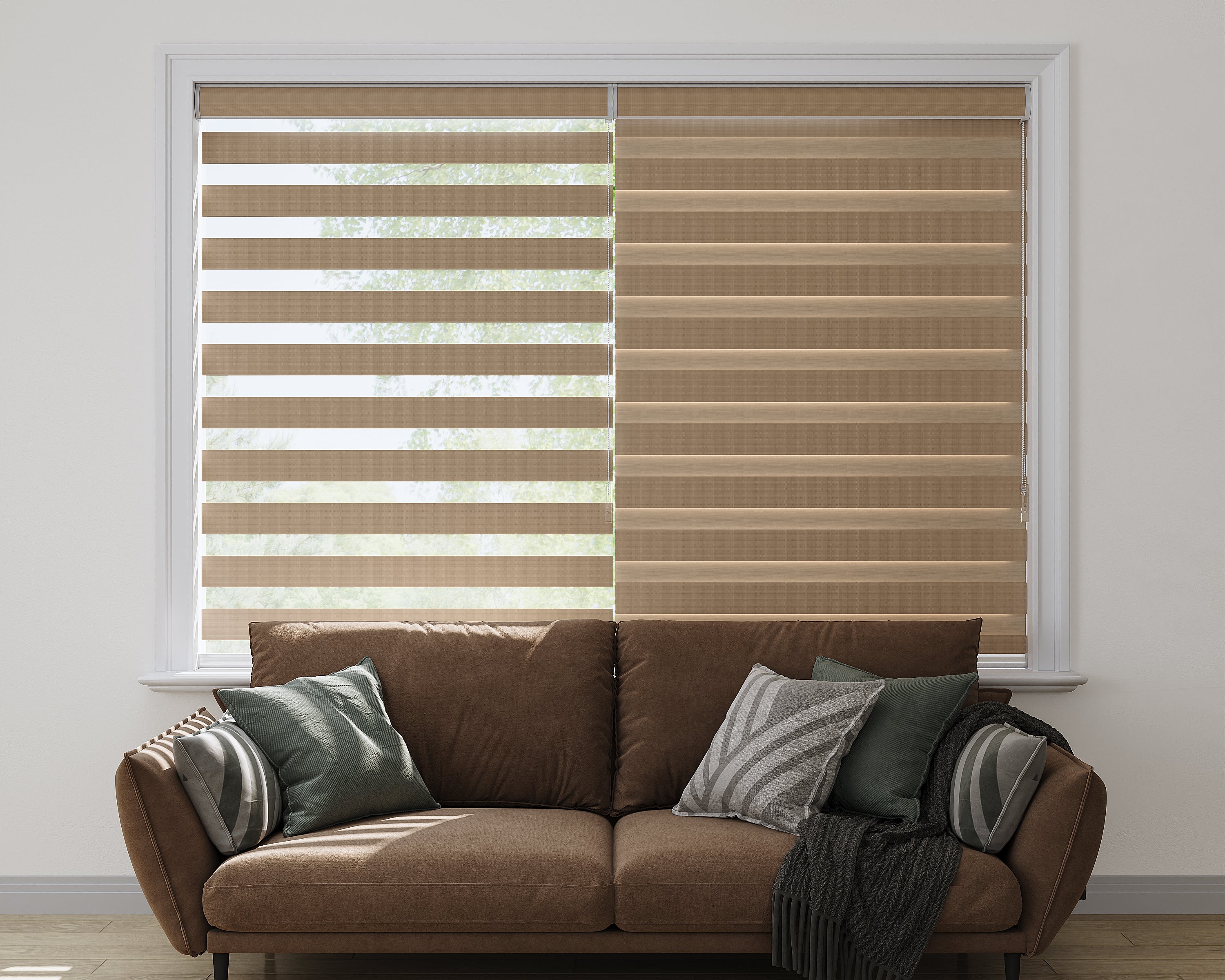
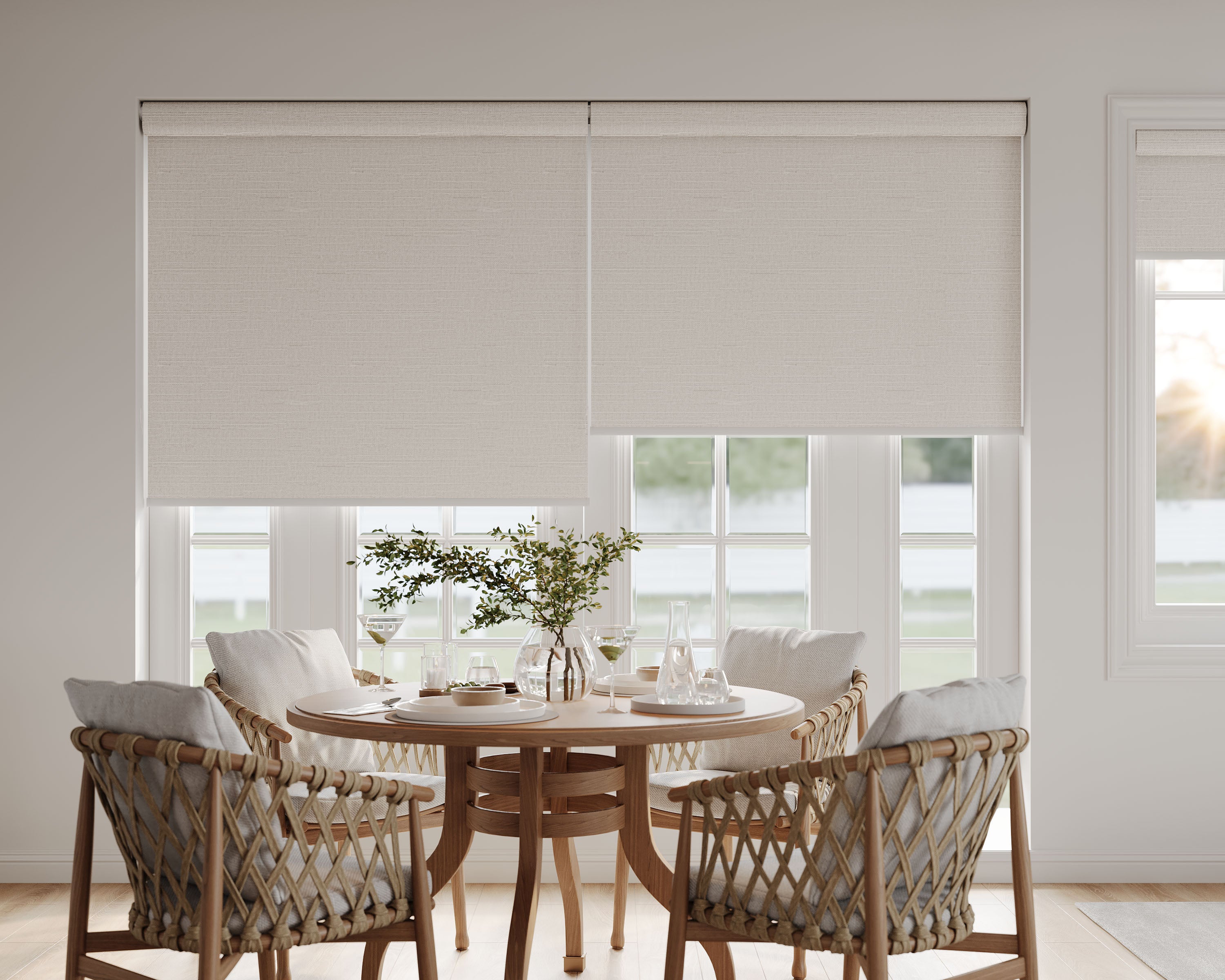


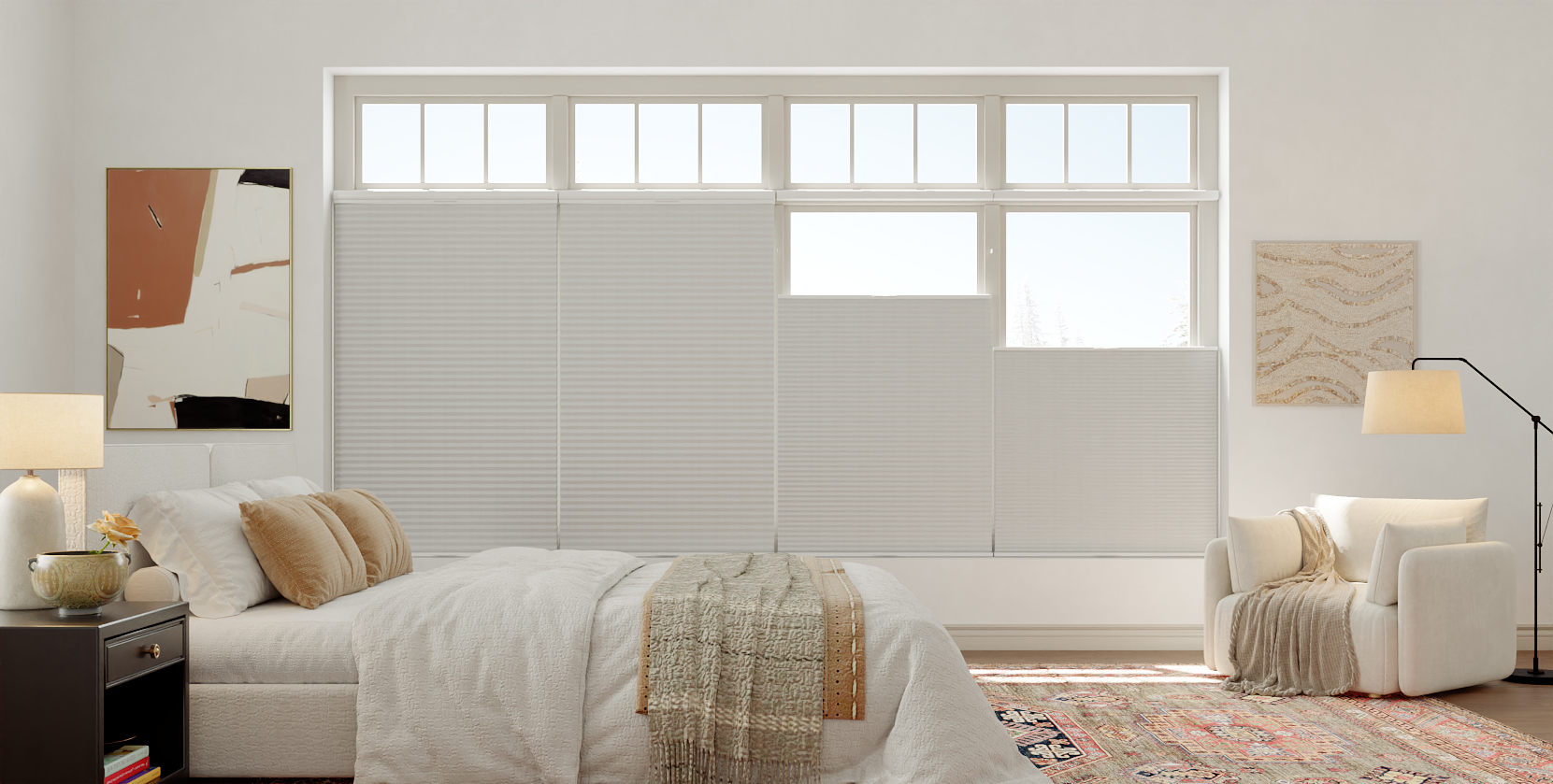


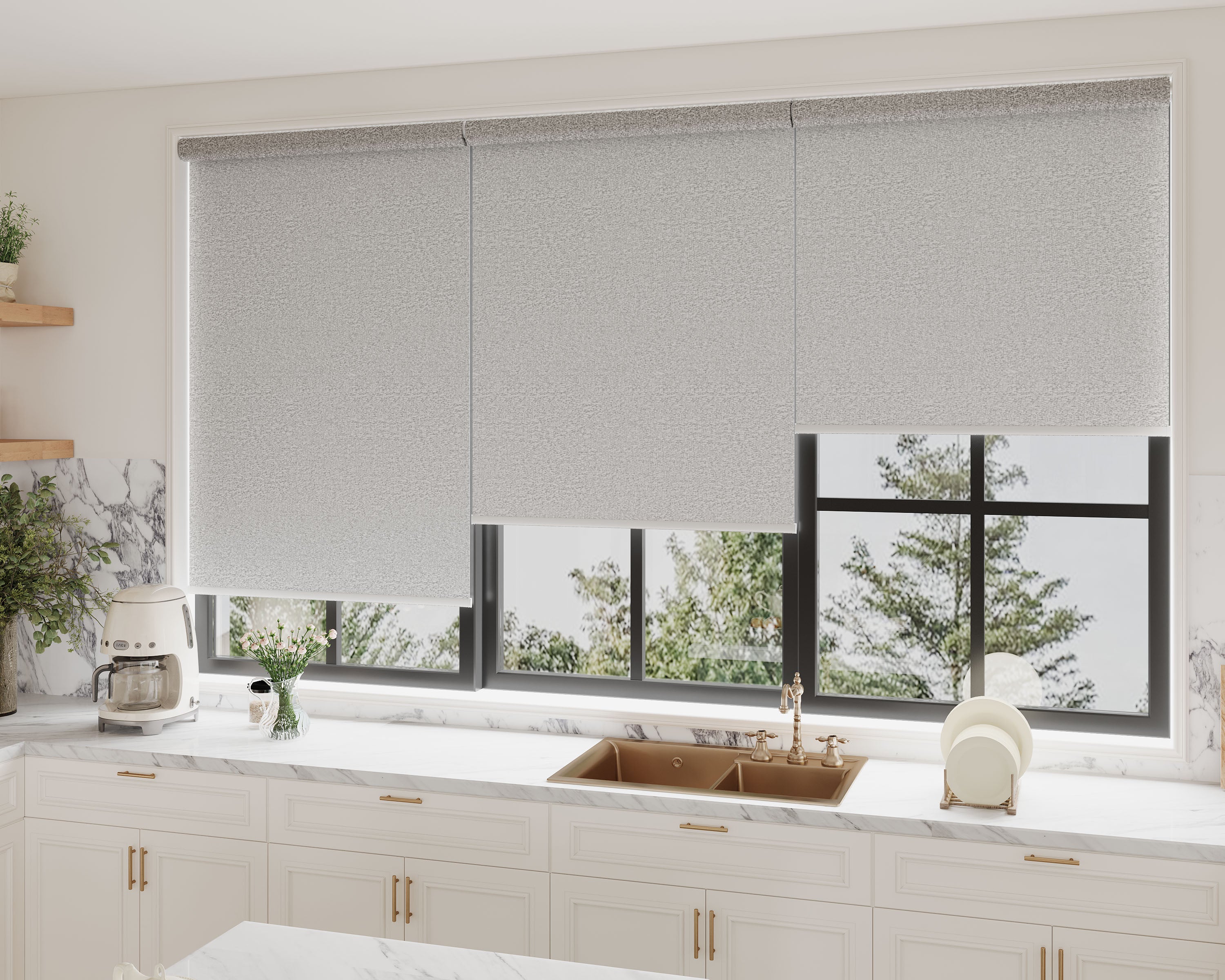

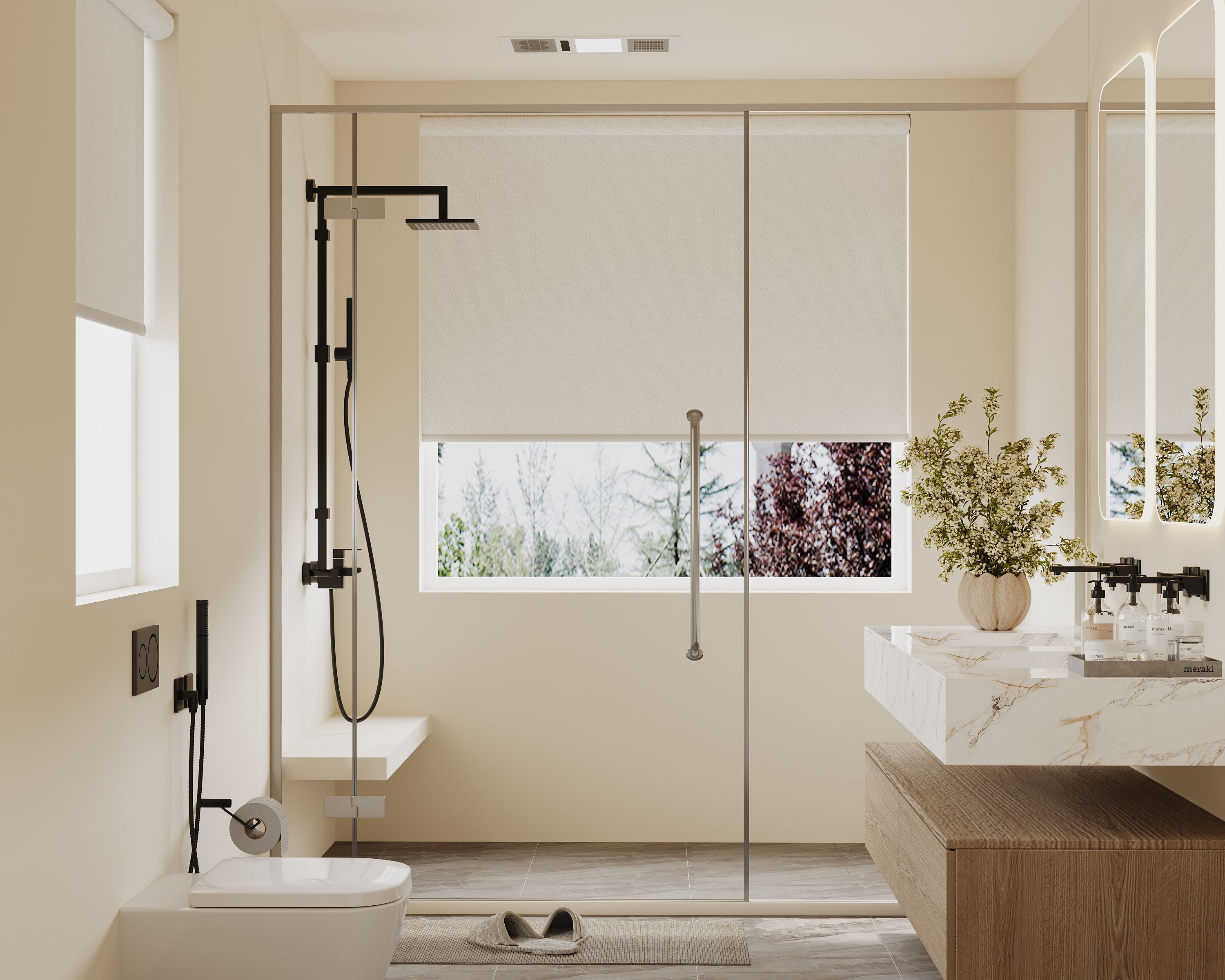


Yes, zebra shades are an outstanding choice for large picture windows, but their successful implementation requires careful planning around width limitations, structural support, motorization, and fabric selection to ensure both beauty and functionality at scale. Their clean, contemporary lines and adjustable light control are perfectly suited to highlight expansive views, but standard residential specs must be upgraded to handle the unique demands of wide spans. To begin exploring the scalable options, view our collection of wide-width capable zebra blinds and shades.
This definitive guide provides the master-level detail required to execute a flawless installation on your large-scale windows. Here is everything you will learn:
-
A technical breakdown of width limitations and structural reinforcements, including maximum unsupported spans, the necessity of center supports or side channels, and how fabric weight (GSM) impacts stability on wide rollers.
-
A comprehensive comparison of installation approaches: single continuous shade versus multiple separate shades, analyzing the aesthetic, functional, and cost implications of each for your specific window.
-
The critical role of motorization and smart controls for large windows, detailing systems designed for heavy fabrics, battery life considerations, and programming strategies for grouped shades.
-
Specialized fabric selection criteria for large areas, focusing on opacity consistency, color uniformity across seams, and enhanced durability to resist sagging and wear.
-
Professional installation protocols and long-term maintenance plans for oversized shades, covering reinforcement of mounting points, alignment of multiple units, and safe cleaning techniques.
By the end, you will possess the knowledge to collaborate effectively with designers and installers, ensuring your large picture windows are adorned with zebra shades that are as reliable and high-performing as they are stunning.
Why Zebra Shades Excel for Large Picture Windows
Large picture windows are architectural features designed to frame views and flood interiors with light. Zebra shades complement this intent perfectly with a unique set of advantages that other treatments often compromise.
-
Unobtrusive, Modern Aesthetics: When fully raised, zebra shades disappear into a compact, sleek headrail, preserving the clean lines and uninterrupted glass that make picture windows so appealing. Unlike bulky drapes or multi-corded blinds, they don't visually clutter the view.
-
Precise, Zoned Light Control: Large windows can create overwhelming glare and solar heat gain. Zebra shades allow you to modulate light with incredible precision. You can adjust the bands to darken the entire window, filter light evenly, or even create gradients of light and privacy across the pane. This is far superior to the "all-or-nothing" approach of many shades, allowing you to manage light without constantly raising and lowering the entire unit.
-
Space Efficiency and Streamlined Look: Their roller design means zero floor or wall space is consumed outside the window's footprint. For large windows that often define a room, this maintains an open, uncluttered feel.
-
Enhanced Privacy with a View: The ability to align the opaque bands for privacy while keeping the sheer bands aligned elsewhere means you can obscure unwanted sightlines (e.g., a neighbor's house) while preserving desirable views (e.g., a treeline or sky), a crucial feature for ground-floor great rooms.
Technical Challenges and Engineering Solutions for Wide Spans
Implementing zebra shades on large windows moves the project from a simple decor update to a technical installation. Understanding these challenges is key to a successful outcome.
Width Limitations and Structural Support Systems
The core challenge is preventing the shade fabric from sagging or bowing in the middle over a wide span, and ensuring the roller tube can support the weight without deflection.
-
Maximum Width Guidelines: While standard zebra shades may be offered up to 120 inches wide, performance and stability are best under 96 inches (8 feet) for a single, unsupported roller. Beyond this, structural aids are necessary.
-
Center Support Brackets: For single shades between 96 and 144 inches wide, a center support bracket is mandatory. This is a third bracket installed at the midpoint of the headrail, with a bearing that the roller tube rests on. It prevents the tube from bending under the weight of the fabric.
-
Side Channels (Track Systems): For ultimate stability on any large shade, or for shades over 144 inches, side channels are recommended. These are U-shaped tracks installed on either side of the window that the edges of the shade fabric glide within. They completely eliminate side-light gaps, prevent fabric sway in drafts, and provide critical support for the full height of the shade, making them ideal for extra-tall picture windows.
The Single Shade vs. Multiple Shades Decision
For very wide windows, you must choose between one continuous shade or multiple, independently operated shades placed side-by-side.
Single vs. Multiple Shade Installation for Large Windows
| Consideration | Single Continuous Shade | Multiple Adjacent Shades |
|---|---|---|
| Aesthetics | Clean, seamless, monolithic look. No gaps or breaks in the fabric. | Visible seams or small gaps between shades. Can look more residential or segmented. |
| Function & Control | Uniform operation across the entire window. One control point. | Zoned control. You can adjust each shade independently (e.g., shade the side with afternoon sun, leave the other open). |
| Structural Demands | High. Requires a heavy-duty roller tube, likely a center support, and a powerful motor. | Lower. Each shade handles a smaller, manageable width. Uses standard components. |
| Cost | Higher due to custom wide-width hardware, stronger motor, and potential for reinforced fabric. | Can be comparable or lower, as it uses multiple standard units. Motorization costs multiply, however. |
| Risk of Failure | A single mechanism failure disables the entire window covering. | Redundancy; if one shade fails, the others remain operational. |
| View When Open | Headrail is a single, long block. | Multiple stacked headrails can create a more noticeable visual bar when all are raised. |
The Imperative of Motorization
For large picture windows, motorization transitions from a luxury to a practical necessity.
-
Ease of Operation: Manually operating a large, heavy shade is difficult and strains the mechanism. A motor provides smooth, effortless control.
-
Grouped Control: For multiple shades, a single remote or app can control all units simultaneously, creating a unified look, or they can be grouped logically (e.g., all left shades, all right shades).
-
Integration with Automation: Large windows are major contributors to a home's thermal load. Motorized shades can be scheduled to lower during peak heat gain or integrated with smart thermostats for energy savings. This level of automation is explored in our guide to practical IFTTT automations for self-adjusting shades.
-
Motor Specifications: For wide or heavy shades, specify a high-torque, tubular motor designed for large rollers. Battery life should be calculated for the larger size; hardwired power is often the most reliable solution for permanent, maintenance-free operation.
Fabric Selection and Specification for Scale
The fabric choice for a large window is amplified in its impact. Imperfections or performance issues are far more noticeable across a vast expanse.
-
Prioritize High GSM and Dimensional Stability: To resist sagging on wide rolls, select a fabric with a high GSM (grams per square meter). Fabrics rated 300 GSM and above offer the necessary body and durability. The fabric must be 100% polyester for superior dimensional stability, ensuring it doesn't stretch or warp over time, which would cause band misalignment. This is a core principle of selecting the most durable zebra shade fabrics.
-
Ensure Color and Opacity Consistency: On a single large shade or across multiple adjacent ones, any variation in dye lot or weave density will be glaringly obvious. Insist on fabrics from a single production run and request that adjacent shades for one window are cut sequentially from the same fabric roll. For multiple shades, consider ordering a slight overlap or using a vertical mast between shades to conceal any potential gap or color shift.
-
Choose Opacity Based on Climate and Room Use: The opacity of the solid bands determines the shade's functional impact on a large scale.
-
Light Filtering: Maintains a bright, airy feel and preserves outside views when privacy isn't needed. Ideal for windows focused solely on scenery.
-
Room Darkening: Provides greater glare control and heat rejection. Essential for media rooms, bedrooms, or west-facing windows. The performance difference is significant, as detailed in our analysis of lab-tested differences between room darkening and blackout shades.
-
Installation, Maintenance, and Long-Term Performance
The final execution determines the long-term success of the project. Cutting corners during installation is not an option with large-scale shades.
Professional Installation: A Non-Negotiable Requirement
This is not a DIY project. Professional installers will:
-
Verify Structural Integrity: Ensure the wall or window framing can support the significant weight of a large, motorized shade system, using appropriate anchors or reinforcing the header.
-
Achieve Perfect Alignment: Install the headrail perfectly level and, for multiple shades, ensure all headrails are aligned at the exact same height. Even a slight deviation is magnified over a wide window.
-
Configure Motor Systems: Properly install and pair motors, set limit stops accurately, and integrate controls into your home network if desired.
Maintenance Protocols for Large Formats
-
Cleaning: Large shades present a greater surface area for dust. A vacuum with a soft, long-handled brush attachment is essential. For spot cleaning, work in sections. Never fully retract a dirty shade, as this will grind debris into the roller.
-
Operational Checks: Periodically listen for changes in motor sound (indicating strain) and observe the shade for any developing bow or uneven movement. Address minor issues immediately to prevent major failures.
-
Battery Management: For battery-powered motors on large shades, expect a shorter charge cycle (potentially 3-6 months). Use the app's battery alerts diligently.
Conclusion: Transforming Scale into an Asset with Informed Choices
Large picture windows offer a transformative connection to the outdoors. Zebra shades, when correctly specified and installed, are the ideal partner—enhancing functionality without diminishing the window's architectural impact.
The path to success is one of informed specification: acknowledging width limits and employing center supports or side channels, embracing motorization as a functional requirement, selecting heavy-duty and consistent fabrics, and investing in professional installation. By treating the large window as a custom project rather than a simple product order, you ensure the final result is a seamless, reliable, and beautiful enhancement to your home for years to come.
For spaces like great rooms or home offices defined by large windows, the benefits of precise light control are maximized, making zebra shades a highly suitable and effective choice.
Key Highlights
-
Zebra shades are aesthetically ideal for picture windows but require technical upgrades for spans over 8 feet, such as center supports or side channels.
-
The choice between a single shade or multiple units balances seamless looks against zoned control and easier mechanics.
-
Motorization is essential for practical operation and can be integrated into home energy management systems.
-
Fabric selection must prioritize high GSM (300+) and color consistency to prevent sagging and ensure a uniform appearance.
-
Professional installation is critical for structural safety, perfect alignment, and long-term reliability of the system.
Explore Custom Zebra Shades


Frequently Asked Questions (FAQ)
What is the absolute maximum width for a single zebra shade?
While some manufacturers may build up to 180 inches (15 feet), this is an extreme exception requiring massive custom hardware. The practical, reliable maximum for a residential setting is 144 inches (12 feet), and only with a center support bracket and a commercial-grade motor. For most homes, designing a solution with multiple shades for widths over 10 feet provides better performance, easier service, and more control.
Can zebra shades be installed on floor-to-ceiling or two-story windows?
Yes, but this involves significant customization. For extreme heights, a bottom-up motorization system or a dual-roll system (one shade lowering from the top, another rising from the bottom) may be required to manage the fabric's weight and roll length. Side channels are absolutely mandatory to keep the fabric stable over such a long drop. These projects require close collaboration with a specialty manufacturer and installer.
How do I control multiple motorized zebra shades on one large window bank?
High-quality systems allow for grouping or "scening." You can program a single remote button or voice command to operate all shades on the window wall simultaneously. Alternatively, they can be grouped logically (e.g., "Left Bank" and "Right Bank") in an app. The key is ensuring all shades' motors are from the same compatible product family, using a system like Wi-Fi or centralized radio frequency for unified control.
Will a large zebra shade block my view when fully retracted?
The view blockage is limited to the headrail's profile, which is typically 2-3 inches tall. For a truly minimalist look with multiple shades, request "stacked" headrail brackets that allow the rollers to be installed directly side-by-side, minimizing the gap between shades and creating a more continuous bar when open. This is a detail your installer should manage.
