
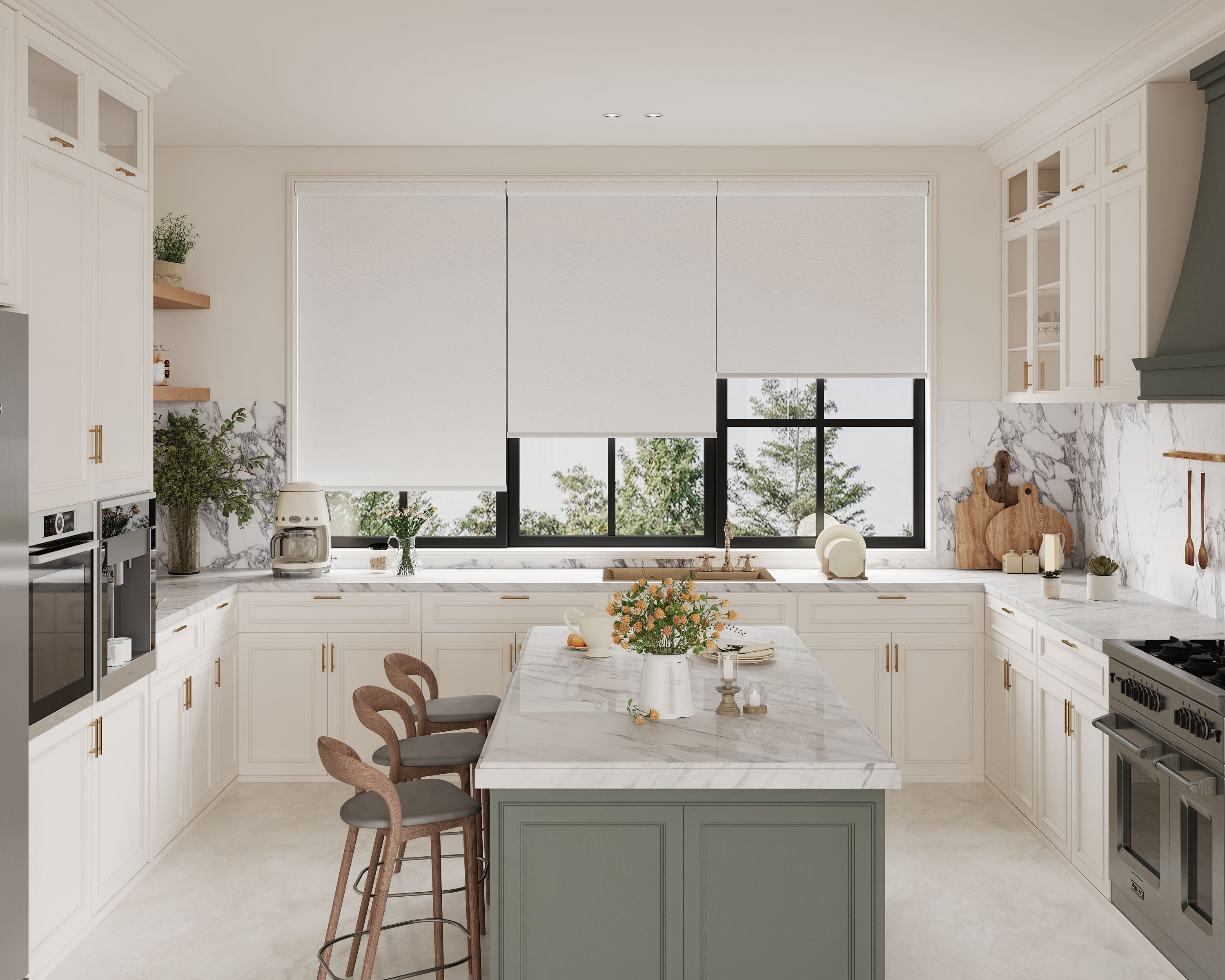
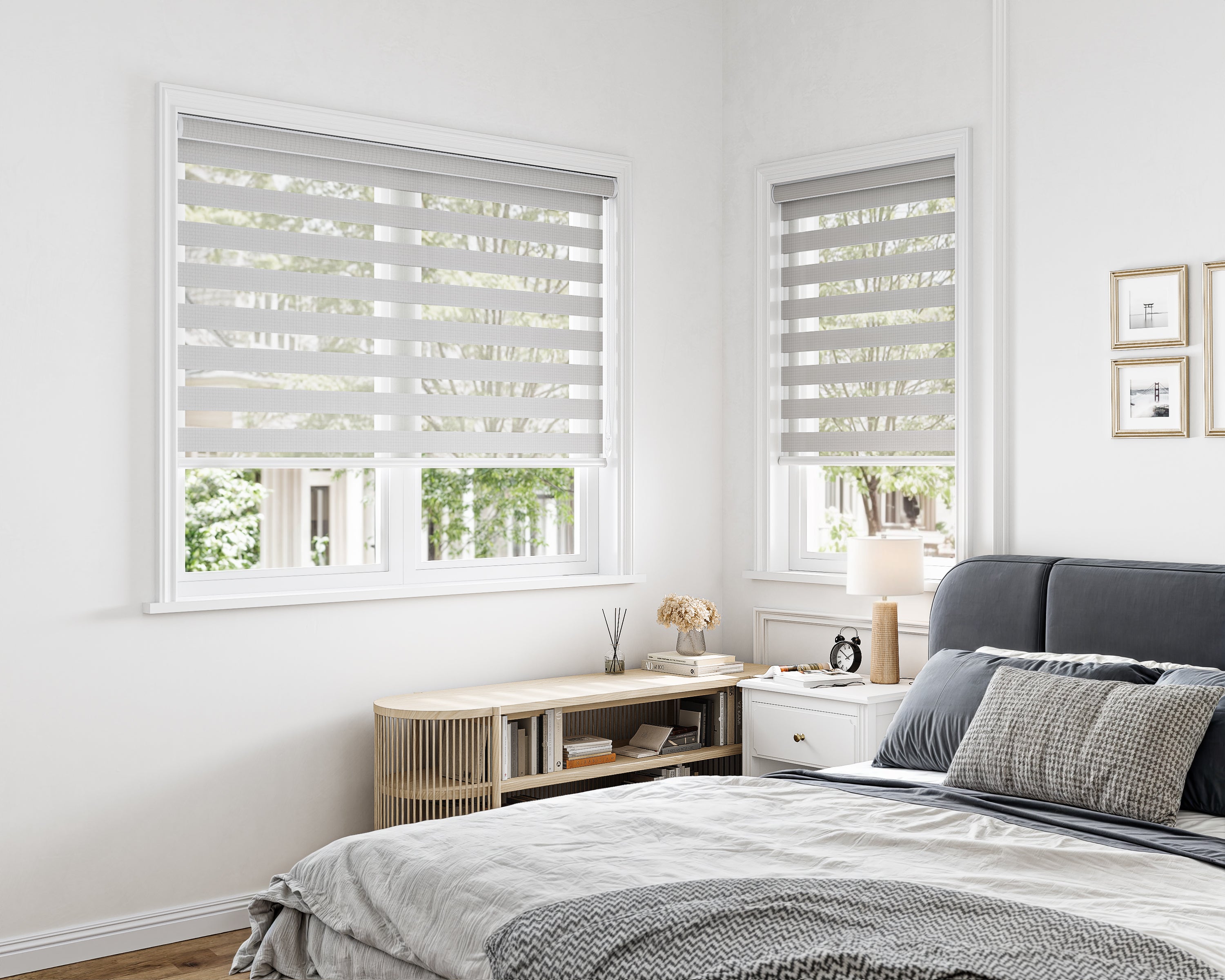
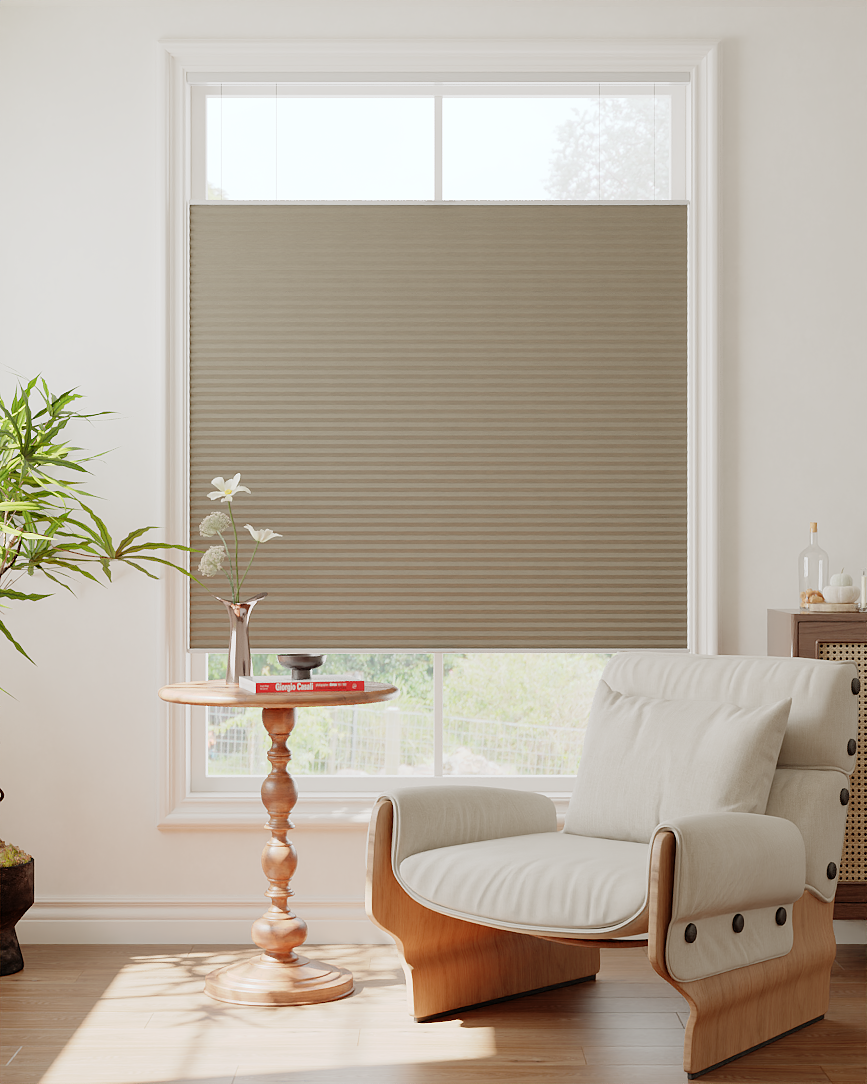
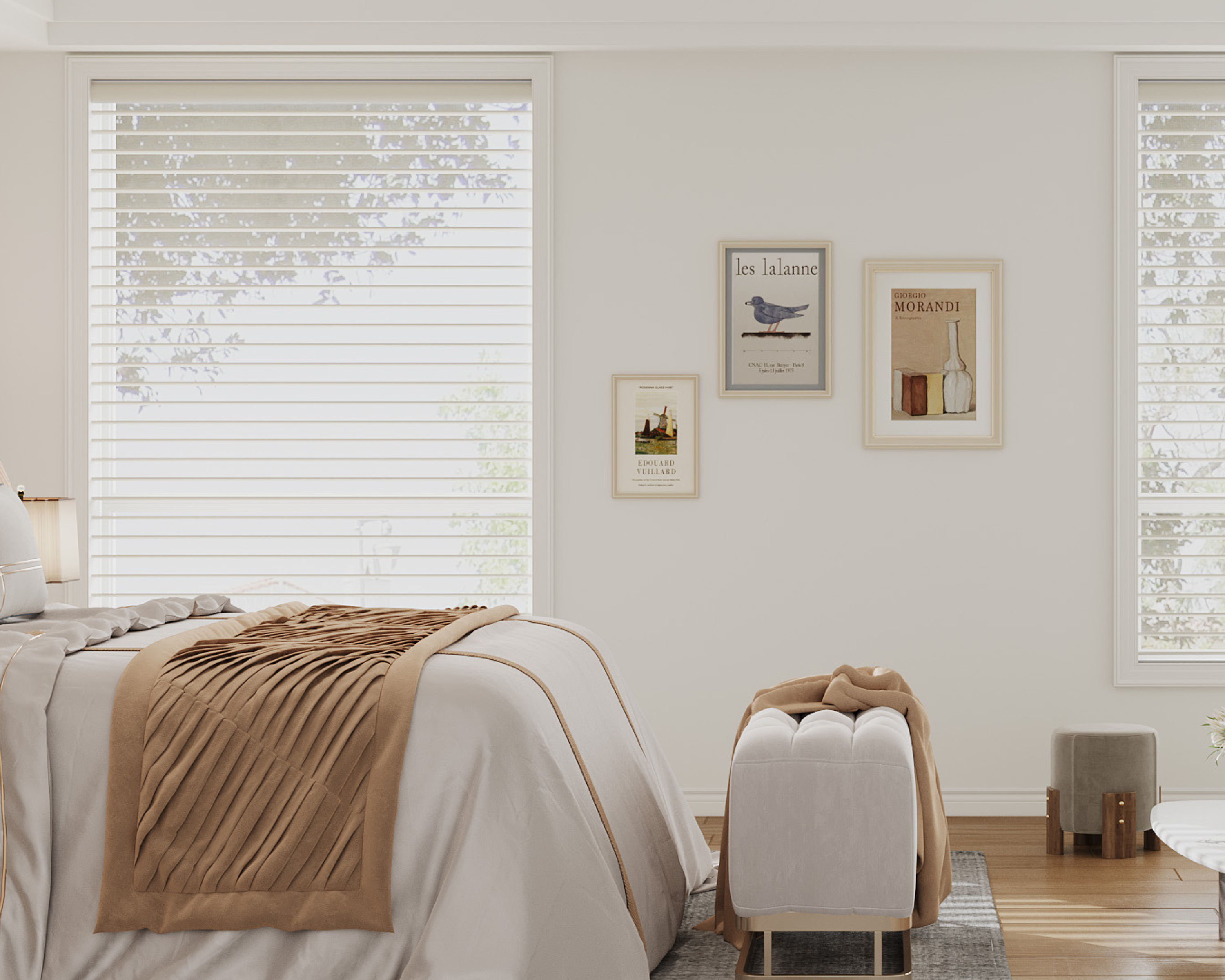
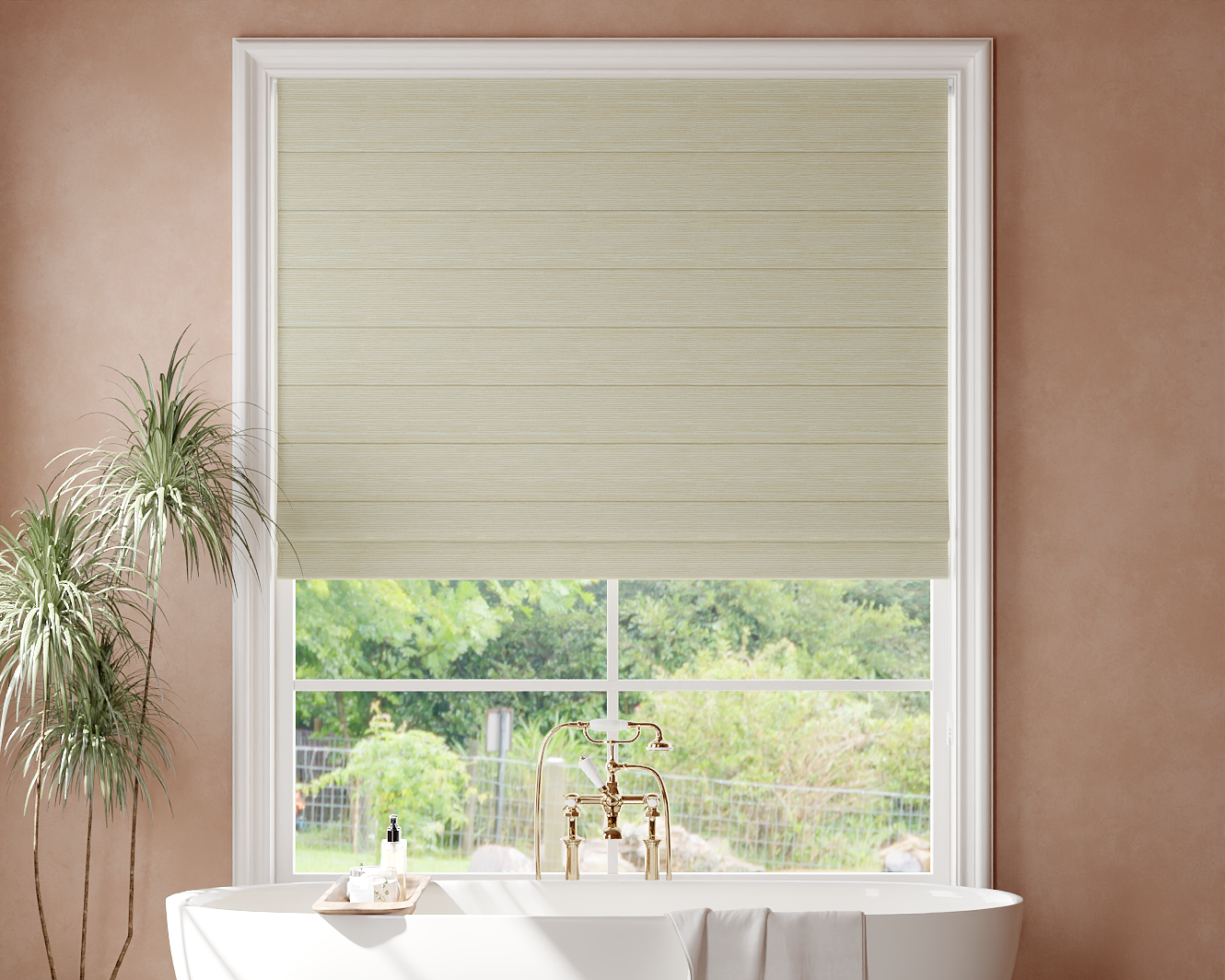
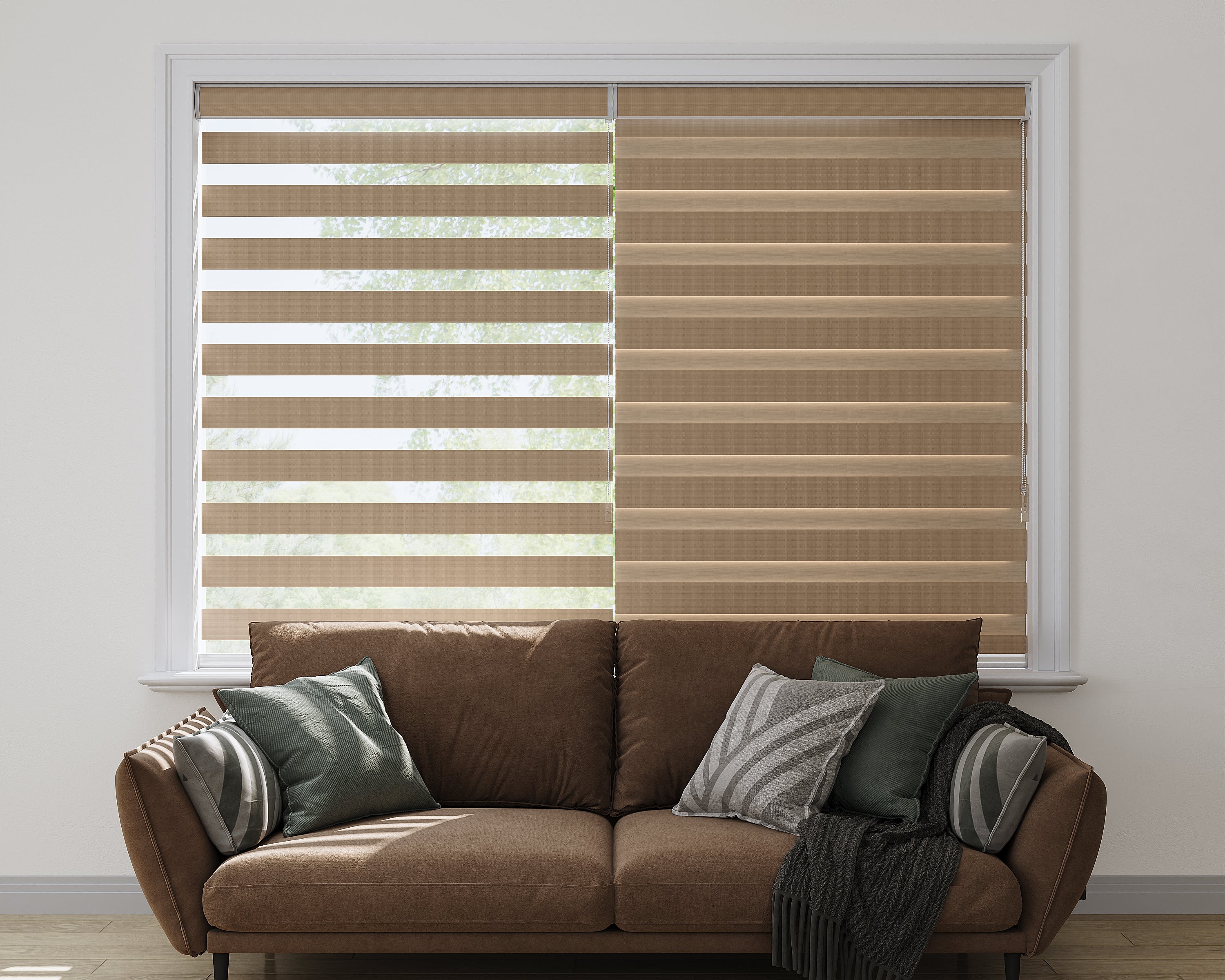
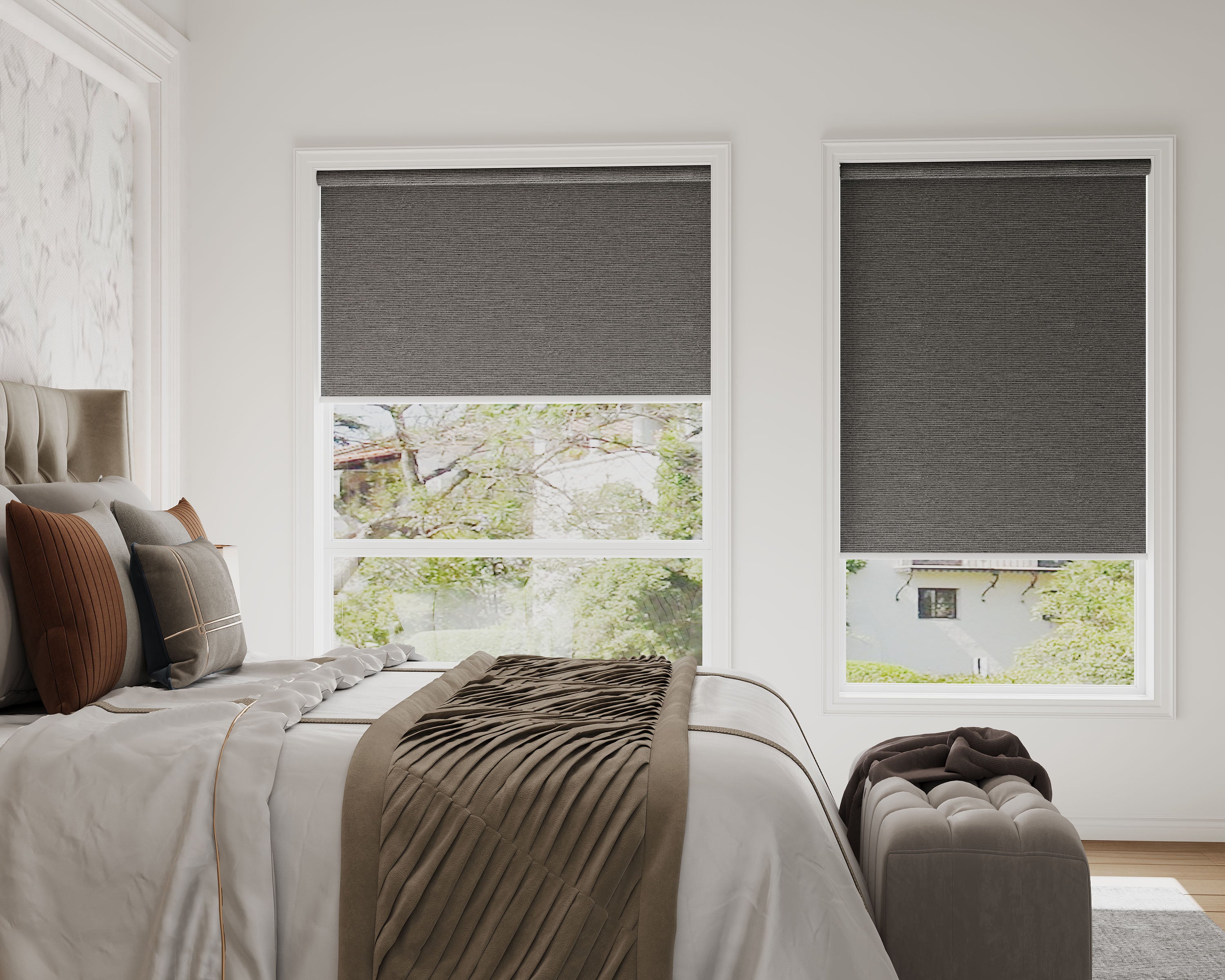
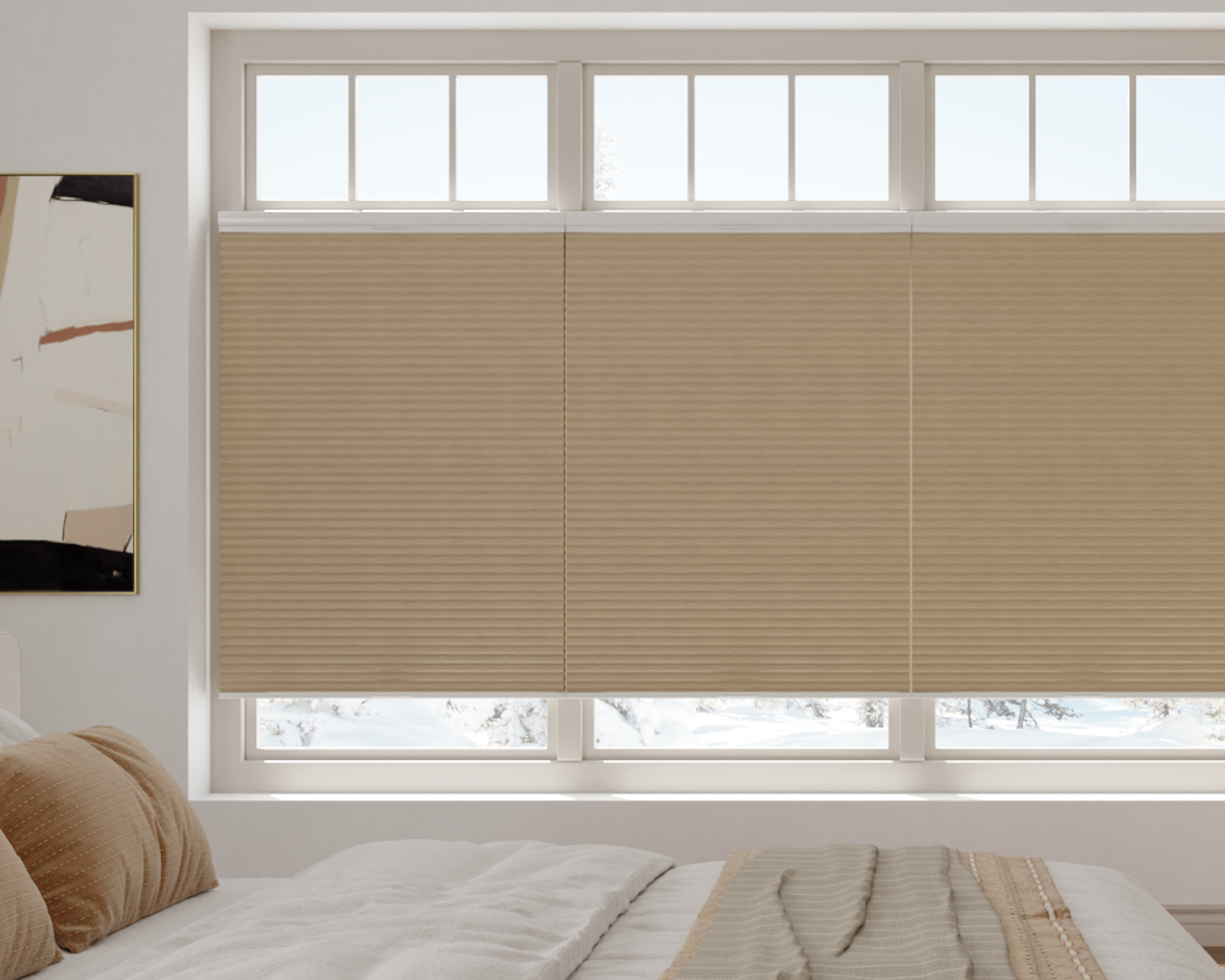
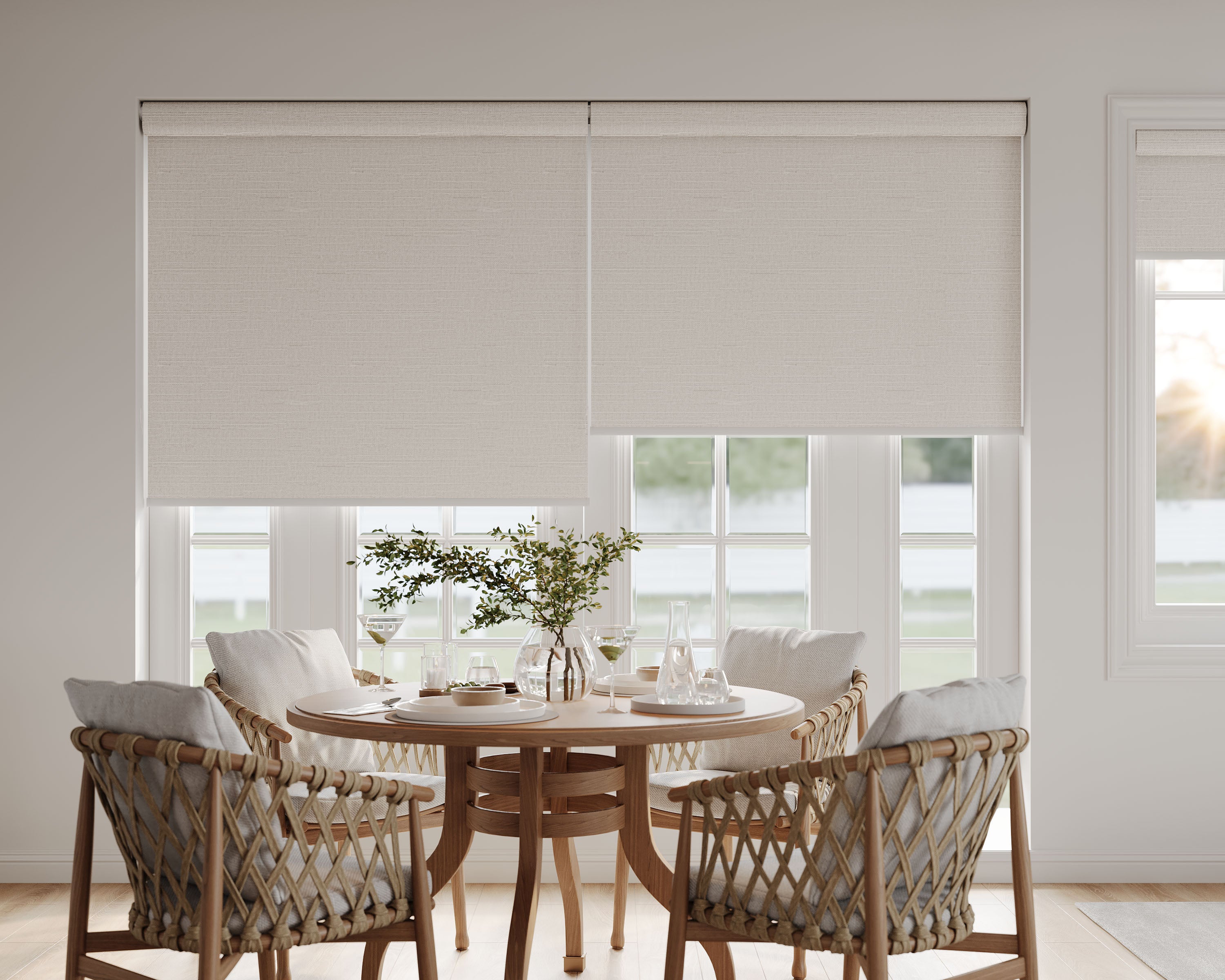


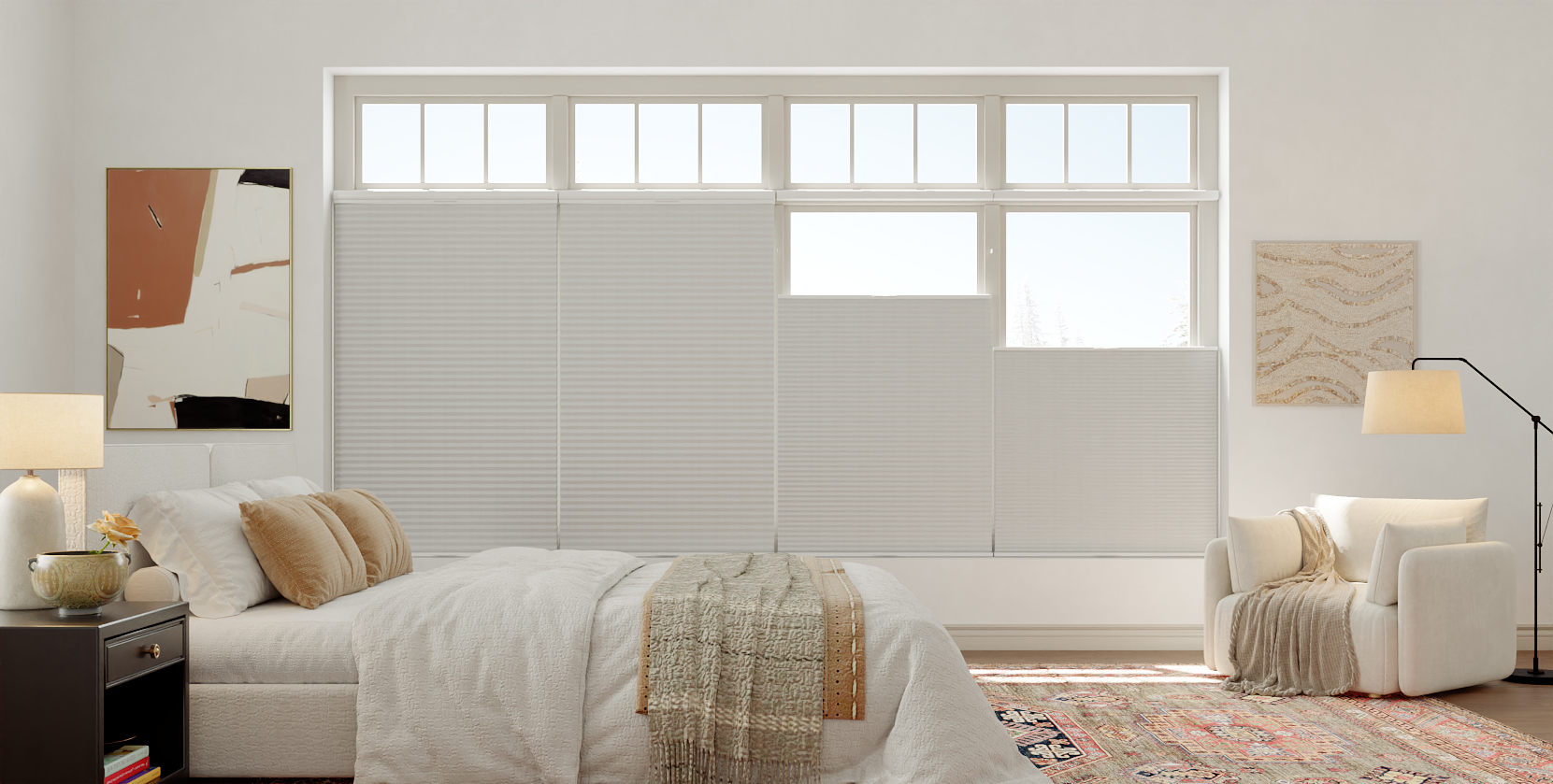


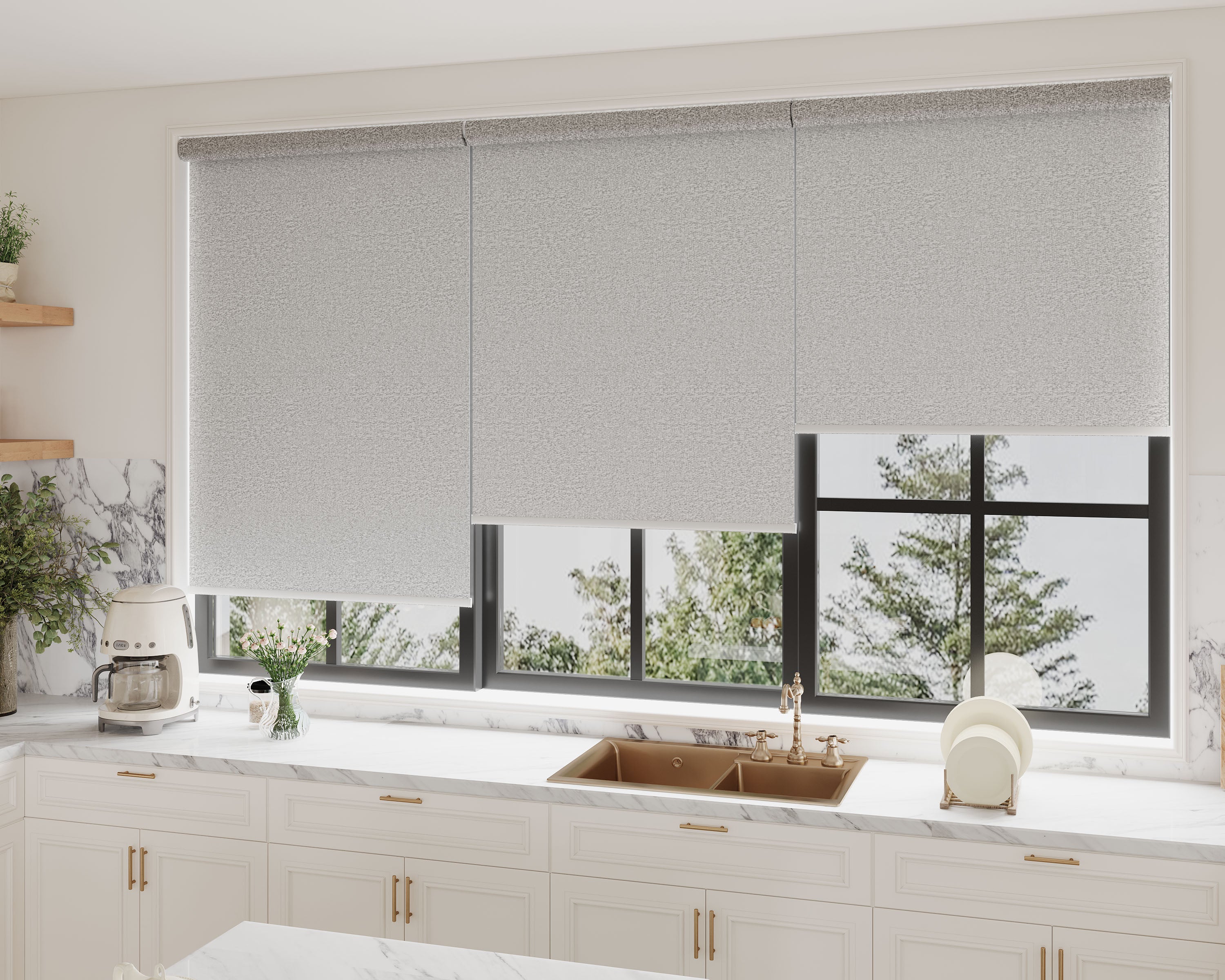

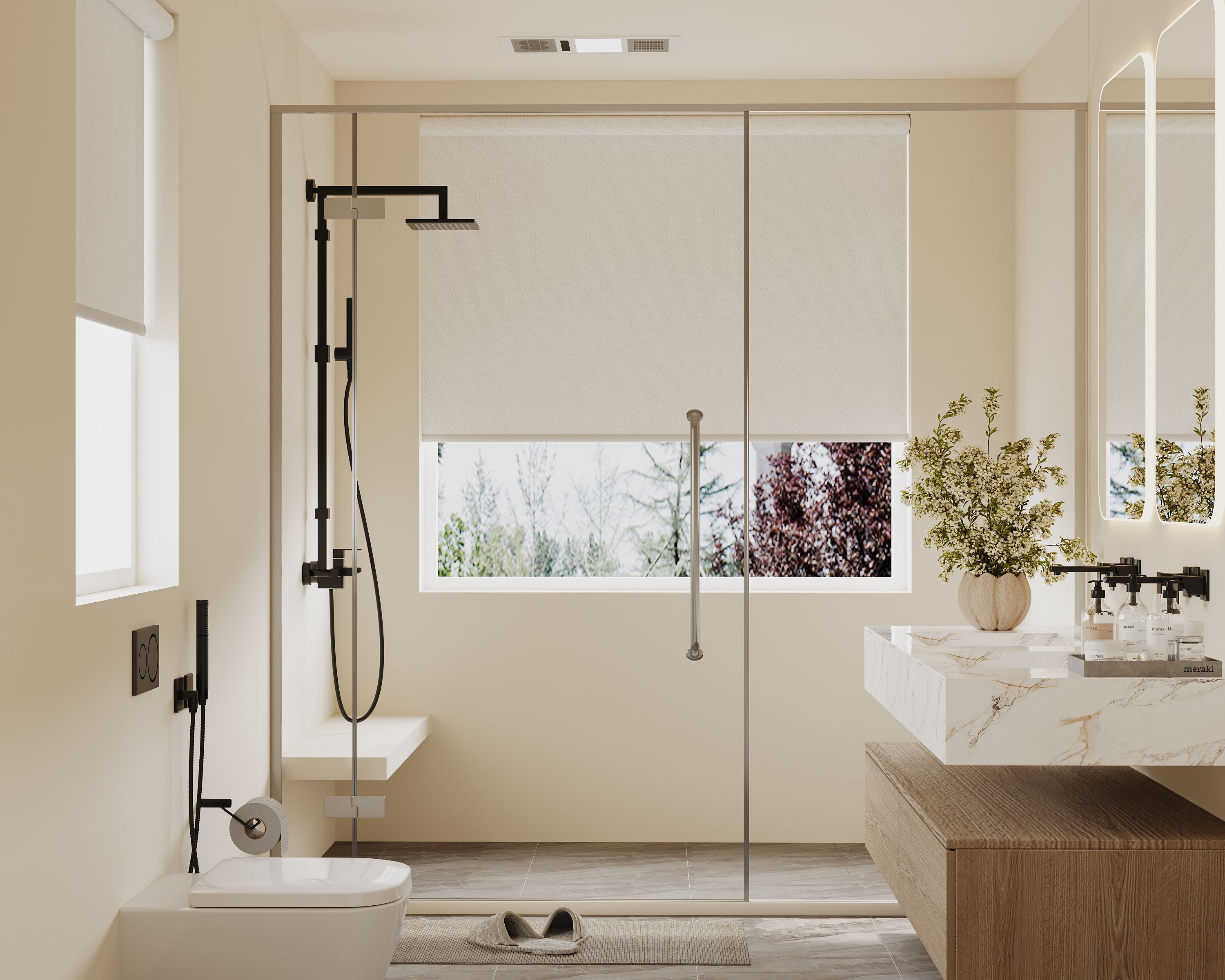


Yes, zebra shades are an excellent and functional choice for sliding glass doors when selected and installed with the specific challenges of large, high-traffic openings in mind. Their streamlined look and adjustable light control are ideal for patio doors, but success requires solutions for extra-wide spans, safe and easy operation, and durable installation that doesn't interfere with door function. To see the foundation for these custom solutions, explore our collection of wide-format zebra blinds and shades.
This definitive guide provides all the engineering and practical knowledge needed for a flawless sliding door installation. Here’s what you’ll learn:
-
A complete analysis of the unique challenges posed by sliding glass doors, including width, operation frequency, safety, and clearance.
-
A detailed comparison of installation methods: standard mount, bypassing systems, and top-down configurations, with clear guidance on the best choice for your layout.
-
The critical evaluation of operation mechanisms, making a compelling case for why motorization is nearly essential for convenience and safety on wide doors.
-
Specialized fabric and hardware specifications for durability against frequent use, pet interaction, and high sun exposure.
-
Step-by-step planning for professional installation, covering precise measurement, structural support, and integration with door handles and tracks.
By the end, you will be equipped to design a zebra shade solution for your sliding door that is beautiful, robust, and a daily pleasure to use.
The Sliding Glass Door Challenge: Why Standard Solutions Fall Short
Sliding glass doors are not just large windows; they are active architectural portals with unique demands. A standard window treatment approach will fail here. The core challenges that must be addressed are:
-
Exceptional Width: Sliding doors are often 6 to 12 feet wide or more, exceeding the stable limits of a single roller shade without reinforcement.
-
High-Frequency Operation: These doors are primary entries to patios and yards. Any treatment must accommodate constant access without becoming an obstacle.
-
Safety Imperative: The area is high-traffic for families, children, and pets. Cords are an absolute hazard, and the shade mechanism must be secure.
-
Clearance and Interference: The shade cannot block the door's sliding path, interfere with the handle, or prevent a screen door from closing.
-
Environmental Exposure: Often facing south or west, the fabric faces intense UV exposure and potential weather contact if doors are frequently open.
Core Installation Strategies for Sliding Glass Doors
The installation method is the most critical decision, as it determines functionality, aesthetics, and ease of use. There are three primary approaches.
1. Standard Single or Multiple Shades (Most Common)
This involves mounting shades directly to the wall or ceiling above the door frame.
-
For doors up to ~100 inches wide: A single, extra-wide shade with a center support bracket is used to prevent roller tube sag.
-
For wider doors: Two or more separate shades are installed side-by-side. This is often preferable as it reduces mechanical strain on individual components and allows for zoned control (e.g., shading one side of the door where the sun hits).
Considerations:
-
When fully raised, the shade(s) will block a portion of the upper glass and natural light.
-
You must ensure the stack height (the amount of space the rolled-up fabric takes) does not obstruct the door's operation or handle.
-
Provides a clean, built-in look but requires you to raise the shade fully to access the door.
2. Bypassing or Overlapping Systems
For a truly seamless look with multiple shades, a bypassing track system allows two shades to overlap in the center when both are down, creating a single continuous cover. When opened, each shade stacks separately at its respective side.
Considerations:
-
Offers the most polished, drapery-like appearance for very wide doors.
-
Requires more complex hardware and precise installation.
-
Excellent for achieving a room-darkening or blackout effect across the entire door.
3. Top-Down/Bottom-Up Configuration
This advanced option, as detailed in our guide to top-down bottom-up zebra shades, is highly strategic for sliding doors. You can lower the shade from the top to control light and privacy while raising it from the bottom to maintain clear access to the door handle and allow pets or children to pass through without operating the full shade.
Considerations:
-
Maximizes flexibility and convenience for active households.
-
Is a premium custom feature with higher cost and more complex mechanics.
-
Ideal for situations where you want constant shade coverage but need frequent door access.
Sliding Glass Door Installation Method Comparison
| Method | Best For | Key Advantage | Key Consideration |
|---|---|---|---|
| Standard Single Shade | Standard-sized sliding doors (up to 8 ft). | Clean, simple, cost-effective solution. | Requires full raise for door access; width limited by roller strength. |
| Standard Multiple Shades | Wide or extra-wide sliding glass doors. | Zoned light control; uses standard components. | Visible seams between shades; multiple controls to operate. |
| Bypassing System | Ultra-wide doors where a seamless look is priority. | Creates a single, unbroken fabric panel across the door. | Most expensive; complex installation; requires careful planning. |
| Top-Down/Bottom-Up | Active households with frequent door access. | Unmatched flexibility; allows access without fully raising shade. | Premium custom product; requires motorization for best experience. |
The Operational Imperative: Why Motorization is Essential
For sliding glass door zebra shades, motorization transitions from a luxury to a core functional requirement. The arguments for manual operation weaken significantly here.
-
Safety & Child/Pet Friendliness: Eliminates all cords and chains. Operation is via remote, app, or voice command, creating a completely safe environment. This aligns with the highest modern cordless safety standards for window coverings.
-
Effortless Control of Large, Heavy Shades: Manually raising a wide, potentially heavy shade multiple times a day is inconvenient. A high-torque motor makes it effortless.
-
Unified Group Control: For multiple shades covering one wide door, a single command can synchronize them all to the same position, preserving a uniform appearance.
-
Integration with Home Automation: Motorized shades can be scheduled to lower at sunset for privacy or during the hottest part of the day to reduce cooling costs, turning them into an active energy-saving component. The underlying technology enabling this is explained in our guide to how smart shade connectivity works.
-
Accessibility: Provides easy control for all family members, regardless of height or strength.
Fabric and Hardware Specifications for Durability
The sliding door environment demands robust materials. Your selections should be guided by resilience.
-
Fabric Durability: Choose a fabric with a high GSM (300+) for added strength and resistance to sagging. A tight, 100% polyester construction is mandatory for stability. Given the high UV exposure, ensure the fabric has a UPF 50+ rating to prevent fading. For households with pets, selecting from the most durable zebra shade fabrics is a wise investment.
-
Opacity for Climate Control: Consider room-darkening fabrics if the door contributes to significant solar heat gain. The adjustable nature of zebra shades means you can block heat while still allowing some filtered light.
-
Hardware & Mounting: The headrail and brackets must be heavy-duty. For single wide shades, a center support is non-negotiable. All mounting should be into wall studs or with robust hollow-wall anchors to support the weight and potential wind load from door drafts. Professional installation is strongly recommended to ensure everything is perfectly level, secure, and aligned.
Conclusion: Creating a Seamless Indoor-Outdoor Experience
Zebra shades for sliding glass doors, when executed correctly, offer a perfect blend of indoor comfort and easy access to the outdoors. They solve the problems of glare and privacy without the bulk of curtains or the visual noise of vertical blinds.
The key to success is acknowledging the project's complexity. Prioritize safe, motorized operation, invest in professional installation to handle width and weight, and select heavy-duty fabrics and hardware designed for frequent use. By treating the sliding door as a specialized application, you invest in a solution that will enhance your living space functionally and aesthetically for years to come.
For rooms where the sliding door is a central feature, such as a great room or kitchen, this level of functional shading is as important as it is in a dedicated home office setting.
Key Highlights
-
Zebra shades are highly functional for sliding doors but require planning for width, access, and safety.
-
Motorization is strongly recommended for effortless, safe, and integrated control of large-format shades.
-
Installation method is critical: Choose from standard, bypassing, or top-down/bottom-up systems based on your door width, desired look, and access needs.
-
Specify for durability: High GSM polyester fabric, UPF 50+ rating, and reinforced hardware are essential for long-term performance.
-
Professional installation ensures proper alignment, secure mounting, and reliable operation of complex systems.
Explore Custom Zebra Shades


Frequently Asked Questions (FAQ)
How wide can a single zebra shade be for a sliding door?
While custom orders can go wider, the practical, reliable limit for a single motorized zebra shade is 120 inches (10 feet) with a center support bracket. Beyond this width, the physical forces on the roller tube and fabric increase significantly. For doors wider than 10 feet, using two (or more) separate shades is a more stable and serviceable solution.
Can the shade be installed so it doesn't block the door handle?
Yes, careful planning is required. You must provide the exact measurement from the top of the door frame to the top of the door handle to your designer. They will calculate the necessary "stack height" of the rolled shade and can often specify a low-profile headrail and bracket system to minimize the space used. In some cases, a top-down/bottom-up configuration is the best way to guarantee handle clearance.
Are zebra shades safe for homes with pets and sliding doors?
Yes, especially when motorized and cordless. The durable polyester fabric is typically scratch-resistant and easy to clean. The absence of cords prevents entanglement. It's important to train pets not to scratch at the bottom of the shade, and choosing a robust fabric will help it withstand occasional contact. The shade should be kept in a position where pets cannot run into it when it's lowered.
How do I clean zebra shades on a large sliding door?
Regular, gentle dusting with an extended-reach duster or a vacuum with a soft brush attachment is key. For a full clean, it's easiest to lower the shade completely and clean it in sections without retracting it, as retracting a dirty shade can grind debris into the roller. Use a mild, non-abrasive cleaner and a soft cloth, following the same gentle cleaning principles used for all layered fabrics. For very tall shades, you may need a small step ladder.
