
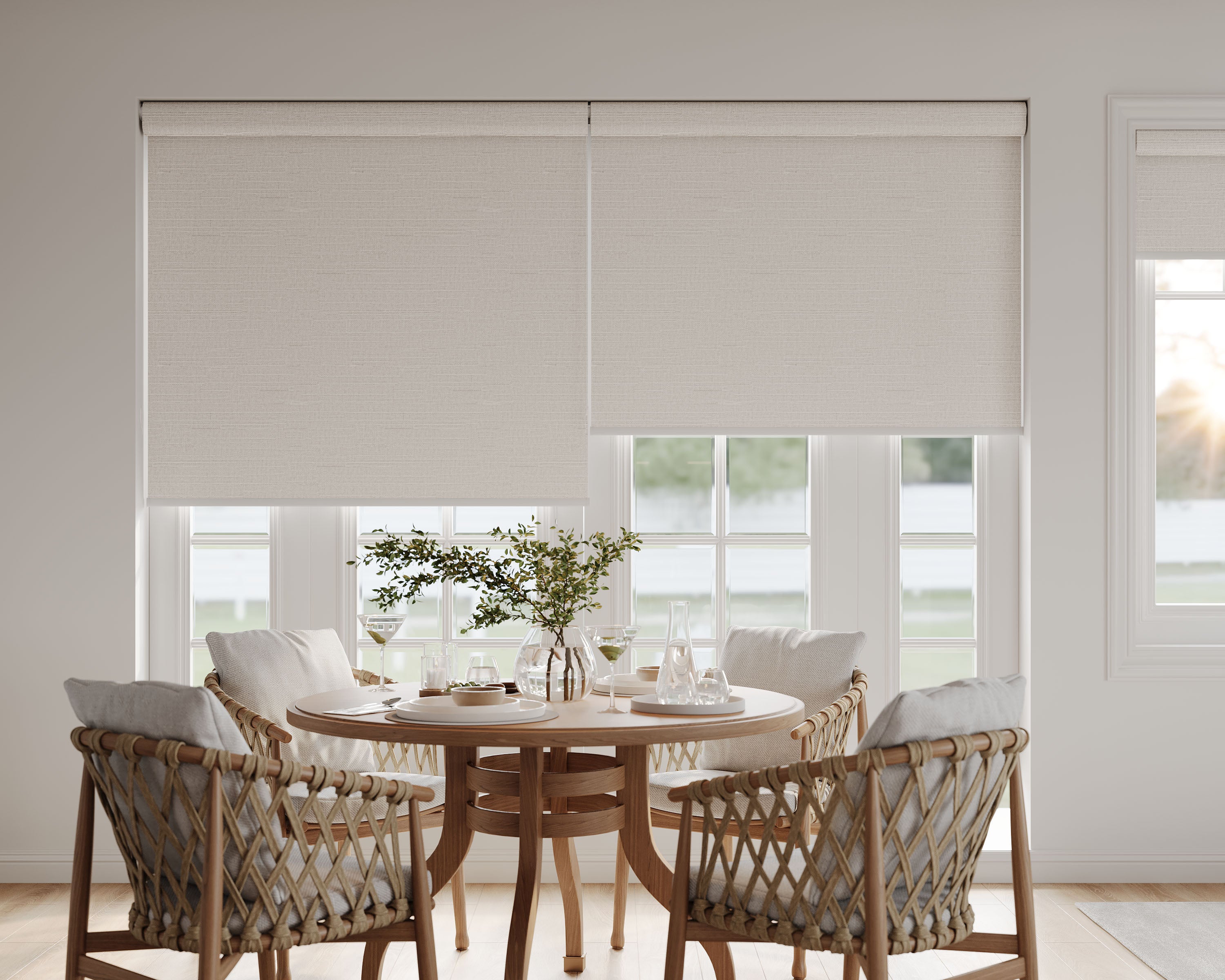


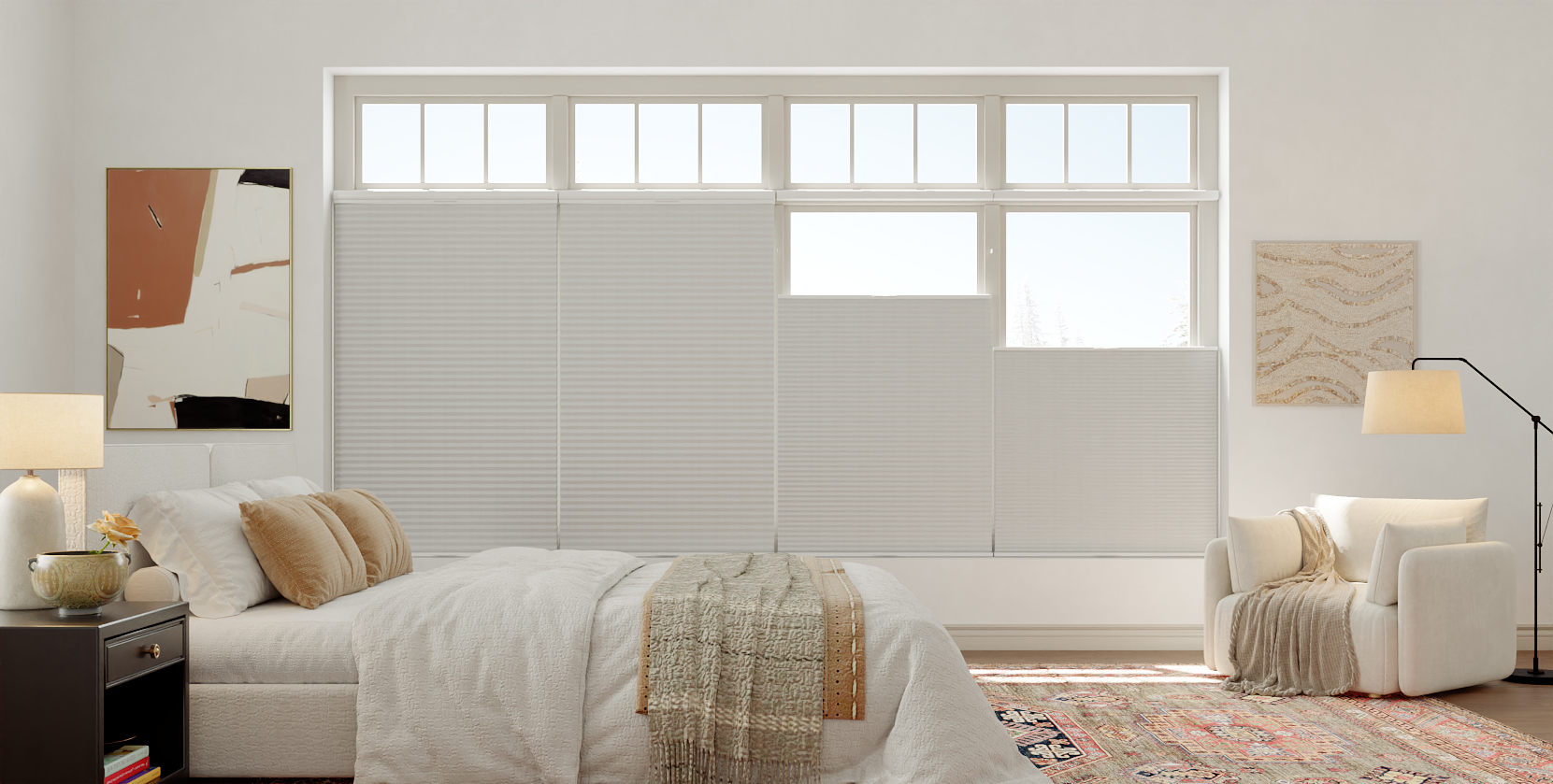


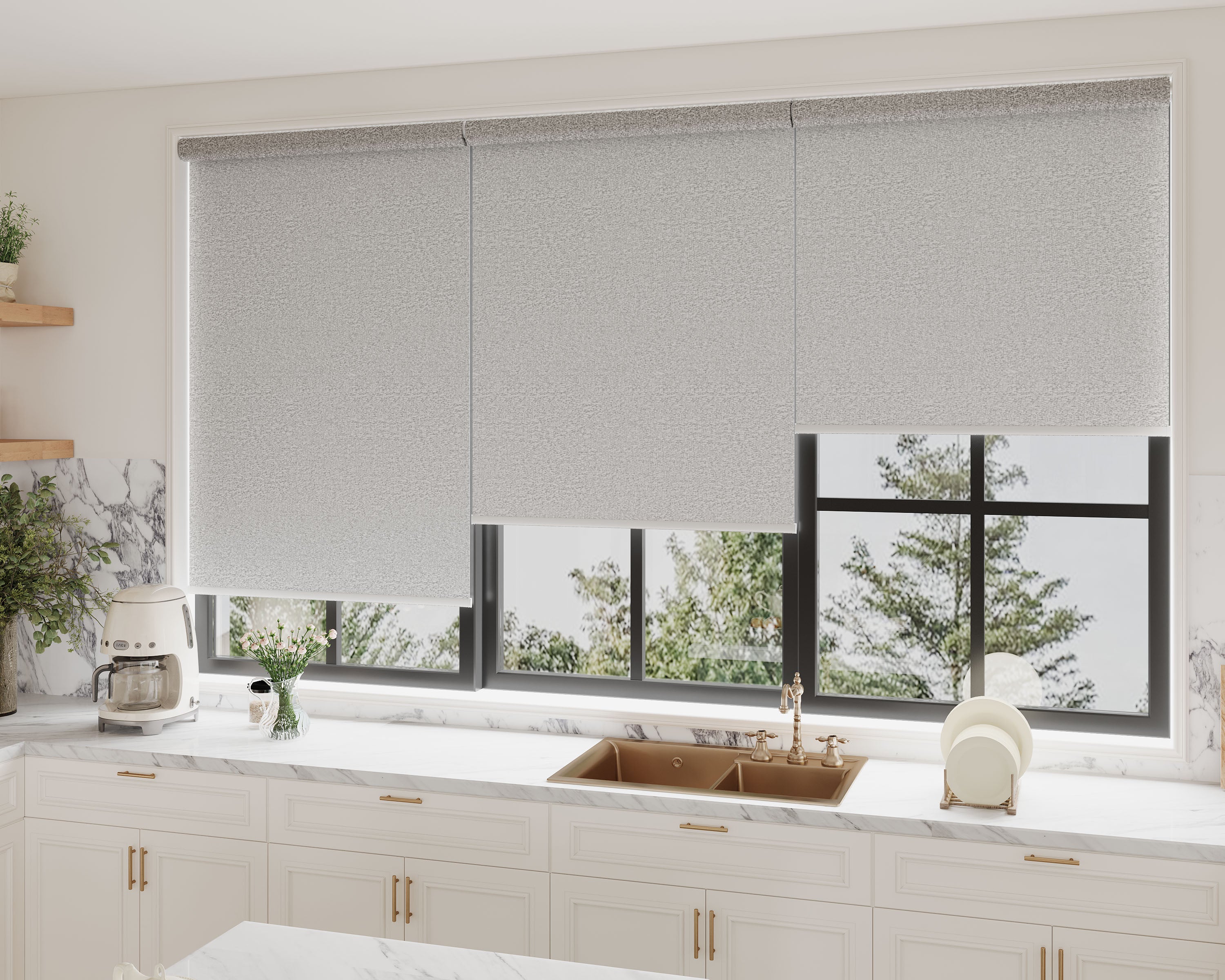

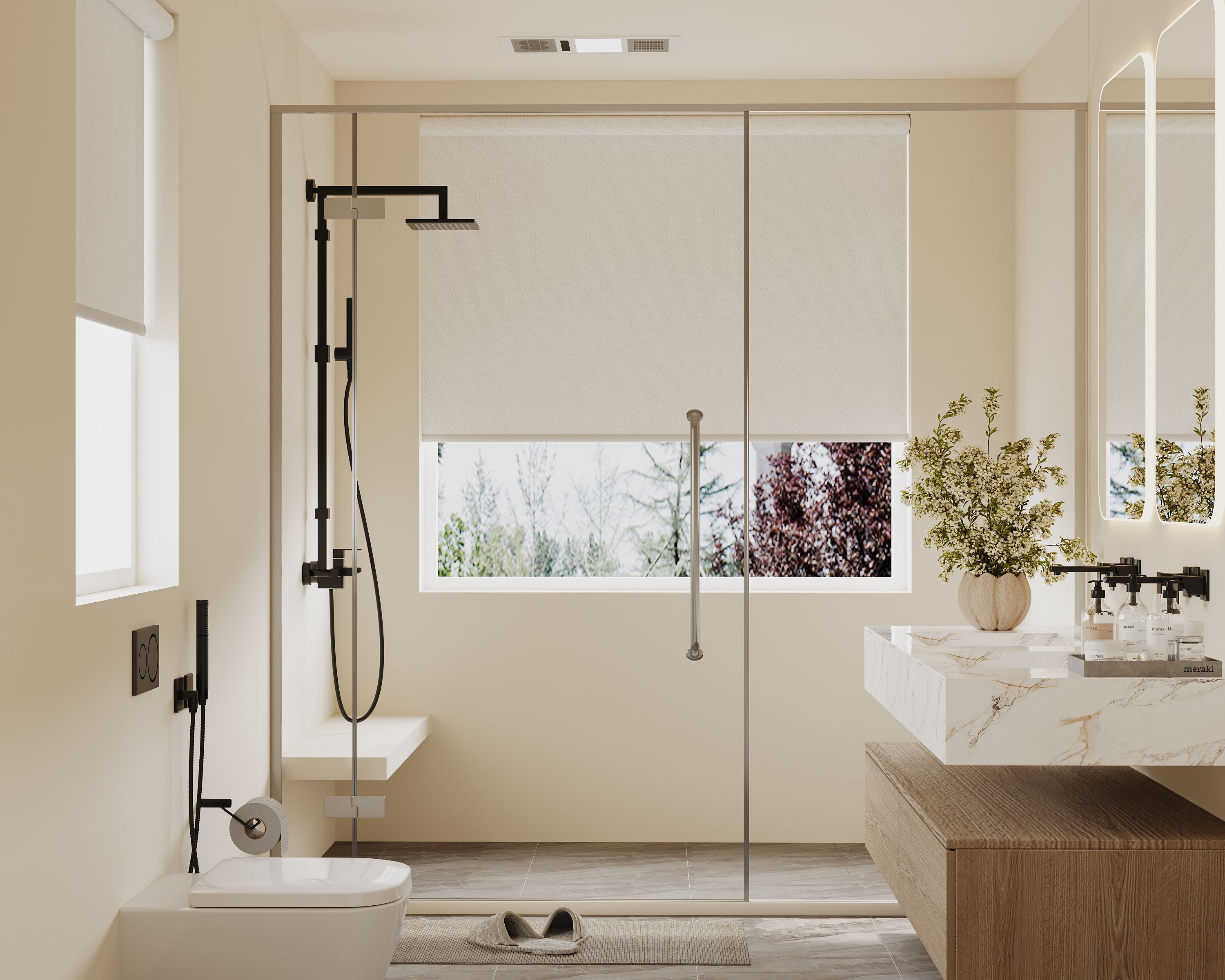


Adjusting zebra shades for light control is an intuitive process of aligning their unique dual fabric layers. You control three primary settings: a clear view with soft light diffusion, a filtered glow for ambiance, and full privacy with room-darkening. Mastering these adjustments lets you harness natural light dynamically throughout the day, transforming any space. The precision of this system is a key benefit of installing modern zebra blinds and shades in your home.
Here’s what you’ll learn in this article:
-
A clear breakdown of the three fundamental light control positions and how to achieve each one.
-
A practical guide with recommended settings for different times of day and room activities.
-
How to troubleshoot common issues like uneven alignment or light gaps.
-
Advanced tips for motorized shades and integrating adjustments into your daily routine.
-
Answers to frequent questions about maximizing privacy and protecting your interiors.
Understanding Your Zebra Shade's Three Core Positions
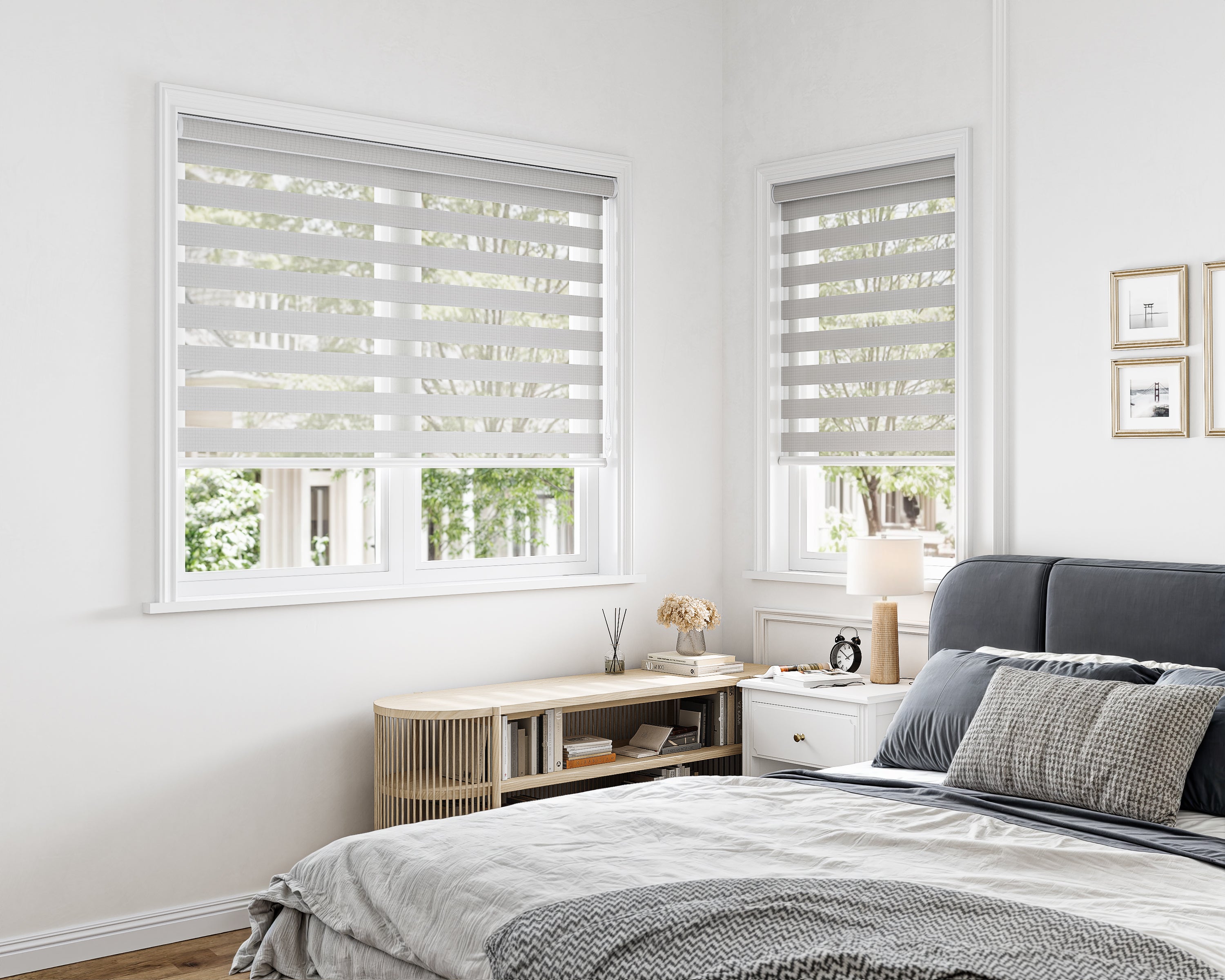
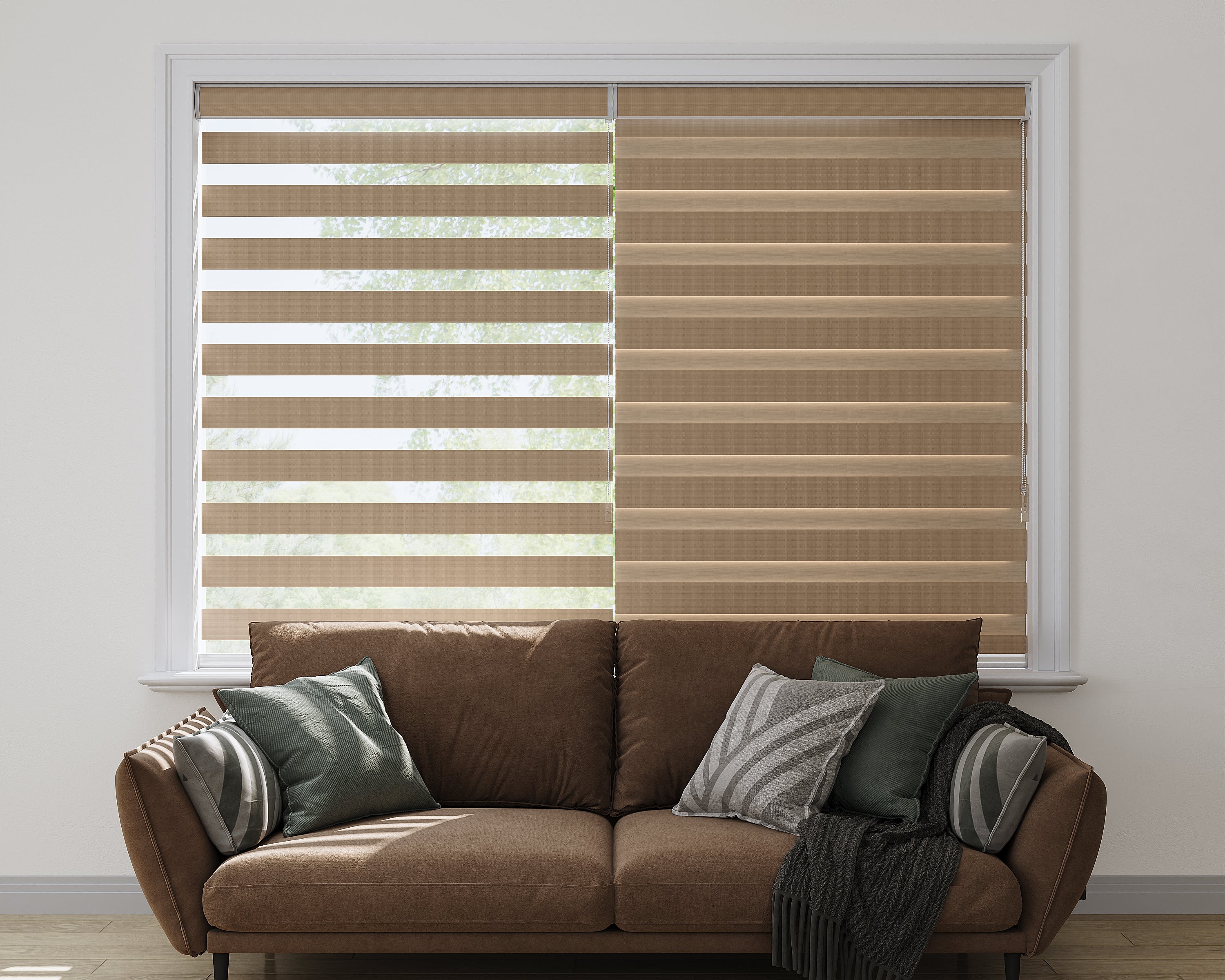
The magic of zebra shades lies in the two layers of fabric—one sheer, one opaque—with perfectly aligned stripes. Light control is achieved by shifting the relationship between these layers using the lift mechanism.
Position 1: The Open View (Sheer Channels Aligned)
-
How to Adjust: Lower the shade to your desired height. Gently pull or adjust the mechanism until the sheer stripes on the front and back layers line up completely. You will see distinct vertical "channels" of clear material.
-
Light Effect: Maximum outward view and inward natural light. The solid stripes provide soft diffusion, reducing glare while maintaining a strong connection to the outdoors. Ideal for daytime when privacy isn't a concern.
Position 2: The Filtered Light (Partial Overlap)
-
How to Adjust: From the open view, make a slight, incremental adjustment to the lift cord or mechanism. You will see the sheer channels begin to close as the solid stripes start to overlap the sheer ones.
-
Light Effect: Creates a soft, glowy ambiance in the room. It significantly diffuses light and obscures the view for privacy while still allowing a bright, airy feel. This is the perfect setting for reducing screen glare or creating a relaxed atmosphere.
Position 3: The Privacy Mode (Solid Overlap)
-
How to Adjust: Continue adjusting past the filtered point until the solid stripes of one layer completely cover the sheer stripes of the other. The fabric will appear as a uniform, solid panel with no visible sheer channels.
-
Light Effect: Maximum privacy and light blockage. The amount of light that enters depends on the opacity of the solid fabric (light-filtering vs. room-darkening). This setting is used for nighttime privacy, afternoon sun blocking, or presentations in a home office.
Practical Adjustment Guide for Everyday Scenarios
Use this table as a cheat sheet for adjusting your shades to match daily activities and sun positions.
| Time of Day / Scenario | Recommended Position | Desired Outcome & Pro Tip |
|---|---|---|
| Morning (East-Facing Rooms) | Start with Filtered Light, adjust to Open View as sun rises. | Enjoy morning sun without harsh glare. Protects interiors from strong early UV rays. |
| Working from Home / Reducing Screen Glare | Filtered Light or Privacy Mode (if using room-darkening fabric). | Eliminates reflections and eye strain. For intense sun, managing light in a home office with the right shades is essential for productivity. |
| Midday & Summer Afternoons (South/West Windows) | Privacy Mode on sun-facing windows. | Blocks harsh solar heat and glare, keeping the room cooler and protecting furniture from fading. |
| Evening Privacy with Indoor Lights On | Privacy Mode on all street-facing windows. | Prevents the "fishbowl effect." Remember, with lights on inside at night, any sheer alignment will compromise privacy. |
| Creating a Relaxed, Cozy Ambiance | Filtered Light position. | Diffuses light evenly for a soft, calming glow perfect for living rooms or reading nooks. |
| Watching TV or Presenting | Privacy Mode on windows opposite or adjacent to the screen. | Eliminates competing light on the screen for a better viewing or presentation experience. |
Tips for Perfect, Consistent Adjustment
-
Operate Smoothly: Use steady, even pressure on the cordless clutch or continuous cord loop. Jerky movements can cause the layers to misalign or the shade to become uneven.
-
Check for Level: If one side of your shade is consistently higher than the other, it may have come unclipped from its mounting bracket. Gently pull the bottom of the shade away from the window to unhook and re-seat it evenly on both sides.
-
Mind the Gaps: For the most effective light control and insulation, ensure your shades are measured and installed to minimize side gaps. A guide for achieving fool-proof measuring for a perfect fit is critical during the planning stage.
-
Motorized Precision: If you have motorized zebra shades, use the remote or app to save favorite positions (e.g., "Morning," "TV," "Privacy"). This allows for one-touch, perfectly consistent adjustments every time.
Advanced Techniques and Troubleshooting
-
Balancing Light in a Room with Multiple Windows: Adjust each window independently based on the sun's path. You might have one window in "Open View" and another in "Privacy Mode" at the same time.
-
What to Do If Layers Don't Align: Over time, very slight shifting can occur. Most shades have a simple re-calibration process: lower the shade fully to its closed (privacy) position, then raise it completely. This often resets the alignment. Consult your manufacturer's guide if issues persist.
-
Combining with Other Treatments: For ultimate control, layer zebra shades with curtains. Use the shades for precise light adjustment and draw the curtains for total blackout, added insulation, or enhanced decor. Learn about effective layering techniques that combine shades and curtains without bulk.
Conclusion and Key Takeaways
Adjusting zebra shades is a simple yet powerful way to actively manage your living environment. Moving beyond just "up or down," you gain minute control over view, privacy, and ambiance, making them one of the most functional window treatments available.
Key Highlights:
-
Three Core Settings: Master the Open View, Filtered Light, and Privacy Mode to handle any situation.
-
Adjust Dynamically: Change settings throughout the day in response to sun position and activity for optimal comfort.
-
Smooth Operation is Key: Gentle, even adjustments preserve mechanism integrity and ensure perfect alignment.
-
Automation Maximizes Convenience: Motorized shades offer the ultimate in precise, scheduled, and effortless light control.
-
Layering Expands Possibilities: Pair zebra shades with curtains or drapes for expanded functionality and style.
By practicing these adjustments, your zebra shades will become an intuitive extension of your home, allowing you to shape light and privacy with ease.
Explore Custom Zebra Shades


Frequently Asked Questions (FAQ)
Why is there still a bright line of light at the top/bottom/sides of my shade in Privacy Mode?
This is typically due to light gap, not an adjustment issue. Light leaks occur where the shade doesn't fully cover the glass due to mounting or measurement. An outside mount or a shade with side channels can mitigate this. Ensuring a perfect fit starts with accurate measurement before installation.
Can I adjust zebra shades to a position between Filtered Light and Privacy?
Absolutely. The adjustment between Filtered Light and Privacy Mode is a continuous spectrum. You can stop at any point to fine-tune the exact level of light diffusion and privacy you want, which is the hallmark of their versatile design.
Do I need to adjust my shades differently in winter versus summer?
Yes, based on the sun's angle. In summer, when the sun is high, you may use Privacy Mode more on south and west windows to block heat. In winter, with a lower sun, you might use the Open or Filtered positions more on south-facing windows to welcome passive solar warmth, adjusting as needed for glare.
How do I clean my zebra shades without messing up their adjustment?
Clean them in a settled position, preferably the Privacy Mode where the fabric is taut and flat. Use a duster or vacuum with a soft brush attachment. Avoid forcing the fabric or mechanism while cleaning. Proper care, as part of a seasonal maintenance checklist for your window treatments, will keep them operating smoothly.
My cordless shade is hard to adjust. Is it broken?
It may need recalibration or could be experiencing friction. First, ensure it's properly seated in its brackets. If it's still stiff, the internal spring mechanism may be worn or may benefit from a reset (often done by fully lowering and raising it several times). For persistent issues, contact the manufacturer.
