
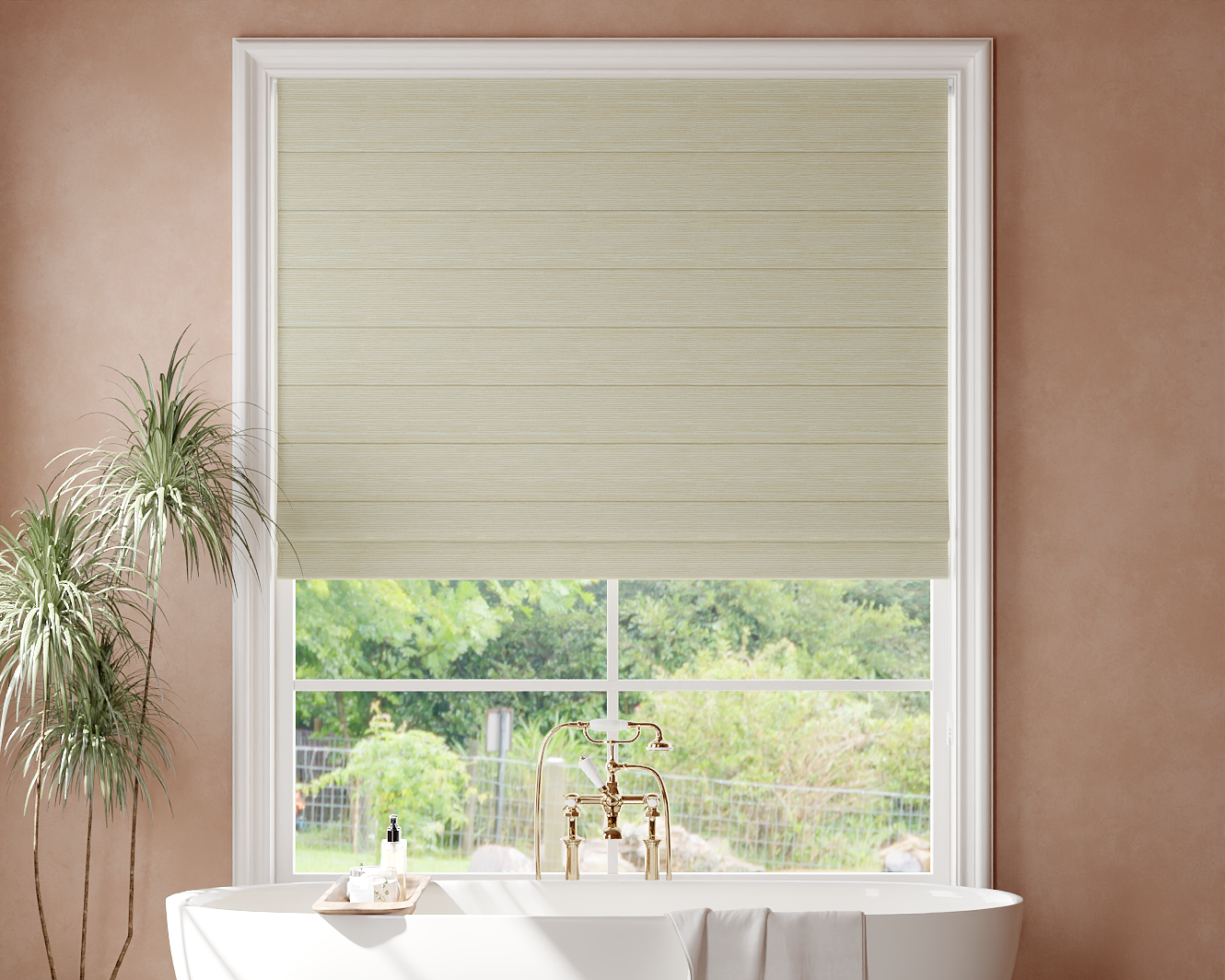
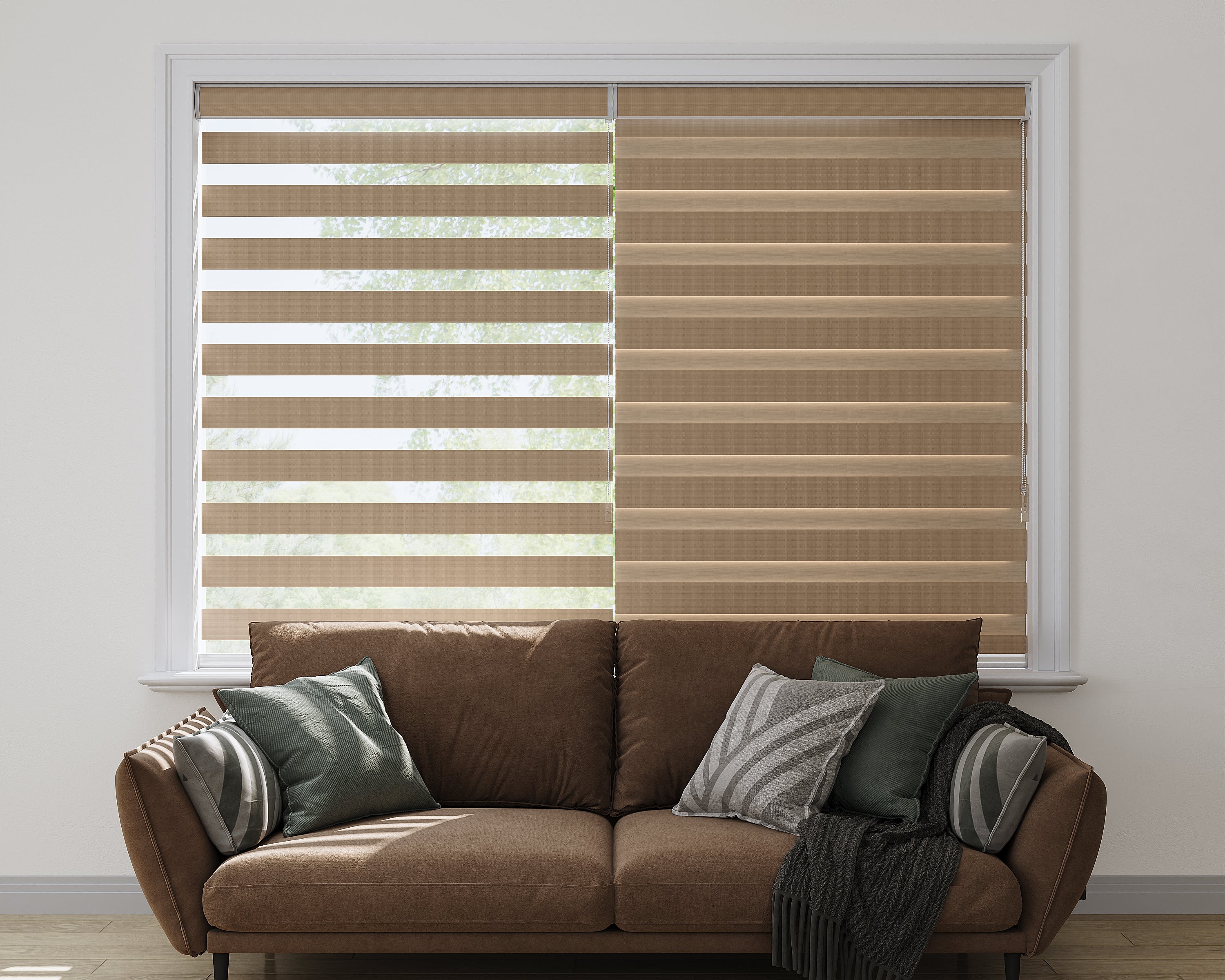
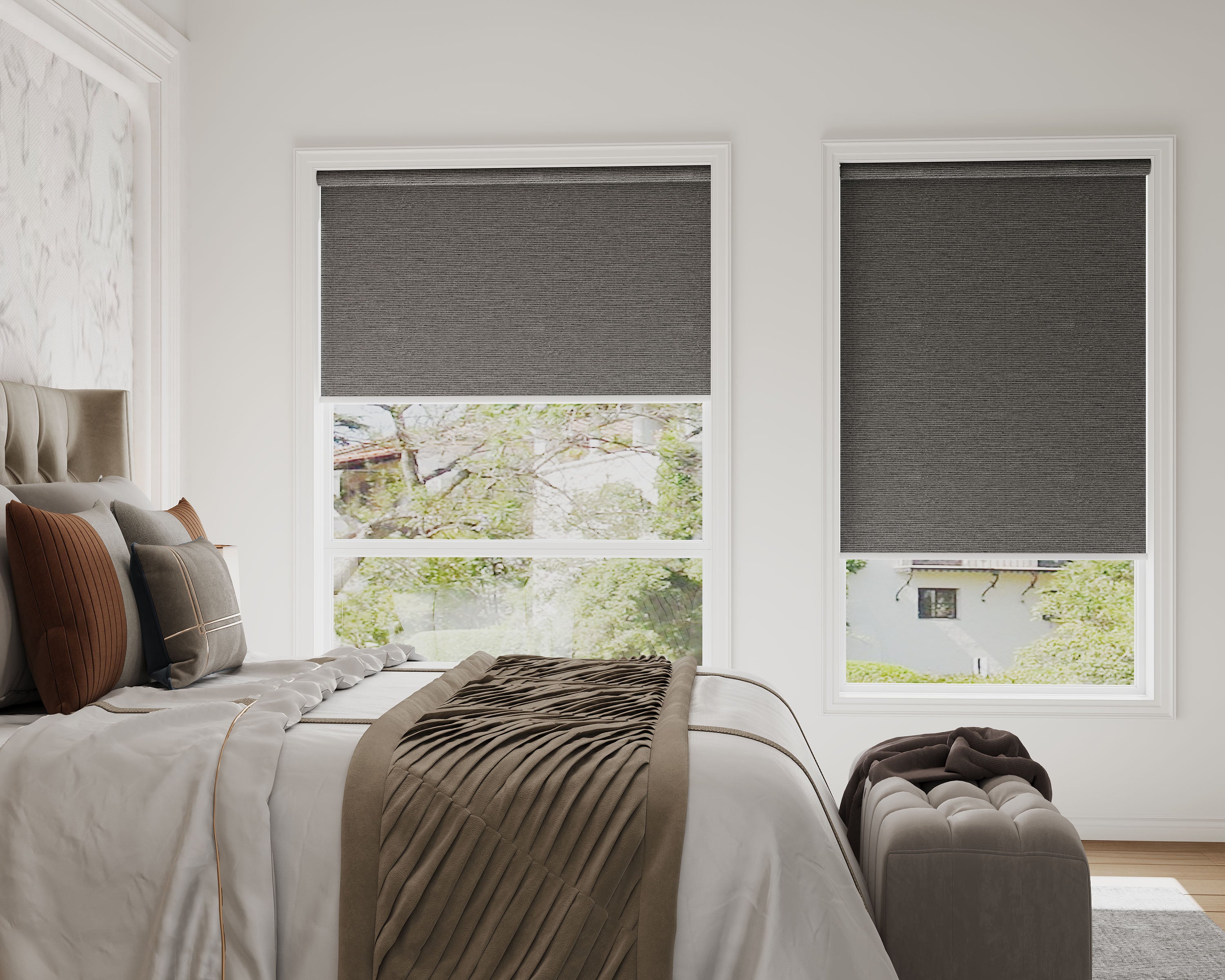
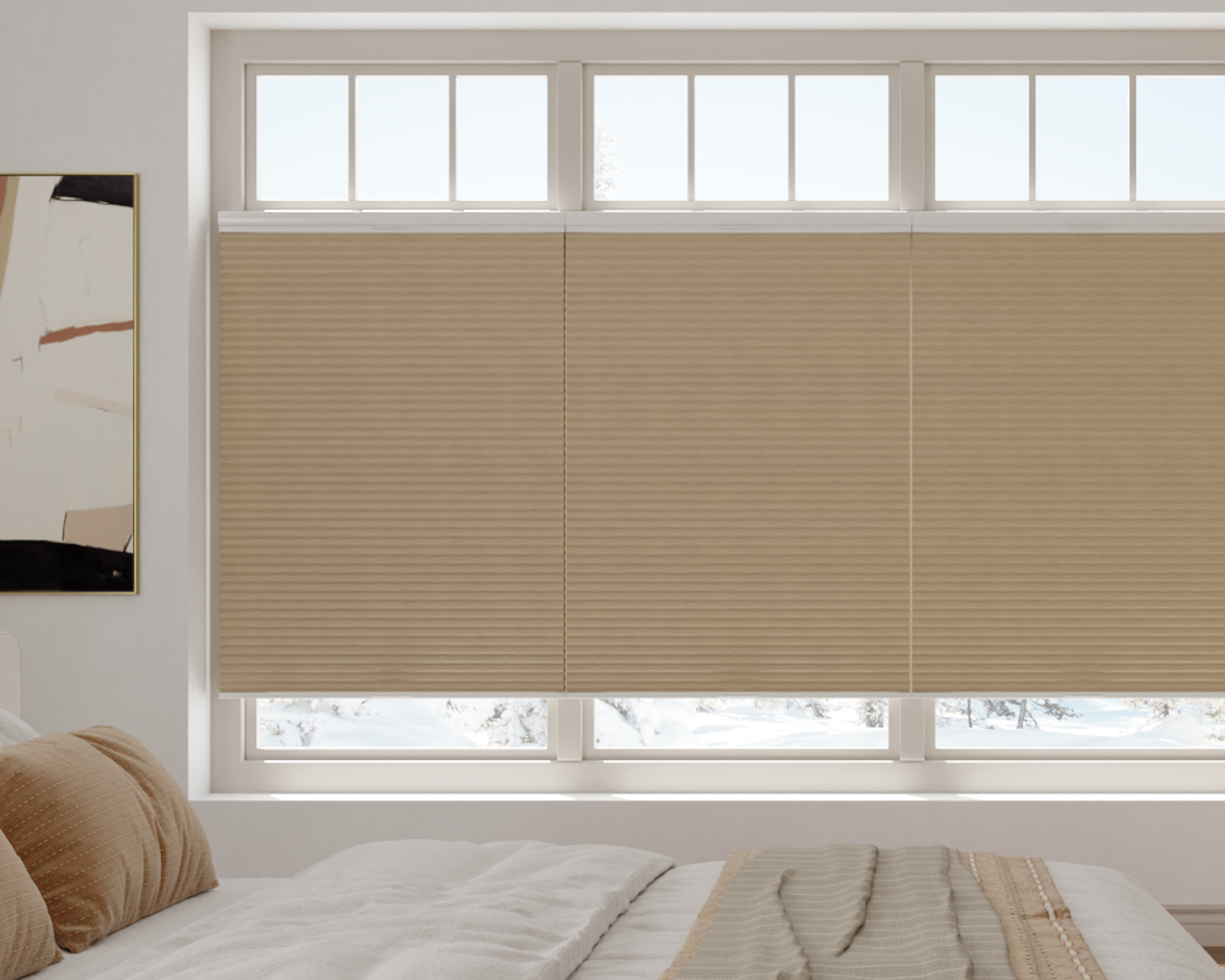
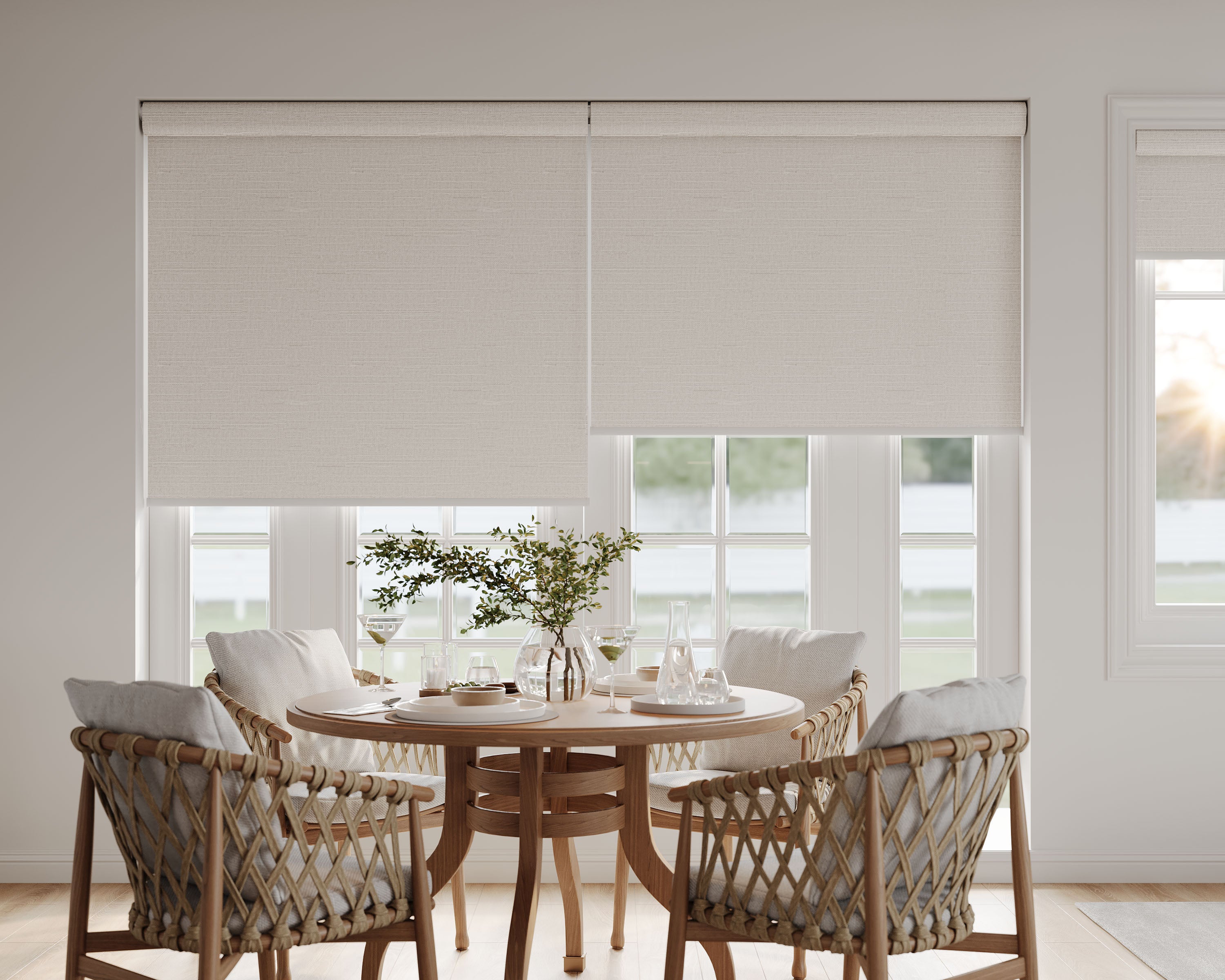


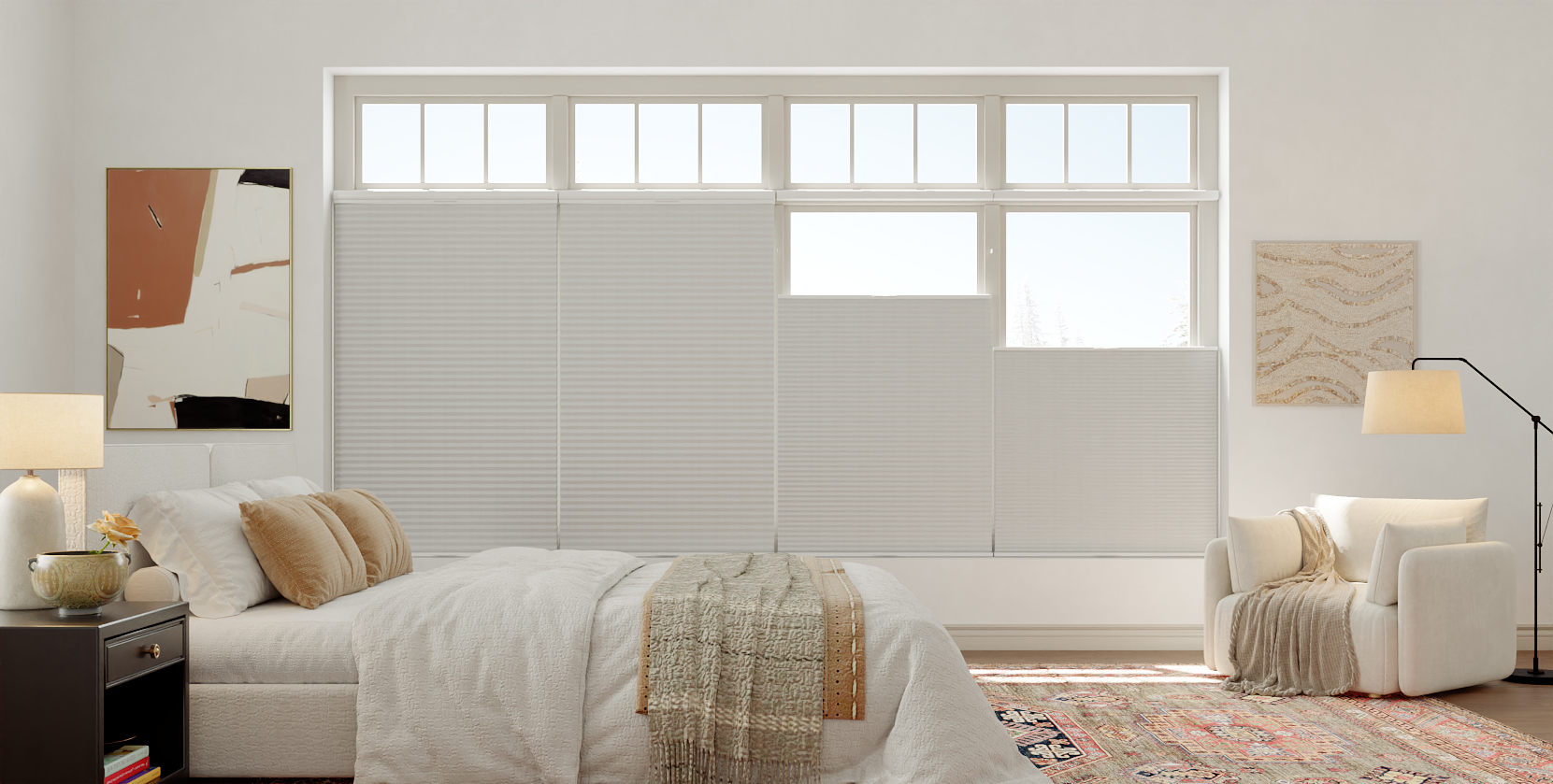


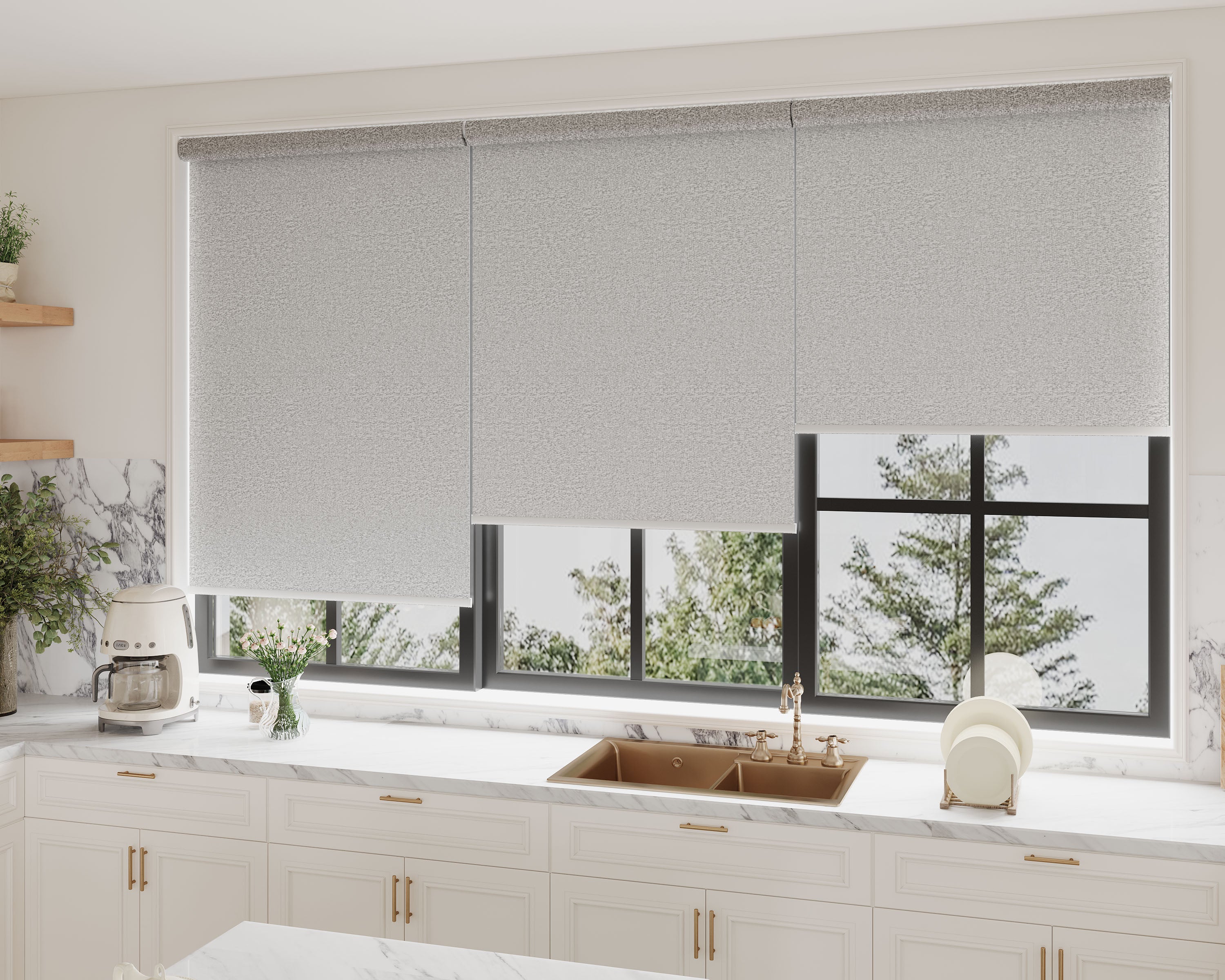

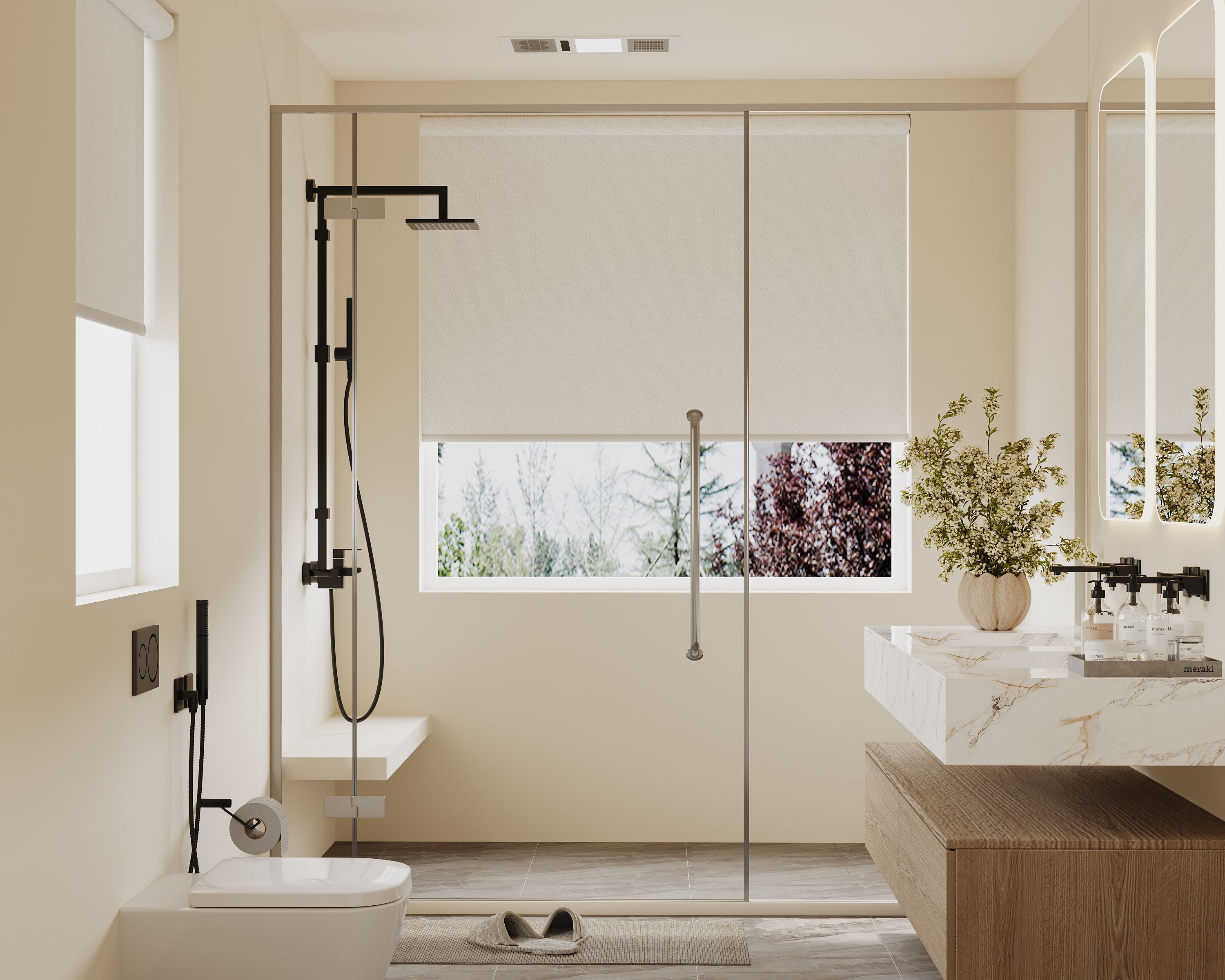


Yes, zebra shades provide excellent and adjustable privacy during daylight hours by using their unique dual-layer fabric to obscure the interior view from outside. Their effectiveness, however, depends on the balance of light between the inside and outside of your home. In daytime, they offer superb privacy while maintaining your view outward, but at night with indoor lights on, the dynamic reverses. Understanding this principle is key to using versatile zebra blinds and shades effectively for your comfort and security.
Here’s what you’ll learn in this article:
-
The science of "light differential" and how it fundamentally affects day versus night privacy with any sheer material.
-
A detailed breakdown of the three privacy modes made possible by the adjustable stripes.
-
How zebra shades compare to blinds, curtains, and other shades for privacy throughout the day.
-
Key factors like fabric opacity, color, and installation that you can control to maximize privacy.
-
Practical solutions and best practices for maintaining privacy during evening hours.
How Zebra Shades Create Adjustable Privacy: The Core Principle
Zebra shades manage privacy through the precise alignment of their two fabric layers. Each layer has alternating stripes of sheer and opaque material. Privacy is not a simple on/off state but a spectrum you control.
The Three Privacy Modes of Zebra Shades
-
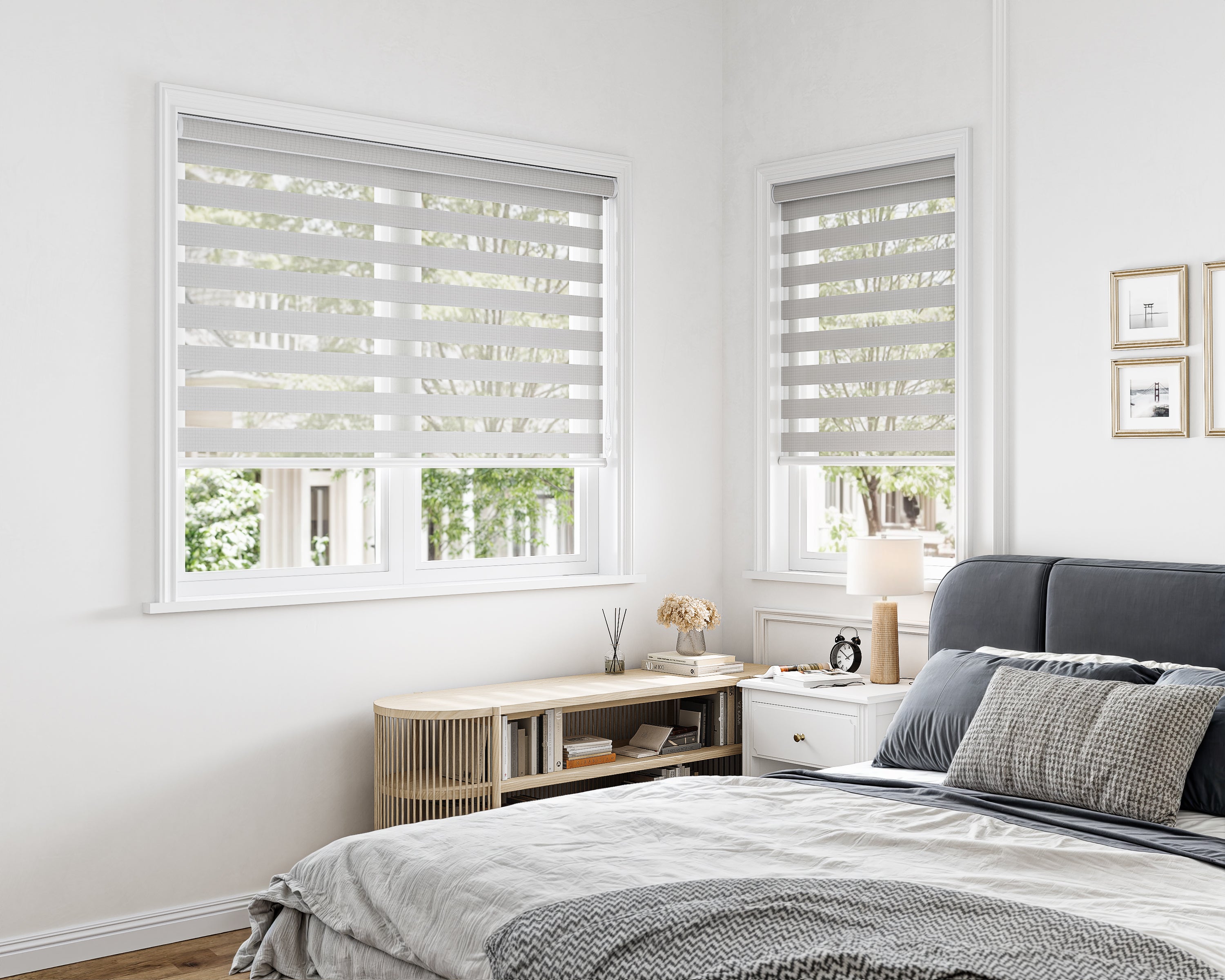
Open/View-Through Mode: When the sheer stripes of both layers are aligned, they create vertical windows of transparency. From inside, you enjoy a largely clear view outside. From the outside during the day, the solid stripes obscure a direct view indoors, while the sheer sections may show muted shapes and light—providing a level of privacy similar to a standard sheer curtain.
-
Closed/Privacy Mode: With a slight adjustment, the layers offset so the solid stripes of one layer cover the sheer stripes of the other. This creates a uniform, opaque barrier. In this mode, zebra shades provide daytime privacy comparable to many roller shades, blocking clear views into your home while still allowing diffused light to enter.
-
The "Transition" Setting: The true advantage is the infinite adjustability between these two points. You can fine-tune the alignment to achieve the exact level of privacy and light filtration you desire at any moment, something fixed blinds or single-layer shades cannot do.
Zebra Shades vs. Other Window Treatments for Privacy
This table compares how zebra shades handle privacy against other common options throughout the daily cycle.
| Treatment | Daytime Privacy (Outdoor Light > Indoor Light) | Nighttime Privacy (Indoor Light > Outdoor Dark) | Key Privacy Limitation |
|---|---|---|---|
| Zebra Shades | Excellent & Adjustable. Solid stripes obscure view; sheers diffuse it. Can be set to full opacity. | Conditional. In "Closed" mode, good. In any sheer-aligned mode, interior is visible from a dark exterior. | The "light differential" effect at night. Privacy requires closing the shade fully when indoor lights are on. |
| Traditional Horizontal Blinds | Good when fully closed, but narrow gaps between slats can allow "striped" visibility and create light lines. | Good when fully closed, but light often bleeds through the same slat gaps, outlining the window. | Inevitable gaps between slats, even when fully tilted closed, compromise visual privacy. |
| Single-Layer Sheer Curtains | Good. Diffuses view and details but does not hide activity or forms. | Very Poor. Becomes transparent when lights are on inside at night. | No opaque option; always semi-transparent. |
| Blackout Roller/Cellular Shades | Maximum. Blocks virtually all light and view when fully lowered. | Maximum. Blocks all light and view when fully lowered. | All-or-nothing; no option to have both privacy and a view simultaneously. |
The Critical Factor: Understanding "Light Differential"
This is the most important concept for zebra shade privacy. A sheer material provides privacy when the light outside is brighter than the light inside (daytime). At night, when it's dark outside but you have lights on inside, the relationship flips. The bright interior illuminates the sheer fabric, making it easier to see in than to see out.
Practical Implication: Your zebra shades provide superb privacy all day. After dusk, for complete visual privacy from the outside, you simply need to adjust them to the fully "Closed" position where the opaque stripes overlap. This eliminates the sheer channels.
How to Maximize Privacy with Your Zebra Shades
You can enhance privacy through smart product selection and usage habits.
| Factor | Impact on Privacy | Recommendation for Maximum Privacy |
|---|---|---|
| Fabric Opacity Choice | The density of the sheer and solid stripes varies. "Room darkening" solids are more opaque than "light filtering" solids. | For street-facing rooms or close neighbors, select a fabric with a room-darkening opaque stripe for the most complete closure. |
| Fabric Color | Lighter colors reflect more light, while darker colors absorb it. A dark interior fabric can make shapes less distinguishable from outside at night. | Consider a darker color for the interior-facing side (often the opaque stripe) to reduce silhouette visibility in the evening. |
| Installation & Fit | Gaps on the sides or top of the shade (especially with inside mount) can create "peek holes" that compromise privacy. | Ensure a precise fit. An outside mount or careful inside mounting that minimizes light gaps is crucial. |
| Usage Habit | Leaving shades in a sheer-aligned mode at night with lights on reduces privacy. | Develop the simple habit of closing the shade fully at dusk when you turn on interior lights. Motorized shades make this effortless via schedules. |
| Layering | A single treatment has limitations. A layered approach provides ultimate flexibility. | Pair zebra shades with decorative drapes or curtains that can be drawn closed at night for added texture and an extra privacy barrier. |
Addressing Nighttime Privacy: Solutions and Best Practices
Concern about nighttime privacy is valid and easily managed.
-
The Simple Habit: Adjust to "Closed" mode at night. This is the primary and most effective solution.
-
Motorization & Scheduling: For convenience, motorized shades can be programmed to close automatically at sunset, ensuring privacy is never forgotten.
-
Strategic Lighting: Use task lighting (lamps, under-cabinet lights) instead of overhead ceiling lights directly in front of windows to reduce the intensity of light shining directly on the shade fabric at night.
-
The Layering Solution: For rooms where you frequently want an open view at night (e.g., a living room with evening ambiance), pairing zebra shades with separate opaque curtains gives you complete, flexible control.
Conclusion and Key Takeaways
Zebra shades absolutely provide real, functional privacy through intelligent design. Their strength lies in offering a dynamic range of options that fixed window treatments cannot match, allowing you to balance view, light, and privacy seamlessly throughout the day.
Key Highlights:
-
Daytime Privacy is Excellent: When used correctly, zebra shades can provide privacy levels meeting or exceeding many blinds and shades.
-
Adjustability is the Advantage: You are not stuck with one setting; you can choose the perfect level of privacy for any moment.
-
Nighttime Privacy Requires Action: For full visual security after dark with lights on, the shades must be in the fully closed position—a simple, one-second adjustment.
-
Selection and Installation Matter: Choosing room-darkening fabrics, darker colors, and ensuring a tight install all enhance privacy performance.
-
They Offer a Balanced Solution: No single treatment perfectly solves every scenario, but zebra shades come remarkably close by offering both open views and solid privacy from the same elegant product.
By understanding and working with the light differential principle, you can confidently use zebra shades to create a comfortable, private, and beautiful living space.
Explore Custom Zebra Shades


Frequently Asked Questions (FAQ)
Can people see through zebra shades at night from outside?
If the shades are in a position where the sheer stripes are aligned (even partially) and you have lights on inside, yes, outlines and shapes can be visible from a dark exterior. This is why fully closing them at night is recommended for complete privacy. In the fully closed position, they provide excellent nighttime privacy.
Are zebra shades good for a bathroom or bedroom window?
They are excellent for bathrooms where you want to maximize natural light but need reliable privacy. Simply keep them in the "closed" position when privacy is needed. For bedrooms, they are ideal for living areas but if you require total darkness for sleep, the slight light bleed from sheers in a closed position may be an issue. For sleeping, a dedicated blackout shade is often better.
How do zebra shades compare to solar shades for privacy?
Solar shades are designed to reduce glare and UV rays while preserving the view; they are not primarily for privacy. Most solar shades have a consistent, screen-like openness (e.g., 5% openness) that makes the interior visible from outside in both day and night, especially at closer distances. Zebra shades, with their adjustable opaque stripes, offer significantly more privacy control.
Do wider or narrower stripes affect privacy?
The stripe width is primarily an aesthetic choice. However, narrower stripes create more transitions between sheer and solid, which can further diffuse and obscure views from a distance, potentially enhancing the privacy effect slightly in the semi-open positions.
If my zebra shades are back-lit during the day, do they lose privacy?
Yes, this is the "light differential" principle in another form. If a room is dark inside (e.g., a home theater) but bright sunlight is shining directly on the exterior of the shade, it can make the sheer sections glow and reduce privacy. In such specific, high-contrast scenarios, closing the shade fully will ensure complete privacy.
