
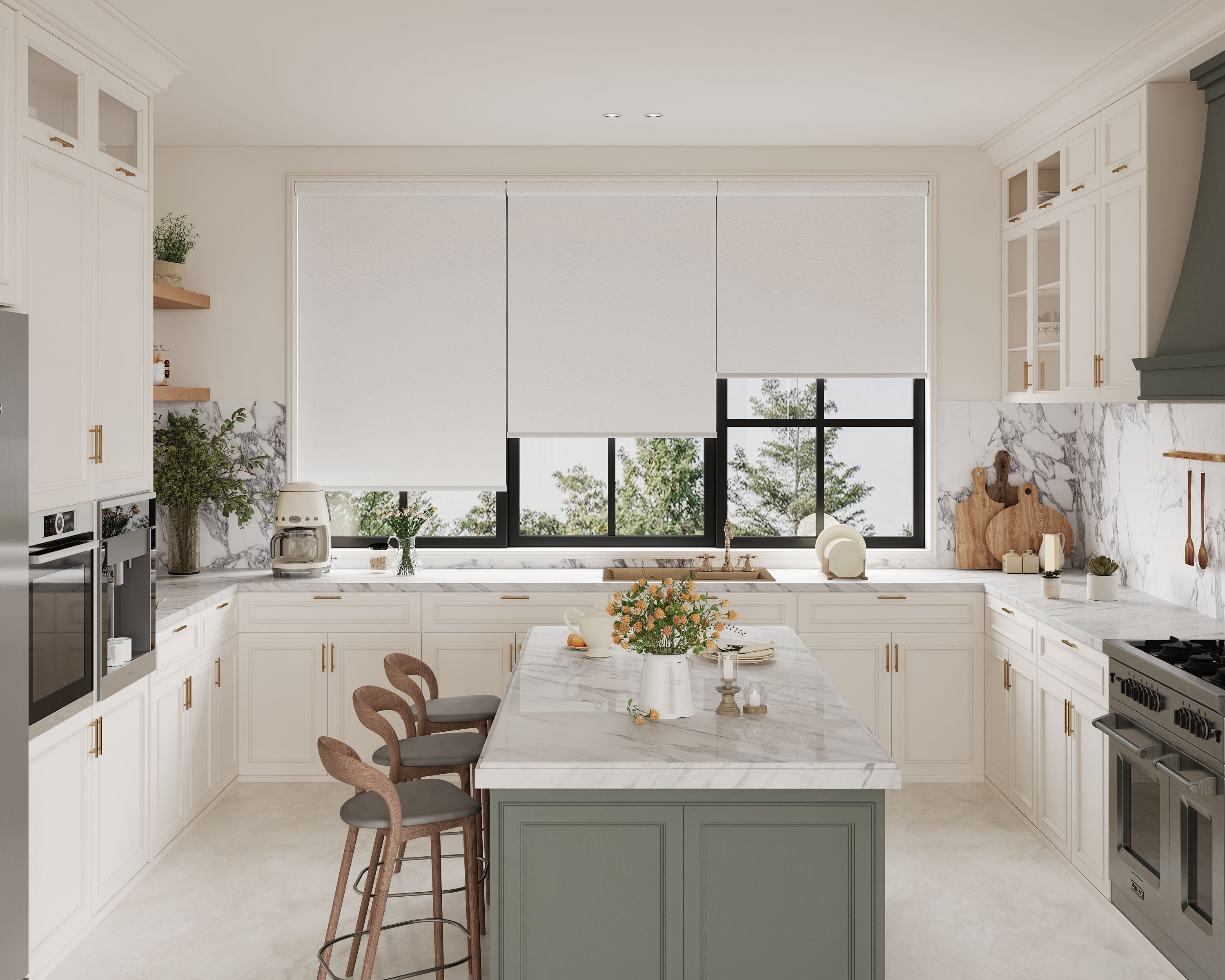
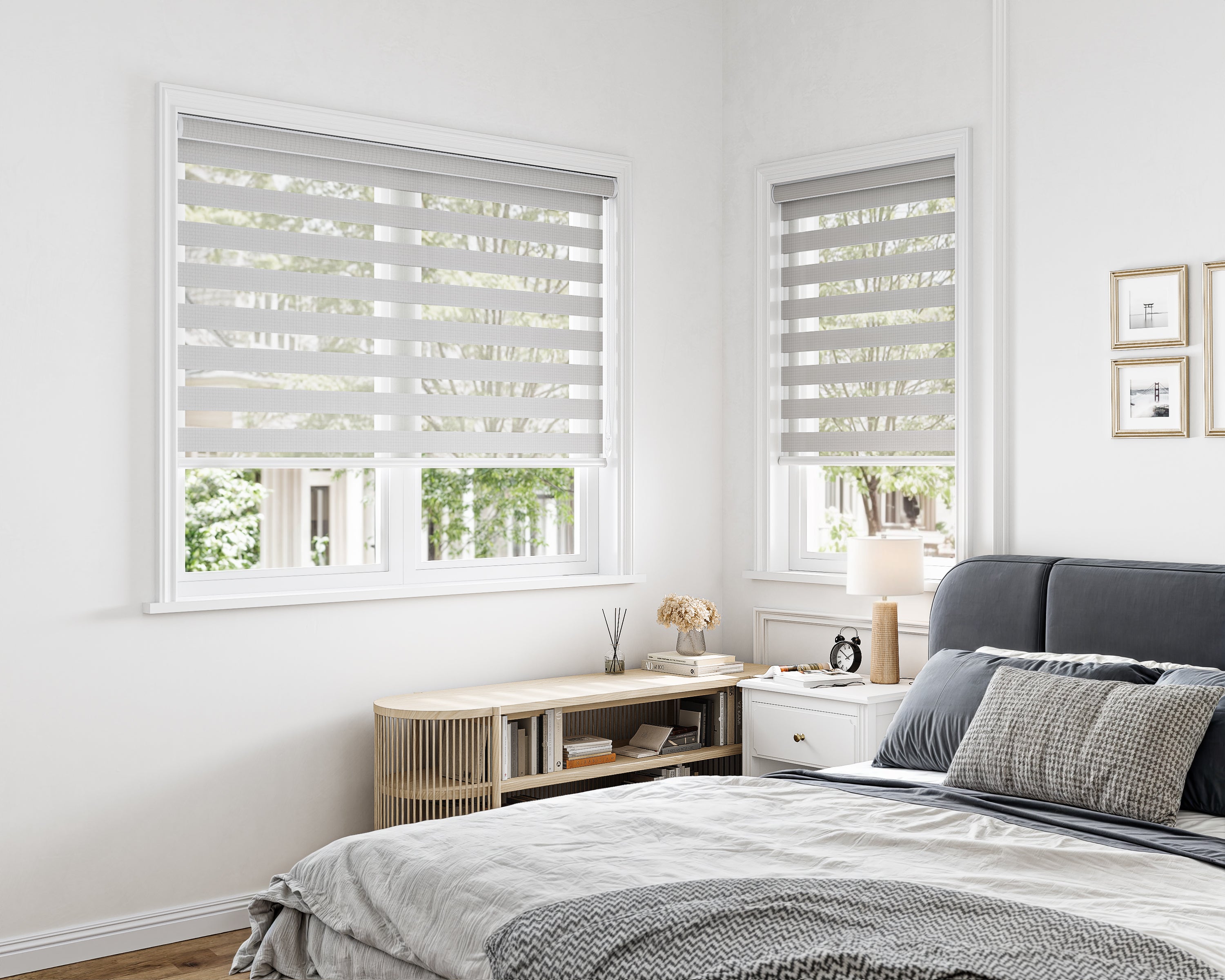
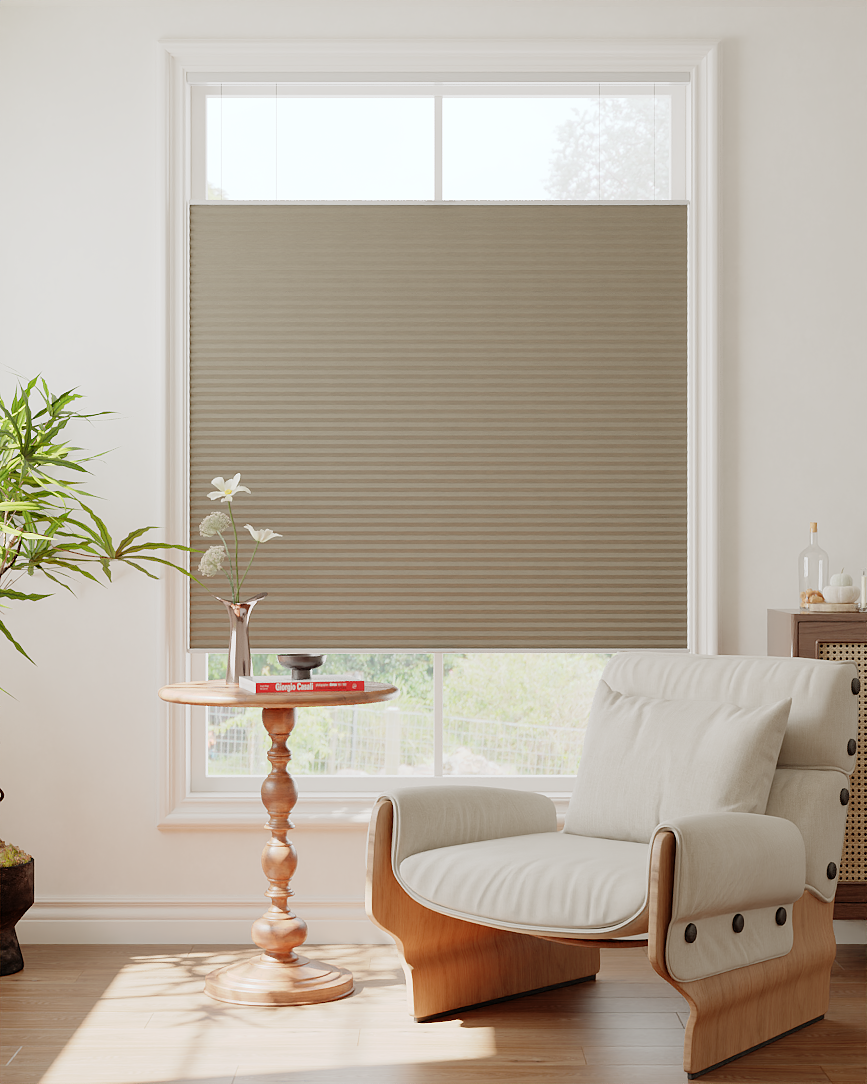
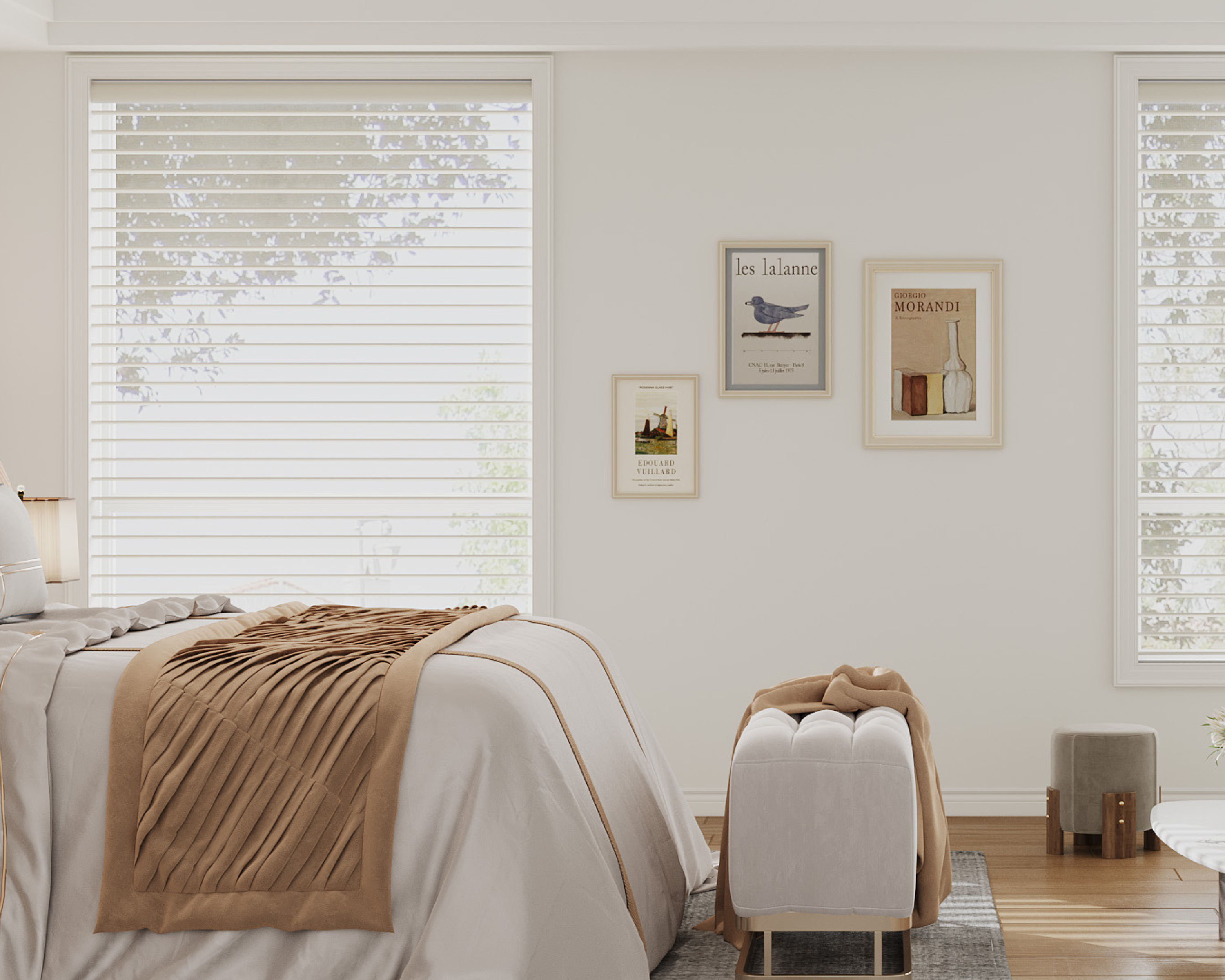
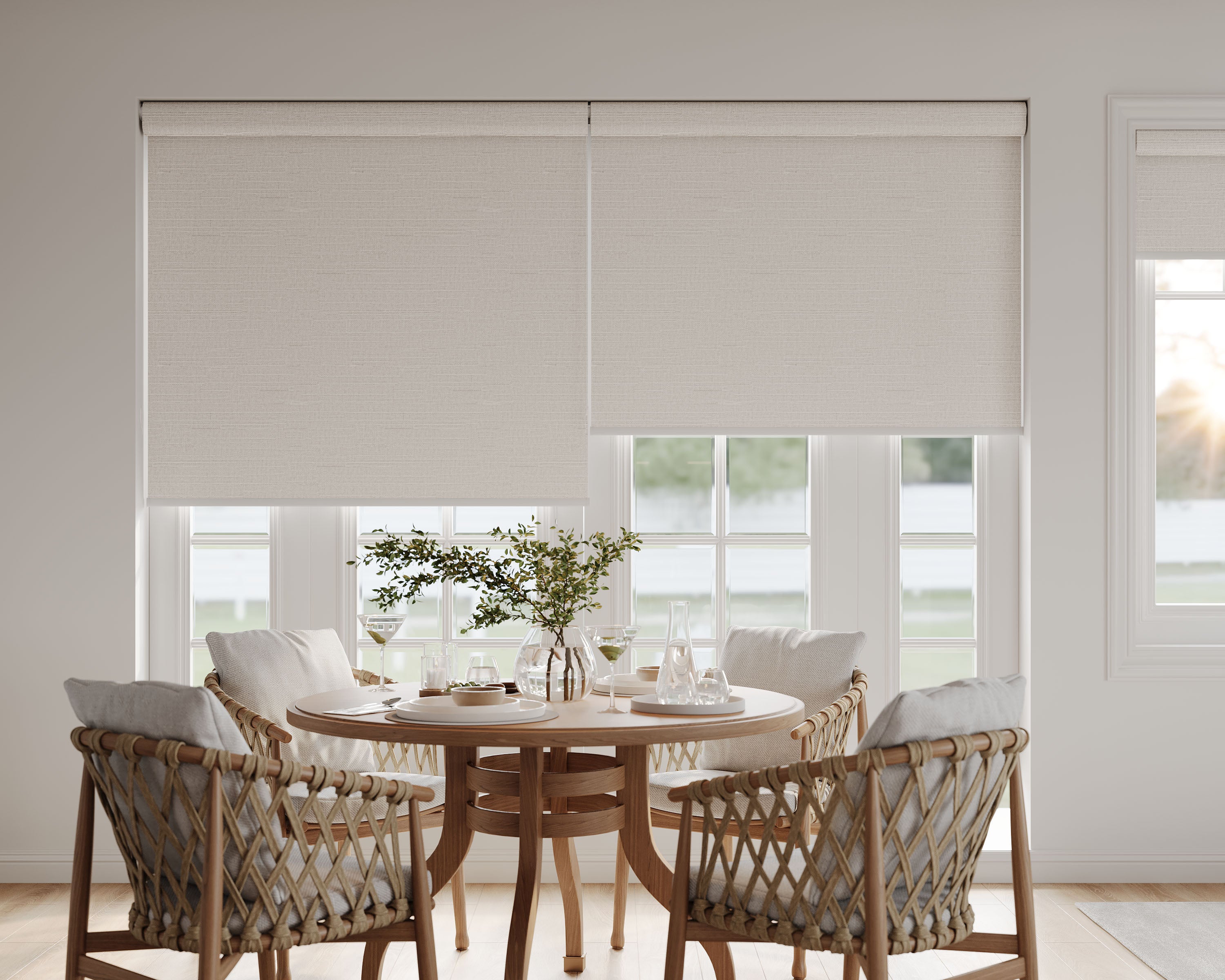


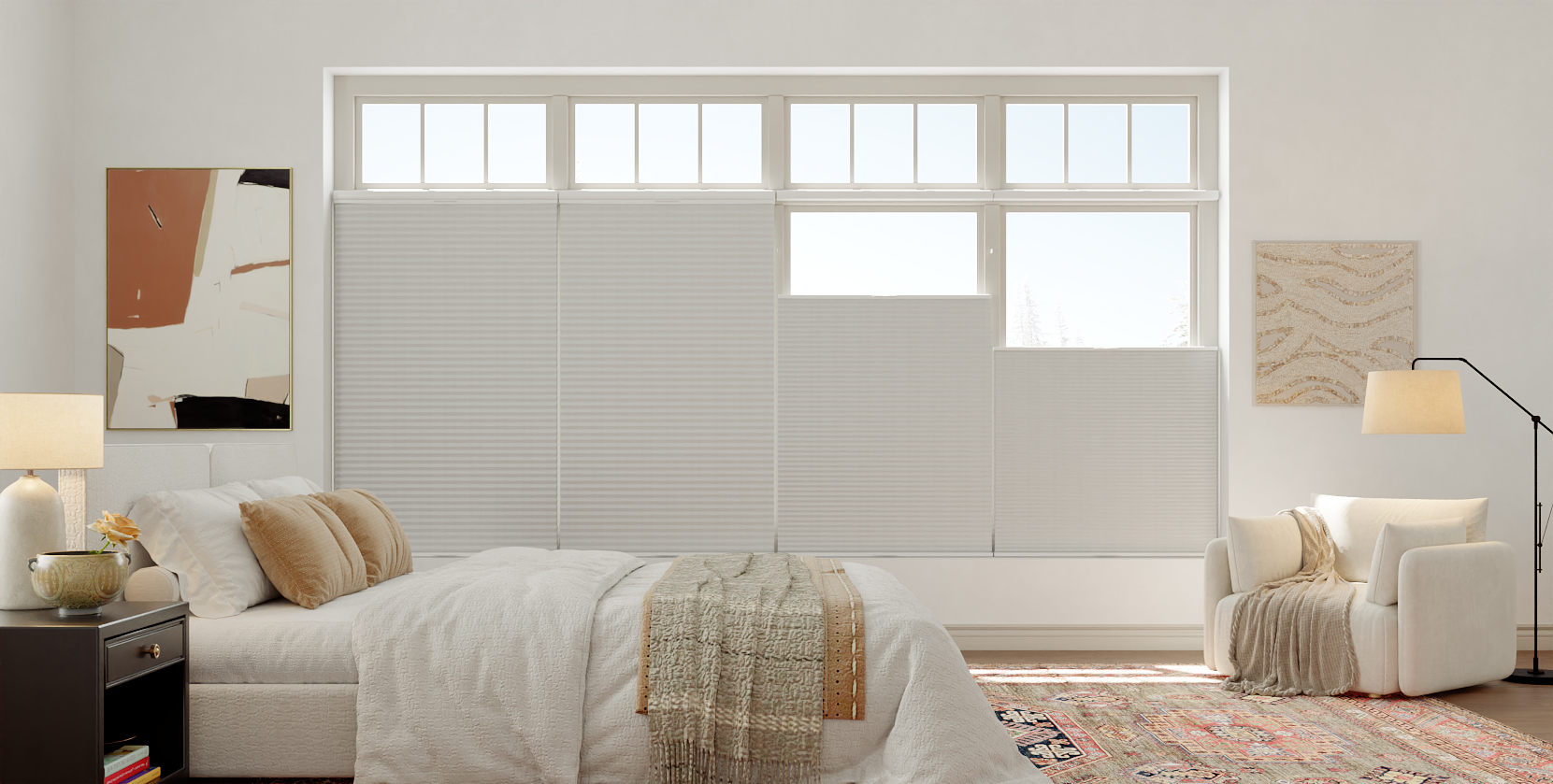


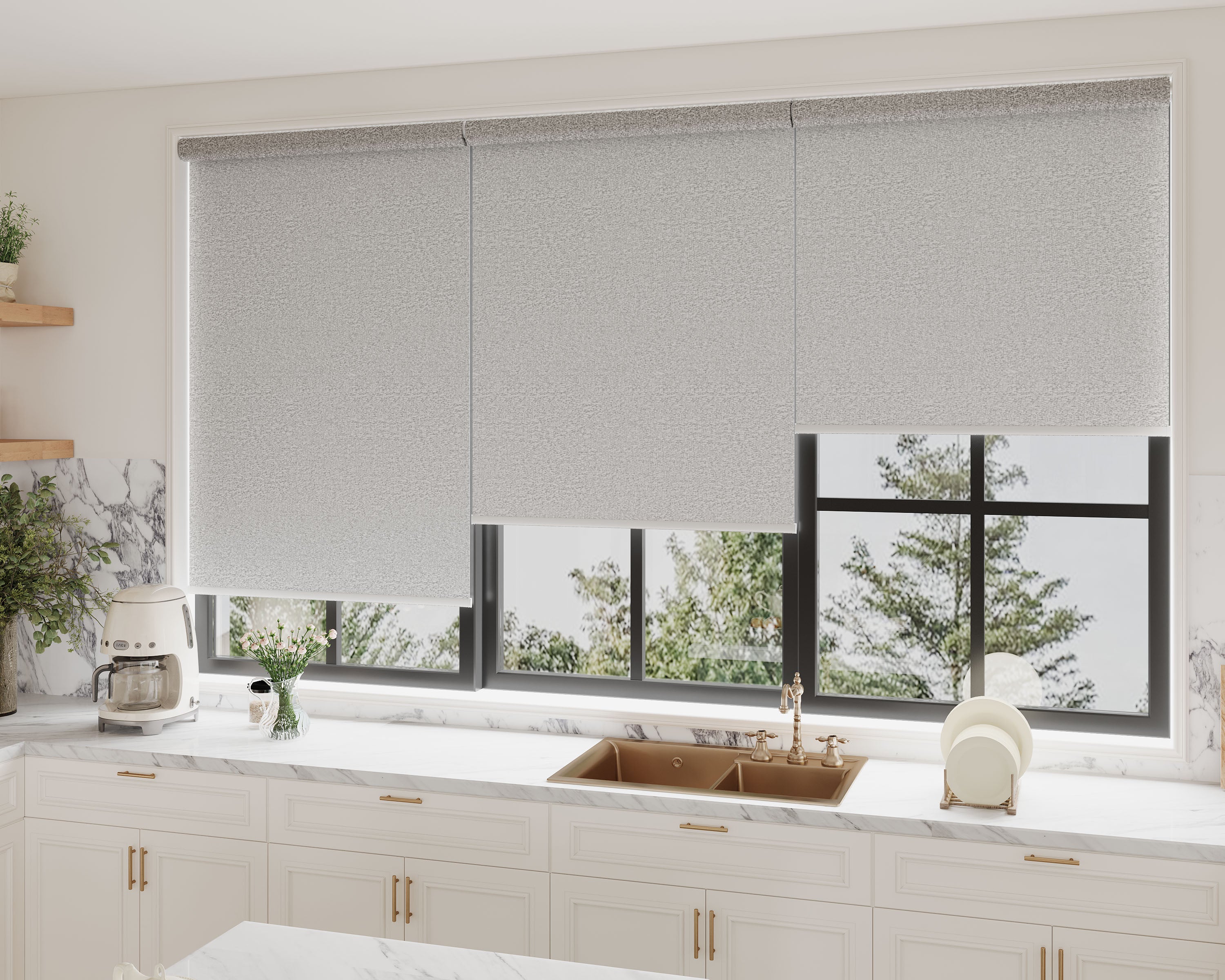

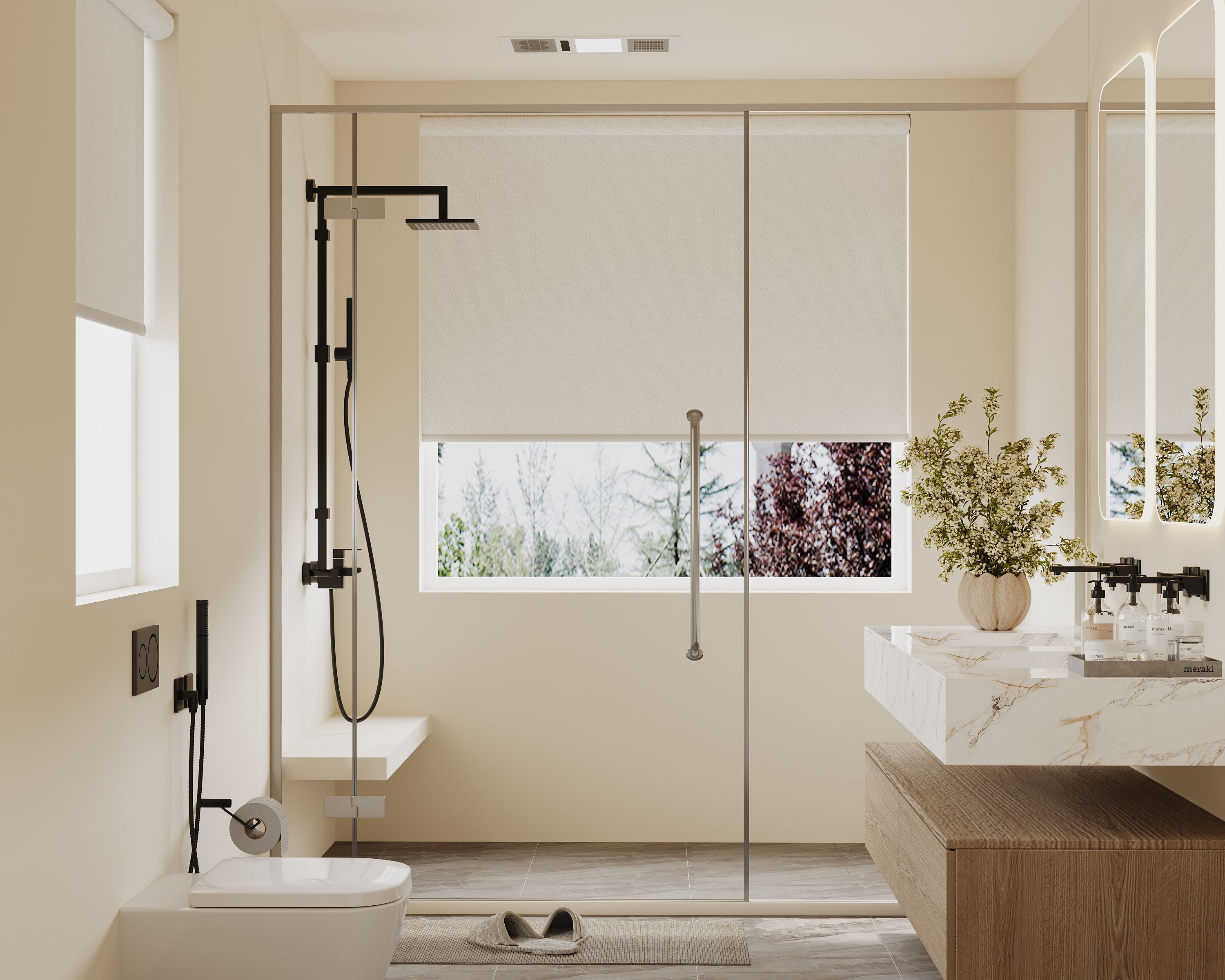


unlight streaming through a window brings warmth and cheer, but it also carries invisible ultraviolet (UV) rays that silently bleach fabrics, damage wood, and create harsh glare. Solar roller shades are specifically engineered to combat these issues, but it’s reasonable to ask: do they really work, or is it just marketing? The answer is a definitive yes—when you understand the science behind them. Solar shades are not about creating darkness; they are about scientific filtration. This guide breaks down exactly how they protect against UV damage, explains the crucial concept of "openness factor," and shows you how to select the perfect shade to preserve your view while safeguarding your home’s interior.
We’ll clarify:
-
The UV Protection Mechanism: How the fabric blocks damaging rays.
-
The Openness Factor Code: What those percentage numbers (1%, 3%, 5%, 10%) really mean for view, glare, and protection.
-
Performance vs. Other Shades: How solar shades differ from blackout or sheer shades.
-
The Selection Strategy: How to choose based on your window’s orientation and your primary goal.
The Science: How Solar Shades Block UV Radiation
Solar shades work through a combination of specialized fabric and precise weaving, not by being a thick, opaque barrier.
Fabric and Weave: The Technical Foundation
The fabric is typically made from vinyl-coated polyester or other synthetic yarns designed to be dimensionally stable and UV-resistant. The protection comes from:
-
The Yarn Itself: The materials are often solution-dyed or coated with UV-inhibiting chemicals that absorb or reflect ultraviolet radiation.
-
The Tightness of the Weave: The yarns are woven into a tight, screen-like mesh. The density of this mesh determines the "openness factor"—the percentage of open space in the fabric. A lower openness (e.g., 1%) means a tighter weave with less open space, resulting in greater UV blockage.
UV Protection vs. Glare Reduction: Understanding the Difference
It’s vital to distinguish these two benefits:
-
UV Protection: This refers to blocking the invisible ultraviolet spectrum (UVA and UVB rays). High-quality solar shades can block 95-99% of these damaging rays, regardless of the openness factor. This is the primary defense against furniture fade.
-
Glare Reduction: This refers to managing the intensity of visible light. A lower openness factor provides greater glare reduction by allowing less total visible light to pass through.
Decoding "Openness Factor": The Key to Choosing Wisely
The Openness Factor is the most important specification for a solar shade. It defines the balance between view-through, light control, and privacy. Our dedicated guide on understanding fabric openness factors at 1%, 3%, 5%, and 10% provides a deep dive, but here’s the essential breakdown:
| Openness Factor | What It Means | Ideal For... |
|---|---|---|
| 1% - 3% (Low Openness) | Very tight weave. Maximum UV block (99%+) and glare reduction. View is somewhat obscured, like looking through a very fine screen. | South/West-facing windows with intense sun, rooms where glare on TVs/computers is a major issue, maximum furniture fade protection. |
| 5% - 7% (Medium Openness) | Balanced weave. Excellent UV block (97-99%) with a clearer outward view. Glare is softened but not eliminated. | The most popular choice. Great for living areas and bedrooms where you want strong sun control but wish to maintain a good connection to the outdoors. |
| 10%+ (High Openness) | More open weave. Very good UV block (95%+) with a very clear, almost unimpeded view. Glare reduction is moderate. | Prioritizing view preservation above all else, as in homes with scenic vistas, while still gaining significant UV protection. |
The Critical Takeaway: All solar shades offer very high UV protection. The openness factor you choose primarily dictates your view-through and level of glare control.
Solar Shades vs. Other Types: A Performance Comparison
It’s important to set the right expectations. Solar shades excel at specific tasks but are not a direct substitute for other types.
| Shade Type | Primary Function | UV Protection | View-Through | Glare Control |
|---|---|---|---|---|
| Solar Roller Shades | Sun & Glare Management | Excellent (95-99%) | Yes, varies by openness. | Excellent, varies by openness. |
| Blackout Roller Shades | Total Light Elimination | Excellent (100%) | No. | Complete. |
| Sheer/Light Filtering Shades | Soft Light Diffusion | Fair to Good | Yes, but blurred. | Moderate (softens glare). |
| Traditional Blinds | Adjustable Light Control | Poor to Fair (gaps between slats) | Yes, when open. | Good when closed, adjustable. |
For a detailed comparison on managing glare, see our analysis of solar shades versus sheer shades.
How to Select the Right Solar Shade for Your Needs
Use this actionable framework to make your choice.
Step 1: Identify Your Primary Goal.
-
Goal: Maximum Furniture & Floor Protection. → Choose a lower openness factor (1%-3%). This provides the highest level of UV and glare blockage.
-
Goal: Reduce Glare but Keep the View. → Choose a medium openness factor (5%-7%). This is the ideal balance for most rooms.
-
Goal: Preserve a Beautiful Vista at All Costs. → Choose a higher openness factor (10%+). You’ll still get strong UV protection with minimal visual interference.
Step 2: Consider Window Direction.
-
South & West Windows: Experience the most intense, direct sun. Prioritize lower openness (1%-5%) for the best summer heat and glare control.
-
East & North Windows: Receive softer light. You have more flexibility and can choose based on view preference (3%-10%).
Step 3: Consider Material and Color.
-
Material: As explored in our guide to materials like vinyl and polyester, synthetic fabrics are most durable for this application.
-
Color: Darker colors (charcoal, black) absorb more visible light and can provide slightly better glare reduction and contrast for view-through. Lighter colors (beige, grey) reflect more light and may blend with trim more discreetly.
Maximizing Benefits and Understanding Limits
Yes, Solar Shades Help with Energy Efficiency: By blocking a significant amount of solar heat gain (the "solar heat gain coefficient" or SHGC), they can reduce cooling loads in summer. Their effectiveness is tied to openness factor and color.
They Are Not "Sunscreen" for Your Skin: While they block 95-99% of UV rays, they do not provide 100% protection. For extended seating directly in front of a sunny window, skin should still be protected as if in mild shade outdoors.
Pair with Other Strategies: For priceless artwork or extreme sun situations, combine solar shades with other methods for preventing UV fade, like window films or seasonal scheduling.
Final Selection Checklist
Before you order, confirm your decision with this guide.
| Consideration | Your Priority | Recommended Openness Factor |
|---|---|---|
| #1 Priority | Furniture/Fade Protection | 1% - 3% |
| #1 Priority | Glare Reduction (Home Office, TV Room) | 1% - 5% |
| #1 Priority | View Preservation | 5% - 10%+ |
| Window Direction | South or West-Facing | Lean toward 1% - 5% |
| Window Direction | East or North-Facing | 3% - 10% |
| Aesthetic Preference | Darker for contrast/view | Any |
| Aesthetic Preference | Lighter for subtlety | Any |
Your Next Steps:
-
Determine Your Openness: Use the checklist above to narrow your preferred openness factor range.
-
Explore the Technology: Read our detailed breakdown of what different fabric openness factors look like and perform.
-
See the Options: Browse available styles in the solar roller shades collection.
-
Compare with Alternatives: Understand the trade-offs by reading about solar shades vs. sheer shades.
Explore Custom Roller Shades


Frequently Asked Questions
Do solar roller shades provide privacy at night?
No, they do not. Solar shades are designed for sun control. At night, with interior lights on, the effect is reversed: people outside can see in more clearly than you can see out. For privacy at night, you will need to pair solar shades with a separate privacy solution, such as drapes or an opaque shade, or lower them in conjunction with other room-darkening window treatments.
Can I install solar shades inside a window frame (inside mount)?
Yes, solar shades can be installed as an inside mount if the depth of your window recess is sufficient. This provides a very clean, built-in look. However, an outside mount (on the wall or trim above the window) is often recommended for solar shades because it allows the fabric to fully cover the glass and window frame, minimizing light leakage around the edges and providing more complete coverage.
Do solar shades make a room dark?
No, that is not their purpose. Unlike blackout shades, solar shades are designed to filter light, not eliminate it. They will create a slightly dimmer, softened light effect in the room, similar to wearing sunglasses. The room remains brightly daylit, but without the harshness and damaging effects of direct sun.
Are solar shades good for skylights?
They are an excellent choice for skylights, where glare and heat gain from above are magnified. Solar shades for skylights are often specially designed with a hold-down bracket or a motorized system to keep them securely in position on a sloped or horizontal surface. They effectively diffuse the intense direct light from a skylight.
