






News

U-Value vs R-Value: Compare Window Shade Performance Correctly
Lower U-value means less heat transfer; higher R-value means more resistance to heat flow. Compare either number only when the units, tested system and conditions match. A fabric-only figure cannot...

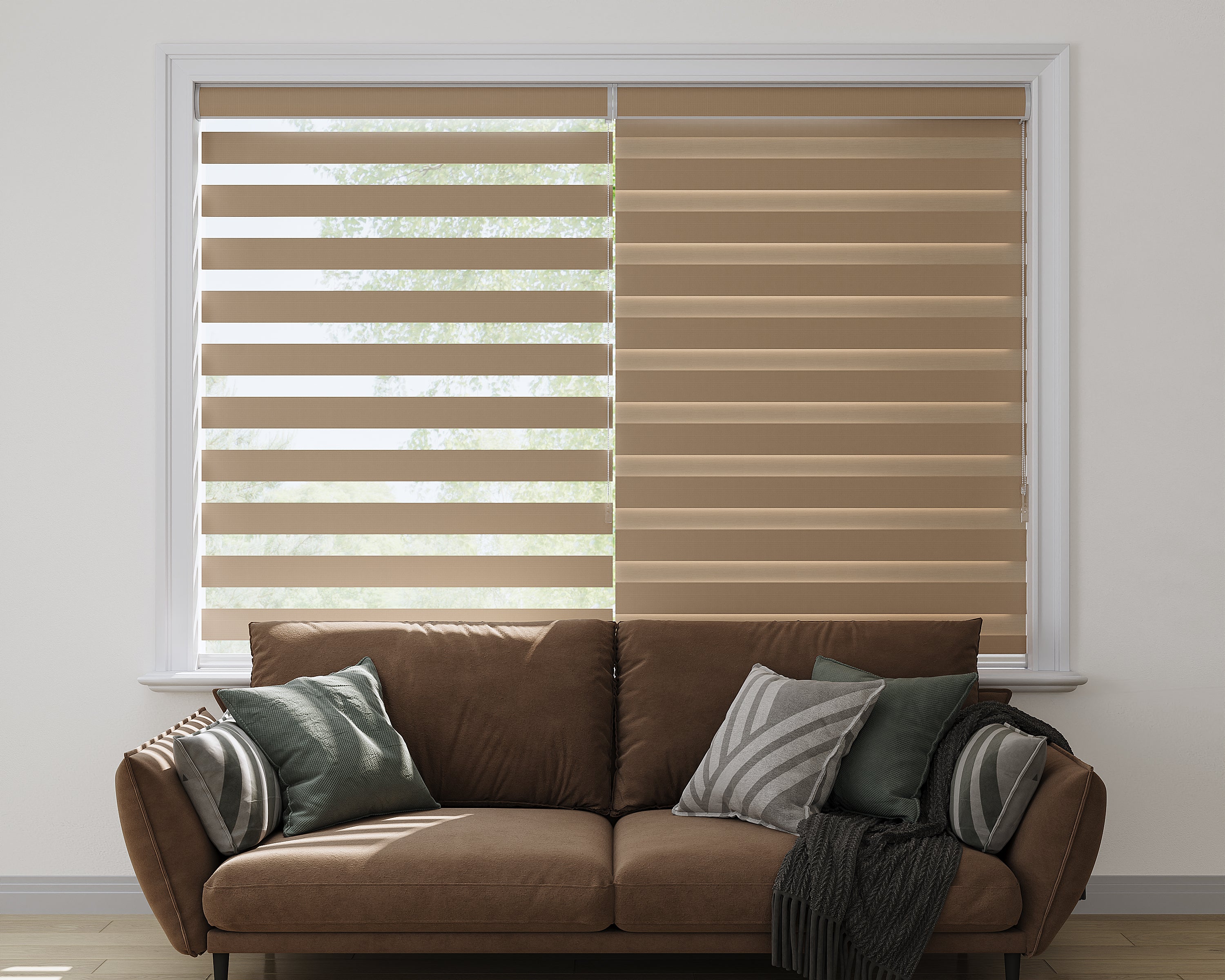
Day-Night Shade Programs: An Illustrative HVAC Evaluation Plan
This illustrative evaluation plan shows how to compare a day-night shade routine using your own records. It does not report a measured household experiment or supply an expected savings percentage....

Layering Shades and Curtains for Thermal Comfort
Layering a shade and curtains can combine different light-control and coverage functions, and the installed arrangement may contribute to thermal comfort. More layers do not guarantee a fixed energy saving;...

Summer Heat Control: Reflective Fabrics and Solar Shade Openness
Solar shade openness and solar reflectance describe different fabric properties. Openness describes the share of open area in the weave. Solar reflectance describes the share of incident solar energy reflected....

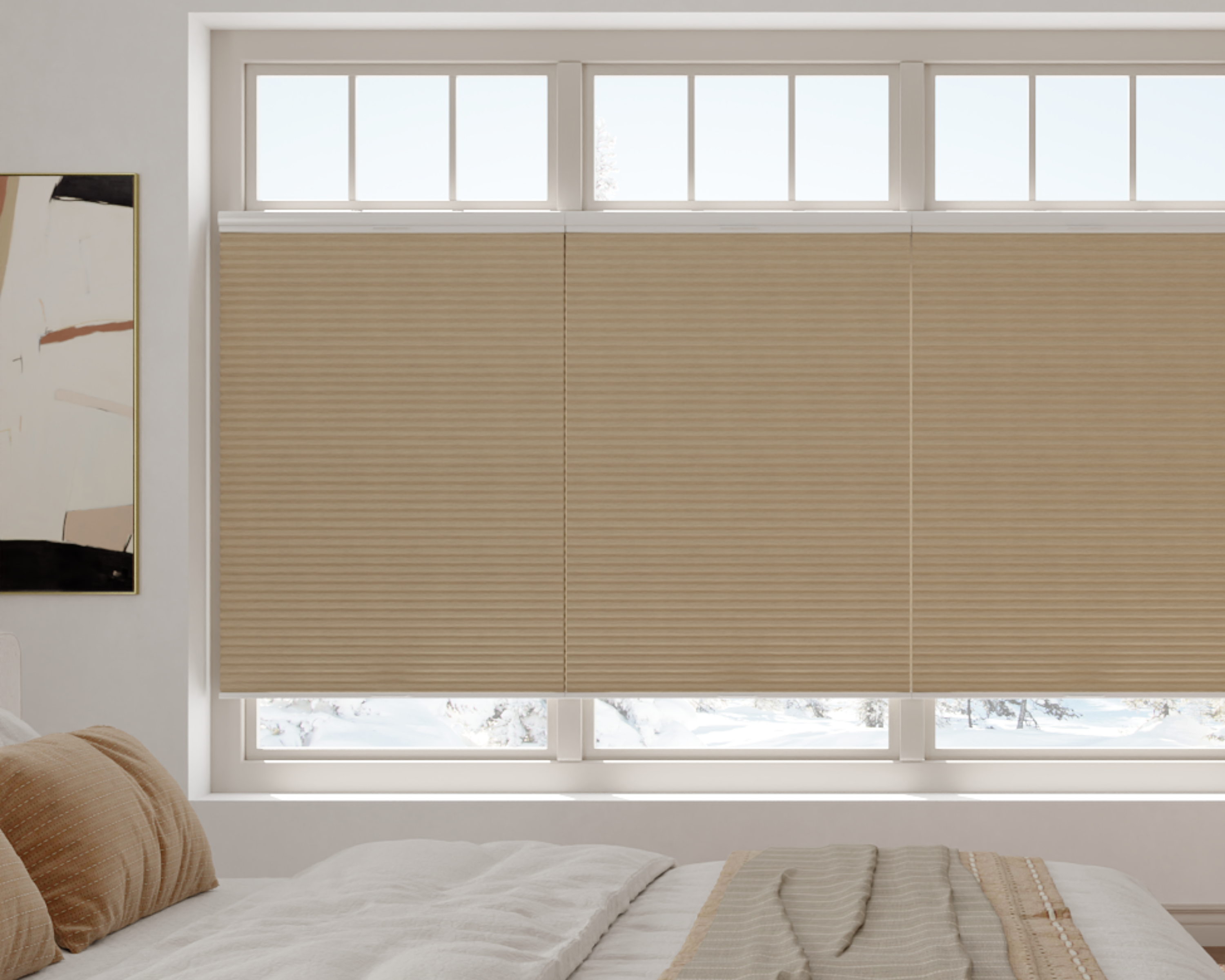
How Cellular Shades Trap Air: A Winter Window Routine
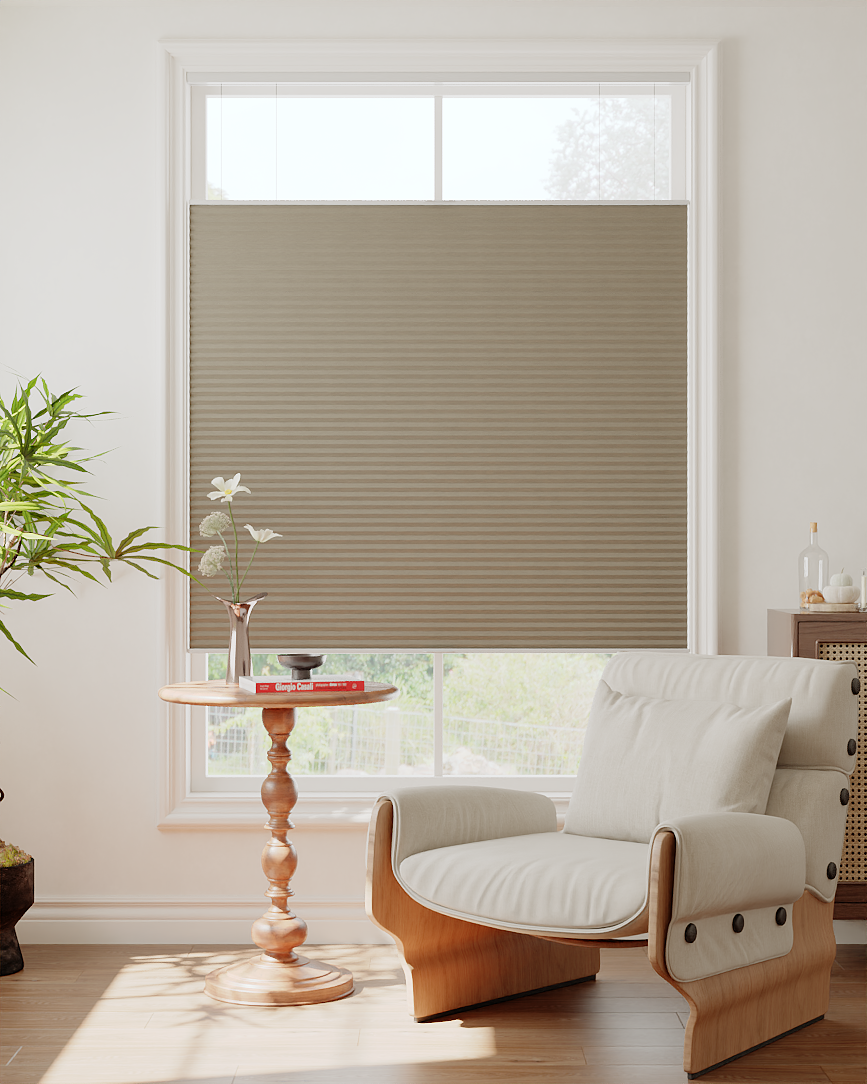
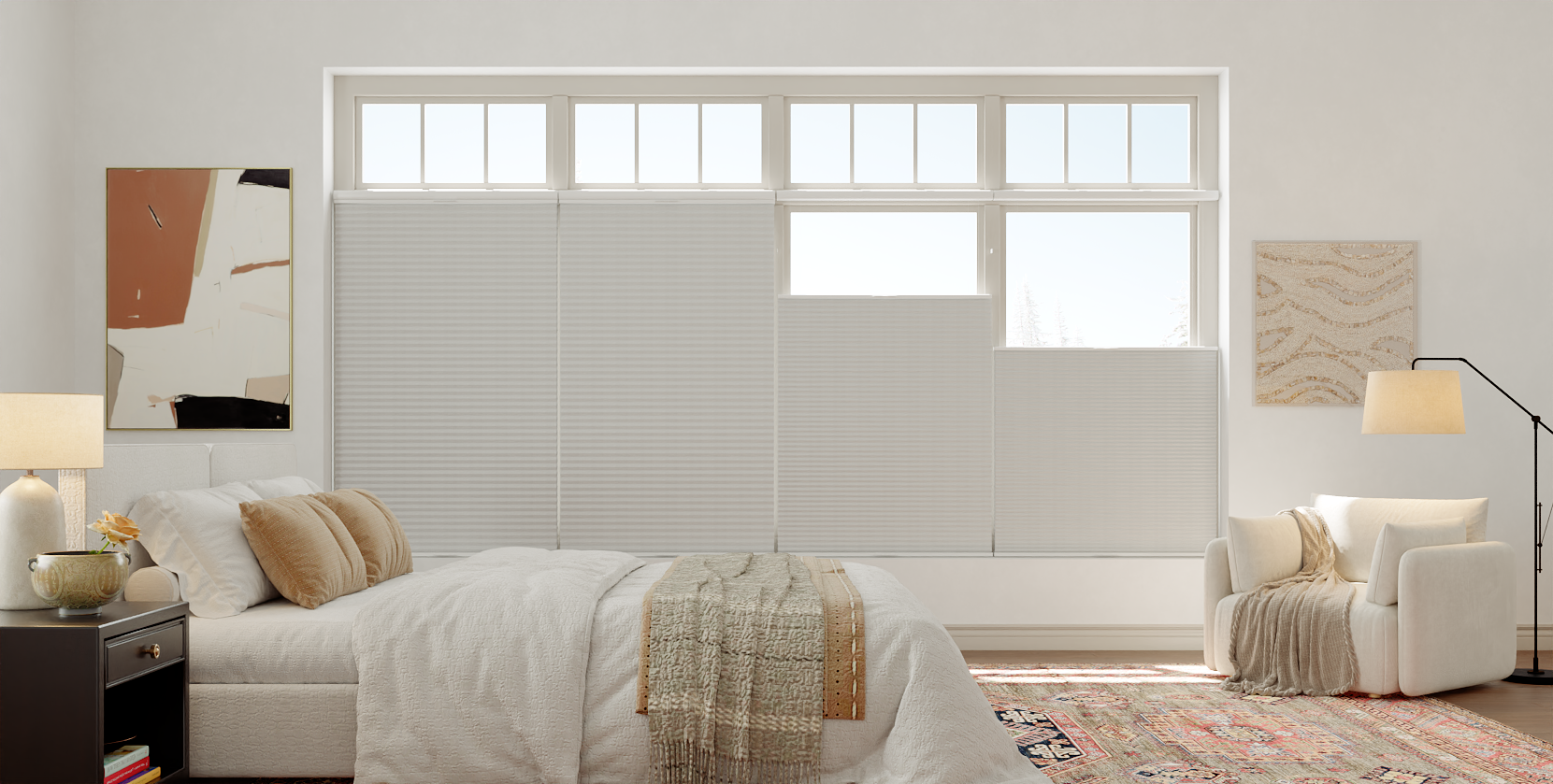
Cellular shades hold air within their honeycomb fabric structure. Lowered over a window, that structure adds resistance to heat flow and can help reduce winter heating demand. The practical result...

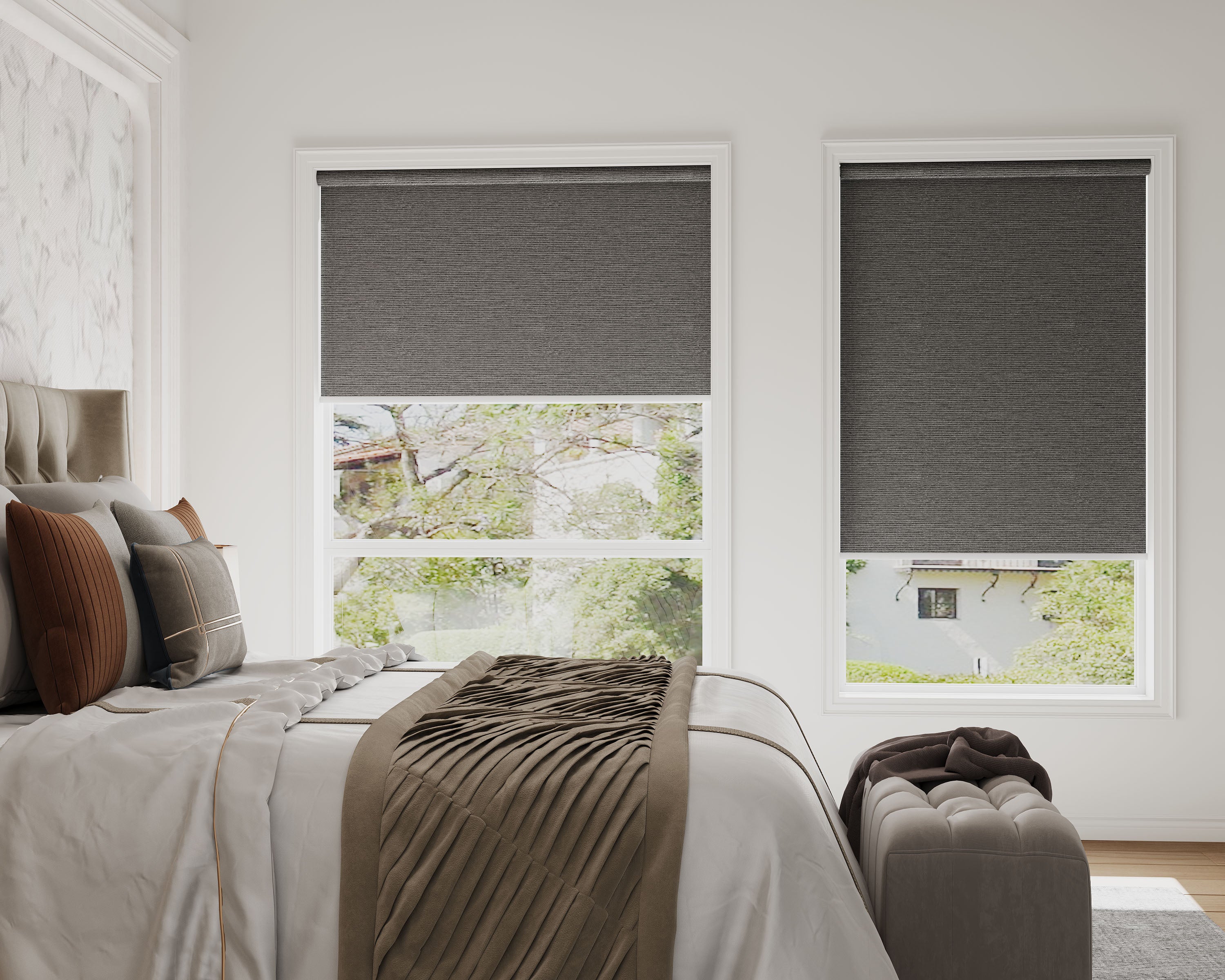
Cellular vs. Roller Shades: How Structure Affects Insulation
Cellular shades are a strong starting point when insulation is the main priority: their honeycomb cells hold air and add resistance to heat flow at the window. Roller shades use...
