







Summer heat control starts with what happens at the window: direct sun, glare, heat transfer through the assembly and how the covering is used. Fabric opacity, solar properties and insulating structure are related decisions, but they are not interchangeable ratings.
Use energy-efficient shade options as a comparison point, then narrow the construction to the actual room. An interior shade cannot be assigned a fixed temperature drop or cooling saving from its product category alone.
Identify the problem before choosing a fabric
Stand near the window during the uncomfortable period. Is direct sun reaching a seat or screen? Does the room remain hot after the sun has moved? Are air leaks or poor glazing part of the problem? Different causes need different responses.
A shade can manage the light it intercepts and affect heat transfer, but it does not repair a leaking frame or replace building ventilation. Consider the whole window and room rather than selecting on a fabric-weight or color label.
Compare solar control with insulation
| Main task | A construction to investigate | Important distinction |
|---|---|---|
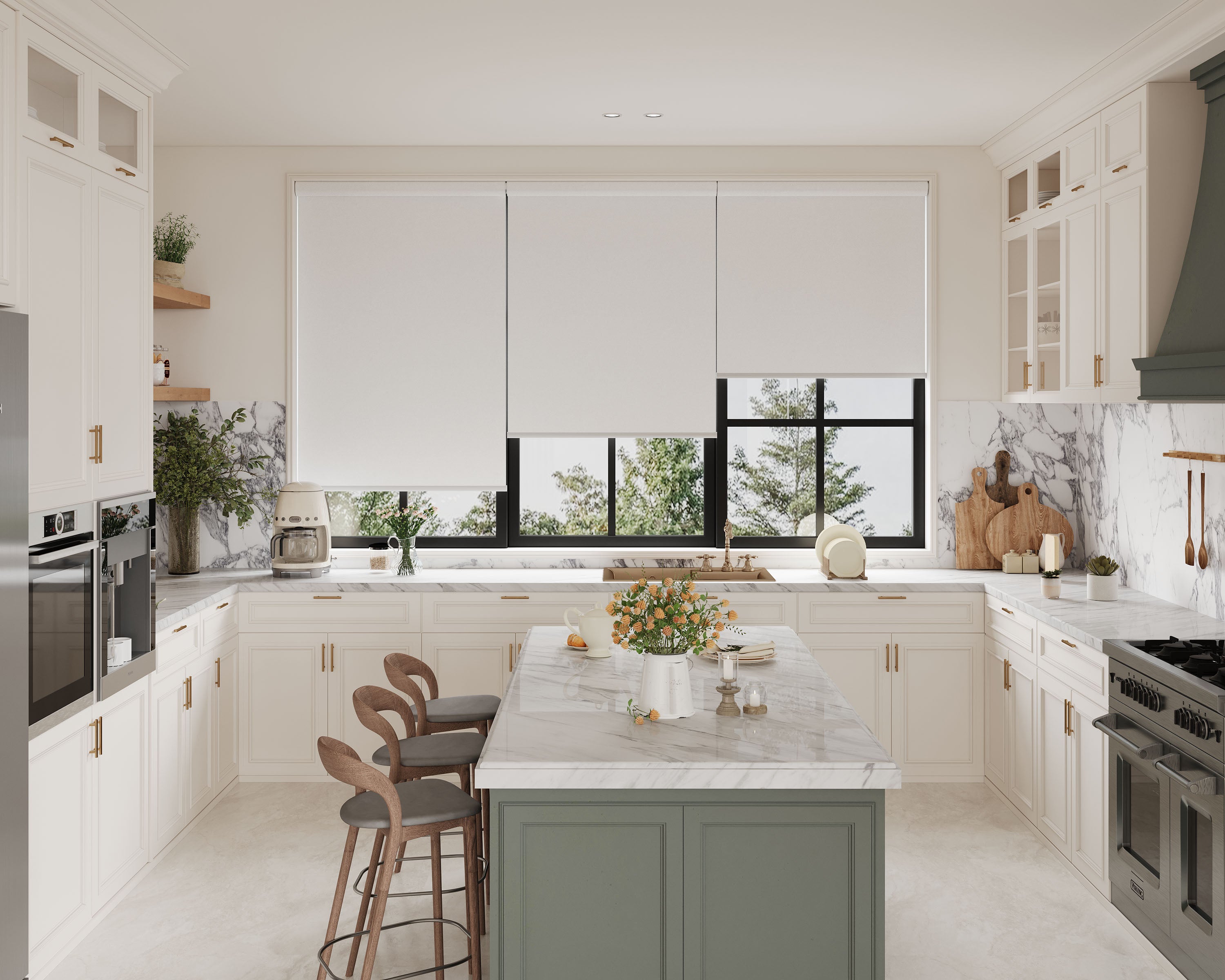
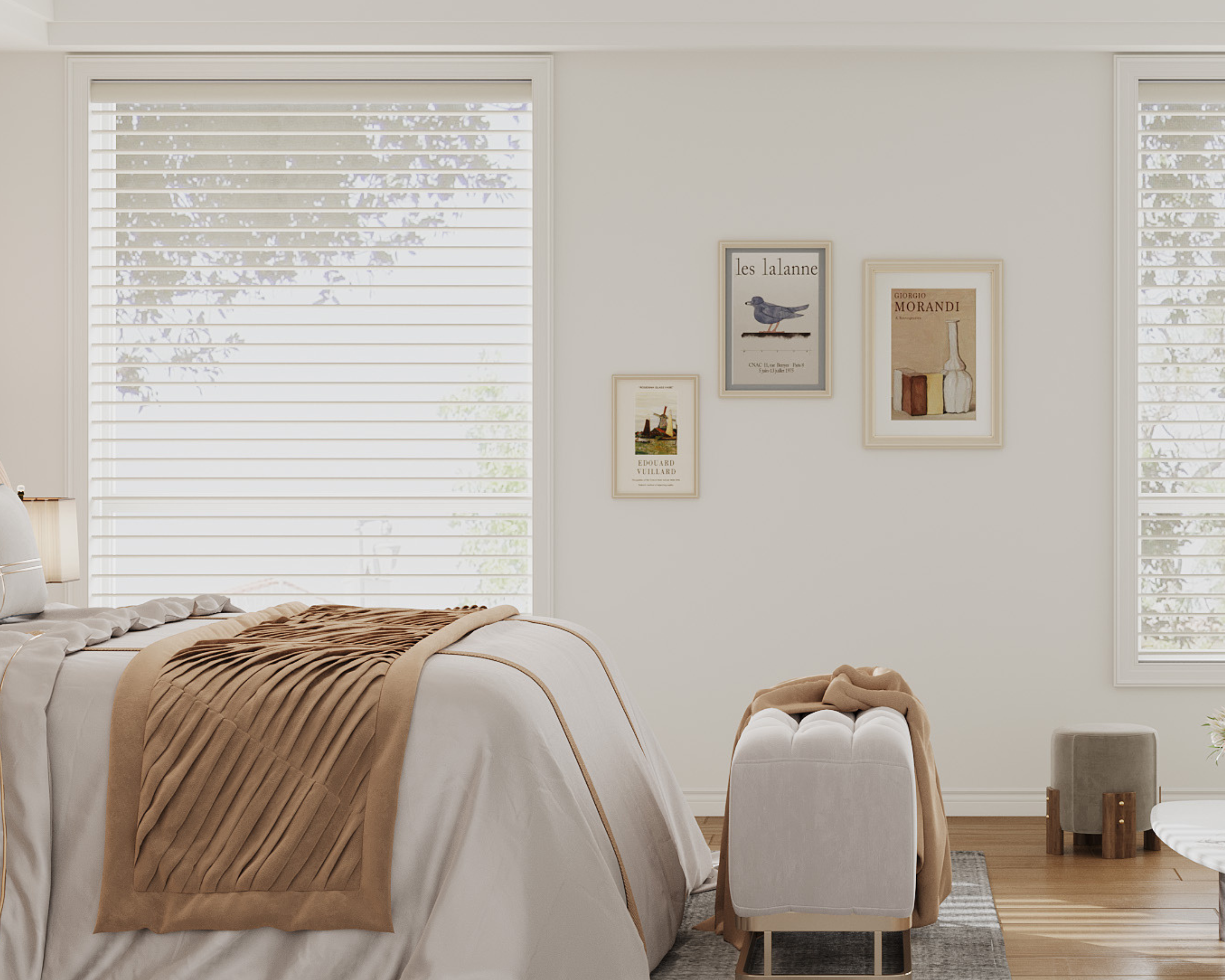
| Reduce glare while keeping a filtered outward view | Solar shades | Openness alone is not total light transmission or a heat-gain rating. |
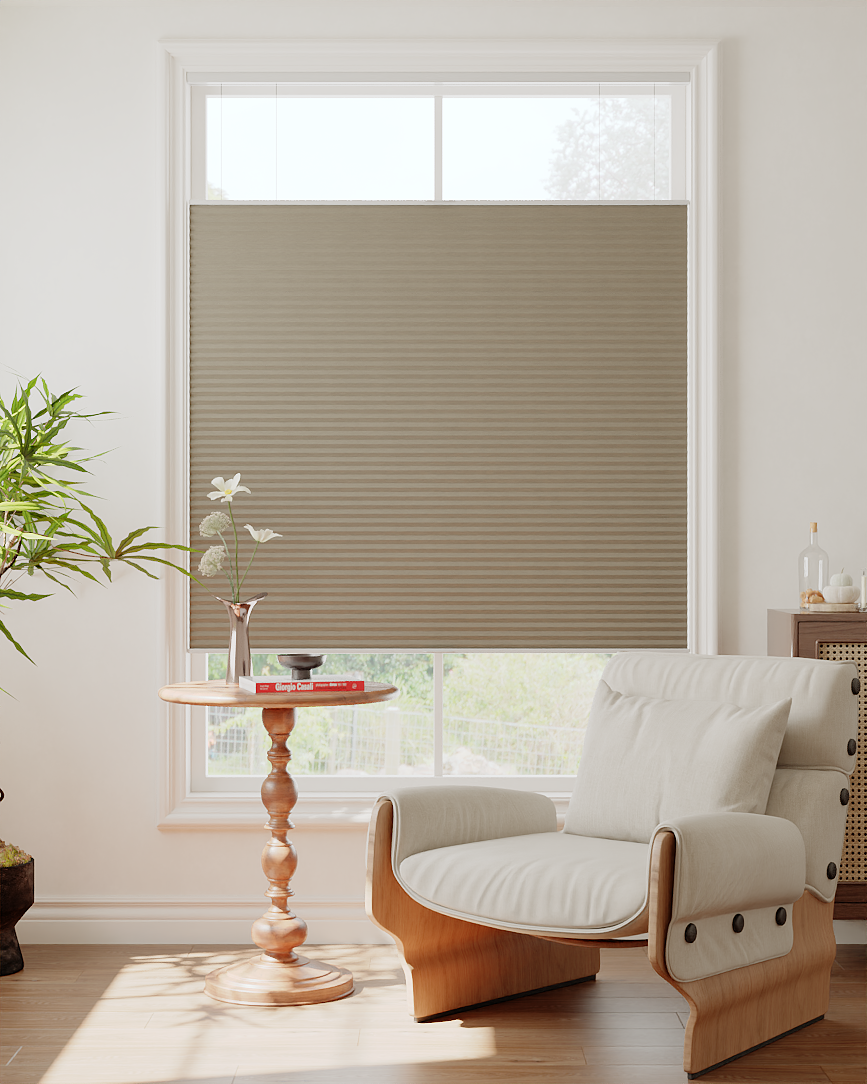
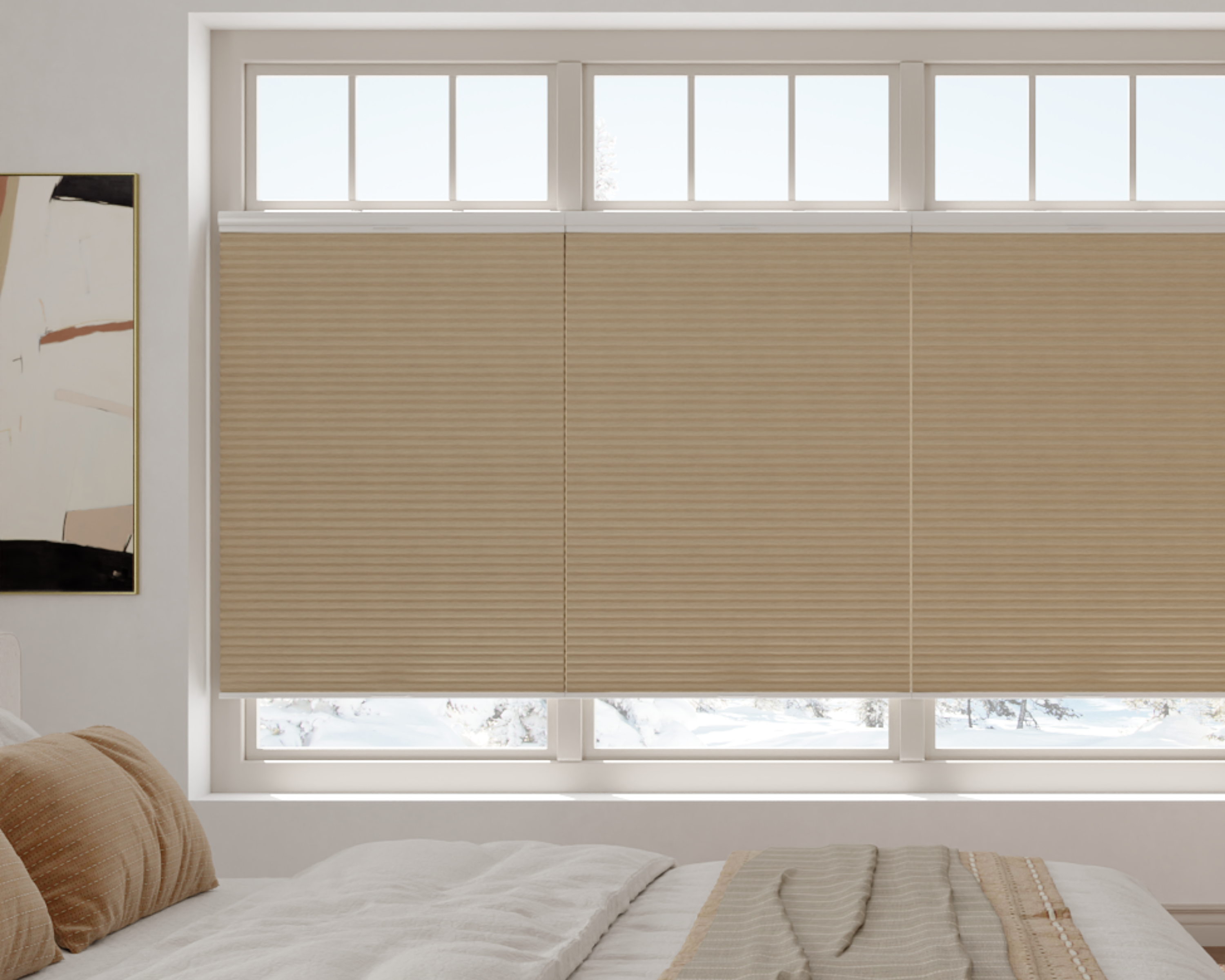
| Reduce heat transfer while covering the window | Cellular shades | Air-cell construction, fit and operation affect the result. |
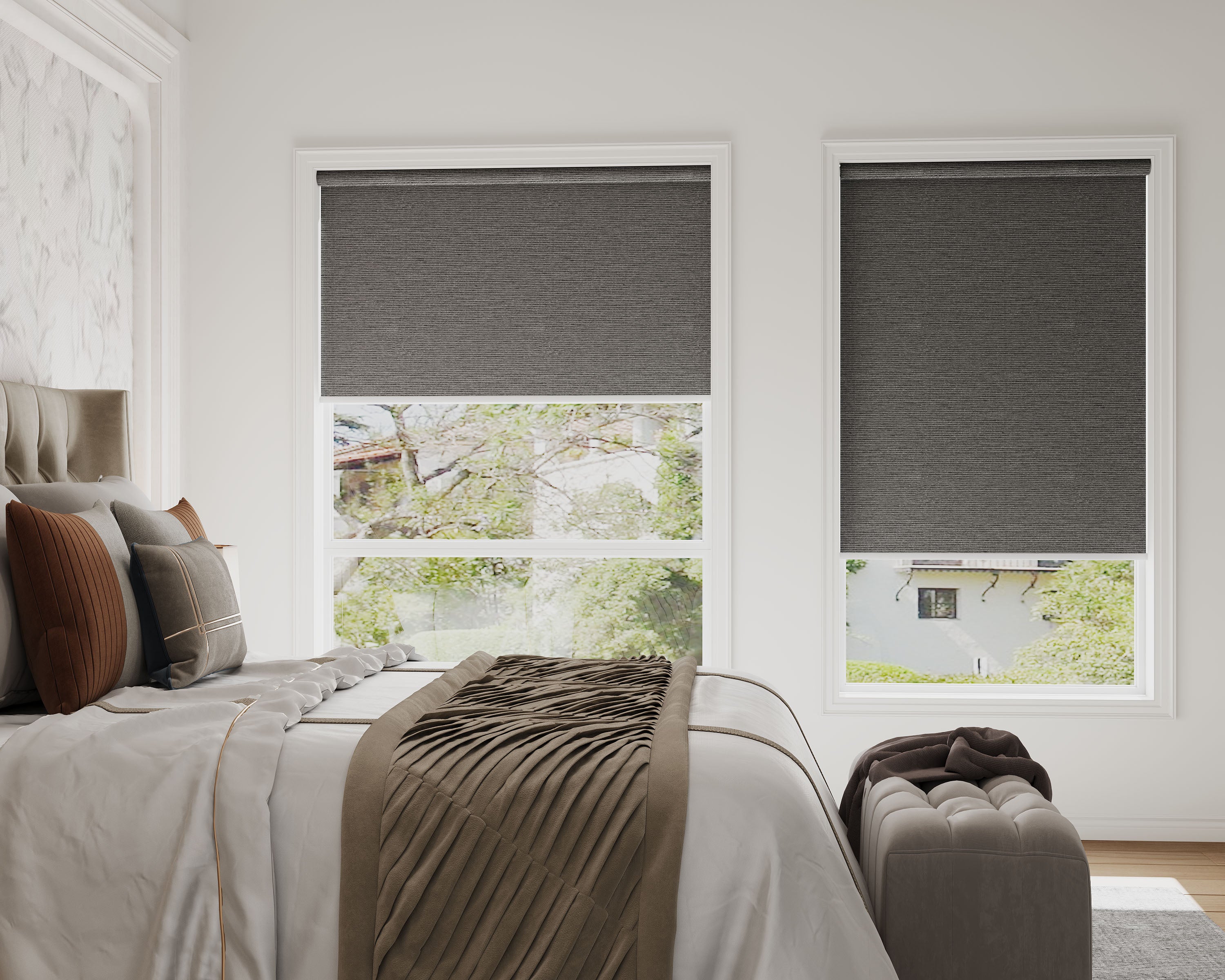
| Block light through an opaque fabric | Blackout roller shades | Edge light and whole-window solar performance still need separate consideration. |
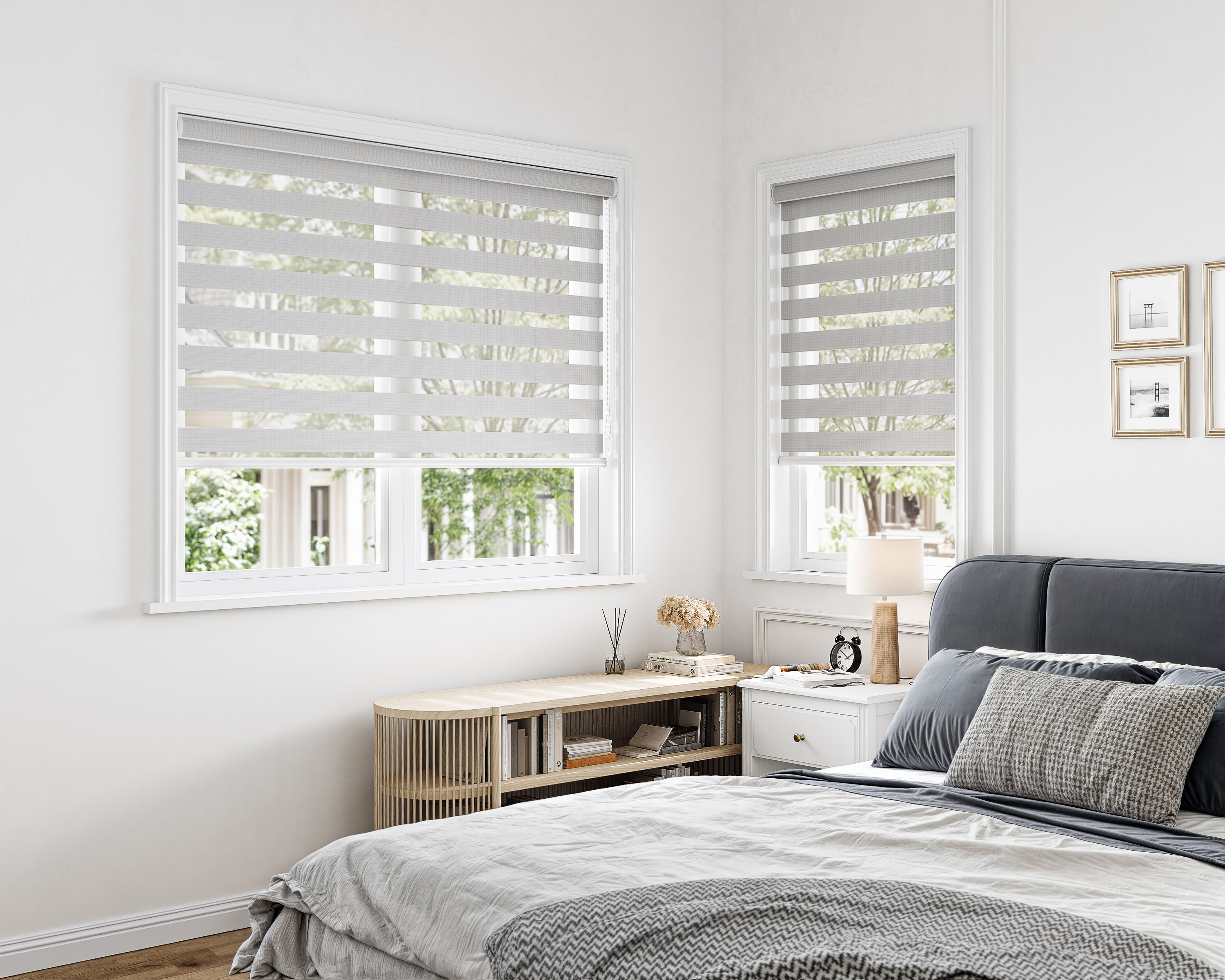
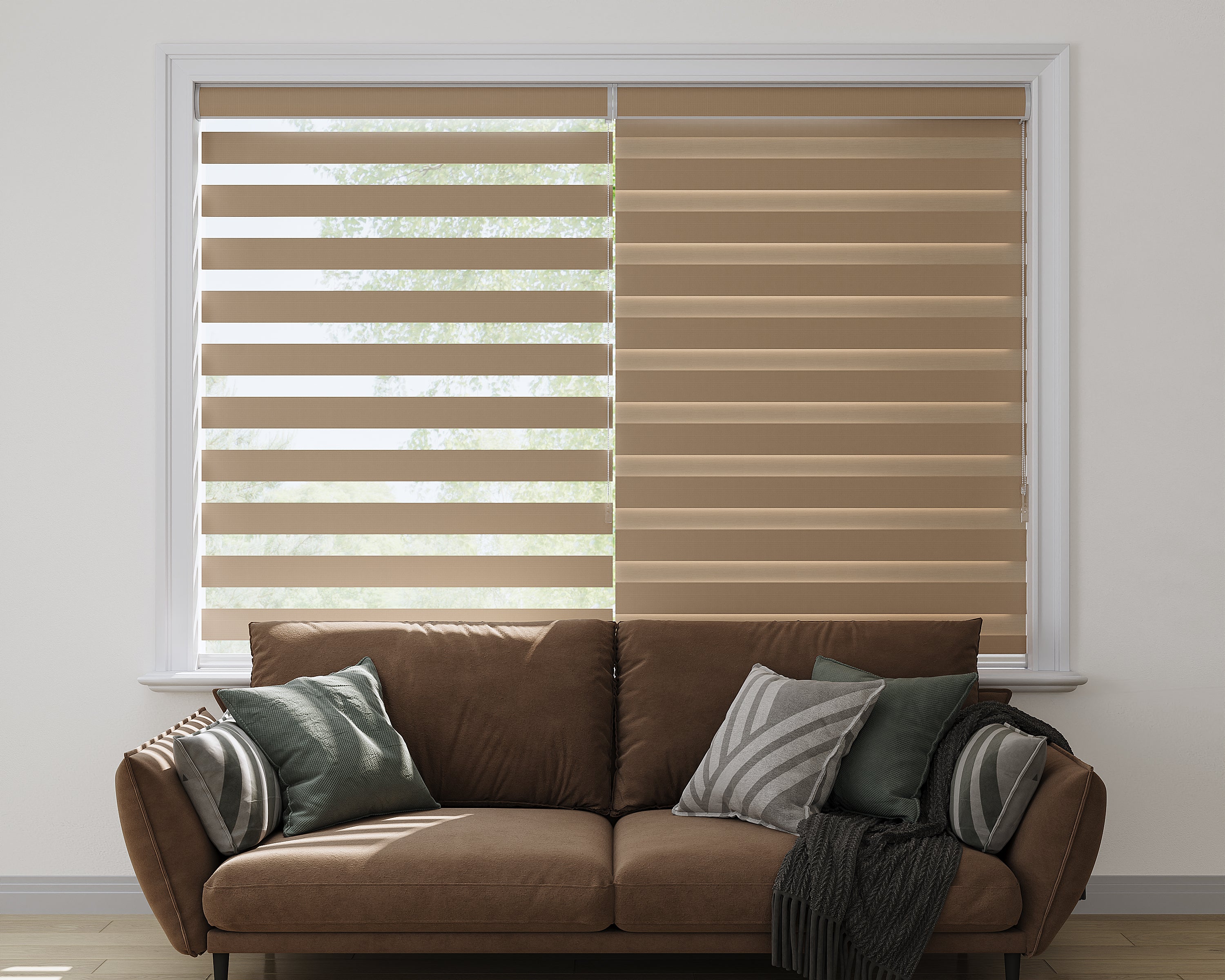
| Adjust between sheer and solid bands | Zebra shades | Band position changes light, not a universal insulation value. |
For technical context, PNNL's window-attachment guidance considers attachments alongside glazing and solar exposure. Use documented assembly evidence when thermal performance is the reason for an upgrade.
Cellular options: check the actual construction
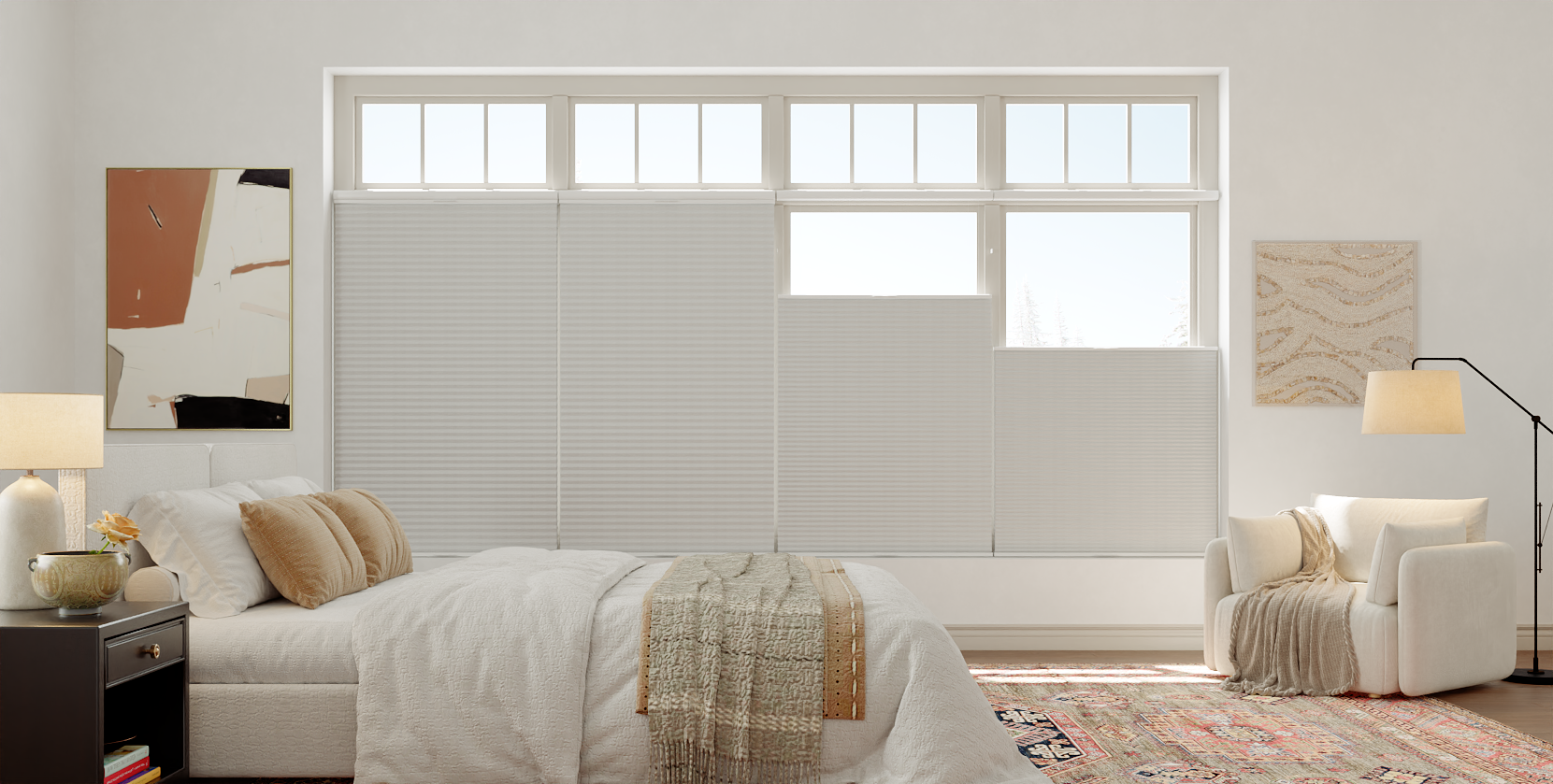
Cellular fabric forms air pockets that can reduce heat transfer. Compare the exact cell arrangement, opacity and installation rather than assigning all single-cell or double-cell shades the same performance.
Light-filtering cellular and blackout cellular listings offer different light-control starting points. Light-filtering top-down-bottom-up and blackout top-down-bottom-up options add a privacy layout where supported.
Cell size, multiple air-cell layers and dual-fabric day/night construction are different specifications. A top-down-bottom-up mechanism does not establish dual-cell construction. Compare day-night and premier day-night for their actual fabric sections and operating options, not as automatic thermal upgrades.
Reflectance, color and opacity
A light-looking room face does not establish a fabric's glazing-facing reflectance. Likewise, choosing a dark color does not “mask” heat absorption. Ask for the actual fabric's solar properties if that comparison matters.
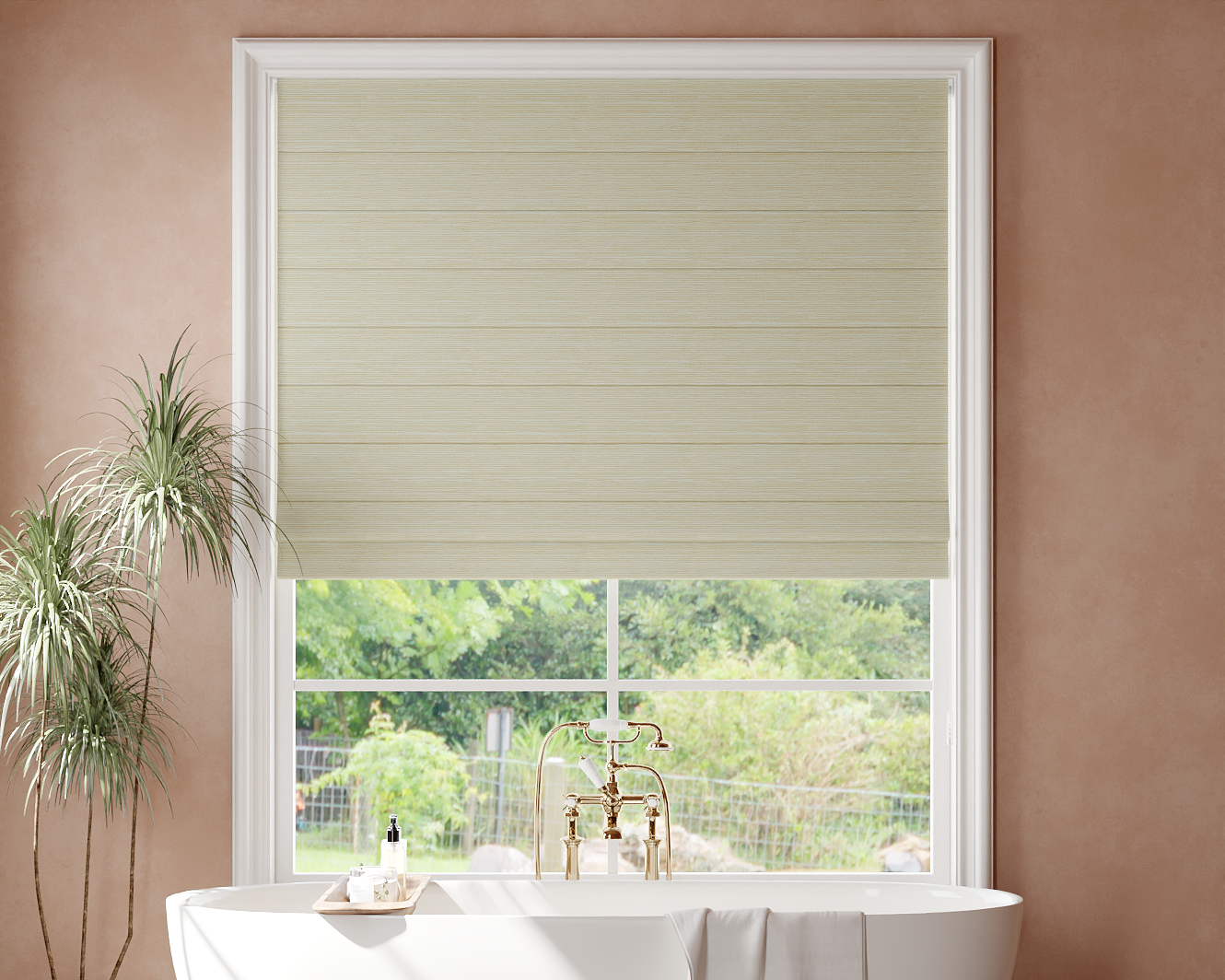
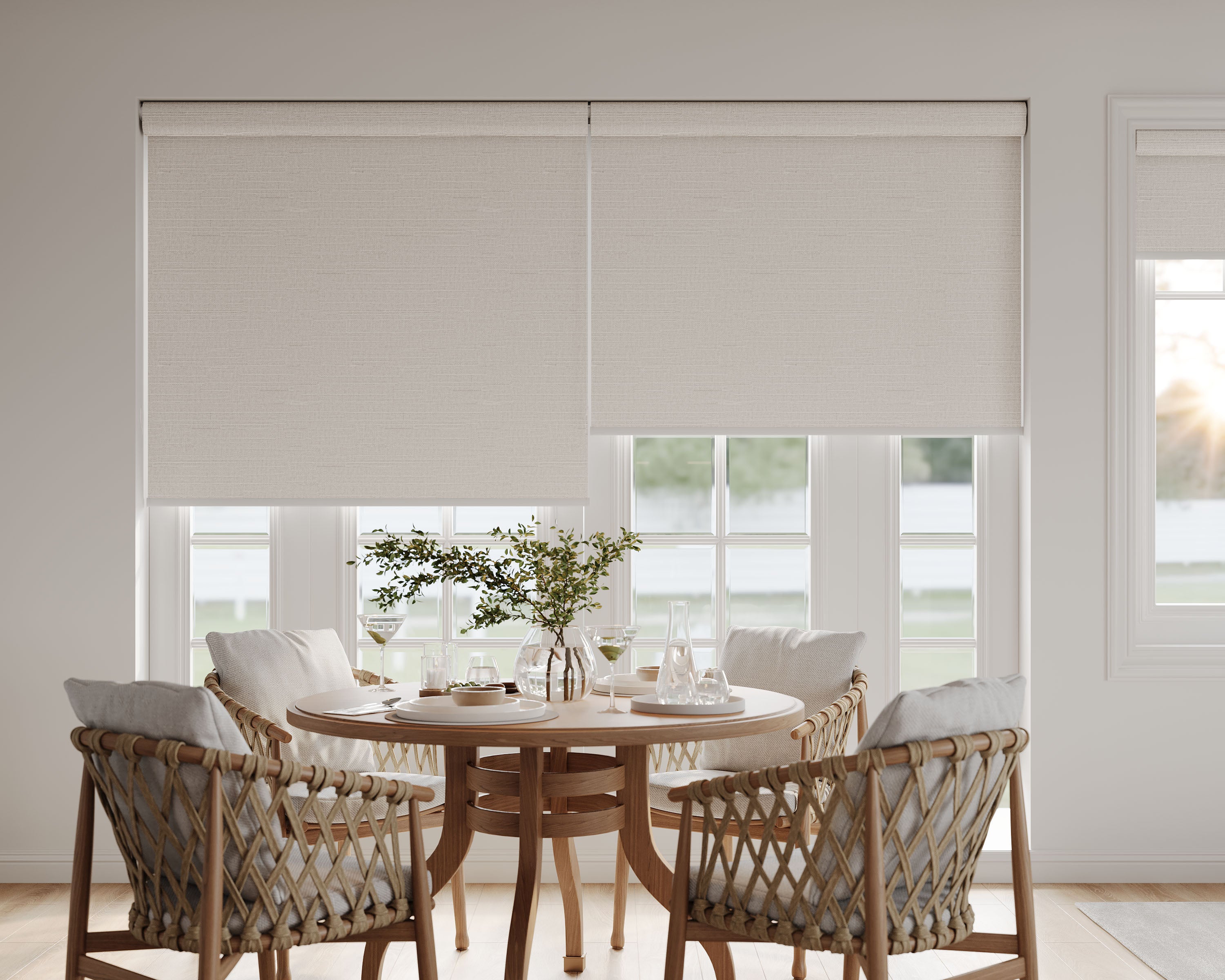
An open weave can retain a view while an opaque fabric blocks it when lowered. Within comparable fabrics, openness affects the view and glare experience, but it is not the percentage of all sunlight entering the room. Compare samples at the difficult time of day.
Light-filtering rollers, light-filtering zebra shades and room-darkening zebra shades serve different daylight preferences. Do not attach a fixed UV, temperature or cooling percentage to these categories without comparable model evidence.
Use the covering when the sun is a problem
Lower or adjust the shade before direct sun reaches the area you want to protect, then balance comfort with useful daylight. The suitable timing depends on the window's orientation, season and room use.
Motorized scheduling can help if the selected motor/controller supports it. It is a convenience feature, not an inherent heat-safety benefit from avoiding “hot cords.” Plan power and reachable controls, and use CPSC's cordless guidance where young children live or visit.
Consider exterior shading and fit
Exterior shading intercepts solar energy before it reaches the glazing. Awnings, overhangs, trees or exterior products have their own seasonal, structural and maintenance implications; they are not interchangeable with an interior fabric result.
Inside the room, confirm dimensions, headrail clearance, window handles and intended coverage. Use only compatible side accessories and the selected product's measuring instructions. Do not promise that adding a tight track recreates a laboratory assembly or repairs an air leak.
Moisture and cleaning remain separate checks
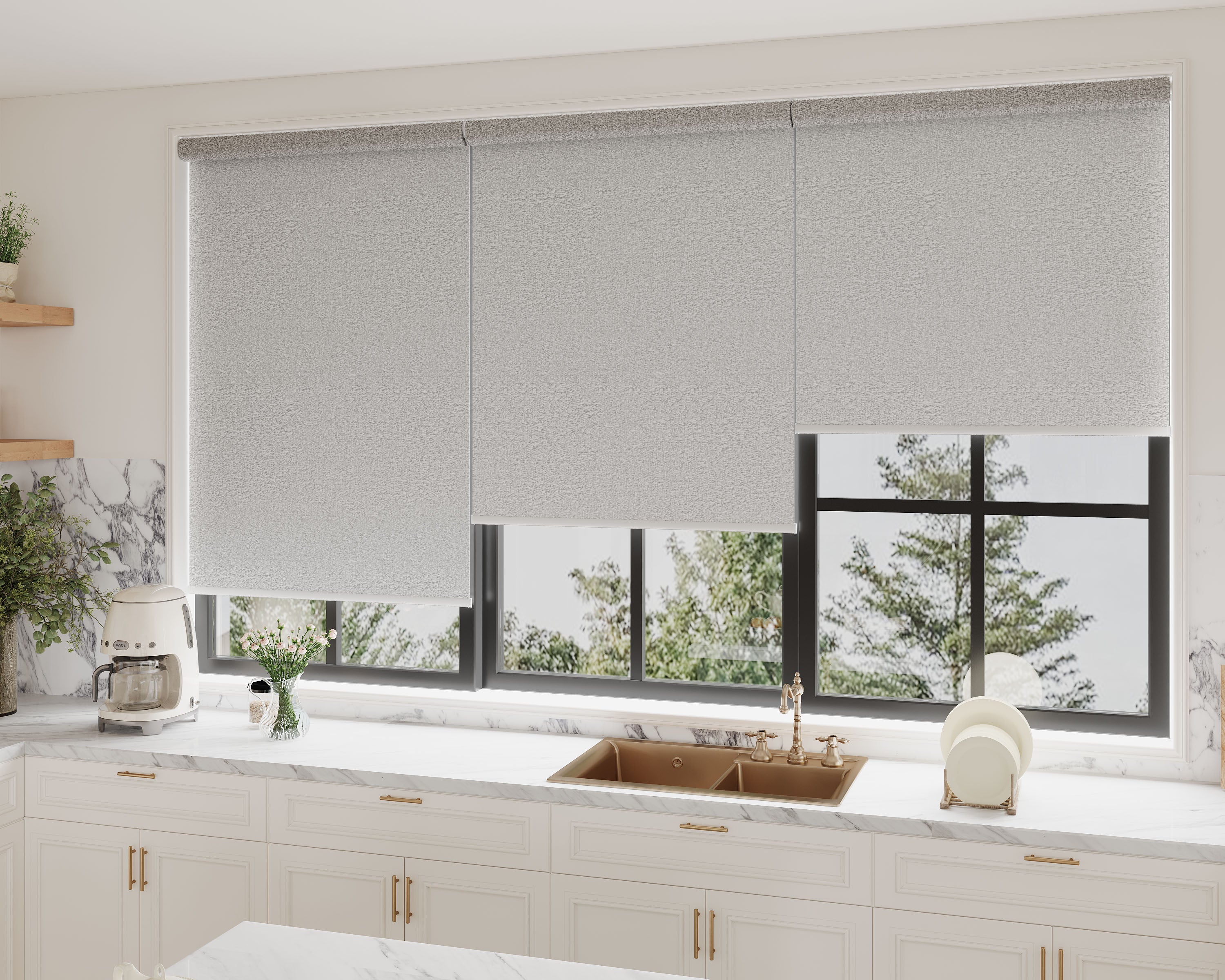
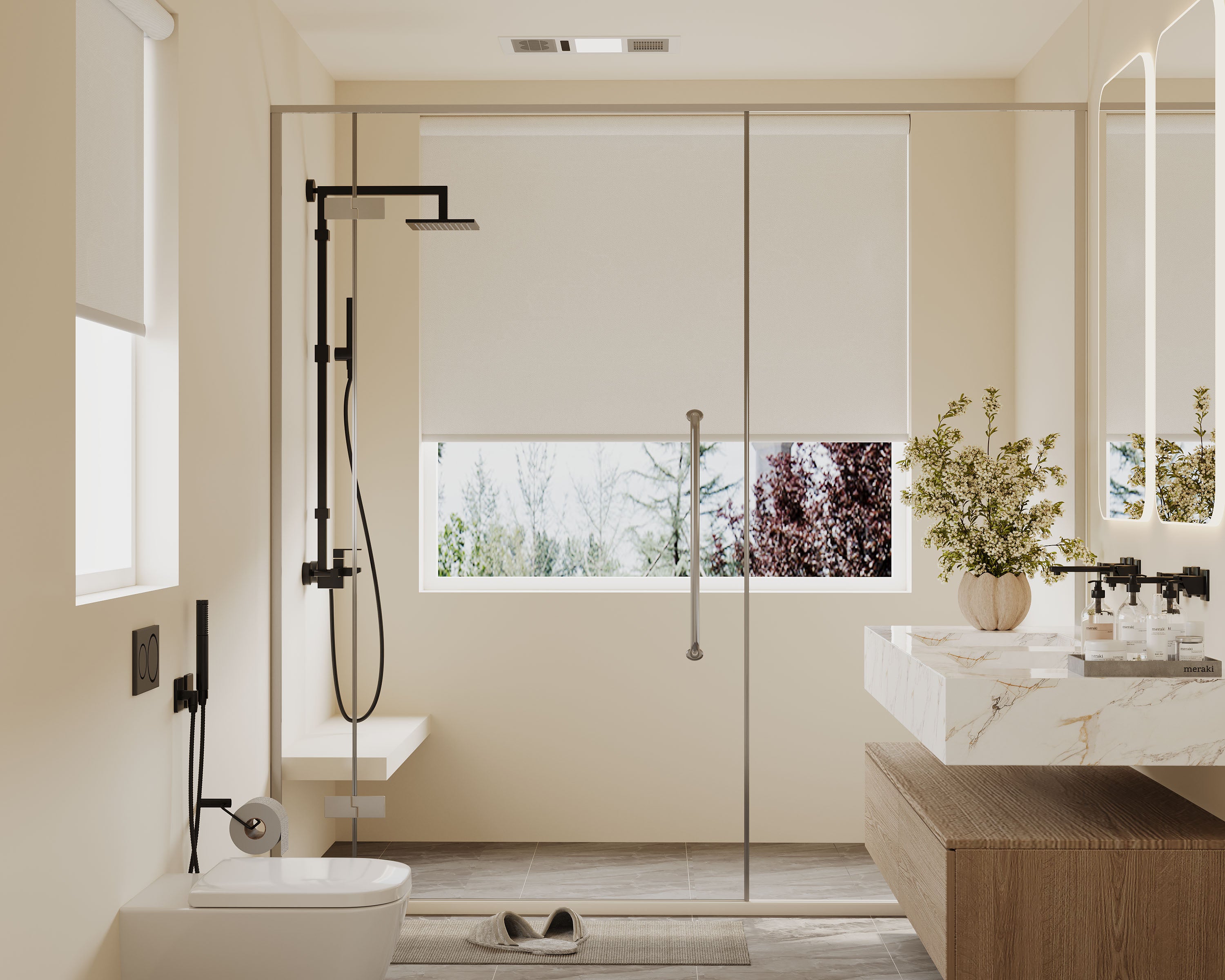
For a humid kitchen or adjoining utility area, the standard waterproof blackout roller may be a material option within its stated exposure limits. Waterproofing does not establish superior cooling, and opaque coverage does not establish wet-zone approval.
Follow the chosen fabric's care instructions, particularly for coatings and delicate weaves. Keep the window area inspectable and do not soak headrails or electrical components.
A practical shortlist
Choose the actual task first: glare, filtered view, opaque coverage or insulating structure. Next compare suitable fabrics and complete configured prices. Finally verify fit and how the covering will be operated during the relevant sun exposure.
Return to energy-efficient shades with that shortlist. The useful result is a covering that solves the room's problem without relying on an unverified universal savings claim.
Frequently asked questions
Are blackout shades always the coolest choice?
No. Opacity describes light blocking through fabric; solar properties, glazing and operation affect heat gain. Compare the actual assembly and the room's needs.
Do darker shades help by hiding heat absorption?
No. Color appearance is not a way to hide thermal behavior. Use documented solar properties and suitable samples rather than that rule.
Can I predict a bill saving from a study percentage?
Only with a relevant comparison and assumptions about the window, climate, HVAC and operation. A study result for another assembly is not a guaranteed outcome for your home.
