
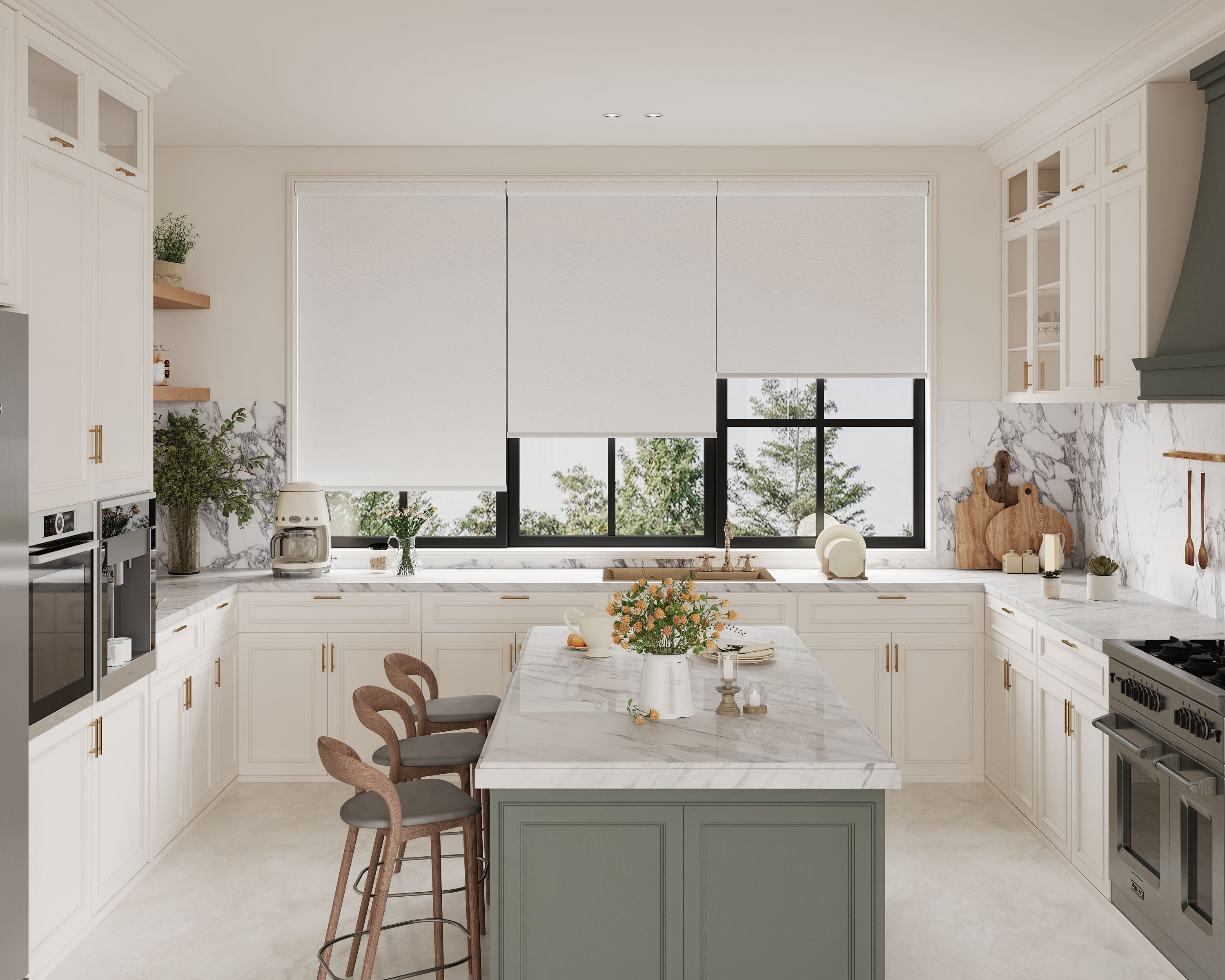
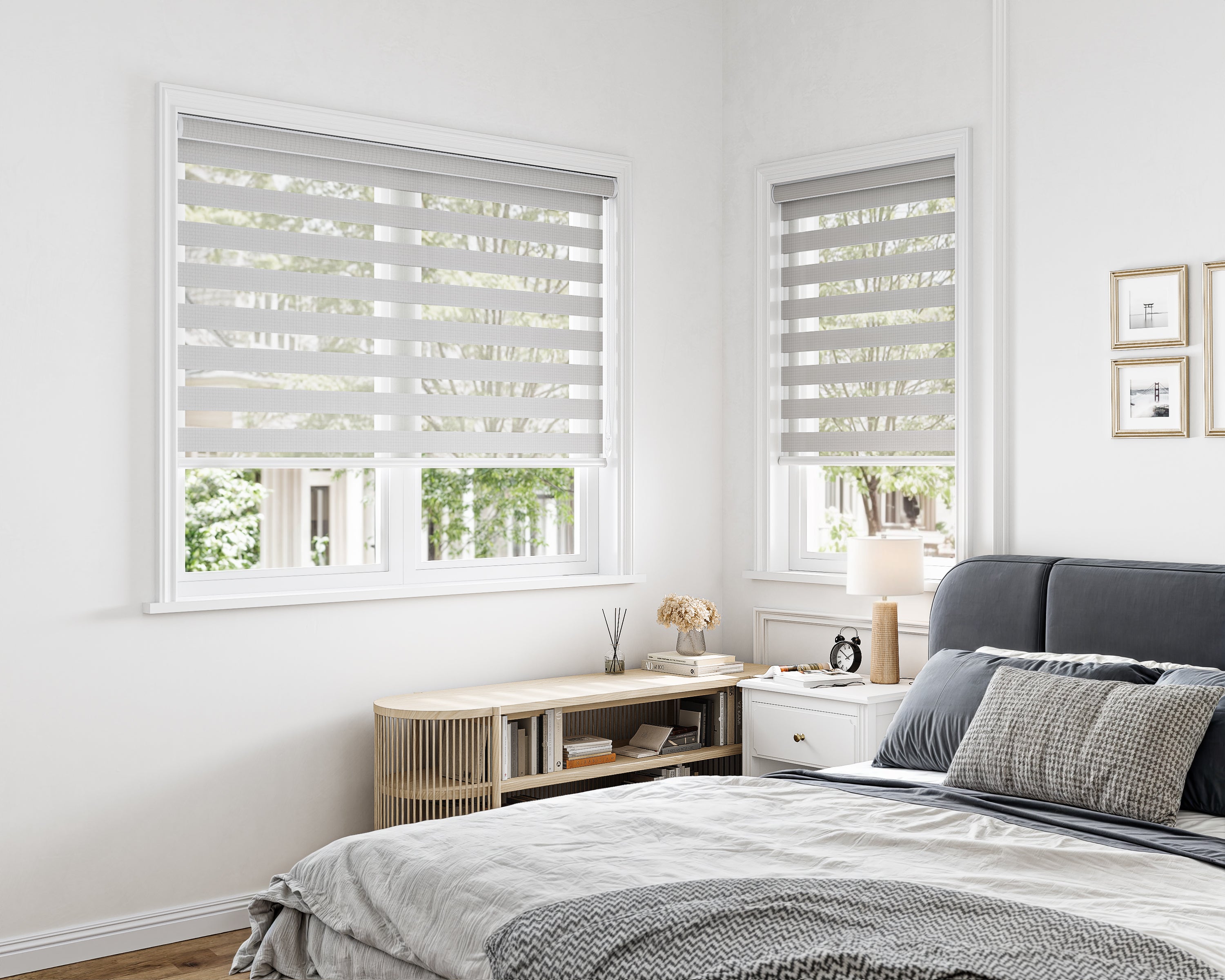
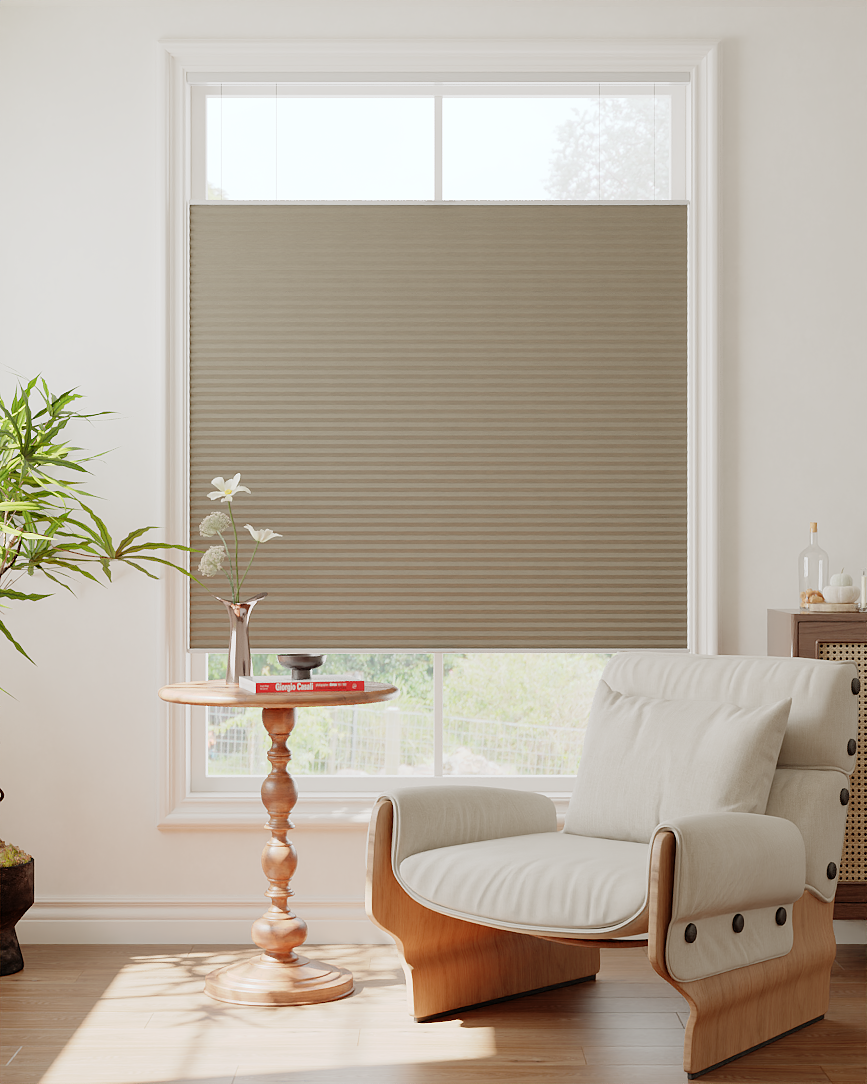
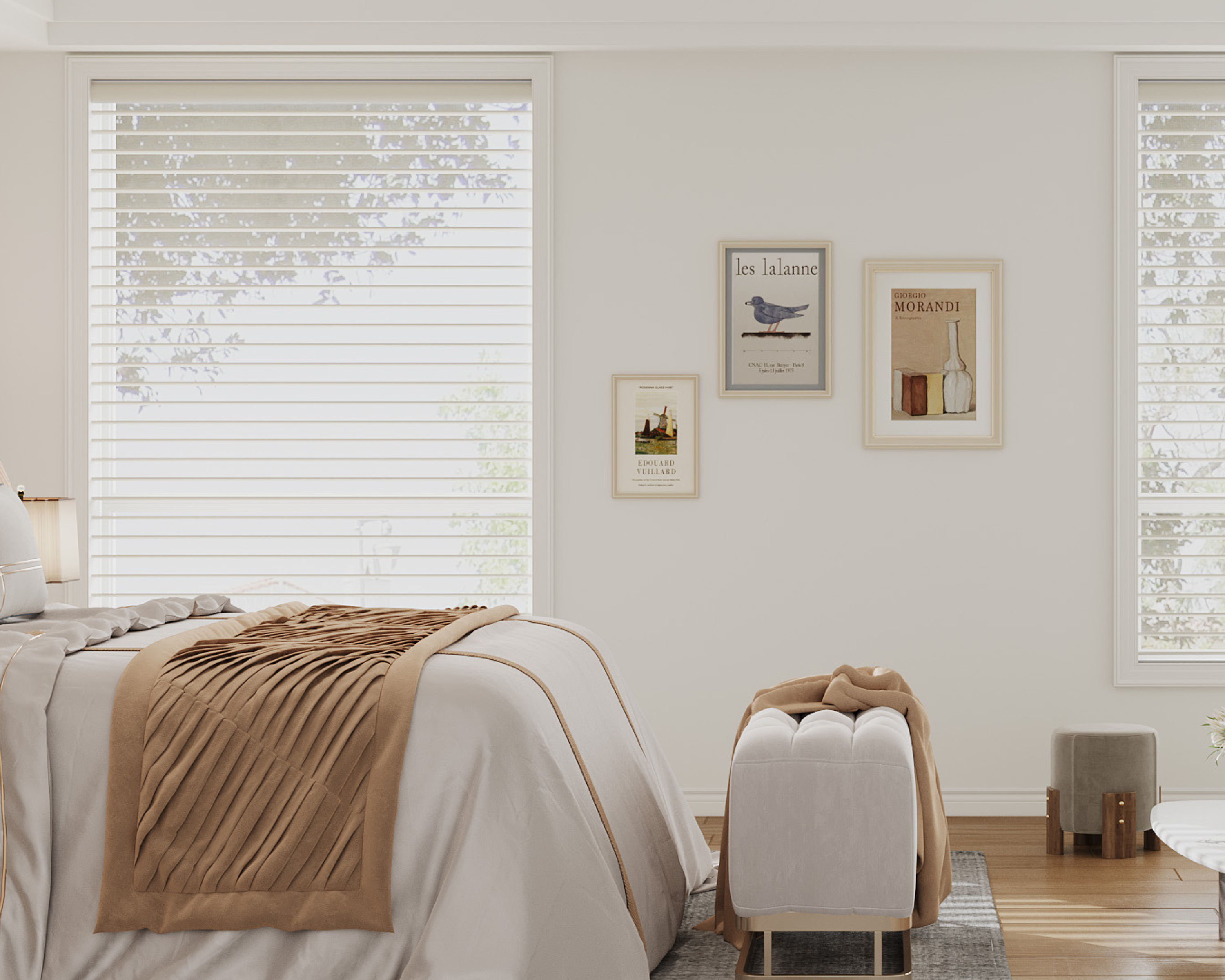







Yes, cellular shades are a highly effective and often essential line of defense for homes in extreme climates, but their configuration must be precisely tailored to the specific environmental threat. For frigid arctic cold, the goal is maximum heat retention with high R-value shades, while for intense desert heat, the priority shifts to supreme solar heat rejection with high reflectivity. This guide provides the engineering-level details needed to specify cellular shades that will perform reliably and deliver comfort and energy savings in the world's most challenging temperatures.
Here’s what you’ll learn to fortress your home against the elements:
-
Climate-Specific Engineering: The distinct material science and design priorities for creating a thermal barrier against cold versus a radiant heat shield against sun.
-
Performance Specification Deep Dive: How to decode and select for critical metrics like R-value, Solar Heat Gain Coefficient (SHGC), and the role of side seals in extreme applications.
-
Material & Construction Choices: Why certain fabrics, cell structures, and colors are non-negotiable in extreme zones, and which features to avoid.
-
Installation for Maximum Defense: Advanced mounting and sealing techniques that go beyond standard practice to lock out drafts and thermal transfer.
-
Durability & Maintenance in Harsh Conditions: How prolonged UV exposure, deep cold, or dry heat can affect shade materials and mechanisms, and how to ensure longevity.
For climates that test the limits of a home, you need products engineered to meet that challenge. Begin with our range of high-performance cellular shades built for demanding environments.
Part 1: Conquering Extreme Cold & Arctic Winters
In extreme cold, the primary mission is to create an immovable insulating barrier that prevents precious indoor heat from escaping through your windows, which are the weakest thermal link in your home's envelope.
The Priority: Maximum R-Value
R-value measures resistance to heat flow. In deep cold, you need the highest R-value you can achieve.
-
Non-Negotiable Construction: Triple-Cell shades are the gold standard. The three layers of honeycomb pockets create the deepest barrier of trapped, still air. If triple-cell is unavailable, double-cell shades with an insulating lining are the minimum viable specification.
-
Fabric is Key: Standard light-filtering fabrics are insufficient. You must select blackout fabrics. It's not just about darkness; the opaque, often acrylic or foam-backed lining adds critical mass and density, significantly boosting the R-value compared to single-layer fabrics. The difference can be between an R-3 and an R-5 shade, which has a major impact on heat loss.
-
The Seal is the Deal: A shade with gaps is a failed shade in extreme cold. Side channels (or "side tracks") are mandatory. These U-shaped guides create a complete seal along the shade's edges, preventing cold air from cascading down the window glass and into the room (the "convective loop"). This single addition can improve the effective R-value of the installation by over 20%.
Installation & Usage Strategy for Cold
-
Outside Mount for the Win: An outside mount, where the shade is installed on the wall overlapping the window frame, is superior for cold climates. It covers the often-leaky window frame itself and allows for a more robust seal with side channels.
-
The 24/7 Winter Rule: During the deep winter months, shades in extreme cold climates should be kept closed at all times, day and night. The minimal solar heat gain from a weak winter sun is far less valuable than the constant, massive heat loss they prevent. Their job is to be a permanent insulating wall.
Part 2: Surviving Extreme Heat & Desert Sun
In extreme heat, the goal flips: you must become a reflective shield, stopping the sun's radiant energy before it can penetrate the glass and become heat trapped inside your home.
The Priority: Solar Reflectance & Low SHGC
-
The Science of Reflection: Light colors reflect; dark colors absorb. For heat, you must choose white or a light, reflective neutral (beige, light gray). The shade's face fabric should have a high "Solar Reflectance" rating.
-
Fabric and Backing: The most effective shades combine a light-colored face with a reflective backing—often a bright white or metallic silver laminate. This backing acts like a mirror, bouncing a huge percentage of solar infrared radiation (the heat you feel) back out the window. Understanding these material properties is key, as explored in our deep dive on how fabrics affect light and heat.
-
Opacity Matters: Blackout or highly reflective room-darkening fabrics are best. While light-filtering shades diffuse glare, they allow too much solar energy to pass through for an extreme heat scenario. You need an opaque barrier.
Installation & Usage Strategy for Heat
-
Sealing is Still Critical: Side channels are again highly recommended. They not only improve insulation but also ensure the created air pocket between shade and glass is stable, enhancing the reflective barrier's effectiveness.
-
The Daily Heat-Blocking Ritual: Shades must be closed before the sun hits the window. This is a proactive, not reactive, measure. Use a timer or smart automation to ensure east-facing shades are closed by sunrise, south-facing by mid-morning, and west-facing by early afternoon. The goal is to never let the direct sun touch the glass. Our guide to automating shades for energy savings with smart scheduling is essential for this.
Direct Comparison: Specifying for the Extremes
Use this table to contrast the two diametrically opposed specification paths.
| Specification | For Extreme COLD (Arctic/Winter) | For Extreme HEAT (Desert/Summer) |
|---|---|---|
| Primary Goal | Create an insulating barrier to retain indoor heat. | Create a reflective shield to block radiant solar heat. |
| Key Metric | Maximize R-Value (aim for R-5.0+). | Minimize Solar Heat Gain Coefficient (SHGC); maximize reflectance. |
| Cell Structure | Triple-Cell (ideal) or Double-Cell (minimum). | Double-Cell is effective; cell structure aids overall insulation. |
| Fabric Type | Blackout with insulating, opaque lining. | Blackout or Reflective Room-Darkening with bright white/metalized backing. |
| Color | Less critical for insulation, but darker colors can aid heat absorption if shades are opened on sunny winter days. | White or Light Reflective Neutral is mandatory. |
| Must-Have Feature | Side Channels / Edge Seals to stop convective drafts. | Side Channels to stabilize insulating air pocket & Smart Motorization for timely closure. |
| Daily Operation | Keep closed almost constantly during coldest months. | Keep closed during all sun-exposed hours; open at night for ventilation if safe. |
Beyond the Shade: System Integration and Durability
-
Motorization is Non-Negotiable: In both extremes, consistent, correct operation is too important to leave to memory or manual effort. Motorized shades with scheduling ensure your thermal defense is deployed perfectly every day, maximizing savings and comfort. For a look at the power systems behind this, see our comparison of battery-powered vs. hard-wired motors.
-
Durability Concerns:
-
For Extreme Heat: Prolonged, intense UV exposure can degrade fabrics and fade colors over time, even on reflective shades. Look for fabrics with high UV resistance scores and fade warranties. Mechanisms should be rated for high temperatures.
-
For Extreme Cold: Plastic components in the headrail or bottom rail can become brittle. Ensure the mechanism is rated for low-temperature operation to prevent cracking or motor stall.
-
Conclusion: The Intelligent Thermal Envelope
In extreme climates, cellular shades transition from a comfort feature to a critical component of your home's building science. By scientifically selecting for high R-value and sealed construction in the cold, or for maximum solar reflectance and proactive control in the heat, you deploy them as a dynamic, intelligent layer of your thermal envelope. This specialized approach requires an upfront investment in specification and technology but pays back continuously in drastically reduced energy consumption, unparalleled indoor comfort, and protection of your home's interior from the punishing conditions outside.
Key Highlights
-
Extreme cold demands maximum R-value via triple-cell or lined double-cell blackout shades, with an absolute requirement for edge-sealing side channels.
-
Extreme heat demands maximum solar reflectance via white or reflective-backed blackout shades, coupled with automated scheduling to block sun before it hits the glass.
-
Motorization with scheduling is a critical performance component in both scenarios, ensuring perfect, energy-optimizing operation without fail.
-
The installation strategy (outside mount + side channels) is often more important than the shade itself for achieving the rated performance in real-world conditions.
-
Consider material durability—UV resistance for heat, low-temperature ratings for cold—to ensure the system lasts for years in harsh environments.
By treating your window treatments as a serious piece of environmental engineering, you can build a comfortable, efficient sanctuary against even the most formidable weather.
Explore Custom Cellular Shades


Frequently Asked Questions (FAQ)
Can the same cellular shade work well in both extreme summer heat and extreme winter cold?
It is very challenging for one shade to be optimal for both extremes, as the requirements conflict. A shade built for cold (dark, high R-value) will absorb too much solar heat in summer. A shade built for heat (white, reflective) offers less insulating R-value for winter. The best compromise for a climate with both severe seasons is a double-cell shade with a neutral-colored blackout fabric, prioritizing a tight seal with side channels. However, for peak performance, specialized shades are recommended.
How much can I realistically expect to save on energy bills in an extreme climate?
The savings are substantial and often the primary justification for the investment. In extreme cold, high-R shades can reduce heat loss through windows by up to 50% or more. In extreme heat, reflective shades can reduce solar heat gain by 60-70%. For a home with large, inefficient windows in a zone with high energy costs, this can translate to hundreds of dollars saved per season, with a payback period often within a few years. The principles behind this are detailed in our analysis of energy savings payback for insulating cellular shades.
Are there specific brands or lines of cellular shades built for extreme climates?
Yes, look for manufacturers that offer "performance" or "architectural" grade shading lines. These products will have published test data from independent labs (like NFRC) for R-value, U-factor, and SHGC. They will also offer more robust hardware, commercial-grade side channels, and fabrics with explicit durability ratings for UV, colorfastness, and temperature extremes. Avoid consumer-grade, big-box store shades for these applications.
What about the windows themselves? Can shades compensate for single-pane windows in an extreme climate?
Cellular shades are the most effective retrofit solution for poor windows, but they are not a magic fix. They address the symptom (heat transfer at the glass) brilliantly. However, single-pane windows also have issues with air leakage and poor frames. Shades will make a dramatic improvement in comfort and energy use, but for the ultimate solution in an extreme climate, combining high-performance shades with eventual window replacement (to double or triple-pane, low-E units) is the ideal long-term plan.
How do I maintain shades in a dusty desert or a cold, damp climate?
-
Desert/Dust: Expect more frequent dust accumulation. Vacuum with a brush attachment weekly. Avoid abrasive cleaning that could scratch reflective coatings.
-
Cold/Damp: Ensure interior humidity is controlled to prevent condensation on windows, which could transfer to the shade. If condensation occurs, gently dry the shade and improve room ventilation. Regular dusting is still the primary maintenance.
