
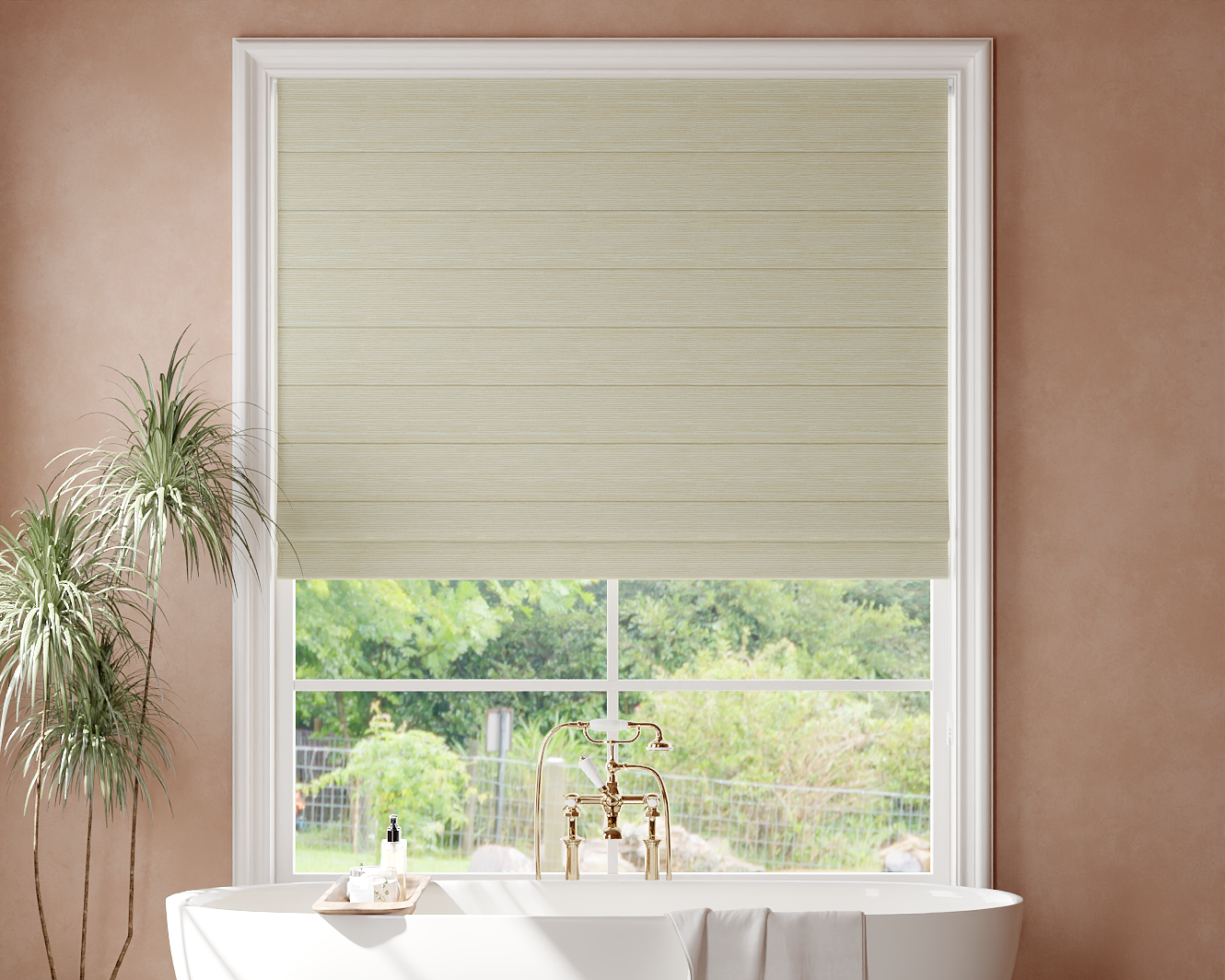
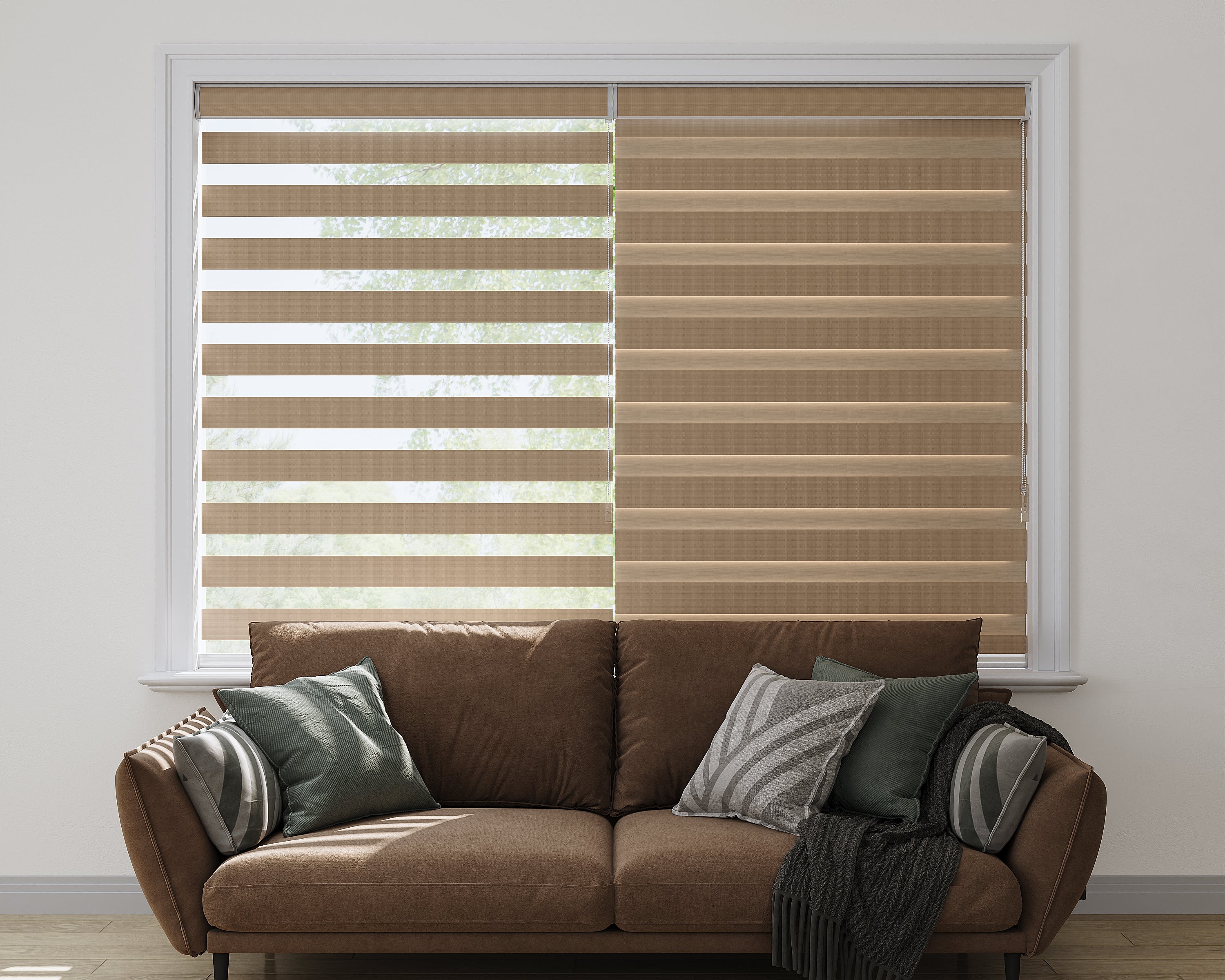
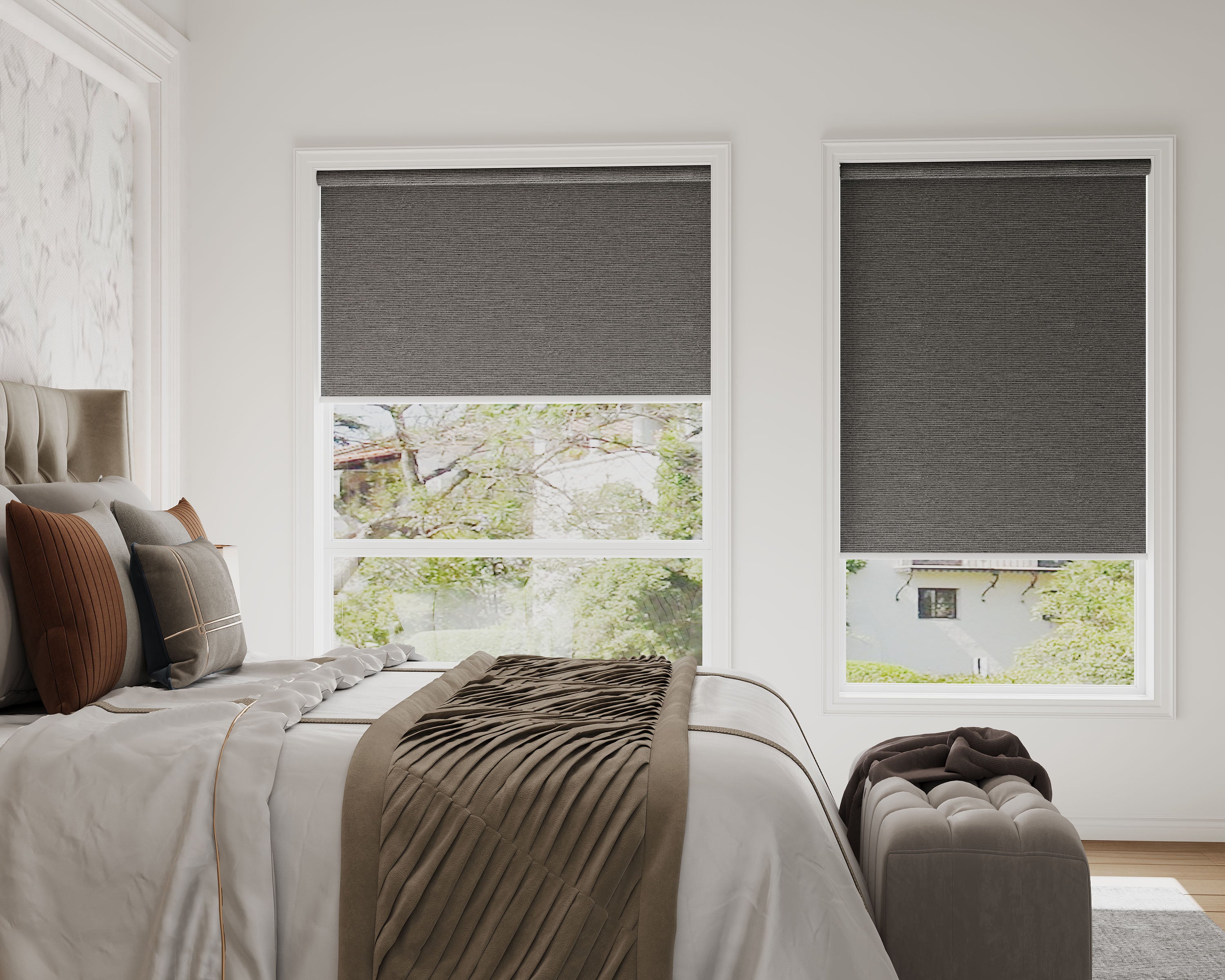
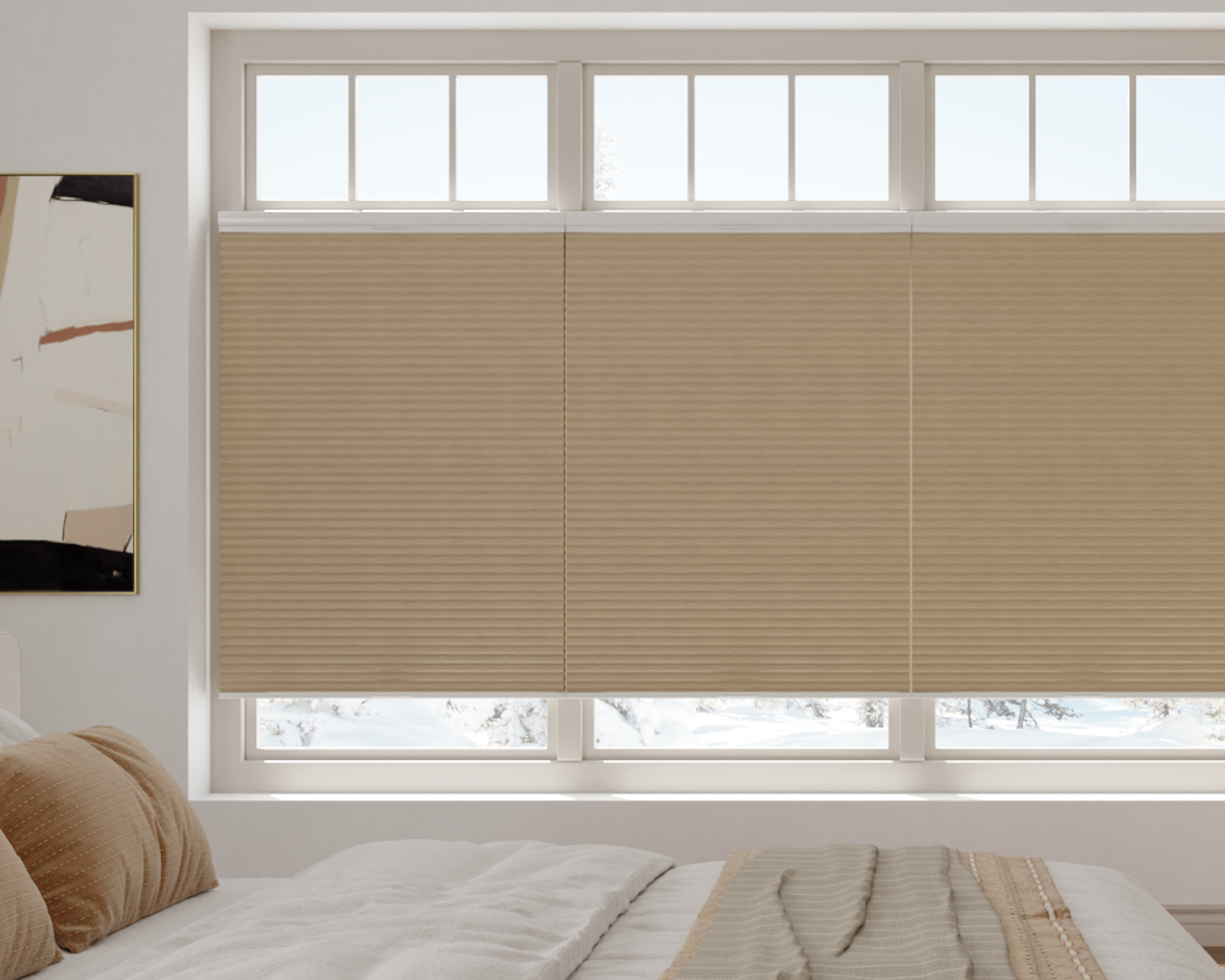
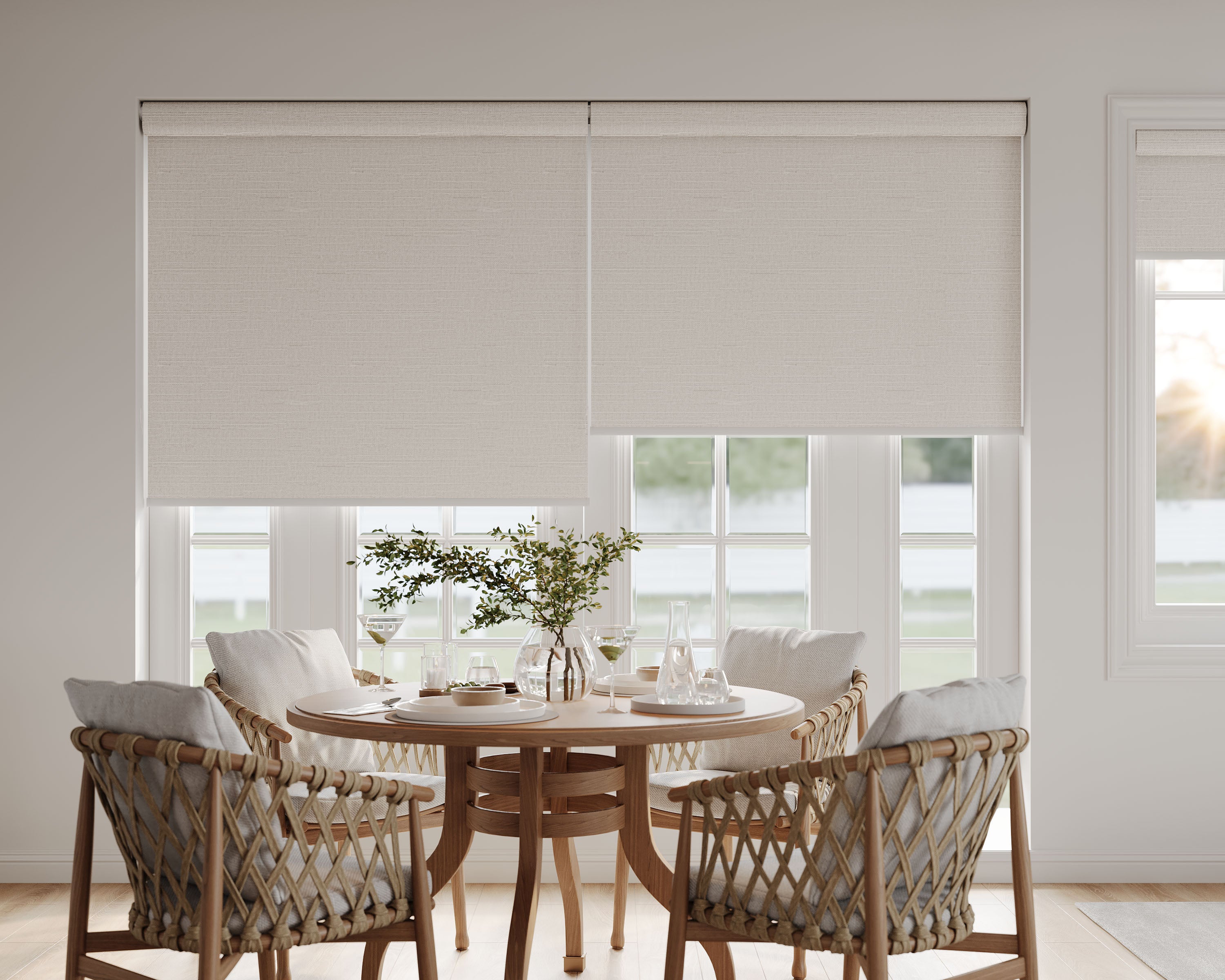


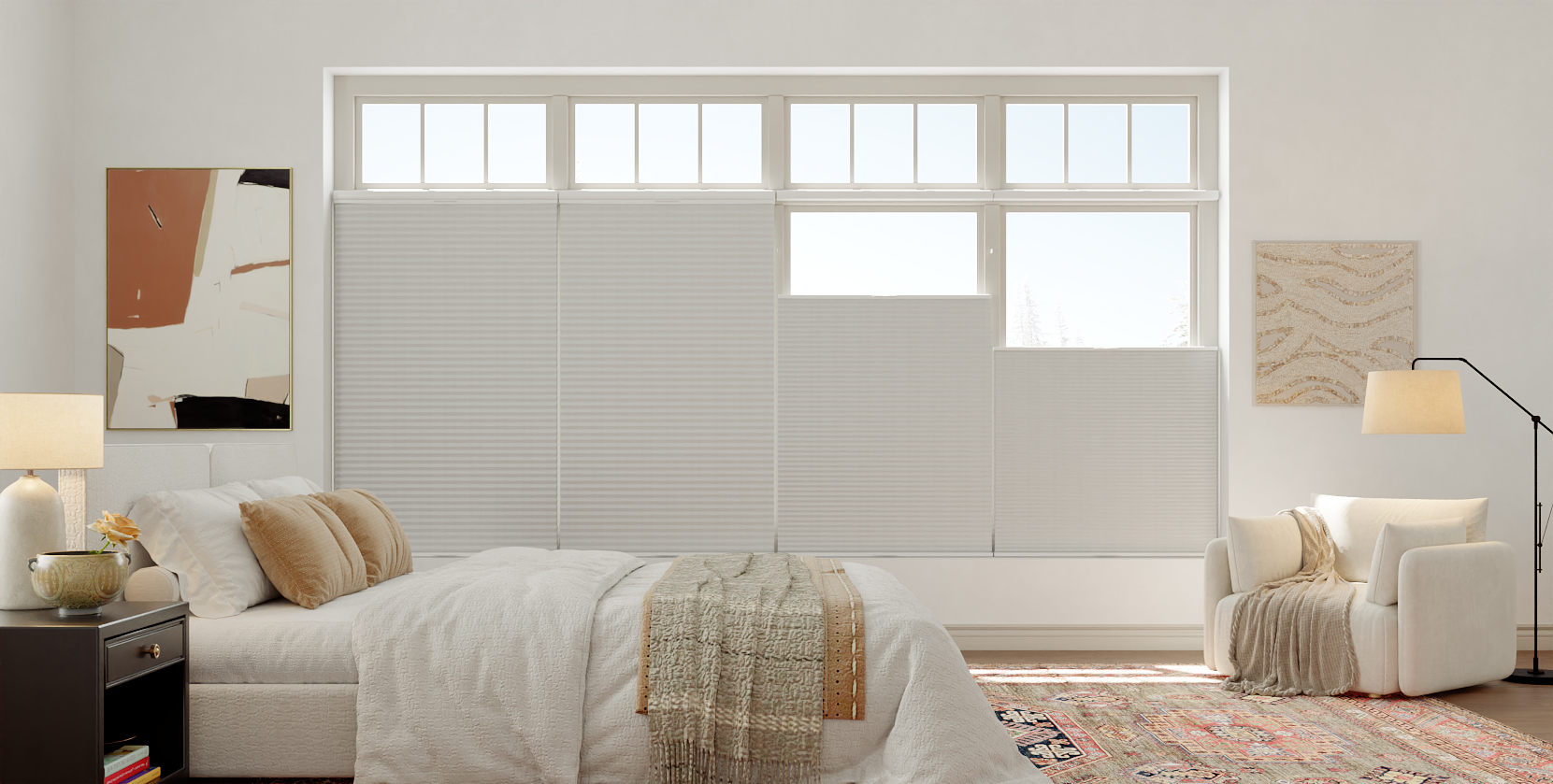


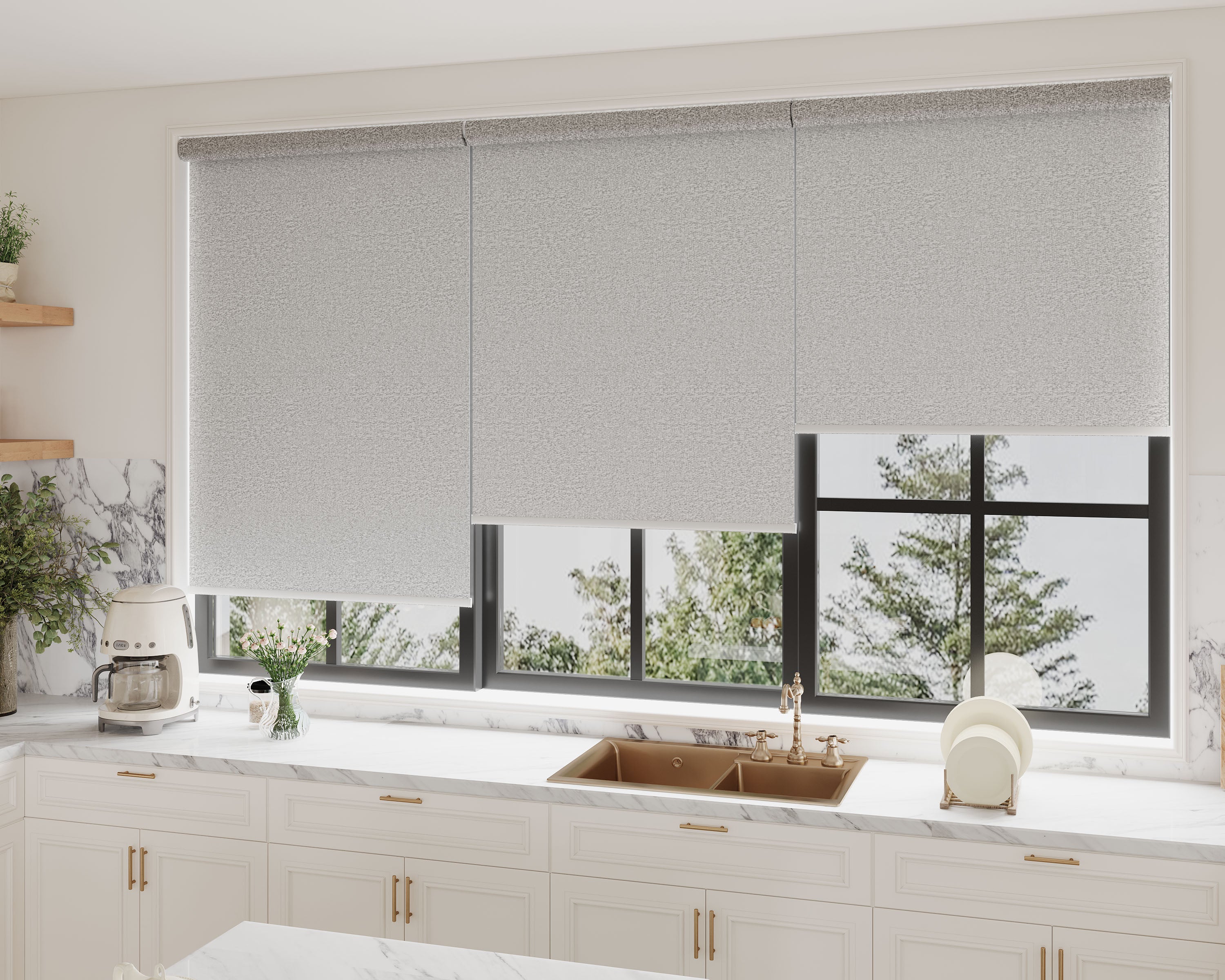

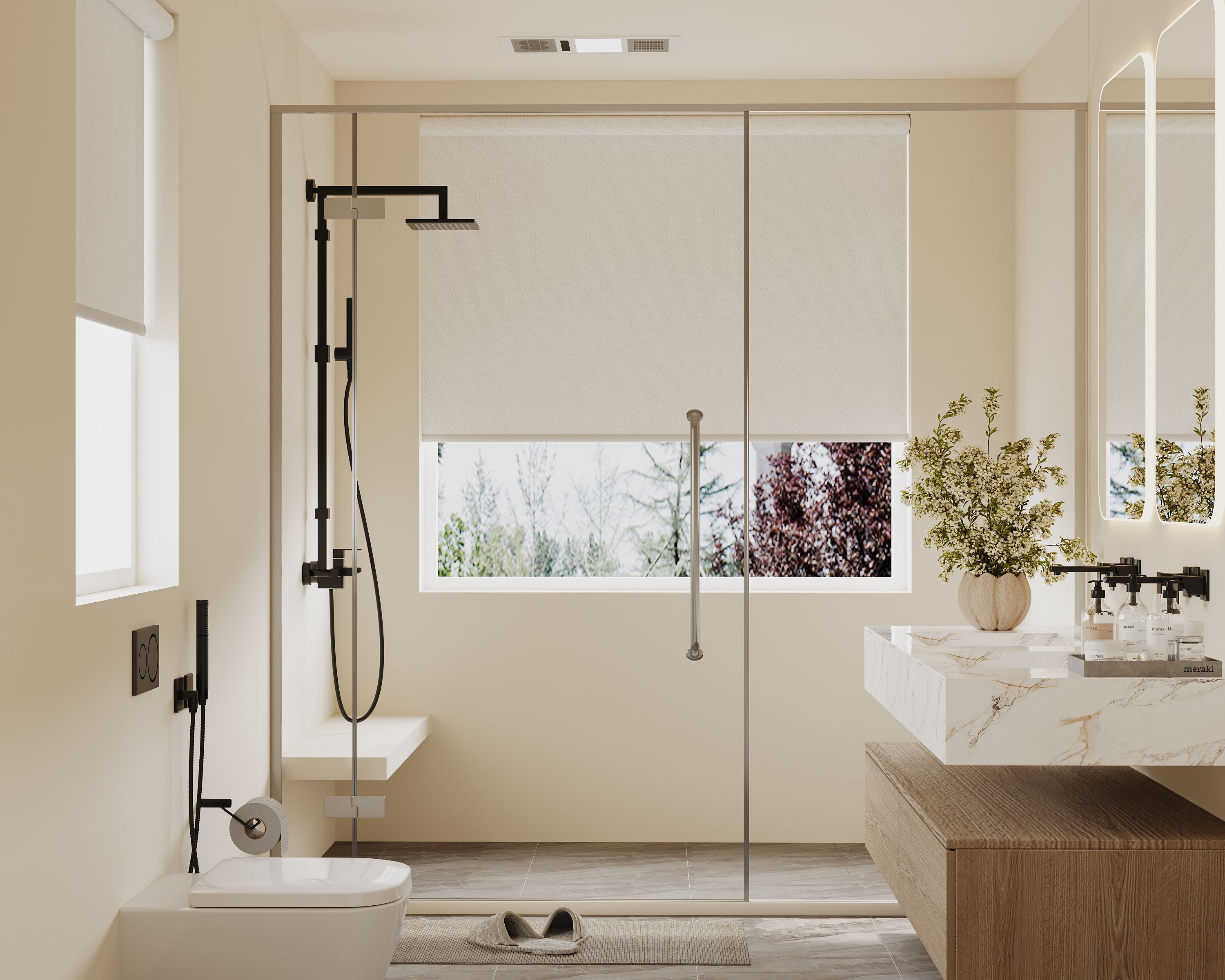


When deciding between cellular shades and plantation shutters to improve your home's energy efficiency, the core question is how each manages heat transfer at the window. For superior insulation, cellular honeycomb shades consistently outperform plantation shutters due to their unique ability to trap still air, creating a powerful thermal barrier that directly reduces heating and cooling costs. Plantation shutters, while excellent for durability and light control, function more as a solid physical block. This guide provides a detailed, unbiased comparison of their insulating properties, costs, and ideal applications to give you all the information needed to make the right choice for your climate, windows, and budget.
Here’s what you’ll learn in this article:
-
The scientific principles behind how cellular shades and plantation shutters insulate, explained in clear detail.
-
A direct feature-by-feature comparison of insulation (R-value), light control, aesthetics, cost, and installation.
-
Actionable guidance on which window treatment is best for specific climates, room types, and architectural styles.
-
A thorough analysis of long-term value, maintenance, and how to maximize performance with proper installation.
-
Answers to the most frequently asked questions about window treatment insulation.
How Cellular Shades and Plantation Shutters Insulate: The Core Principles
Understanding the fundamental science behind each product is key to evaluating their real-world performance. Their methods of combating heat transfer are fundamentally different.
The Air-Barrier Science of Cellular Shades
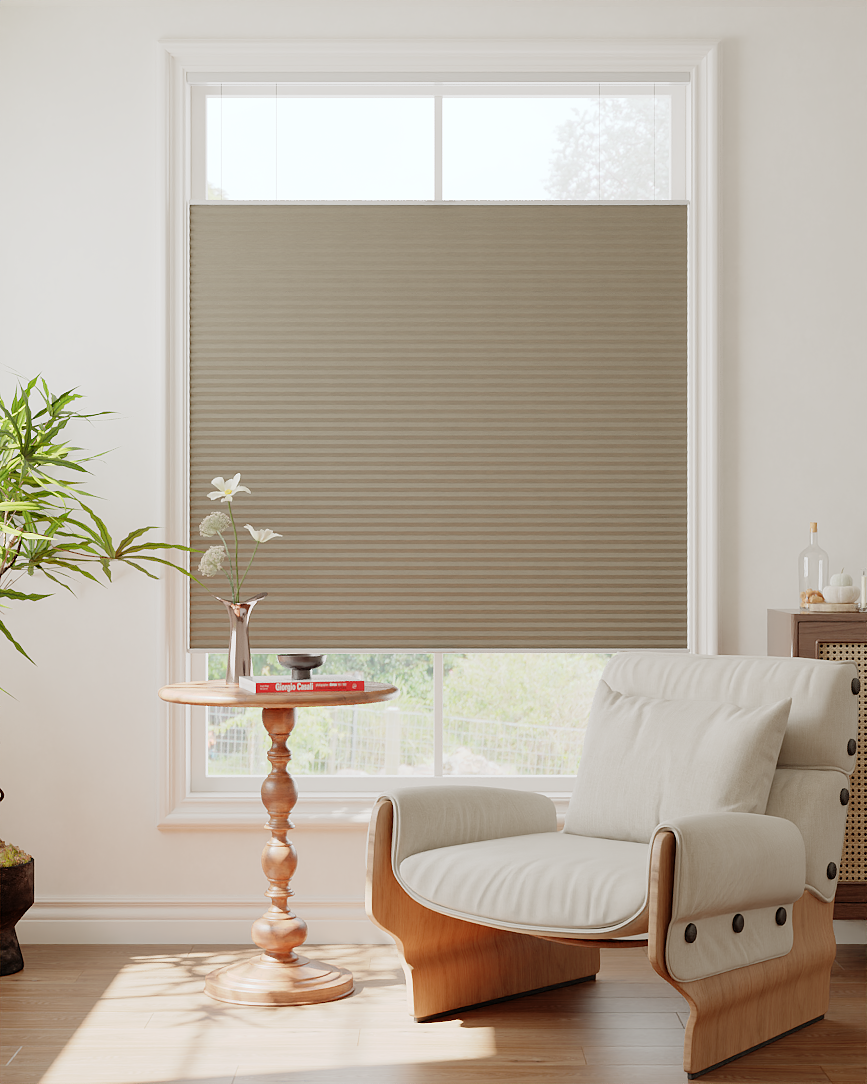
Cellular shades, also known as honeycomb shades, are engineered specifically for thermal resistance. Their signature fabric contains rows of connected, hollow cells that run vertically. When the shade is lowered, these cells trap pockets of still air, which is one of nature's most effective insulators. This layer of trapped air acts as a buffer between the cold window glass in winter or the radiant heat from the sun in summer and your room's interior air. The insulation capacity is often enhanced with dual-cell or even triple-cell designs, which create more air pockets and a thicker barrier. For a deeper dive into the metrics used to measure this performance, our resource on understanding U-value and R-value for window shades is invaluable.
The Solid-Barrier Approach of Plantation Shutters
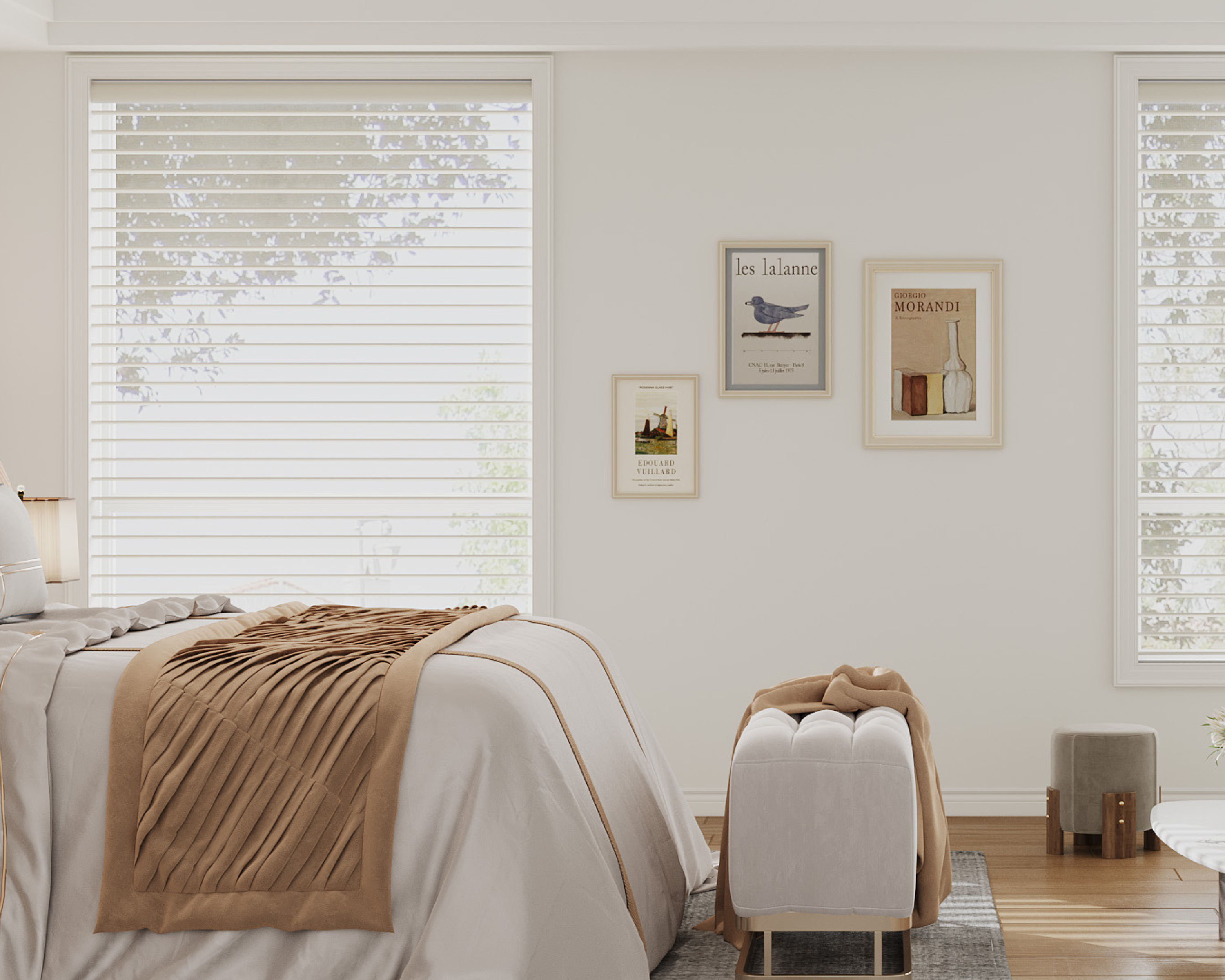
Plantation shutters insulate primarily by providing a dense, solid physical barrier. Made from materials like wood, composite, or PVC, their rigid panels and louvers reduce air movement directly at the window. When the louvers are fully closed, they block a significant amount of convective heat flow. Their insulating value is derived from the inherent R-value of the solid material itself. However, even well-fitted shutters typically have minute gaps where the movable louvers meet the stiles or where the panel fits into the frame, which can allow for some air seepage. They excel at blocking radiant heat from direct sunlight but may not match the conductive insulation of a sealed air pocket.
Direct Comparison: Insulation, Features, and Practical Factors
This table provides a clear, scannable overview of how cellular shades and plantation shutters stack up against each other across the criteria most important for making a decision.
| Feature | Cellular (Honeycomb) Shades | Plantation Shutters |
|---|---|---|
| Primary Insulation Method | Traps still air in structured fabric cells to create a thermal buffer. | Provides a solid physical barrier of dense material to block heat transfer. |
| Typical Insulation (R-Value) | Higher, generally ranging from R-3 to R-5 or more, depending on single or dual-cell construction. | Moderate, typically ranging from R-2 to R-3.5, influenced by material thickness and foam cores. |
| Light Control & Privacy | Excellent with room-darkening or blackout fabrics. Light filtering options offer soft diffusion. | Very good. Adjustable louvers provide flexible control, but pinpoint light leaks can occur around edges. |
| Aesthetic & Style Impact | Soft, minimal, and modern. Offers a wide range of fabrics and colors. Can be mounted inside or outside the frame. | Architectural, classic, and built-in. Often perceived as a permanent home upgrade. |
| View-Through Capability | Must be raised completely for a clear, full view. | Louvers can be tilted to allow a view out while maintaining privacy and sun control. |
| Approximate Cost Range | Moderate ($$). Cost increases with cell complexity, premium fabrics, and motorization. | Higher ($$$). Cost is driven by material (wood being most expensive), custom sizing, and installation. |
| Installation Complexity | Often suitable for DIY, especially for standard windows. Inside mount requires foolproof measuring for precise width and depth. | Usually requires professional installation due to precise fitting, especially for non-square windows or specialty shapes. |
| Durability & Maintenance | Fabric requires gentle cleaning (vacuuming, light dusting). May be less suitable for high-moisture areas without specific fabrics. | Very durable surface. Easy to wipe clean with a damp cloth. More resistant to humidity, making them ideal for kitchens and baths. |
Making the Right Choice: A Scenario-Based Guide
The best window treatment for your home depends on a combination of climate, room function, and personal priorities. This guide helps match the product to your specific situation.
| Your Primary Goal or Situation | Recommended Choice | Detailed Reasoning |
|---|---|---|
| Maximizing Energy Savings & Insulation | Cellular Shades | The engineered air-trapping design provides a higher R-value, directly reducing conductive heat loss in winter and heat gain in summer, leading to lower HVAC costs. |
| Living in an Extreme Climate | Cellular Shades | The insulating air buffer is particularly effective against both bitter cold and intense summer heat, stabilizing room temperatures more effectively. |
| High-Humidity Areas (Bathrooms, Kitchens) | Plantation Shutters (PVC/Composite) | Synthetic materials resist warping and moisture damage. For fabric shades to work here, you would need to select specific moisture-resistant fabrics for damp rooms. |
| Durability with Active Households | Plantation Shutters | The solid, wipeable surface stands up better to scratches, bumps, and sticky fingers than delicate fabric cells. |
| Modern, Minimalist Interior Design | Cellular Shades | They provide a clean, uniform look when down and disappear entirely into a compact headrail when raised. |
| Traditional or Architectural Style | Plantation Shutters | They offer a timeless, custom-built appearance that enhances traditional, coastal, or classic home styles. |
| DIY Installation on a Budget | Cellular Shades | More affordable upfront and often designed for homeowner installation, provided you carefully follow measuring guidelines. |
| Enhancing Long-Term Home Value | Plantation Shutters | Frequently viewed by real estate appraisers and buyers as a permanent, high-quality upgrade that is integrated into the home. |
Cost, Value, and Long-Term Considerations
Looking beyond the initial price tag reveals the true value proposition of each option over time.
-
Initial Investment and Installation: Plantation shutters command a higher upfront cost due to material and custom craftsmanship. Cellular shades offer a wider range of price points. Crucially, improper installation can ruin the insulating performance of either. Ensuring a tight, gap-free fit—whether via a meticulous DIY job or professional install—is non-negotiable.
-
Energy Payback and ROI: The insulating capability of cellular shades can lead to measurable savings on energy bills. You can conduct an energy savings payback calculation to estimate your ROI. The payback period for shutters is generally longer due to their higher initial cost, though they contribute to savings.
-
Longevity, Maintenance, and Warranties: Plantation shutters, especially quality wood or composite, can last for decades with minimal care. Cellular shade fabrics may be susceptible to fading over 10-15 years, though the mechanisms are long-lasting. Many manufacturers offer “fabric-only” replacement programs. Always review the warranty terms for what is and isn't covered before purchasing.
Conclusion and Key Takeaways
Choosing between cellular shades and plantation shutters for insulation isn't about finding a single "best" product, but rather the best product for your specific needs. If your primary goal is to improve thermal efficiency, reduce energy bills, and combat extreme temperatures, the scientific design of cellular shades makes them the more effective insulator. If your priorities lean toward timeless durability, easy maintenance in humid spaces, and a permanent architectural statement, plantation shutters are an excellent choice.
Key Highlights Recap:
-
Insulation Mechanism is Key: Cellular shades trap insulating air; plantation shutters provide a solid barrier.
-
Climate Informs Choice: For harsh winters or hot summers, cellular shades typically offer better performance.
-
Room Function Matters: Choose shutters for wet/high-traffic areas; cellular shades are superb for bedrooms and living areas.
-
Installation is Critical: A perfect seal is essential for either product to perform as advertised.
-
View Long-Term Value: Consider energy savings, durability, and maintenance alongside the initial purchase price.
By weighing these factors against your personal priorities, you can invest in a window treatment that delivers comfort, efficiency, and satisfaction for years to come.
Explore Custom Cellular Shades


Frequently Asked Questions (FAQ)
Can these window treatments help with noise reduction?
Both provide some noise reduction, but through different methods. Cellular shades can dampen sound through their soft, porous fabric which absorbs acoustic energy. Plantation shutters can block more external noise due to their solid mass which reflects sound waves. For significant noise issues, specially designed acoustic shades or layered treatments are more effective.
Is it possible to have both cellular shades and plantation shutters on the same window?
While technically possible with an outside-mount shade placed over the shutter frame, this combination is often impractical and aesthetically bulky. It also negates the view-through capability of the shutters. For most homes, selecting one treatment based on the room's primary need is the cleaner and more cost-effective solution.
Which option offers better protection against UV rays to prevent furniture fading?
Both offer outstanding UV protection when fully closed, blocking over 99% of harmful rays. The critical factor is coverage. For cellular shades, a blackout or room-darkening fabric is most effective. With plantation shutters, ensuring the louvers are fully closed is key. Remember that any gap or lighter filtering fabric will allow some UV penetration.
Are there "high-insulation" plantation shutters available?
Yes, some manufacturers offer shutters with insulated cores. These are typically constructed with a polyurethane foam center sandwiched between wood or composite faces, significantly boosting their R-value. If considering shutters but want improved insulation, explicitly ask vendors for the tested R-value of these upgraded models to compare with cellular shade data.
How does motorization affect the performance and convenience of each?
Motorization does not change the inherent R-value, but it greatly enhances convenience, which can lead to better energy-saving habits. Automated schedules ensure shades or shutters close at sunset in winter or during peak sun in summer without you lifting a finger. This is especially powerful when integrating shades with a smart home system for temperature-based automation. Motorization is a valuable add-on for both types that improves usability and can contribute to more consistent insulation.
