
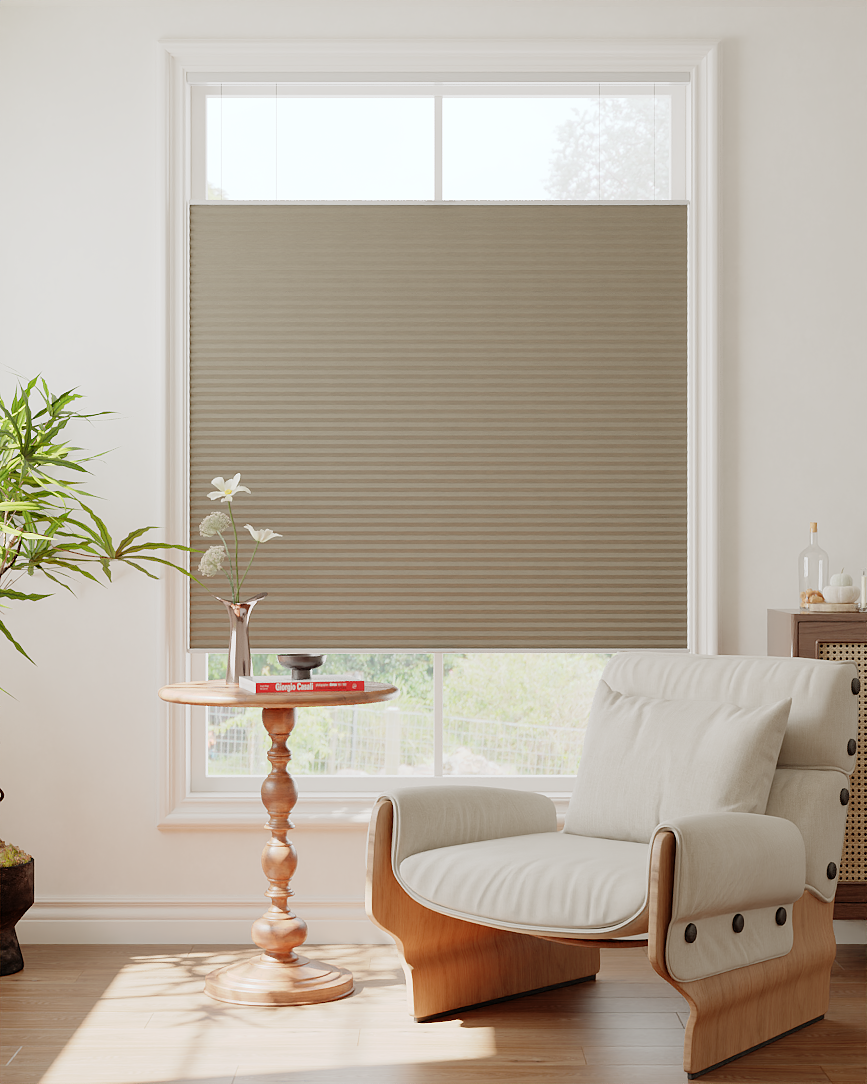
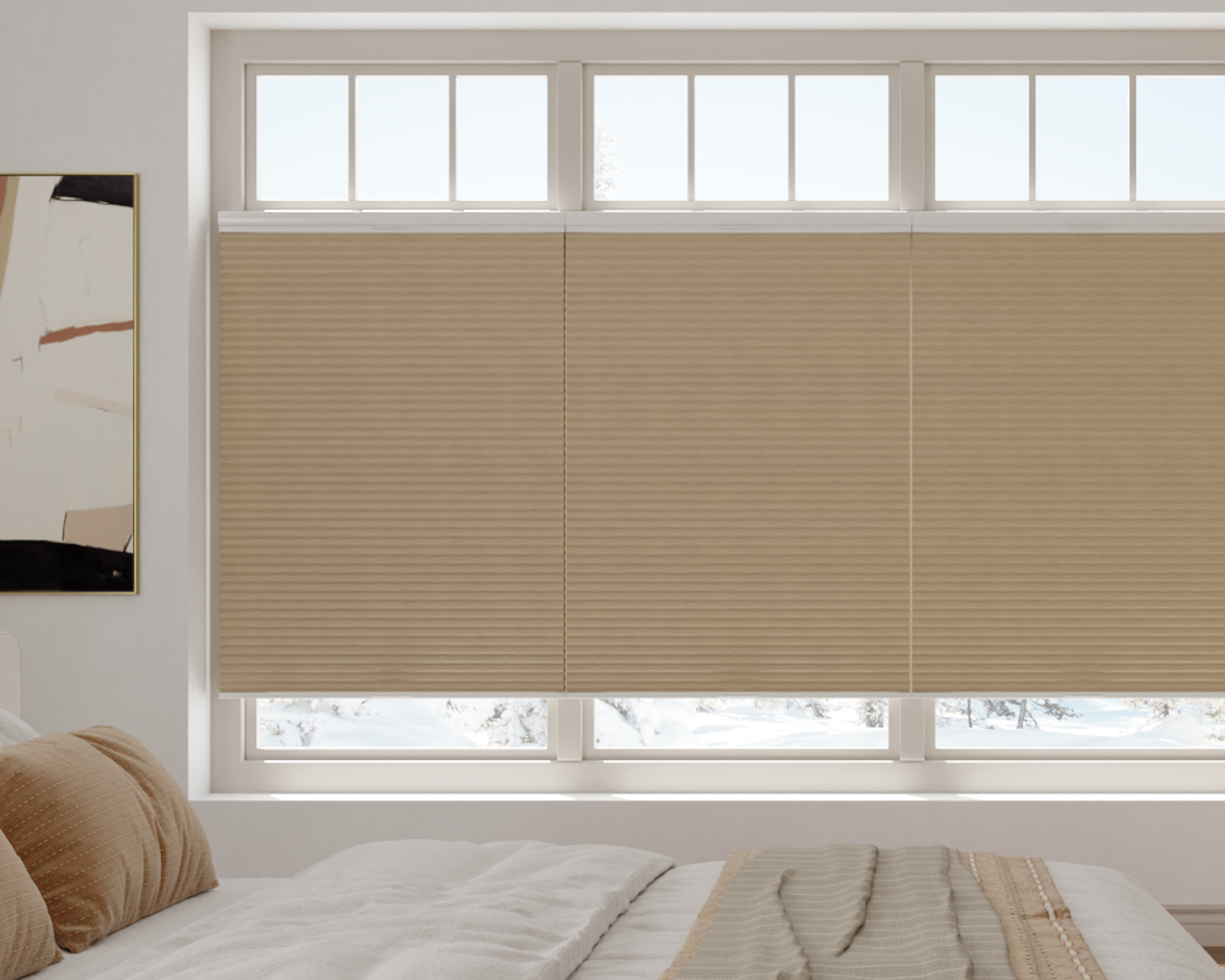







Cellular shades typically last between 7 to 15 years, with longevity directly tied to the quality of materials, installation, climate, and maintenance. Premium, well-installed shades in a moderate environment with proper care can reach or exceed the 15-year mark, while budget options or those in harsh settings may need replacement closer to 7 years. Understanding the factors that dictate this range is key to maximizing your investment in insulating cellular honeycomb shades.
Here’s what you’ll learn in this article:
-
The five primary factors that determine whether your shades last 7 years or 15+.
-
A detailed comparison of how different materials and mechanisms age over time.
-
A professional maintenance schedule to proactively extend the life of your shades.
-
How to decode warranty terms and understand what “lifetime” really means.
-
Clear signs that indicate it’s time for a repair or a full replacement.
What Determines Cellular Shade Lifespan? The 5 Key Factors
The lifespan of your cellular shades isn't left to chance. It's the direct result of several controllable and environmental factors that interact over time.
1. Material & Fabric Quality
The fabric is the most visible component and undergoes constant stress from light, handling, and cleaning. Higher-density polyester and vinyl blends generally resist fading, sagging, and tearing far better than lightweight, loosely woven fabrics. Treatments matter, too; solution-dyed fabrics have exceptional UV fade resistance, and fabrics with stain-resistant coatings are more durable in active homes. The type of material significantly influences both light control and long-term cost.
2. Mechanism & Hardware Integrity
The internal mechanism that allows the shade to raise, lower, and hold its position is its engine. Cordless designs using a spring-loaded or constant force system have a finite number of cycles before the spring weakens. Motorized shades depend on the quality of the small, silent motor. The headrail, end brackets, and mounting screws must be robust enough to support the shade's weight without sagging or pulling out over years of use.
3. Installation & Fit
Proper installation is non-negotiable for longevity. Shades that are forced into an inside mount that’s too narrow or too shallow will bind, causing the mechanism to strain and the fabric to rub and wear prematurely. An outside mount must be perfectly level and securely anchored to prevent operational stress. Taking the time for fool-proof measuring before installation is the single most important step to ensure a long, trouble-free life.
4. Environmental Stressors
Your local climate and the room’s micro-environment are major factors:
-
Sun Exposure: Direct, prolonged UV radiation is the #1 cause of fabric fading and material degradation. South- and west-facing windows present the biggest challenge.
-
Humidity & Moisture: Consistent high humidity (common in bathrooms, kitchens, and coastal areas) can weaken adhesives in the honeycomb structure and promote mold or mildew on certain fabrics.
-
Temperature Fluctuations: Extreme heat and cold can stress materials, while proximity to heat sources like radiators or vents can cause uneven shrinking or warping.
5. Usage & Maintenance Habits
Finally, how you interact with your shades daily plays a huge role. Gentle operation, regular dusting, and immediate attention to spills prevent the majority of premature failures. Neglect, rough handling, and improper cleaning are leading causes of avoidable damage.
Material Lifespan Breakdown: What to Expect
This table compares how different cellular shade components typically age, helping you set realistic expectations.
| Component | Standard Quality / Typical Lifespan | Premium Quality / Extended Lifespan | Primary Failure Mode & Notes |
|---|---|---|---|
| Fabric (General) | 7-10 years before noticeable fading or loss of crispness. | 12-15+ years with high fade-resistance. | UV degradation, dust accumulation, accidental tears. |
| Cordless Mechanism | 8-12 years or ~20,000 cycles. May lose tension. | 12-15+ years. Smoother operation throughout. | Spring fatigue. Gentler use extends life significantly. |
| Motorized System | 10-12 years for battery motors. | 12-15+ years for hardwired, high-cycle motors. | Motor wear, electronic component failure. Battery life can be extended. |
| Headrail & Hardware | 15+ years (often outlasts fabric). | 15-20+ years (sturdy aluminum/steel). | Rare failure. Usually related to improper installation. |
| Overall System (Avg.) | 7-10 years before functional or aesthetic decline. | 12-15+ years of optimal performance. | Lifespan is a chain; the weakest link fails first. |
The Proactive Maintenance Schedule to Extend Lifespan
Routine care is the most effective way to add years to your shades' life. Follow this actionable schedule.
Weekly to Monthly Care
-
Dusting: Use a soft brush attachment on a vacuum cleaner or a microfiber duster. Gently run it over the front, back, and between the cells if possible. This prevents abrasive dust from being ground into the fabric during operation.
-
Operational Check: Raise and lower the shade smoothly. Listen for any new sounds (grinding, crunching) and feel for any sticking. Early detection of mechanism issues prevents bigger problems.
Quarterly to Annual Care
-
Deep Cleaning: For light soil, use the "vacuum and spot clean" method. For overall cleaning, consult manufacturer instructions; some fabrics can be gently washed in a tub. Our guide on safe cleaning methods for cellular fabrics provides detailed steps to avoid damage.
-
Hardware Inspection: Tighten any loose mounting screws in the brackets. Check that the headrail is still level and secure.
-
Battery Check (Motorized): Replace batteries proactively on a schedule, not just when they die, to prevent motor strain from low power.
As-Needed & Preventative Actions
-
Address Spills Immediately: Blot, don’t rub, with a clean, damp cloth. For stains, use a mild fabric cleaner tested on an inconspicuous area first.
-
Manage Sun Exposure: During peak UV hours, consider closing shades partially or using a sheer layer to reduce direct fabric exposure. This is one of the most effective ways to prevent fade.
-
Seasonal Check-Up: Add shade inspection to your seasonal home maintenance list to catch issues early.
Warranties, Repairs, and When to Replace
Understanding your coverage and options helps you make cost-effective decisions over your shades' lifetime.
Decoding Shade Warranty Terms
Most reputable manufacturers offer a "limited lifetime warranty." It's crucial to understand this almost always covers defects in materials and workmanship, not damage from normal wear, sun fading, or accidents. The "lifetime" often refers to the product's expected life or the time you own your home, not your actual lifetime. Always read the fine print of your shade warranty to know what’s included.
Repair vs. Replace: The Decision Matrix
Use this table to evaluate whether a repair is worthwhile or if replacement is the smarter choice.
| Issue | Likely Repair Solution | Consider Replacement When... |
|---|---|---|
| Fabric Tear or Hole | Patch kit (may be visible). | The shade is over 10 years old, faded, and repair would be cosmetically unsatisfactory. |
| Cordless Mechanism Failed | A professional can often replace the internal spring. | The shade is old, the fabric is also worn, and the repair cost exceeds 40% of a new shade. |
| Motor Failure | Motor unit can often be replaced independently. | The motor is obsolete, the fabric is dated/faded, or a new system offers desired new features. |
| Fabric Fading | Not repairable. | Fading is uneven or severe, affecting the room's aesthetic. This is the most common reason for replacement. |
| Headrail Damage | Can often be replaced separately. | Damage is severe and a matching headrail is unavailable for the existing fabric. |
Conclusion and Key Lifespan Takeaways
The journey of your cellular shades from installation to replacement is guided by the choices you make upfront and the care you provide. Investing in quality materials and professional installation sets a high ceiling for longevity, while a consistent, gentle maintenance routine ensures you reach it. Recognizing the signs of aging allows you to plan a replacement on your terms, avoiding sudden failures.
Key Highlights:
-
Realistic Range: Expect 7-15 years of service, with premium products and proper care achieving the upper end.
-
The Sun is the Main Foe: UV exposure is the leading cause of fabric degradation; manage it proactively.
-
Maintenance is Non-Negotiable: Simple, regular dusting and operational checks are the easiest way to add years of life.
-
Warranties Have Limits: They cover manufacturing defects, not the gradual decline from sun and use.
-
Plan for Obsolescence: Even with perfect care, fabrics will eventually fade. Factor this into your long-term home maintenance budget.
By viewing your cellular shades as a long-term investment and following this guidance, you can enjoy their comfort, insulation, and style for many years.
Explore Custom Cellular Shades


Frequently Asked Questions (FAQ)
Can cellular shades be repaired if just the fabric is damaged but the mechanism works?
In many cases, yes. Some manufacturers and specialty shops offer fabric-only replacement services, where new honeycomb fabric is installed onto your existing, functioning headrail and mechanism. This can be a cost-effective way to refresh faded or damaged shades, especially if the mechanism is high-quality or motorized. It's worth investigating as a middle-ground between a full replacement and living with worn shades.
Do cellular shades in south-facing windows have a significantly shorter lifespan?
Yes, significantly. Shades on south- and west-facing windows that receive direct, intense sunlight may show noticeable fading and material weakening 3-5 years sooner than identical shades on north-facing windows. To combat this, consider shades with a higher UV-protection rating, use a tighter openness factor, or employ a sheer curtain as a sacrificial layer to diffuse the strongest rays.
How does high humidity, like in a bathroom, affect cellular shade longevity?
High humidity and direct moisture exposure are major risks. They can break down the adhesives holding the honeycomb cells together, leading to sagging or delamination, and promote mold growth on organic-based fabrics. For these rooms, it is critical to choose shades specifically made with moisture-resistant fabrics and components and to ensure the room is well-ventilated.
Is it worth replacing the batteries in motorized shades, or should I just replace the whole shade when they die?
Absolutely replace the batteries. Motor failure and battery depletion are entirely different issues. Quality motorized shades are designed for years of service, and the motor itself typically outlasts many battery cycles. Using the manufacturer-recommended batteries and replacing them promptly is a tiny cost compared to a full shade replacement. Only consider replacement if the motor itself fails and the fabric is also nearing the end of its life.
If I sell my house, do the warranties on my custom cellular shades transfer to the new owner?
This varies entirely by manufacturer. Some warranties are explicitly non-transferable and end when the original purchaser sells the home. Others may transfer once to a new homeowner, often requiring registration. This is a critical piece of information to find in your warranty documentation, as it can be a selling point for your home. You can learn more about the specifics of this in our breakdown of warranty transferability and fine print.
