
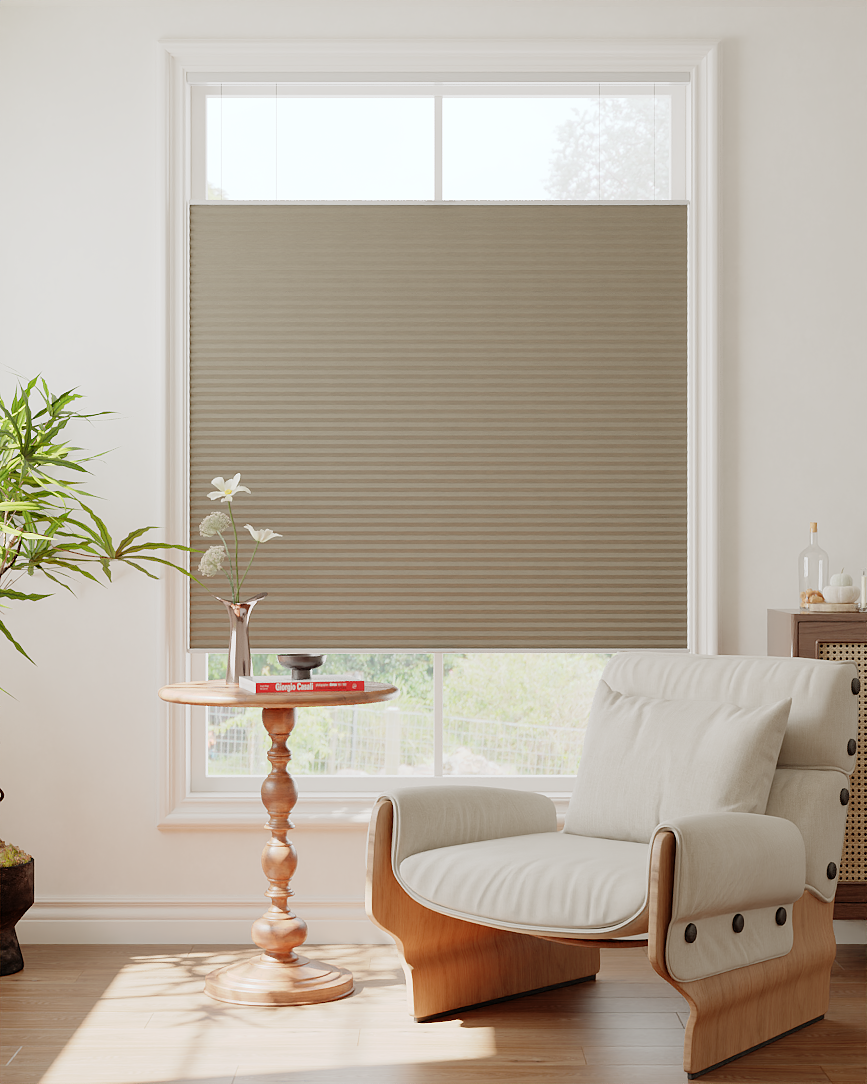
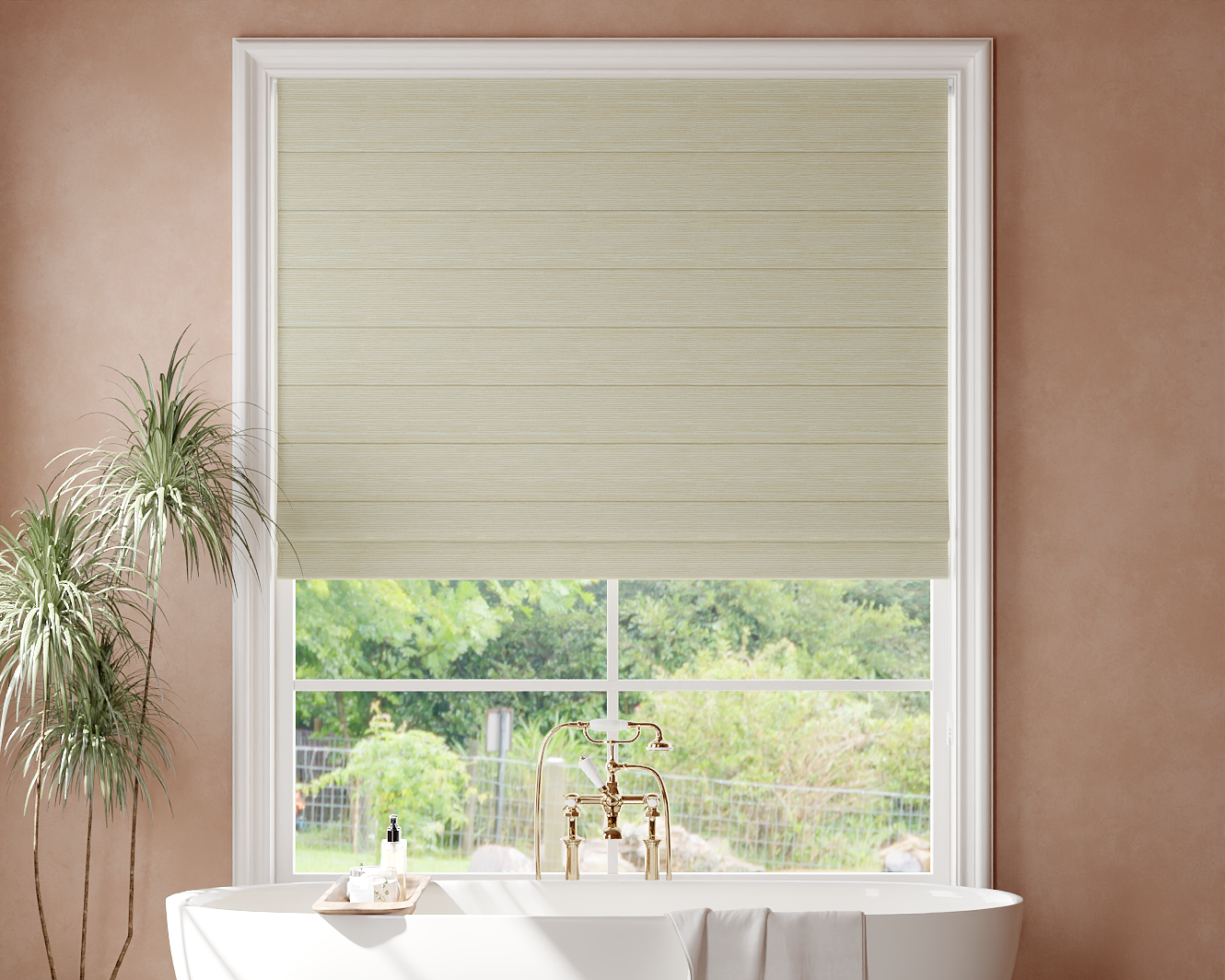
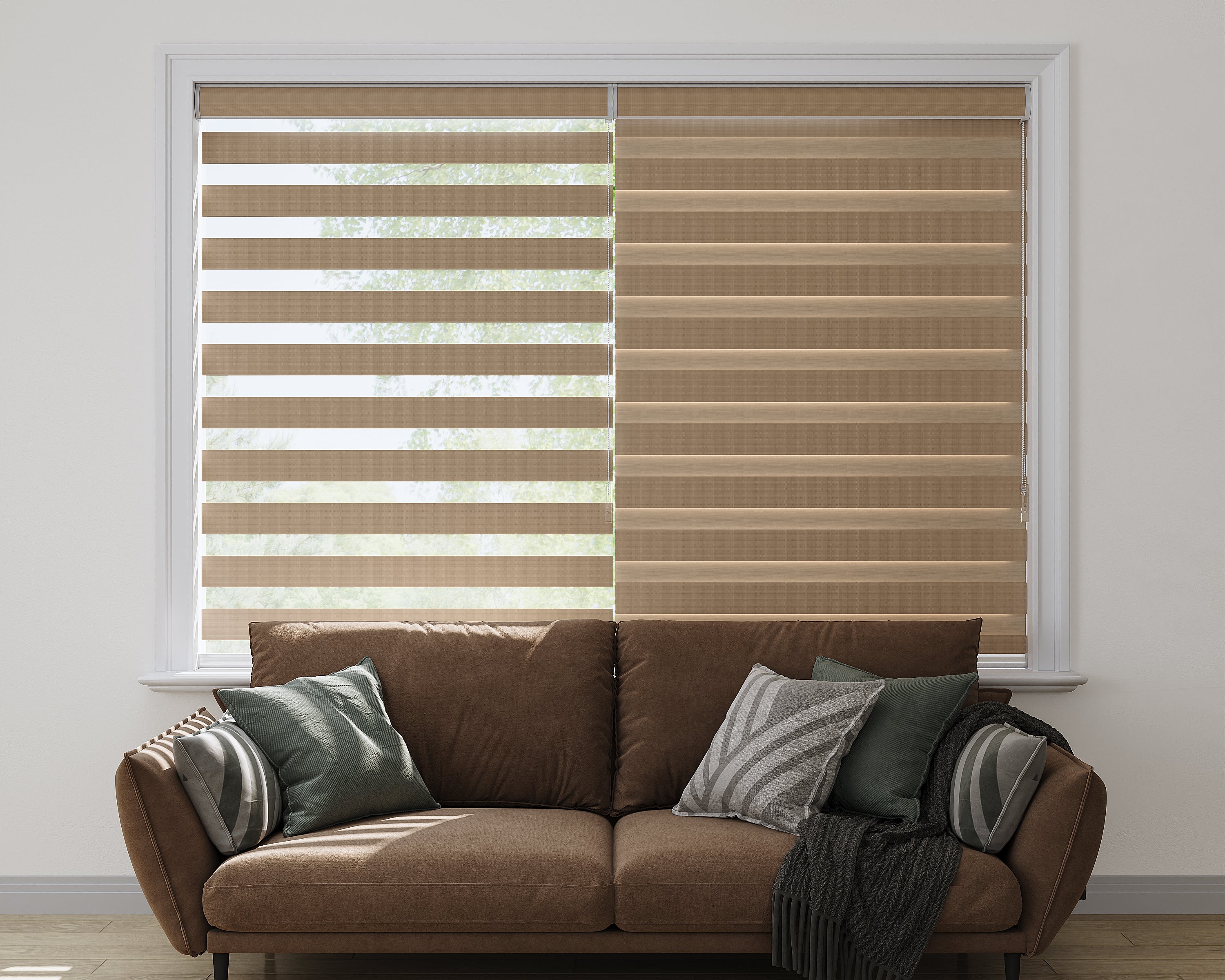
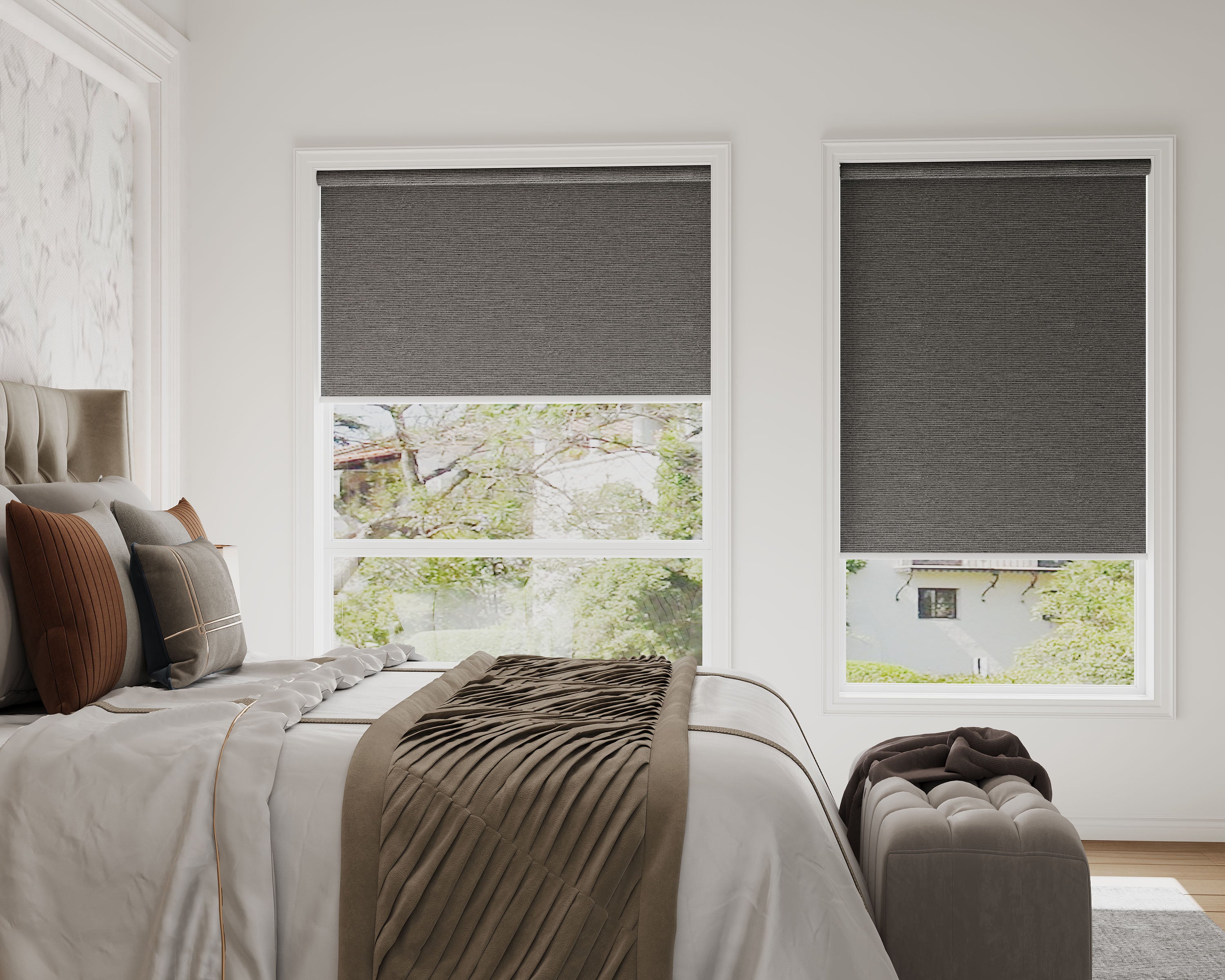
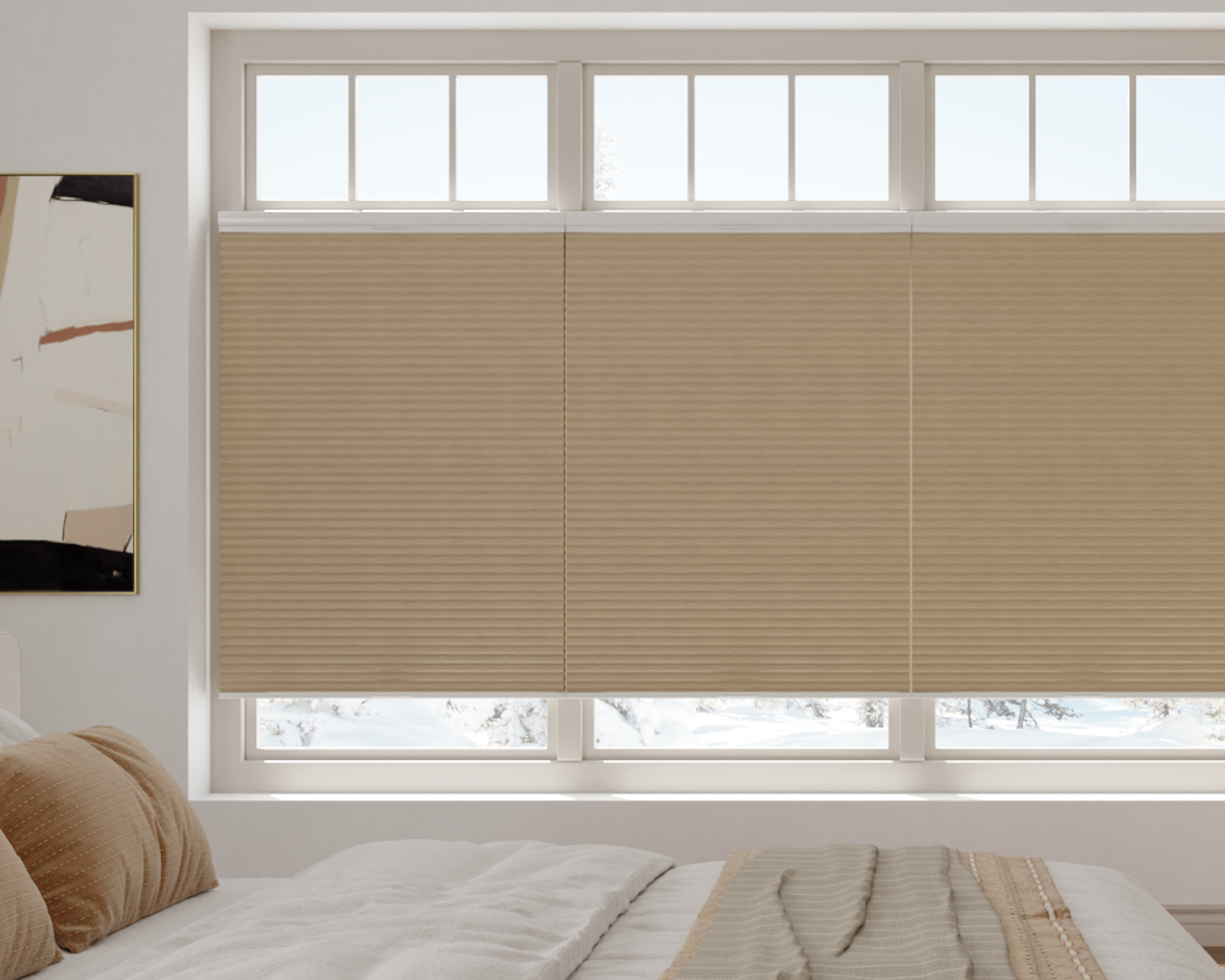
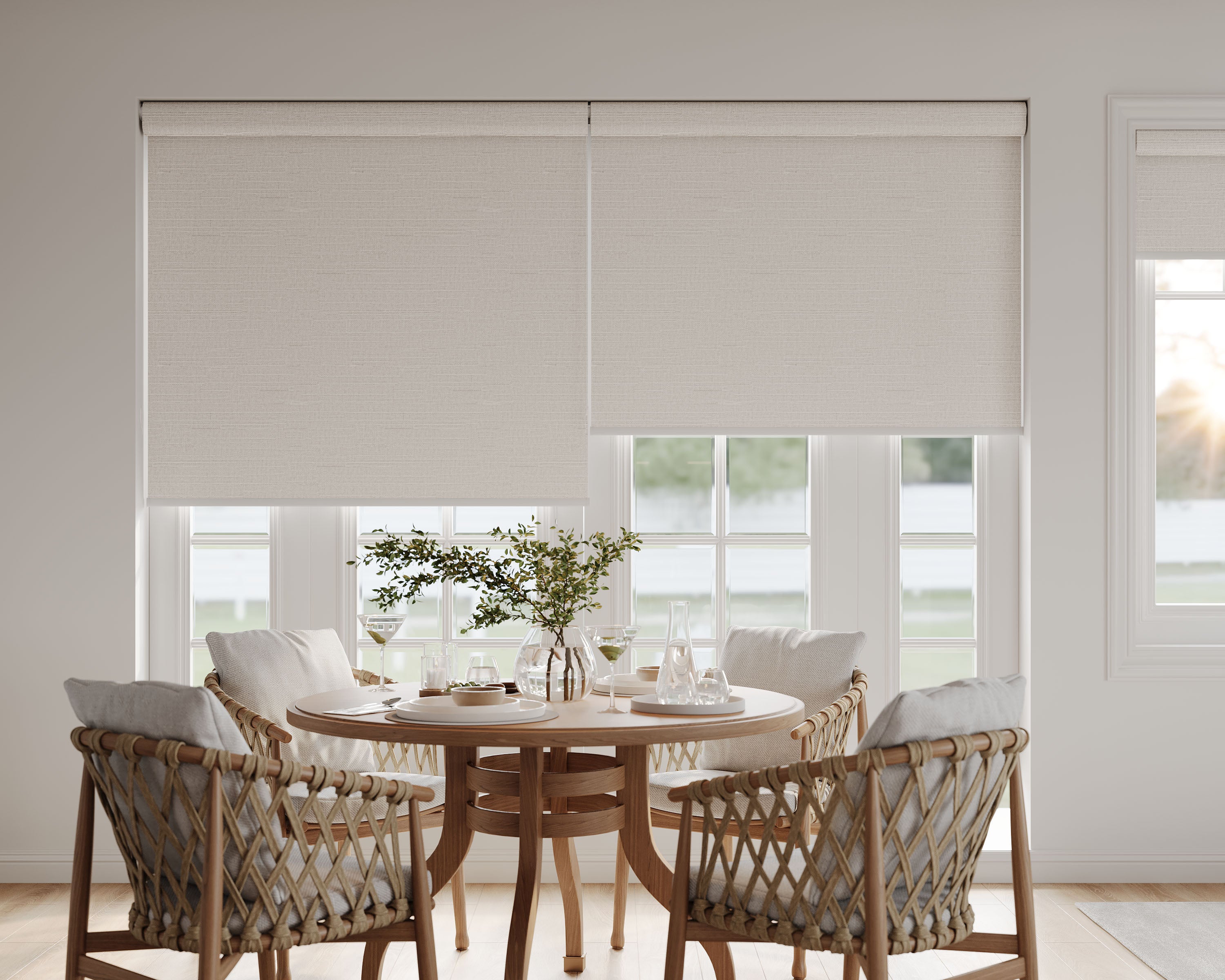


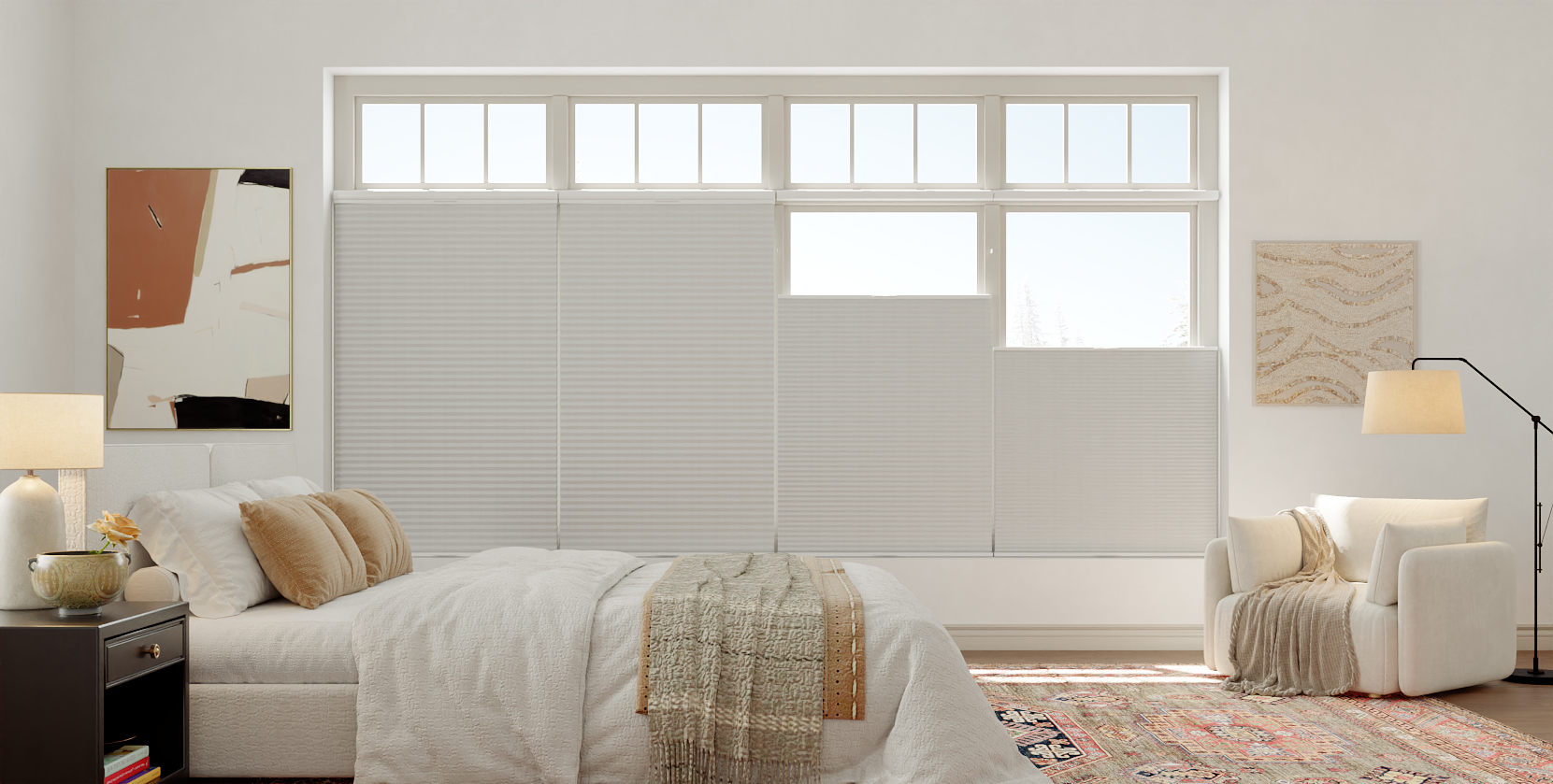


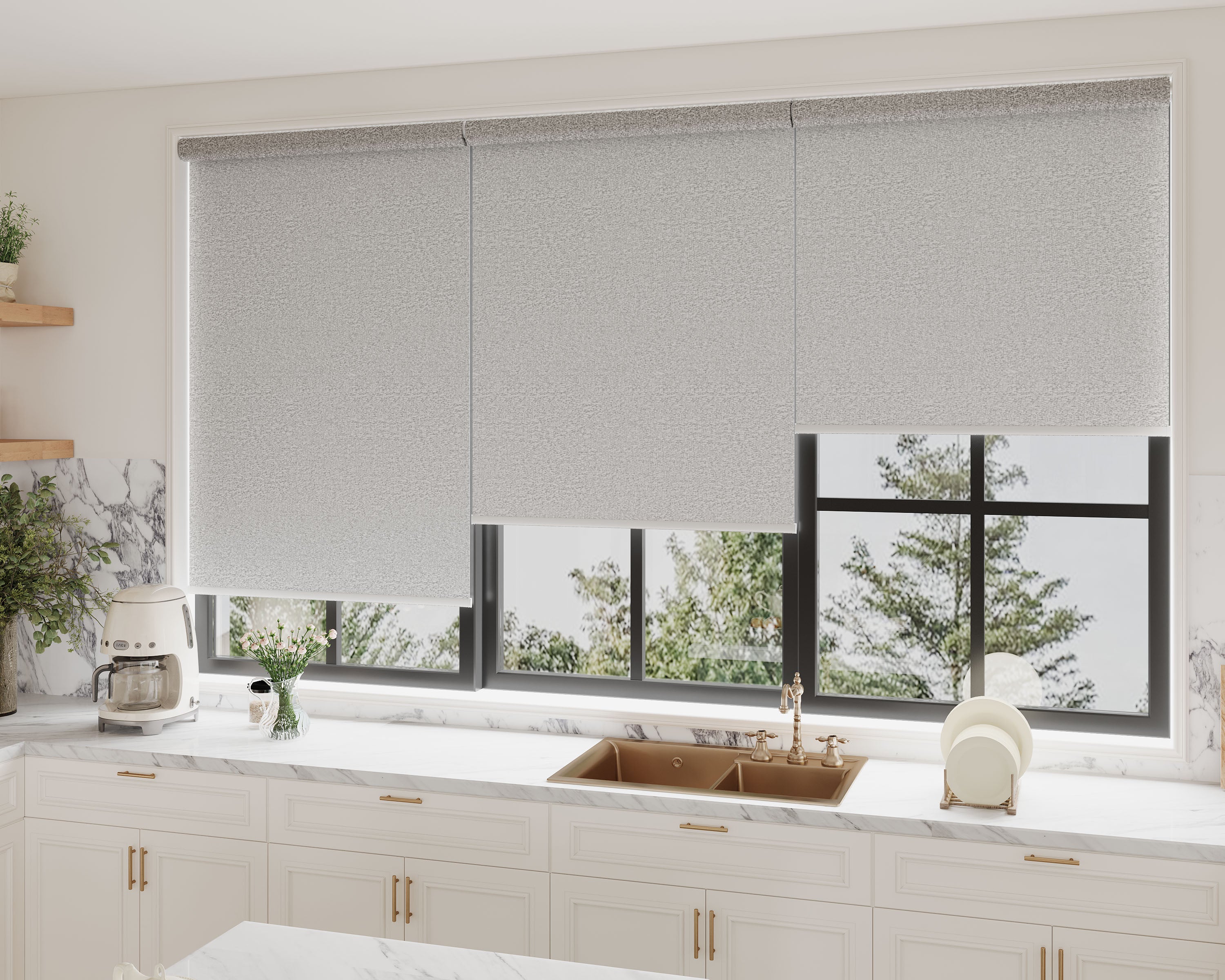

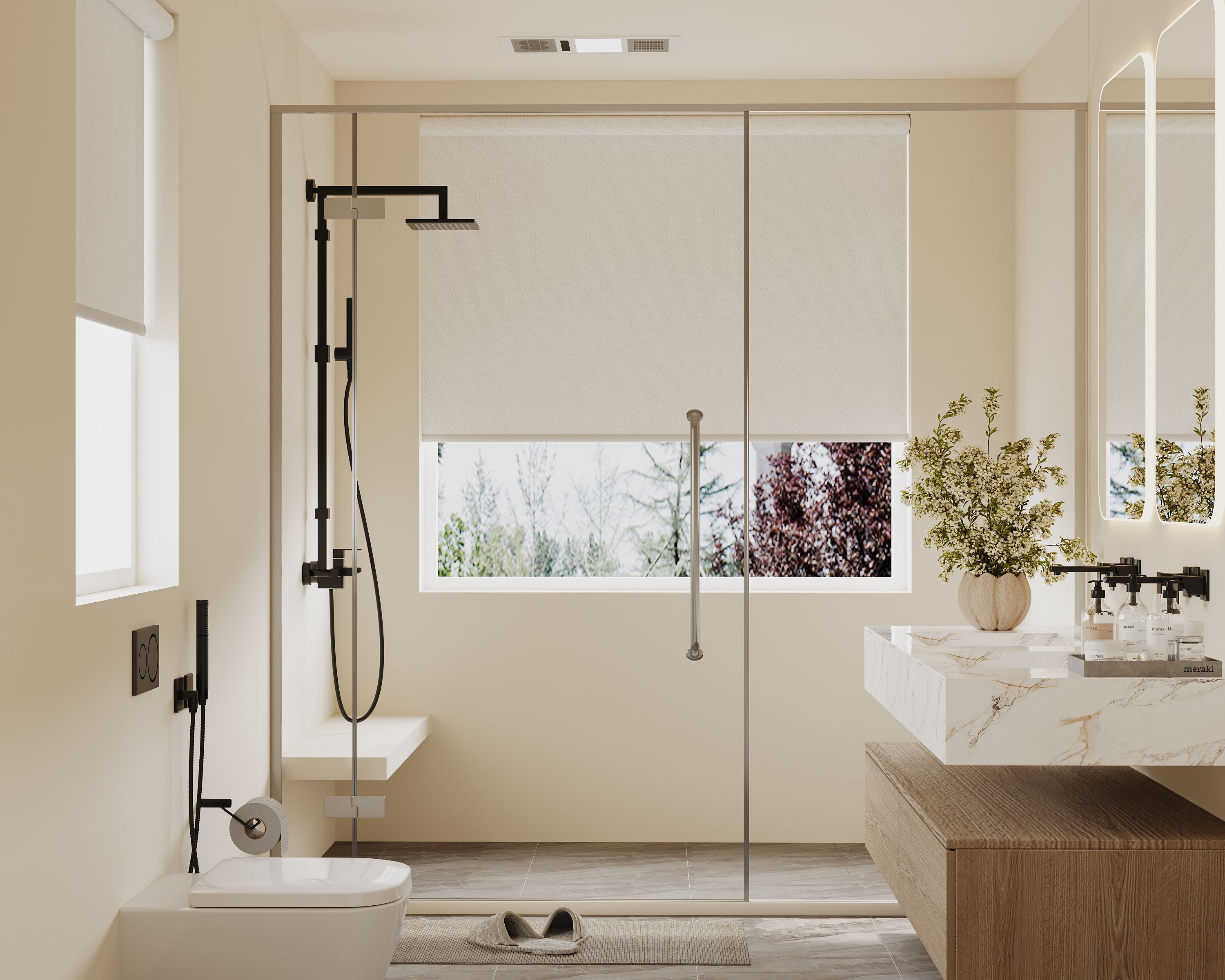


Yes, cellular shades can fade over time when exposed to direct sunlight, but the rate and severity depend almost entirely on the fabric's material, construction, and dyeing process. With advancements in textile technology, many modern cellular shades are engineered for high colorfastness, meaning fading can be minimal and slow if you choose the right product for your windows. Understanding this process is key to selecting durable cellular honeycomb shades and implementing effective strategies to preserve their appearance.
Here’s what you’ll learn in this article:
-
The science behind why and how different fabrics fade, moving beyond simple guesses.
-
A clear comparison of fade resistance across common materials like polyester, vinyl, and natural fibers.
-
Actionable, proven strategies to dramatically slow down the fading process from day one.
-
How to decode industry labels and warranties related to colorfastness.
-
Practical steps to take if your shades have already begun to fade.
The Science of Fading: Why Sunlight Alters Color
Fading is not a sign of poor quality alone; it's a photochemical reaction. Understanding the agents at play helps you make smarter choices.
The Primary Culprit: Ultraviolet (UV) Radiation
The invisible UV spectrum in sunlight is the primary driver of fading. Its high-energy photons break down the chemical bonds in dyes and the molecular structure of the fabric itself. This leads to color molecules losing their vibrancy, often resulting in a bleached or yellowish appearance. The intensity of UV exposure is determined by your window's orientation (south and west-facing get the most), geographic location, and whether standard window glass provides a filter (it blocks some, but not all UV).
Secondary Factors: Heat, Humidity, and Pollutants
While UV light is the main cause, other environmental stressors accelerate the process:
-
Heat: High temperatures from direct sun exposure can weaken fabric fibers and dyes, making them more susceptible to photodegradation.
-
Humidity: Moisture in the air can cause some dyes to hydrolyze, or break down, and can promote mold or mildew that stains fabric.
-
Ozone & Indoor Pollutants: Chemical interactions from household cleaners, aerosols, or even ozone can cause "gas fading," often seen as uneven color changes.
Material Matters: Which Cellular Shade Fabrics Fade Slowest?
Not all fabrics are created equal. Your choice of material is the single biggest factor in determining fade resistance.
High Fade-Resistance Champions
-
Solution-Dyed Polyester: This is the gold standard for colorfastness. The pigment is added to the liquid polymer before it’s extruded into a fiber, meaning the color is embedded throughout the entire material. It offers exceptional resistance to UV fading, often with warranties against it for a decade or more.
-
100% Vinyl/PVC Fabrics: Inherently UV-stable and often used in sunrooms or high-moisture areas, these synthetic materials offer excellent fade resistance but may have a different aesthetic feel.
Moderate to Good Performance
-
Stain-Resistant Treated Fabrics: Many standard polyesters or blends receive a topical treatment that adds a layer of protection against stains and, to some degree, UV rays. They perform well but may not match the longevity of solution-dyed options.
-
Certain Synthetic Blends: Engineered fabrics using olefin or acrylic can be designed for good UV stability, especially those marketed as "outdoor" or "sunbrella" grade materials.
Higher Fading Risk
-
Natural Fibers (Linen, Cotton, Bamboo): These beautiful, textural materials are more vulnerable because their organic dyes and fibers break down more easily under UV assault. They are better suited for low-sun rooms or where periodic replacement is acceptable. The trade-offs between aesthetics and durability are explained in our guide to different shade materials and their longevity.
-
Low-Cost, Unspecified Fabrics: Budget shades may use lower-grade dyes and fabrics with minimal UV inhibitors, leading to faster, more noticeable fading.
How to Actively Prevent and Slow Down Fading
Proactive protection can add years of vibrant life to your shades. Implement these strategies from installation day.
Strategy 1: Choose the Right Product for the Right Window
This is your first and most powerful line of defense. Use this decision table to match the fabric to the window's sun exposure.
| Window Exposure & Scenario | Recommended Fabric Type | Key Reason & Tip |
|---|---|---|
| South/West-Facing, Direct Sun | Solution-Dyed Polyester or High UV-Rated Vinyl | Maximum inherent fade resistance is non-negotiable. |
| North/East-Facing, Indirect Light | Quality Treated Polyester or Synthetic Blends | Good performance at a potentially lower cost, with less stress on the fabric. |
| Sunrooms, Skylights, Extreme Sun | Outdoor/Sunroom-Rated Fabrics | These are specifically engineered for constant, intense UV exposure. |
| Rooms Where Aesthetics Trump Longevity | Natural Fibers (Linen, Cotton) | Accept that fading is part of their natural character and plan accordingly. |
Strategy 2: Implement Smart Sun Management
You can't stop the sun, but you can manage its impact.
-
Use Sheers or Solar Shades: Consider a dual-layer approach with sheer shades. A light-filtering solar shade or sheer curtain on the window side can absorb and diffuse the strongest UV rays before they hit the cellular shade, acting as a sacrificial barrier.
-
Adopt Smart Scheduling: If your shades are motorized, program them to lower partially during peak sun hours (e.g., 10 AM to 4 PM for west-facing windows). This avoids constant, full-blast exposure on the same fabric section.
-
Apply UV-Blocking Window Film: Applying a clear, residential window film to your glass can block over 99% of UV rays at the source. This protects not only your shades but also your furniture and flooring.
Strategy 3: Adopt a Preventative Care Routine
-
Dust and Vacuum Regularly: Dust particles can accelerate fading by creating tiny abrasive surfaces that scatter light. Gentle, regular cleaning is essential.
-
Clean Spills and Stains Promptly: Follow the safe cleaning methods for cellular fabrics to avoid using harsh chemicals that can strip dyes or damage protective coatings.
-
Avoid Harsh Chemicals: Never use bleach or strong solvents. Even some common glass cleaners can cause damage if overspray contacts the fabric.
Understanding Warranties and When Fading is a Defect
Most cellular shade warranties are "limited lifetime," but it's crucial to read the fine print regarding fading.
-
What's Typically Covered: Warranties usually cover excessive fading within a specified timeframe (e.g., fading beyond a certain point within 3-5 years) that is deemed a manufacturing defect in the dyeing process. This is rare with quality solution-dyed fabrics.
-
What's Typically NOT Covered: Gradual fading over time due to normal sun exposure is almost always considered normal wear and tear, not a defect. The warranty does not guarantee that colors will never change.
-
How to Check: Look for specific clauses on "colorfastness" or "UV degradation." Some premium brands offer a separate "fade warranty" for a set number of years. Always understand the scope of your shade warranty coverage before assuming fading is a claimable issue.
What to Do If Your Cellular Shades Have Faded
If fading has already occurred, you have several options, from least to most involved:
-
Rotate or Flip the Shade (If Possible): On some designs, you can detach and re-install the shade so a less-faded bottom section is at the top. This creates a more even appearance.
-
Explore Fabric-Only Replacement: Many manufacturers offer a service to replace just the honeycomb fabric panel while keeping your existing headrail and mechanism. This is a cost-effective middle ground.
-
Replace the Shades: For severe fading or older shades, replacement is the best option. Use the experience to select a higher fade-resistance fabric for the new set.
Conclusion and Key Takeaways
Fading is a natural possibility for any window treatment, but it is not an inevitability for your cellular shades. By selecting materials engineered for colorfastness, strategically managing sun exposure, and maintaining your shades properly, you can preserve their beauty and function for many years.
Key Highlights:
-
UV Radiation is the Main Cause: Sunlight, not just age, breaks down dyes and fibers.
-
Material Choice is #1: Solution-dyed polyester offers the highest inherent fade resistance.
-
Sun Management is a Powerful Tool: Using sheers, scheduling, or window film can drastically reduce UV intensity on your shades.
-
Warranties Rarely Cover Normal Fading: Gradual color change from sun exposure is typically considered wear and tear.
-
You Have Options if Fading Occurs: From rotation to fabric replacement, a faded shade isn't necessarily a total loss.
By taking an informed, proactive approach, you can enjoy the insulation and style of cellular shades with confidence, knowing you've minimized the risk of premature fading.
Explore Custom Cellular Shades


Frequently Asked Questions (FAQ)
Is there a way to "re-dye" or restore color to faded cellular shades?
No, there is no practical or safe method to re-dye faded cellular shades at home. The honeycomb structure makes even dye penetration impossible, and DIY attempts would likely ruin the fabric's function and cause severe staining. If fading is unacceptable, the only true solutions are fabric-only replacement or full shade replacement.
Do lighter-colored shades fade faster or slower than darker ones?
This is a common myth. Both light and dark shades fade at similar chemical rates, but fading is often more noticeable on darker colors. A deep navy blue fading to a lighter blue shows a stark contrast, whereas an off-white fading to a slightly different off-white is harder to see. The perception of fading is different, not the actual photodegradation process.
Can I use a fabric protectant spray (like Scotchgard) to prevent fading on my existing shades?
It is not recommended. Most fabric protectants are designed for porous, apparel-type fabrics, not the often vinyl-coated or synthetic materials used in cellular shades. They can cause discoloration, create a sticky film that attracts more dust, and may void the manufacturer's warranty. Prevention is best achieved through the sun-management strategies outlined above, not retroactive chemical treatments.
How does the "openness factor" of a solar shade relate to fading?
The openness factor (the percentage of open space in the weave) relates to the shade's ability to block UV rays from entering the room, not necessarily to the fading of the shade itself. A shade with a lower openness factor (e.g., 3%) blocks more UV from passing through, protecting your interior furnishings. However, the UV that is blocked is absorbed by the shade fabric itself, which means the fabric may be under more stress. High-quality solar fabrics are specifically engineered to handle this absorbed UV without degrading quickly.
If one window in my house gets more sun, will those shades fade much faster than others in the same room?
Absolutely. This is one of the clearest demonstrations of UV's impact. Two identical shades from the same batch, installed at the same time, will age at radically different rates if one is in direct southern exposure and the other is in northern indirect light. It's a strong argument for selecting fabrics based on each window's specific micro-environment, not using a one-size-fits-all approach for the entire home.
