








Some damaged cellular shades can be repaired, but the answer depends on the identified model, the affected component and available support. A lift fault, torn honeycomb, bent rail and stained fabric are different problems. There is no universal patch or replacement clutch for all cellular systems.
Compare the condition of the whole covering before choosing a repair. If a new covering is more suitable, the cellular shade collection is the relevant starting point for fabric, opacity and lift choices.
Identify the damage before deciding on a fix
Find the order details, fabric code, size and operating system. Photograph the whole shade and the damaged area. Note whether the problem is cosmetic, changes how the shade moves or affects mounting security.
Stop using a shade with unstable hardware, a damaged lift cord, unexpected descent or fabric catching in the assembly. Do not keep cycling it to see if the problem clears.
Record how the damage occurred, where known. A splash, pet puncture, repeated rubbing and a sudden lift failure provide different information to the person assessing repair.
Compare the available repair paths
| Condition | What to establish |
|---|---|
| Small puncture or tear | Whether an approved fabric remedy exists and how visible it will be |
| Crushed or separated cells | Whether the honeycomb construction can be restored or needs replacement |
| Shade will not hold position | Which lift component is at fault and whether compatible parts are supported |
| Crooked rail | Mounting, clearance and lift alignment before changing cords or brackets |
| Stain or water ring | Whether the fabric permits further treatment and whether its shape changed |
| Unresponsive motor | Power/control diagnosis before assuming motor replacement |
| Several failing components | Full repair scope compared with a new covering |
A photo or symptom may narrow the possibilities, but it does not establish parts availability or a fixed repair price.
Fabric damage needs a fabric-specific answer
The honeycomb is a shaped construction, not a flat piece of household fabric. A patch can affect how cells compress and how light shows through. Clear tape or glue may remain visible, change the finish or interfere with operation.
Do not apply an adhesive, trim loose layers or glue cells together unless the manufacturer approves that remedy for the selected material. Ask whether a repair would restore appearance, function or only prevent further damage; these are different outcomes.
For discoloration, use the cellular fading guide to distinguish an appearance concern from a mechanical fault. Cleaning cannot simply restore a changed fabric color. The cellular cleaning-method comparison addresses permitted care rather than a promise to repair torn cells.
Check whether fabric-only replacement is actually offered
Fabric-only replacement can be worth asking about when the rail and lift remain sound. It is not available for every model, and new material must be compatible with the existing assembly and size.
Ask about matching fabric, color and opacity, especially where several shades share a room. A new panel may look different from older neighboring fabric. Compare the complete installed quote, not a presumed percentage of a new shade's price.
If the original fabric is discontinued, ask whether the proposed substitute changes stack size, weight, care or operating options.
Lift and mounting faults need the correct system
A cordless lift, a corded lift, a top-down/bottom-up arrangement and a motorized shade can require different parts and procedures. Do not open a spring assembly or reroute internal cords using a guide for another system.
For an uneven covering, the leveling diagnosis guide helps organize observations. It does not establish that one side is simply unclipped. Loose brackets or damaged substrate need the correct mounting assessment, not automatically larger screws.
For a motorized model, check supported power and controls before changing programming. The post-outage limit guide explains when endpoint adjustment is relevant and when another fault needs attention.
Handle moisture damage separately
If a leak or condensation caused the problem, address that source and ask for the material's drying and assessment directions. Do not soak, heat or press distorted cells back into shape. Visible growth, persistent odor or significant wetting needs an appropriate condition assessment before continued use or cleaning.
Selected water-repellent cellular fabrics exist for suitable locations, but their surface-wetting performance does not establish that a damaged assembly can be washed or restored. Avoid transferring instructions between an ordinary fabric and a specifically treated material.
Compare the complete cost and support
Ask for assessment, parts, removal, reinstallation and final testing in the service quote. Confirm who supports the repaired component and what written terms apply. Use the shade warranty guide to prepare questions; age alone does not determine whether damage is a covered defect.
Repair is useful when supported work preserves sound material and meets the window's needs. Replacement is worth comparing when fabric and lift both need work, compatible parts are unavailable or the existing design no longer suits the room.
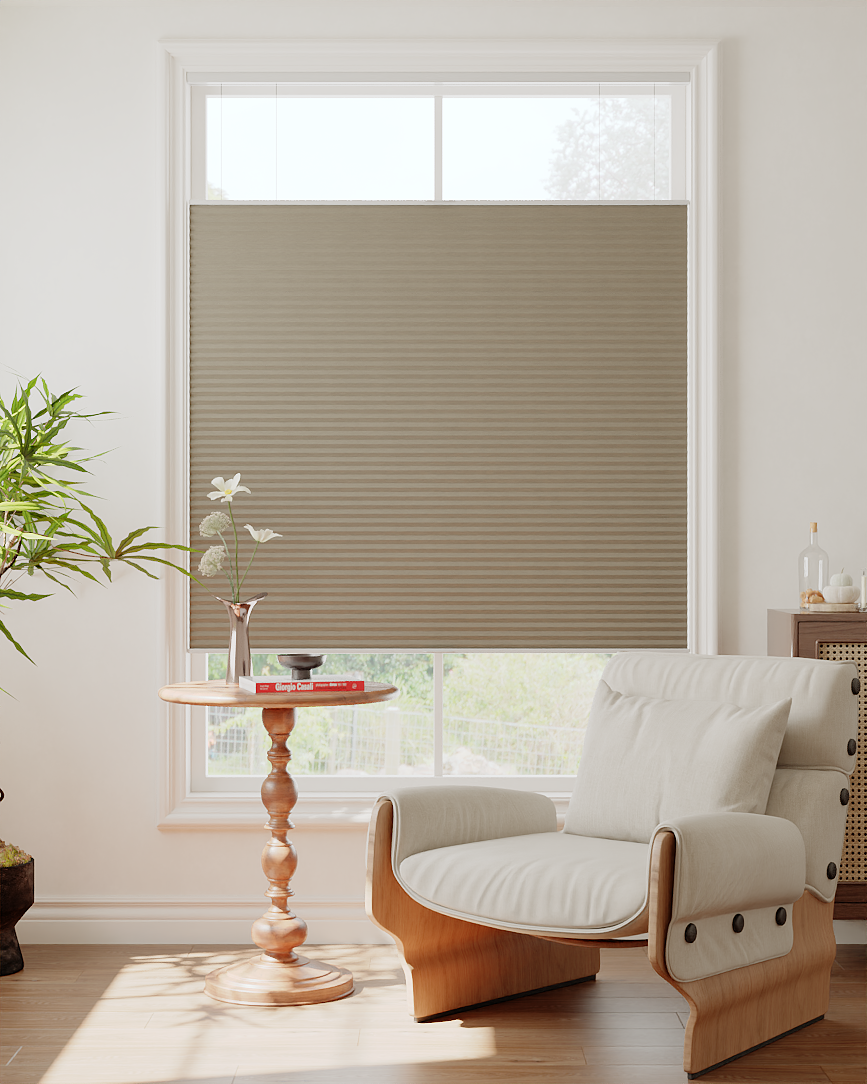
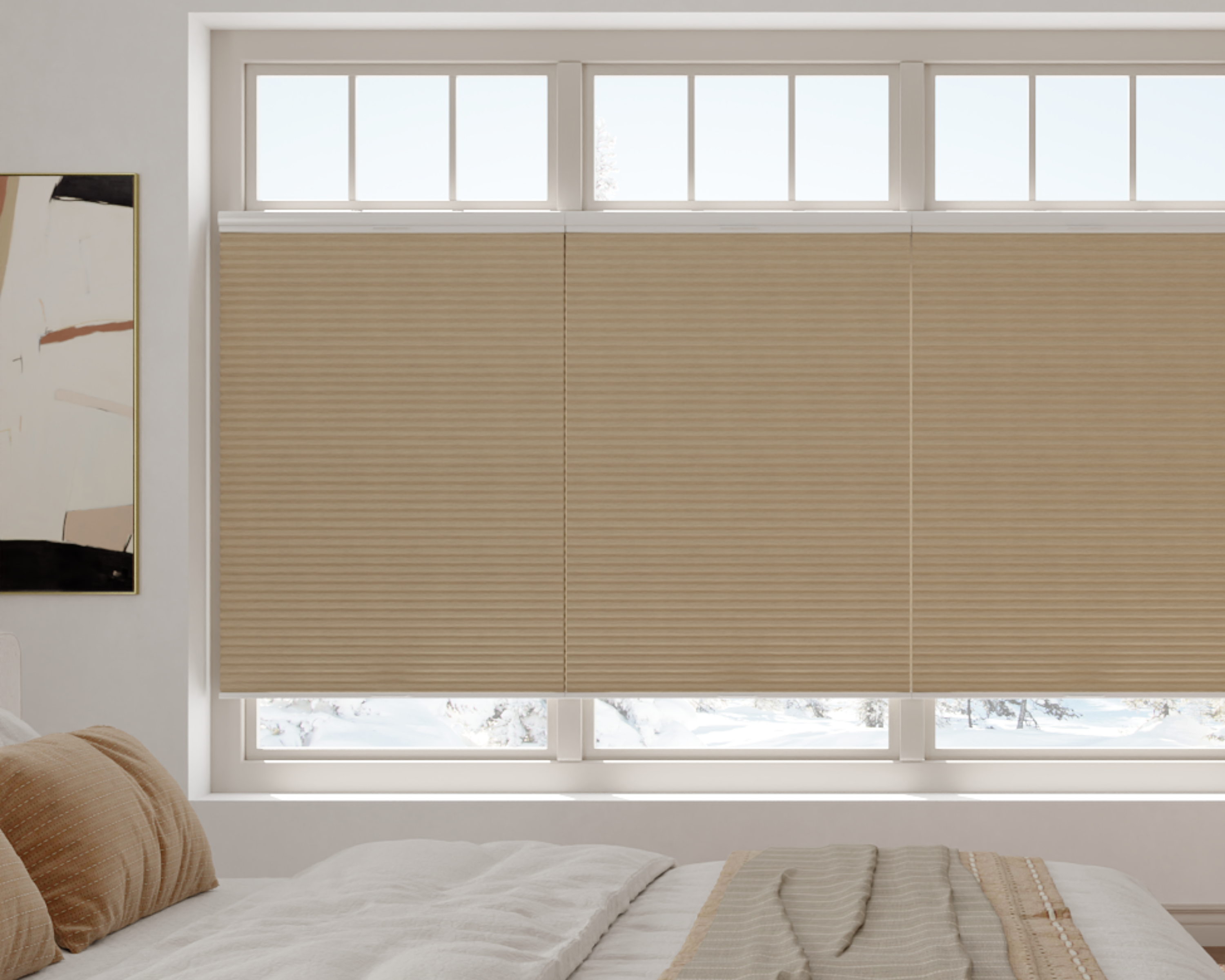
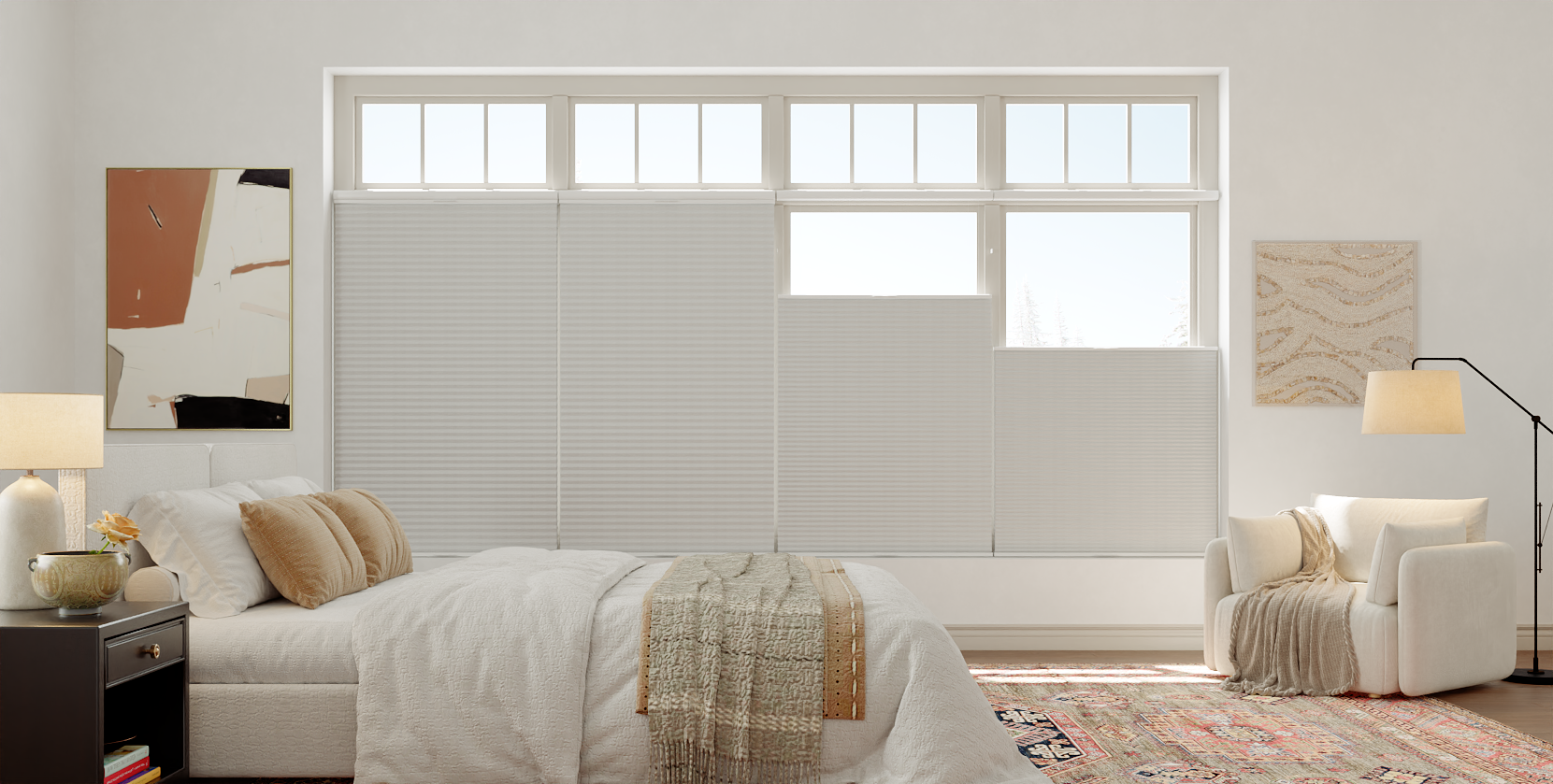
For a bedroom, the existing cordless blackout cellular option provides a relevant replacement route to inspect. Confirm measurements, opacity and operation in the cellular collection rather than assuming the old brackets, fabric or repair parts will transfer.
