
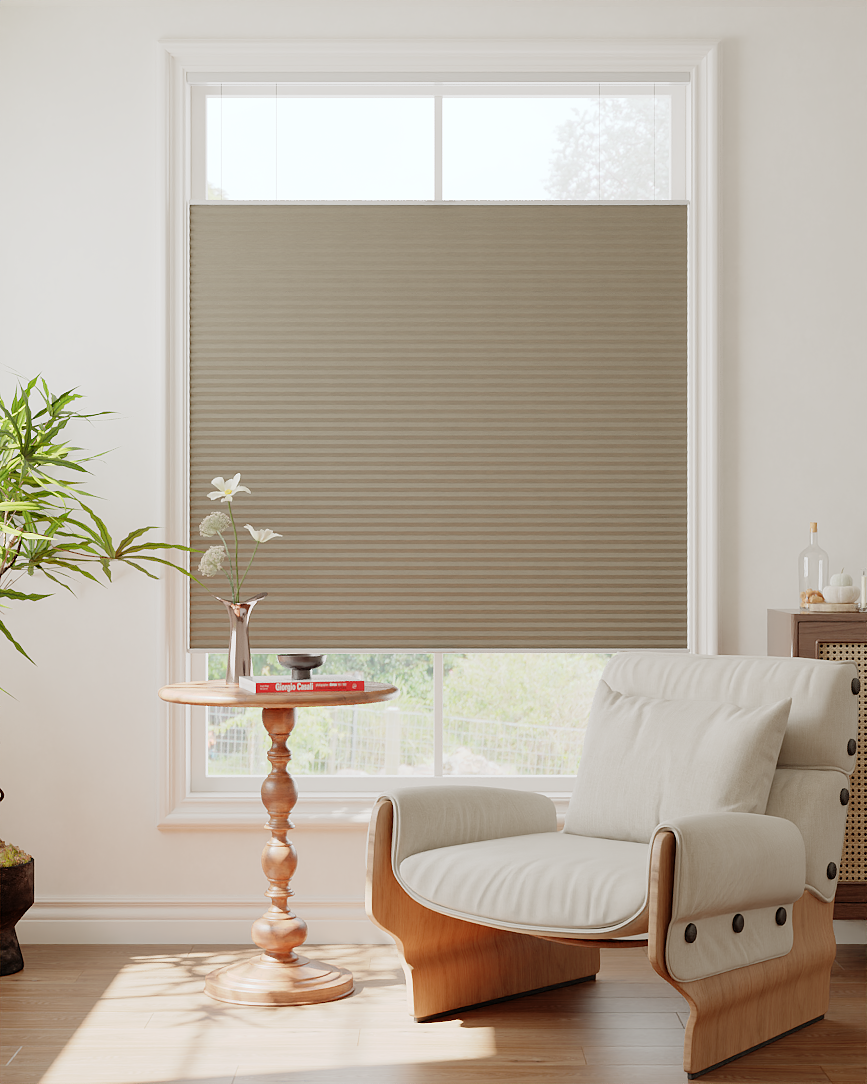
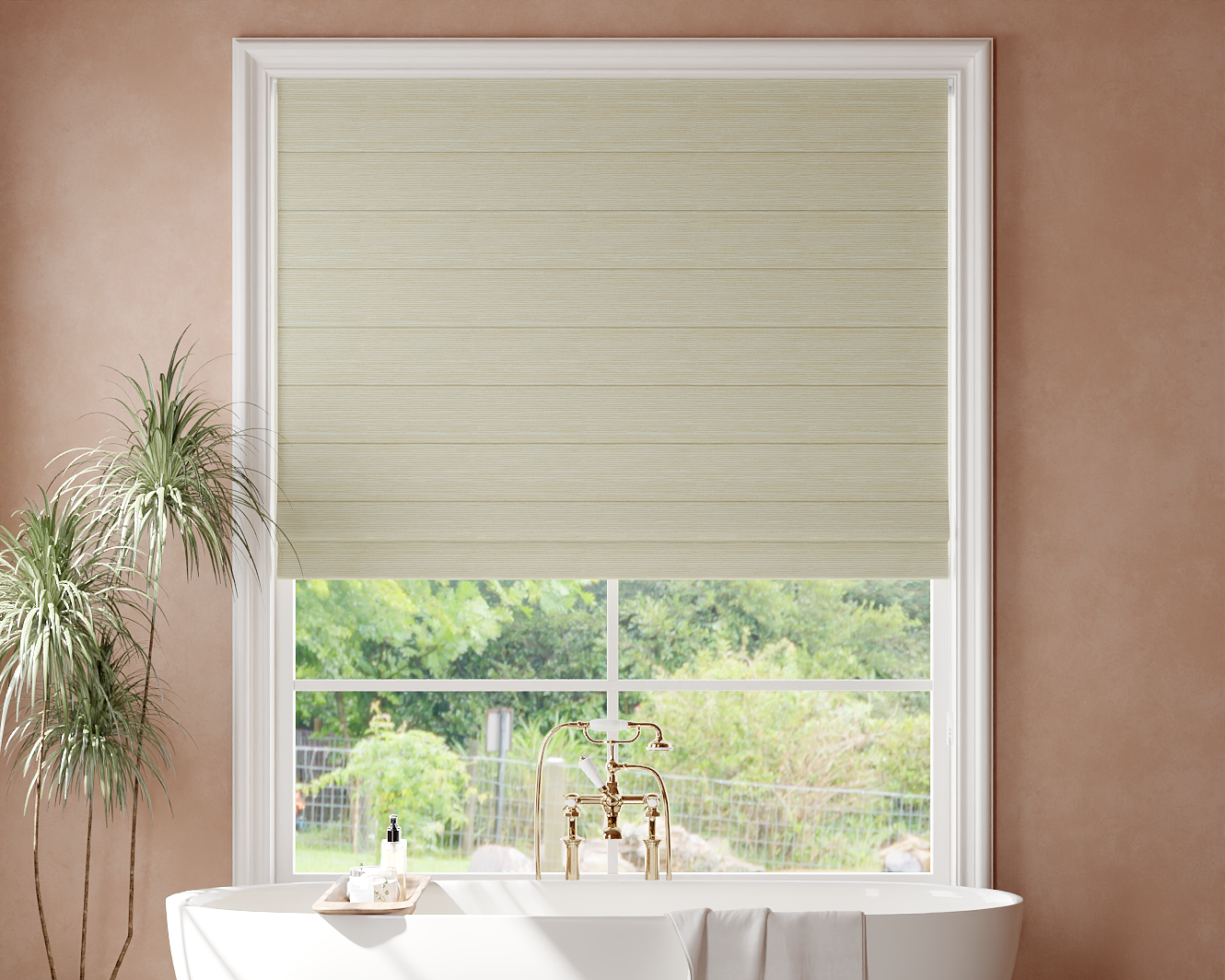
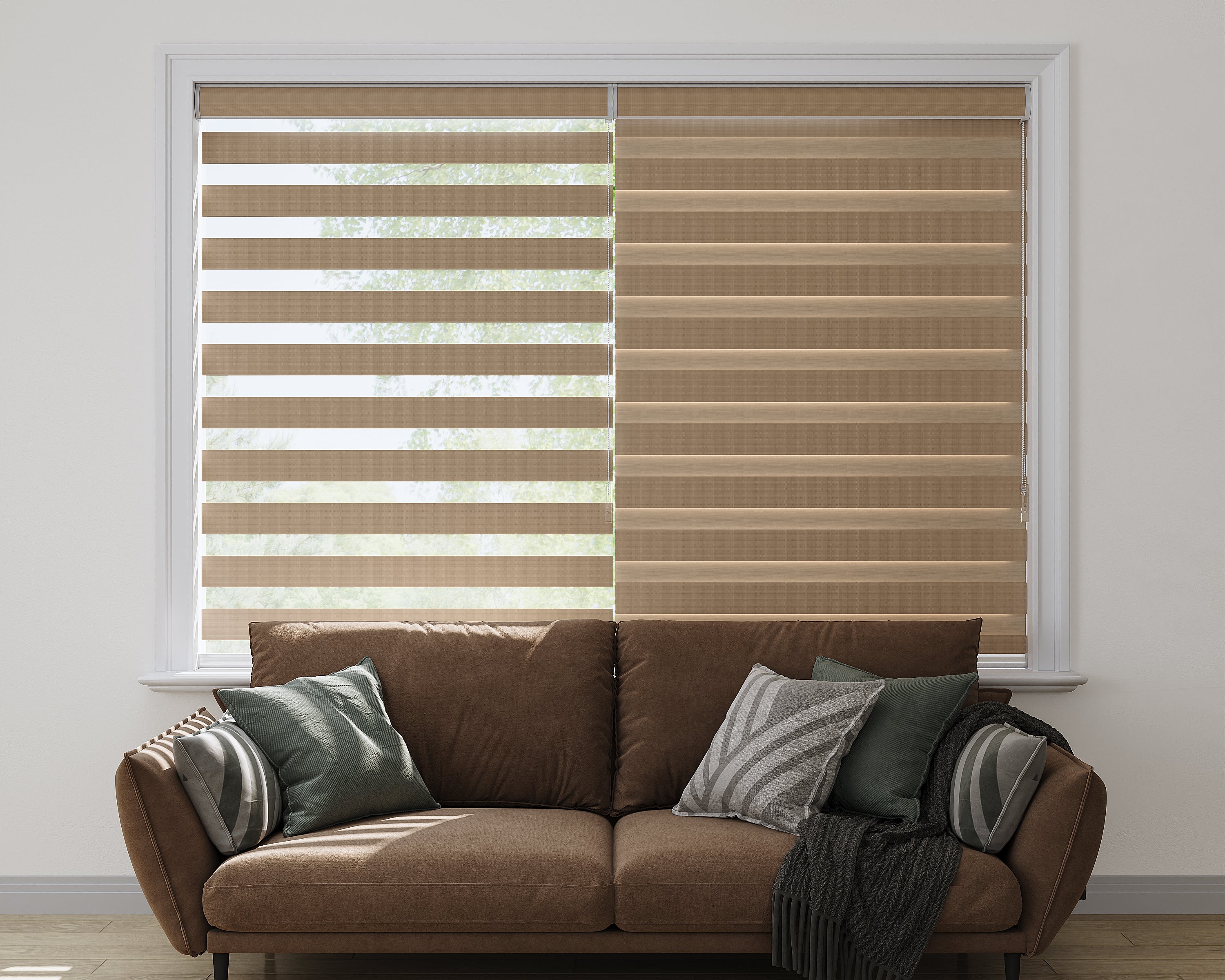
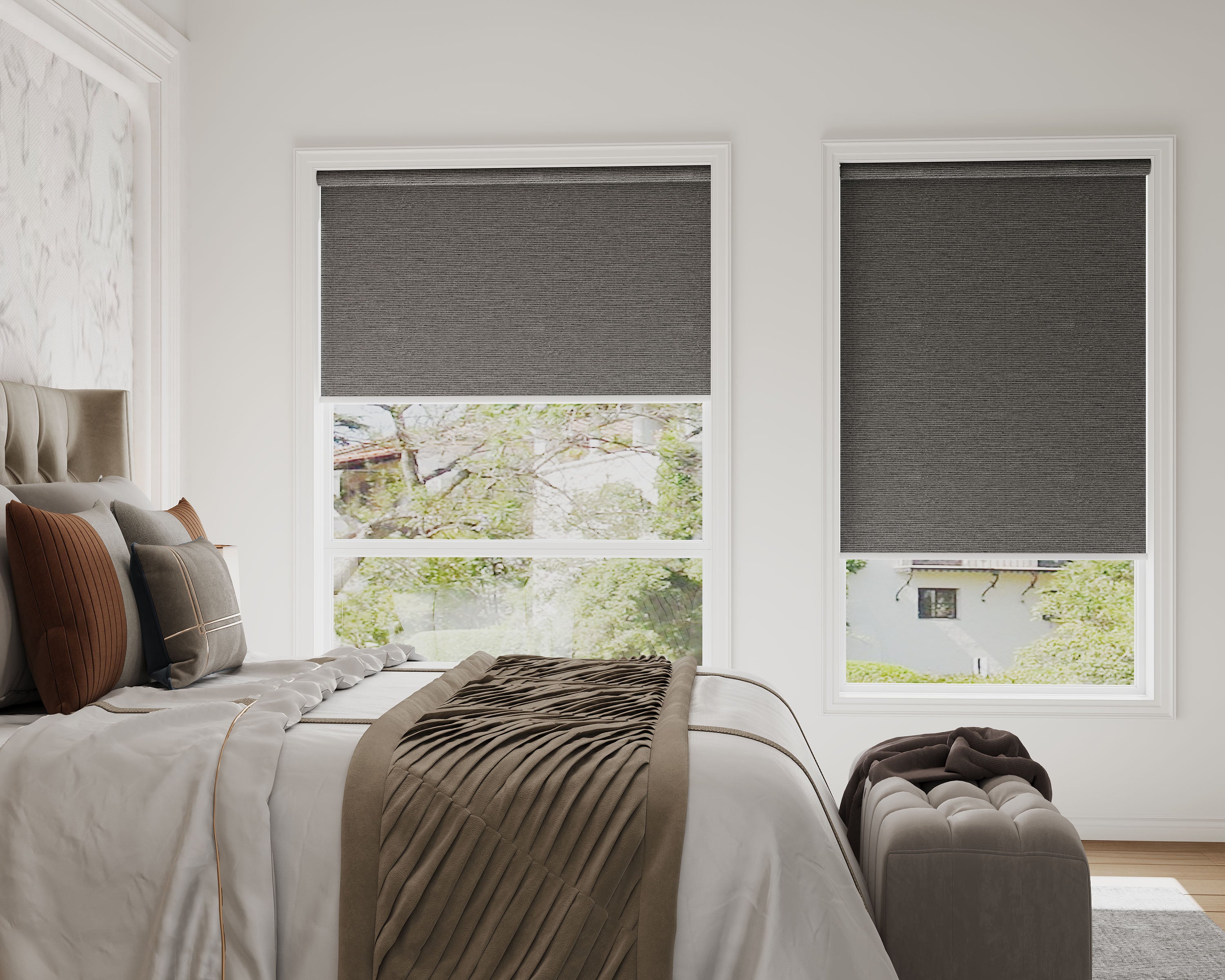
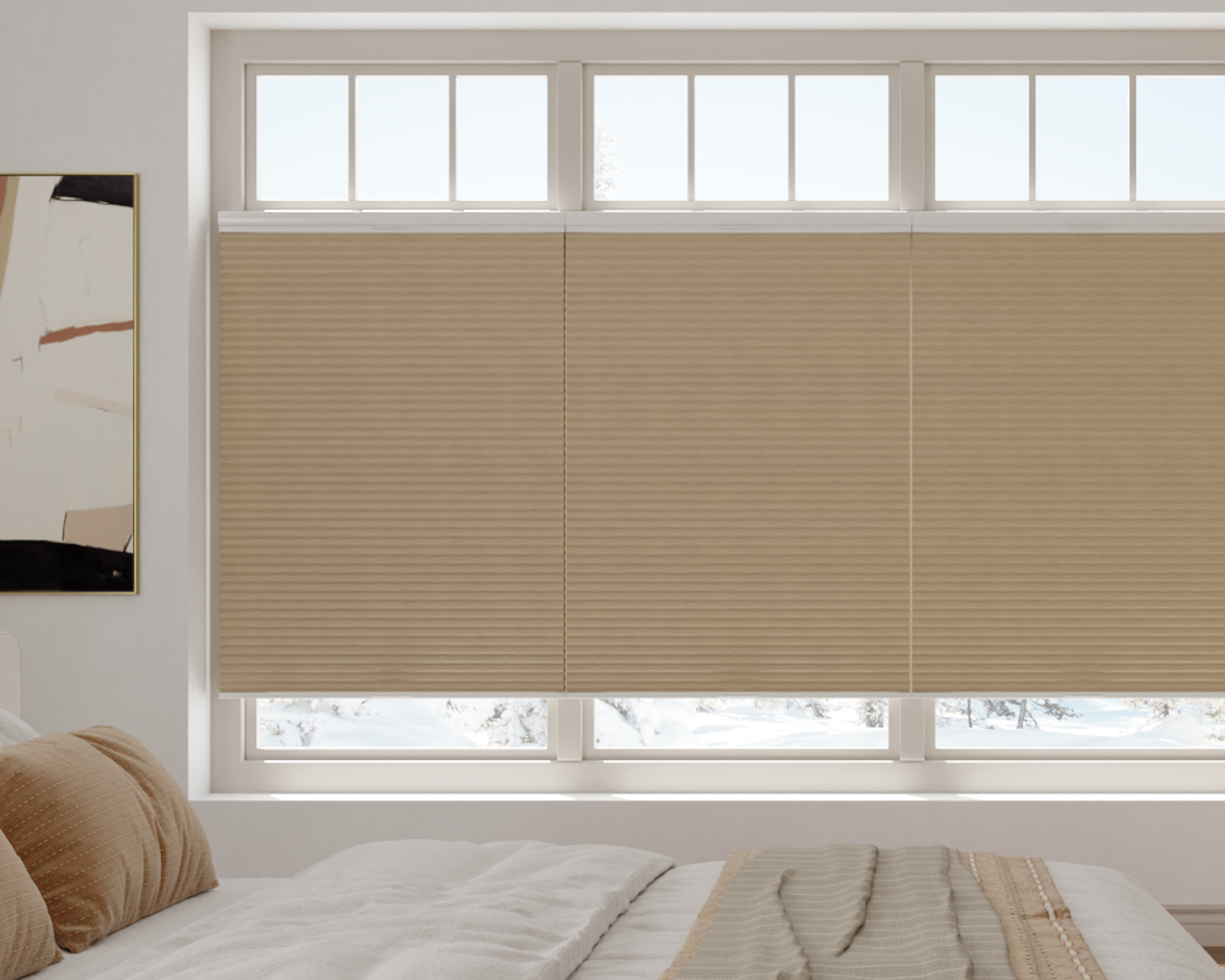
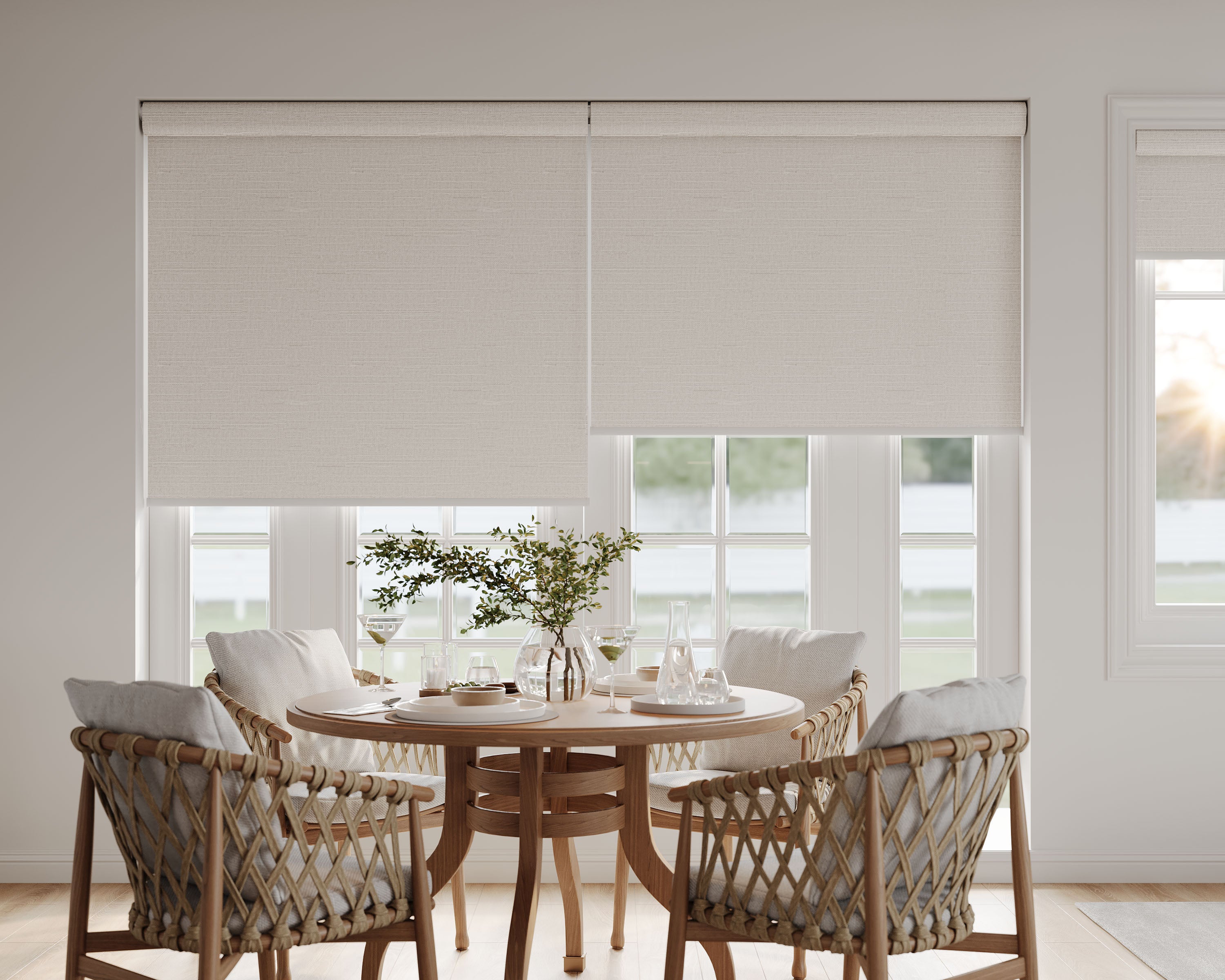


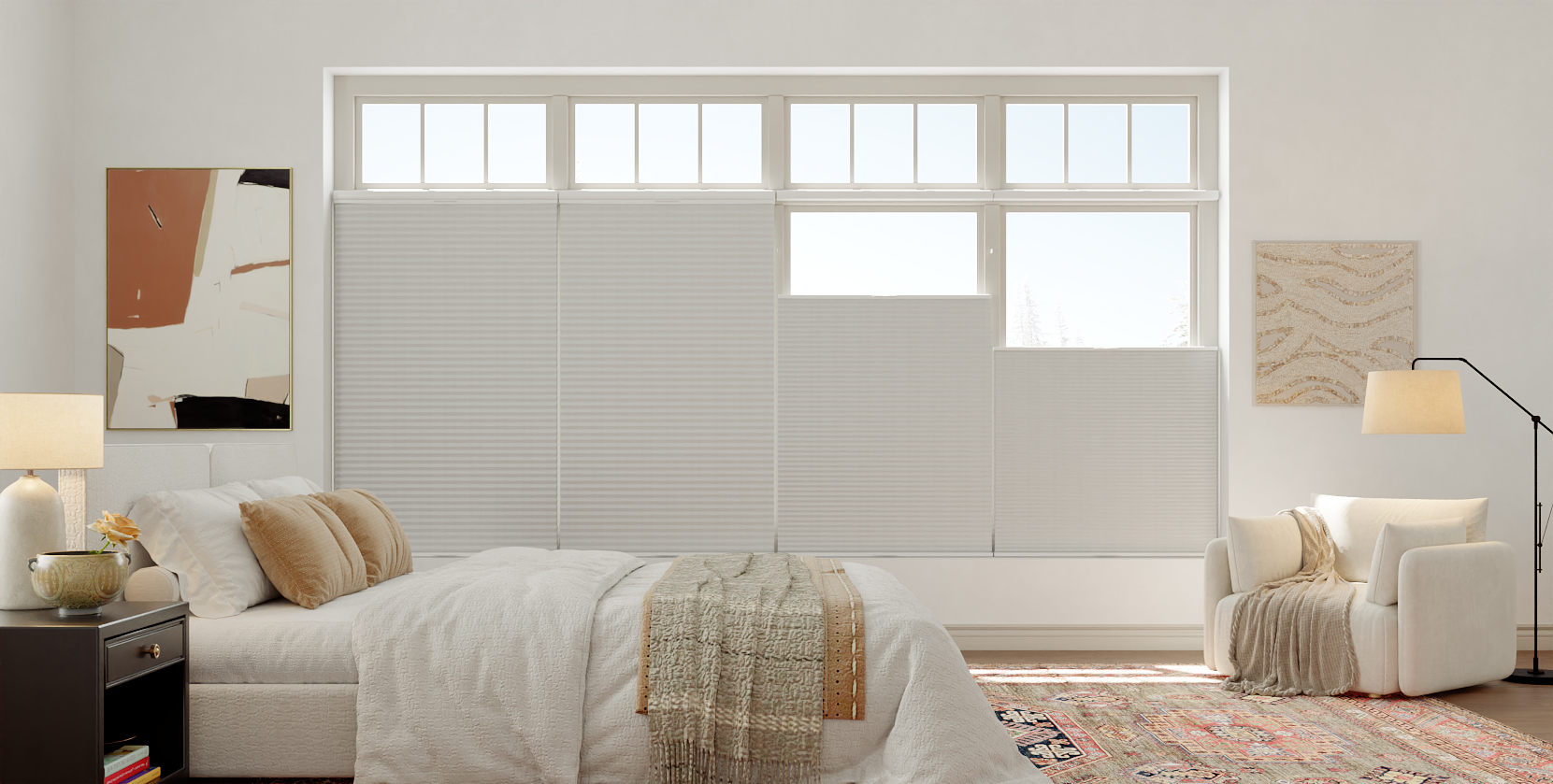


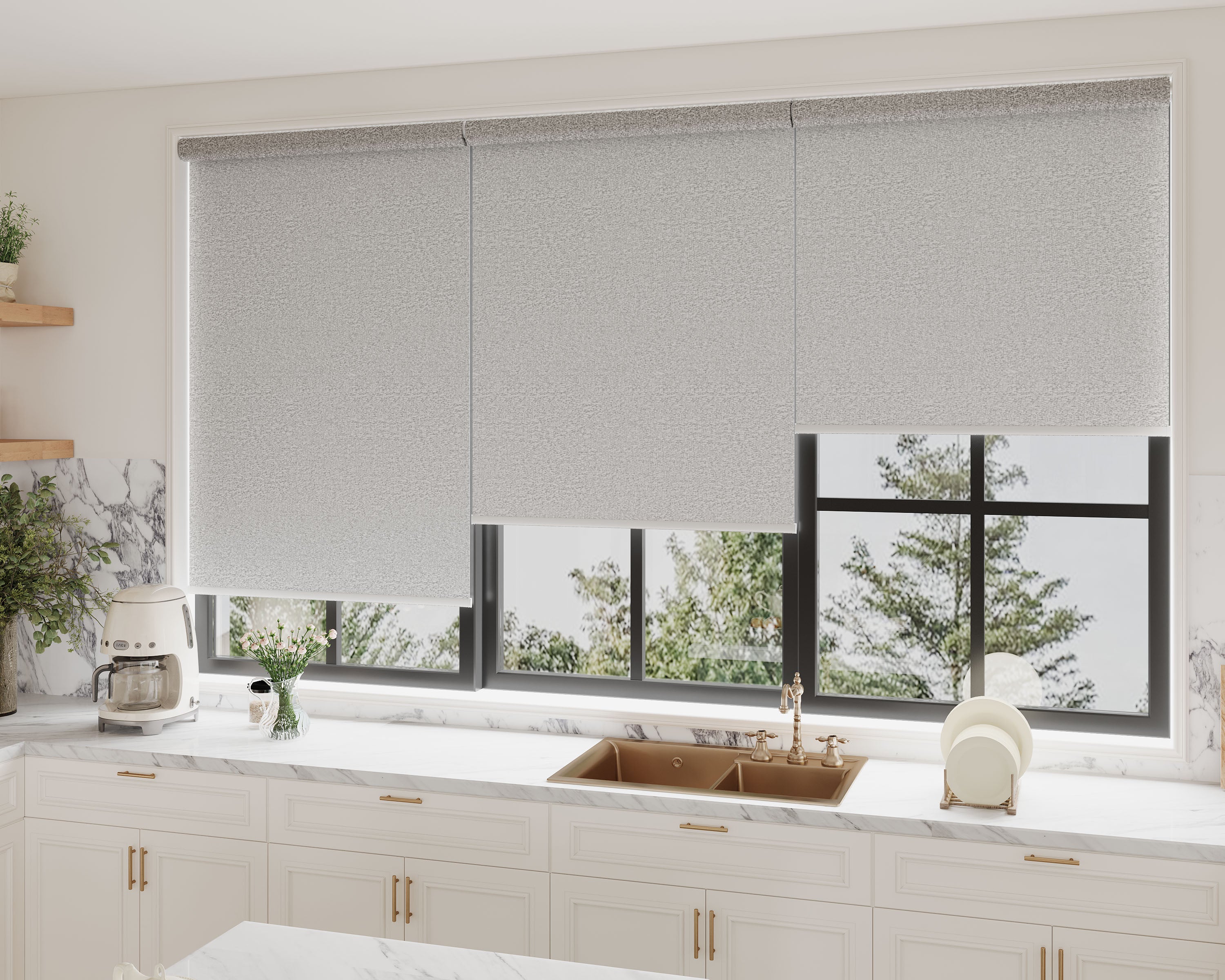

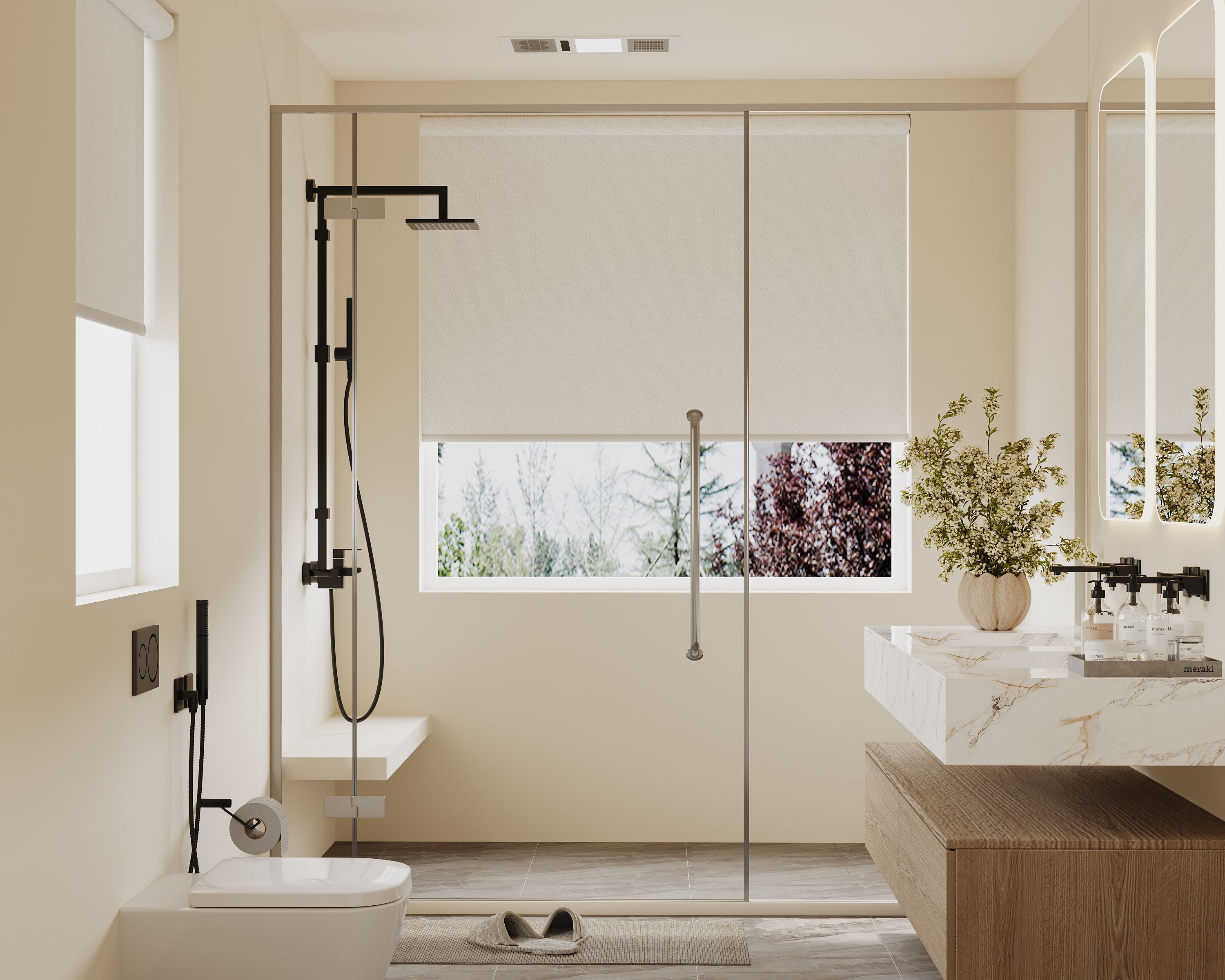


Yes, cellular shades are highly effective at protecting your furniture from UV damage by blocking a significant portion of the sun's harmful ultraviolet rays. Their unique honeycomb structure and fabric composition act as a physical barrier, with high-quality shades capable of blocking 80% to 99% of UV radiation. This protection is crucial for preventing the fading and deterioration of fabrics, wood finishes, artwork, and flooring.
Here’s what you’ll learn in this article:
-
The science behind how the honeycomb design and specialized fabrics filter ultraviolet light.
-
A detailed comparison of how different cellular shade features—from single vs. double cell to fabric color—impact their protective performance.
-
How cellular shades stack up against other common window treatments for UV defense.
-
Best practices for installation and daily use to maximize the protective barrier for your insulating cellular honeycomb shades.
-
Answers to common questions about durability, room-specific solutions, and combining shades with other protective measures.
How Cellular Shades Block Damaging UV Rays
The effectiveness of cellular shades against UV light stems from a combination of their physical design and material science, working together to absorb, reflect, and block rays before they reach your interiors.
The Honeycomb Design: A Multi-Layer Defense
The signature cellular structure is the first line of defense. Each fabric cell acts like a tiny, deep pocket that sunlight must penetrate. This design traps air and creates multiple surfaces for light to interact with, scattering and diffusing the incoming UV radiation. Shades with double or triple-cell construction offer even more layers of material and air pockets, enhancing this diffusing effect and providing superior protection compared to single-cell designs.
Fabric Density and Composition: The Critical Filter
The fabric itself is the primary filter. Denser, more opaque fabrics naturally block more light and UV rays. Many manufacturers use synthetic materials like polyester that are inherently more UV-resistant or treat fabrics with coatings to improve their protective qualities. For the highest level of assurance, look for products that advertise a Ultraviolet Protection Factor (UPF) rating, similar to sun-protective clothing. A rating of UPF 50+ is excellent, meaning the fabric allows 1/50th (or 2%) or less of UV radiation to pass through.
Key Factors That Determine UV Protection Level
Not all cellular shades offer identical protection. Your choice of features directly influences how well your furnishings are shielded. The following table breaks down how each factor contributes to overall performance.
| Feature | Impact on UV Protection | Recommendation for Maximum Protection |
|---|---|---|
| Cell Structure | Double or triple-cell designs provide more fabric layers and air pockets to diffuse and block UV rays than single-cell shades. | Choose double-cell shades for rooms with strong, direct sunlight. |
| Fabric Opacity & Type | Blackout fabrics offer the highest UV blockage. Light-filtering fabrics provide good protection while allowing soft light in. Denser, tighter weaves block more UV. | Select blackout cellular shades for rooms with valuable art or fabrics prone to fading. |
| Fabric Color | Darker colors, especially blacks and navies, absorb more light and UV energy than lighter colors, which reflect more. | Opt for darker fabric colors on windows receiving intense afternoon sun. |
| Mounting & Fit | Inside mounts or shades used with side channels prevent "light leak" gaps at the window edges, which can let in damaging beams of concentrated UV light. | Ensure a precise, gap-free fit by following a guide for fool-proof window measuring for perfect shade fit. |
Cellular Shades vs. Other Window Treatments for UV Defense
While many window coverings offer some protection, cellular shades provide a superior balance of UV blockage, insulation, and aesthetics.
-
vs. Traditional Horizontal Blinds: Blinds have slats with unavoidable gaps, allowing stripes of direct sunlight and UV rays to enter and cause uneven fading. Cellular shades provide a solid, gap-free surface when lowered.
-
vs. Curtains/Drapes: While heavy drapes can block light, they often lack the structured, sealed fit of shades and do not provide the same level of insulating benefits.
-
vs. Solar (Roller) Shades: Solar shades are explicitly designed to filter UV and glare while maintaining a view. However, they typically offer minimal insulation value compared to the air-trapping cellular design. For a detailed look at this trade-off, you can explore a complete comparison of cellular versus roller shade structures.
Maximizing Protection: Installation and Usage Tips
To ensure your cellular shades perform at their peak, proper setup and smart habits are key.
1. Ensure a Complete Seal During Peak Sun
The most important step is to lower shades completely during periods of intense, direct sunlight, typically in the afternoon for west-facing windows. Even a small gap can allow a focused beam of light to cause damage over time. For hard-to-reach windows, motorized shades operated by a schedule or smart home system ensure consistent protection.
2. Layer for Enhanced Defense and Ambiance
For windows where you desire some light but still need protection, consider layering. Combining a light-filtering cellular shade with a sheer curtain allows you to diffuse harsh UV rays while softening the room's ambiance. This is an effective strategy for understanding how different materials affect light and longevity in living spaces without creating a dark room.
3. Understand the Long-Term Benefits
The UV protection provided by cellular shades contributes directly to the long-term durability and lifespan of your window treatments. By choosing fabrics with built-in UV inhibitors, you are also investing in shades that maintain their own appearance for years, all while safeguarding your home's interior.
Conclusion and Key Takeaways
Investing in cellular shades is a powerful and practical strategy for preserving the color and integrity of your home's interior furnishings. By transforming from a simple window covering to an active protective barrier, they address the silent, gradual damage caused by daily sun exposure.
Key Highlights:
-
Highly Effective: Quality cellular shades can block between 80% and 99% of harmful UV rays.
-
Design Matters: Double-cell structures, blackout or dense fabrics, and darker colors provide the strongest defense.
-
Fit is Critical: A precise, gap-free installation (often inside mount) is essential to prevent light leaks that can cause localized fading.
-
Beyond UV Protection: This defense comes with the significant added benefits of improved home energy efficiency and insulation from cellular shades.
-
Usage is Key: Consistently lowering shades during peak sun hours is necessary to realize their full protective potential.
By choosing the right cellular shades and using them strategically, you can enjoy natural light in your home with the confidence that your furniture, floors, and artwork are safeguarded for years to come.
Explore Custom Cellular Shades


Frequently Asked Questions (FAQ)
Do cellular shades themselves fade from UV exposure?
Over many years, some fading of the shade fabric is possible, especially with intense, direct exposure. However, high-quality cellular shades are often made from solution-dyed fabrics or materials with UV inhibitors designed for colorfastness. The shade sacrificially protects your interior furnishings, and its own resistance to fading is a mark of quality.
Are cellular shades good for protecting artwork?
Absolutely. Artwork, photographs, and area rugs are particularly vulnerable to UV damage. Cellular shades, especially blackout or high UPF-rated varieties, are an excellent choice for rooms displaying art. For maximum protection in a gallery or media room, combine them with frame glass that has UV-filtering properties.
Can I get UV protection in a bathroom with cellular shades?
Yes, but material selection is crucial. Standard fabrics may not withstand humidity well. For bathrooms, choose cellular shades specifically made from moisture-resistant or synthetic fabrics that offer UV protection without promoting mold or mildew growth. Selecting the right moisture-resistant fabrics for kitchens, baths, and laundry rooms is key for these spaces.
Is there a visible difference between UV-protective and regular shades?
Not necessarily. Many light-filtering cellular shades provide excellent UV protection while still allowing a soft, natural glow to enter the room. The protective quality is a function of the fabric's composition and density, which isn't always visually apparent. Always check the product specifications for UPF ratings or UV-blocking percentages.
Do I need to keep the shades closed all the time for protection?
No. The most critical time to have them closed is during peak sun intensity hours, which is usually late morning through afternoon for east, south, and west-facing windows. You can freely open them in the early morning, on cloudy days, or in the evening without compromising protection. Automated motorized shades make managing this schedule effortless.
