
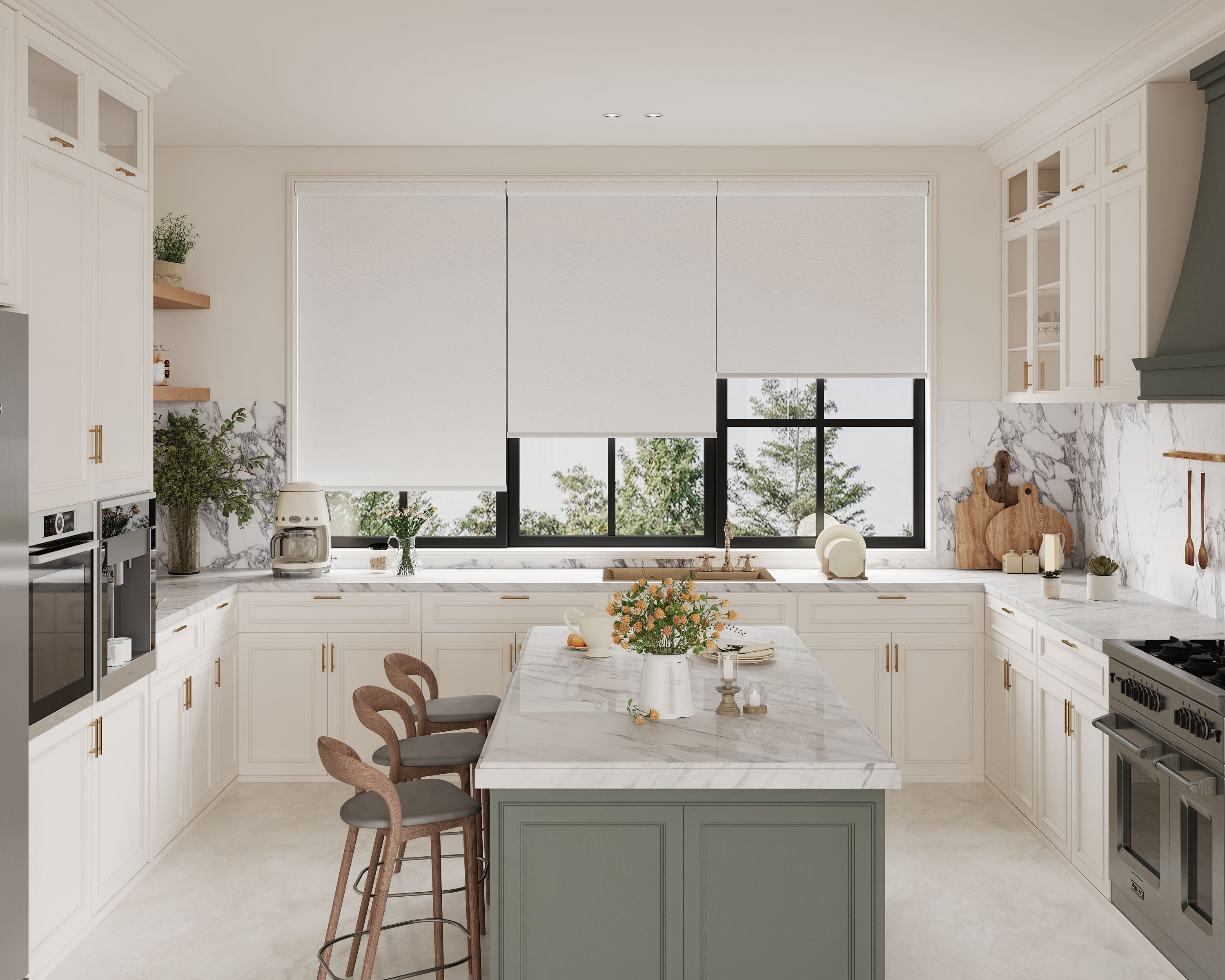
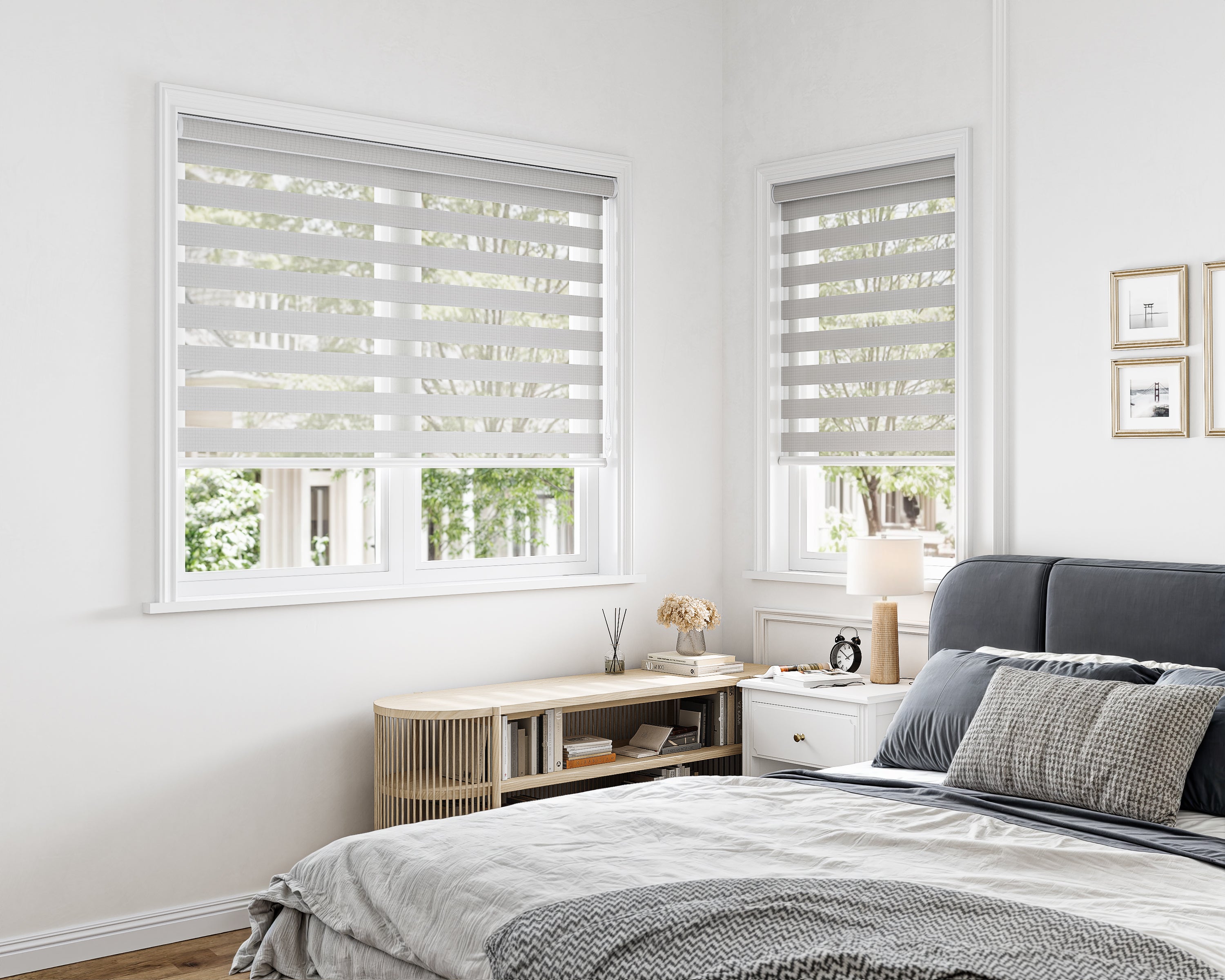
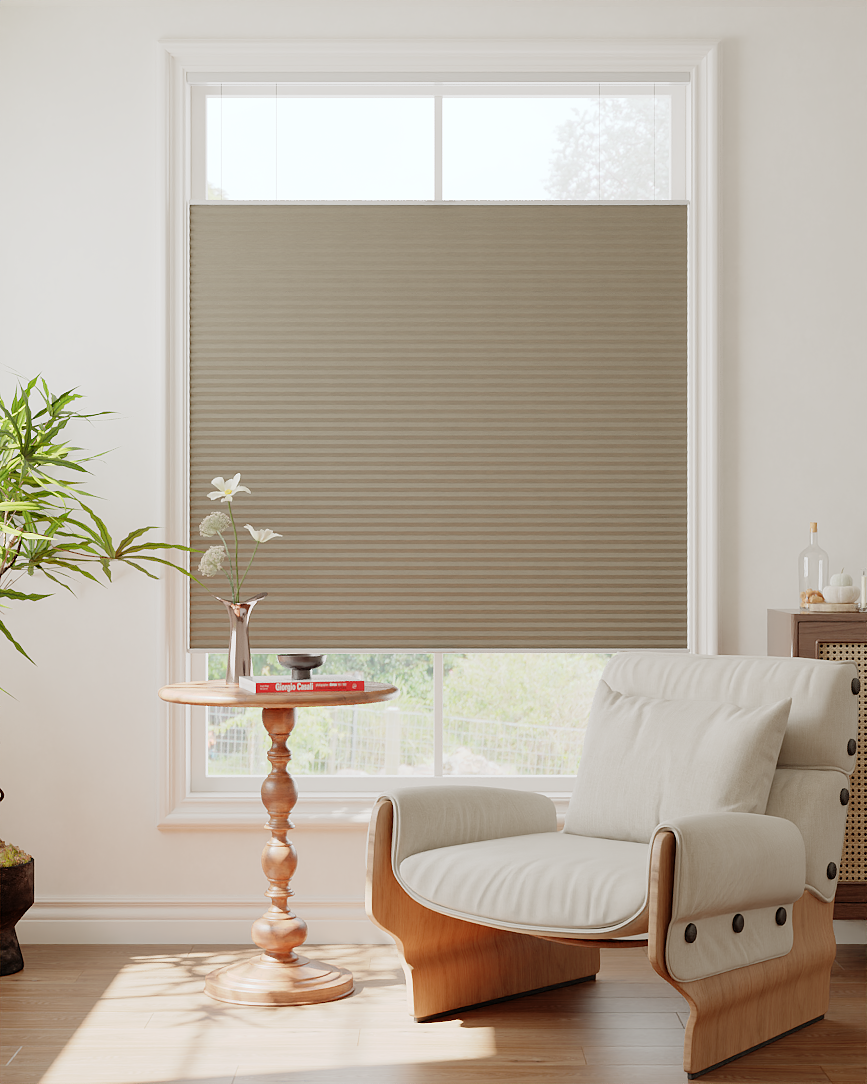
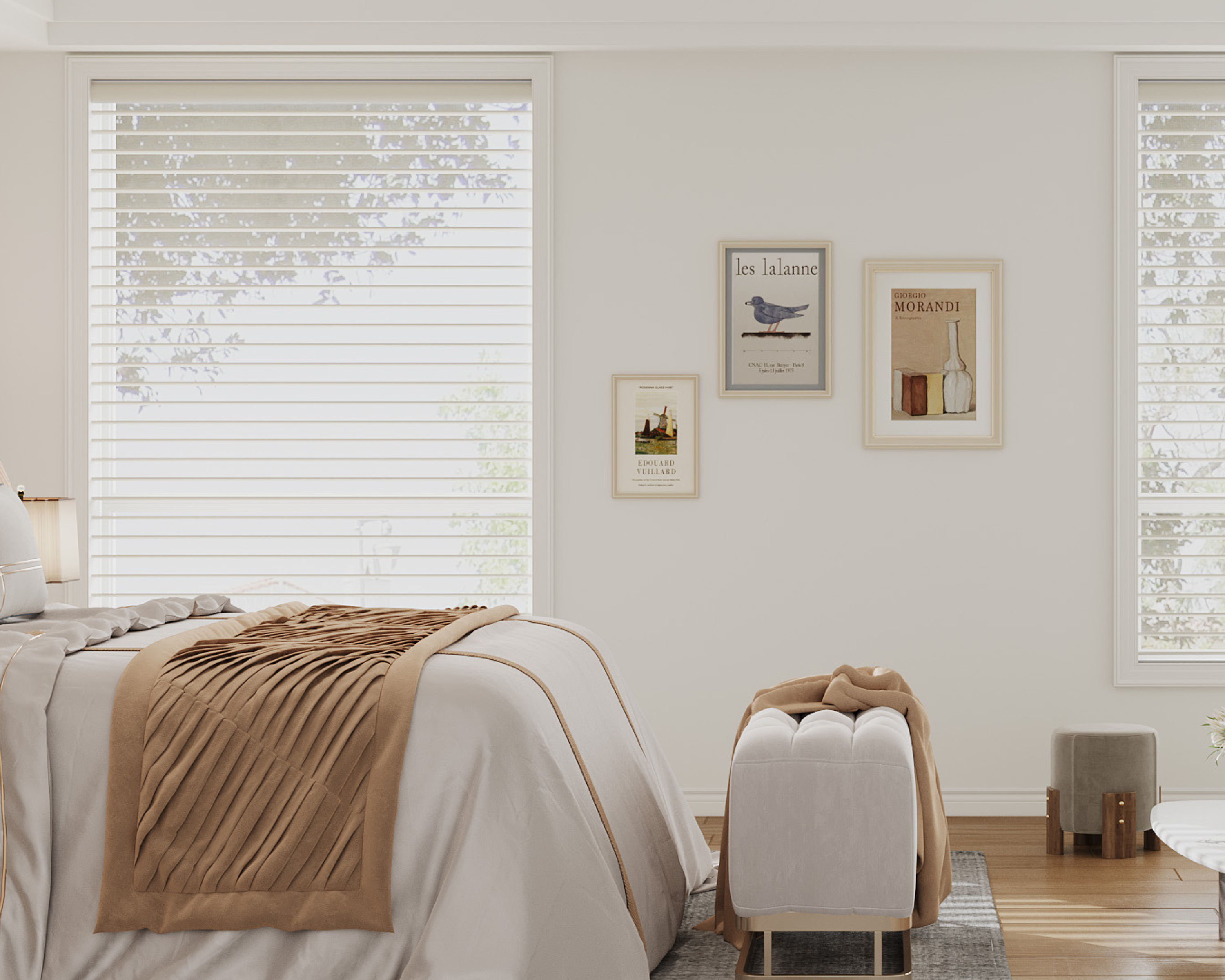







Absolutely, cellular shades are one of the most effective solutions for reducing glare in a home office. They don't just block light; they intelligently diffuse it, transforming harsh sunlight that bounces off screens and desks into a soft, even glow that illuminates your workspace without causing eye strain. This guide will show you how to select and use cellular shades to create a comfortable, professional, and productive home office environment.
Here’s what you’ll learn to master your office lighting:
-
The Science of Glare Reduction: How cellular shades uniquely scatter and soften direct sunlight, eliminating hotspots and screen reflections.
-
Optimal Opacity & Feature Selection: Why light-filtering shades are the gold standard for offices and how features like top-down control offer unparalleled flexibility.
-
Beyond Glare: Secondary Office Benefits: How these shades also dampen noise, regulate temperature for comfort, and provide consistent on-camera privacy.
-
Strategic Installation & Placement: Tailoring your setup for different window directions and desk orientations to maximize effectiveness.
-
A Complete Workspace Integration Plan: How to pair your shades with other lighting and design elements for an ideal, focus-ready environment.
The foundation of a glare-free workspace is a precision-engineered window treatment. Begin by exploring our range of light-diffusing cellular shades designed for home offices.
How Cellular Shades Work to Conquer Glare
Glare isn't just brightness; it's the harsh contrast caused by concentrated, direct beams of light hitting reflective surfaces like monitors, glass desks, or glossy papers. Cellular shades combat this through diffusion, not just blockage.
-
The Diffusion Principle: Unlike solid blinds that simply block light and create sharp lines of shadow, light-filtering cellular shades are made from translucent fabrics. When sunlight passes through them, it is scattered in countless directions by the fabric's weave and the honeycomb structure's depth. This breaks up intense direct beams, transforming them into a uniform, ambient light that fills the room without creating sharp contrasts.
-
Eliminating Hotspots & Reflections: This diffused light eliminates the "hotspot" effect on your desk and drastically reduces the mirror-like reflection of windows on your computer screen. You maintain a clear, high-contrast view of your monitor and can see your keyboard and notes easily, all while benefiting from the mood-boosting and energy-saving properties of natural light.
-
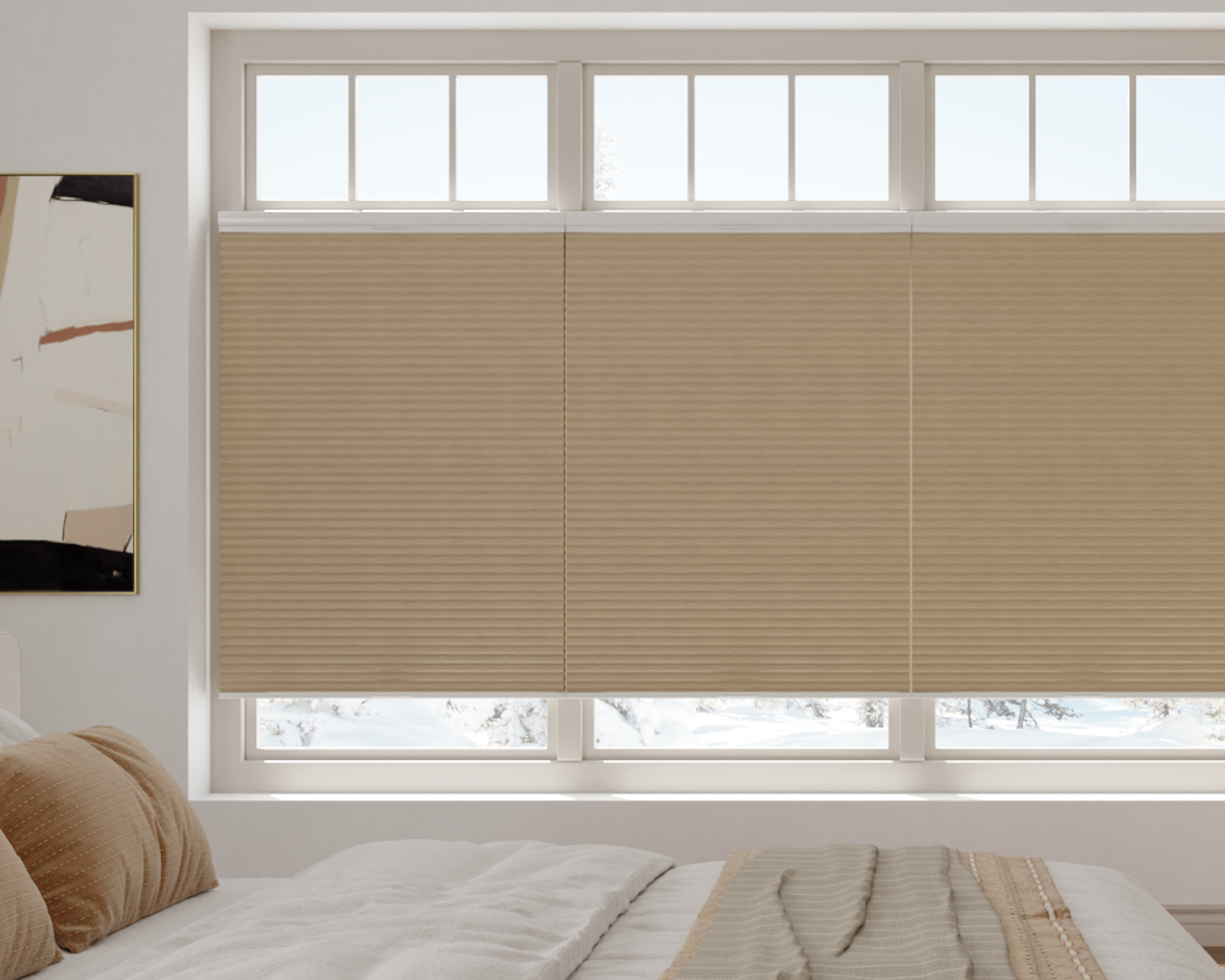
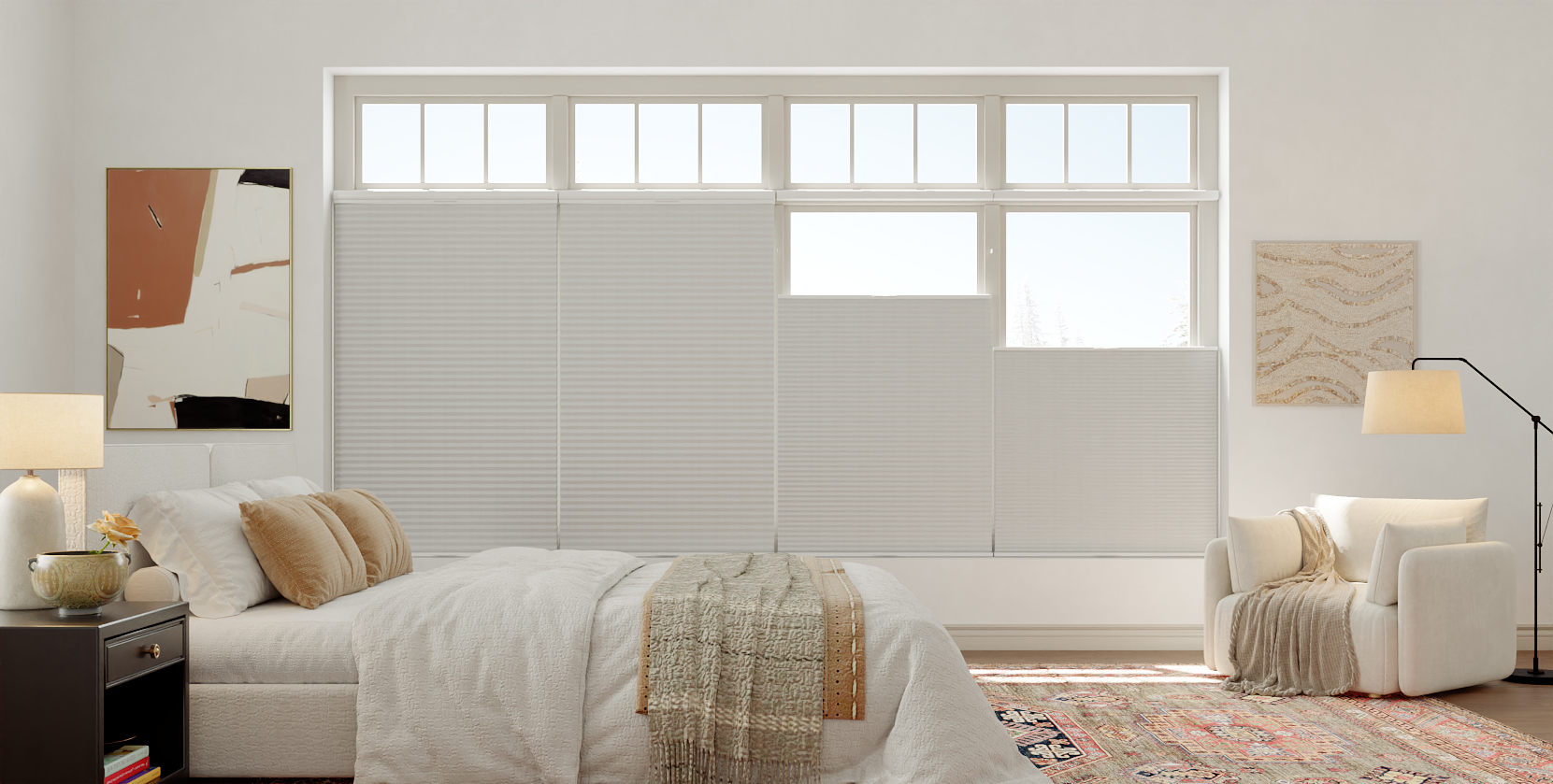
Managing Light Direction: With features like top-down/bottom-up operation, you gain precise control. You can lower just the top portion of the shade to block the high, angled sun that shines directly on your screen, while leaving the bottom open to admit soft, indirect light from the lower sky and maintain an outdoor connection. This principle of smart light management is central to balancing privacy and natural light in open spaces.
Choosing the Perfect Cellular Shades for Your Office
Not all cellular shades are equally suited for glare control. Your selection should be driven by the specific lighting challenges of your workspace.
The Essential: Light-Filtering Opacity
For a home office, light-filtering cellular shades are almost always the optimal choice. They provide the perfect balance:
-
Maximum Glare Reduction: They diffuse light perfectly, eliminating the cause of glare while keeping the room cheerfully lit.
-
Sustained Natural Light: Unlike blackout shades, they prevent the cave-like feeling that can drain energy and focus, maintaining a connection to the outdoor day-night cycle which is beneficial for circadian rhythms and mental well-being.
-
Daylong Privacy: They provide excellent daytime privacy from the outside, allowing you to work without feeling exposed, while still letting in a view of the sky.
Key Features for Enhanced Control
-
Top-Down/Bottom-Up Functionality: This is a premium feature with immense value for an office. It allows you to block the problematic upper portion of a window (where the sun often is) while still allowing light and a view from the lower section. It’s the ultimate tool for dynamic light management throughout the day.
-
Motorized Operation: In a home office, convenience translates directly to consistency. With motorization, you can effortlessly adjust shades from your desk with a remote or smartphone app to chase away glare as the sun moves, or program them to lower automatically during peak glare hours. This seamless integration is a hallmark of modern smart home office automation.
Color and Material Considerations
-
Color: Lighter colors (white, ivory, light gray) are most effective as they reflect more light, aiding diffusion and keeping the room bright. Darker colors will absorb more light, creating a slightly dimmer ambiance.
-
Material: A tighter weave provides more uniform diffusion. Our material comparison of linen, vinyl, and bamboo can help you choose a fabric that aligns with your office's aesthetic and performance needs.
Beyond Glare: The Holistic Home Office Benefits
Cellular shades deliver a suite of advantages that contribute to a superior work environment.
| Benefit | How Cellular Shades Help | Impact on Your Workday |
|---|---|---|
| Temperature Regulation | The honeycomb cells provide insulation, stabilizing room temperature by blocking solar heat gain in summer and retaining heat in winter. | Prevesnts the discomfort of a sun-heated "greenhouse" office or cold drafts, maintaining consistent comfort. |
| Noise Reduction | The fabric absorbs sound waves, dampening external noises like traffic, lawn care, and neighborhood activity. | Creates a quieter, more focused auditory environment, crucial for concentration and clear video calls. |
| On-Camera Privacy & Professionalism | Light-filtering shades ensure you are not a silhouette or overly backlit on video calls, providing a soft, professional backdrop. | Presents a consistent, polished image to colleagues and clients, enhancing your professional presence. |
| UV Protection | They filter out a high percentage of the sun's ultraviolet rays. | Protects your expensive office furniture, flooring, and artwork from fading and sun damage over time. |
Strategic Installation for Different Office Setups
Your window's orientation and your desk placement dictate the best strategy.
By Window Direction
-
South-Facing Windows: Receive intense, direct light all day. Prioritize light-filtering shades and strongly consider motorized top-down control to easily manage the high sun angle. The insulating property is also key here to manage heat.
-
West-Facing Windows: The culprit for harsh afternoon glare. The same rules as south-facing apply. Programming motorized shades to lower in the early afternoon can automate your comfort.
-
North/East-Facing Windows: Receive softer, indirect light. Light-filtering shades are perfect for managing the gentle morning glare from east windows and providing privacy for north windows.
By Desk Placement
-
Desk Facing the Window (Worst for Glare): Light-filtering shades are mandatory. Keep them partially or fully lowered during work hours to diffuse the light directly in front of you.
-
Desk Perpendicular to the Window: Glare hits the side of your monitor. Use top-down operation to lower the shade on the side of the window closest to your desk, blocking the side-angle light.
-
Desk Against a Wall, Away from Window: Glare is less direct but can still cause overall screen washout. Shades will help create even, ambient room lighting for optimal screen contrast.
Conclusion: Designing a Focused, Glare-Free Zone
Investing in cellular shades for your home office is an investment in your productivity, comfort, and professional image. By selecting light-filtering shades and leveraging smart features like top-down control and motorization, you gain mastery over your primary light source. This allows you to harness the benefits of natural light—improved mood, energy, and focus—while completely eliminating its biggest drawback: disruptive glare. The result is a workspace that feels intentionally designed for clarity and concentration, where you can perform at your best throughout the entire day.
Key Highlights
-
Light-filtering cellular shades are the definitive solution for home office glare, as they diffuse light instead of just blocking it.
-
Features like top-down/bottom-up operation and motorization transform shades from static coverings into dynamic light management tools.
-
The benefits extend far beyond glare reduction to include temperature stability, noise dampening, UV protection, and on-camera professionalism.
-
Your specific window direction and desk layout should guide your installation and daily operation strategy for maximum effectiveness.
-
Pairing cellular shades with a well-planned artificial lighting scheme creates the ultimate, all-hours productive environment.
By taking this comprehensive approach, you can eliminate a major daily workplace annoyance and create a home office that truly supports your success.
Explore Custom Cellular Shades


Frequently Asked Questions (FAQ)
What if I sometimes need total darkness for presentations or detailed design work?
A hybrid approach is ideal. You can install a double roller shade system: a front roller with light-filtering cellular shades for daily use, and a second, separate roller behind it with a blackout shade for when you need complete darkness. Alternatively, choosing a dual-layer shade that combines a sheer front fabric with a blackout backing that can be raised independently offers ultimate versatility in one unit.
Will light-filtering shades make my office too dark on cloudy days?
No, that’s their key advantage. They are designed to soften light, not eliminate it. On a cloudy day, the overcast sky provides a massive, naturally diffused light source. Light-filtering shades will still allow this soft, ambient light to pass through, keeping your office pleasantly illuminated without the "dungeon" effect of blackout shades. You can always raise them fully for maximum brightness.
Are cordless or motorized shades better for a home office?
For a home office, motorized shades offer distinct advantages. The ability to make fine-tuned adjustments without leaving your chair means you’re more likely to maintain optimal light throughout the day. They also eliminate dangling cords for a cleaner aesthetic and can be programmed to adapt to your daily schedule. Cordless shades are a great manual option, but motorization provides next-level convenience and consistency.
How do I clean the shades in my home office, where dust can be a concern?
Home office electronics can attract dust. The best method is regular, gentle maintenance. Use the soft brush attachment on your vacuum cleaner weekly to lightly remove dust from the front of the shades. For a deeper clean, use the "dry sponge" or "sponge bath" method with two clean sponges (one slightly damp, one dry) to lift dirt without saturating the fabric, as detailed in our safe cleaning guide for cellular shades.
Can cellular shades help with energy costs for a home office I heat/cool all day?
Yes, significantly. A home office used consistently represents a fixed energy load. The insulating properties of cellular shades, especially double-cell varieties, act as a thermal barrier. In summer, they reflect solar heat before it enters and warms the room, reducing AC runtime. In winter, they trap a layer of still air at the cold window, reducing heat loss. This active insulation can lead to measurable savings, as analyzed in our article on energy savings payback for insulating cellular shades.
