
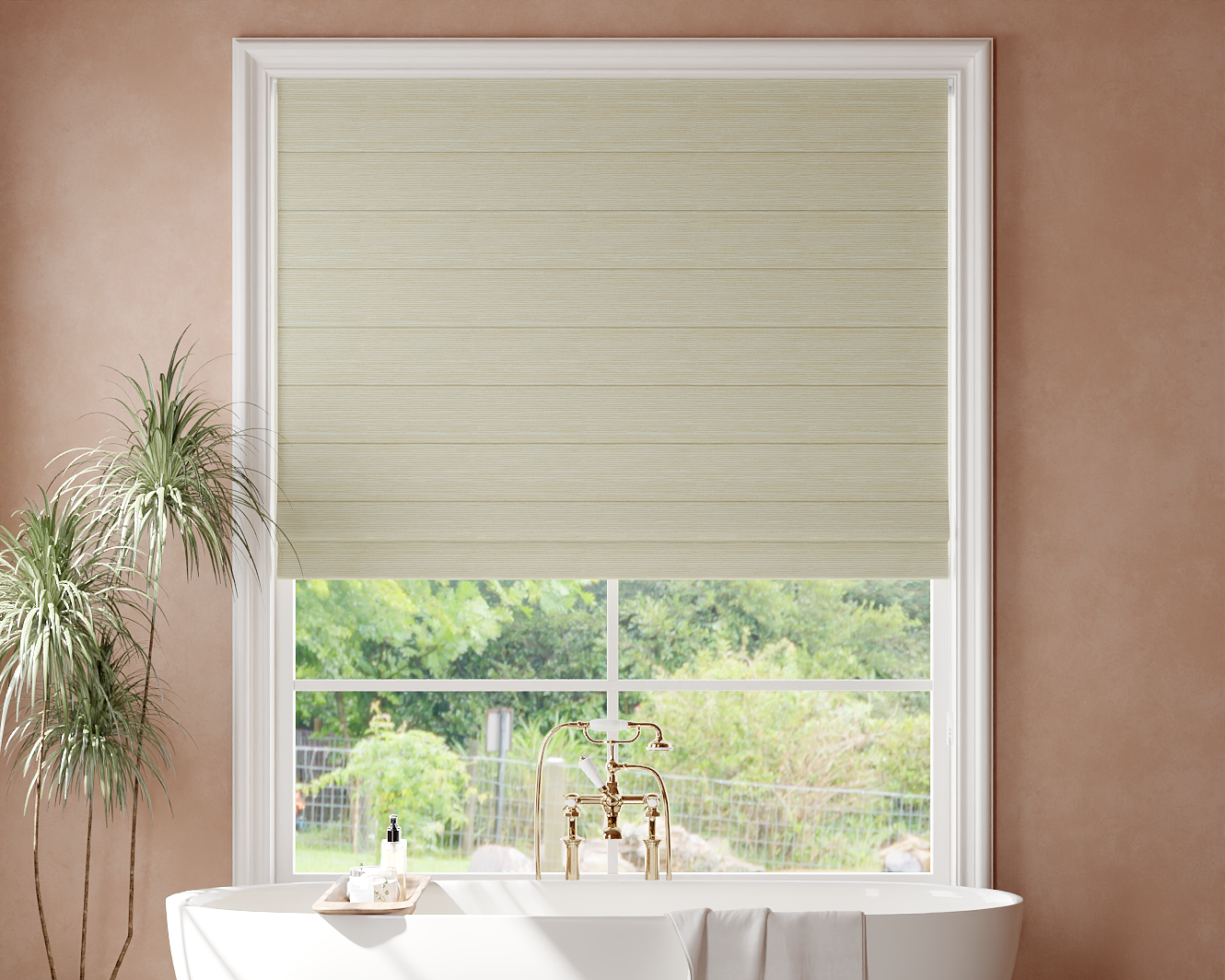
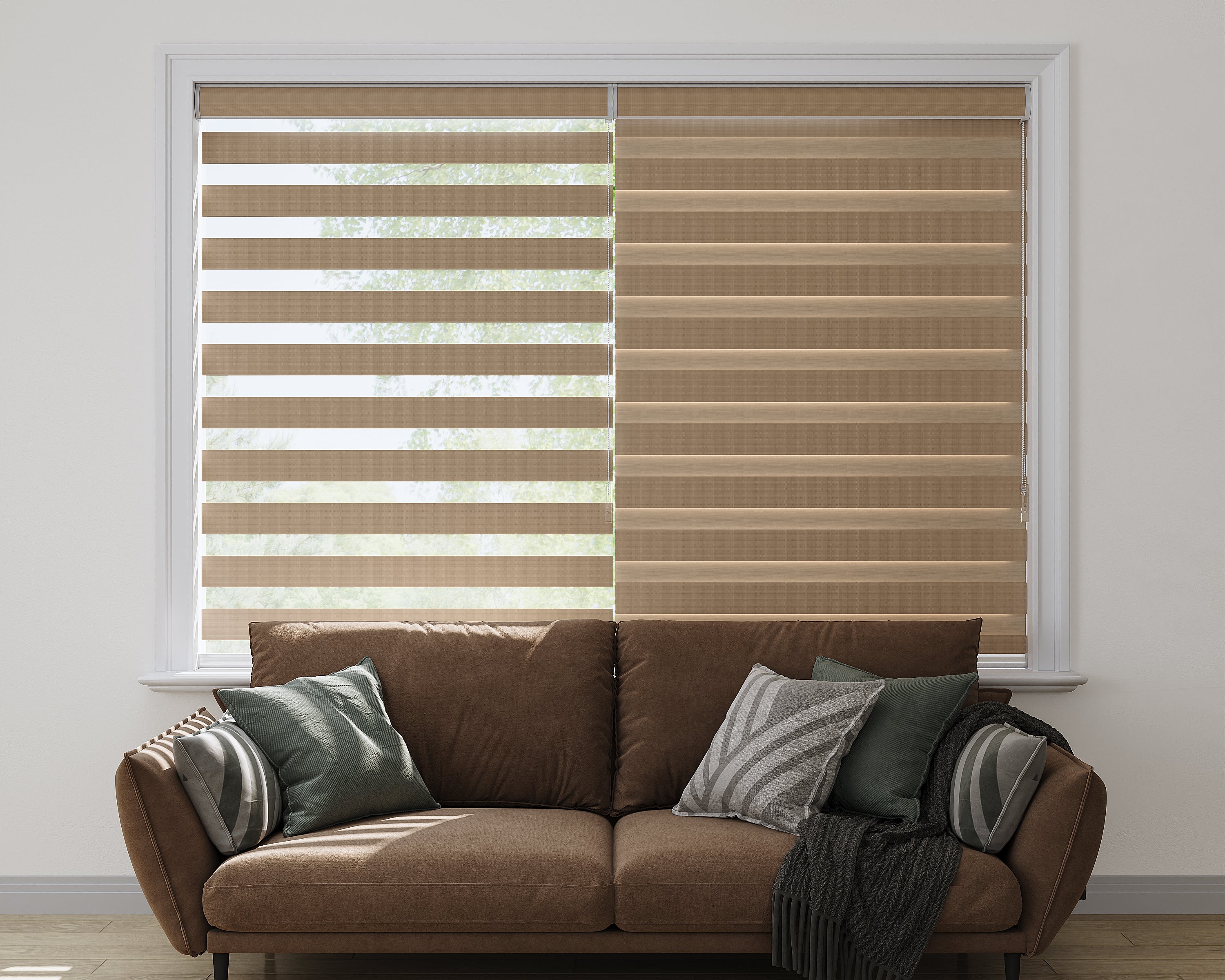
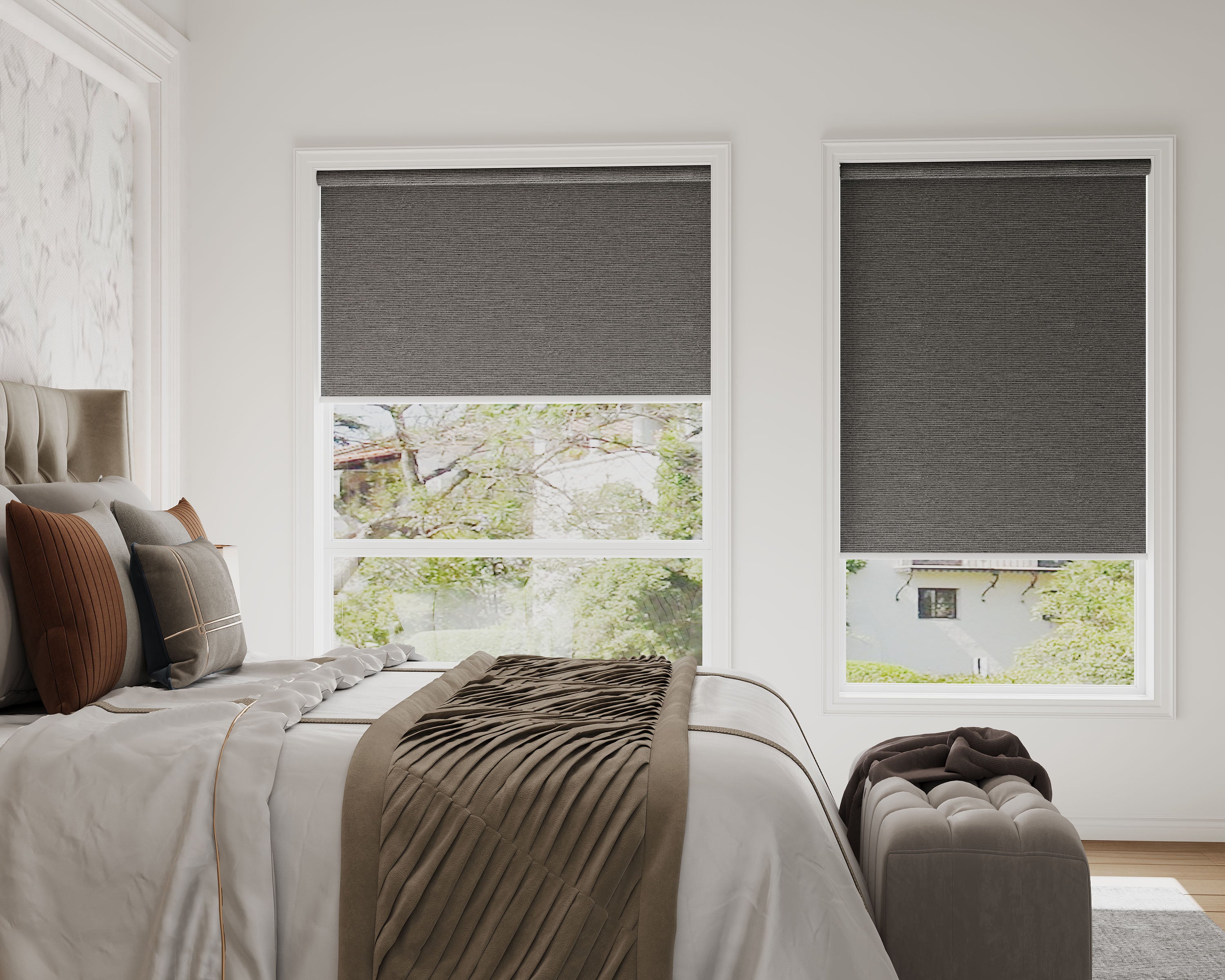
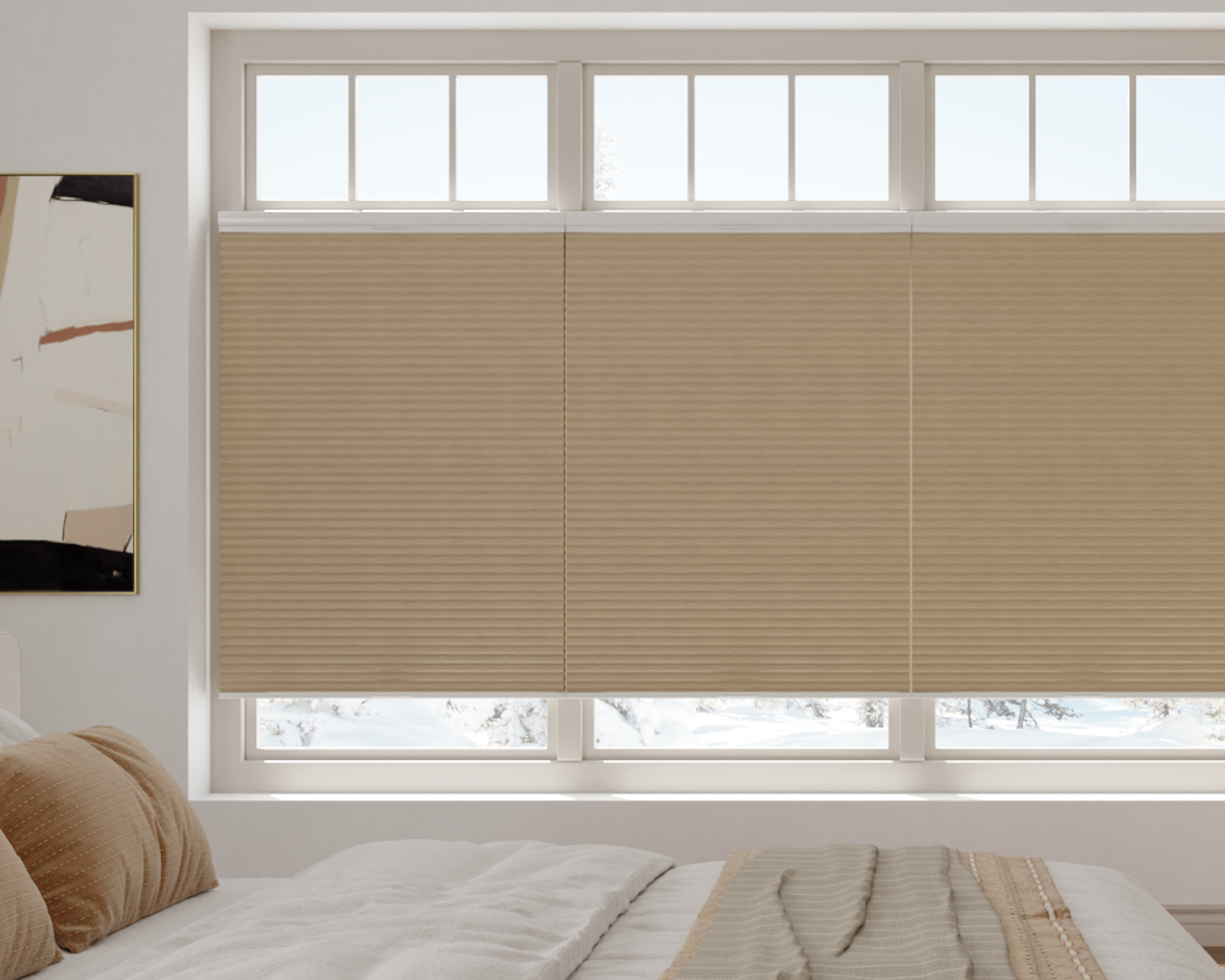
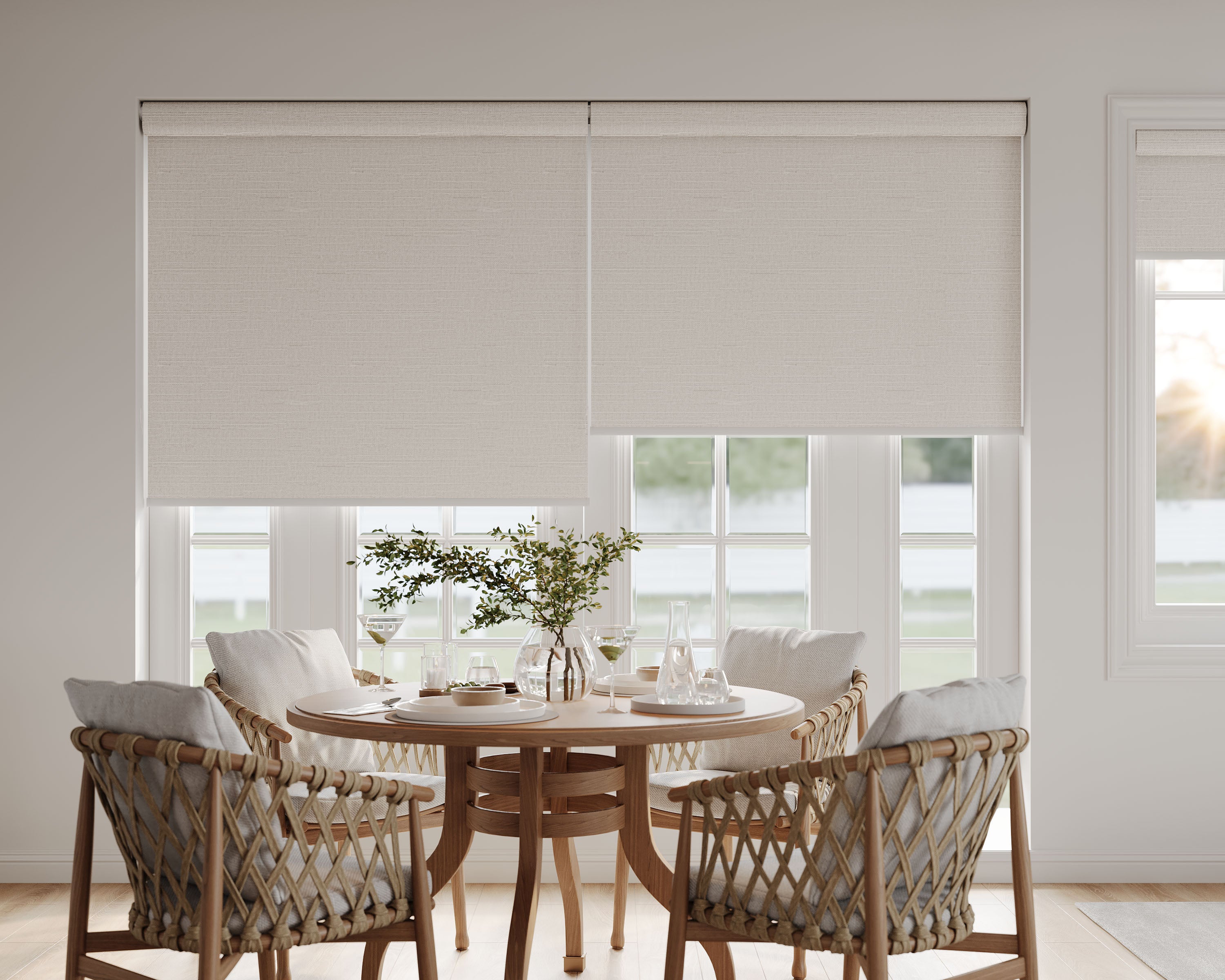


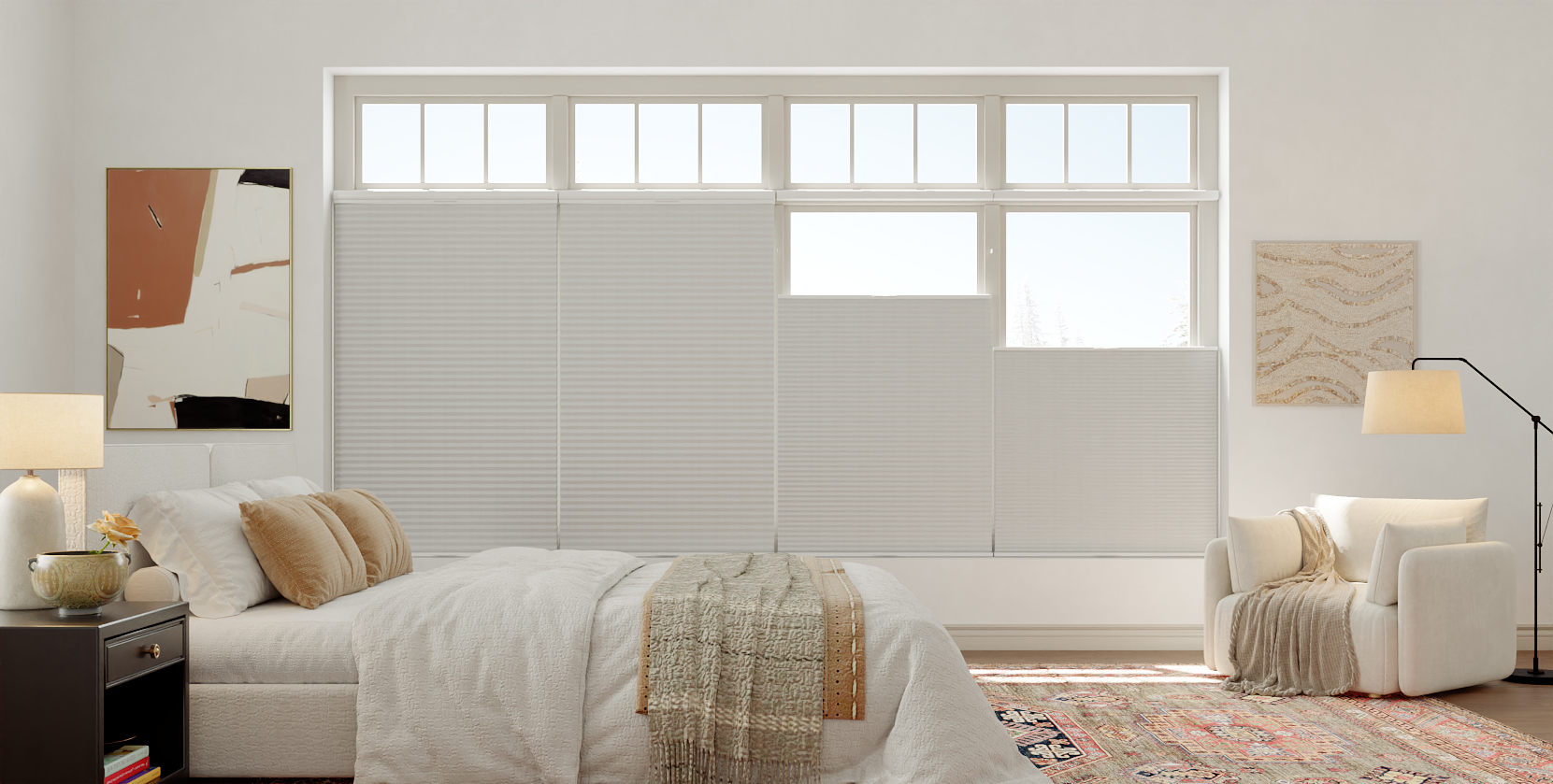


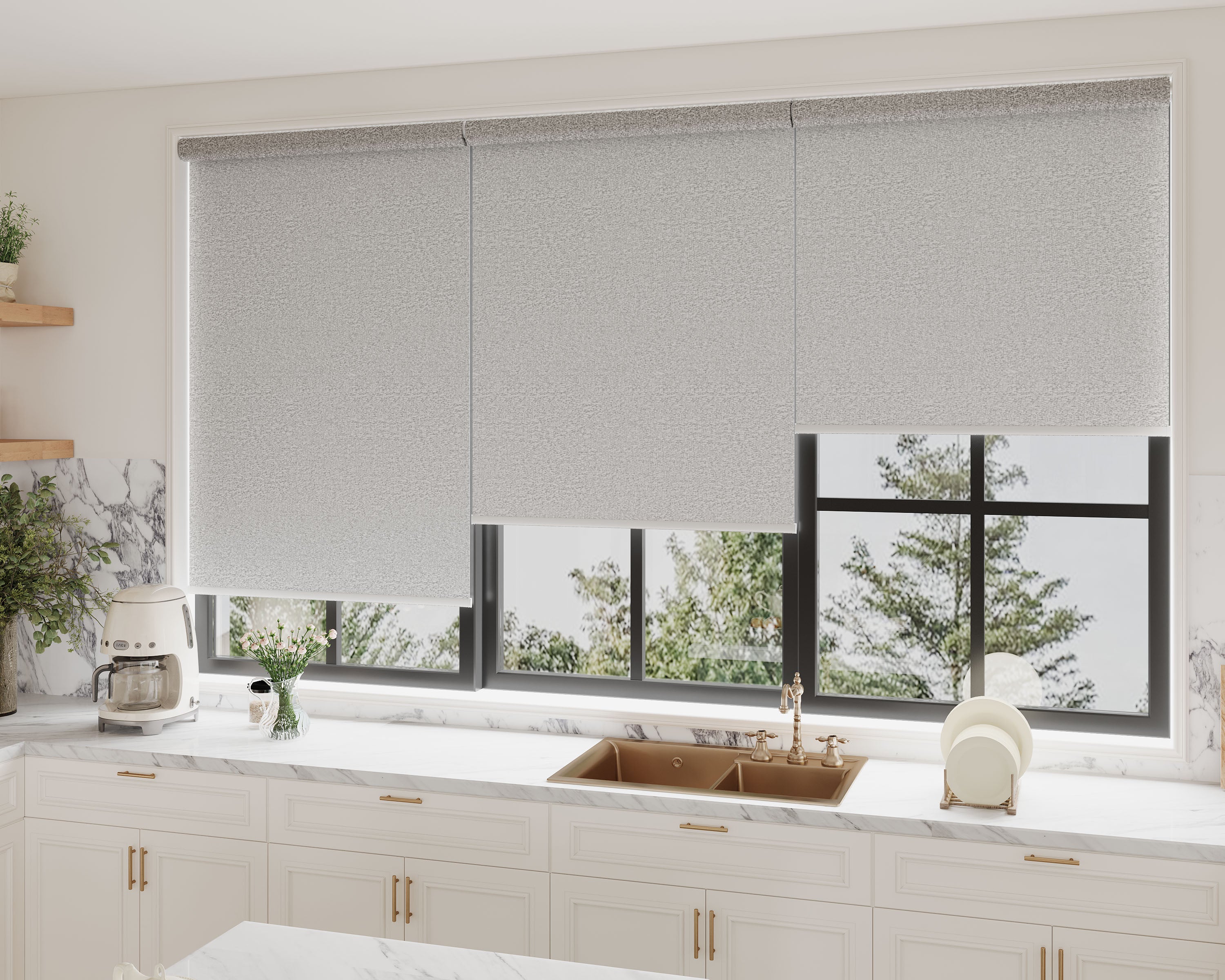

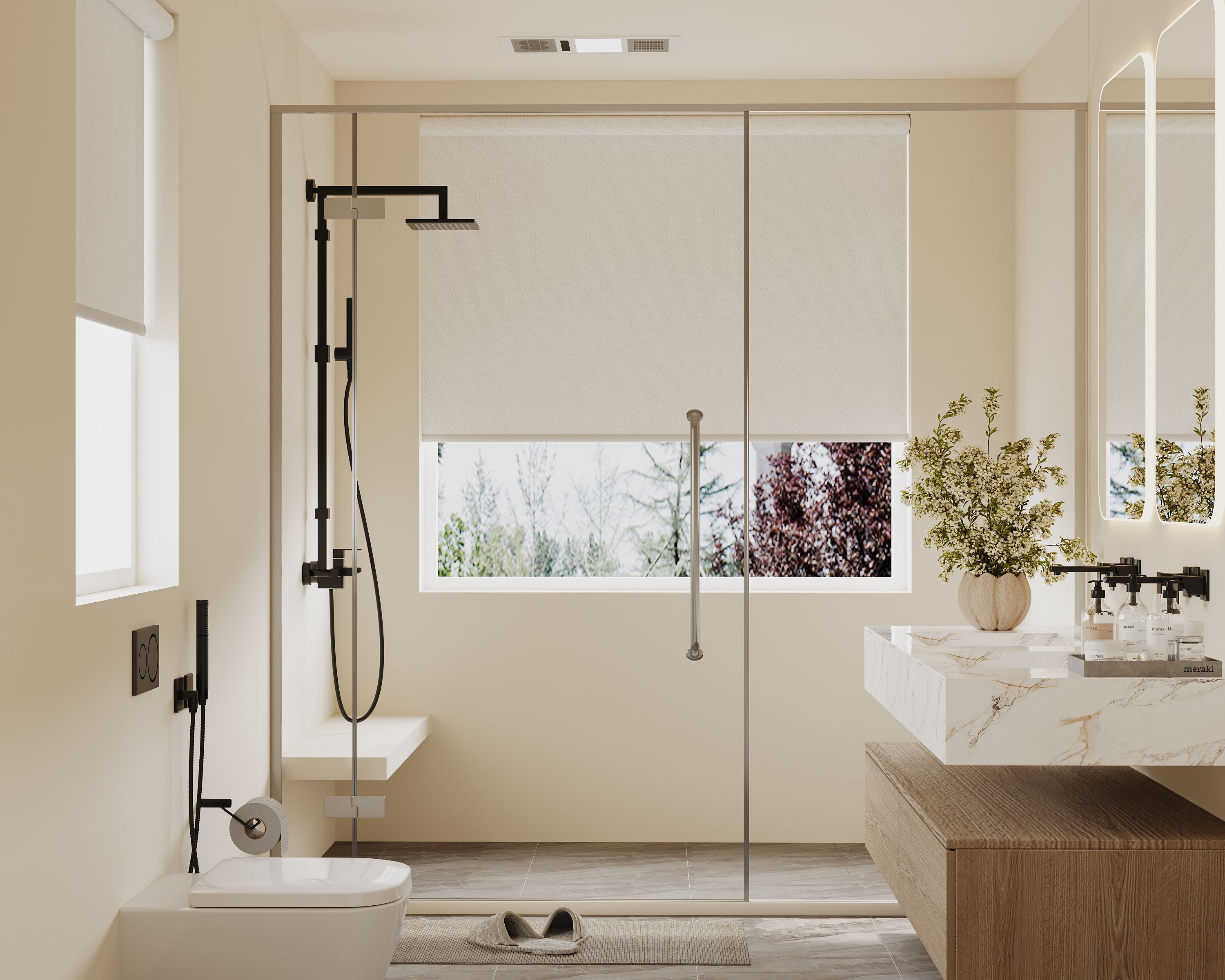


When comparing zebra shades and cellular shades for insulation, the winner is definitive: cellular (honeycomb) shades are the superior insulator, offering significantly better thermal performance due to their unique structure that traps air. Zebra shades provide minimal insulation through their dual fabric layers. This guide will move beyond that simple conclusion to explain the precise physics behind the performance gap, quantify the real-world energy implications, and help you decide if maximizing insulation is the only priority for your windows.
Here’s what you’ll learn:
-
The scientific principle of insulation and how each shade's design leverages (or doesn't leverage) it.
-
A direct, feature-by-feature comparison of thermal performance, light control, and aesthetics.
-
Quantifiable guidance on expected energy savings and performance in different climates.
-
How to balance the need for insulation with other critical factors like view, light, and style.
-
Advanced strategies to improve the insulation of any window treatment.
Understanding this comparison starts with examining the design of modern adjustable light-filtering shades and how their form dictates function.
The Science of Insulation: Trapped Air is Key
Window insulation primarily resists heat transfer via conduction (heat moving through a solid) and convection (heat circulating through a fluid, like air). The most effective insulating materials create stable, trapped air pockets, as still air is a poor conductor of heat.
How Cellular Shades Achieve Superior Insulation
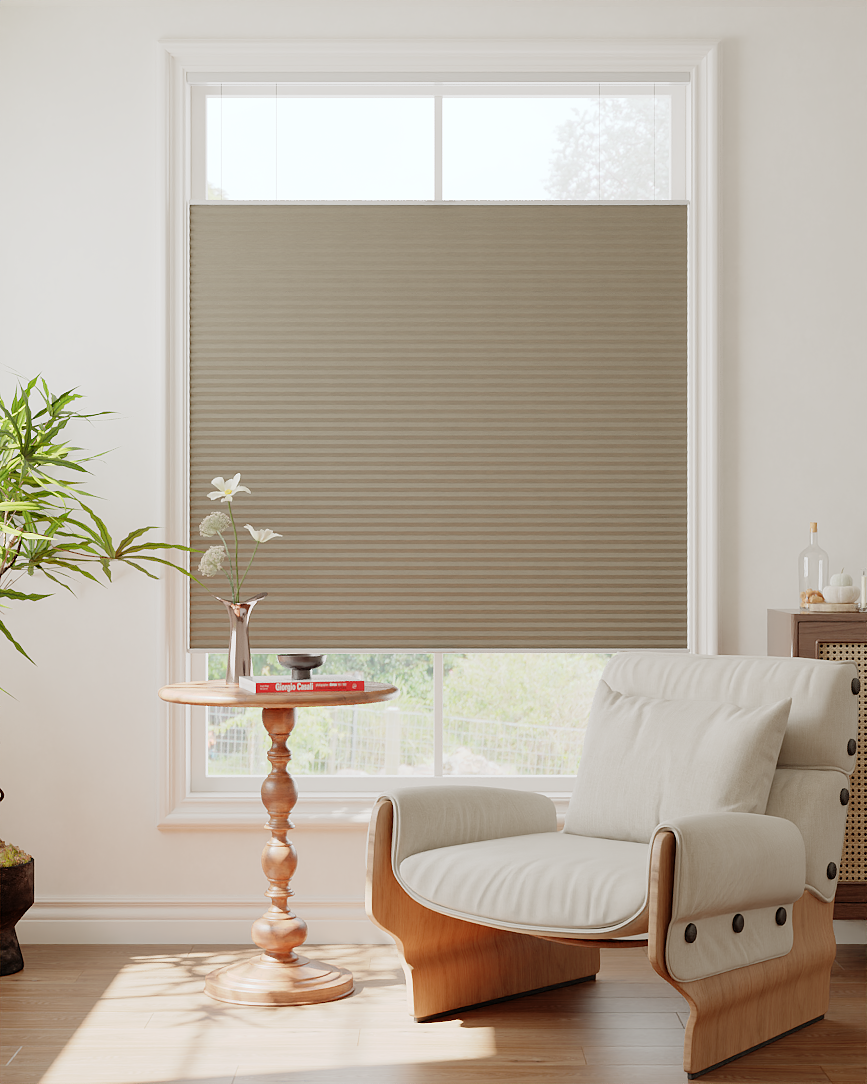
Cellular shades are engineered around this principle. Their honeycomb-shaped fabric cells create columnar pockets of dead air that act as a barrier between your room and the window glass. This design is exceptionally effective because:
-
Multiple Air Barriers: Single-cell shades have one layer of pockets; double-cell shades have two stacked layers, dramatically increasing the insulating air gap and R-value.
-
Sealed Edges & Side Tracks: When paired with side channels or edge-sealing systems, cellular shades can significantly reduce air infiltration (drafts) around the edges, addressing both conduction and convection.
The physics of this structure is explored in detail in our article on the thermal math behind single vs. double honeycomb cells.
How Zebra Shades Provide Minimal Insulation
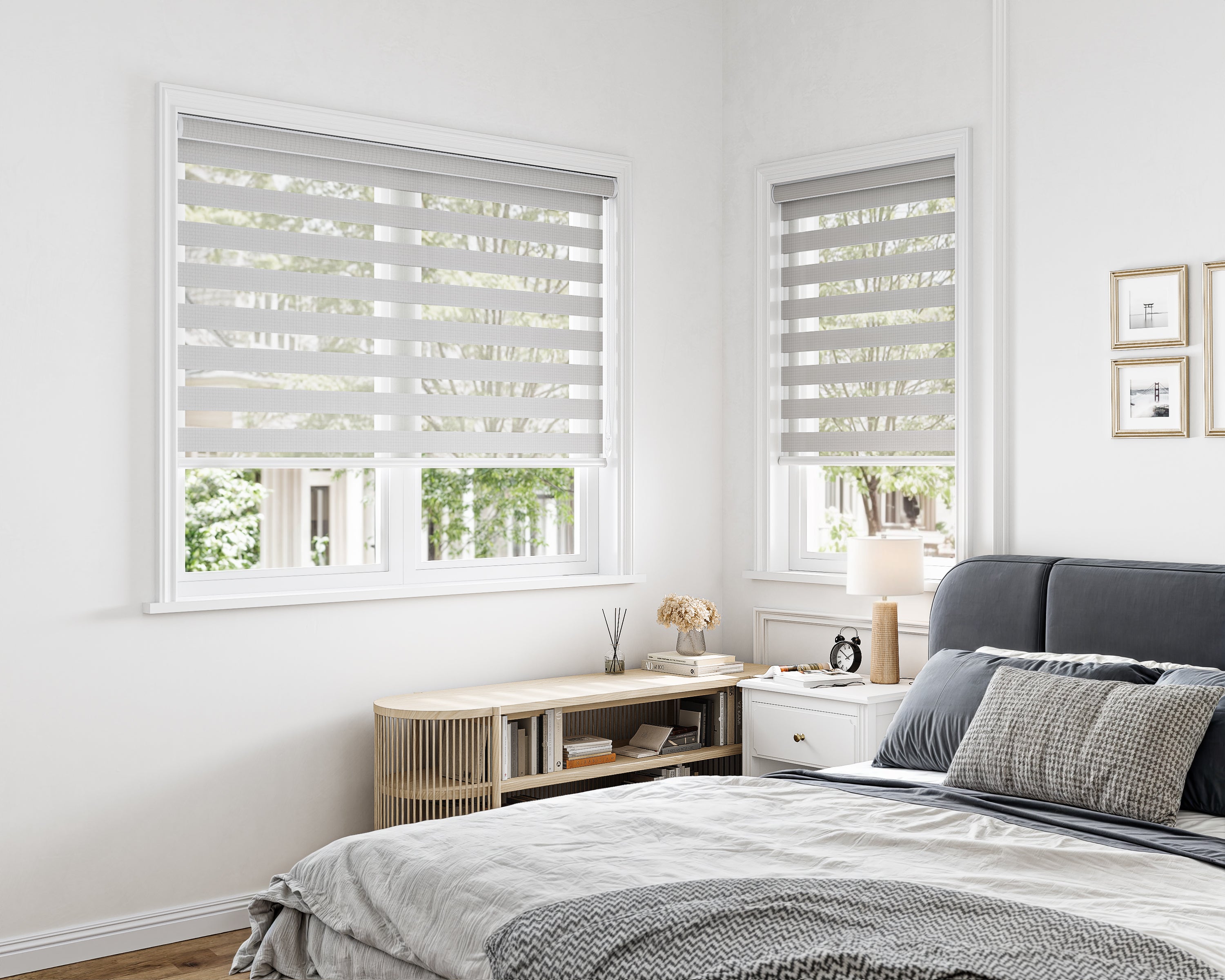
Zebra shades function as a dual-layer roller shade. The two layers of fabric—one sheer, one opaque—are pressed closely together when the shade is down. This provides:
-
A Single Air Buffer: The two fabric layers create one modest insulating air gap, which is less effective than the multiple, distinct cells of a honeycomb shade.
-
Limited Draft Stopping: Their typical design does not include sealed edges, allowing for more air movement (convection) around the sides.
Their primary function is precise light control, not thermal resistance. For a broader context on how different structures perform, see our comparison of cellular and roller shades for insulation.
Direct Comparison: Insulation and Beyond
Choosing between them requires looking at the whole picture. The following table contrasts their performance across key categories.
| Feature | Cellular (Honeycomb) Shades | Zebra (Dual Shade) Shades |
|---|---|---|
| Insulating Ability (R-Value) | High. R-values typically range from R-2 to R-5+ for double-cell shades with edge seals. The clear leader for thermal performance. | Low-Moderate. Provides at most R-1 to R-2, similar to a standard roller shade. Primary function is not insulation. |
| Summer Heat Gain Prevention | Excellent. The honeycomb structure and reflective liner options block a high percentage of solar radiant heat. | Moderate. The opaque fabric stripes block direct sun, but heat can still transfer through the fabric and gaps. |
| Winter Heat Loss Prevention | Excellent. The trapped air pockets create a strong barrier against conductive heat loss through cold window glass. | Fair. Provides a basic buffer but is far less effective than cellular. |
| Light Control & View | Filtering or Room Darkening. Offers excellent light diffusion or darkening but must be raised for a clear outside view. | Adjustable & Dynamic. Allows for a full clear view, soft light diffusion, or privacy by aligning the fabric layers without raising the shade. |
| Aesthetic & Profile | Soft, textured fabric appearance. Can have a bulkier cross-section when viewed from the side due to the honeycomb depth. | Sleek, contemporary linear stripes. Maintains a slim, low-profile roll similar to a roller shade. |
| Primary Best Use | Maximizing energy efficiency in extreme climates, bedrooms (for darkening), and rooms where view is secondary to comfort. | Balancing light, view, and style in living rooms, home offices, and rooms where maintaining a connection to the outdoors is desired. |
To accurately interpret product specifications, our guide on understanding U-value and R-value for window shades is an essential resource.
Decision Framework: Which Shade Is Right for Your Priorities?
Your climate and primary goal for the room should drive your choice. Use this framework to decide.
Prioritize Cellular Shades If...
-
Your #1 Goal is Energy Savings: You live in a region with very hot summers or cold winters and want the highest possible return on investment through reduced HVAC costs. The calculated payback on insulating cellular shades is a key consideration.
-
The Room Has Poorly Insulated Windows: Older, single-pane windows benefit immensely from the added insulation of cellular shades.
-
You Need Superior Room Darkening: For bedrooms, media rooms, or nurseries where light blocking is critical.
-
The Window is in a Rarely-Used Room: Where view preservation is not a daily concern.
Prioritize Zebra Shades If...
-
Your #1 Goal is Light & View Control: You want to maintain an outside view and adjust natural light levels throughout the day without constantly raising and lowering the shade.
-
Aesthetics and a Slim Profile Matter: You prefer the modern, clean look of linear stripes and a less bulky headrail.
-
The Room Has New, Energy-Efficient Windows: With double or triple-pane glass, the added insulation of cellular shades offers diminished returns, making zebra shades' other benefits more compelling.
-
The Window is in a Main Living Area: Where daily enjoyment of light and view outweighs maximizing thermal performance.
The Hybrid Home Strategy
A practical approach for many homeowners is to use cellular shades in extreme climates zones and key sleeping areas (north-facing bedrooms, basement windows) and install zebra shades in frequently occupied living spaces with nicer views (living rooms, dining rooms, home offices). This balances overall energy performance with daily quality of life.
Enhancing Insulation: Strategies for Both Shades
You can improve the performance of either product with smart installation and complementary treatments.
-
Use Side Tracks or Edge Seals: For cellular shades, this is a game-changer that boosts performance by up to 50%. For zebra shades, it minimizes drafty side gaps.
-
Choose the Right Fabric: For cellular, a double-cell design and a reflective (white) backing on the cell facing the window enhance performance. For zebra, a room-darkening fabric is slightly more insulating than a sheer one.
-
Layer with Other Treatments: Both shades can be part of a layered approach. Adding insulating drapes over either shade creates a superior thermal barrier, a strategy detailed in our guide to layering shades and curtains for maximum insulation.
Conclusion: A Clear Winner with Context
In a direct matchup for insulation performance, cellular shades are the undisputed champion. Their honeycomb design is purpose-built to trap air and reduce heat transfer, offering quantifiable energy savings that zebra shades cannot match. However, zebra shades win decisively in the categories of adjustable light control, view preservation, and modern aesthetics.
Therefore, the "better" shade depends entirely on the question you're asking. For "Which saves more on energy bills?" choose cellular. For "Which gives me the best daily experience of light and view?" choose zebra. For a holistic home approach, strategically deploying both types based on room-specific needs is often the most intelligent and satisfying solution.
Key Highlights:
-
Cellular shades provide 2-5x better insulation (higher R-value) than zebra shades due to their structured air pockets.
-
Zebra shades excel at providing adjustable light and maintaining outside views, a feature cellular shades cannot offer.
-
Your local climate and window quality dramatically influence how much the insulation advantage of cellular shades matters.
-
A hybrid approach using cellular shades in temperature-sensitive rooms and zebra shades in view-centric rooms balances efficiency and livability.
-
Installation details like side channels are critical for realizing the full insulating potential of any window treatment.
By applying this structured comparison, you can move beyond a simplistic "vs." debate and make a confident, context-aware decision for every window in your home.
Explore Custom Zebra Shades


Frequently Asked Questions (FAQ)
What is the actual R-value difference between the two?
The difference is significant. A standard single-cell cellular shade typically has an R-value around R-2 to R-3. A double-cell shade can reach R-4 to R-5, especially with edge seals. A zebra shade, in contrast, provides roughly R-1 to R-2, similar to a standard roller shade. This means cellular shades can be twice as effective or more at resisting heat flow.
Are cellular shades worth the extra cost for insulation?
In climates with hot summers or cold winters, yes, they are often worth the investment. The energy savings on heating and cooling bills over 5-10 years can offset the higher initial cost. For mild climates or homes with already efficient windows, the payback period is longer, and the value proposition shifts toward other features like light control and aesthetics.
Can I get zebra shades with a honeycomb structure for better insulation?
No, these are two distinct, mutually exclusive designs. The zebra shade's function relies on two flat layers of fabric that can be aligned. The honeycomb structure is a three-dimensional cellular construction. A product cannot have both the adjustable sheer/solid stripes and the columnar air pockets of a honeycomb. You must choose which principle—light control or insulation—is your priority.
