
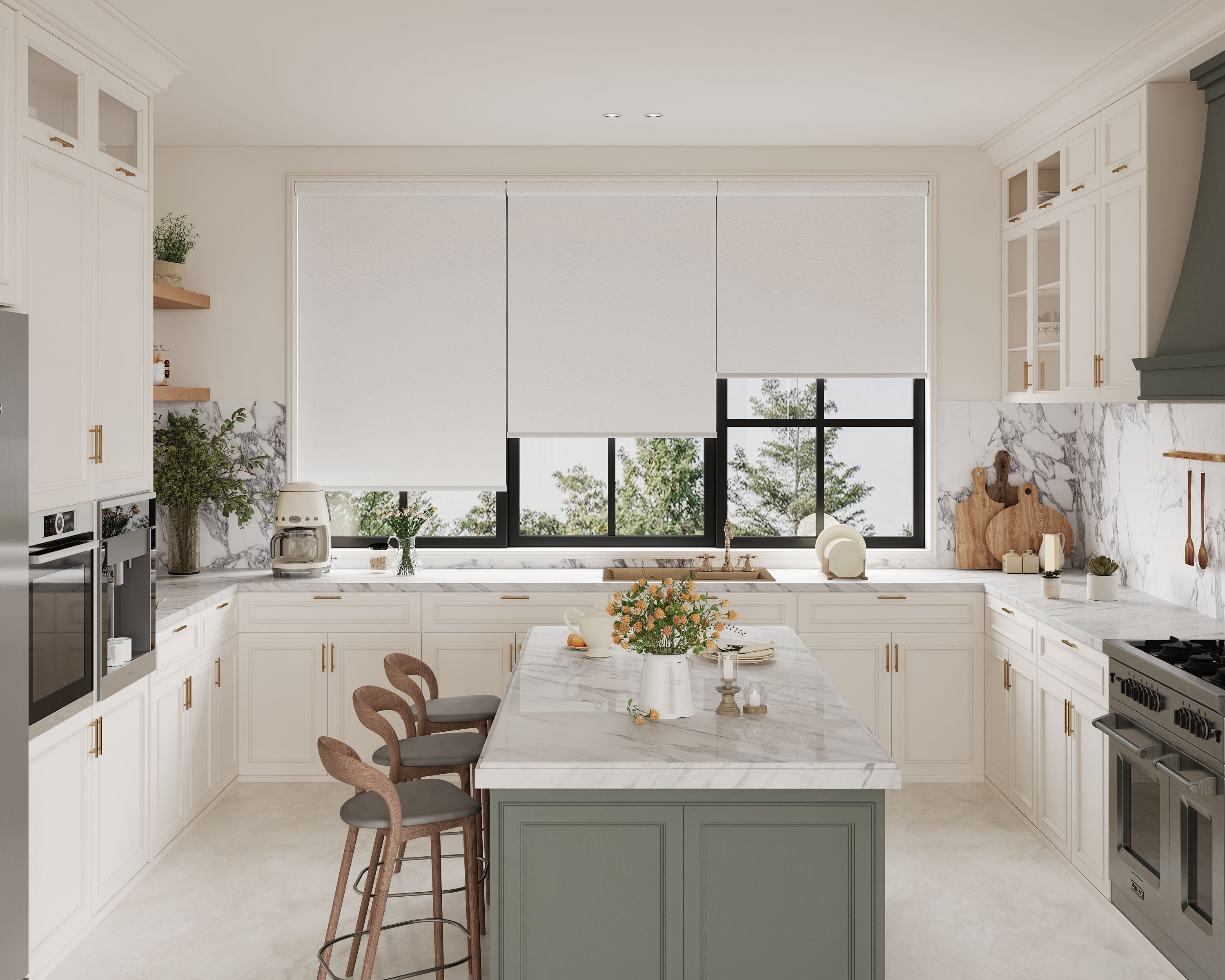
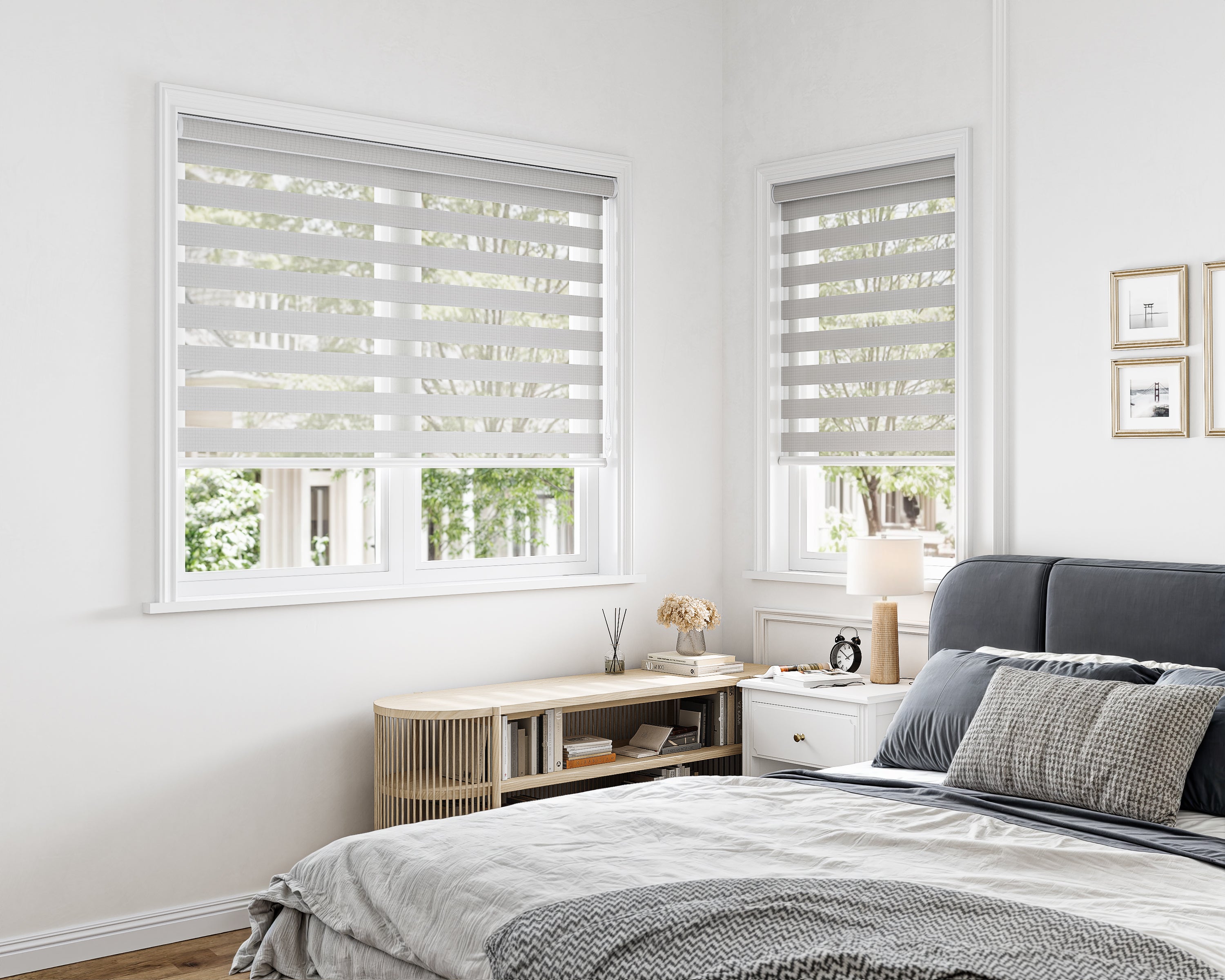
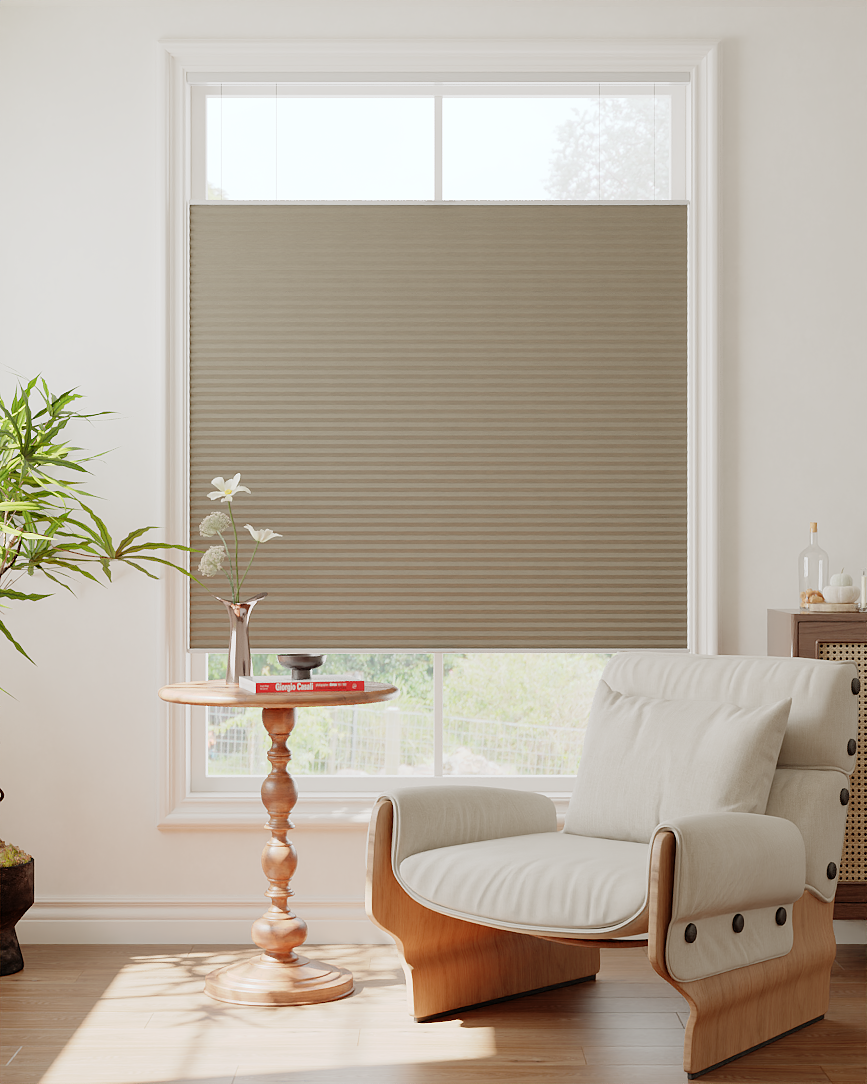
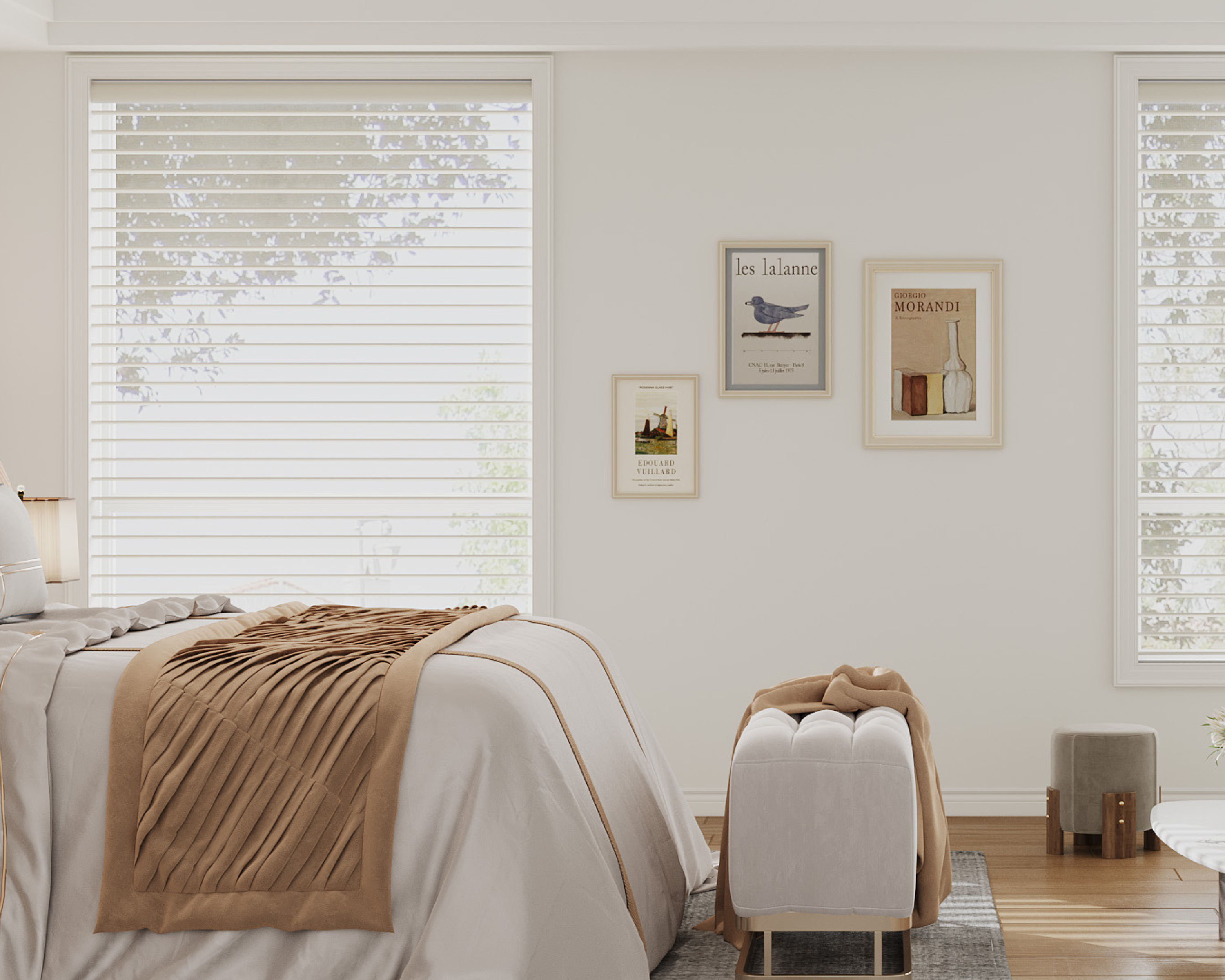
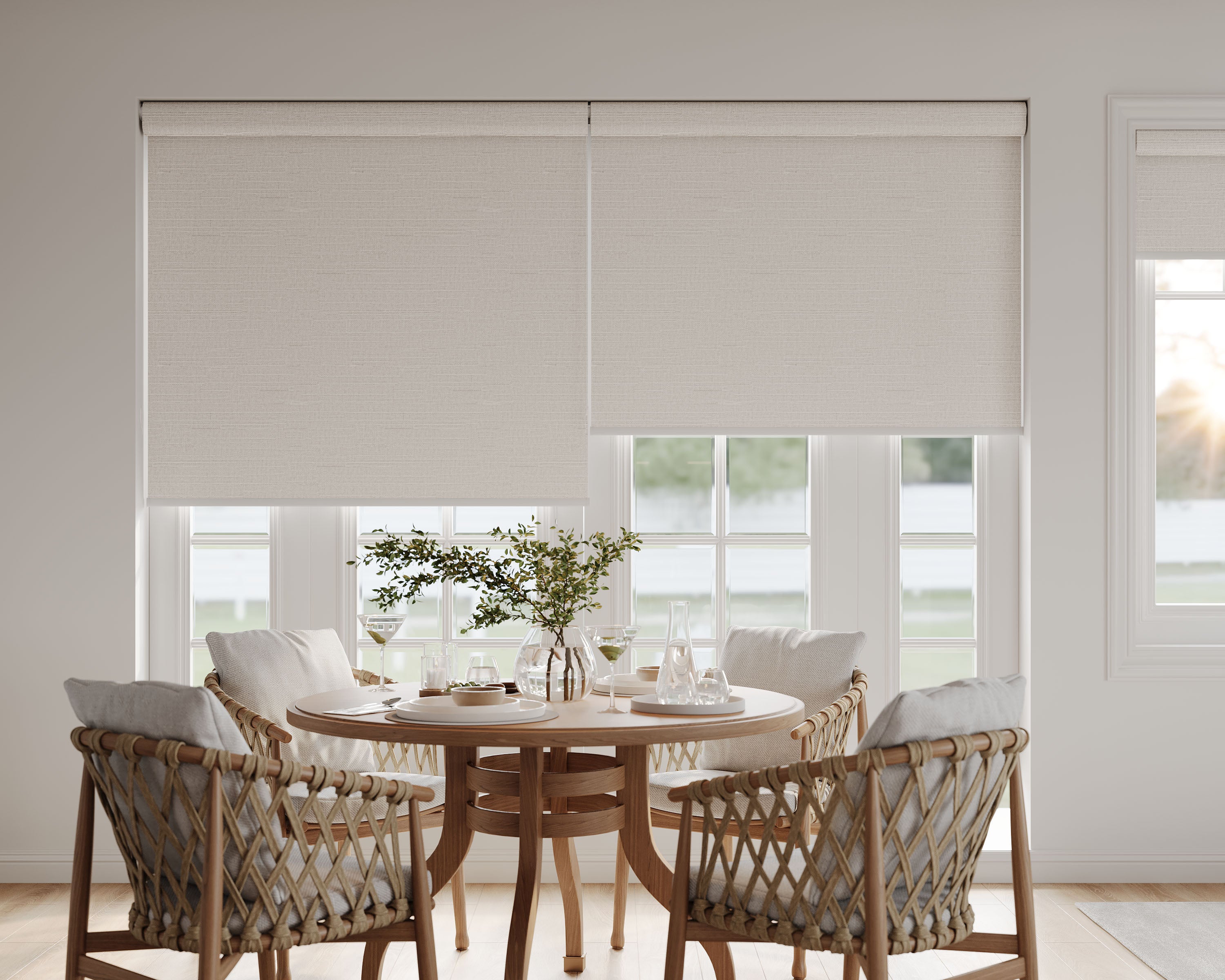


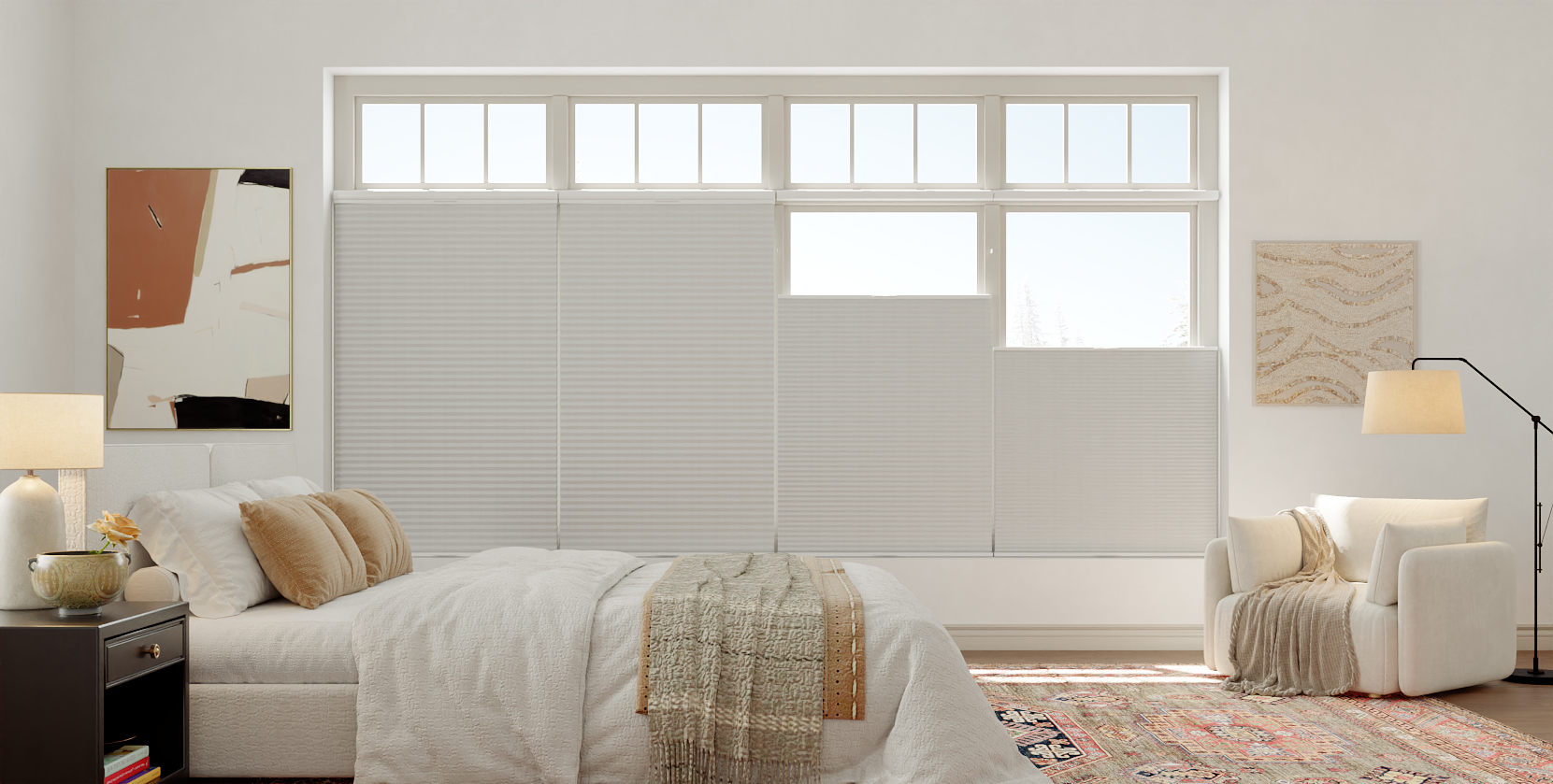


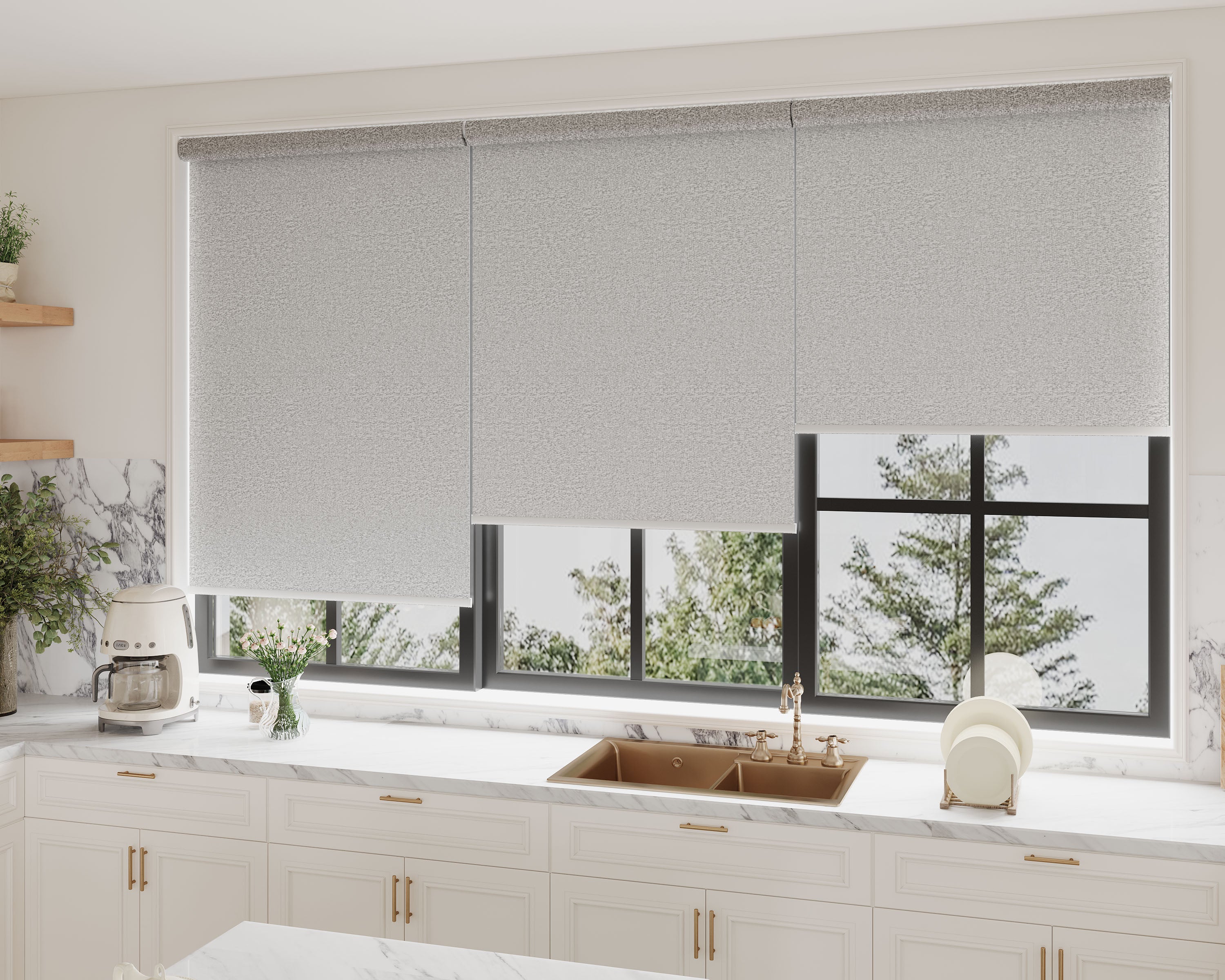

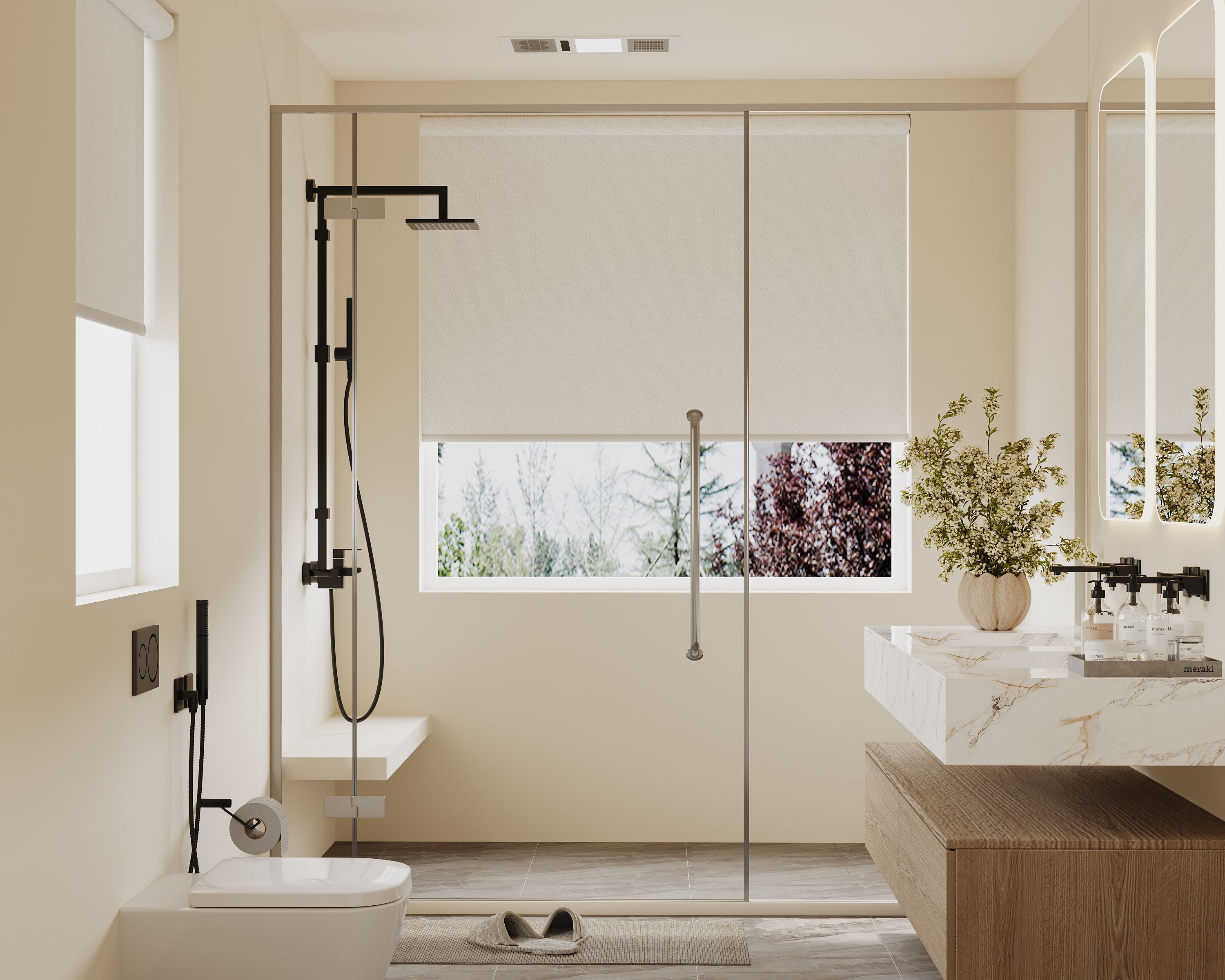


A quality set of zebra shades is an investment in your home's comfort and style, and naturally, you want them to last. With proper care and under normal residential use, you can expect well-made zebra shades to provide excellent service for 7 to 10 years. However, this lifespan is not a guarantee but a range heavily influenced by material quality, environmental factors, and, most importantly, maintenance. This guide goes beyond a simple number to provide you with a complete framework for understanding, preserving, and extending the functional life of your window treatments.
Here’s what you’ll learn:
-
A detailed breakdown of the factors that most significantly impact shade longevity, from fabric to mechanics.
-
A clear, actionable maintenance schedule to prevent common causes of premature wear.
-
How the lifespan of motorized shades compares to manual systems.
-
How to interpret warranty coverage for long-term protection.
-
Practical steps to troubleshoot common issues and decide between repair and replacement.
Ensuring longevity starts with selecting durable materials and quality construction from the comprehensive range of modern zebra shades.
The Lifespan Factors: What Determines How Long Your Shades Last
Longevity is not a single metric but the combined durability of several components. Understanding these factors allows you to make informed choices and focus your care efforts.
Fabric Durability: Material is Destiny
The fabric is the most visible component and its aging is most apparent. Lifespan varies dramatically by material:
-
Polyester & Synthetic Blends: The most common and durable choice for zebra shades. They are highly resistant to fading, moisture, and staining, often looking new for 8+ years with basic care.
-
Natural Fibers (Linen, Cotton): Offer superior aesthetics and texture but are less forgiving. They are more susceptible to UV fading, moisture damage, and can wrinkle or sag over time. Their lifespan is often 5-8 years and is heavily dependent on environmental control.
-
Vinyl or PVC-Based Fabrics: Offer extreme moisture resistance and durability, ideal for bathrooms or kitchens, but can become brittle or discolor with prolonged, direct sun exposure.
The importance of this choice cannot be overstated; our deep dive into shade material properties provides essential context for your selection.
Mechanical & Operational Wear
The internal mechanism experiences constant use. Key points of wear include:
-
The Lift System: Whether cordless spring mechanism or motorized gear system, these components have a finite cycle life. Gentle, consistent operation is key. Jerkily yanking a cordless shade or overloading a motor will drastically shorten its life.
-
The Adjustment Mechanism: The system that aligns the sheer and solid layers (often a bead chain or wand) can wear out with aggressive use.
-
Mounting Hardware: Brackets and screws must remain secure; a shade that is slightly loose will vibrate and wear unevenly during operation.
Environmental Stressors
Your home's environment plays a critical role:
-
UV Exposure: Direct, constant sunlight is the #1 cause of fabric fading and material degradation. South and west-facing windows will see faster aging.
-
Humidity & Moisture: Consistent high humidity can weaken fabrics, promote mold/mildew on natural fibers, and corrode metal components in the headrail.
-
Heat: Extreme heat from large windows can affect the tension in spring mechanisms and the performance of motor batteries.
Maintenance & Care: The Proactive Longevity Plan
Regular, correct maintenance is the single most effective way to reach—and exceed—the expected lifespan of your shades.
Recommended Cleaning Schedule & Methods
| Frequency | Task | Correct Method | What to Avoid |
|---|---|---|---|
| Weekly / Bi-Weekly | Dust Removal | Use a soft microfiber cloth, a feather duster, or the brush attachment on a low-suction vacuum. Hold the fabric taut from the back while vacuuming. | Using a beater bar attachment, abrasive cloths, or excessive pressure which can distort fabric cells. |
| Seasonal (Every 3-4 Months) | Deep Dust & Inspection | Lower the shade fully. Wipe the headrail, bottom rail, and any cords with a slightly damp cloth. Check bracket tightness. | Spraying cleaners directly onto the fabric or mechanism. |
| As Needed (Spot Cleaning) | Stain Removal | Use a mild detergent (like dish soap) in lukewarm water. Dab (don't rub) the stain with a soft, damp cloth. Always test in an inconspicuous area first. | Harsh chemicals, abrasive cleaners, steam cleaners, or soaking the fabric. |
For fabrics similar to cellular shades, our guide on safe cleaning techniques for delicate window fabrics offers valuable, gentle methodologies.
Proactive Measures to Prevent Damage
-
Operate Gently: Always use a smooth, steady motion to raise, lower, or adjust your shades.
-
Manage Sun Exposure: Use the shades to diffuse direct sun. Consider applying UV-filtering window film on extreme south/west windows to protect the fabric.
-
Address Issues Immediately: If a shade becomes uneven, starts sticking, or makes a new noise, address it promptly. Often, a simple re-leveling adjustment for uneven window shades can prevent further mechanical strain.
Motorized vs. Manual: Comparing System Longevity
The addition of a motor introduces another component with its own lifespan considerations.
-
Manual (Cordless) Shades: Their lifespan is primarily dictated by the spring mechanism and fabric. With care, 7-10 years is a common expectation. Failure is usually gradual (loss of tension, becoming uneven).
-
Motorized Shades: The motor itself is typically rated for 20,000 to 50,000 cycles (one open/close sequence). With average use (2 cycles/day), this translates to 10+ years for the motor. However, the power source (rechargeable batteries) will need replacement every 2-5 years. Motorized systems have a more defined "end of life" when the motor fails, but they also eliminate mechanical wear from manual operation. The trade-offs between different motor types are explored in our analysis of motor system longevity and cost curves.
Warranties and When to Repair vs. Replace
Understanding your coverage helps plan for the long term.
Typical Warranty Coverage
Most reputable manufacturers offer:
-
Lifetime Warranty on Mechanisms: Covers defects in the lift system, brackets, and internal hardware for as long as you own the shades.
-
Limited Fabric Warranty: Often covers material defects (not wear and tear) for a period of 1-5 years. Fading from sun exposure is almost never covered.
It is crucial to understand the specifics, which we break down in our guide to decoding shade warranty terms and coverage.
Making the Repair or Replacement Decision
Consider this flowchart when your shades show signs of age:
-
Issue: Fabric is faded, stained, or torn.
-
Action: Fabric cannot typically be repaired. If the mechanism is sound, some companies offer fabric-only replacement services, which can be a cost-effective renewal.
-
-
Issue: Shade is uneven, won't stay up, or operates roughly.
-
Action: This is often a mechanical issue. Contact the manufacturer if under warranty. For out-of-warranty shades, a professional repair may be feasible if the fabric is still in good condition.
-
-
Issue: Motor has failed on a motorized shade.
-
Action: Motors can often be replaced separately. Weigh the cost of a new motor + labor against the age and condition of the fabric.
-
Conclusion: Investing in Long-Term Performance
The lifespan of your zebra shades is a partnership between the quality of the product you select and the diligence of the care you provide. By choosing durable materials, installing them in appropriate environments, and adhering to a simple maintenance routine, you can confidently expect a decade or more of reliable service. This makes them a sustainable and valuable long-term investment for your home.
Key Highlights:
-
7-10 years is a realistic lifespan for quality zebra shades with proper care.
-
Material choice and sun exposure are the primary determinants of fabric life.
-
Gentle operation and regular dusting are the most effective forms of preventative maintenance.
-
Motorized shades have a different longevity profile, with motors rated for cycles but batteries requiring periodic replacement.
-
Understand your warranty to know what is protected against long-term defects versus normal wear and tear.
By applying the knowledge and routines outlined in this guide, you take control of your investment, ensuring your zebra shades remain a functional and beautiful part of your home for years to come.
Explore Custom Cellular Shades


Frequently Asked Questions (FAQ)
What usually fails first on zebra shades?
The most common points of failure are fabric-related or mechanical. Fabric fading or discoloration from sun exposure is often the first visible sign of age. Mechanically, the cordless spring lift can lose tension over many years, causing the shade to not stay in a raised position or to operate unevenly. Motor failure is a distinct possibility for automated shades but typically occurs after many years of use.
Can zebra shades be repaired, or do they need full replacement?
Many issues can be repaired. Common repairable items include replacing the lift mechanism (cordless spring or motor), restringing the adjustment system, or replacing broken brackets. If the fabric itself is damaged, stained, or severely faded, repair is usually not possible, but the fabric panel alone may be replaceable without changing the entire headrail and mechanism, which can be a cost-effective option.
Do zebra shades fade over time, and how can I prevent it?
All fabrics will experience some degree of fading with prolonged UV exposure. You cannot prevent it entirely, but you can significantly slow it down:
-
Use the shades to diffuse direct sunlight rather than leaving them fully open during peak sun hours.
-
Consider applying a clear UV-blocking window film on windows with intense sun exposure.
-
Choose solution-dyed polyester fabrics, which have exceptional fade resistance compared to natural fibers or printed fabrics.
