
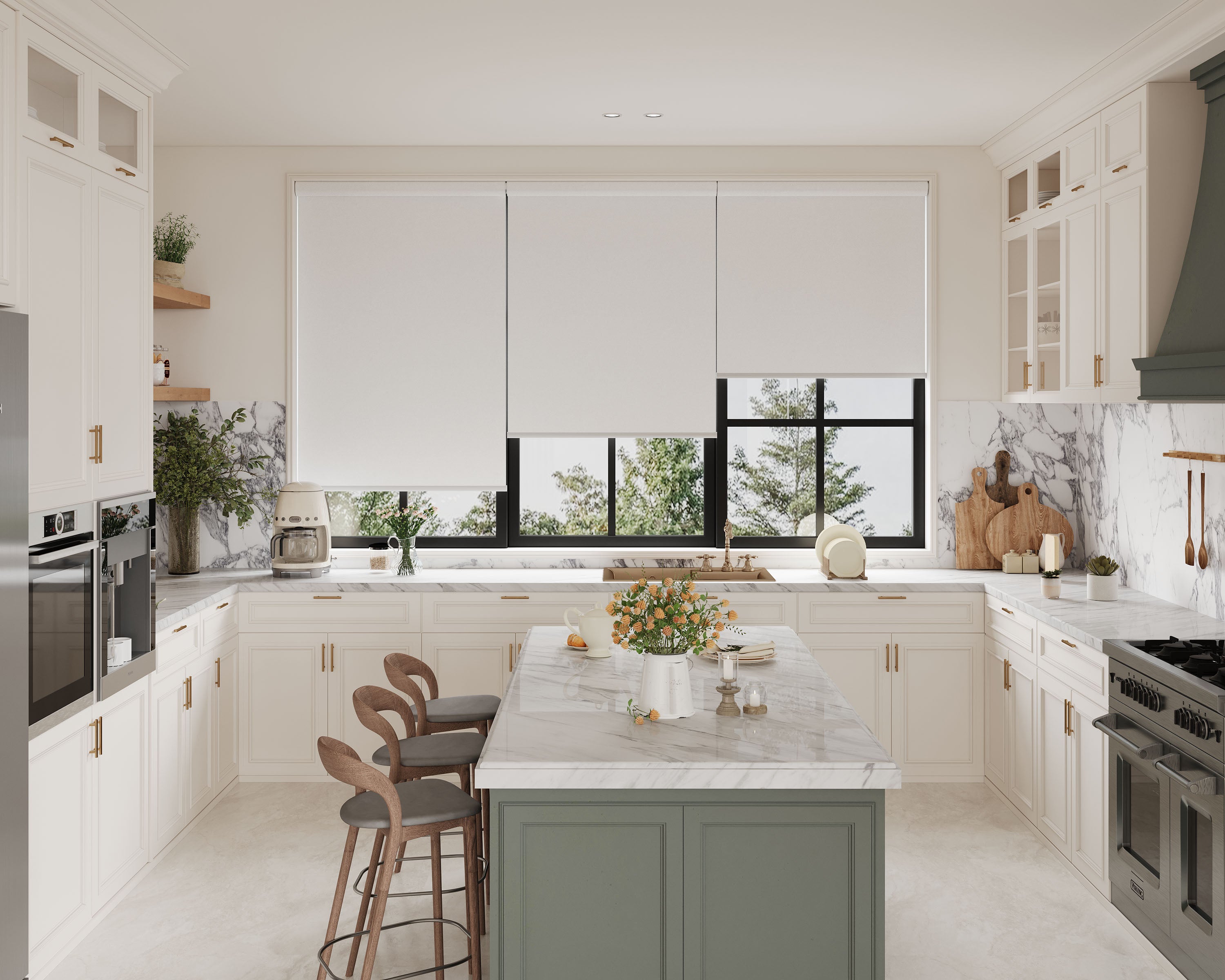
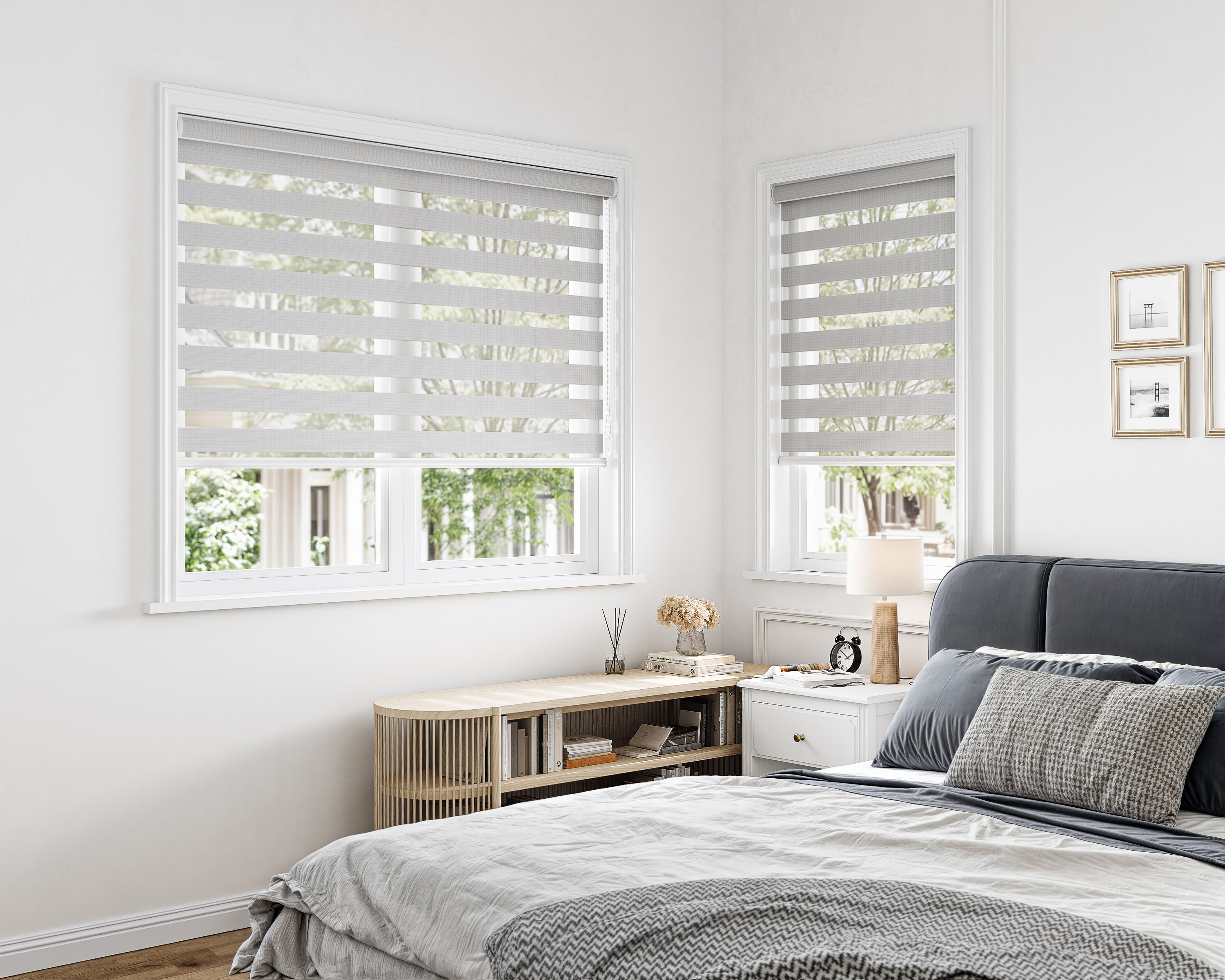
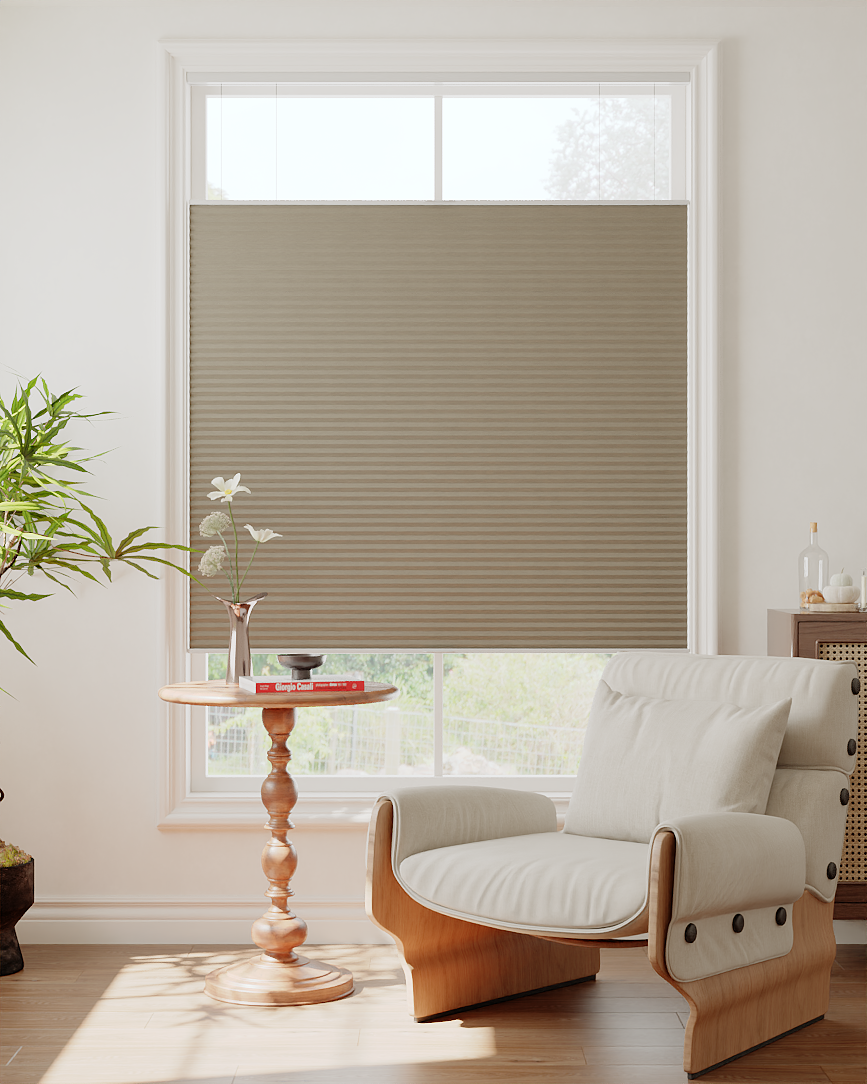
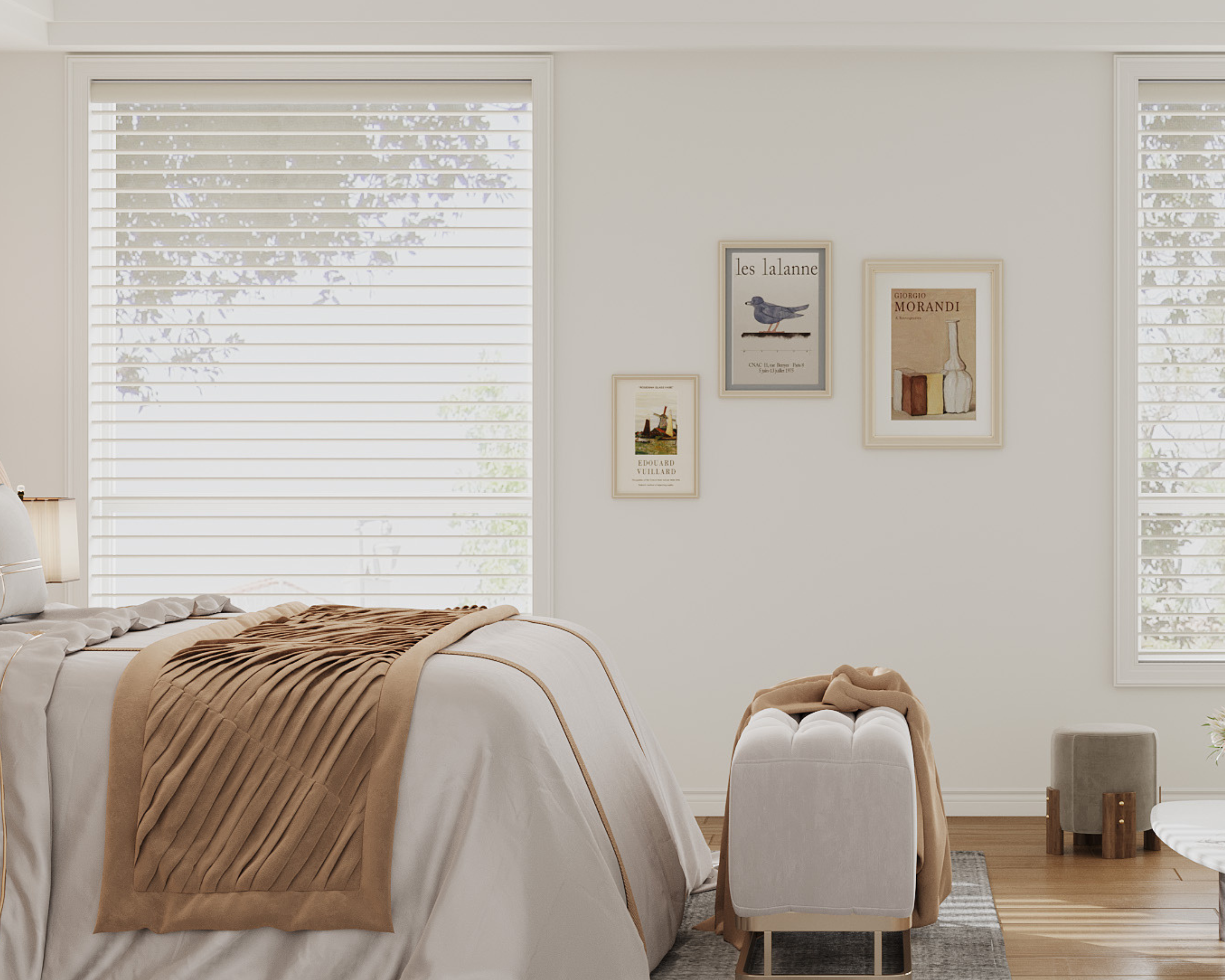
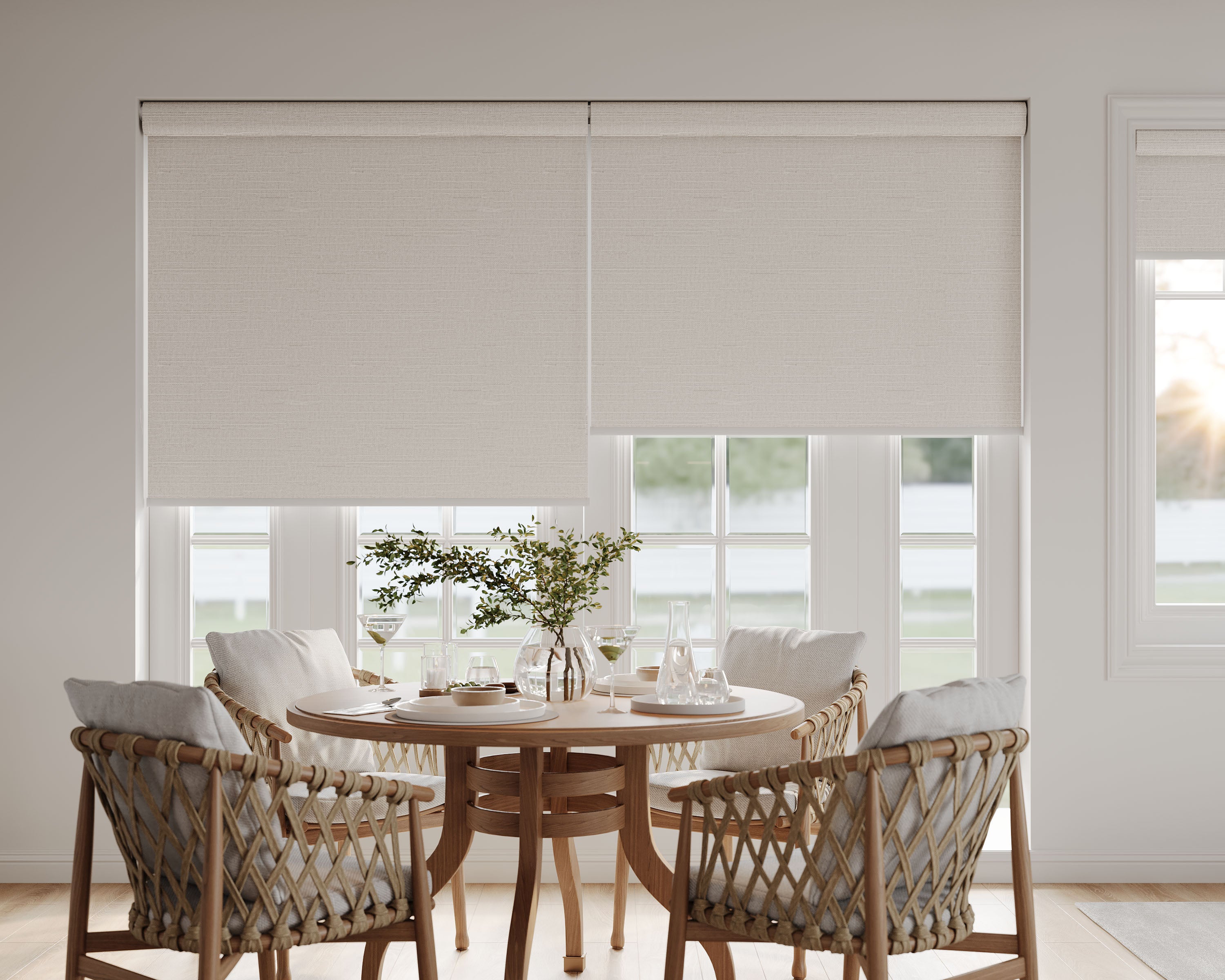


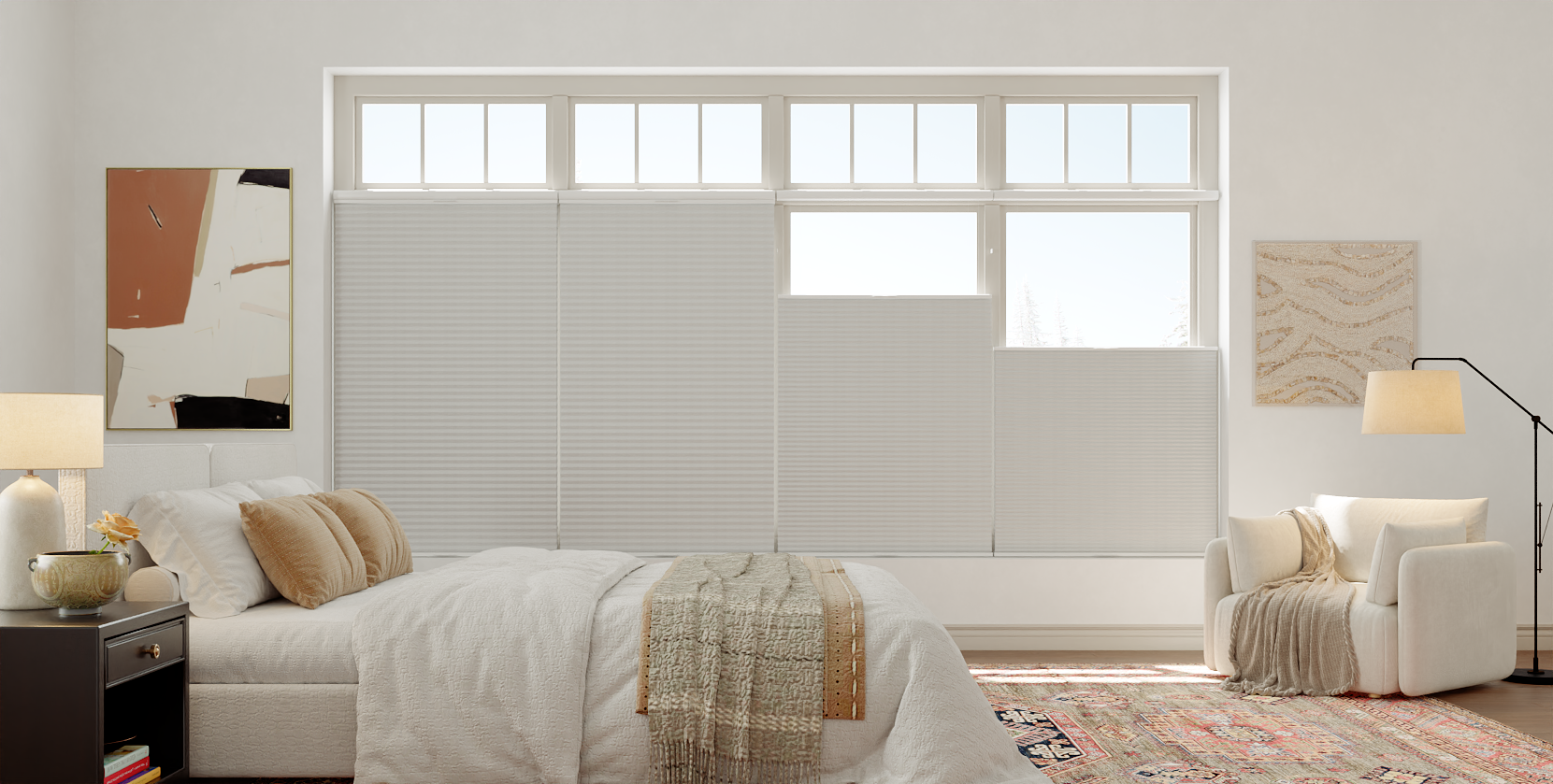


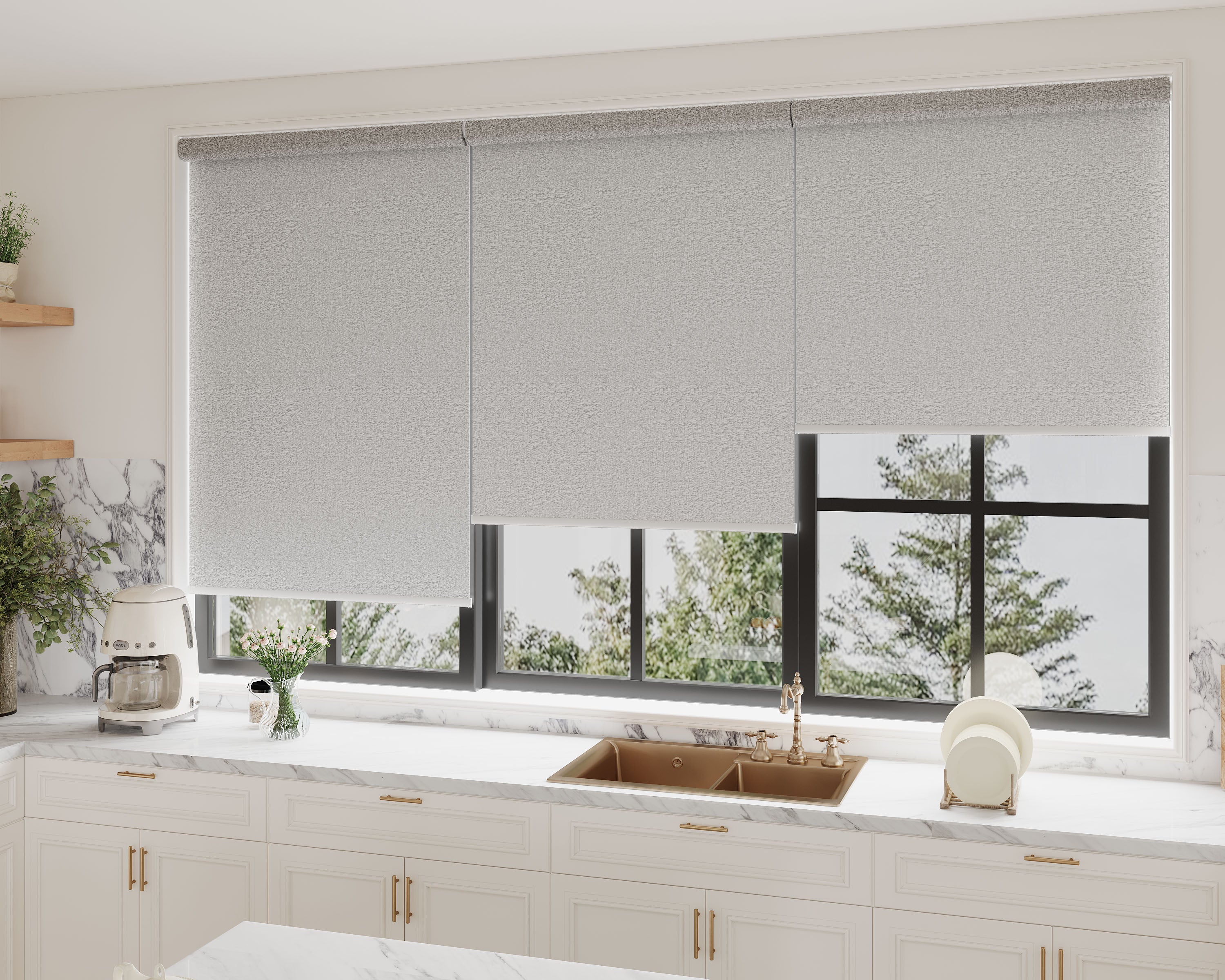

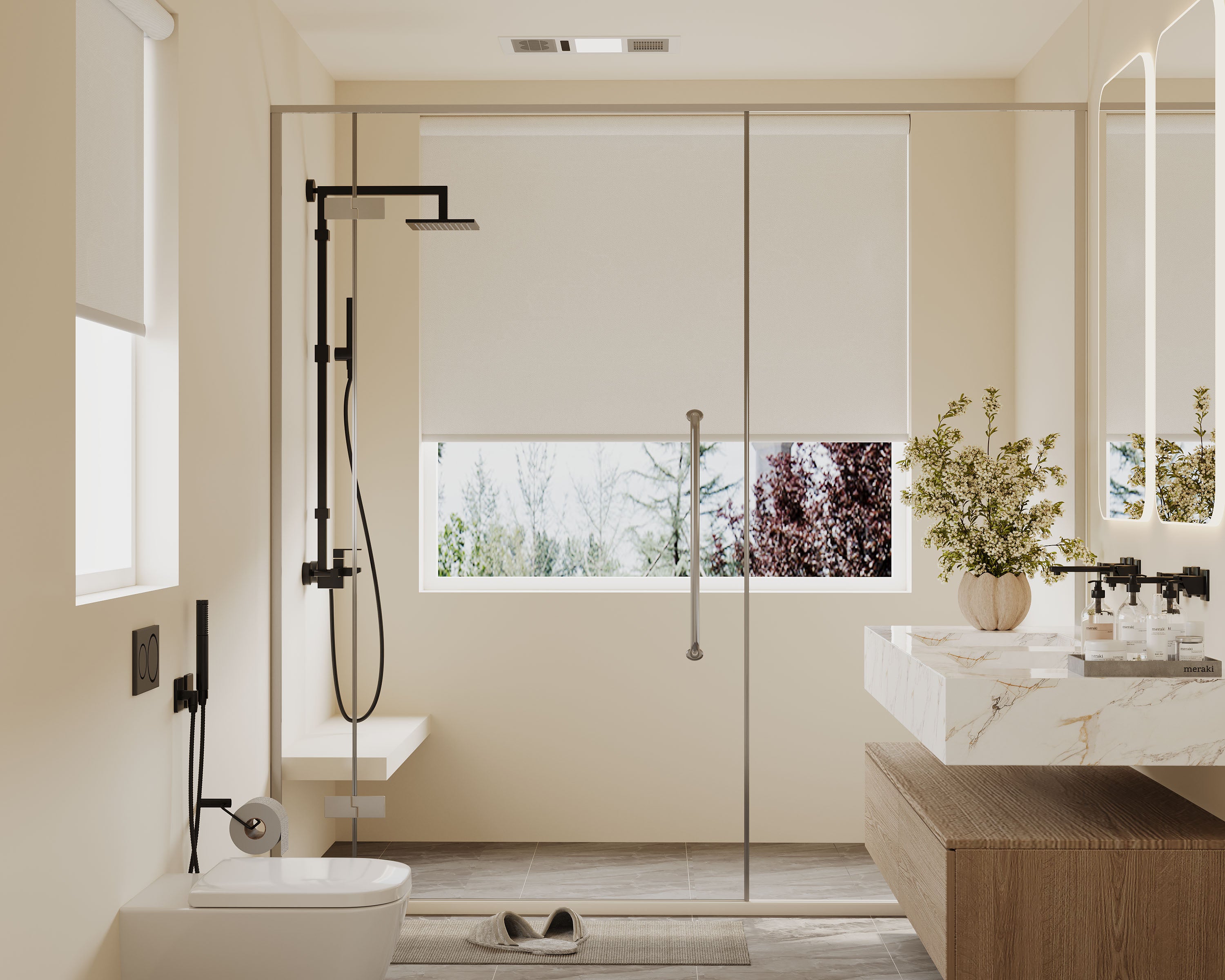


Zebra shades can improve the way a room looks and functions, but there is no dependable resale return to assign to the purchase. Buy them for a useful light-control result and a coherent appearance rather than assuming they will raise an appraisal or guarantee a faster sale.
If you are considering an update, compare custom zebra shades with the condition of the coverings already fitted. Replacing a broken or unsuitable covering is a different decision from replacing a working one solely to pursue an unverified property-value increase.
Separate daily value from sale proceeds
Daily value includes adjustable daylight, a fabric you enjoy, appropriate privacy and convenient operation. You can judge those features against the room and the complete price.
Sale proceeds depend on many factors beyond window coverings. Do not assign a dollar increase, appraisal classification or marketability score to zebra shades from their style alone. A modern-looking finish is not evidence that every buyer will prefer it or pay more for it.
If a sale is close, discuss the overall presentation and budget with the people handling the transaction. Do not prioritize an expensive shade upgrade over an actual property fault because a generic comparison chart says it has a favorable return.
Assess the existing covering before replacing it
| Current situation | Useful question |
|---|---|
| Working covering with suitable privacy | Would care, adjustment or coordinated styling meet your goal? |
| Damaged fabric or unreliable operation | Is supported service practical, or is replacement needed? |
| Bare window where privacy is important | Which construction and opacity solve that task? |
| Several visibly different coverings | Does a coordinated finish matter in this particular room? |
| Difficult-to-reach control | Would a supported lift change improve everyday use? |
The answer may be a zebra shade, another covering or keeping the existing system. Newer and custom are not automatic synonyms for better value.
Choose zebra shades for their actual function
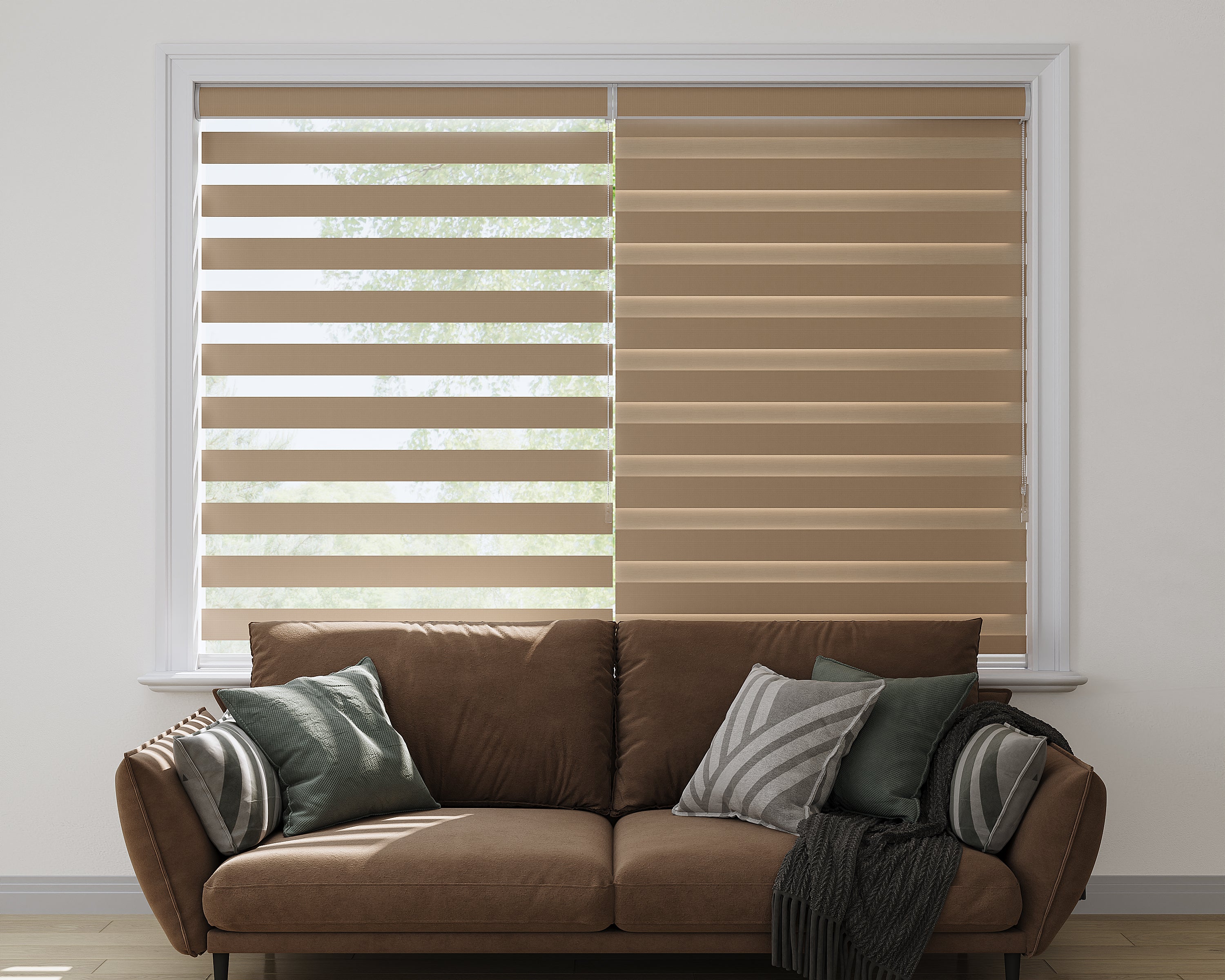
Alternating sheer and solid bands let you change daylight and view-through. This is a useful feature to demonstrate, but it does not guarantee privacy in every position. Check the selected fabric after dark with room lights on, including relevant neighboring sightlines.
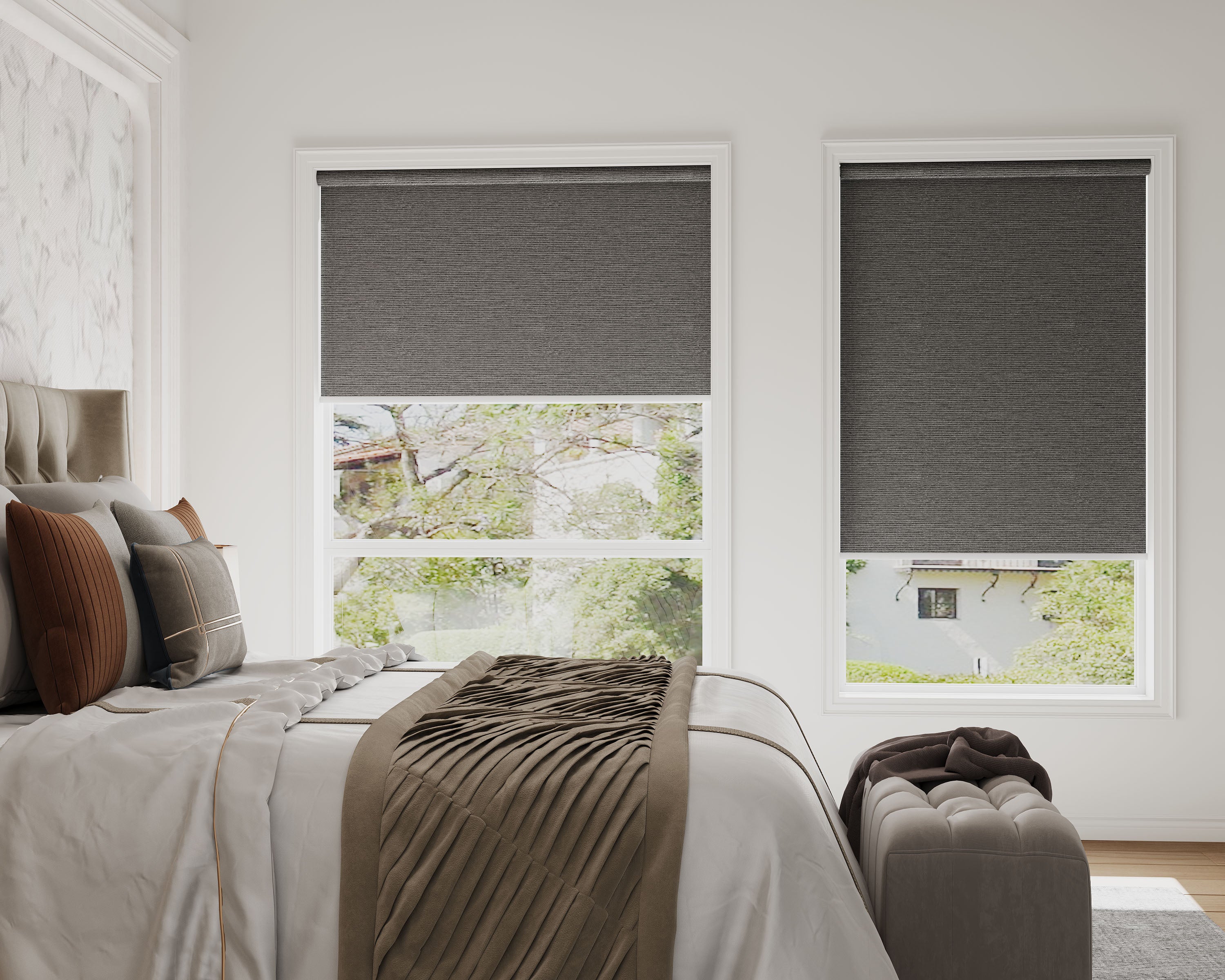
Compare room-darkening zebra and light-filtering zebra options for the room's light requirements. A more opaque fabric may suit one opening while a softer daylight material suits another.
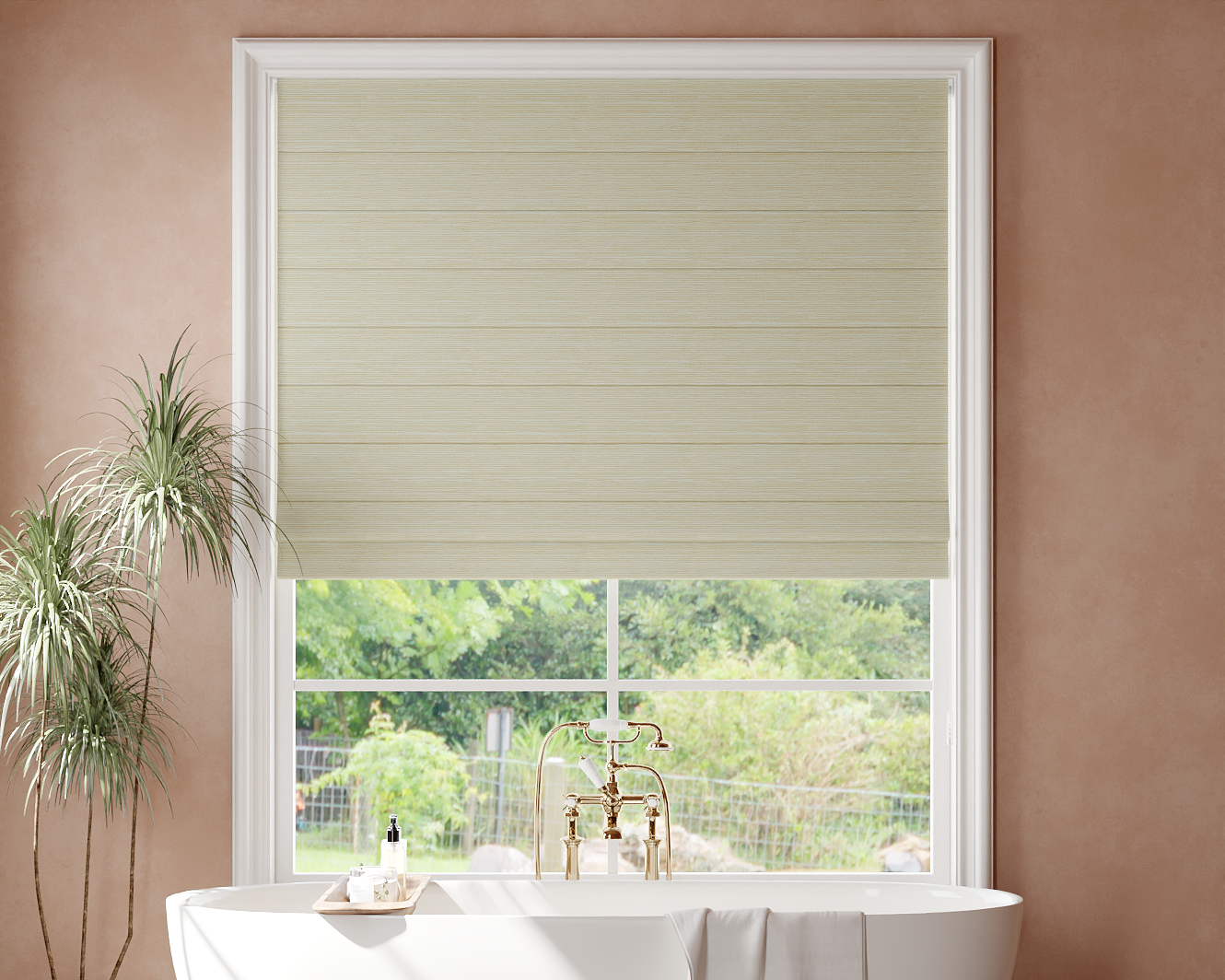
At a damp window, the waterproof light-filtering zebra product is a material option to assess within its permitted exposure. The waterproof description does not establish direct-water suitability for every motor or headrail, or stronger privacy for the light-filtering fabric.
Prioritize a tidy, functional installation
Measure each opening according to the chosen product's instructions. Check recess depth, handles, raised dimensions and the way neighboring coverings line up. A well-chosen fabric does not compensate for rubbing, loose mounting or an inaccessible control.
Coordinating visible colors and hardware can create a deliberate appearance, especially across windows seen together. But coordination does not require one fabric throughout the property. Bedrooms, bathrooms and living areas can have different privacy and exposure needs.
Use a sample beside walls, trim and furniture. Neutral colors are an option, not a rule that guarantees broader buyer appeal. Choose the finish that suits the room and the scope of the project.
Evaluate motorization on its own merits
A remote-operated covering may help with high windows or several shades. Confirm the exact motor, power arrangement, controls and service access. Do not add it solely for a promised “wow factor” or future sale premium.
If app access, schedules or voice control matter, include the required controller or bridge in the complete quote. A future owner also needs a practical supported handover, not an undocumented connection to your personal account.
For homes where young children live or visit, follow CPSC cordless guidance and assess the complete installation, furniture and power leads. Safety should not be inferred from price or a modern visual style.
Prepare a clear handover if you sell
Confirm which coverings and accessories are included through the transaction's actual agreement rather than relying on a universal rule about fixtures or personal property. Clarify any planned exclusions early with the appropriate transaction professionals.
Keep the order records, model and fabric identifiers, operating instructions and remotes together. Check warranty transfer directly from the applicable terms; leaving a shade installed does not prove the next owner receives coverage.
For connected systems, use the provider's supported access or account handover process and document the installed components. A straightforward operating demonstration can explain the feature without turning it into a financial promise.
Frequently asked questions
Will zebra shades increase an appraisal by a specific amount?
Do not assume a specific appraisal increase. Compare the purchase for function, appearance and the complete cost.
Should I replace every shade before listing?
Assess condition, privacy needs, timing and the complete budget. A full-property replacement is not automatically necessary.
Are motorized shades always better for resale?
No dependable resale premium follows from motorization. Evaluate convenience, support and handover against the added configured cost.
Can I keep using them for years before selling?
Choose for your present needs. Suitable fabric, fit, care and support matter more to daily value than an assumed future buyer preference.
