
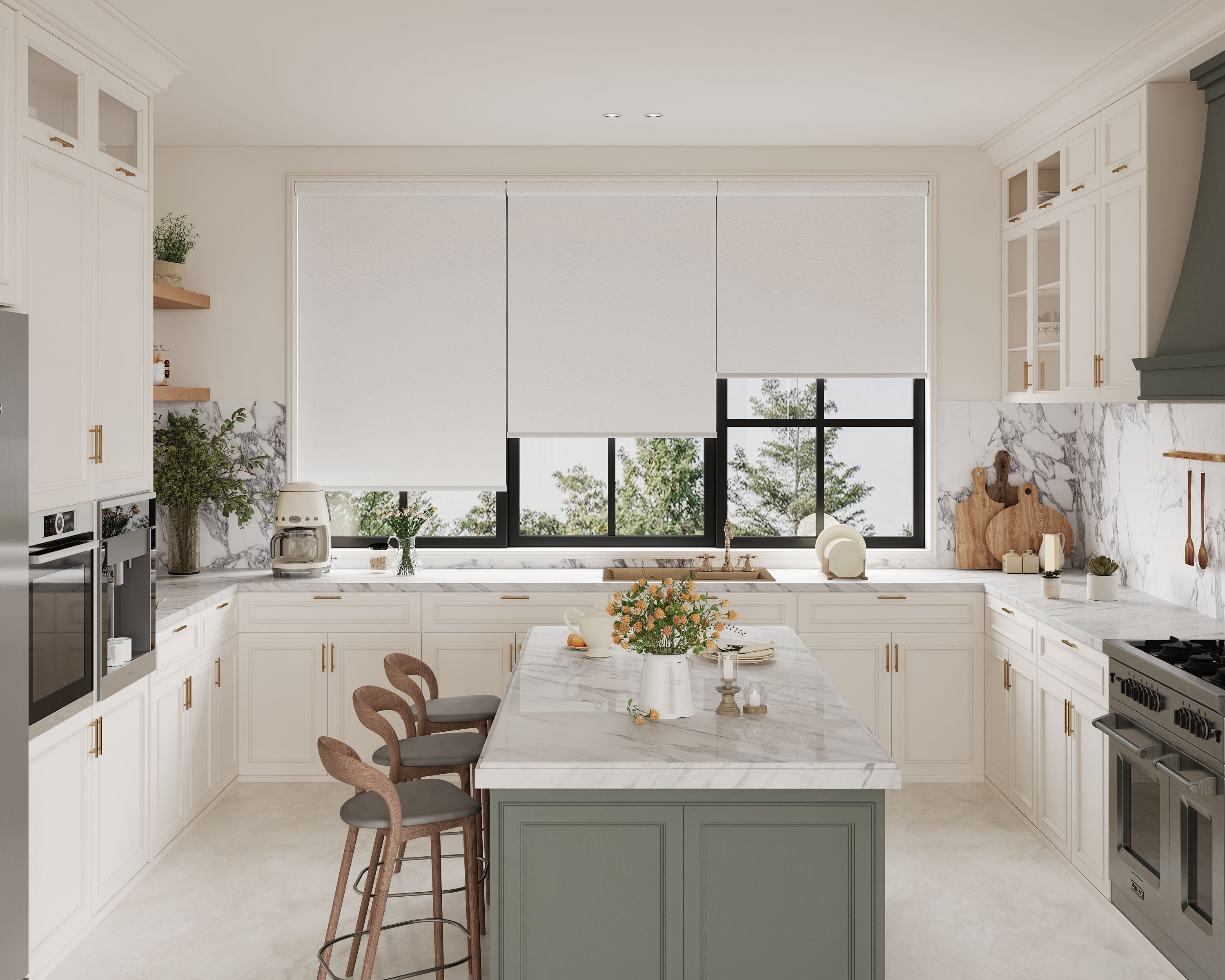
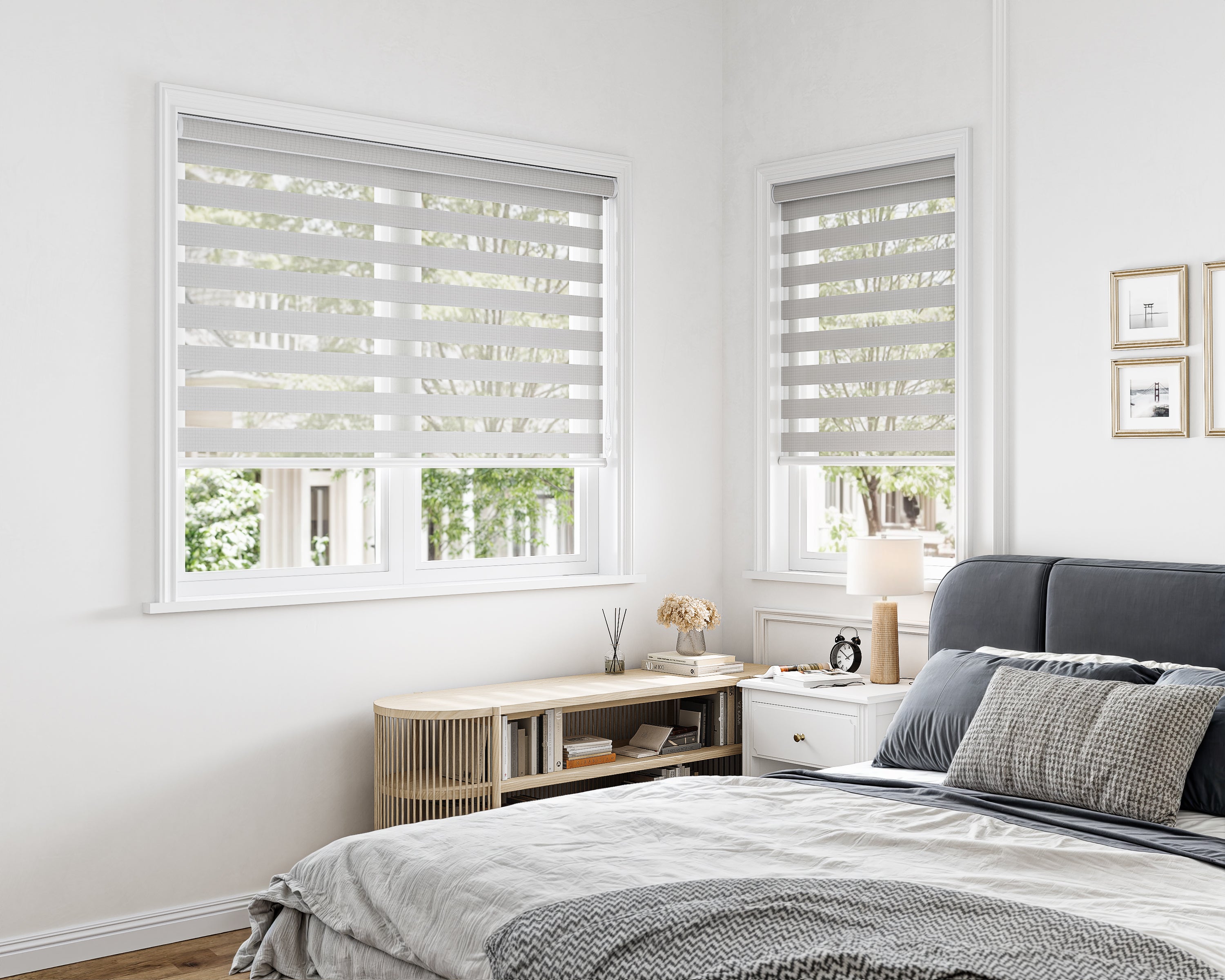
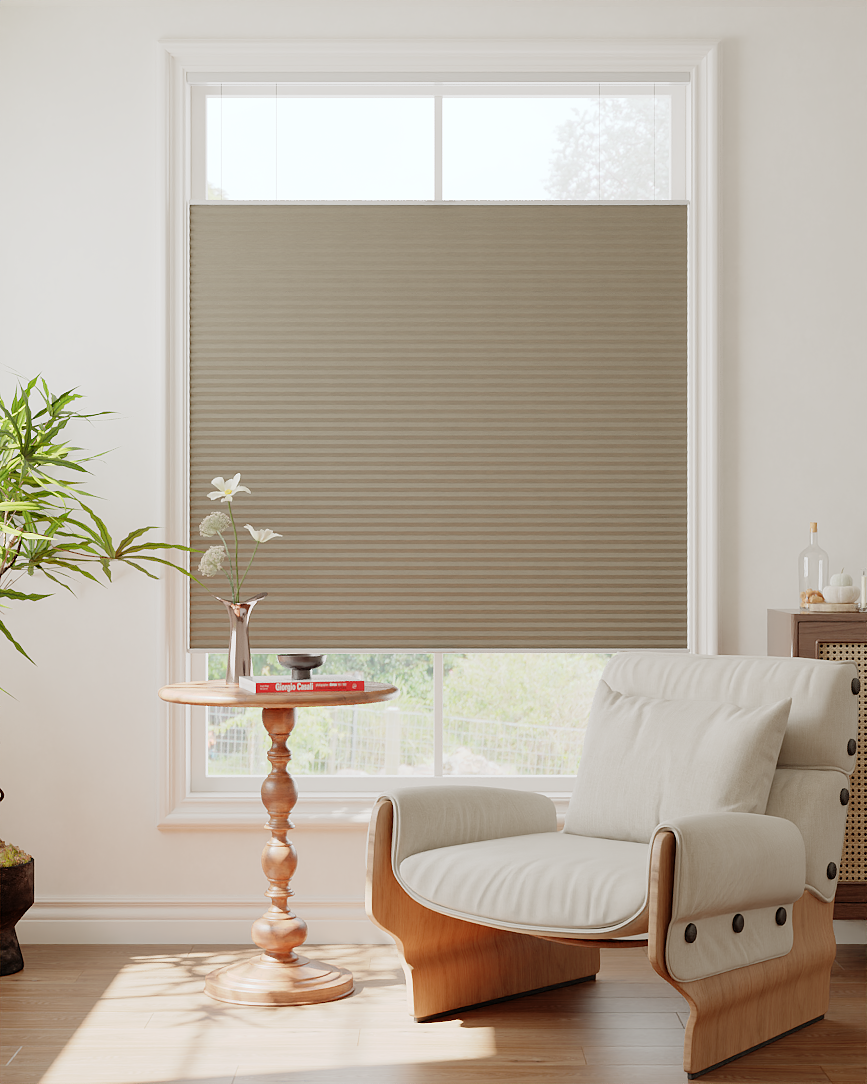
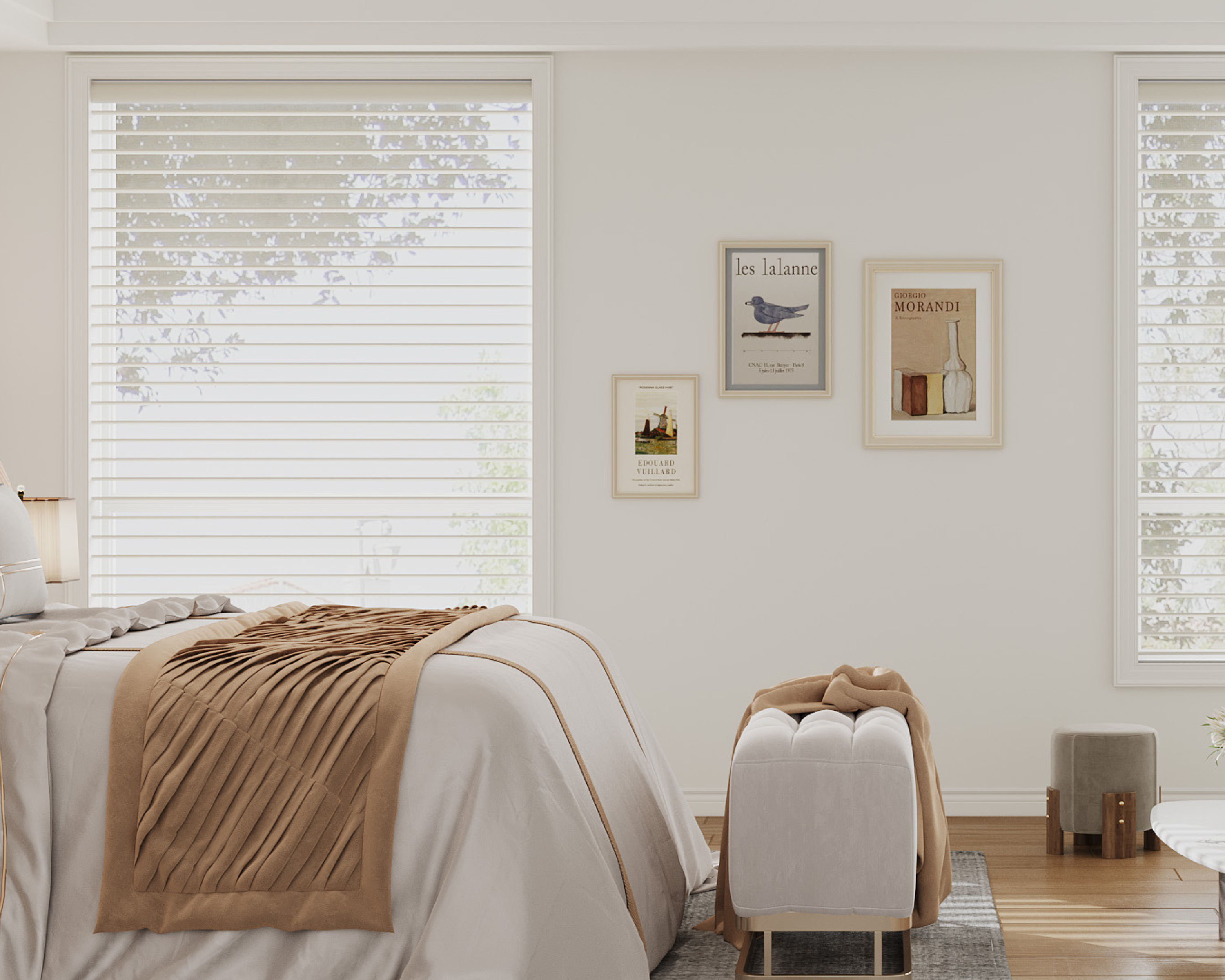
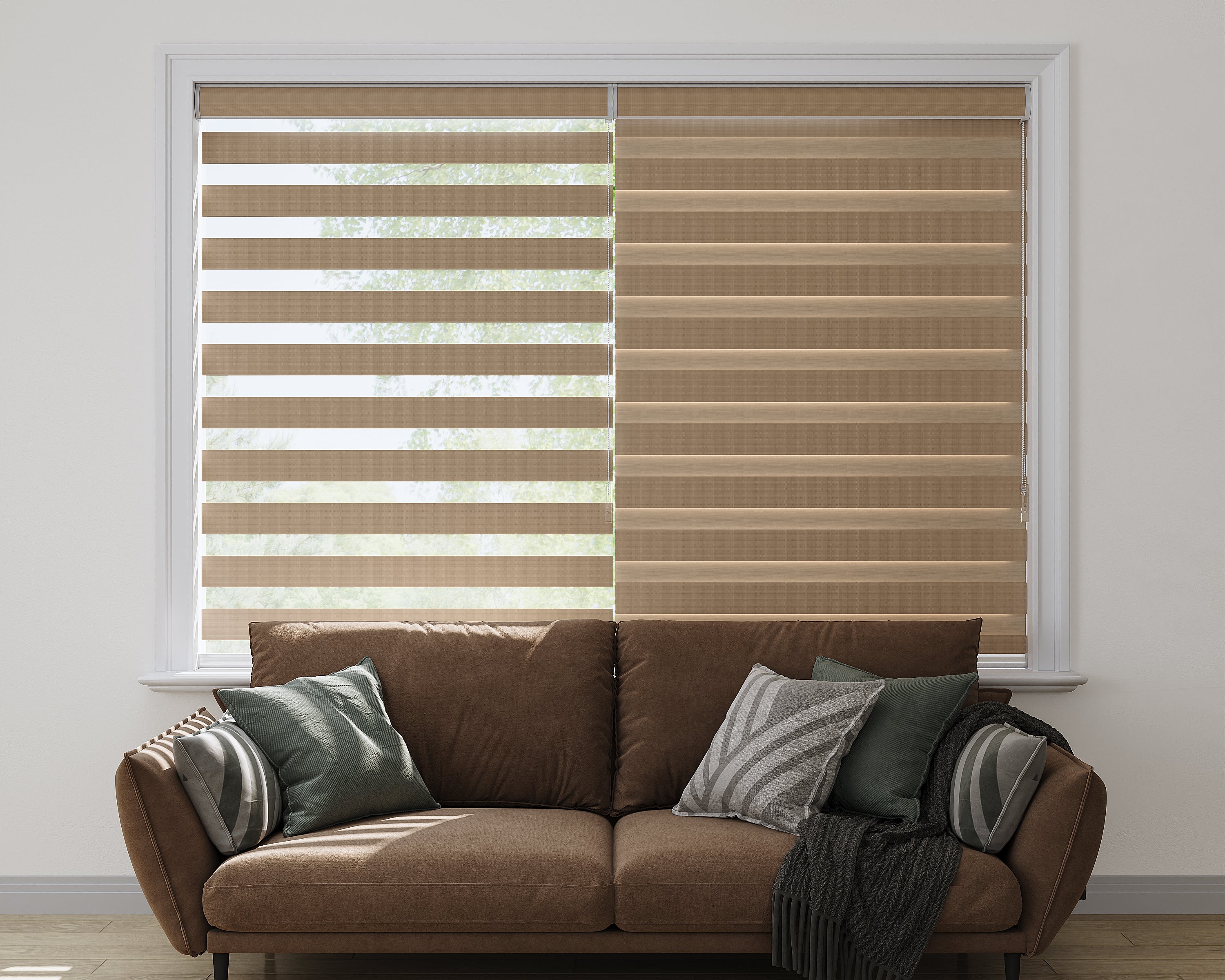
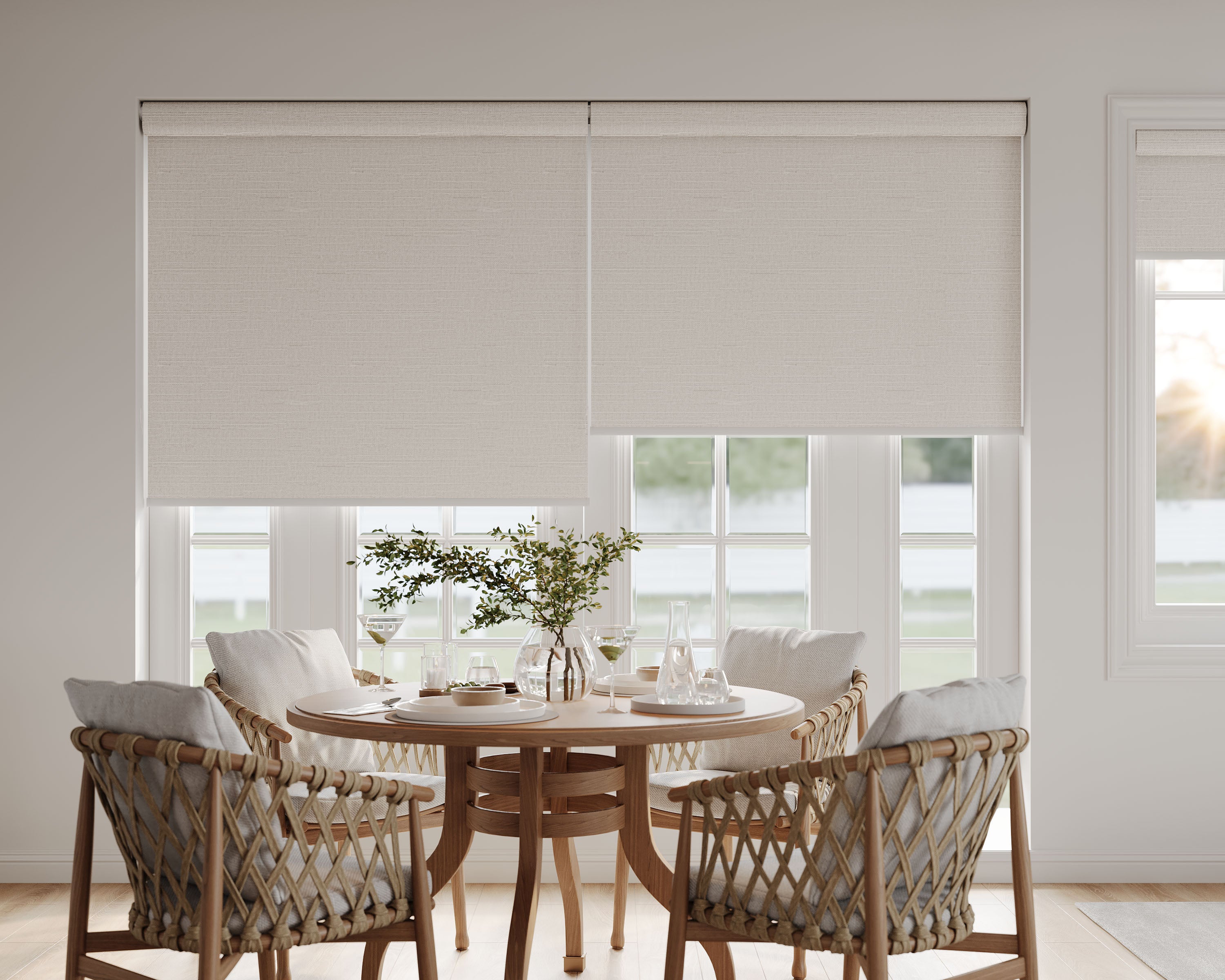


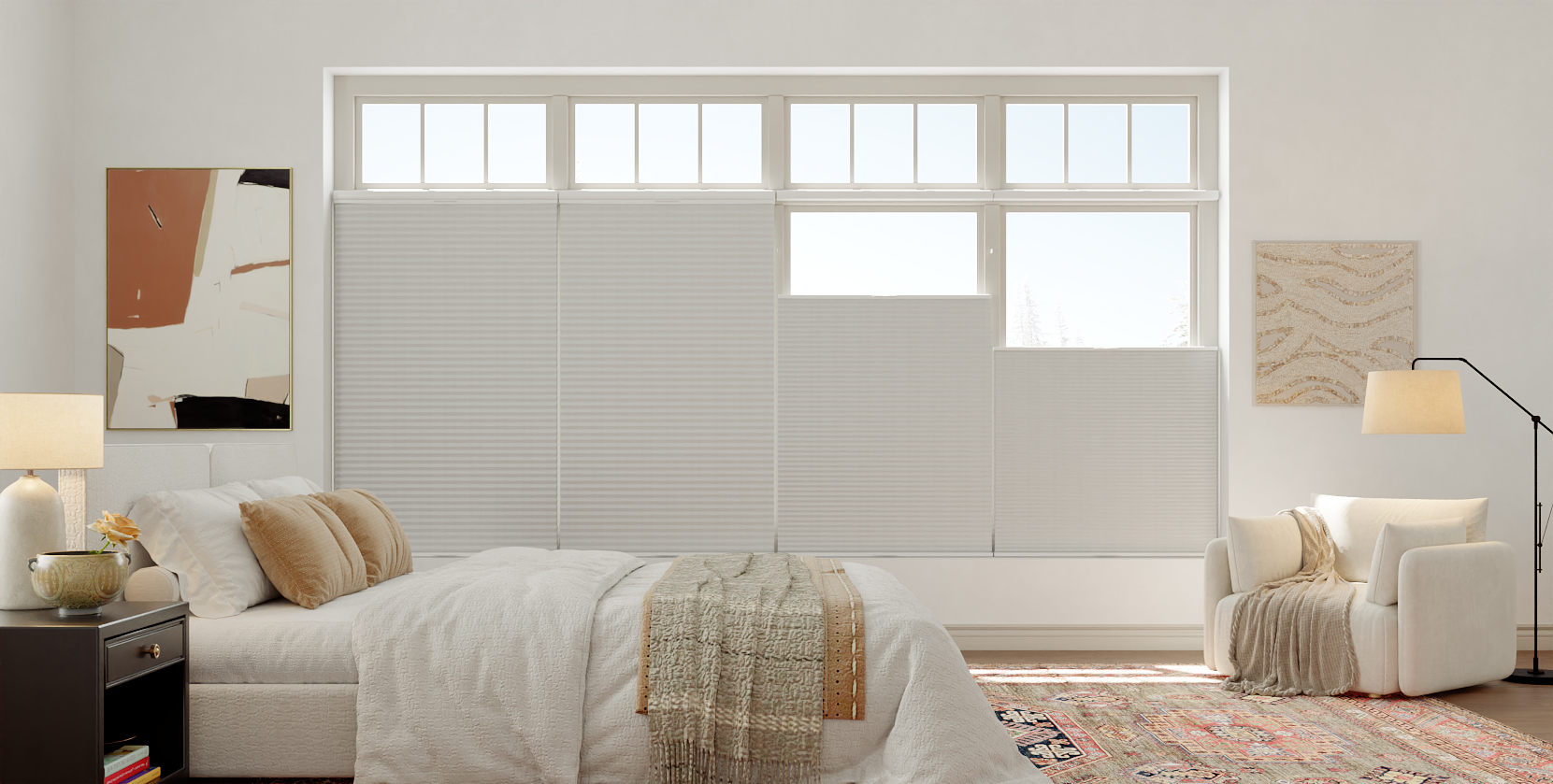


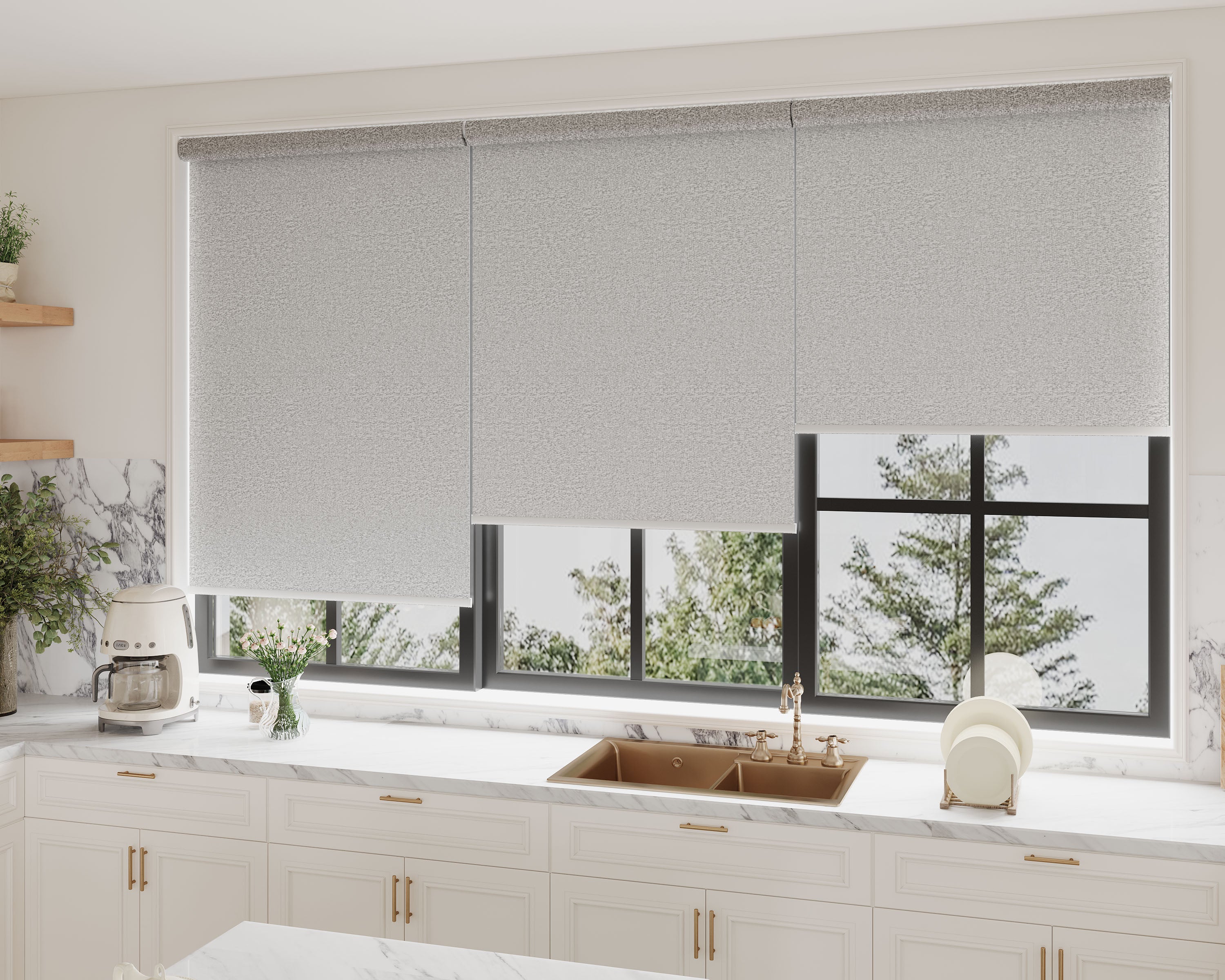

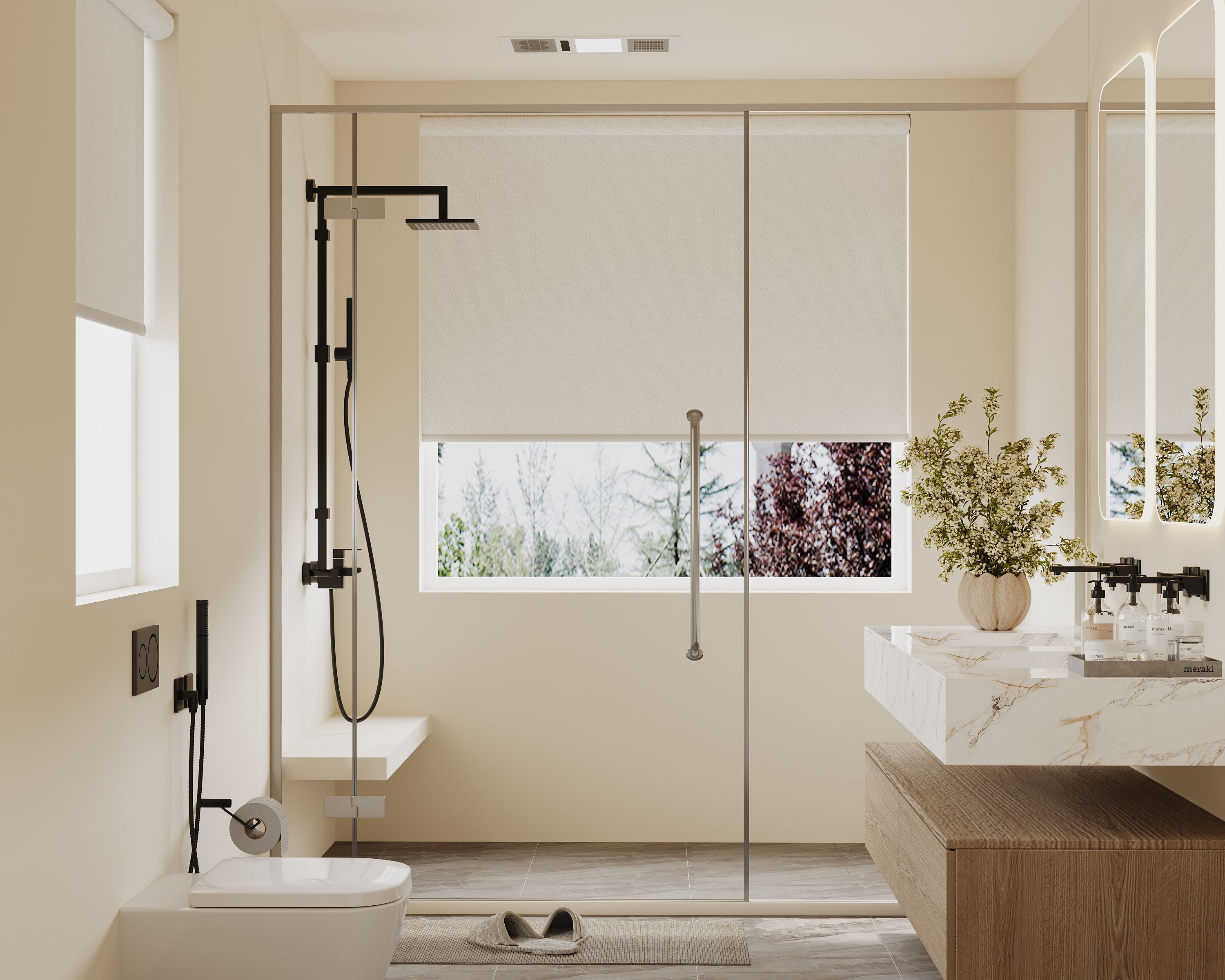


The choice between custom and ready-made zebra shades is a fundamental decision that impacts your budget, timeline, and the final look of your room. It centers on a key trade-off: investing in a perfect, long-term solution or opting for an affordable, immediate one. Custom shades are fabricated to your window's precise measurements and specifications, while ready-made shades come in predetermined sizes for quick purchase. This guide provides a detailed framework to help you move beyond price alone and select the option that delivers the best value, function, and aesthetics for your specific needs.
Here’s what you’ll learn:
-
A direct, feature-by-feature comparison of custom and ready-made zebra shades.
-
A diagnostic checklist to determine if your windows are compatible with standard sizes.
-
An analysis of the long-term value and hidden costs associated with each choice.
-
Clear, scenario-based recommendations for different rooms and priorities.
-
Practical steps to take before finalizing your purchase.
To understand the full scope of design and functionality available, exploring the complete range of dual-layer window treatments is an essential first step.
Core Differences: A Direct Feature Comparison
The decision extends far beyond simple cost. It influences the shade's performance, appearance, and longevity. The following table outlines the critical distinctions across every major category.
| Feature | Custom Zebra Shades | Ready-Made Zebra Shades |
|---|---|---|
| Fit & Precision | Made to the exact 1/8-inch measurement of your window opening. Guarantees a perfect inside mount with no light gaps and smooth, effortless operation. The shade becomes a seamless part of your window. | Come in standardized widths (e.g., 23", 27", 33") with a stated "fit range." Often results in light gaps on the sides or requires an outside mount, where the shade sits on the wall or trim above the window. |
| Fabric & Design Options | Access to the entire catalog of fabrics, including varied textures (linen, silk-look), opacities (from sheer to room-darkening), and a wide color palette. Can accommodate specialty requests. | Limited to a small selection of popular colors and basic fabric types, typically in light-filtering or semi-opaque varieties only. Textures and premium materials are rarely available. |
| Features & Functionality | Full customization of operating style (cordless, corded, motorized), lift direction (standard, top-down/bottom-up), and additional upgrades like valances or side channels for light blocking. | Almost exclusively available in basic cordless or corded lift systems. Advanced features like motorization or top-down operation are exceptionally rare. |
| Price Point | Higher initial investment, typically $200 - $600+ per window, reflecting personalized manufacturing, premium materials, and design flexibility. | Lower upfront cost, typically $50 - $200 per window, due to mass production, inventory-based sizing, and standardized components. |
| Timeline | Longer lead time, usually 2 to 6 weeks, for order processing, fabrication, and shipping. | Immediate availability or very fast shipping, often with delivery in 2 to 7 days. Ideal for urgent needs. |
| Ideal Application | Primary living spaces, bedrooms, home offices, odd-sized windows, inside mounts, and for homeowners who view window treatments as a permanent home investment. | Standard-sized windows in secondary spaces (basements, closets), rental properties, temporary solutions, or projects with very tight budgets and immediate timelines. |
How to Diagnose Your Window: The Ready-Made Compatibility Checklist
Choosing ready-made shades successfully depends entirely on whether your window conforms to their limitations. Follow this diagnostic process before purchasing.
Step 1: Take Precise Measurements. Using a metal tape measure, determine the exact width of your window opening at the top, middle, and bottom. Use the smallest of these three measurements. Do the same for the height on the left, center, and right sides. This precision is non-negotiable; our dedicated guide on achieving fool-proof window measurements with a tape details the exact technique to ensure accuracy.
Step 2: Understand "Fit Range" vs. "Actual Size." A ready-made shade labeled "25 Inches Wide" is not 25 inches wide. It is designed to fit an opening between approximately 23.5 and 25.5 inches. Your smallest exact measurement from Step 1 must fall within this range. If your window is 24.25" wide, it will fit. If it is 25.75" wide or 23.25" wide, it will not.
Step 3: Assess Your Tolerance for Imperfection. Honestly answer these questions:
-
Light Gaps: Can I accept 1/2-inch to 1-inch gaps of light on each side of the shade? These gaps can undermine privacy, light control, and energy efficiency, a common issue explained in our article on preventing unwanted light gaps in window treatments.
-
Mounting: Am I willing to use an outside mount (mounting on the trim or wall) to cover a sizing mismatch? This changes the aesthetic and requires longer mounting brackets.
-
Operation: Will a shade that is slightly too wide for the opening rub against the frame and operate poorly?
If your measurements don't align perfectly with a standard size or your tolerance for gaps is low, custom shades are the only path to a satisfactory result. The choice of mounting style is pivotal here; understanding the fundamental differences between inside and outside mounting is crucial for this assessment.
The True Value Analysis: Beyond the Initial Price Tag
The lower price of a ready-made shade can be appealing, but evaluating total value requires a longer-term perspective that includes performance and durability.
The Hidden Costs of a "Close Enough" Fit
A ready-made shade that doesn't fit perfectly introduces functional compromises that carry their own costs:
-
Energy Inefficiency: Light gaps allow for drafts and thermal transfer (heat loss in winter, heat gain in summer), which can subtly but consistently increase your heating and cooling bills.
-
Compromised Core Function: The defining feature of zebra shades is precise light adjustment. Side gaps allow light to leak in, undermining this control and potentially causing glare or faded furniture.
-
Aesthetic Shortfall: Visible gaps or a shade that sits awkwardly in the frame can make a room look unfinished and detract from your interior design.
The Long-Term Investment Value of Custom
The higher initial cost of custom shades purchases more than just fabric; it secures guaranteed performance and satisfaction:
-
Guaranteed Performance & Privacy: The shade will operate smoothly and deliver the exact level of light control and privacy you selected.
-
Professional, Intentional Aesthetic: A perfect inside mount looks built-in and elevates the room's architecture. You also invest in higher-quality materials, as detailed in our analysis of fabric price tiers and material longevity.
-
Durability & Warranty: Custom products are generally built with higher-quality mechanisms and fabrics, designed to last a decade or more, and often come with stronger warranties.
Decision Scenarios: Which Option Is Right for Your Situation?
Apply this scenario-based guide to match the right product type to your specific needs.
Choose Custom Zebra Shades If...
-
Your window has non-standard dimensions (any width not in 2- or 3-inch increments, e.g., 28.5", 41.75", or is extra tall).
-
You require a flawless inside mount for a clean, built-in look that matches your trim.
-
The room is a primary living area (living room, main bedroom, dining room) where daily enjoyment and design cohesion are paramount.
-
You want a specific high-end fabric, precise color match, or advanced feature like motorization or room-darkening lining.
-
You own your home and view window treatments as a long-term investment in comfort and value.
Choose Ready-Made Zebra Shades If...
-
Your window's exact width closely matches a standard ready-made "fit range" (within a 0.5-inch tolerance).
-
The window is in a low-priority, utilitarian, or temporary space (laundry room, garage, basement, rental apartment).
-
You need immediate, basic coverage due to a tight deadline or budget constraint.
-
You are comfortable with an outside mount that can visually compensate for size discrepancies.
-
You prioritize low cost and fast delivery over optimal fit and premium features.
It's also vital to consider the installation implications. A successful ready-made installation often depends on DIY skills, while custom shades may benefit from professional help. Weighing the practical savings and risks of DIY versus professional installation is a key part of your final decision.
Conclusion: Making a Confident Choice for Your Home
There is no universal "best" option—only the most appropriate choice for your individual windows, budget, and expectations. Ready-made zebra shades solve a specific problem: providing fast, affordable coverage for standard windows where perfection is not the goal. Custom zebra shades provide a tailored solution where fit, finish, and long-term performance are critical.
For many homeowners, a strategic hybrid approach makes the most sense: invest in custom shades for your main living areas and primary bedrooms to enjoy their superior benefits daily, and utilize ready-made shades for secondary or low-traffic spaces where their limitations are acceptable. This balances overall cost without compromising on quality where it matters most.
Key Highlights:
-
Measurement is the foundation. Accurate numbers definitively show whether ready-made is even a viable option.
-
Ready-made saves money upfront but often costs in daily compromises of light control, aesthetics, and energy efficiency.
-
Custom costs more initially but delivers guaranteed satisfaction, premium materials, and a professional finish.
-
Consider the room's importance, your timeline, and your personal tolerance for imperfections when evaluating the trade-offs.
-
The installation process can differ in complexity, making it a factor in your total project cost and outcome.
By applying the diagnostic framework and value analysis in this guide, you can confidently navigate the custom versus ready-made decision, ensuring the zebra shades you choose deliver the functionality and beauty you expect for years to come.
Explore Custom Zebra Shades


Frequently Asked Questions (FAQ)
Can I cut down ready-made zebra shades to make them narrower?
No, you cannot trim the width of a ready-made zebra shade. The fabric is tensioned and sealed within a rigid headrail at the top and a bottom rail. Attempting to cut the rail will destroy the mechanism's integrity and render the shade inoperable. Some models allow you to unroll the fabric and cut the bottom hem to shorten the height, but this is a limited adjustment and varies by brand. For width adjustments, custom manufacturing is required.
Is the quality of fabric different between custom and ready-made?
Typically, yes. Custom shades often offer access to higher-grade fabrics with better durability, colorfastness, and texture. Ready-made shades frequently use more basic polyester blends to meet a lower price point. The difference can be felt in the hand of the fabric and seen in its resilience over time, which relates directly to the principles discussed in our guide on understanding fabric price tiers and material value.
I have a standard 36-inch window. Is custom overkill?
Not necessarily. Even with a common window size, custom shades are justified if you seek a perfect inside mount with zero light gaps, desire a specific fabric or color not available off-the-shelf, or want integrated motorization. For a window in a prominent, daily-use room, the aesthetic and functional superiority of a custom fit often provides tangible value that outweighs the extra cost.
