
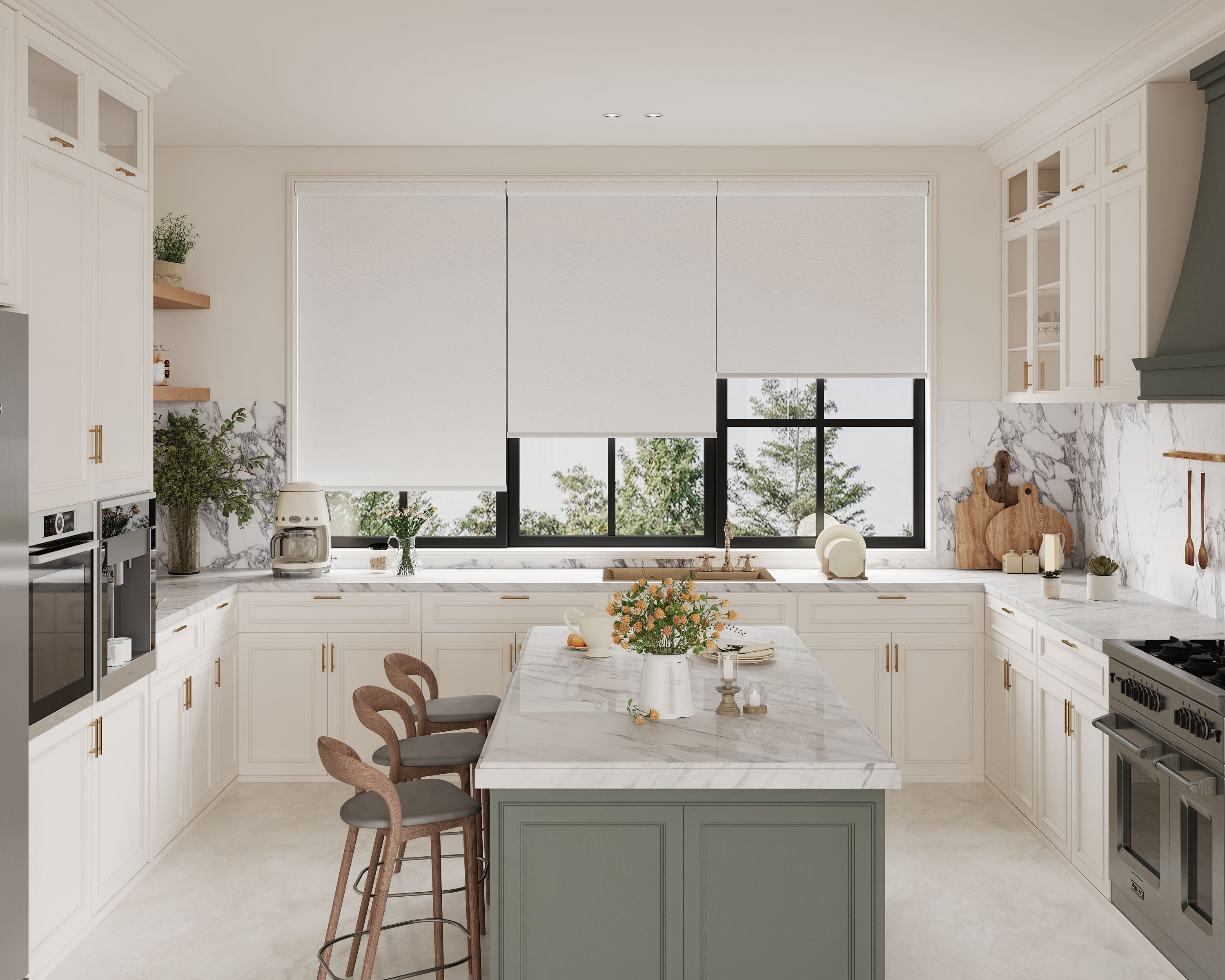
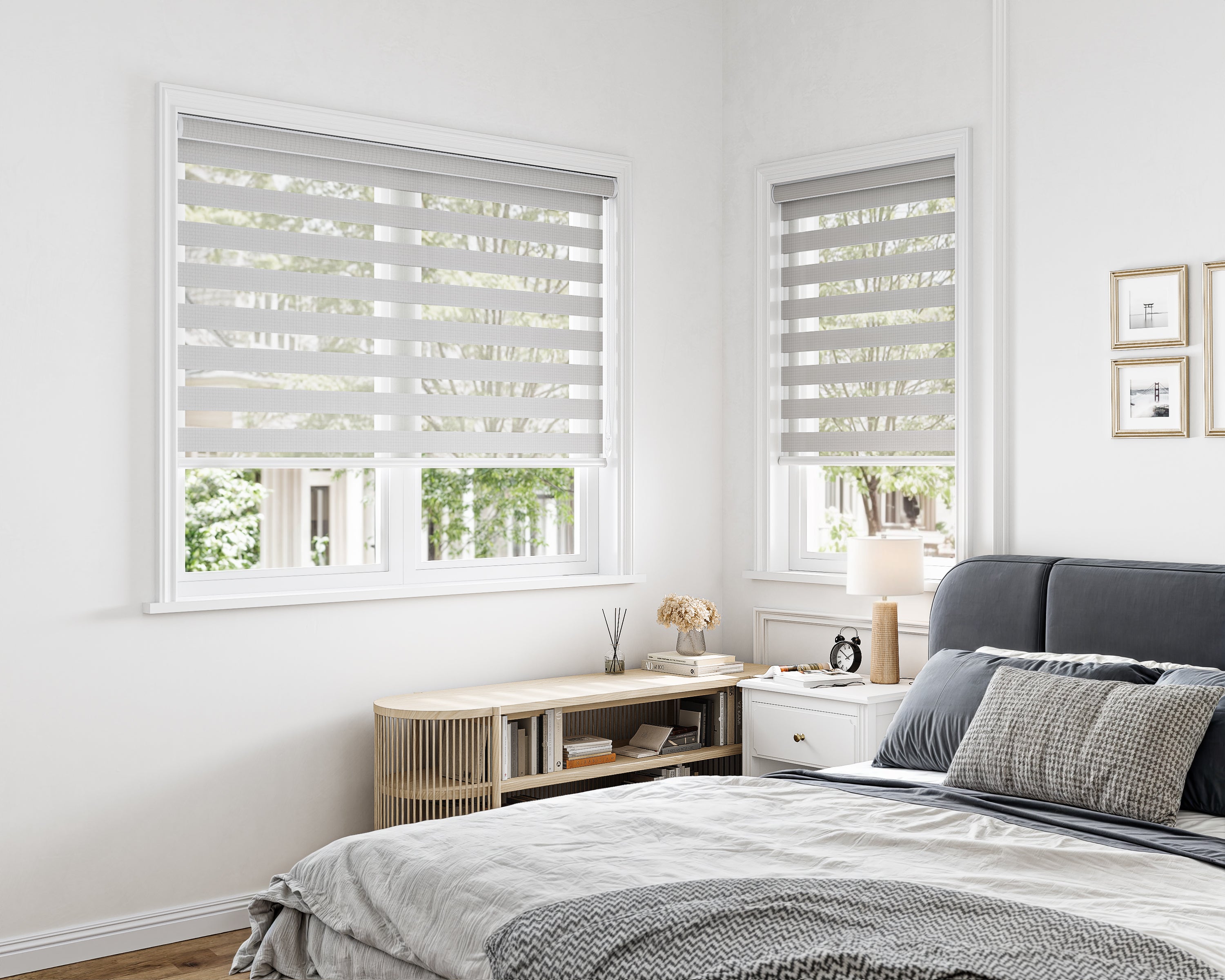
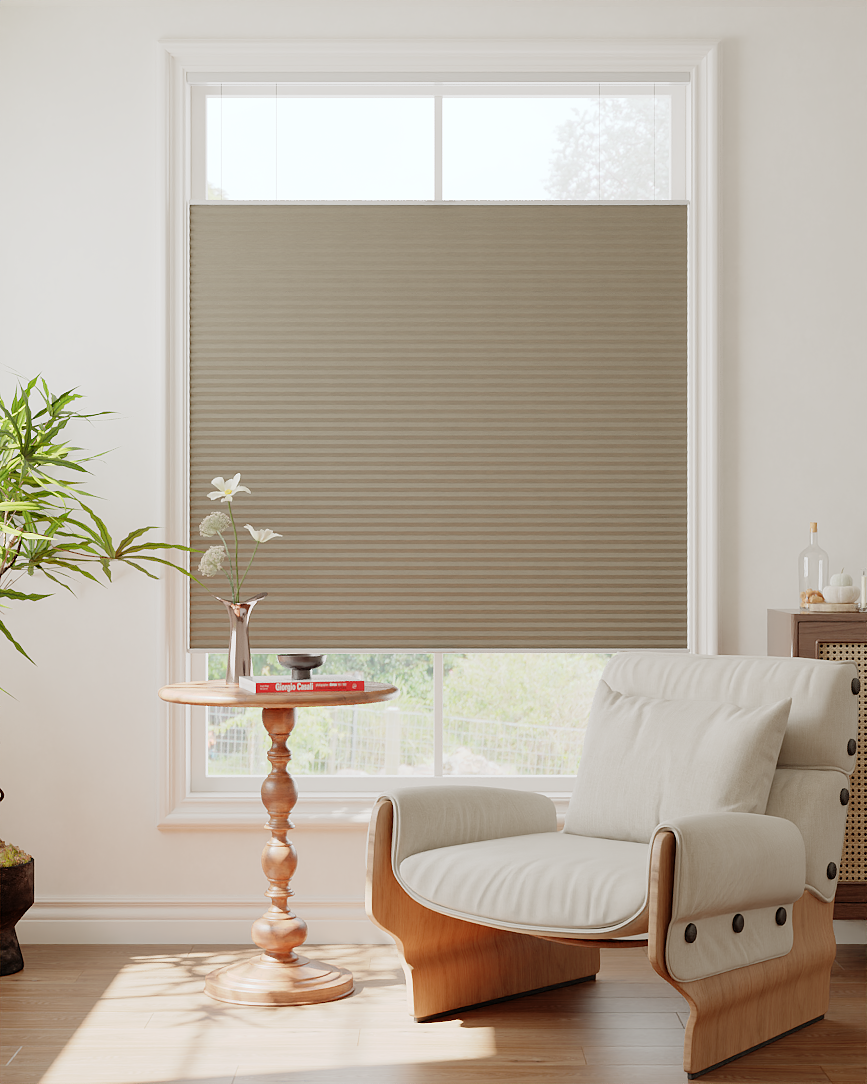
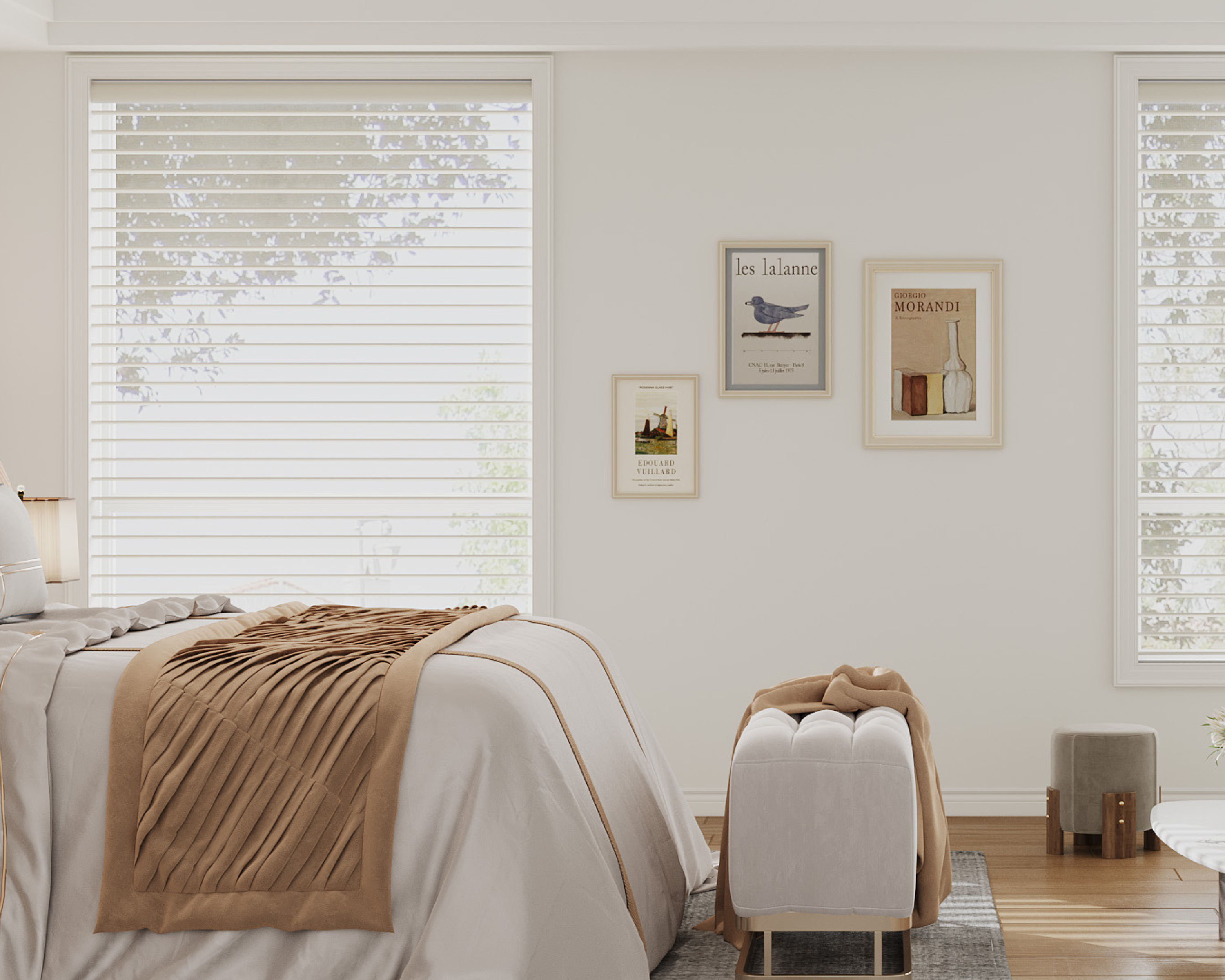
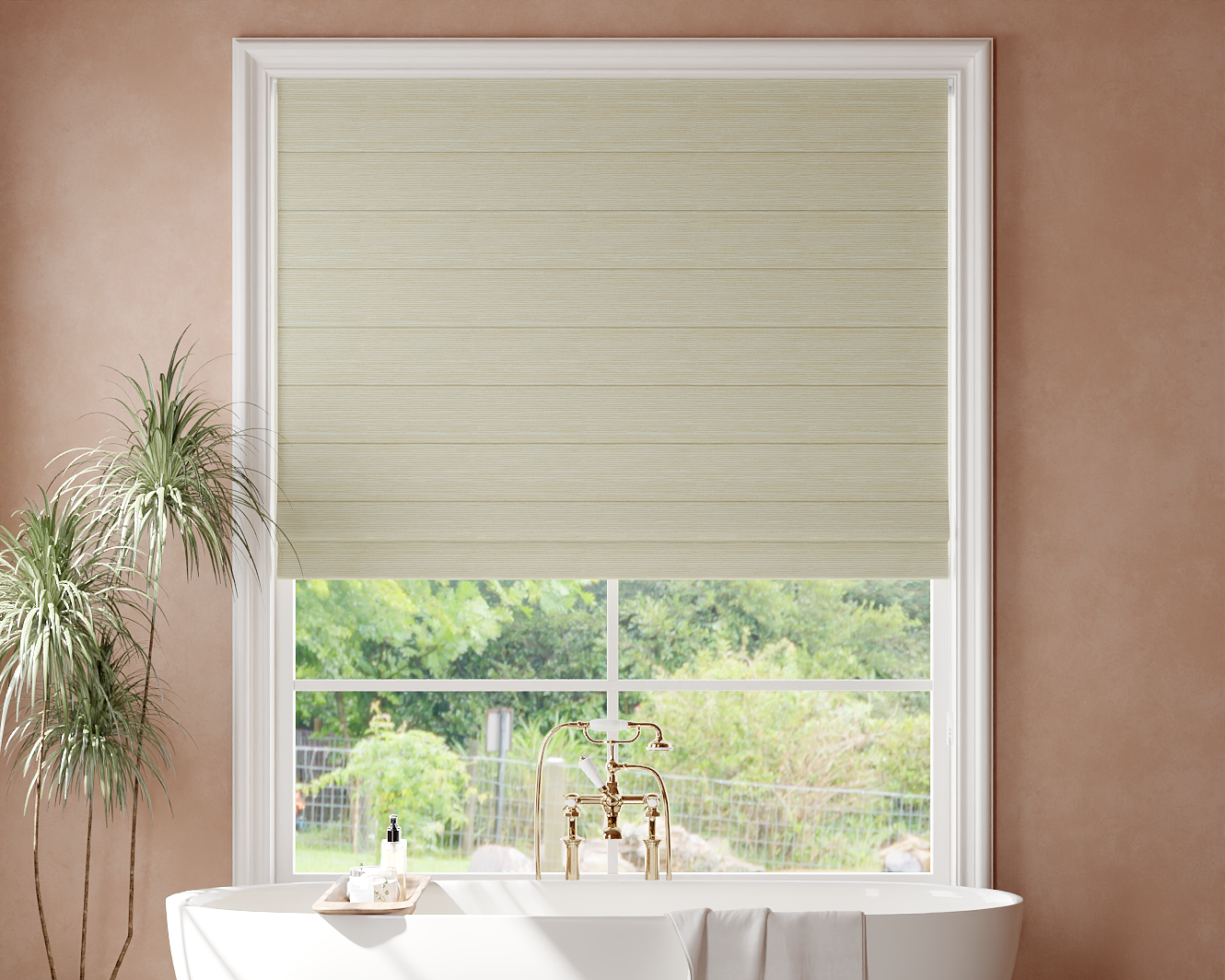
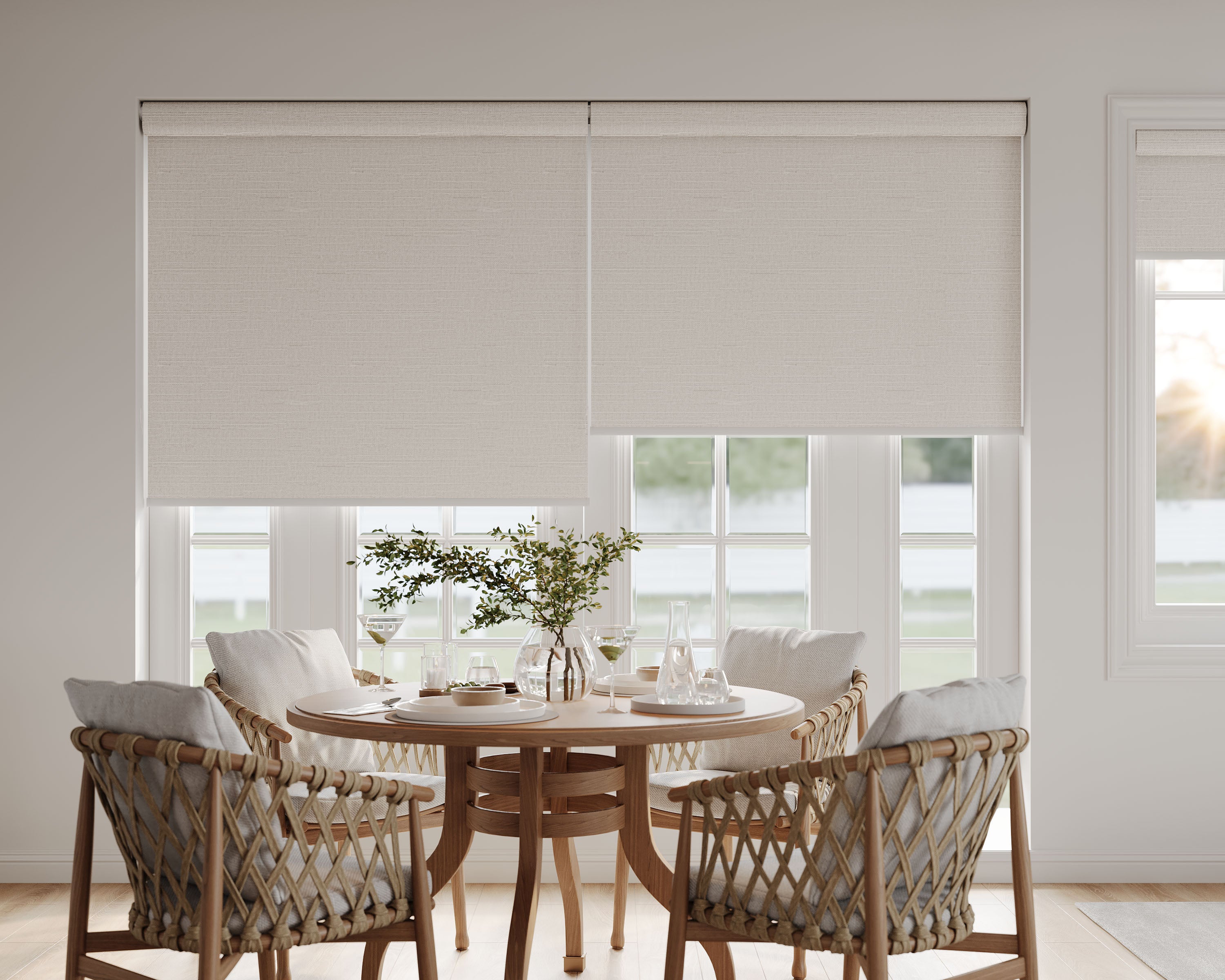


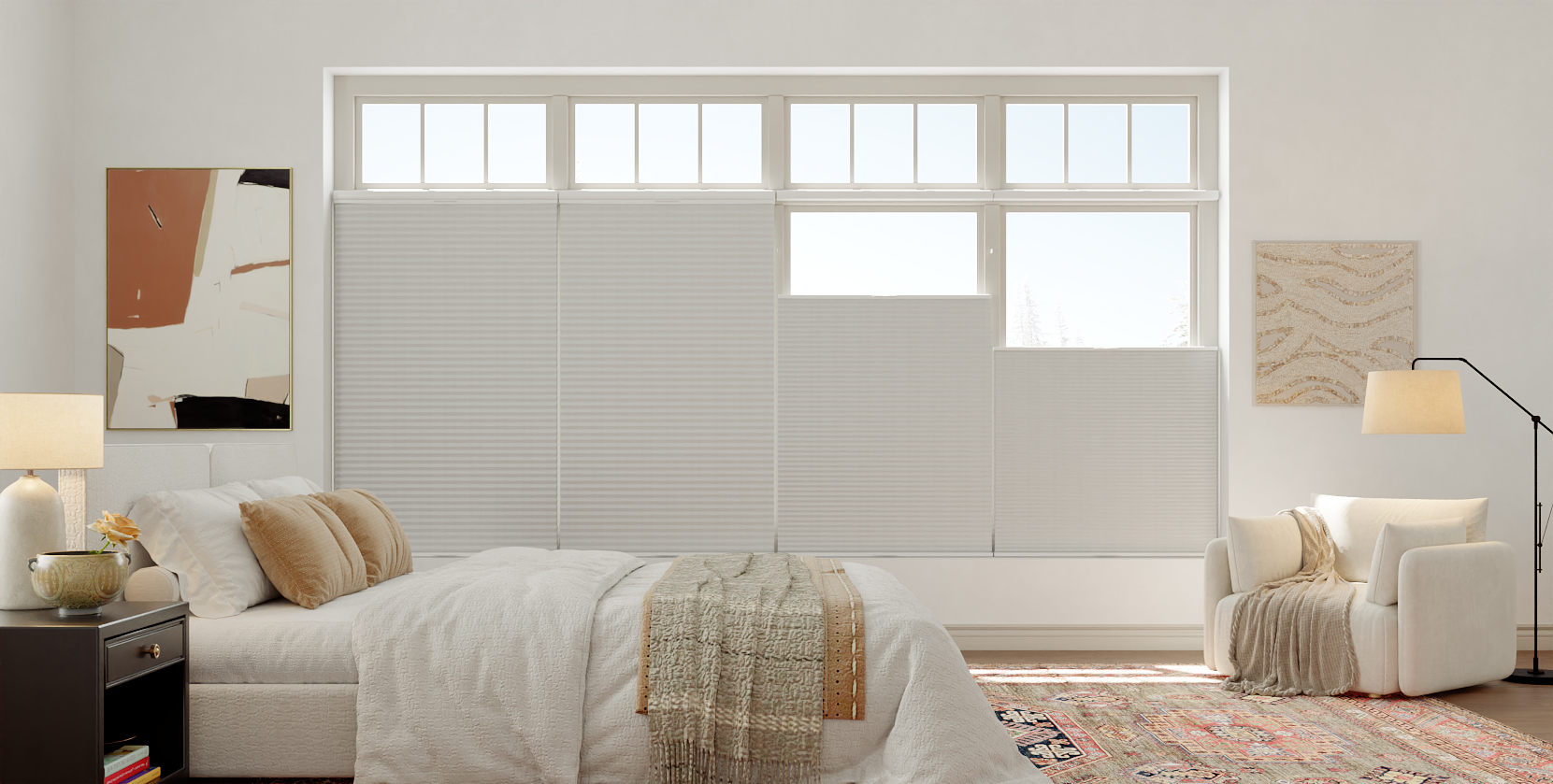


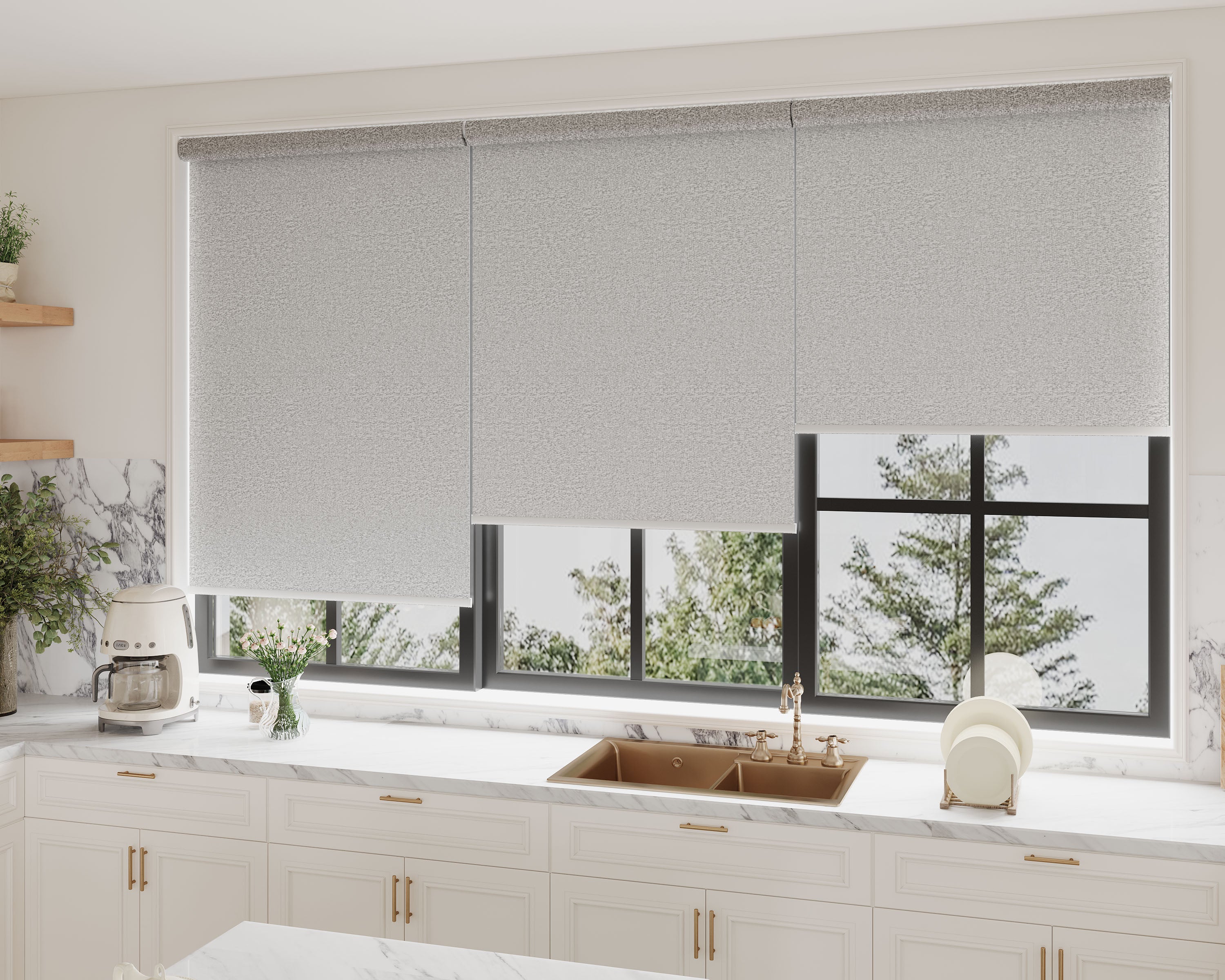

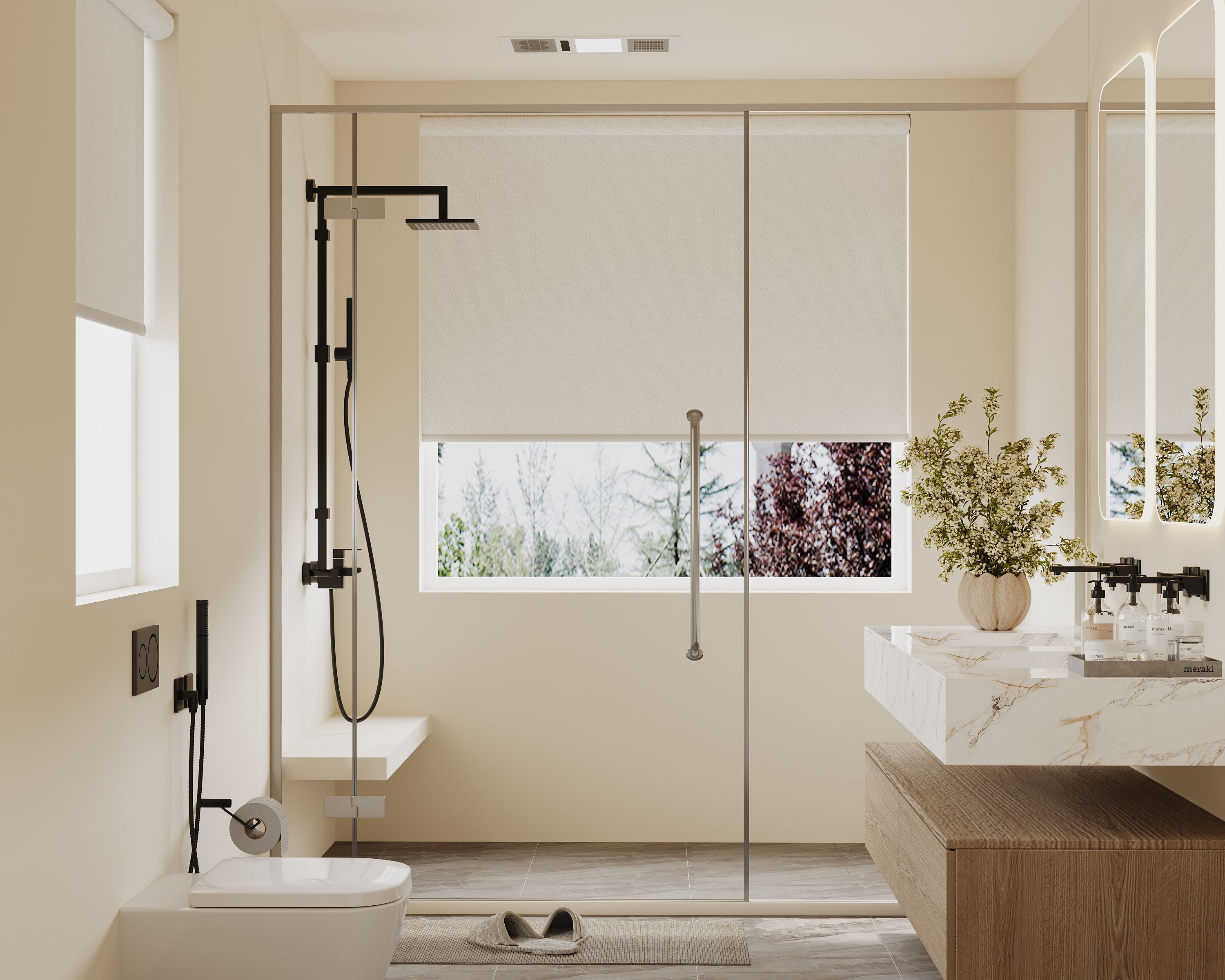


Yes, cellular shades are an exceptional choice for large picture windows, offering clean lines, superior insulation, and complete customization to massive dimensions. The key to success lies in specialized engineering for width and weight, strategic planning for operation and installation, and design choices that enhance rather than overwhelm the grand view. This guide provides the complete technical and aesthetic blueprint for covering your expansive windows seamlessly.
Here’s what you’ll learn to ensure a perfect fit and function:
-
Engineering for Scale: Understanding maximum width limits, the critical role of center supports, and how to manage the weight and stack of extra-large shades.
-
Operation & Control Strategies: Why motorization isn't just a luxury but a practical necessity for wide shades, and a comparison of all control methods.
-
Installation Mastery: Choosing between inside and outside mounts for large frames, managing mounting surfaces, and ensuring long-term stability.
-
Design Harmony: Selecting opacity, color, and style to complement, not compete with, your panoramic views and architectural style.
-
A Step-by-Step Project Planner: A clear checklist from measurement to installation, helping you avoid common pitfalls associated with oversized windows.
For a project of this scale, starting with the right product is paramount. Begin your planning by viewing our extensive range of custom-sized cellular honeycomb shades engineered for large openings.
Why Cellular Shades Excel for Large Picture Windows
Large picture windows are architectural focal points designed to bring in light and views, but they can also be significant sources of heat loss, glare, and privacy concerns. Cellular shades address these issues uniquely well for several reasons:
-
Seamless Custom Width: Unlike stock window treatments, cellular shades are custom-built to the exact width of your opening, whether it's 6 feet or 16 feet wide. This eliminates unsightly gaps or the need for multiple, overlapping units that break up the view.
-
Superior Insulation (High R-Value): The honeycomb structure is the most energy-efficient window covering available. For a large surface area of glass, this translates to major benefits: retaining heat in winter, blocking solar heat gain in summer, and eliminating the "cold zone" often felt near big windows. This directly improves comfort and reduces HVAC costs.
-
Clean, Uniform Appearance: When lowered, cellular shades present a smooth, unbroken fabric plane across the entire window. This minimalist look respects the window's scale without visual clutter, maintaining a modern and intentional aesthetic. When raised, they fold into a compact stack that is less obtrusive than draped fabric.
Critical Technical Considerations for Width and Weight
The size of a picture window introduces specific engineering requirements that don't apply to standard windows. Ignoring these can lead to operational failure or aesthetic disappointment.
Maximum Width and Center Support Brackets
This is the most important technical factor. Every cellular shade headrail has a maximum unsupported width, typically between 72 to 96 inches for a single, continuous panel.
-
The Rule: If your window width exceeds the manufacturer's specified limit, a center support bracket (or multiple brackets) is non-negotiable. This bracket attaches to the headrail in the middle and provides a third (or more) mounting point to the wall or frame, preventing the long headrail from sagging or bowing in the middle under its own weight and the weight of the fabric.
-
Design Impact: A center support will create a subtle break in the fabric when viewed up close, but it is essential for structural integrity. For the widest applications (over 12-15 feet), the window may be divided into two or more separate shade panels that meet in the middle.
Managing Weight and Stack Height
Larger shades use more fabric, which increases weight and, importantly, the stack height—the bulk of material that collects at the top when the shade is raised.
-
Weight & Operation: A very large single-cell shade may be operable with a cordless lift, but a double-cell shade of the same size will be significantly heavier. This weight strains manual mechanisms, making motorization the recommended choice for smooth, reliable operation.
-
Stack Height & Frame Depth: Double and triple-cell shades provide better insulation but create a thicker stack. You must verify that your window frame has enough recessed depth for an inside mount to accommodate this stack without it pressing against the glass or protruding out. Our guide on cellular shade frame depth requirements is critical for this calculation. If depth is insufficient, an outside mount is required.
Choosing the Right Operation Method for Large Shades
The control system you choose is directly tied to the scale of the window. Manual operation becomes less practical as size increases.
| Operation Method | Suitability for Large Windows | Key Considerations |
|---|---|---|
| Corded Lift | Not Recommended. | Long cords are a significant safety hazard and become tangled and cumbersome. They provide no mechanical advantage for heavy shades. |
| Cordless Lift | Conditional. Only for lighter, single-cell shades at the lower end of the width scale. | The internal clutch must be rated for the shade's weight. Pushing up a wide, heavy shade can require substantial effort and uneven force, leading to crooked operation. |
| Motorized Lift | Highly Recommended / Often Essential. | The only method that provides effortless, reliable, and safe control. A must for double-cell shades, widths over ~8 feet, or hard-to-reach installations. Enables grouping of multiple shades to one control. |
Why Motorization is the Smart Default: For large picture windows, motorization solves multiple problems: it eliminates strain on the mechanism, allows you to control the shade from anywhere in the room (or via a schedule), and integrates with smart home systems for energy management. When weighing this upgrade, understanding the practical pros and cons of battery-powered vs. hard-wired motors is a key planning step.
Installation: Mounting Strategies for Stability
A secure installation is paramount for large, heavy shades. The mounting strategy affects both aesthetics and function.
-
Inside Mount vs. Outside Mount:
-
Inside Mount: Preferred for a built-in, flush look. Absolutely requires adequate frame depth for the headrail and stack. All mounting points (brackets and center supports) must be anchored into solid wood within the frame, not just drywall.
-
Outside Mount: Mounted on the wall or trim above the window. Often the more feasible option for large windows, as it doesn't depend on frame depth. It allows you to cover the entire glass area and can make the window appear even larger. Provides more robust anchoring options into wall studs.
-
-
Anchoring for Heavy Weights: Use the provided hardware and follow specifications. For outside mounts into drywall, heavy-duty toggle bolts or mounting directly into wall studs is essential. Never rely on standard plastic drywall anchors for a large shade.
Design and Opacity Selection for Panoramic Views
Your choice of fabric should enhance the window's purpose.
-
Light Filtering: Ideal if you want to preserve the view while softening glare and providing daytime privacy. The room remains connected to the outdoors.
-
Room Darkening: A perfect choice for living areas with large windows used for media viewing. It allows you to dim the room dramatically to reduce screen glare without creating a cavernous feel.
-
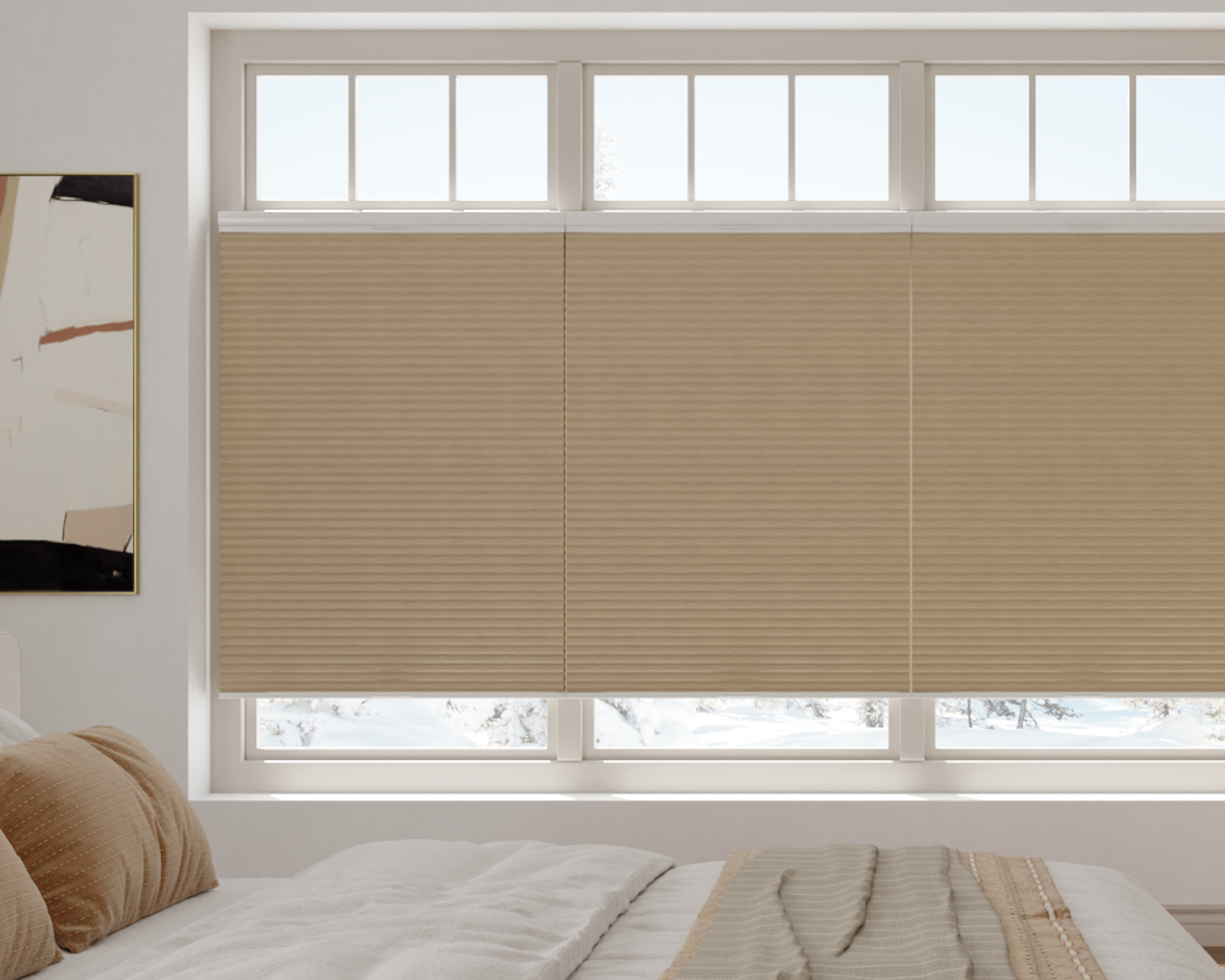
Top-Down/Bottom-Up Functionality: This is a highly valuable feature for picture windows. You can lower the shade from the top to block the high sun or an unattractive view while maintaining a clear line of sight at the lower level, preserving your connection to the outdoors.
For a comprehensive look at all opacity options and their best uses, our definitive guide on light filtering vs. room darkening vs. blackout cellular shades provides the perfect reference.
Conclusion: Embracing Scale with Intelligent Design
Covering a large picture window with cellular shades is a project that rewards careful planning and an investment in proper engineering. By respecting width limits, incorporating necessary supports, embracing motorized operation, and executing a secure installation, you can harness all the benefits of cellular shades—insulation, light control, and style—on a grand scale. The result is a window treatment that feels integral to the architecture, enhances daily comfort, and protects your view for years to come.
Key Highlights
-
Width dictates engineering: Exceeding manufacturer width limits requires mandatory center support brackets to prevent headrail sag.
-
Weight demands motorization: For large or double-cell shades, motorized operation is the most reliable, safe, and convenient choice.
-
Installation anchors must be robust: Large shades are heavy; mounting hardware must be appropriate for the wall or frame material to ensure long-term safety.
-
Frame depth is critical for inside mounts: Always verify the stack height will fit within your window's recess before choosing an inside mount and cell structure.
-
Design for the view: Choose opacity and features like top-down operation to manage light and privacy while preserving the connection to the outdoors that a picture window provides.
With this strategic approach, your cellular shades will transform your large picture window from a passive glass wall into an active, comfortable, and beautiful element of your home.
Explore Custom Cellular Shades


Frequently Asked Questions (FAQ)
What is the absolute maximum width for a single cellular shade panel?
While custom manufacturers can often build shades up to 144 inches (12 feet) wide or more, the practical, functional limit is determined by the headrail's strength and the operation method. Most manufacturers recommend a maximum of 96 to 120 inches for a single motorized panel, often requiring one or more center supports. For widths beyond this, splitting the window into two or more adjacent panels is standard and recommended for reliability.
Can I install large cellular shades myself, or do I need a professional?
DIY installation is possible for experienced individuals, especially with battery-powered motorized shades. However, for very large, heavy, or hardwired motorized shades, professional installation is strongly advised. Professionals ensure perfect leveling, secure anchoring into structural supports, proper motor programming, and seamless integration of center supports, mitigating the risk of costly errors or safety issues.
My large picture window is also very tall. Does that change anything?
Yes, height adds two factors: weight and cord/chain length (if applicable). More fabric increases weight, further reinforcing the need for a robust motor. For corded shades (not recommended), a very long lift cord becomes a major safety hazard. Tall windows also benefit greatly from motorization with preset positions, allowing you to easily lower the shade to a precise height to block glare while leaving the top open for light.
How do I clean cellular shades that are too large to take down easily?
You clean them in place. Use the brush attachment on your vacuum cleaner for weekly dusting. For spot cleaning or a deeper refresh, use the "two-sponge method": one damp sponge with mild soapy water to gently press and lift dirt from a section, followed immediately by a dry sponge to absorb moisture. Work in small sections from top to bottom. Our comprehensive guide on cleaning cellular shades without causing damage details this safe process.
Will cellular shades help with energy costs for my large, inefficient picture window?
Dramatically so. Large windows are the biggest source of energy transfer in a room. High-quality double-cell cellular shades act as a significant insulating barrier. By closing them at night in winter, you reduce heat loss; by closing them on sunny summer afternoons, you block solar heat gain. This active management can lead to measurable reductions in heating and cooling costs, making the shades a long-term investment in efficiency. For a detailed analysis, see our breakdown of the energy savings payback for insulating cellular shades.
