



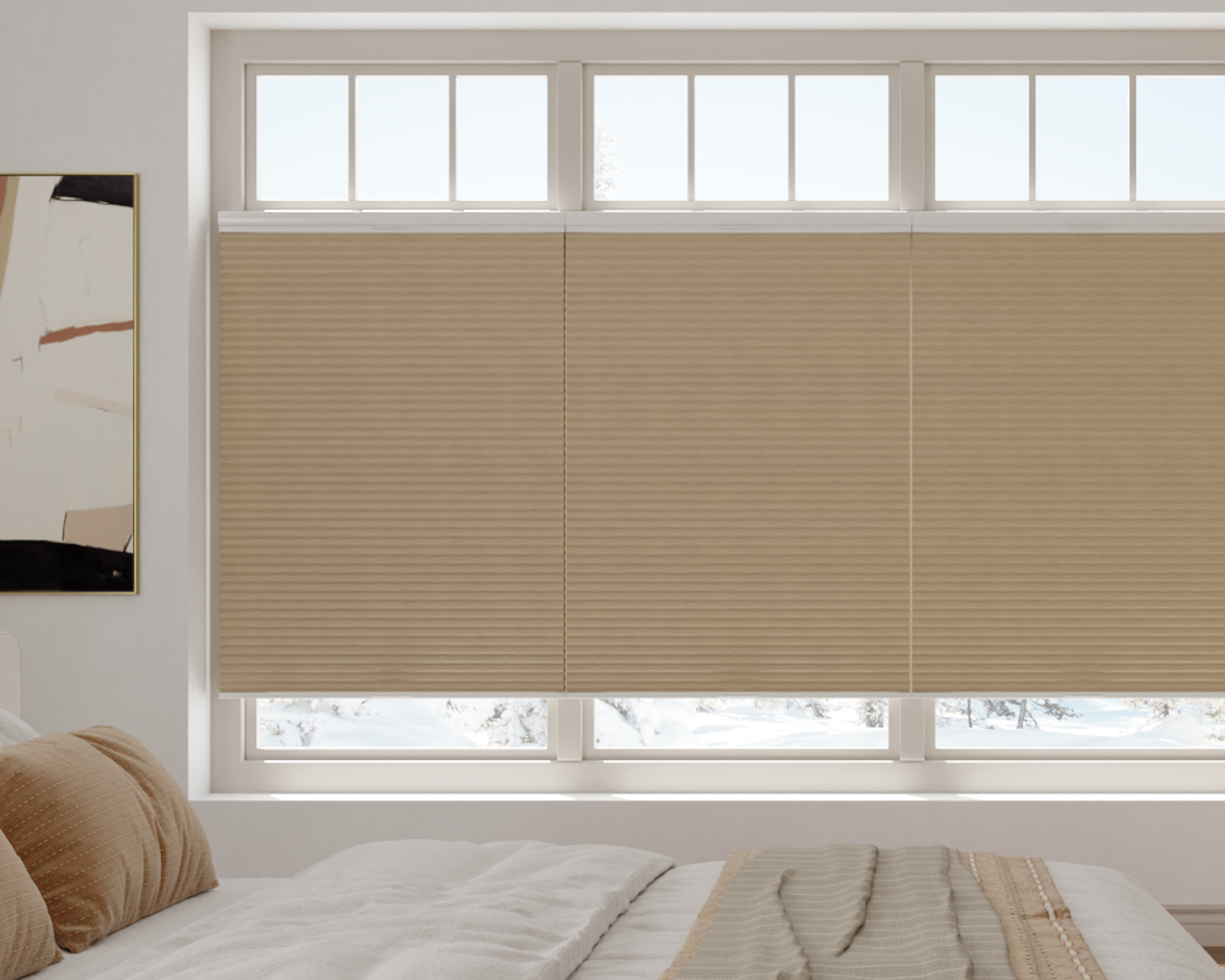



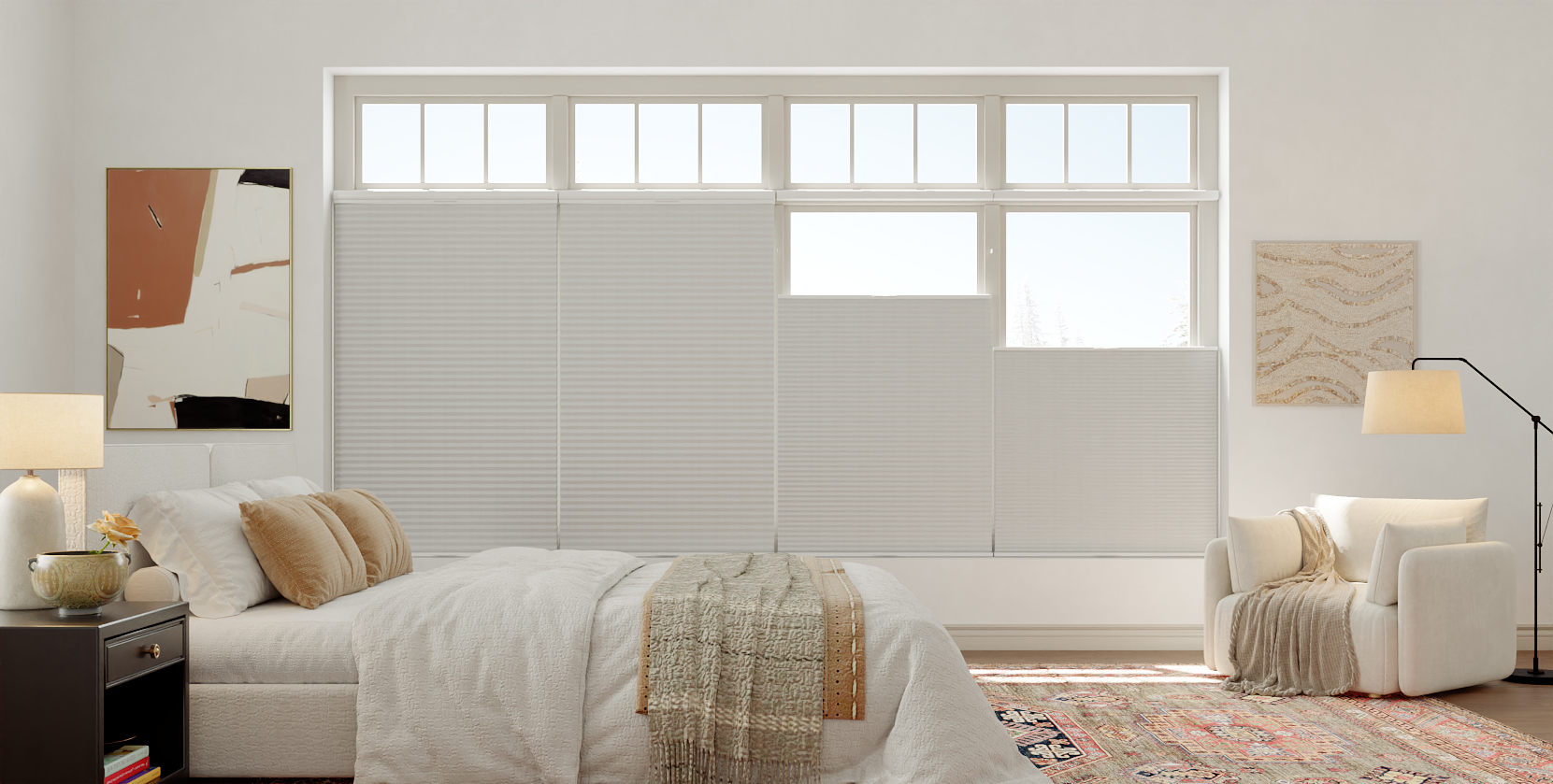


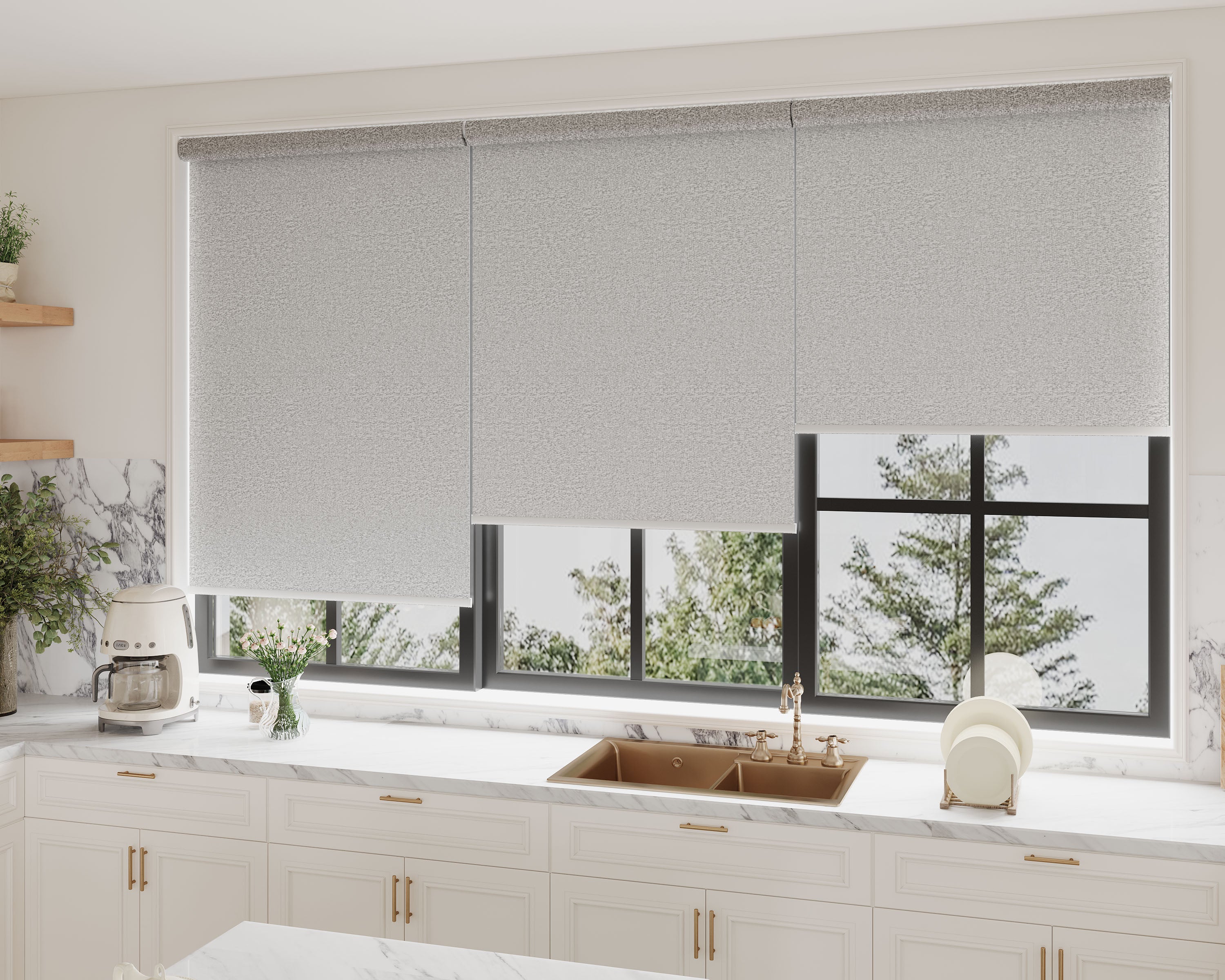

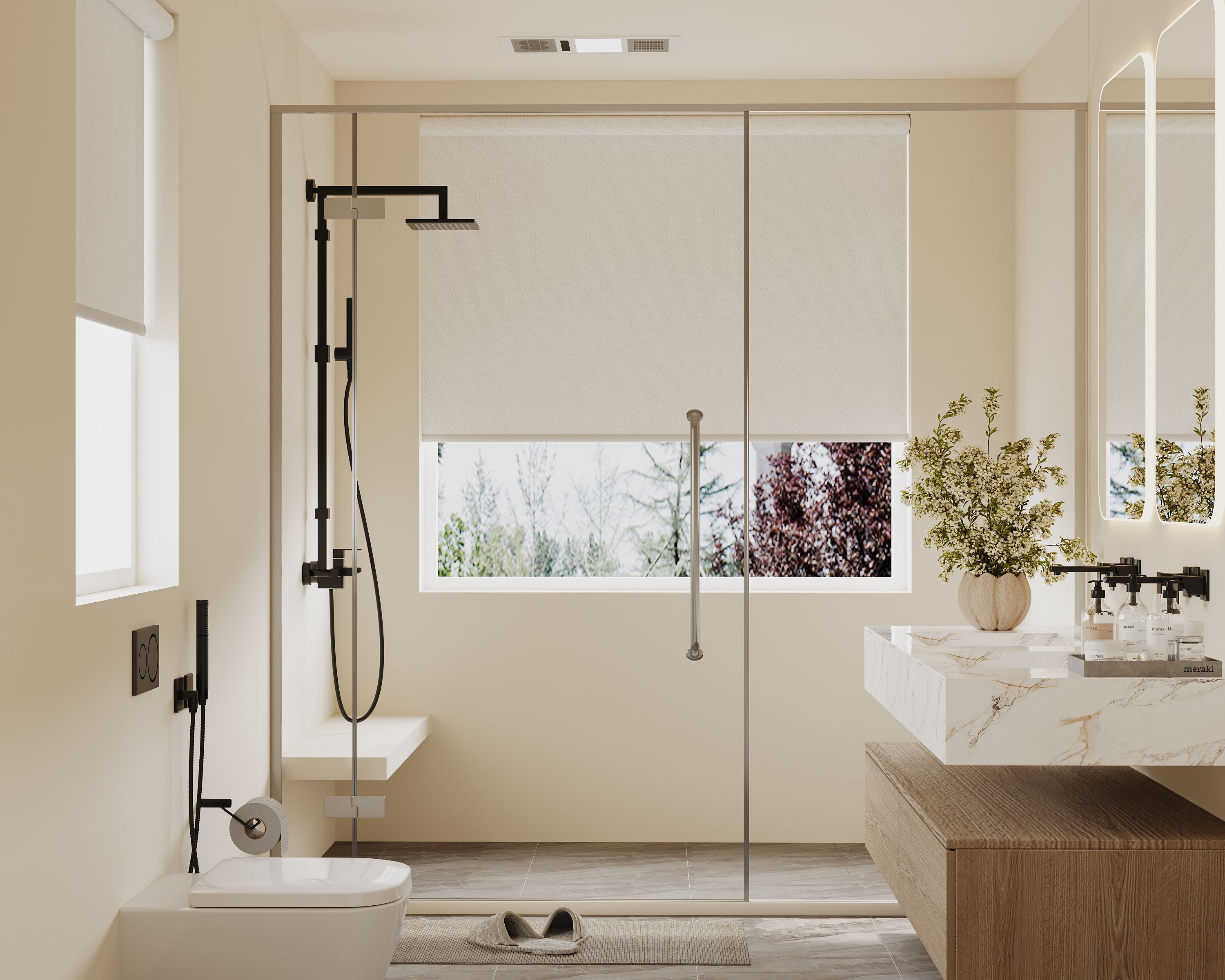


The most common sheer shade mechanism problems—a shade that won't stay up, a tangled bead chain, or fabric that rolls up crookedly—are often simple DIY fixes once you understand the basic components. Successful repair starts with correctly identifying your shade's lift system and following precise, safe steps for that mechanism. For persistent issues or if you're considering a replacement, exploring new reliable sheer shade mechanisms might be the best long-term solution.
Before you start, unplug any tools and work on a clean, flat surface. If you have corded shades, be aware of safety risks and review modern cordless safety standards.
Here’s how we’ll systematically solve your shade problem:
-
A quick diagnostic guide to identify your shade's lift type and the specific symptom.
-
Targeted repair steps for spring roller mechanisms (shade won't stay up/down) and bead chain/cord problems (tangles, jams).
-
Solutions for alignment and fabric issues like crooked rolling or loose hem bars.
-
Clear guidance on when a repair is not advisable and replacement is the smarter choice.
Step 1: Diagnose Your Shade & Identify the Problem
First, determine what type of operating system your sheer roller shade uses. Look at the right side of the headrail (when facing the window).
-
Cordless Clutch Mechanism: You operate it by gently pulling the bottom rail down and pushing it up. There are no cords or chains. Problems usually involve the clutch not holding tension.
-
Bead Chain & Cord Loop: A looped cord or plastic bead chain operates the shade. Problems include tangles, breaks, or the chain not engaging the gear.
-
Continuous Cord Loop: A single, long cord looped through a pulley. Issues are similar to bead chains (tangles, slipping).
Now, match your mechanism to the most common symptom:
| Symptom | Most Likely Mechanism | Probable Cause |
|---|---|---|
| Shade won't stay down; it snaps back up. | Cordless Clutch or Spring Roller | Insufficient spring tension; clutch needs resetting. |
| Shade won't stay up; it falls down slowly. | Cordless Clutch or Spring Roller | Too much spring tension; clutch is worn. |
| Shade is crooked / rolls up unevenly. | Any mechanism. | Fabric is not square on the roller; end cap is misaligned. |
| Chain/Cord is tangled or jammed. | Bead Chain or Cord Loop. | Chain jumped track; internal gear is jammed with debris. |
| Pulling chain does nothing. | Bead Chain or Cord Loop. | Broken chain; disengaged gear; broken clutch. |
Step 2: Repair Solutions by Problem Type
Fix A: Cordless/Spring Roller Shade Won't Stay Up or Down
This is a tension issue. The spring inside the roller tube needs to be "rewound" to match your shade's weight.
-
Remove the Shade: Lower the shade halfway. Depress the small plastic pin on the NON-motor side and gently remove that end from its bracket. Then, slide the entire shade out of the clutch-side bracket.
-
Roll It Tightly: Firmly hold the clutch mechanism to prevent it from spinning. With your other hand, manually roll the shade fabric UP tightly and evenly around the roller tube. Apply firm, even pressure.
-
Re-hang & Test: While keeping the shade tightly rolled, carefully place the pin end back into its bracket, then the clutch end into its bracket. Slowly release the fabric and test. It should now stay where you put it.
-
Repeat if Necessary: If it still doesn't hold, repeat the process. You may need to roll it tighter or, in rare cases, repeat 2-3 times. The clutch needs to "learn" the new tension.
Fix B: Bead Chain is Tangled or Jammed
Do not force the chain. Forcing can break the plastic drive gear inside the headrail.
-
Remove the Shade: Follow step 1 above to take the shade down.
-
Inspect the Gear Housing: Look at the end where the chain enters the headrail. You may see a small, clear plastic housing. Gently try to free any visibly bunched links with a toothpick or small screwdriver.
-
Untangle Externally: If the chain is tangled outside the housing, slowly work the knots out by hand. If links are crushed or broken, you cannot repair them; the chain must be replaced.
-
Re-hang & Test Gently: Once free, re-hang the shade. Before operating, gently pull the chain to see if it moves smoothly. If it's still jammed internally, the mechanism may need professional service or replacement.
Fix C: Shade Rolls Up Crookedly
This means one side of the fabric is tighter on the roller than the other.
-
Lower the Shade completely.
-
Locate the Fabric Hem Bar: The weighted bar at the bottom of the shade is often held in with tension or clips.
-
Release One End: Gently remove one end of the hem bar from its pocket or clip. You will now see the fabric is loose on one side.
-
Re-align and Re-tension: Gently pull the loose side of the fabric downward to create even tension with the other side. While holding it taut, carefully re-insert the hem bar end.
-
Test: Operate the shade. It should now roll up straight. For more nuanced fixes, our guide on leveling crooked shades without re-drilling has additional tips.
Step 3: When to Attempt Repair vs. Replace
Not every problem is worth fixing. Use this guide to decide.
| Scenario | Recommended Action | Why |
|---|---|---|
| Simple tangle or tension issue resolved with above steps. | Repair. | You've successfully solved it. Perform regular post-install maintenance checks to prevent recurrence. |
| Broken bead chain or cord. | Consider Replacement. | Sourcing and threading a new chain is often as costly and complex as a new, safer cordless shade. |
| Clutch mechanism is physically broken (cracked housing, stripped gears). | Replace the Shade. | Internal parts are not user-serviceable. Repair attempts will likely fail. |
| Fabric is torn, severely stained, or sun-rotted. | Replace the Shade. | The mechanism may be fine, but the cost to re-fabricate a custom shade is often high. A new shade updates both. |
| Persistent malfunction after attempted repair. | Replace the Shade. | It indicates worn-out internal components. Further DIY is time-consuming with low success odds. |
For a broader perspective on this decision, our article on when to re-string versus replace a corded shade offers a detailed cost-benefit analysis.
Essential Safety & Prevention Tips
-
Cord Safety is Critical: If repairing a corded shade, keep it completely away from children and pets during and after the process. The safest permanent solution is to upgrade to a cordless or motorized shade.
-
Use the Right Tools: You typically only need your hands, a flat surface, and patience. Avoid using excessive force, hammers, or power tools.
-
Preventative Care: Regularly dust your shades with a soft brush attachment to keep debris out of mechanisms. Operate shades gently—yanking on chains or slamming the bottom rail stresses components. For fabric care, follow safe cleaning methods for delicate materials.
Conclusion and Key Highlights
Repairing a sheer shade mechanism is often a matter of methodical diagnosis and gentle correction, not complex tools. By understanding whether you're dealing with a tension problem, a physical jam, or an alignment issue, you can apply the right fix and often restore smooth operation in minutes.
Key Highlights:
-
Diagnosis is 90% of the repair. Correctly identify your mechanism (cordless clutch vs. bead chain) and symptom before taking any action.
-
For tension issues, the universal fix is to manually re-roll the shade tightly and re-hang it to reset the internal spring.
-
For tangles and jams, work gently to avoid breaking internal plastic gears. Never force a stuck chain.
-
Crooked rolling is usually a simple fix by releasing and re-tensioning the fabric on the hem bar.
-
Know when to stop. If components are broken, the fabric is damaged, or repairs repeatedly fail, investing in a new, modern shade is often the most cost-effective and satisfying solution.
By following these structured steps, you can extend the life of your window treatments and enjoy their functionality for years to come.
Shop Sheer Shades by Light Control


Frequently Asked Questions (FAQ)
Can I lubricate a noisy or stiff sheer shade mechanism?
It's generally not recommended. Most modern roller shade mechanisms use plastic gears and clutches where oil or silicone spray can attract dust and cause gumming, making the problem worse. For noise, first ensure the shade is correctly aligned in its brackets and that the fabric is rolling evenly. If a metal spring is squeaking, a tiny, targeted drop of lightweight machine oil on the spring coil (not the gears) may help, but proceed with extreme caution.
My shade's chain just spins freely and doesn't move the shade. What's wrong?
This typically indicates one of two issues: 1) The plastic drive gear inside the headrail is stripped and no longer engages the chain, or 2) The clutch mechanism has failed internally. This is often a terminal problem for the mechanism. You can attempt to open the end cap to inspect, but replacement of the entire shade or its operating system is the most likely solution.
How do I fix a loose hem bar at the bottom of my shade?
If the weighted hem bar is falling out, the fabric channel has likely stretched. For a temporary fix, you can apply a dot of strong, clear-drying fabric glue (like E6000) to the end of the bar and re-insert it, holding it in place until the glue sets. For a permanent repair, a tailor or upholsterer can sew a new, tighter channel.
Is it possible to convert my corded sheer shade to cordless?
Yes, via professional retrofitting. Some manufacturers and specialty blind repair shops offer services to replace a corded clutch mechanism with a new cordless clutch. However, the cost of this service plus labor may approach 50-75% of the price of a new cordless shade. It's worth getting a quote, but often replacing the entire shade is more economical and gives you a like-new product.
Why does my shade work fine sometimes but not others?
Intermittent operation usually points to a partially worn clutch or gear. It may catch sometimes and slip at others, especially if the shade is at a certain weight or angle. This is a sign of impending complete failure. You can try the tension-reset method, but be prepared that the mechanism is likely wearing out and will need replacement sooner rather than later.
