
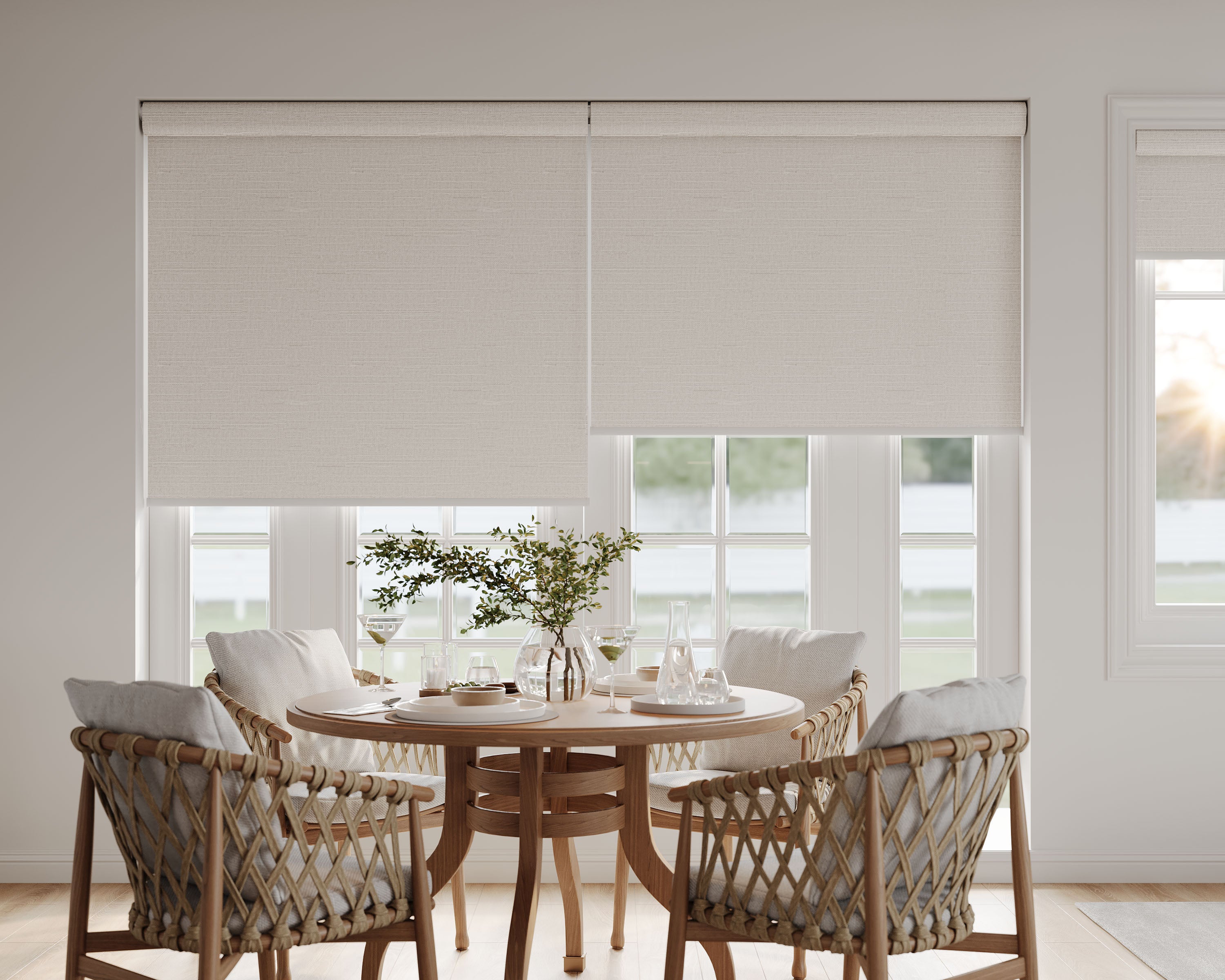


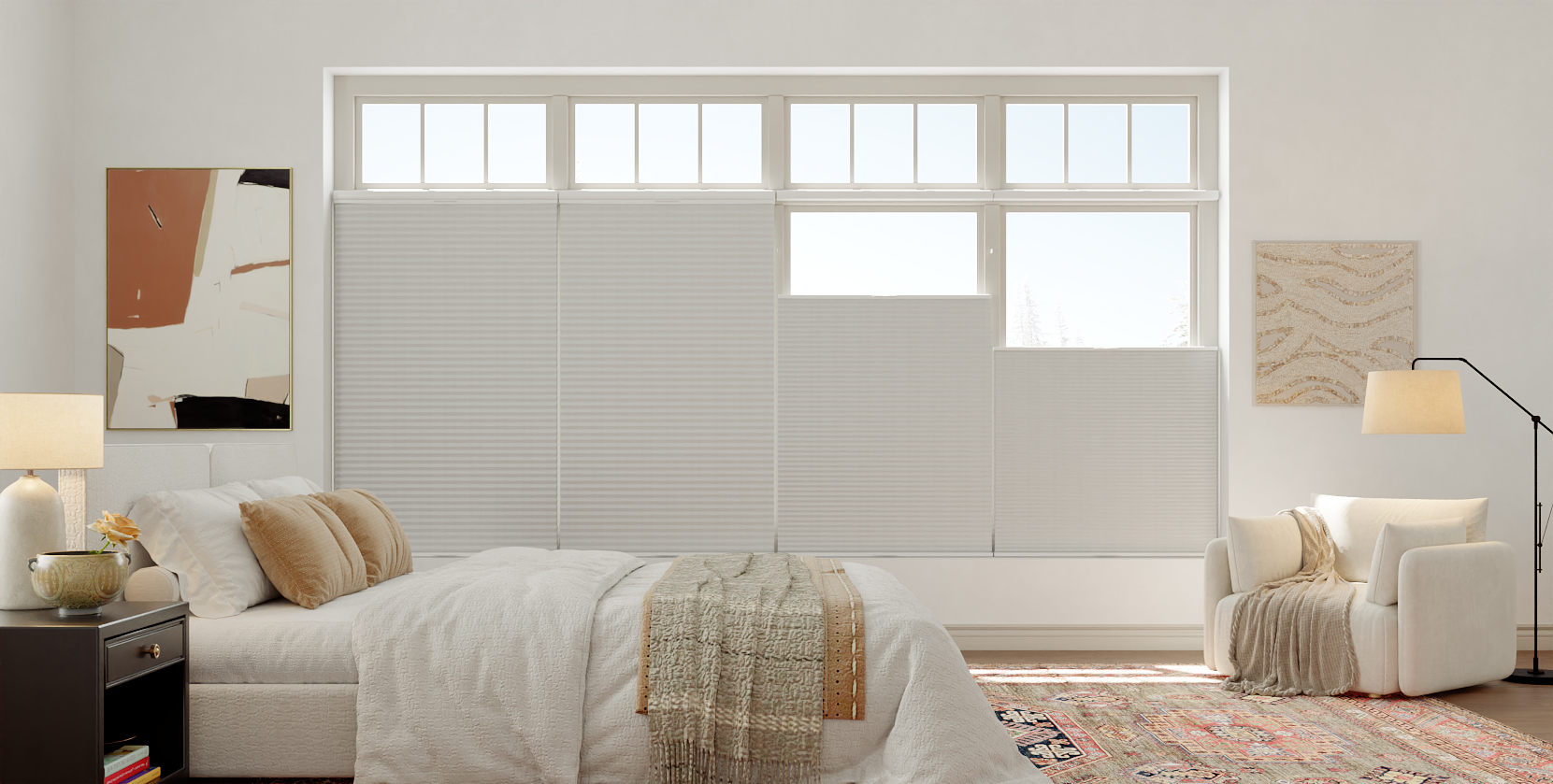


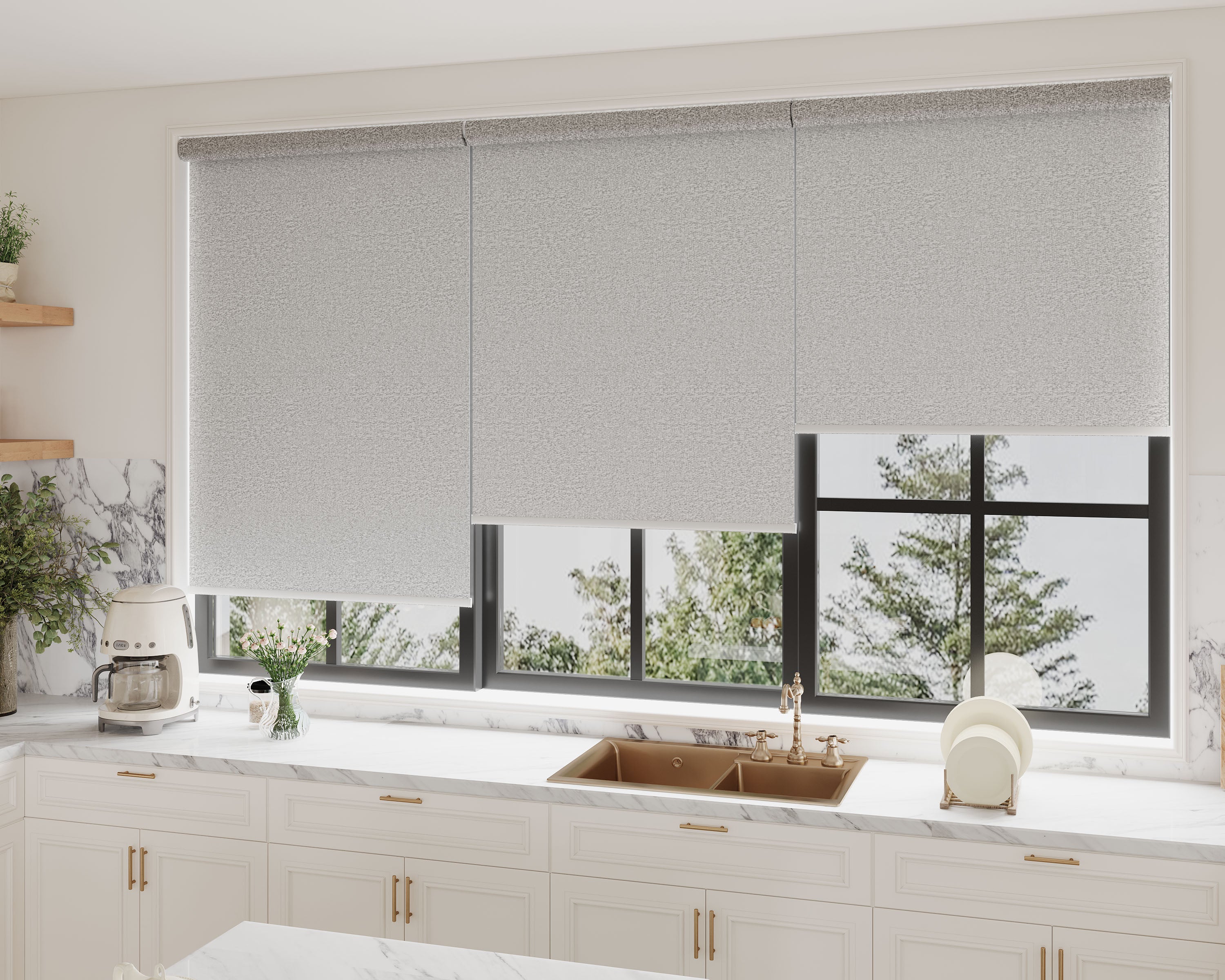

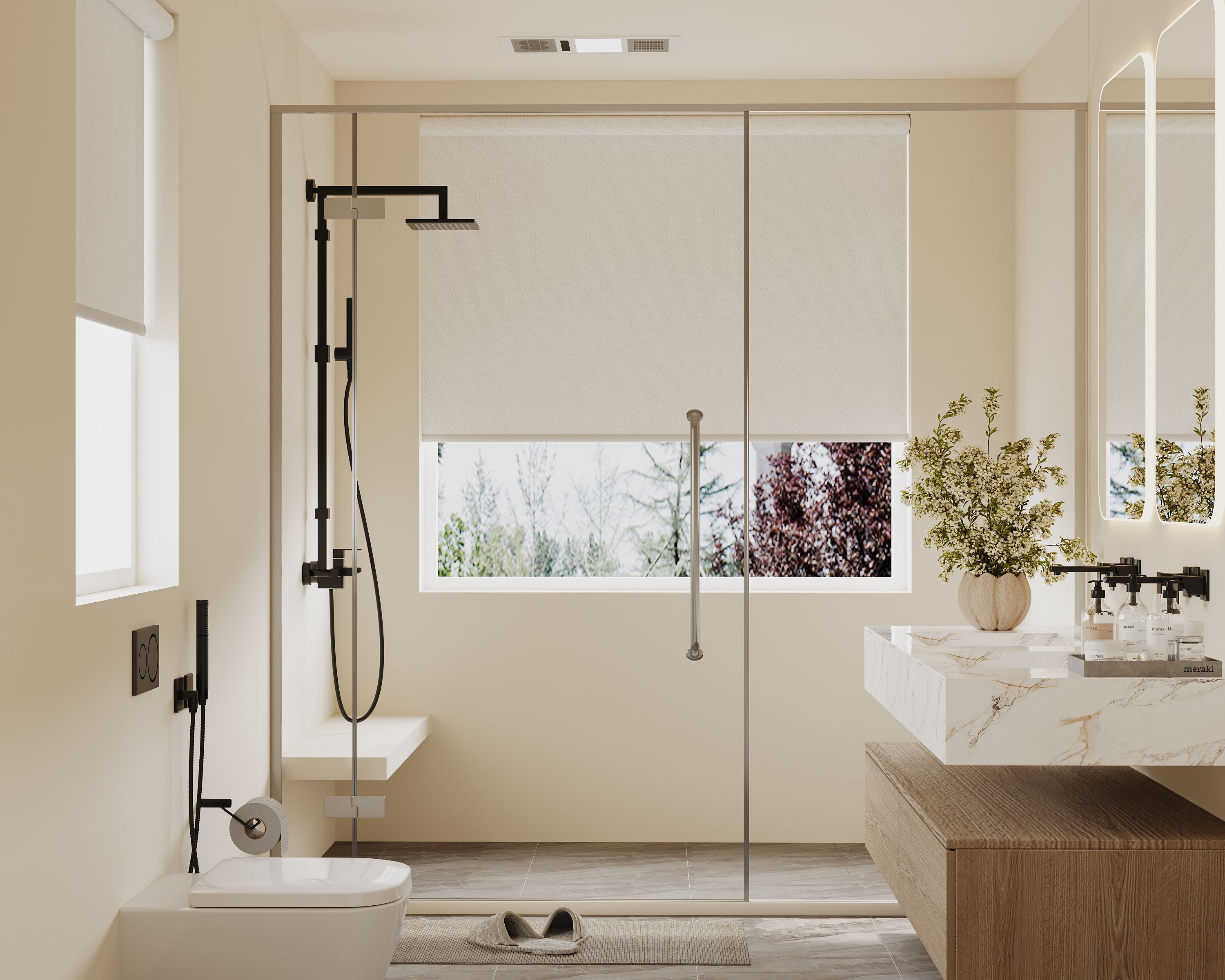


Modern farmhouse style masterfully balances the cozy, textural warmth of traditional farmhouses with the clean, uncluttered sensibility of contemporary design. Roman shades, with their structured yet soft fabric folds, are an ideal window treatment to anchor this aesthetic. This guide will help you select Roman shades that contribute to this balanced look, focusing on material choices, color palettes, and styles that feel both timeless and fresh.
Here’s what you’ll learn:
-
The core design principles of modern farmhouse and how Roman shades support them.
-
The best fabric types, weaves, and colors to achieve an authentic yet updated look.
-
How to choose between flat, hobbled, and relaxed Roman shade styles for your farmhouse space.
-
Room-by-room application ideas, from bright kitchens to serene bedrooms.
-
How to mix textures and layer with other elements like curtains for a finished look.
To find the perfect foundation for your farmhouse windows, begin with our collection of customizable Roman shades in natural fabrics and neutral hues.
Core Principles: Modern Farmhouse Meets Roman Shades
The modern farmhouse aesthetic is built on a specific, blend of contrasts. Your window treatments should reflect these key principles:
-
Neutral & Natural Color Palette: A foundation of whites, creams, beiges, soft grays, and black accents.
-
Emphasis on Texture: Visual interest comes from material texture—nubby linens, woven woods, and subtle imperfections—rather than bold patterns.
-
Clean-Lined Simplicity: Shapes are streamlined and functional, avoiding excessive frills or ornamentation.
-
Warm, Organic Materials: A connection to nature through the use of wood, stone, cotton, linen, and jute.
Roman shades naturally align with this by offering a tailored silhouette (the "modern" element) in soft, textured fabrics (the "farmhouse" element).
Selecting the Right Fabrics and Colors
The fabric is where your shade expresses its farmhouse character. Prioritize natural fibers and textural interest.
Ideal Fabrics for Modern Farmhouse
-
Linen: The undisputed star. Its natural slubs, slight irregularities, and breathable quality bring effortless, rustic elegance. A linen Roman shade in a neutral tone is a quintessential modern farmhouse choice.
-
Cotton & Cotton Blends: Choose cotton canvas, duck, or matte sateen for a softer, more casual look. These fabrics offer excellent durability and a clean backdrop.
-
Textured Weaves: Look for fabrics with a herringbone, basketweave, or bouclé texture. These add depth and a handcrafted feel without introducing color or pattern.
-
Woven Woods (Bamboo, Grasses): For a stronger organic hit, woven wood Roman shades made from bamboo or jute introduce natural fibers and geometric texture, perfect for sunrooms or kitchens.
The Modern Farmhouse Color Palette
Stick to a calming, cohesive neutral scheme:
-
Whites & Creams: Pure white, oyster, ivory, and cream for a bright, airy base.
-
Warm Grays & Beiges: Greige (gray-beige), taupe, and putty add sophistication without coldness.
-
Black & Charcoal: Used as an accent, such as in a black iron hardware finish on the brackets or a thin trim, to ground the space and add modern contrast.
-
Natural Undertones: Let the inherent color of the material—like the golden hue of natural bamboo or the ecru of unbleached linen—shine through.
Choosing the Perfect Roman Shade Style
The fold style influences the formality and texture of the shade.
Flat Fold Roman Shades: The Modern Anchor
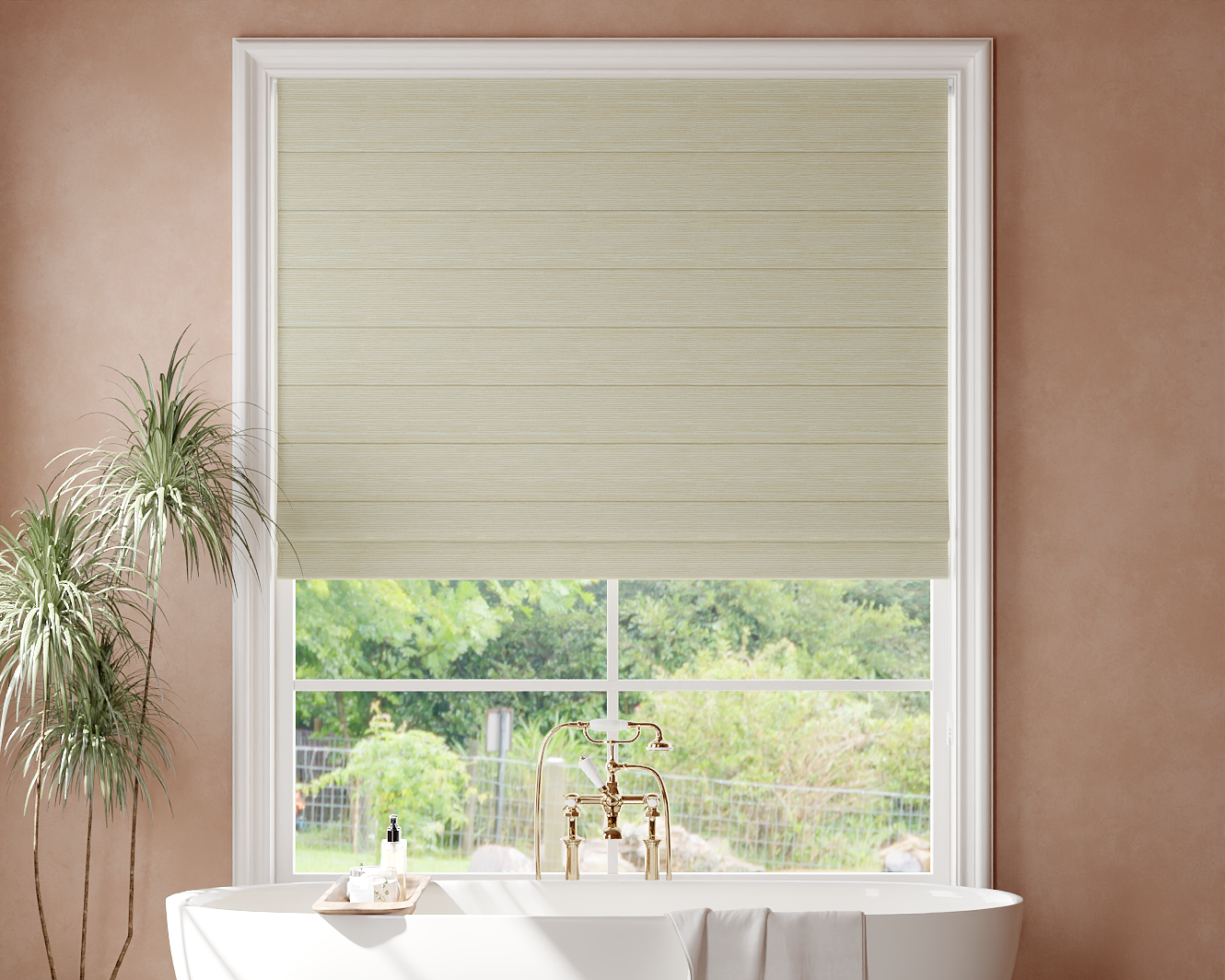
For a lean, contemporary farmhouse look, flat fold Roman shades are perfect. Their smooth, crisp planes align with the minimalist side of the aesthetic, especially when made from a textural linen. They provide a clean backdrop that lets other rustic elements in the room stand out.
Relaxed Roman Shades: Casual, Soft Elegance
Relaxed Roman shades embody the soft, comfortable side of farmhouse living. Their gentle, curved bottom and loose folds introduce a relaxed, approachable elegance. They look particularly beautiful in living rooms and bedrooms when made from a drapey linen or cotton, pairing well with other soft furnishings. Understanding the differences between flat, hobbled, and relaxed styles will help you decide on the right mood.
Hobbled Roman Shades: Traditional Texture
Hobbled Roman shades offer the most traditional, textured silhouette with their deep, continuous folds. To keep them feeling "modern," use them in a solid, light-colored fabric rather than a patterned one. They add significant softness and dimension, ideal for more formal spaces like a dining room within a farmhouse.
Designing Room-by-Room
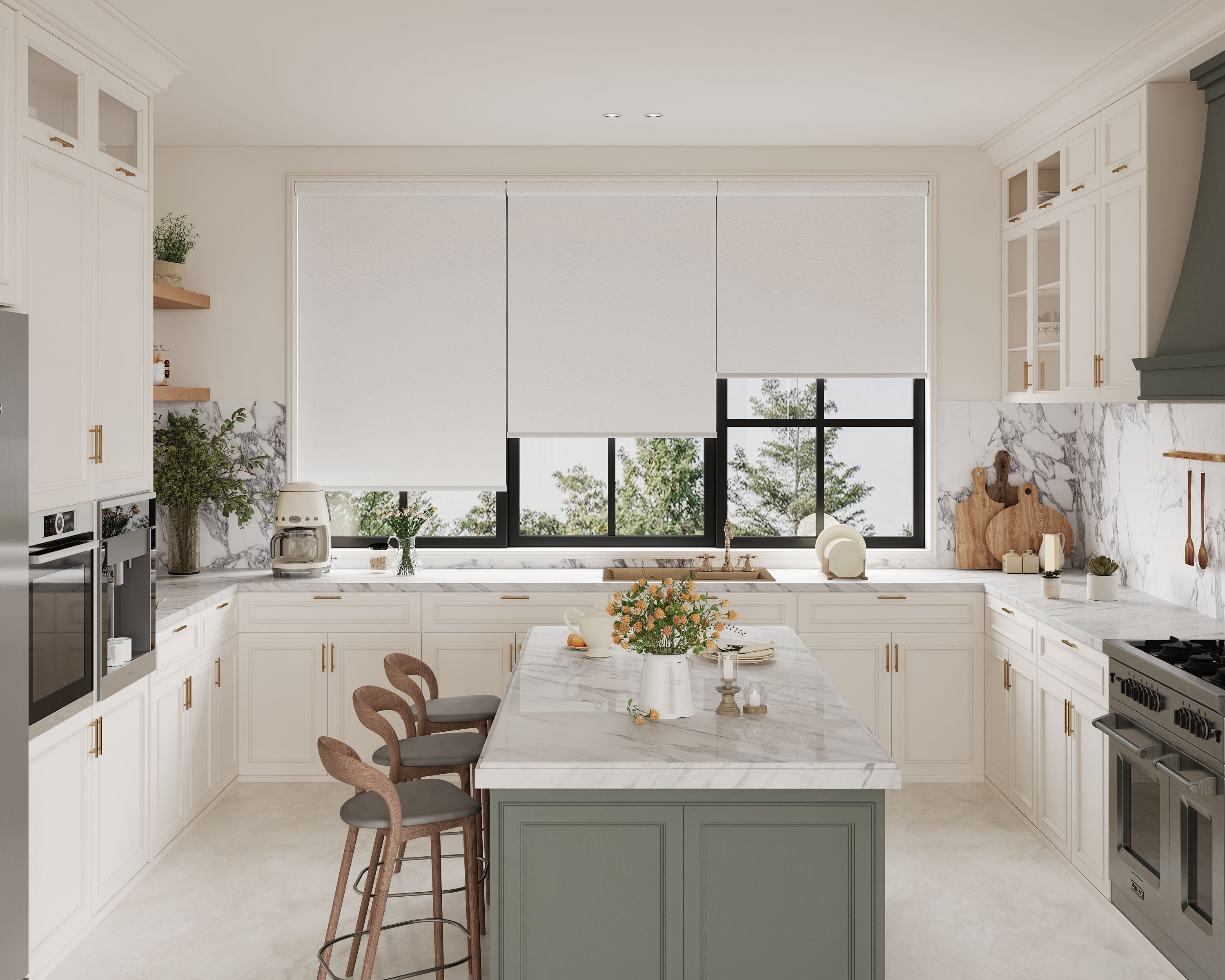
Kitchen & Breakfast Nook
The heart of the home needs light and durability. Opt for light-filtering linen or cotton shades in white or cream to diffuse sunlight beautifully. A flat or relaxed fold maintains a clean look. For easy operation with messy hands, consider a cordless or motorized lift system.
Living & Dining Rooms
These spaces balance comfort and style. A textured relaxed or hobbled shade in a warm gray or greige adds coziness. Consider a room-darkening lining if you watch movies here. For large windows common in open-concept farmhouses, ensure proper scale and support, as detailed in our guide for Roman shades on large windows.
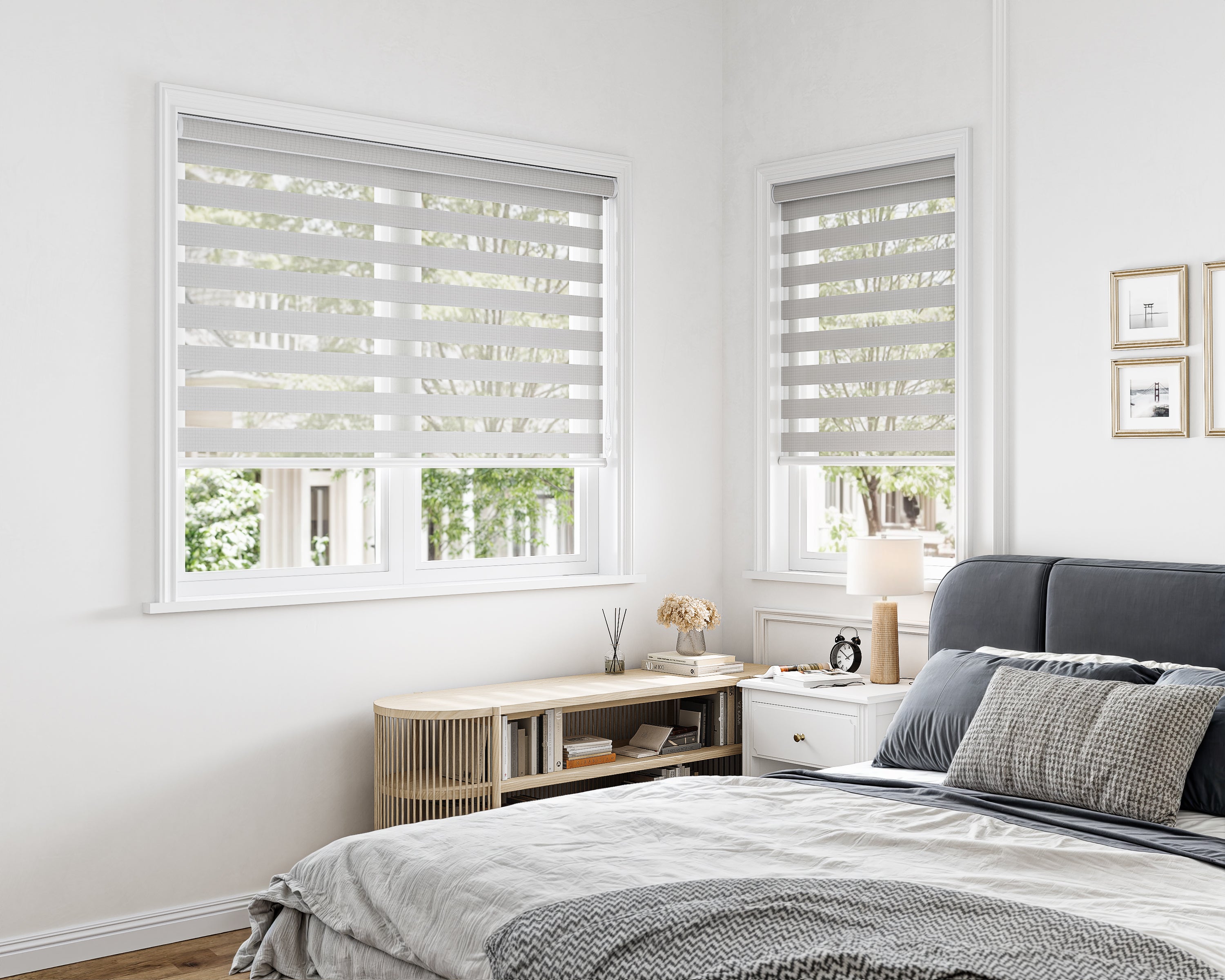
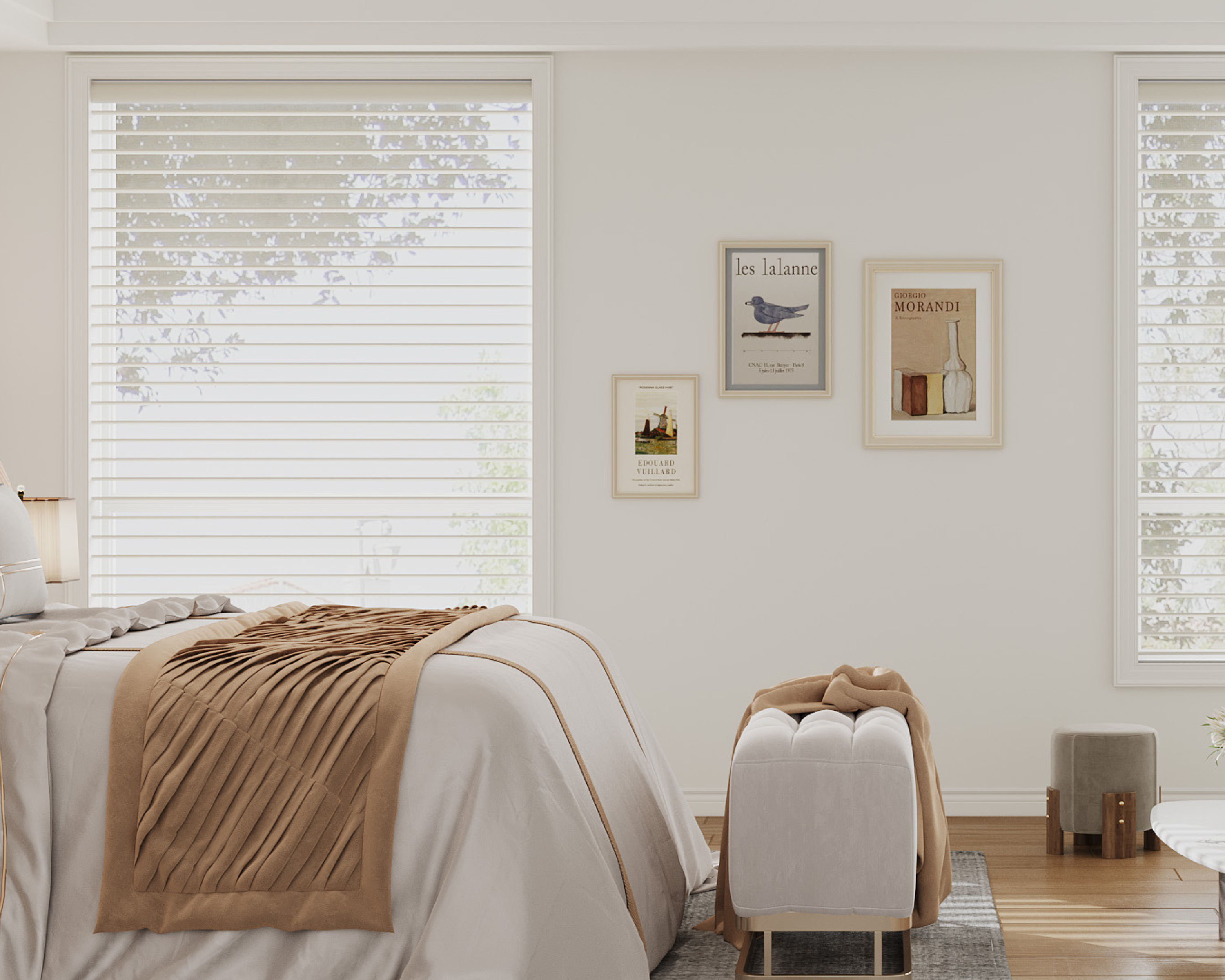
Bedrooms
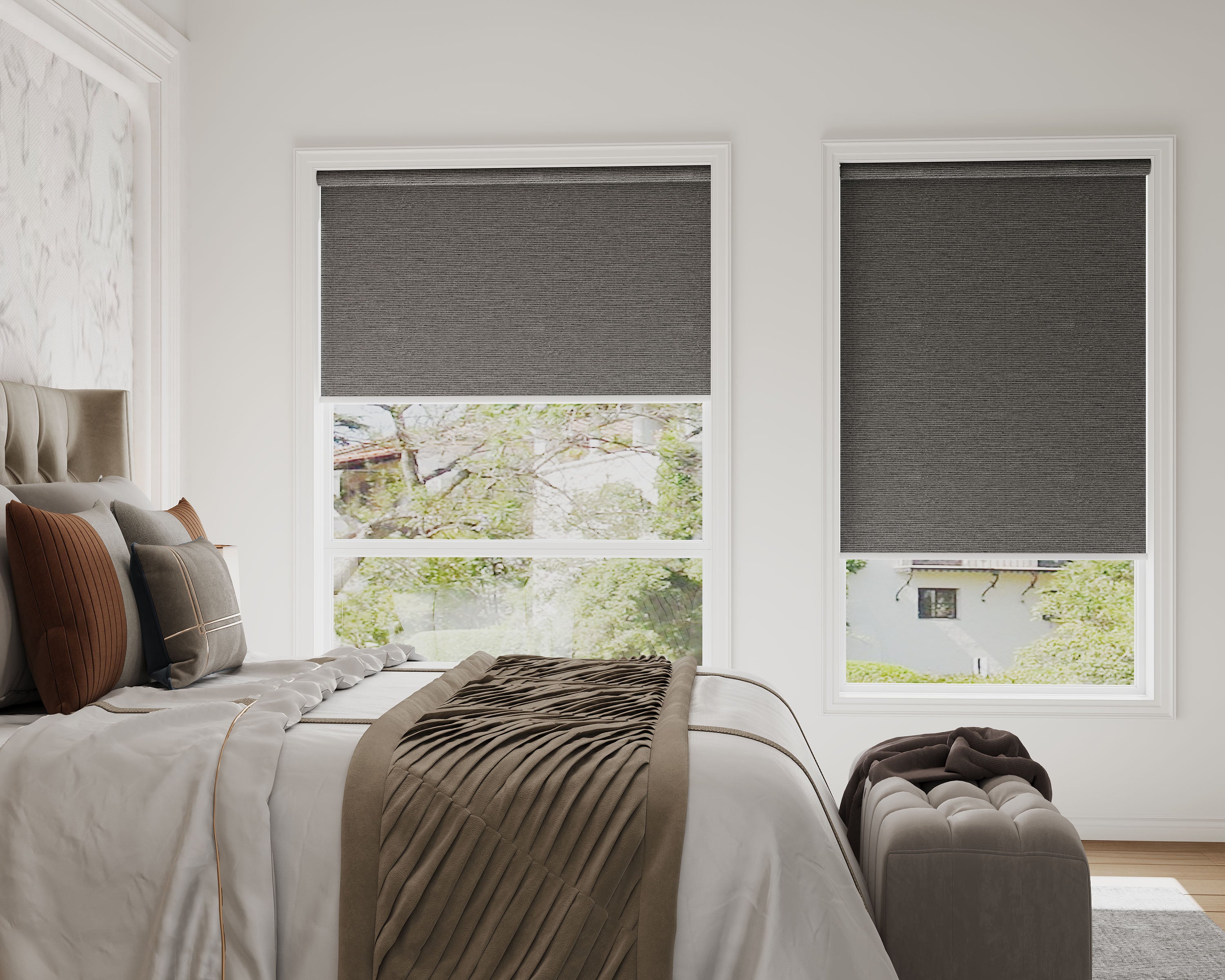
Create a serene, cloud-like retreat. A soft linen Roman shade with a blackout lining is ideal. The linen provides texture during the day, and the lining ensures restful sleep—a key consideration explored in our guide to using Roman shades in bedrooms. Choose a relaxed or flat fold in a calming cream or pale gray.
Finishing Touches: Layering and Hardware
-
Layering with Curtains: For ultimate coziness, layer your Roman shade with simple linen or cotton curtain panels in a similar hue. Hang the curtains high and wide on a black iron rod to amplify the farmhouse feel. The Roman shade provides light control, while the curtains add softness and grandeur.
-
Hardware Details: Choose simple, unadorned brackets in a matte black, oil-rubbed bronze, or unlacquered brass finish. The hardware should be functional and understated, not ornate.
-
Mounting: For the cleanest look, an inside mount is preferred if your window depth allows. If not, a simple outside mount works well. The right mounting choice is crucial for both aesthetics and function, as explained in our inside vs. outside mount comparison.
Conclusion and Key Recommendations
Achieving modern farmhouse style with Roman shades is about curating a feeling of relaxed, textured sophistication.
Stick to a Neutral, Natural Palette: Let whites, creams, grays, and material textures be your guide.
Embrace Natural Textures: Linen is your best friend. Woven woods and textured cottons are close seconds.
Choose a Clean Silhouette: Flat fold shades emphasize the modern; relaxed shades emphasize the comfort; hobbled shades add traditional texture.
Layer Thoughtfully: Combine with simple curtains and intentional hardware for a polished, layered look.
Function Matters: Don't forget linings for light control and cordless/motorized operation for safety and ease in busy farmhouse kitchens and living areas.
Key Highlights:
-
Linen is King: No other fabric so perfectly captures the modern farmhouse ethos of effortless, textural warmth.
-
Simplicity Over Ornament: The beauty comes from material and form, not from complex patterns or trims.
-
Balance is Everything: The "modern" is in the clean lines and neutral palette; the "farmhouse" is in the natural textures and organic materials. Your Roman shade should live at this intersection.
Shop Roman Shades by Light Control


Frequently Asked Questions (FAQ)
Can I use patterned Roman shades in a modern farmhouse room?
Typically, patterns are used very sparingly in modern farmhouse design. If you introduce a pattern, it should be small-scale, subtle, and neutral-toned—think a faint ticking stripe, a small-scale check, or a tonal geometric. Solid textures are generally a safer and more authentic choice.
What color Roman shade should I choose for white farmhouse walls?
You have two excellent options: 1) Match the white for a seamless, serene, and expansive look that highlights other textures in the room. 2) Choose a soft contrasting neutral like a warm greige, light oat, or pale gray to add subtle depth and definition to the window without introducing color.
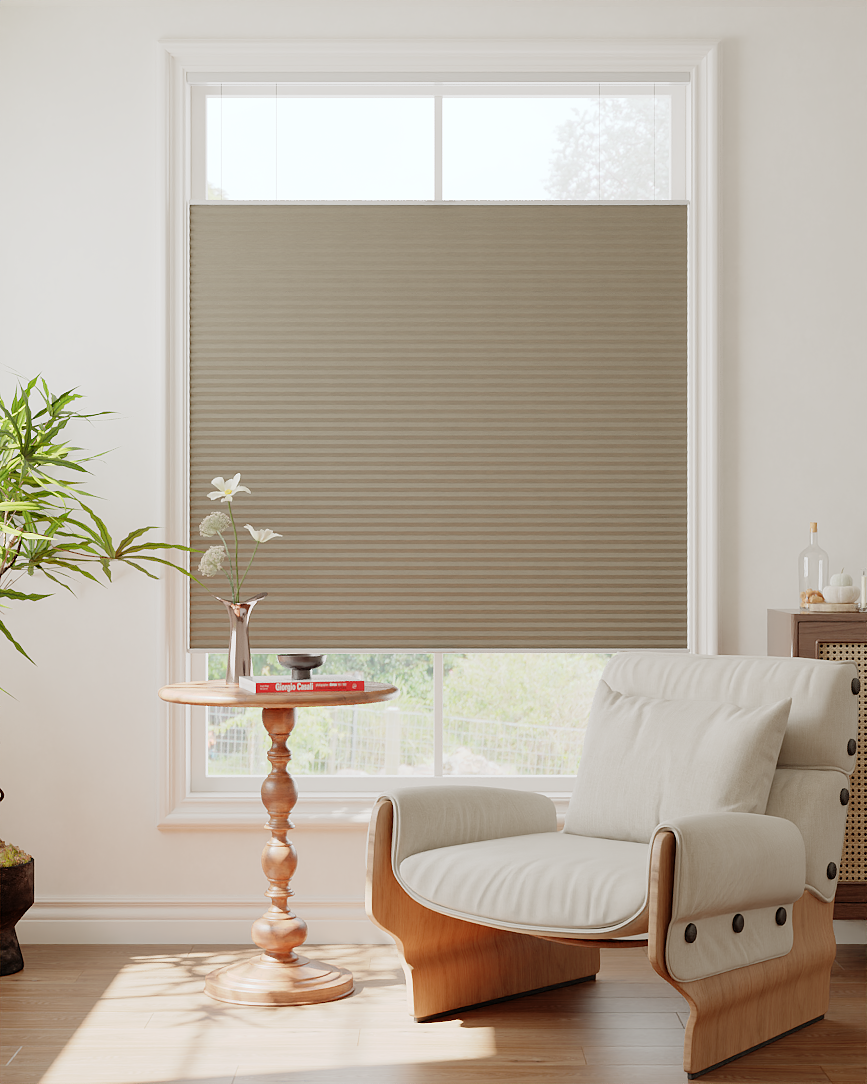
Are Roman shades with a top-down bottom-up feature good for farmhouse style?
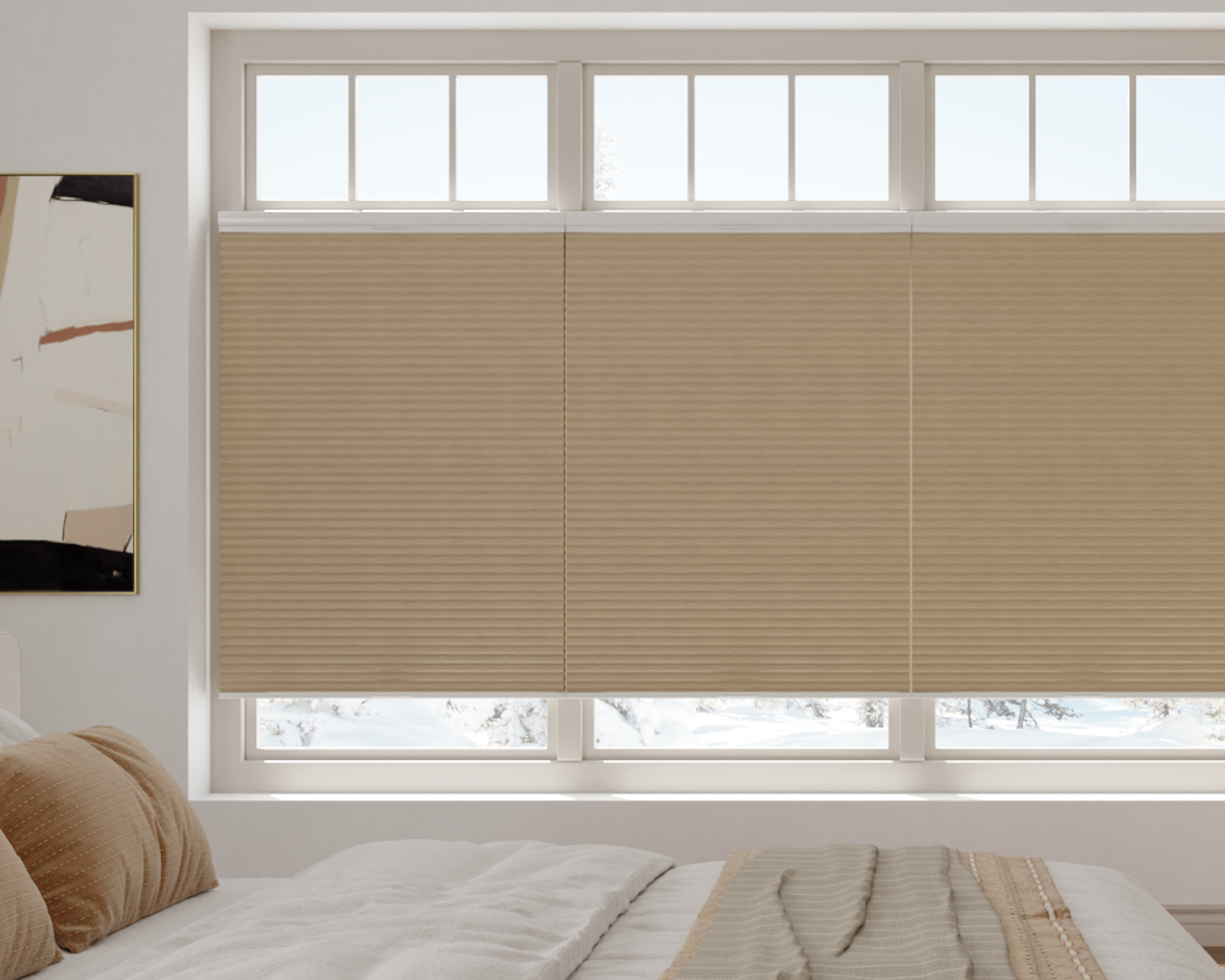
Functionally, yes—they offer excellent light and privacy control. Aesthetically, they work perfectly as they are a clean, modern innovation. In a farmhouse setting, ensure the fabric and color are appropriate (e.g., a natural linen), and the style will fit right in, especially in rooms like the kitchen or home office where flexible light is key.
How do I clean textured linen Roman shades in a busy household?
Regular maintenance is key. Gently vacuum shades with a brush attachment every few weeks to prevent dust from settling into the texture. For spot cleaning, use a mild detergent and a barely damp cloth, dabbing (not rubbing) the area. Always check the manufacturer's care instructions first. Their textural nature helps hide minor wear and tear, contributing to the lived-in charm.
Can I mix Roman shade styles in an open-concept modern farmhouse space?
Yes, but do so intentionally. For visual cohesion, use the same fabric and color across different styles. For example, you might use flat fold shades in the kitchen for a crisp look and relaxed shades in the adjoining living area for softness. This creates subtle zoning while maintaining a unified material palette.
