
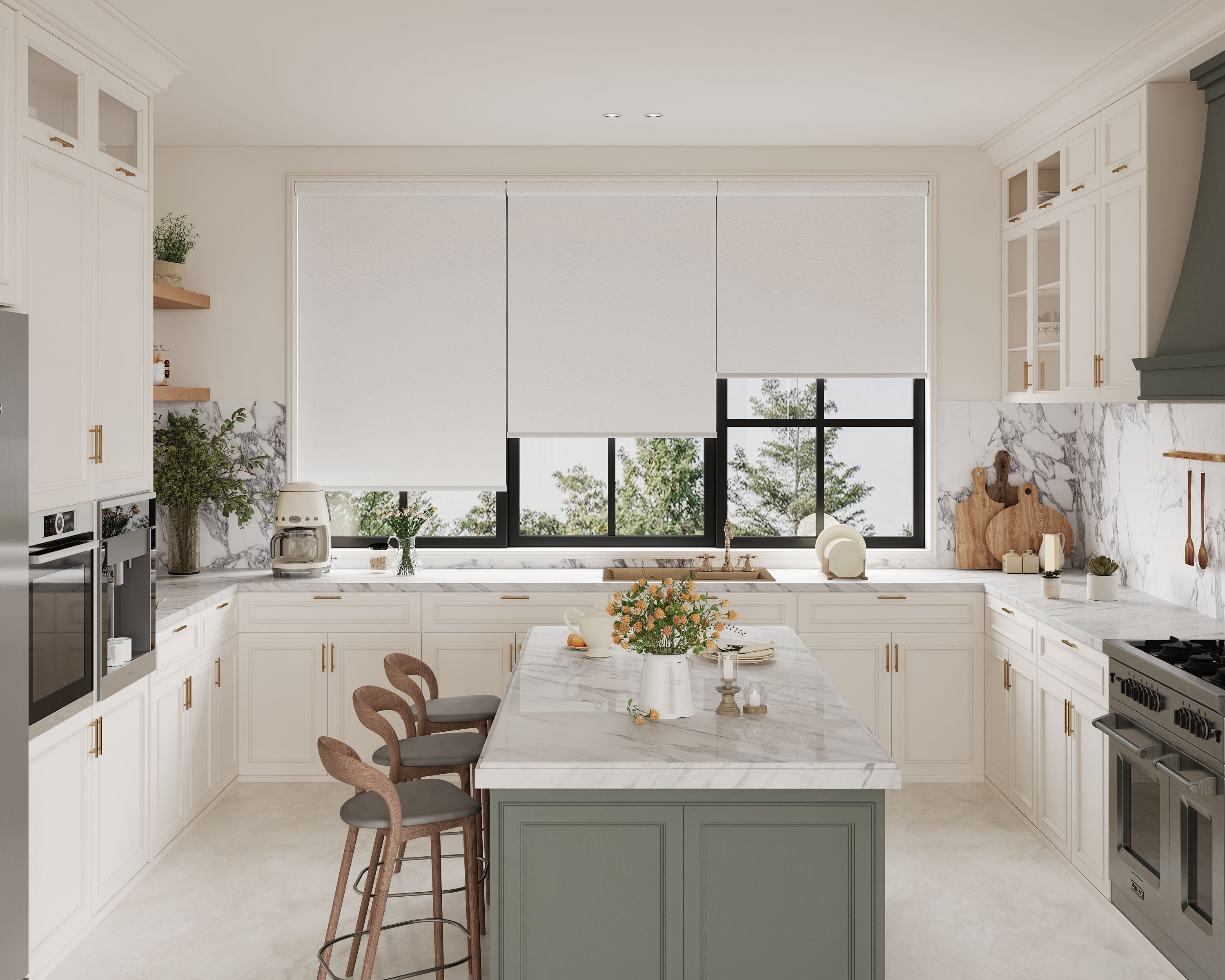
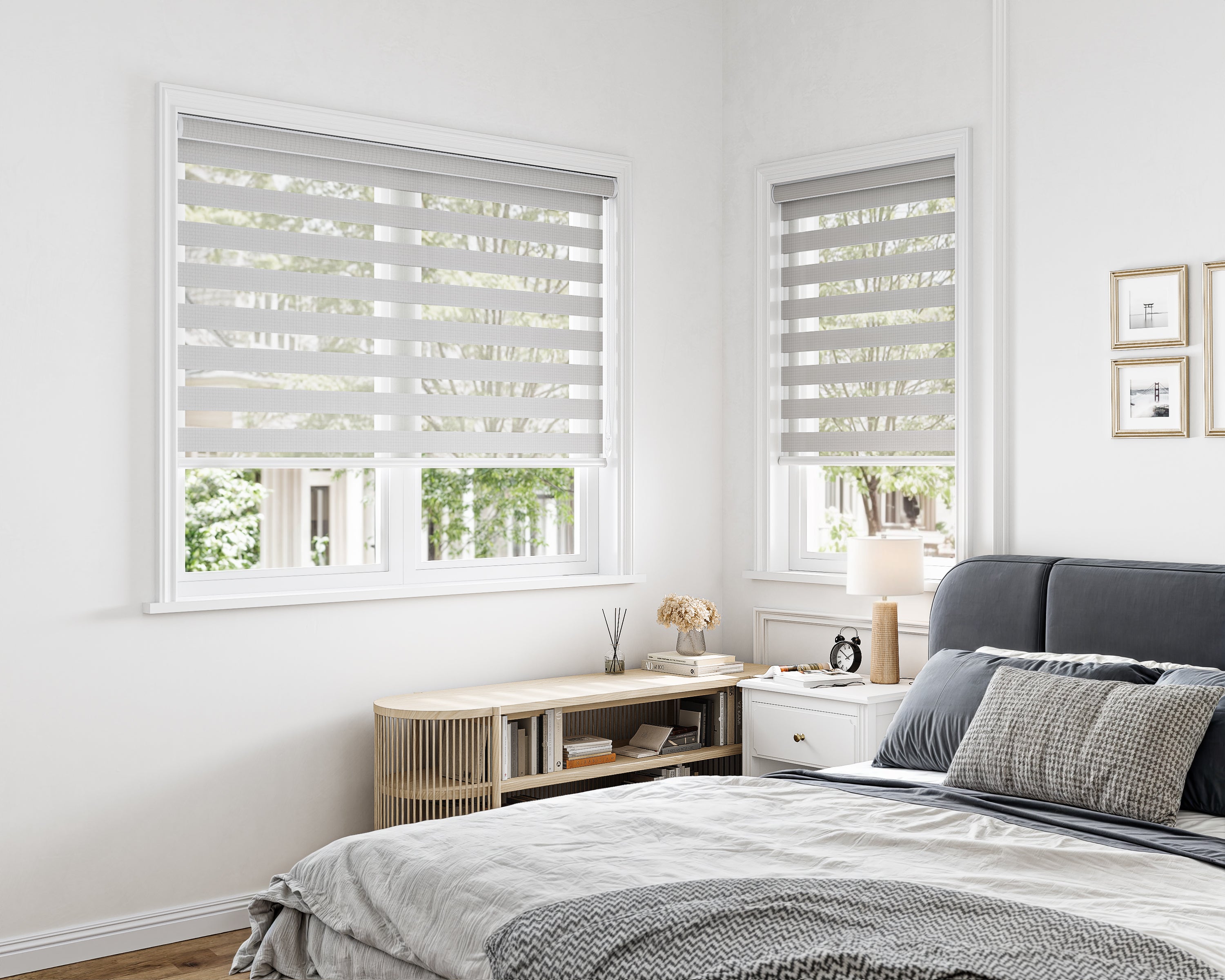
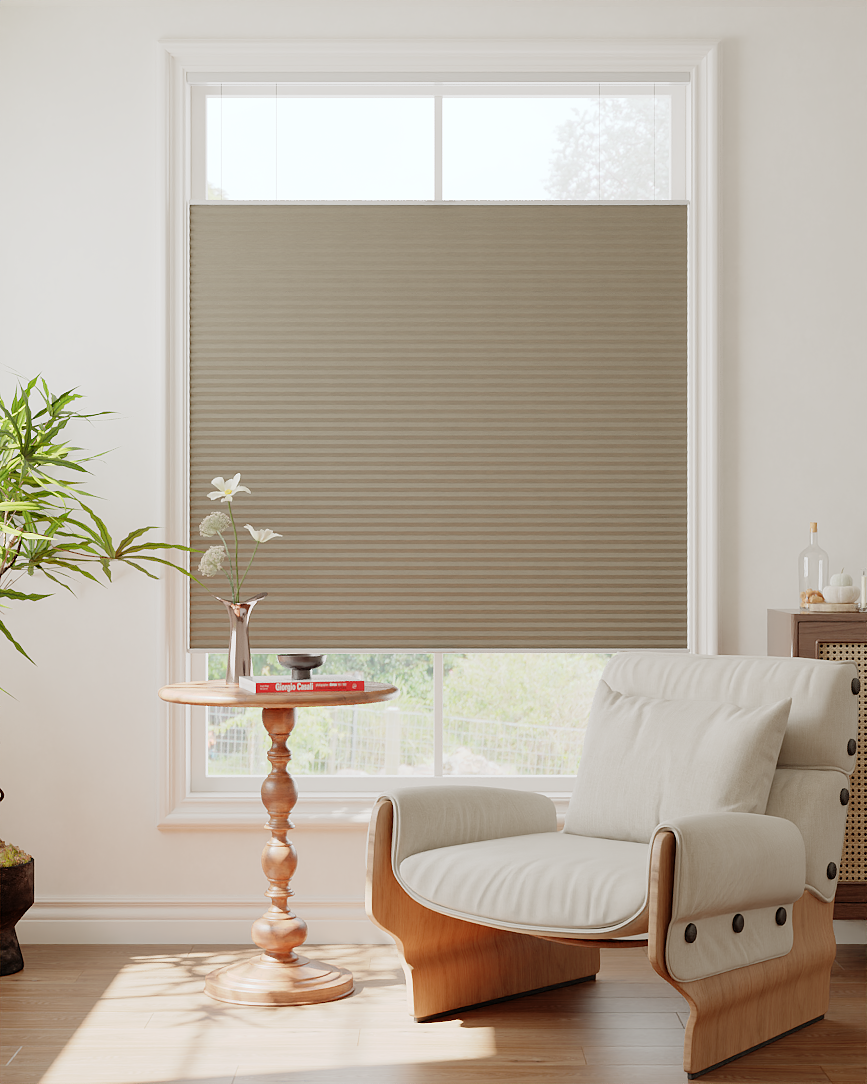
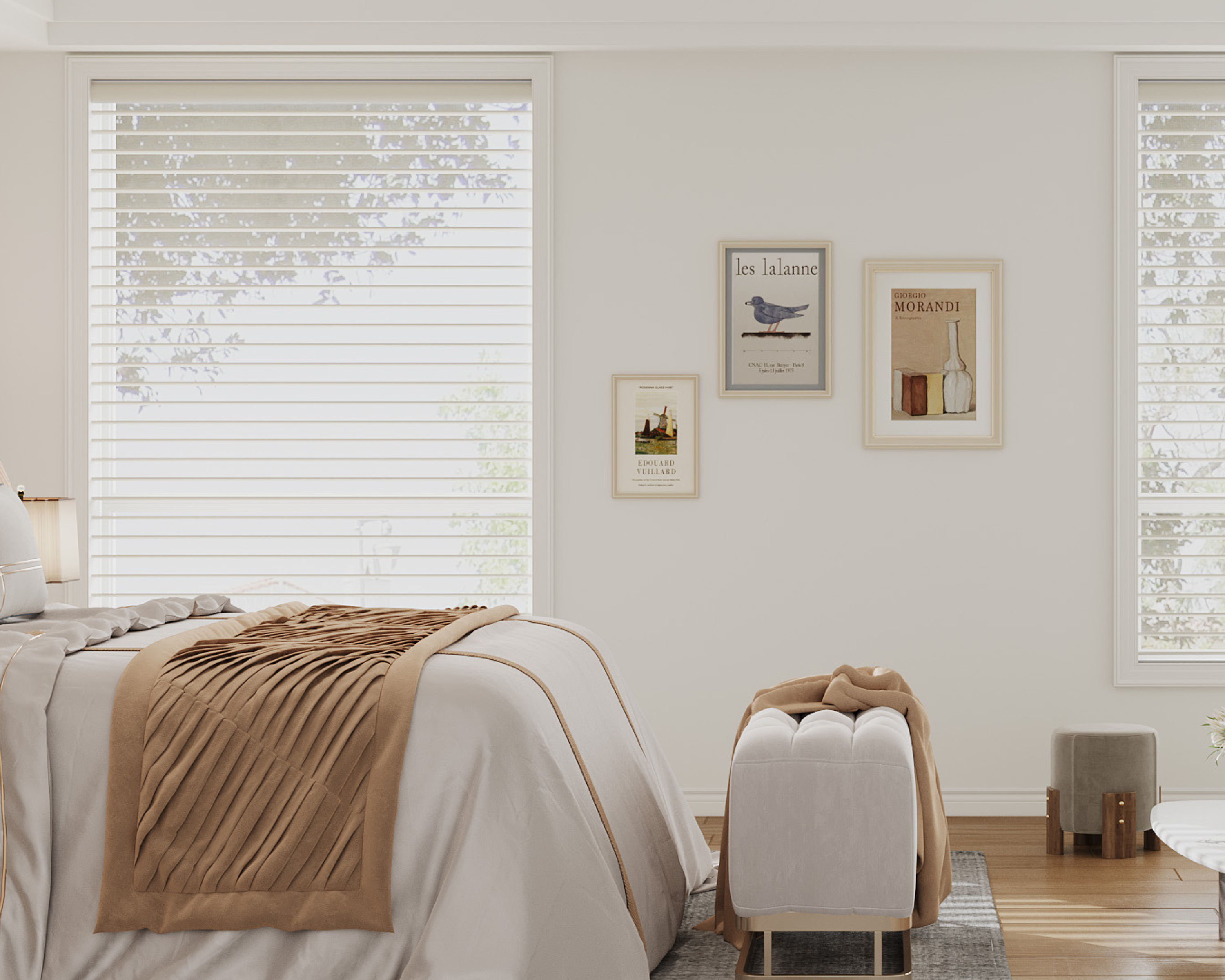
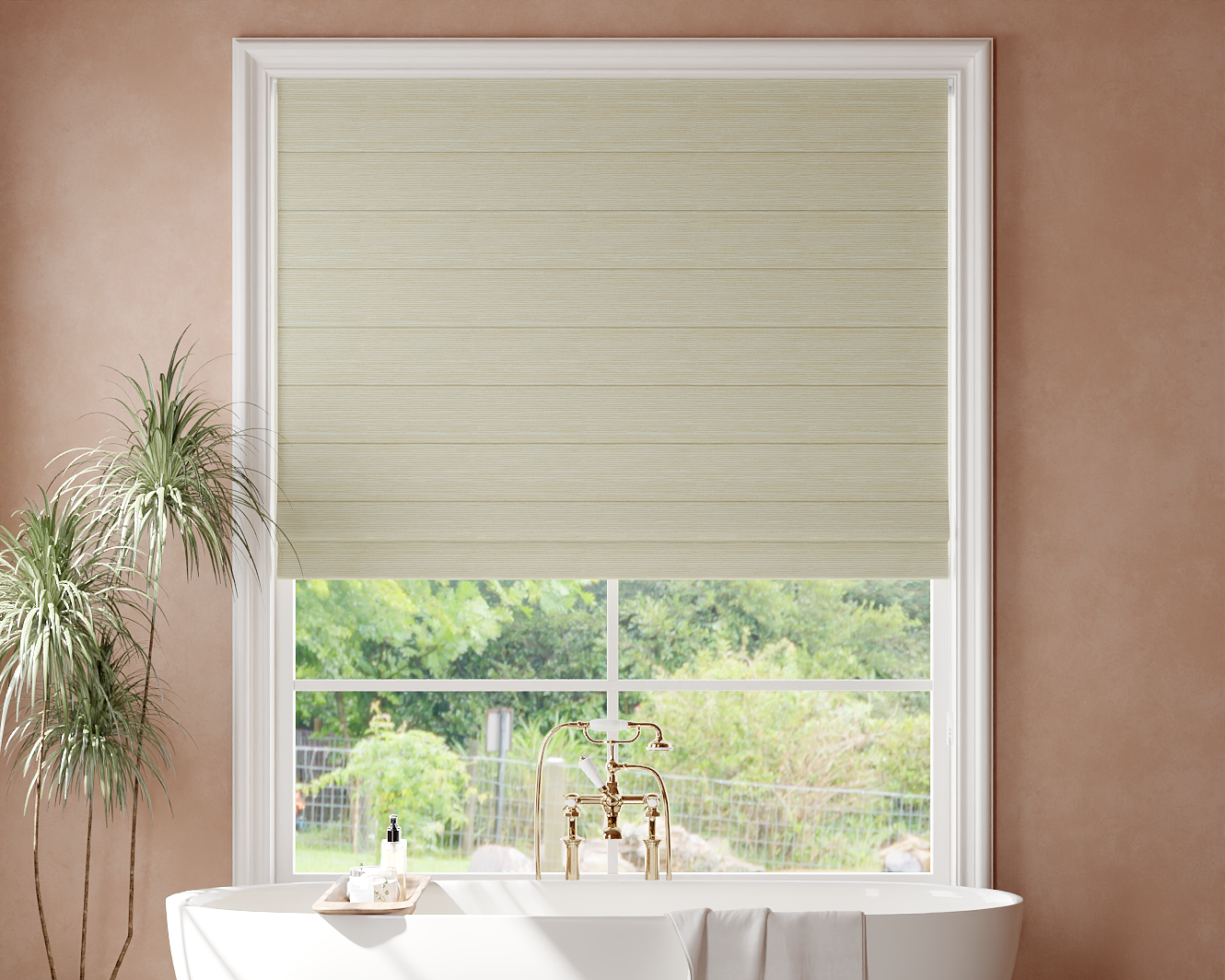
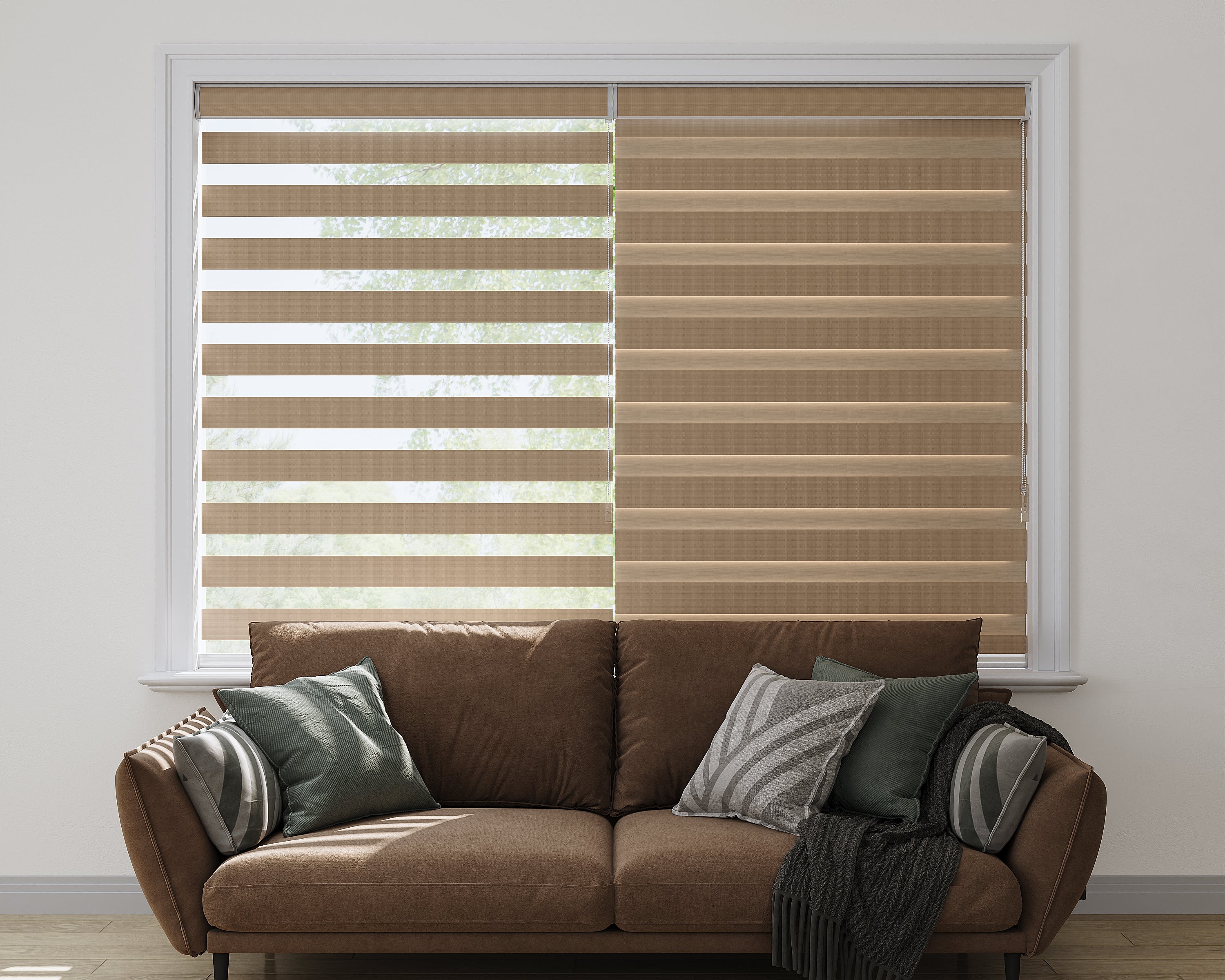
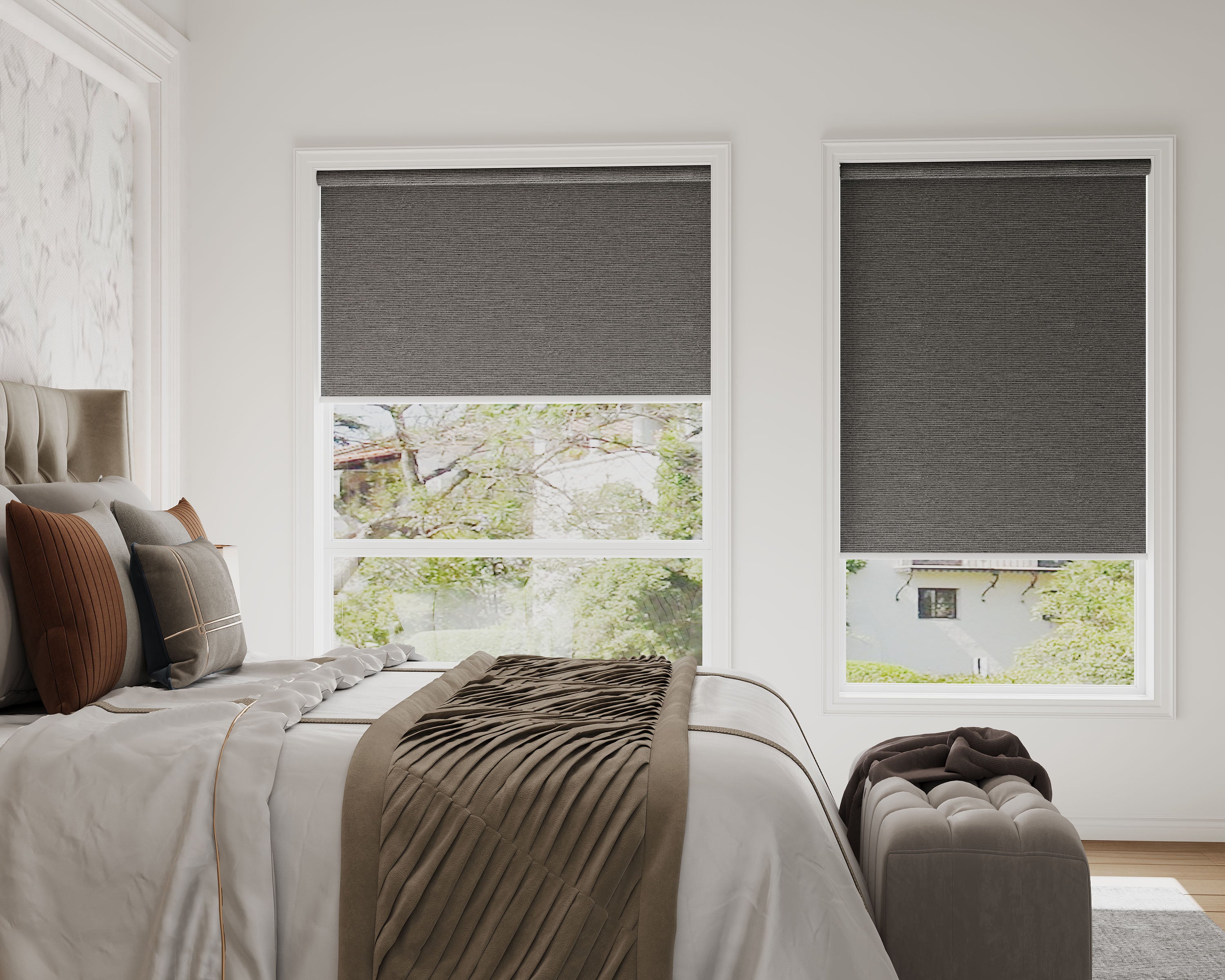
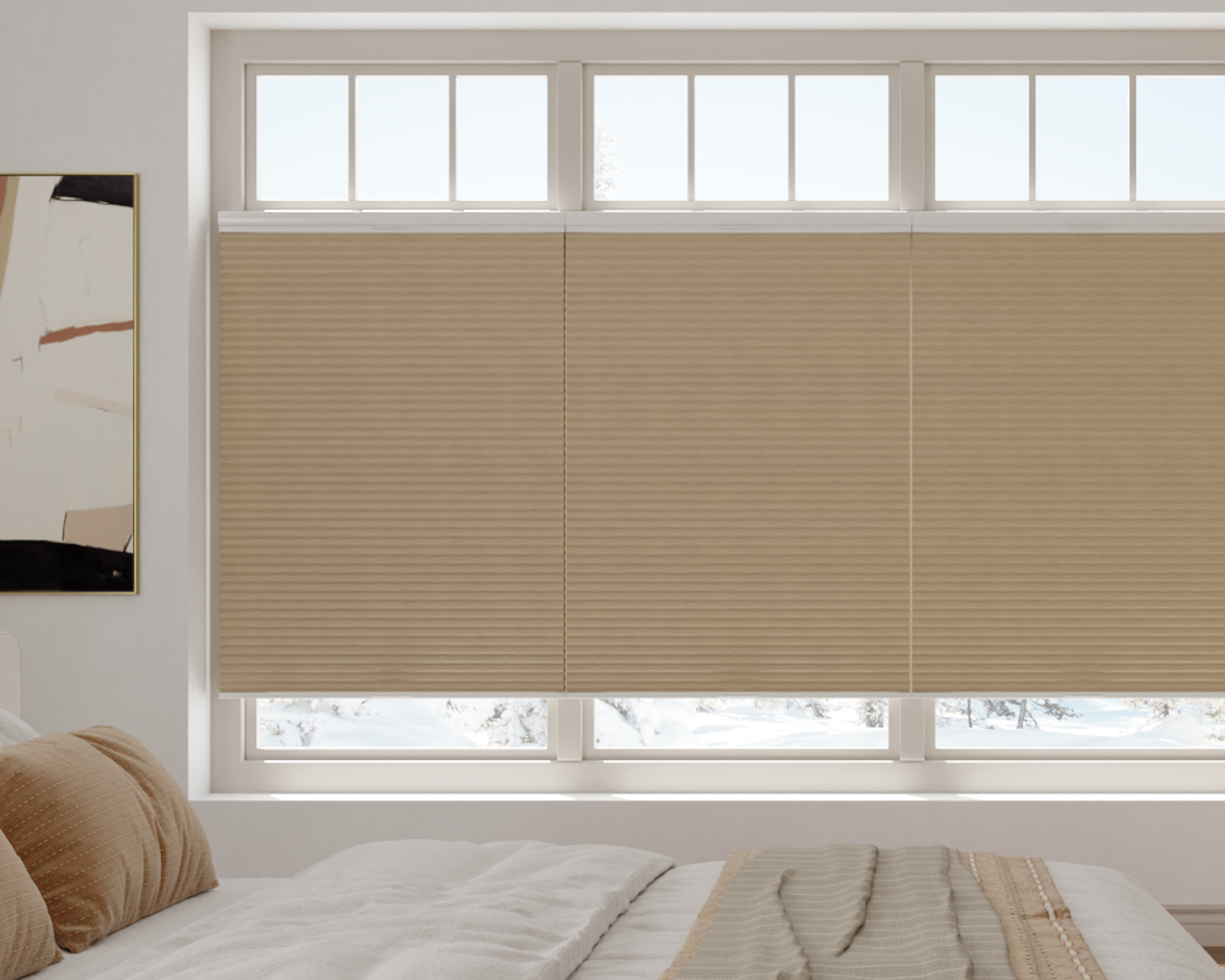







Roman shades bring elegant fabric folds to any window, but large windows—whether grand picture windows, wide sliders, or tall panoramas—present unique design and engineering challenges. Success lies in addressing scale, support, and operation from the start. This guide provides a comprehensive roadmap for selecting, designing, and installing Roman shades that are both beautiful and functional for your expansive windows.
Here’s what you’ll learn:
-
How to assess structural requirements and choose the right support system for heavy shades.
-
Why motorization is often essential, not just a luxury, for large windows.
-
Design strategies for choosing styles, fabrics, and proportions that enhance, not overwhelm, large spaces.
-
Critical installation considerations and why professional help is recommended.
-
How to plan for light control and energy efficiency across a large glass area.
To explore custom solutions built to the scale of your project, view our collection of Roman shades engineered for expansive windows and specialty installations.
The Core Challenges of Large Windows
Large windows are not merely scaled-up versions of standard ones. They introduce specific physical and functional considerations that must be addressed in the design phase.
Weight, Support, and Mechanism Integrity
The most immediate challenge is physical. A large Roman shade, especially with a blackout or thermal lining, can be surprisingly heavy.
-
Bracket & Headrail Strength: Standard hardware is insufficient. Large windows require heavy-duty brackets designed to be mounted into wall studs or solid header beams, not just drywall, and a reinforced headrail to prevent bowing.
-
Lift Mechanism Capacity: Cordless spring systems have strict weight limits. For large shades, a continuous cord loop (for manual operation) or a motorized system is almost always necessary to manage the load safely and smoothly. The benefits of a robust system are outlined in our comparison of motorized versus manual operation for demanding applications.
Operation and Accessibility
Operating a heavy, wide shade manually can be cumbersome. For tall windows, reaching the pull cord or bottom rail may require a step stool. Motorization solves this by providing remote, app, or voice control, making operation effortless and allowing you to manage multiple large shades simultaneously.
Scale and Proportion in Design
A small-patterned fabric or a dainty fold style can look lost on a vast window. Choices must be made with the window's grand scale in mind to create a harmonious, proportional look.
Designing Roman Shades for Scale and Style
The aesthetic goal is to complement the grandeur of the window without letting the treatment feel insubstantial or overly bulky.
Choosing the Right Roman Shade Style
The fold style impacts both appearance and function on a large scale.
-
Flat Roman Shades: Offer the cleanest, most modern look for large spans. Their smooth surface handles patterns well and provides the most consistent light control, which is crucial when pairing with a blackout lining for complete light elimination. They are also less prone to looking overly bulky when down.
-
Hobbled Roman Shades: Add luxurious texture and depth. On a large window, the cascading folds can create dramatic shadow lines. Ensure the fabric is substantial enough to hold the structure without sagging.
-
Relaxed Roman Shades: Provide a softer, more casual elegance. For very wide windows, consider splitting the treatment into multiple shades to maintain the relaxed drape without excessive fabric weight on a single headrail.
Selecting Fabric and Pattern
-
Scale of Pattern: Opt for medium- to large-scale patterns or textured weaves. Small, busy prints will visually fragment the large panel.
-
Color and Opacity: Solid colors or subtle textures often work best, allowing the shade to act as a cohesive plane of color. Consider how the opacity will affect the room's light; a light-filtering shade can soften glare, while a room-darkening fabric will make a significant impact on ambiance and heat gain.
The Single vs. Multiple Shade Decision
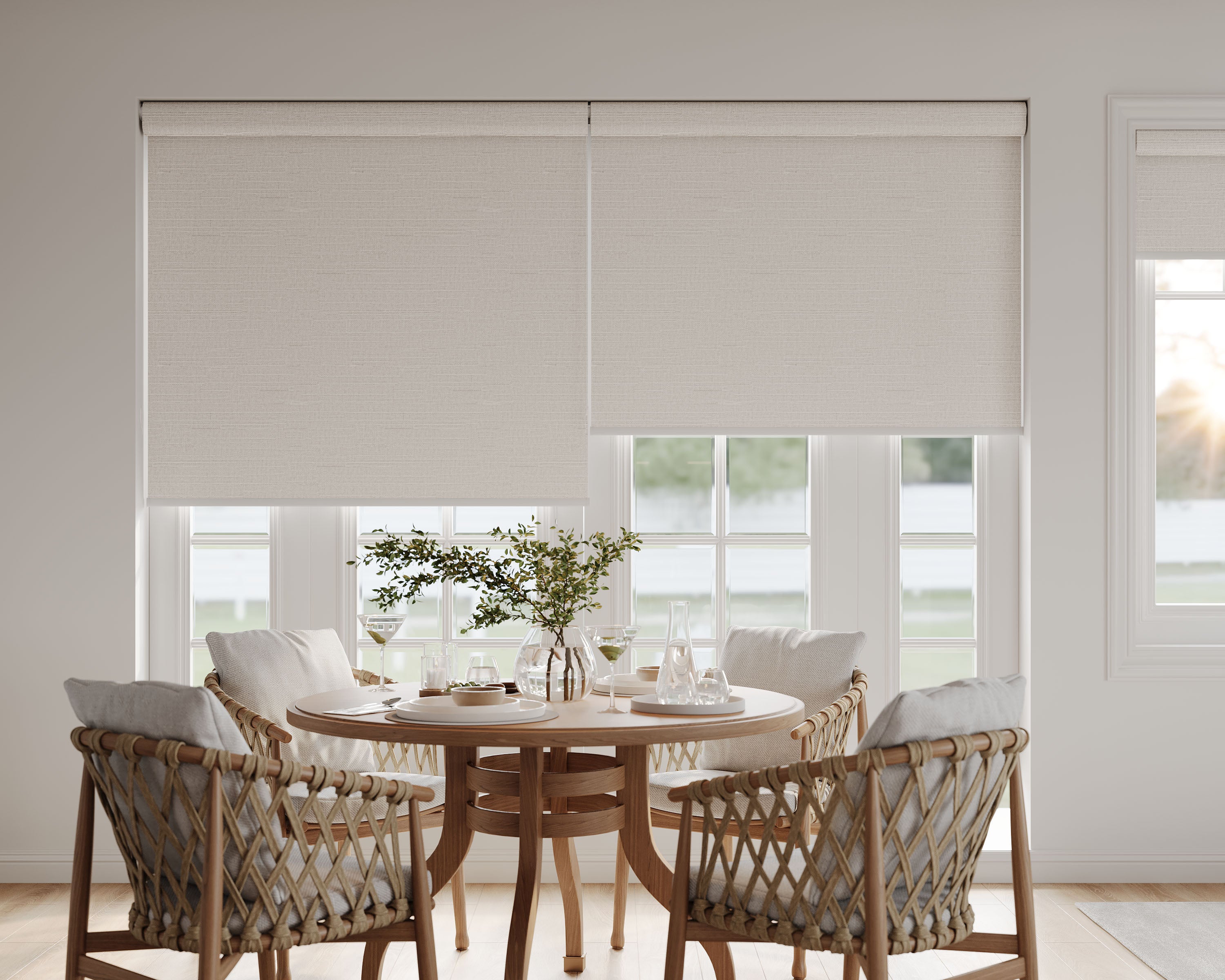
For very wide windows (often over 8-10 feet), a critical choice is between one colossal shade or two or more separate shades installed on a common headrail.
-
One Large Shade: Creates a seamless, impressive visual but is heavier, more challenging to install, and risks operational strain or fabric sag in the center over time.
-
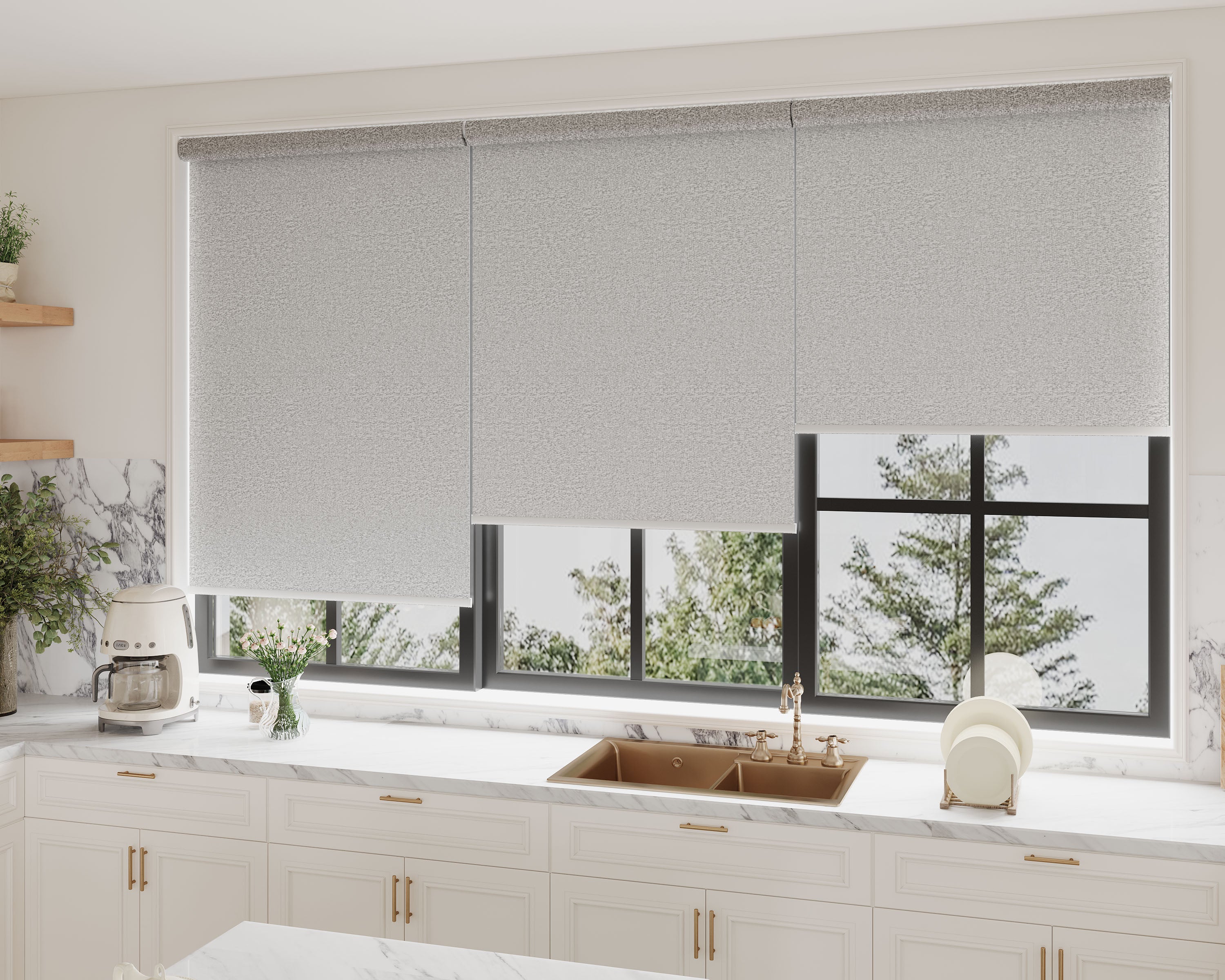
Multiple Shades: Increase reliability, ease of operation (especially if motorized separately), and allow for more flexible light control. The seam between shades is a design trade-off for improved functionality, a common consideration for covering large, complex window arrays.
Installation and Structural Considerations
Proper installation is non-negotiable for safety, performance, and longevity. This often goes beyond simple DIY.
Mounting: The Foundation of Support
For large, heavy shades, an outside mount onto the wall or a sturdy structural header is almost always required. This provides a solid mounting surface into studs and allows the shade to fully cover the window for optimal light control. The principles of achieving a solid outside mount for proper coverage and support are fundamental here.
The Imperative of Professional Installation
Given the weight, cost, and complexity:
-
Expert Assessment: A professional can identify the proper mounting points, locate studs or recommend reinforcing the header, and ensure the wall can handle the static and dynamic load.
-
Precision and Safety: They have the tools and expertise to install heavy-duty brackets perfectly level and secure, and to properly set up and program motorized systems.
-
Warranty Protection: Many manufacturers require professional installation for large or motorized shades to validate the product warranty. Our analysis of DIY versus professional installation risks and rewards is particularly relevant for this scale.
Motorization and Integration
For large windows, motorization transitions from a convenience to a practical necessity. It manages the heavy lift effortlessly and enables integration with home automation for scheduled raising/lowering to manage heat gain or for security purposes.
Key Recommendations for Success
Tackling large windows requires a methodical, function-first approach.
-
Prioritize Engineering: Begin with the structural and operational needs (support, motorization) before diving into fabrics and styles.
-
Embrace Motorization: For any large or hard-to-reach window, budget for motorization. It ensures daily usability and protects your investment in the shade itself.
-
Design for Proportion: Choose fabrics and styles with scale in mind. Simpler is often more powerful on a large canvas.
-
Invest in Professional Expertise: The installation of large shades is a specialty. The cost of professional installation is justified by safety, reliability, and achieving a flawless final result.
-
Measure Meticulously: For large windows, precise measurements are even more critical. Follow a rigorous guide for how to measure large windows for custom shades and consider having a professional verify them.
Shop Roman Shades by Light Control


Frequently Asked Questions (FAQ)
What is the maximum width for a single Roman shade?
While custom work can push limits, a reliable practical maximum for a single, stable Roman shade is typically between 8 to 10 feet. Beyond that, designers and engineers strongly recommend splitting the treatment into multiple shades to ensure proper operation and prevent sagging.
Can Roman shades be used on floor-to-ceiling windows?
Absolutely. They are an excellent choice for softening and controlling light in such spaces. The key considerations are using a sufficiently long ladder for installation and operation (making motorization highly recommended) and ensuring the mounting surface at the top of the tall window is structurally sound.
How do I prevent a large Roman shade from sagging in the middle?
Prevention is designed into the product. Key factors include:
-
Using a heavy-duty, reinforced headrail that resists bending.
-
Selecting an appropriate fabric and lining combination that isn't excessively heavy for the size.
-
Installing with heavy-duty brackets mounted into solid wood (studs/header).
-
For very wide shades, splitting into multiple panels is the most effective solution.
Are certain fabrics better than others for large shades?
Yes. Durable, stable fabrics with inherent structure (like many linens, canvases, and faux silks) perform better than very lightweight or stretchy materials. The fabric must hold its shape across a wide span. Your designer can recommend fabrics specifically graded for large-scale applications.
Do large motorized shades have a backup manual operation?
Most quality motorized systems include a manual override feature. This usually involves a discreet pull cord on the motor or a method to gently tug the bottom rail to disengage the clutch, allowing you to move the shade manually in the event of a complete power or battery failure.
